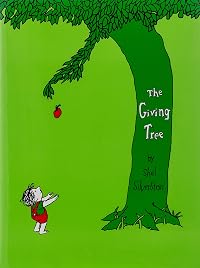
The Giving Tree
by Shel Silverstein
On This Page
Description
A young boy grows to manhood and old age experiencing the love and generosity of a tree which gives to him without thought of return.Tags
Recommendations
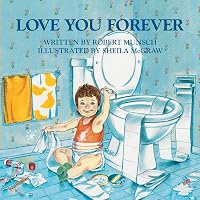
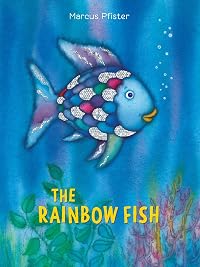
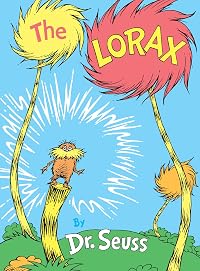

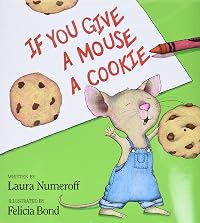

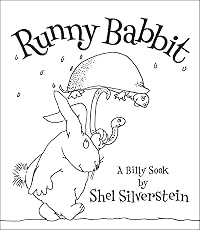
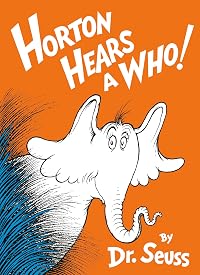
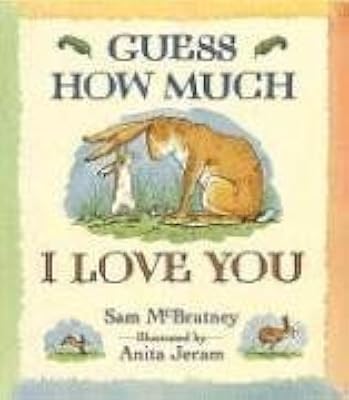
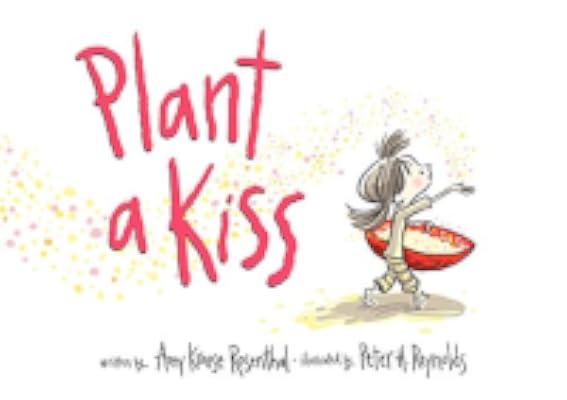
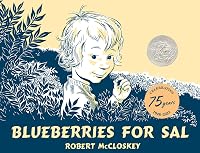
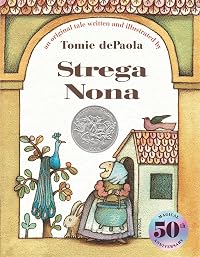
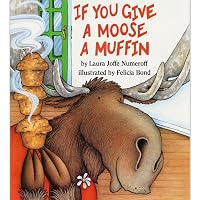
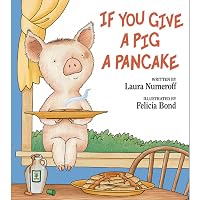
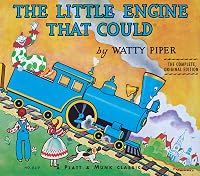
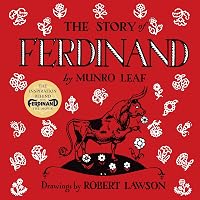
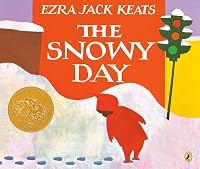
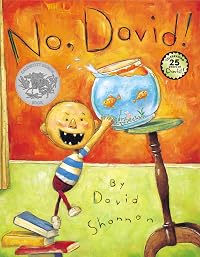
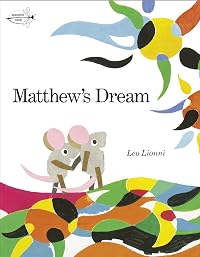
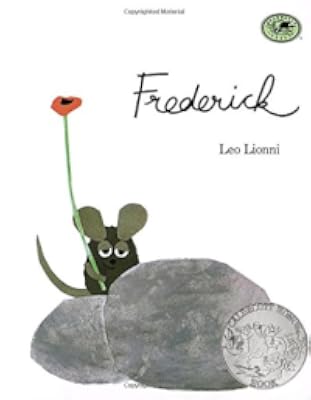
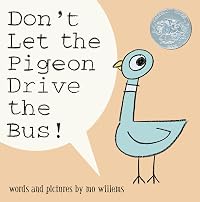
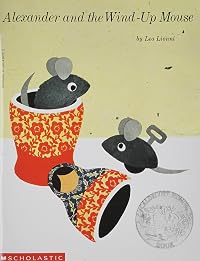
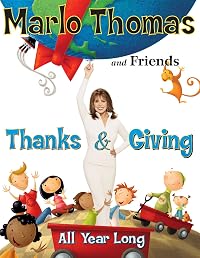
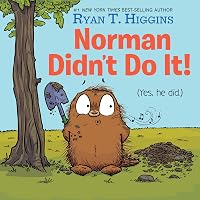
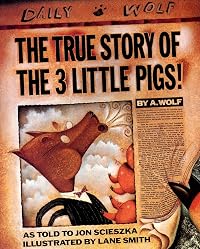
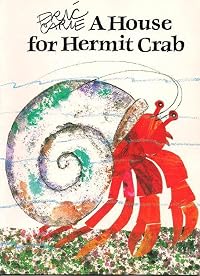

Member Recommendations
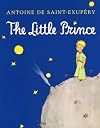
the_awesome_opossum Two children's books that both emotionally "grow up" as the reader does
80
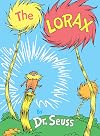
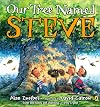
kellyholmes Another great picture book about an important tree.
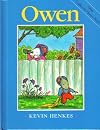
Owen by Kevin Henkes
lbush005 Did a children's story project in college class, a class mate did her project on this story. Great morals!!
01
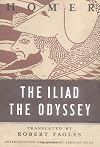
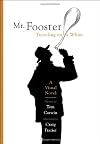
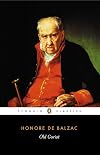
Cecrow Call this a tongue-in-cheek recommendation - or not. "The Giving Tree" for grown-ups.
Member Reviews
Shel Silverstein's "The Giving Tree" showcases the themes of love, sacrifice, and human relationships. The story follows a tree that selflessly gives everything to the boy. Her apples, shade, branches, and even her trunk. Silverstein's repetitive phrasing, specifically "And the tree was happy" evoke both warmth and sorrow, emphasizing the contrast between unconditional giving and quiet loss. The illustrations, done in Silverstein’s signature black-and-white line art, contribute to the story’s emotional weight. The lack of color allows the focus to remain on the characters and their relationship. The tree’s gradual diminishment visually parallels the passage of time and the extent of its sacrifice, making the illustrations a show more critical part of the storytelling rather than an embellishment. Although the book is often seen as a touching story of unconditional love, it has also sparked debate about its underlying message. I've seen that some interpret the tree's self-sacrifice as a cautionary tale about toxic relationships or the dangers of self-neglect. While others still view it as a story about generosity and the purest form of giving. I think that this debate between the underlying message between the story being true or not is a perfect example of why picture books can still be for older kids/adults. As a kid reading this book, I remember just feeling sad for the tree because she gave everything to the boy, and he took it without hesitation. Granted as a kid I probably didn't know what a toxic relationship was, but now rereading this as an adult I can definitely see that there could be a dual message to this story. show less
A children’s tale glorifying an abusive relationship with all the subtlety of a sledgehammer
Shel Silverstein’s “The Giving Tree” is often celebrated as a classic of children’s literature, yet, reading it now, I struggle to see the appeal. Where contemporaries in the genre – such as Maurice Sendak’s “Where the Wild Things Are” – bring subtext, wit, and magic, Silverstein’s approach here is relentlessly didactic.
The narrative, centring on a boy’s lifelong (abusive) relationship with a perpetually self-sacrificing tree, bludgeons the reader with its message of unconditional giving to the point of tedium. “The Giving Tree” has all the subtlety of a sledgehammer.
The story’s moral simplicity feels not only show more outdated but, frankly, rather joyless. One leaves the tale with a sense of manipulation, not enlightenment. This might suffice for those in search of finger-wagging parables, but for those yearning for depth or nuance, there are far better options in the children’s canon.
One star out of five.
Blog | Goodreads | Hardcover | Facebook | Twitter | Mastodon | Instagram | Threads | StoryGraph | LibraryThing | Medium | Matrix | Tumblr
Ceterum censeo Putin esse delendam show less
Shel Silverstein’s “The Giving Tree” is often celebrated as a classic of children’s literature, yet, reading it now, I struggle to see the appeal. Where contemporaries in the genre – such as Maurice Sendak’s “Where the Wild Things Are” – bring subtext, wit, and magic, Silverstein’s approach here is relentlessly didactic.
The narrative, centring on a boy’s lifelong (abusive) relationship with a perpetually self-sacrificing tree, bludgeons the reader with its message of unconditional giving to the point of tedium. “The Giving Tree” has all the subtlety of a sledgehammer.
The story’s moral simplicity feels not only show more outdated but, frankly, rather joyless. One leaves the tale with a sense of manipulation, not enlightenment. This might suffice for those in search of finger-wagging parables, but for those yearning for depth or nuance, there are far better options in the children’s canon.
One star out of five.
Blog | Goodreads | Hardcover | Facebook | Twitter | Mastodon | Instagram | Threads | StoryGraph | LibraryThing | Medium | Matrix | Tumblr
Ceterum censeo Putin esse delendam show less
The Giving Tree was an integral part of my childhood. I love this book. Following the Boy and the Tree throughout their lives, the Tree was always happy to give to the Boy. The book teaches about selfless love through the actions of the Tree and all she gave to the Boy, even when all she could give him was a place to rest his tired body. This book teaches about how giving and providing for the people in your life is important, and how the things we give oftentimes mean more than we could ever understand. The relationship is similar to that of a mother and her child, the mother giving all of herself and her love to her child, even if it is detrimental to her. The illustrations are simple and unique, my next tattoo is actually going to be show more a picture of the stump with the words, "...and the Tree was happy". show less
The Giving Tree is a rather depressing parable about a tree that loves a boy who proceeds to take and take and take until the tree has nothing left. Forget children's story, this serves as a warning for anyone in or in danger of an abusive relationship.
I've only read this as an adult so I don't have nostalgic childhood memories. And honestly I'm not sure why anyone does but god knows children have weird ideas about what's a great story. To me, it was just sad. I felt sorry for the tree that gives and gives and never receives the love it deserves. 2 stars.
I've only read this as an adult so I don't have nostalgic childhood memories. And honestly I'm not sure why anyone does but god knows children have weird ideas about what's a great story. To me, it was just sad. I felt sorry for the tree that gives and gives and never receives the love it deserves. 2 stars.
Si existe una moraleja, que venga Dios y me la cuente. Hay quien dice que es una parábola sobre la relación entre padres e hijos (me rechina), otra que es sobre las relaciones tóxicas en general, otra que trata de como hay que ser generoso hasta con las personas que
There are children’s books that entertain, and then there’s The Giving Tree. It's a 64-page emotional stick of dynamite disguised as a sweet nature story. I used to read this to my daughter when she was little. The first time, I thought it would be a nice bedtime story about trees, apples, childhood… you know, harmless stuff.
This book hits harder than a grad school philosophy class.
The Giving Tree is a miracle of a book: painful, generous, unsettlingly honest, and far wiser than any adult ever expects going in. If you have a heart, or once knew someone who deserved one, this story will pry it open and leave it pulsing in your hands as you weep uncontrollably at the cruelty of growing up wanting more from the world than the world show more ever promised you.
This should be mandatory reading; preferably before adulthood has a chance to ruin us show less
This book hits harder than a grad school philosophy class.
The Giving Tree is a miracle of a book: painful, generous, unsettlingly honest, and far wiser than any adult ever expects going in. If you have a heart, or once knew someone who deserved one, this story will pry it open and leave it pulsing in your hands as you weep uncontrollably at the cruelty of growing up wanting more from the world than the world show more ever promised you.
This should be mandatory reading; preferably before adulthood has a chance to ruin us show less
I knocked this down to two stars, and part of me is so sad. This was hugely a childhood favorite, and I spoke of it fondly for decades. In the past few years, someone pointed out acidly that the tree is codependent until its death. Someone else made an alternative version where the tree yells at him for taking so much and never reciprocating, and the tree loudly suggests opening a bakery specializing in apple-based goods instead of giving until her resources couldn't be renewed anymore. The person even noted page numbers that could be stapled in as a replacement. -That- version made me feel a lot better as adult. The tree doesn't die prematurely just so an old man can park his butt; they help their community and the economy; and their show more relationship is a lot more balanced. Good lessons to teach kids. I'm both glad the original book was written, and for the updated retelling online. show less
Members
- Recently Added By
Published Reviews
Este livro é o mais conhecido do escritor e ilustrador norte-americano Shel Silverstein. O clássico, escrito em 1964, comoveu gerações com a história de uma árvore e um menino. Com poucas palavras, Silverstein fala da relação entre o homem e a natureza, onde uma árvore oferece tudo a um menino, que a deixa de lado ao crescer ao mesmo tempo que se torna num homem egoísta. Mas para show more agradar ao menino que ama, a generosidade desta árvore não tem fim - ainda que isto signifique a sua própria destruição. Em primeiro plano, uma lição de consciência ecológica: o homem pequeno, mesquinho, frente à generosidade e à força da natureza. No entanto, a dinâmica que vemos entre o menino e a árvore fala também da passagem do tempo e dos valores que são reavaliados com ela. A árvore ensina, por meio do afecto, uma relação de troca sincera e desinteressada - essa que o homem parece desaprender com as exigências da vida adulta. Duas fortes qualidades aliam-se neste livro. O facto de abordar questões fundamentais como o tempo, a morte, a vida, a relação amorosa e de amizade, tudo o que nos posiciona face aos outros e a nós próprios, assim como a aposta ao nível estético , na sobriedade narrativa como ilustrativa, com o traço simples e preciso de Silverstein. Shel Silverstein lança um olhar terno à arte da dádiva e ao conceito de amor incondicional no seu profundo e tocante livro infantil “A árvore generosa”. É a história sobre a relação de um menino e uma árvore. Dar ao menino tudo o que ele quer é o que faz a árvore feliz, algo que se prolonga pela vida do menino. Primeiramente, a árvore é o sítio para o rapaz brincar e comer maçãs, mais tarde é fonte de material para construir uma casa e ainda mais tarde o seu tronco serve para fazer um barco. Chegado à velhice e depois de usar tudo o que árvore tinha para dar, o que sobra é um toco. No entanto, tudo o que ele necessita nesta fase da sua vida é um sítio para se sentar e descansar, algo que um velho toco pode oferecer. As ilustrações de Silverstein são aparentemente simples – desenhos que deixam as páginas com bastante espaço em branco – cada uma demonstra a subtileza da emoção e mudança que é ao mesmo tempo cativante e básica. A perda gradual das partes da árvore é uma mensagem visual bastante forte. Na fase em que da árvore não sobra nada a não ser um toco, a ilustração acompanha na perfeição as palavras “E a árvore ficou feliz... mas não muito”. “A árvore generosa” pode ser lida e relida, pois a sua mensagem irá concerteza mudar à medida que o seu leitor cresce. Um livro que irá marcar crianças durante gerações e gerações.
— Beth Amos show less
— Beth Amos show less
added by RitaCirne
Era uma vez uma árvore... que amava um menino.”Assim começa esta comovedora história de Shel Silverstein publicada pela primeira vez em 1964, que há muito se tornou um clássico da literatura infanto-juvenil mundial. Todos os dias o menino vinha balançar-se nos seus ramos, comer as suas maçãs, subir ao seu tronco ou descansar à sua sombra e a árvore era feliz. Mas à medida que o show more tempo passa e o menino cresce, nada será como dantes. "Comovedora e agridoce história da desinteressada amizade de uma árvore por um ser humano.Desde a sua infância, o menino joga às escondidas com a árvore, balança-se nos seus ramos, come as suas maçãs, passando pela adolescência, quando grava no seu tronco um coração, pela maturidade em que corta os seus ramos para fazer uma casa e finalmente a velhice, que fecha o ciclo vital, onde a àrvore, que se sentia feliz em troca de nada, já lhe tinha dado tudo... Álbum pioneiro (a sua primeira edição em inglês foi publicada em 1964), assombroso pela sua economia de meios, já que a história se entende perfeitamente sem necessidade de ler o texto, só com as simples e expressivas ilustrações de traço negro sobre o branco."— Revista Babar show less
added by RitaCirne
"A história de Shel Silverstein toca tanto crianças como adultos com as suas mensagens de generosidade e partilha."— Los Angeles Times
added by RitaCirne
Lists

Favorite Childhood Books
1,646 works; 514 members

Top-Rated Children's Books
87 works; 16 members

Best Children's Books You've Read
197 works; 75 members

Top-Rated Books on LibraryThing
272 works; 117 members
1001 Children's Books You Must Read Before You Grow Up
774 works; 101 members

Best children's picture books
377 works; 85 members

Classics you know you should have read but probably haven't
421 works; 408 members
27 Books Parents Should Read to Their Kids Before They Grow Up
27 works; 7 members

Picture Book Library
49 works; 7 members

The Top Ten: Writers Pick Their Favorite Books
240 works; 31 members

75 Books for Literacy Block: Fall 2016
17 works; 2 members

Children's Classics Worth Reading
68 works; 9 members

Research/Inquiry - questions and wondering
43 works; 3 members
Blue Pyramid 1,276 Best Books of All Time
1,248 works; 32 members

Geek Dad Read to Your Kids List
79 works; 4 members

Childhood books
41 works; 1 member

75 Books for Fall Literacy Block - Dr. Reed
67 works; 2 members

Youth: Personal Values
252 works; 1 member

Favorite Literary Love Stories
182 works; 101 members

Best Love Stories
107 works; 14 members

Best Children's Books
2 works; 1 member

Biggest Disappointments
606 works; 168 members
Books Mentioned in The Wedding Planner's Daughter series
107 works; 2 members

Literature for Children and Teens
41 works; 2 members

Recommend the 20 best books you've read in the last five years
2,168 works; 606 members

Books Read in 2016
4,666 works; 199 members

1970s
657 works; 23 members

Recommended Reading List
219 works; 1 member
BitLife
212 works; 4 members
Books That Made Us Cry
278 works; 145 members
Favorite Picture Books
479 works; 160 members
Written and Illustrated By
805 works; 1 member

Books We Loved As Children
603 works; 252 members
Author Information

100+ Works 85,856 Members
The most popular current writer of humorous verse for children, Shel Silverstein was born in Chicago, Illinois, has been married and divorced, has one daughter, and currently lives in Brooklyn, New York. His career includes composing popular songs, drawing cartoons, writing many adult articles (several for Playboy), and acting. However, he is best show more known for his self-illustrated children's poetry. His first such book was Uncle Shelby's Story of Lafcadio, the Lion Who Shot Back (1963), the humorous tale of a lion who turns the tables on hunters. It was followed by The Giving Tree (1964), a story of a parentlike tree that gives endlessly and is endlessly used by its son. Several other such picture books followed, including The Missing Piece (1976), about a circle that goes in search of a missing piece, and its sequel, The Missing Piece Meets the Big O (1981). However, two collections of poetry are probably his best-loved work: Where the Sidewalk Ends: The Poems and Drawings of Shel Silverstein (1974), and A Light in the Attic (1981). All of Silverstein's poetry for children employs the language play common to Lewis Carroll and Edward Lear. Silverstein is probably the best of the contemporary nonsense poets for children. (Bowker Author Biography) show less
Some Editions
Awards and Honors
Awards
Distinctions
Notable Lists
Work Relationships
Is contained in
Has the adaptation
Is parodied in
Common Knowledge
- Canonical title
- The Giving Tree
- Original title
- The giving tree
- Original publication date
- 1964-10-07
- People/Characters
- The Tree; The Boy
- Related movies
- The Giving Tree (1973 | IMDb)
- Dedication
- For Nicky
- First words
- Once there was a tree...
- Quotations
- And the tree was happy... but not really.
- Last words
- (Click to show. Warning: May contain spoilers.)And the tree was happy.
- Original language*
- inglês
- Disambiguation notice
- This is the main work, it is NOT the latin equivalent which falls under the dead language exception and should NOT be combined with this work. Take it to the Combiners! group before continuing.
*Some information comes from Common Knowledge in other languages. Click "Edit" for more information.
Classifications
- Genres
- Children's Books, Picture Books, Poetry
- DDC/MDS
- 813.54 — Literature & rhetoric American literature in English American fiction in English 1900-1999 1945-1999
- LCC
- PZ7 .S588 .G — Language and Literature Fiction and juvenile belles lettres Fiction and juvenile belles lettres Juvenile belles lettres
- BISAC
Statistics
- Members
- 22,191
- Popularity
- 238
- Reviews
- 1,092
- Rating
- (4.29)
- Languages
- 21 — Armenian, Chinese, Dutch, English, Esperanto, Estonian, Finnish, French, German, Hebrew, Italian, Japanese, Korean, Norwegian (Bokmål), Portuguese, Russian, Serbian, Spanish, Swedish, Thai, Turkish
- Media
- Paper, Audiobook, Ebook
- ISBNs
- 84
- UPCs
- 4
- ASINs
- 64