On This Page
Description
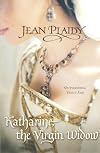
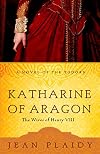
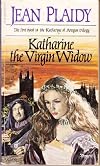
Fiction. Literature. Historical Fiction. HTML:For the first time in paperback—all three of Jean Plaidy’s Katharine of Aragon novels in one volume.Legendary historical novelist Jean Plaidy begins her tales of Henry VIII’s queens with the story of his first wife, the Spanish princess Katharine of Aragon.
As a teenager, Katharine leaves her beloved Spain, land of olive groves and soaring cathedrals, for the drab, rainy island of England. There she is married to the king’s eldest son, show more Arthur, a sickly boy who dies six months after the wedding. Katharine is left a widow who was never truly a wife, lonely in a strange land, with a very bleak future. Her only hope of escape is to marry the king’s second son, Prince Henry, now heir to the throne. Tall, athletic, handsome, a lover of poetry and music, Henry is all that Katharine could want in a husband. But their first son dies and, after many more pregnancies, only one child survives, a daughter. Disappointed by his lack of an heir,... show less
Tags
Recommendations













Member Recommendations
Member Reviews
The Tudor series is not a string of novels written one after the other; they were written at different stages during Plaidy’s life. The first book was the last to be written. This second one – and the two that follow it – are really sequels from the Daughters of Spain series.
In consequence, a huge portion of Book One is retold in Book Two. Book One follows on from the Plantagenet series, and it’s a shame that the author didn’t write up to the point where she starts this novel.
We do, however, see more events from Katharine of Aragon’s viewpoint in this story, along with her maidservents’ activities, plus what’s going on in Spain.
Katharine’s sister Juana is the most well-developed and engaging character. She’s mad, show more which gives are more personality than any other character. The sections featuring Juana interested me most of all.
As with all Plaidy novels, “The Virgin Widow” features a lot of repeated info and dry facts. The main reason why her works are so dry is because there’s far too much *telling*, as opposed to *showing*. Many times in this book the reader is told what happened in a few sentences, when the author could’ve dramatized scenes to show what happened.
Something else Ms Plaidy’s guilty of is her continuous use of the passive voice. It’s always, “She had been carried into the lying-in-state chamber by four noblemen,” or “The daughter of the King,” as opposed to the active voice: “Four noblemen carried her into the lying-in-state chamber,” and “The king’s daughter.”
Passive voice = passive prose.
Another annoying trait this author has is writing with hindsight. Her characters say prophetic things, which is too unrealistic, or they wish for things – repeatedly! – until they either get their wish, or suffer in the attempt.
For example, the future Henry VIII constantly wishes he was the firstborn son, and he harps on about older brother Arthur’s ill health. It’s written in such a way as to hint that Henry knows his wish will come true. We know it will, but he couldn’t know, especially from such a young age. In the previous book he was coveting the throne from the age of three.
The future was as unknown to these people as it is for everyone else, but in these stories they have premonitions, which I can’t believe the real people these characters are based on would ever have:
“She was trying to shake off this premonition which had been with her since she knew she was to have another child.”
It’s all down to the author writing with hindsight. Very irritating.
Something about Jean Plaidy’s books keep me coming back for more. Perhaps it’s her obvious love for English history, which I share, that draws me back. I wish she’d focused less on turning out as greater quantity of novels as possible and concentrated more on quality writing.
“The Virgin Widow” has some good moments, but overall it’s another that feels like an unedited early draft. show less
In consequence, a huge portion of Book One is retold in Book Two. Book One follows on from the Plantagenet series, and it’s a shame that the author didn’t write up to the point where she starts this novel.
We do, however, see more events from Katharine of Aragon’s viewpoint in this story, along with her maidservents’ activities, plus what’s going on in Spain.
Katharine’s sister Juana is the most well-developed and engaging character. She’s mad, show more which gives are more personality than any other character. The sections featuring Juana interested me most of all.
As with all Plaidy novels, “The Virgin Widow” features a lot of repeated info and dry facts. The main reason why her works are so dry is because there’s far too much *telling*, as opposed to *showing*. Many times in this book the reader is told what happened in a few sentences, when the author could’ve dramatized scenes to show what happened.
Something else Ms Plaidy’s guilty of is her continuous use of the passive voice. It’s always, “She had been carried into the lying-in-state chamber by four noblemen,” or “The daughter of the King,” as opposed to the active voice: “Four noblemen carried her into the lying-in-state chamber,” and “The king’s daughter.”
Passive voice = passive prose.
Another annoying trait this author has is writing with hindsight. Her characters say prophetic things, which is too unrealistic, or they wish for things – repeatedly! – until they either get their wish, or suffer in the attempt.
For example, the future Henry VIII constantly wishes he was the firstborn son, and he harps on about older brother Arthur’s ill health. It’s written in such a way as to hint that Henry knows his wish will come true. We know it will, but he couldn’t know, especially from such a young age. In the previous book he was coveting the throne from the age of three.
The future was as unknown to these people as it is for everyone else, but in these stories they have premonitions, which I can’t believe the real people these characters are based on would ever have:
“She was trying to shake off this premonition which had been with her since she knew she was to have another child.”
It’s all down to the author writing with hindsight. Very irritating.
Something about Jean Plaidy’s books keep me coming back for more. Perhaps it’s her obvious love for English history, which I share, that draws me back. I wish she’d focused less on turning out as greater quantity of novels as possible and concentrated more on quality writing.
“The Virgin Widow” has some good moments, but overall it’s another that feels like an unedited early draft. show less
I have been collecting books by Jean Plaidy for years. Jean Plaidy was a pseudonym used by author Eleanor Hibbert. Hibbert also wrote under the name Victoria Holt and Philippa Carr, plus several others. Each genre she wrote in was under a different name. I can totally understand. She wanted her historical fiction separate from her gothic romance, etc.
Jean Plaidy books flesh out periods/events in history. Hibbert takes historical fact and brings in the details....conversations, thoughts, drama, politics, and intrigue, plus the humanity of the events.. Plaidy books are NOT historical romance, but historical fiction. There is a difference. Plaidy brings life to historical events.....not ripped bodices and naked royalty. For those types of show more stories, there are many, many other authors to choose from. Not bashing historical romance.....just stating that Plaidy books do not involve jauntily naked Tudors or heaving bosoms. Well, there might be a few heaving bosoms, but they are never the crux of the story. If you want to hear about Henry VIII's manly bits and details of what he did with said bits, Plaidy is not the right choice. If you want a fictional idea of what Henry VIII said to Katharine of Aragon on their wedding day (or his five other subsequent wedding days), then Plaidy is a good choice.
I started collecting Plaidy books (there are 77 of them) about 10 years ago. At the time, some were out of print and a bit hard to find. Several have been re-released since then. I love books and I'm a completist -- I want the entire series on my shelf before I start to read. That can get a bit difficult when dealing with out of print books. So in 10 years of collecting Plaidy novels, I only read one trilogy by her (the Norman trilogy) and the other multitude of books I own by her sat neglected on my shelves. Finally, this year, I told myself that it's ridiculous to have a collection of books for so long.....and never read any of them. I sorted my books and filled in a couple gaps so I could start reading....and found library copies or digital edition copies to fill in other spots. My goal is to read through my Jean Plaidy collection during 2020, and free up all this shelf space! I will donate/trade my copies so others can enjoy the titles too....even those that are now long out of print.
Katharine, the Virgin Widow tells the story of Katharine of Aragon. It starts with her being brought to England from Spain to marry Henry VIIs oldest son, Arthur. The Tudors just took the throne of England and Henry is determined to keep it. His heir must marry and have sons. The Tudor line must continue! But..... (there is always a but, isn't there!) Arthur dies soon after marrying Katharine. Henry VII does not want to return her dowry, but what to do with her? Katharine is suddenly a virgin widow -- the marriage was never consummated because she was young and Arthur was sickly. Cue politics, intrigue, plotting. What will happen to poor Katharine? And now the younger son -- Henry -- is suddenly Prince of Wales, the heir to the throne.
There are three Plaidy books about Katharine of Aragon. Katharine, the Virgin Widow is the first. followed by The Shadow of the Pomegranate and The King's Secret Matter. These books are also books 2-4 in Plaidy's Tudor Saga.
I enjoyed this story. I already knew the facts, but I enjoyed this author's slant on it. Poor Katharine. She arrives in England not even knowing how to speak English. She misses her mother and her home country. She marries, but her husband dies soon after. She wants to go home....but politics and money is involved. She is a pawn in the games of kings. She has no real choices. She must do as she is told. Men hold all the power. Even when she is queen...her husband controls everything. She is just expected to have babies and be quiet. What a life -- spectacular and incredibly sad at the same time.
Great book! I'm obsessed with the Tudor era, so I am enjoying the Tudor Saga series!
On to the next book! show less
Jean Plaidy books flesh out periods/events in history. Hibbert takes historical fact and brings in the details....conversations, thoughts, drama, politics, and intrigue, plus the humanity of the events.. Plaidy books are NOT historical romance, but historical fiction. There is a difference. Plaidy brings life to historical events.....not ripped bodices and naked royalty. For those types of show more stories, there are many, many other authors to choose from. Not bashing historical romance.....just stating that Plaidy books do not involve jauntily naked Tudors or heaving bosoms. Well, there might be a few heaving bosoms, but they are never the crux of the story. If you want to hear about Henry VIII's manly bits and details of what he did with said bits, Plaidy is not the right choice. If you want a fictional idea of what Henry VIII said to Katharine of Aragon on their wedding day (or his five other subsequent wedding days), then Plaidy is a good choice.
I started collecting Plaidy books (there are 77 of them) about 10 years ago. At the time, some were out of print and a bit hard to find. Several have been re-released since then. I love books and I'm a completist -- I want the entire series on my shelf before I start to read. That can get a bit difficult when dealing with out of print books. So in 10 years of collecting Plaidy novels, I only read one trilogy by her (the Norman trilogy) and the other multitude of books I own by her sat neglected on my shelves. Finally, this year, I told myself that it's ridiculous to have a collection of books for so long.....and never read any of them. I sorted my books and filled in a couple gaps so I could start reading....and found library copies or digital edition copies to fill in other spots. My goal is to read through my Jean Plaidy collection during 2020, and free up all this shelf space! I will donate/trade my copies so others can enjoy the titles too....even those that are now long out of print.
Katharine, the Virgin Widow tells the story of Katharine of Aragon. It starts with her being brought to England from Spain to marry Henry VIIs oldest son, Arthur. The Tudors just took the throne of England and Henry is determined to keep it. His heir must marry and have sons. The Tudor line must continue! But..... (there is always a but, isn't there!) Arthur dies soon after marrying Katharine. Henry VII does not want to return her dowry, but what to do with her? Katharine is suddenly a virgin widow -- the marriage was never consummated because she was young and Arthur was sickly. Cue politics, intrigue, plotting. What will happen to poor Katharine? And now the younger son -- Henry -- is suddenly Prince of Wales, the heir to the throne.
There are three Plaidy books about Katharine of Aragon. Katharine, the Virgin Widow is the first. followed by The Shadow of the Pomegranate and The King's Secret Matter. These books are also books 2-4 in Plaidy's Tudor Saga.
I enjoyed this story. I already knew the facts, but I enjoyed this author's slant on it. Poor Katharine. She arrives in England not even knowing how to speak English. She misses her mother and her home country. She marries, but her husband dies soon after. She wants to go home....but politics and money is involved. She is a pawn in the games of kings. She has no real choices. She must do as she is told. Men hold all the power. Even when she is queen...her husband controls everything. She is just expected to have babies and be quiet. What a life -- spectacular and incredibly sad at the same time.
Great book! I'm obsessed with the Tudor era, so I am enjoying the Tudor Saga series!
On to the next book! show less
In the eyes of the world, Katharine of Aragon was a precious object to be disposed of for the glory of Spain. Her parents, Queen Isabella and King Ferdinand, send her to England to become the bride of Arthur, Prince of Wales.
But soon her frail husband was dead, and a fateful question loomed: Was the marriage consummated, as Katharine's priest avowed, or was the young widow still a virgin? On that delicate point hinged Katharine's-and England's-future. Meanwhile, waiting in the wings was her willful, handsome brother-in-law, bold Prince Henry, who alone had the power to restore Katharine's lost position.
This is the second in the Tudor series. It begins where Katherine is married to Arthur up to the point where she marries Henry VIII.
I show more felt this book covered a lot of ground which was in the previous book, ‘Uneasy Lies The Head’. The first book is about Henry VII and covers the period of Katherines marriage to Arthur and his death, and then up to his own death. The second book covers the same period.
Again Ms Plaidy’s books are full of historical facts about my favourite period in history but compared to todays writers such as Philippa Gregory her books are now a little bland. However it still provides a good read although it was a bit slow in places and very repetitive of the first novel.
Would I recommend this book: Yes if you like the Tudors but be aware it isn’t as sexy as todays novels that are out there. show less
But soon her frail husband was dead, and a fateful question loomed: Was the marriage consummated, as Katharine's priest avowed, or was the young widow still a virgin? On that delicate point hinged Katharine's-and England's-future. Meanwhile, waiting in the wings was her willful, handsome brother-in-law, bold Prince Henry, who alone had the power to restore Katharine's lost position.
This is the second in the Tudor series. It begins where Katherine is married to Arthur up to the point where she marries Henry VIII.
I show more felt this book covered a lot of ground which was in the previous book, ‘Uneasy Lies The Head’. The first book is about Henry VII and covers the period of Katherines marriage to Arthur and his death, and then up to his own death. The second book covers the same period.
Again Ms Plaidy’s books are full of historical facts about my favourite period in history but compared to todays writers such as Philippa Gregory her books are now a little bland. However it still provides a good read although it was a bit slow in places and very repetitive of the first novel.
Would I recommend this book: Yes if you like the Tudors but be aware it isn’t as sexy as todays novels that are out there. show less
This book was all right, but it tended to harp on the issue that Katherine was plain, when in fact all contemporary descriptions of her state that she was quite beautiful prior to middle-age, & the misfortune of numerous miscarriages.
This is the second book in Jean Plaidy's Tudor series and very interesting and informative. I love Katharine of Aragon as a queen/character and am always interested to find out more about her although it was curious that the author described her as plain, when I thought she was beautiful in other historical reviews. Worth a read though!
Ratings
Members
- Recently Added By
Author Information

255+ Works 37,233 Members
Jean Plaidy was a British writer who wrote under various pen names. Her real name is Eleanor Alice Burford Hibbert. She was born in London on September 1, 1906. Most of the books written as Jean Plaidy are historical romances based on English history featuring historical figures. The first, Beyond the Blue Mountains, was published in 1947. Hibbert show more also wrote five nonfiction histories and two children's books. Besides Jean Plaidy, Hibbert wrote under Victoria Holt, Phillipa Carr, Elbur Ford, Kathleen Kellow, Ellalice Tate, and her maiden name, Eleanor Burford. Hibbert died on January 18, 1993. (Bowker Author Biography) show less
Some Editions
Series

Work Relationships
Is contained in
Common Knowledge
- Original publication date
- 1961
- People/Characters
- Catherine of Aragon; Arthur, Prince of Wales; Henry VIII, King of England; Isabella I, Queen of Castile and León
- Important places
- England, UK
- First words
- The sun picked out sharp flints the grey walls of the towers so that they glinted like diamonds.
- Last words
- (Click to show. Warning: May contain spoilers.)Long live our Queen, Katherine of Aragon.
- Original language
- English
Classifications
Statistics
- Members
- 232
- Popularity
- 139,853
- Reviews
- 5
- Rating
- (3.46)
- Languages
- English, Spanish
- Media
- Paper, Audiobook, Ebook
- ISBNs
- 24
- ASINs
- 10