On This Page
Description
After being sold to a cruel couple in New York City, a slave named Isabel spies for the rebels during the Revolutionary War.Tags
Recommendations

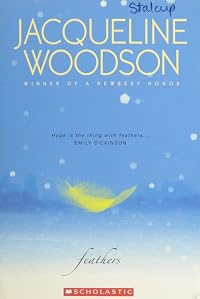
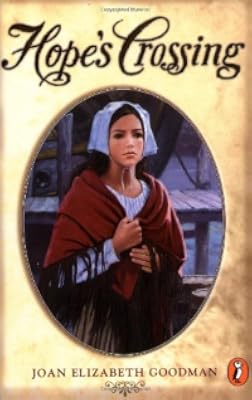
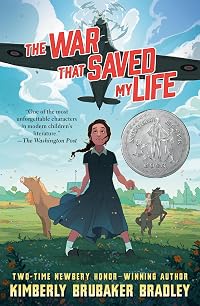
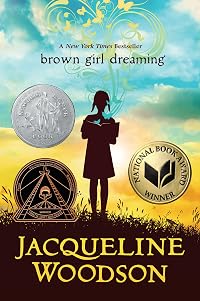

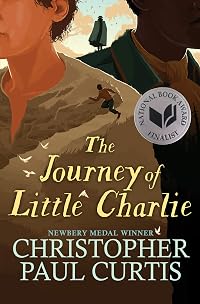
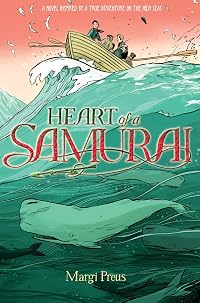
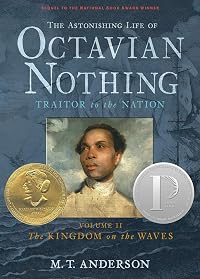


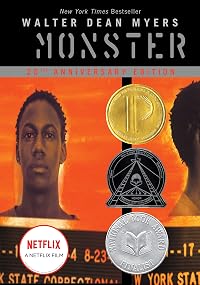
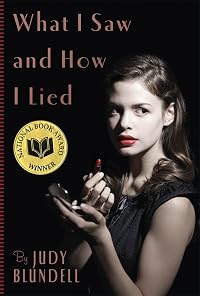
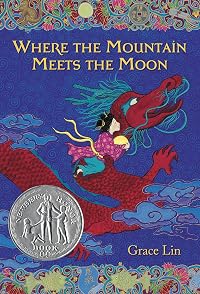
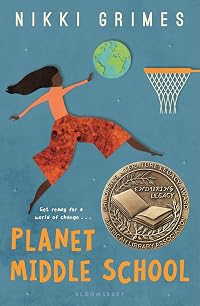
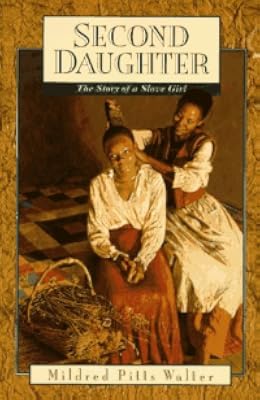

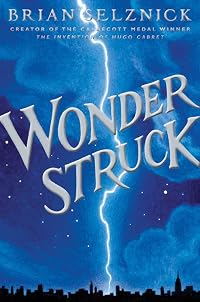
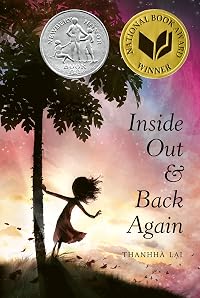
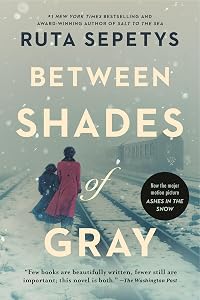
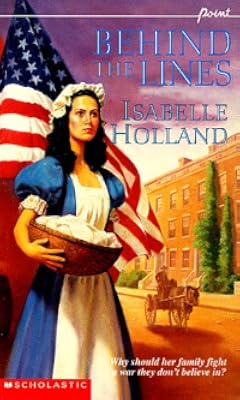
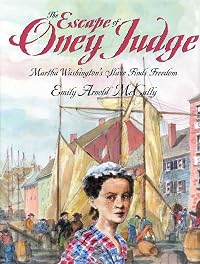
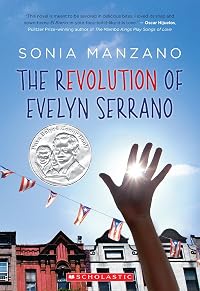
Member Recommendations
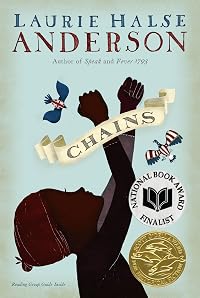
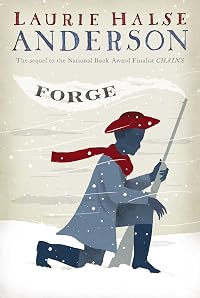
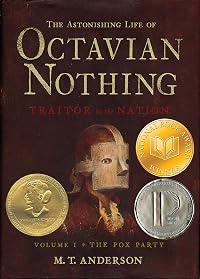
girlfromshangrila This is an ongoing series. Chains is the first part, and Forge the second. Chains tells the story from Isabel's perspective. Forge picks up where Chains left, and is told from Curzon's perspective.
50

Member Reviews
In the year 1776, we meet Isabel, a teenager, and her younger sister Ruth, both of whom are slaves. Their master, a kindly old woman who promised to free them, has died and her son is selling them for a tidy profit, rather than make good on those promises. The girls travel to New York with their new owners who are Loyalists, right as the Rebel forces begin the battle for independence. Isabel tries to win her freedom amid the chaos and frustration of the American Revolution. First she hopes to aid the Rebel forces by spying on her owner, but they fail to protect her and, despite fighting for freedom of their own, will not recognize her as a human being. Then she turns to the Loyalists, but they are only looking to free slaves owned by show more Rebels. All the while, Isabel must contend with the increasingly desperate and cruelty of her owner, Mrs. Lockton. Isabel must learn to fight for what is right, fend for herself, and creates freedom and hope out of misery and pain.
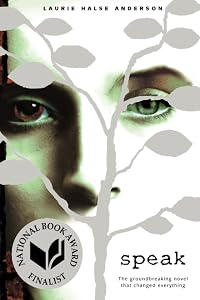
Anderson, who came to prominence in young adult fiction with her award-winning book "Speak", returns to historical fiction in the first book of the Seeds of America series. Unafraid to take chances, Anderson weaves a tale that is simultaneously horrifying, thrilling, and hopeful, and it is utterly engrossing. The depiction of slaves amidst the backdrop of the American Revolution provides ample opportunity for growth and questioning of historical "fact". Teachers and students alike will appreciate the additional background material and author explanations of the true history that surrounds this fictional tale. Readers should take note that Anderson is unafraid to show us the dark underbelly of the country, as well as the sickening means by which Isabel's owners seek to control her fate. These intense themes should keep out readers under the age of 14. show less
Anderson, who came to prominence in young adult fiction with her award-winning book "Speak", returns to historical fiction in the first book of the Seeds of America series. Unafraid to take chances, Anderson weaves a tale that is simultaneously horrifying, thrilling, and hopeful, and it is utterly engrossing. The depiction of slaves amidst the backdrop of the American Revolution provides ample opportunity for growth and questioning of historical "fact". Teachers and students alike will appreciate the additional background material and author explanations of the true history that surrounds this fictional tale. Readers should take note that Anderson is unafraid to show us the dark underbelly of the country, as well as the sickening means by which Isabel's owners seek to control her fate. These intense themes should keep out readers under the age of 14. show less
I previously read this book 7 years ago, but as it's the first in a trilogy of books I wanted to reread it before moving on to the rest of the series.
This historical novel set during the early days of the American Revolution focuses on 13-year-old Isabel, an enslaved girl promised freedom on the death of her master, but finds she has no recourse when she and her sister Ruth are sold to cruel new enslavers in New York. Working a Loyalist household she finds herself drawn into spying for the revolutionaries at the suggestion of an enslaved man named Curzon, but soon learns that despite promises from Loyalists and Patriots alike, that neither side is concerned with freeing Africans from the bonds of slavery.
Anderson captures the anger of show more Isabel, but doesn’t neglect to also characterize her as having many concerns typical to a young teenager as well. The author also really captures the uncertainty of the Revolution, the people of New York taking different sides in 1776, with some among them willing to shift loyalties to whomever has the upper hand. She also doesn’t shy away from the horrors of war on the civilian community from a brutal fire to depictions of captured Americans cruelly held in cold, overcrowded, and disease-ridden prisons. The book is the first of a trilogy of books called The Seeds of America and ends on a cliffhanger at a momentous occasion in the narrative .
Favorite Passages:
This historical novel set during the early days of the American Revolution focuses on 13-year-old Isabel, an enslaved girl promised freedom on the death of her master, but finds she has no recourse when she and her sister Ruth are sold to cruel new enslavers in New York. Working a Loyalist household she finds herself drawn into spying for the revolutionaries at the suggestion of an enslaved man named Curzon, but soon learns that despite promises from Loyalists and Patriots alike, that neither side is concerned with freeing Africans from the bonds of slavery.
Anderson captures the anger of show more Isabel, but doesn’t neglect to also characterize her as having many concerns typical to a young teenager as well. The author also really captures the uncertainty of the Revolution, the people of New York taking different sides in 1776, with some among them willing to shift loyalties to whomever has the upper hand. She also doesn’t shy away from the horrors of war on the civilian community from a brutal fire to depictions of captured Americans cruelly held in cold, overcrowded, and disease-ridden prisons. The book is the first of a trilogy of books called The Seeds of America and ends on a cliffhanger at a momentous occasion in the narrative .
Favorite Passages:
“Momma said that ghosts couldn’t move over water. That’s why kidnapped Africans got trapped in the Americas. When Poppa was stolen from Guinea, he said the ancestors howled and raged and sent a thunderstorm to turn the ship back around, but it was too late. The ghosts couldn’t cross the water to help him so he had to make his own way in a strange place, sometimes with an iron collar around his neck. All of Momma’s people had been stolen too, and taken to Jamaica where she was born. Then she got sold to Rhode Island, and the ghosts of her parents couldn’t follow and protect her neither. They kept moving us over the water, stealing us away from our ghosts and our ancestors, who cried salty rivers into the sand. That’s where Momma was now, wailing at the water’s edge, while her girls were pulled out of sight under white sails that cracked in the wind.” – p. 25show less
“It would have eased her mind if I thanked her for wanting to buy me away from Madam. I tried to be grateful but could not. A body does not like being bought and sold like a basket of eggs, even if the person who cracks the shells is kind.” - p. ?
The woman in the yellow head cloth worked the pump for Grandfather. “The British promise freedom to slaves but won’t give it to the white rebels,” she said as she pushed the handle up and down. “The rebels want to take freedom, but they won’t share it with us.” She set down the first bucket and picked up the second. “Both sides say one thing and do the other.” – p. 166
“My momma and poppa appeared from the shadows. They flew to me and wrapped their arms around me and cooled my face with their ghosted tears. Night crept into my soul.”
Firstly, I want to acknowledge recent events. It’s shameful of my country, and makes the timing of this book review ‘odd’.
Young Isabel, renamed as Sal by her slave owners, suffers in ways that no one ever should. After being orphaned and tasked to care for her younger 5-year-old sister with epilepsy (identified as the ‘fall down disease’ in the book), Isabel/Sal is a spunky, courageous, and relentlessly protective of those she cares for. This is book one of the trilogy, so I won’t hint at the next step.
My friend’s tween/teen avid-reader daughter had show more recommended this YA book to me. I’m glad I tried it. Each chapter starts with a quote from the past and identifies the timeline. Written in first person narrative, Anderson walks us through the early American Revolution from Isabel’s unique viewpoint. Less about revolution, more about her strength and ingenuity, Isabel maneuvers through her many tribulations, sometimes stubbornly and/or recklessly. Though darkness befalls her, Isabel looks for opportunities, often represented in the theme of growth through the seeds of her late mother. Her mind cranks to find her next step that will take her closer to her goals. She’s one smart little lady. I didn’t give the book 5 stars because it is still conveniently contrived at times. Even so, I liked it.
Some Quotes:
On Growth:
“Youth is the seed time of good habits, as well in nations as in individuals.” – Thomas Paine, ‘Common Sense’
An example of Isabel’s viewpoint:
“That week unspooled slowly with hot days and muggy, breathless nights. Militia units from the surrounding colonies piled into the city. Ordinary fork skedaddled out of it as fast as their horse or feet would carry them. The extra soldiers were not the cleanest sort, or maybe they were too busy drilling and making gunpowder cartridges to wash. Whatever the cause, New York soon smelled like a garbage pit mixed with a fresh mountain of manure. The stench cooked under the midsummer sun.”
On One’s Soul:
“A thought surfaced through my ashes.
She cannot chain my soul.
Yes, she could hurt me. She’d already done so. But what was one more beating? A flogging, even? I would bleed, or not. Scar or not. Live, or not. But she could no longer harm Ruth, and she could not hurt my soul, not unless I gave it to her.” show less
Firstly, I want to acknowledge recent events. It’s shameful of my country, and makes the timing of this book review ‘odd’.
Young Isabel, renamed as Sal by her slave owners, suffers in ways that no one ever should. After being orphaned and tasked to care for her younger 5-year-old sister with epilepsy (identified as the ‘fall down disease’ in the book), Isabel/Sal is a spunky, courageous, and relentlessly protective of those she cares for. This is book one of the trilogy, so I won’t hint at the next step.
My friend’s tween/teen avid-reader daughter had show more recommended this YA book to me. I’m glad I tried it. Each chapter starts with a quote from the past and identifies the timeline. Written in first person narrative, Anderson walks us through the early American Revolution from Isabel’s unique viewpoint. Less about revolution, more about her strength and ingenuity, Isabel maneuvers through her many tribulations, sometimes stubbornly and/or recklessly. Though darkness befalls her, Isabel looks for opportunities, often represented in the theme of growth through the seeds of her late mother. Her mind cranks to find her next step that will take her closer to her goals. She’s one smart little lady. I didn’t give the book 5 stars because it is still conveniently contrived at times. Even so, I liked it.
Some Quotes:
On Growth:
“Youth is the seed time of good habits, as well in nations as in individuals.” – Thomas Paine, ‘Common Sense’
An example of Isabel’s viewpoint:
“That week unspooled slowly with hot days and muggy, breathless nights. Militia units from the surrounding colonies piled into the city. Ordinary fork skedaddled out of it as fast as their horse or feet would carry them. The extra soldiers were not the cleanest sort, or maybe they were too busy drilling and making gunpowder cartridges to wash. Whatever the cause, New York soon smelled like a garbage pit mixed with a fresh mountain of manure. The stench cooked under the midsummer sun.”
On One’s Soul:
“A thought surfaced through my ashes.
She cannot chain my soul.
Yes, she could hurt me. She’d already done so. But what was one more beating? A flogging, even? I would bleed, or not. Scar or not. Live, or not. But she could no longer harm Ruth, and she could not hurt my soul, not unless I gave it to her.” show less
This book is so good and sad and heartrending. The characters are all interesting and deep, some a bit evil, but it paints a portrait of slavery that is so horrible in it's everyday cruelty. The lead character is someone the reader cannot help but root for, against the evil owner and against all those less clearly evil, but unwilling to stand up against the selling of humans and children enough to help Isabel or her 5 year old sister. I think telling a story of slavery against the backdrop of the American revolution is brilliant, and emphasizes the moral complexities we juggle every day. I think it is not an accident that books from this viewpoint (like Octavian Nothing as well) are a way of fighting against the canonization of the show more founding fathers. All history is complex and messy, and this book is taking a stand against looking at history as black or white. show less
Have you ever imagined what it was like to be a slave during the American Revolution when all around you a war for freedom was being fought, and yet you must remain in chains? Readers feel the bitter irony all too well as we follow the story of a young slave girl named Isabel, who works for a Tory family in New York City. The author vividly portrays Isabel's daily hardships as she serves a harsh master and mistress, dabbles in spying for the American rebels, and suffers great personal pain and loss. Throughout the novel, Isabel's emotions are powerfully felt. We feel the love and protectiveness she shows her sister. We sense her longing for freedom and her confusion and disappointment when promises of help seem to fall through. We even show more feel the numbness that takes hold of her, that keeps her going without thinking of all the pain, grief, and anger that simmer inside her. Chains shows us the misery of slavery, but I think it also portrays the strength of the human spirit as Isabel finally comes to realize that they may enslave her physically, but her soul remains free. Because of this, there is hope and Isabel finds the strength to fight for her freedom. This is a superbly written book, enjoyable and thought-provoking, and is highly recommended. show less
The year is 1776. Isabel's owner, Miss Finch, has died. She left a will freeing Isabel and her sister Ruth, but Miss Finch's nephew is in a hurry and the lawyer is in Boston -- unreachable given the current unrest. He sells the girls to a couple who live in New York. Upon arrival in her new home, Isabel meets Curzon, a fellow slave and Patriot who claims they can contact the lawyer if she'll spy for his side.
The narrative weaves a convincing and nuanced tale in which even the side of liberty is not all that interested in the plight of slaves. Each chapter is titled the dates it covers (which could be a day or nearly two months), followed by a quote from historical writing -- a letter, a journal entry -- that also highlights the show more exploration of liberty and justice in the Revolutionary War. show less
The narrative weaves a convincing and nuanced tale in which even the side of liberty is not all that interested in the plight of slaves. Each chapter is titled the dates it covers (which could be a day or nearly two months), followed by a quote from historical writing -- a letter, a journal entry -- that also highlights the show more exploration of liberty and justice in the Revolutionary War. show less
Set during the American Revolutionary War in 1776 when the by-words of the day were “Freedom” and “Liberty”, this book quickly points out that this was not the case for all people in America at that time. Isabel is a young black girl and she fully expects both her and her sister to be freed when her mistress dies. Actually, what happens is the heir does not wait for the will to be read but quickly sells the two girls off to a Loyalist couple from New York City. They are taken there over her protests and no one lifts a finger to help them.
Although there are some very difficult things to read in this book, I highly recommend it. I found it a haunting, eye-opening story. The trials of this one young girl are moving and the fact show more that she was able to cling to a shred of hope through it all was very uplifting. It’s hard to read about everyday people turning a blind eye to slavery, but the fact is, it was the law of the land and the accepted practise of the day.
I was just so thankful that at the end of the book we leave Isabel on a journey to a better place. I hope the promised sequel gets her there.
The parts of the book that deal with the Revolutionary War appear to be accurate and well researched. The horrendous treatment of prisoners was also eye-opening. Overall this book is beautifully written and a truly touching story. show less
Although there are some very difficult things to read in this book, I highly recommend it. I found it a haunting, eye-opening story. The trials of this one young girl are moving and the fact show more that she was able to cling to a shred of hope through it all was very uplifting. It’s hard to read about everyday people turning a blind eye to slavery, but the fact is, it was the law of the land and the accepted practise of the day.
I was just so thankful that at the end of the book we leave Isabel on a journey to a better place. I hope the promised sequel gets her there.
The parts of the book that deal with the Revolutionary War appear to be accurate and well researched. The horrendous treatment of prisoners was also eye-opening. Overall this book is beautifully written and a truly touching story. show less
Members
- Recently Added By
Lists

Carnegie Medal books I've read (shortlist and winners)
86 works; 17 members

KayStJ's to-read list
1,616 works; 11 members

6th Grade
68 works; 4 members

THE WAR ROOM
813 works; 24 members

Build Your Library Level 5
27 works; 1 member

Youth: BLM
265 works; 1 member
Author Information

57+ Works 51,836 Members
Laurie Halse Anderson was born in Potsdam, New York on October 23, 1961. She received a B.S.L.L. in Languages and Linguistics from Georgetown University in 1984. Before becoming a full-time author, she worked as a freelance reporter. Her first book, Ndito Runs, was published in 1996. She has written numerous books for children including Turkey show more Pox, No Time for Mother's Day, Fever 1793, Speak, Catalyst, Independent Dames: What You Never Knew about the Women and Girls of the American Revolution, Chains and The Impossible Knife of Memory. She also created the Wild at Heart series, which was originally published by American Girl but is now called the Vet Volunteers series and is published by Penguin Books for Young Readers. Anderson has been nominated and won multiple honorary awards for her literary work. For the masterpiece Speak, Anderson won the Printz Honor Book Award, a National Book Award nomination, Golden Kite award, the Edgar Allan Poe Award, and the Los Angeles Times Book Prize. Her book Fever 1793 won the American Library Association Best Book for Young Adults selection and the Junior Library Guild selection. In 2008, Chains was selected for the National Book Award Finalist and in 2009 was awarded for its Historical Fiction the Scott O'Dell Award. (Bowker Author Biography) show less

Laurie Halse Anderson is a LibraryThing Author, an author who lists their personal library on LibraryThing.
Some Editions
Awards and Honors
Awards
Distinctions
Notable Lists
Series

Work Relationships
Is contained in
Common Knowledge
- Canonical title
- Chains
- Original publication date
- 2008-10-21
- People/Characters
- Isabel/Sal; Ruth; Mr. Lockton; Mrs. Lockton; Lady Seymoure; Curzon Bellingham
- Important places
- New York, New York, USA
- Important events
- American Revolution (1775 ∙ 1783)
- Dedication
- Abigail Adams
once described her husband, John, as
him whom my Heart esteems
above all earthly things.
I understand that feeling.
That's why this book is dedicated
to my beloved husba... (show all)nd,
Scot. - First words
- The best time to talk to ghosts is just before the sun comes up.
- Quotations
- "When the fat moon rose the next night, I planted the mystery seeds I had taken from Momma's jar. I did not know what they would grow into, but planting them deep in the cool dirt was a comfort."
"A scar is sign of strength, he said quietly. The sign of a survivor. " - Last words
- (Click to show. Warning: May contain spoilers.)"Can you walk?"
Classifications
- Genres
- Tween, Kids, Fiction and Literature, Historical Fiction
- DDC/MDS
- 813.6 — Literature & rhetoric American literature in English American fiction in English 2000-
- LCC
- PZ7 .A54385 .C — Language and Literature Fiction and juvenile belles lettres Fiction and juvenile belles lettres Juvenile belles lettres
- BISAC
Statistics
- Members
- 4,864
- Popularity
- 2,908
- Reviews
- 223
- Rating
- (4.18)
- Languages
- English, French
- Media
- Paper, Audiobook, Ebook
- ISBNs
- 39
- ASINs
- 9