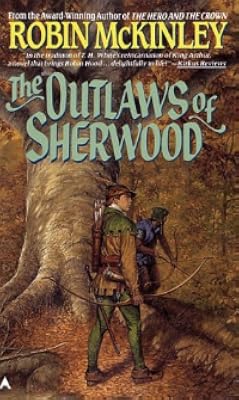
The Outlaws of Sherwood
by Robin McKinley
On This Page
Description
The Newbery Medal–winning author of The Hero and the Crown brings the Robin Hood legend to vivid life.Young Robin Longbow, subapprentice forester in the King's Forest of Nottingham, must contend with the dislike of the Chief Forester, who bullies Robin in memory of his popular father. But Robin does not want to leave Nottingham or lose the title to his father's small tenancy, because he is in love with a young lady named Marian—and keeps remembering that his mother too was gentry and show more married a common forester.
Robin has been granted a rare holiday to go to the Nottingham Fair, where he will spend the day with his friends Much and Marian. But he is ambushed by a group of the Chief Forester's cronies, who challenge him to an archery contest . . . and he accidentally kills one of them in self-defense.
He knows his own life is forfeit. But Much and Marian convince him that perhaps his personal catastrophe is also an opportunity: an opportunity for a few stubborn Saxons to gather together in the secret heart of Sherwood Forest and strike back against the arrogance and injustice of the Norman overlords. show less
Tags
Recommendations


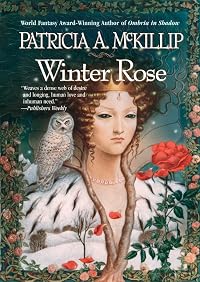
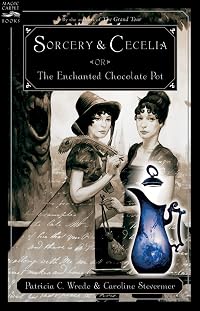
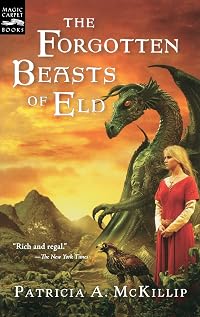
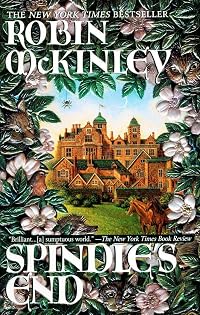
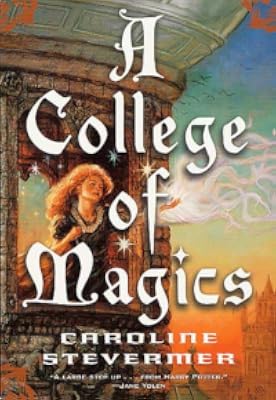
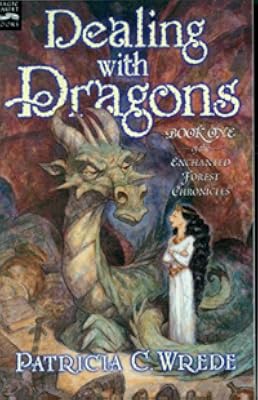
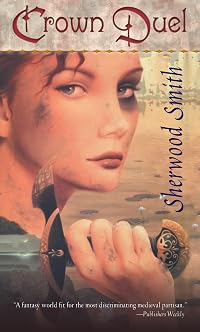
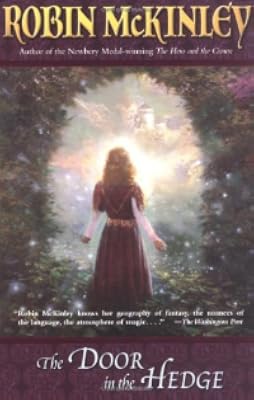
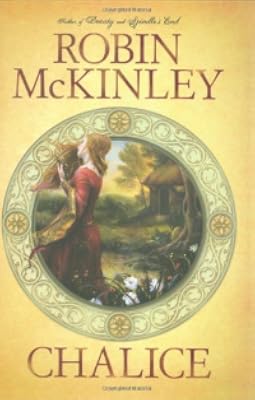
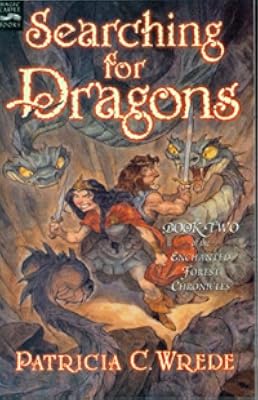
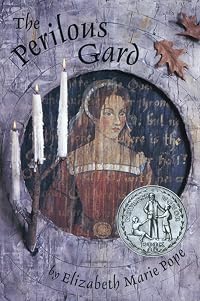

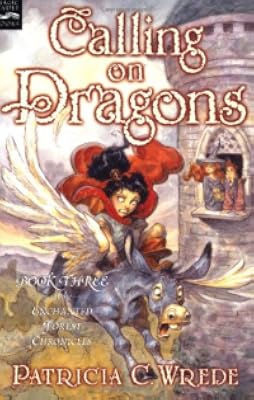
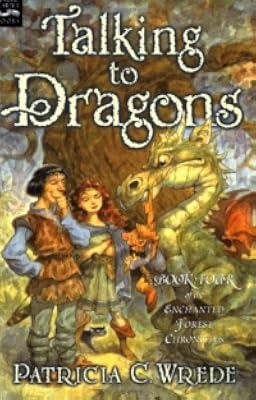
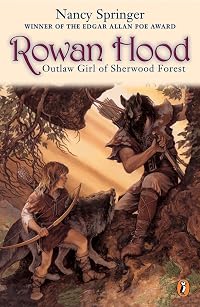
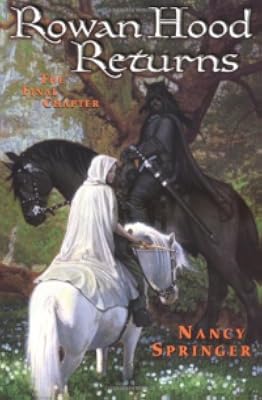
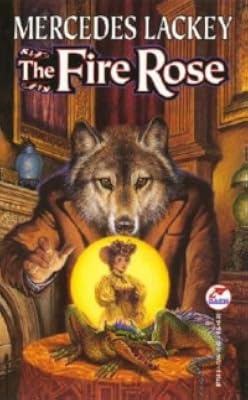



Member Recommendations
Member Reviews
In a departure from her previous novels, Ms. McKinley writes a male main character and a storyline that is neither fairytale nor fantasy, yet still feels quite a lot like her previous stories. Robin, in this incarnation, is neither heroic or charismatic, but he has really great friends. Despite his misgivings about becoming the figurehead for Saxon rebellion, Robin (like Ms. McKinley's other heroines) finds unsuspected depths of strength, courage, and loyalty. The closing scenes of the novel brought me to tears. And despite the male hero, there are plenty of strong female characters for which Ms. McKinley is known.
In The Outlaws of Sherwood, Robin McKinley re-imagines the Robin Hood legends to create a compelling and believable story of friendship, love, courage, and justice. In this retelling, Robin, an unassuming young forester, is just an average archer (usually I'd look askance at a revisionist decision to downplay Robin's legendary marksmanship, but here it works brilliantly). When he accidentally kills a king's forester, he flees to Sherwood, where he is aided by Much and Marian, two childhood friends who want to use his outlawhood as a symbol of Norman oppression and Saxon bravery. Robin, a pragmatic realist, can't imagine anyone who had a choice wanting to live the rough life of an outlaw in the forest, but as the band grows he's forced show more to acknowledge there may be something in their idealism after all.
What really makes this story sing is the characters, so well crafted, individualistic, and just plain likeable. Marian is a tomboyish strong woman without being stereotypical. Tuck is more than just a worldly friar. Much is an inspiring fireside speaker with a relentless sense of humor. Little John is a dour philosopher with a well-hidden soft side. And Cecily... she is the best of all. Will Scarlet's younger sister, Cecily runs away from her arranged Norman marriage and poses as a boy amidst Robin's band. It's hard to make the feisty-female-impersonating-a-boy character really live and breathe in a believable way, but McKinley does it flawlessly with Cecily. Or Cecil, as the case may be.
McKinley's usual deft touch lends the well-known stories a new personality. Maybe it's the fact that I read (and reread) it in my impressionable teen years, but this is my favorite retelling of the Robin Hood story and one that I will return to often when I want a comfort read. Love it. show less
What really makes this story sing is the characters, so well crafted, individualistic, and just plain likeable. Marian is a tomboyish strong woman without being stereotypical. Tuck is more than just a worldly friar. Much is an inspiring fireside speaker with a relentless sense of humor. Little John is a dour philosopher with a well-hidden soft side. And Cecily... she is the best of all. Will Scarlet's younger sister, Cecily runs away from her arranged Norman marriage and poses as a boy amidst Robin's band. It's hard to make the feisty-female-impersonating-a-boy character really live and breathe in a believable way, but McKinley does it flawlessly with Cecily. Or Cecil, as the case may be.
McKinley's usual deft touch lends the well-known stories a new personality. Maybe it's the fact that I read (and reread) it in my impressionable teen years, but this is my favorite retelling of the Robin Hood story and one that I will return to often when I want a comfort read. Love it. show less
I really enjoyed The Outlaws of Sherwood. I found it very entertaining - particularly the banter and teasing between the outlaws. Some of those moments made me wish I had a pencil to write down the quotes, except I never wanted to stop reading to do so! It's not just the humour, either, but the writing. I love the writing, the way McKinley has used language. It's descriptive, vivid and interesting.
The backstory and personalities of many of the characters is different to what I have come across in Robin Hood tellings before, but I like them a lot. Robin is the quiet, unassuming one - Much and Marian have to talk him into living in the forest as an outlaw. He is thoughtful and intelligent, rains on everyone's romantic suggestions with his show more practicality, and worries about feeding them all. He's not concerned with glory, but staying alive. Hearing that the sheriff will be gravely disappointed when he (Robin) doesn't turn up at the Nottingham archery contest, Robin announces it's the best news he has heard all week.
The other characters do not always differ as much as Robin from the 'traditional' characters, but I never got them confused with my preconceived ideas of who they should be - they were all too vivid and believable for that!
I also appreciated the romantic tension (the last Robin Hood novel I read had an awful lack of it) which is to say, there are unfilled silences and not a lot happens in that direction. It works much better than it sounds. Things aren't too readily resolved, but nor is it pages and pages of people bemoaning their problems with Much Angst. It's subtle and really well handled. I was surprised by the story's secondary romance, because it was unexpected, but that made it even more enjoyable.
The plot was clever and engaging, with twists and turns I didn't expect. The final conflicts (and their aftermath) were gripping and dramatic. I cared about the characters - was emotionally invested in them - and it was with nervous anticipation that I read to find out their fate.
All in all, a wonderful book, and probably one of my favourite Robin McKinleys. show less
The backstory and personalities of many of the characters is different to what I have come across in Robin Hood tellings before, but I like them a lot. Robin is the quiet, unassuming one - Much and Marian have to talk him into living in the forest as an outlaw. He is thoughtful and intelligent, rains on everyone's romantic suggestions with his show more practicality, and worries about feeding them all. He's not concerned with glory, but staying alive. Hearing that the sheriff will be gravely disappointed when he (Robin) doesn't turn up at the Nottingham archery contest, Robin announces it's the best news he has heard all week.
The other characters do not always differ as much as Robin from the 'traditional' characters, but I never got them confused with my preconceived ideas of who they should be - they were all too vivid and believable for that!
I also appreciated the romantic tension (the last Robin Hood novel I read had an awful lack of it) which is to say, there are unfilled silences and not a lot happens in that direction. It works much better than it sounds. Things aren't too readily resolved, but nor is it pages and pages of people bemoaning their problems with Much Angst. It's subtle and really well handled. I was surprised by the story's secondary romance, because it was unexpected, but that made it even more enjoyable.
The plot was clever and engaging, with twists and turns I didn't expect. The final conflicts (and their aftermath) were gripping and dramatic. I cared about the characters - was emotionally invested in them - and it was with nervous anticipation that I read to find out their fate.
All in all, a wonderful book, and probably one of my favourite Robin McKinleys. show less
The Adventures of Robin Hood (yes, the Errol Flynn movie), has long been one of my favorites. Although it is not shock that this story is not the same as that version, for I know there are countless versions of the Robin Hood tale, I was slightly disappointed with some of the depictions, namely of that of Robin. It all ended up working in the end, but it still bothers me that he was depicted as such a worry-wort AND that he wasn't a very good archer. I think the latter bothered me most of all, especially since that IS what Robin Hood is known for besides his sword skills. Since he wasn't depicted as a fallen nobleman in McKinley's tale, I was able to forgive his lack of skill with a sword. All in all however, I really just wanted Robin show more to be a stronger character, not a more stubborn one. Additionally, I really wanted Sir Guy to be more of a factor in the story and he was barely worth a mention in Cliff Notes. Friar Tuck could have played a bigger role too, but his attitude matched the way he was written into the story, so it worked.
All that aside I was quite fond of McKinley's Lady Marion, Will Scarlet, and Little John. They image she painted roughly matched the one in my head, and the personalities she bestowed on them made me love the characters even more.
I would recommend this novel to others, without question despite my distaste for the depiction of the main character. show less
All that aside I was quite fond of McKinley's Lady Marion, Will Scarlet, and Little John. They image she painted roughly matched the one in my head, and the personalities she bestowed on them made me love the characters even more.
I would recommend this novel to others, without question despite my distaste for the depiction of the main character. show less
It's the age-old tale of Robin Hood and the Maid Marian, retold by Robin McKinley. We are taken through the familiar scenes of Robin fleeing into Sherwood forest and inadvertently gathering up outlaws to call his own, even as he battles his own emotions to keep his band safe and his love for Marian.
I picked this book up solely because I love Robin McKinley. I think it's one of her weaker books, but I still liked it. I think it was weaker because I really don't feel as if there was a cohesive difference in her story than the folklore - besides making the story more realistic. The characters only came to life in the latter half of the book - where in the beginning, it really just felt like a narrator pulling us along. I suspect that's show more because of the third person omniscience and the lack of a strong voice in the beginning from Robin.
I almost felt like the story was too plot-based. It focused too much on bringing the story from one plot point to the next, all which are known because it's a retelling. Even though I eventually got to know McKinley's view of these old characters, it took a little too long to really understand.
But I love her emphasis on the women in this book. Marian and Cecily are such wonderful characters that really make this book.
Two and a half stars because I think it could have been a lot stronger in character development, but I still enjoyed reading it. Recommended for people who like Robin Hood and his merry band and retelling of old stories. Or if you're just a Robin McKinley fan. show less
I picked this book up solely because I love Robin McKinley. I think it's one of her weaker books, but I still liked it. I think it was weaker because I really don't feel as if there was a cohesive difference in her story than the folklore - besides making the story more realistic. The characters only came to life in the latter half of the book - where in the beginning, it really just felt like a narrator pulling us along. I suspect that's show more because of the third person omniscience and the lack of a strong voice in the beginning from Robin.
I almost felt like the story was too plot-based. It focused too much on bringing the story from one plot point to the next, all which are known because it's a retelling. Even though I eventually got to know McKinley's view of these old characters, it took a little too long to really understand.
But I love her emphasis on the women in this book. Marian and Cecily are such wonderful characters that really make this book.
Two and a half stars because I think it could have been a lot stronger in character development, but I still enjoyed reading it. Recommended for people who like Robin Hood and his merry band and retelling of old stories. Or if you're just a Robin McKinley fan. show less
I've read many versions of the "Robin Hood" legend, but this is one ties for my favorite of them all.
McKinley's imagination with trying to make these characters real is just astonishing. They're still fitting into the mythos of Robin Hood - but not everything is what you expect. They're not laughable figures who shrug off swords and arrows. They're real people, with emotions and flaws and moments of genius and nobility.
I found this to be very enjoyable, and I love that McKinley continues to not disappoint when it comes to writing fairy tale adaptations.
McKinley's imagination with trying to make these characters real is just astonishing. They're still fitting into the mythos of Robin Hood - but not everything is what you expect. They're not laughable figures who shrug off swords and arrows. They're real people, with emotions and flaws and moments of genius and nobility.
I found this to be very enjoyable, and I love that McKinley continues to not disappoint when it comes to writing fairy tale adaptations.
The story of Robin Hood is so continually relevant that it is able to transcend the (comparatively) little worries about historical accuracy - so sayth McKinley. By and large, I find myself agreeing with her. In this case.
Overall a very enjoyable little book - it would be great to read aloud; it's more story than novel, which ... is typical of McKinley.
Drawbacks: the numerous little characters seem to drift in and out without really making a mark - unless the point is "there were an awful lot of people living in the Sherwood forest", which doesn't require giving names & backstory to all of them, right? Minor characters suddenly become important, and apparently major characters (Lady Marian, say) lay about for chapters doing literally show more nothing, while everyone dotes on them for being OMG so great. Which is frustrating.
And the writing. Some sentences were structured so queerly, and the character's inferences were so oblique, that I honestly could not understand what was being said.
And the ending was a bit glib.
And the romance of Robin & Marian fell flat, after the tingly tantalizing delight of their flirting early on. It's like later seasons of the X-Files: you want Mulder and Scully to hook up, but dammit all the excitement is gone when they finally do.
But mostly it was very very enjoyable. I love Robin - his self-deprecation, his self-awareness, his accepted-but-unwanted responsibility for the outlaws - all was very very well done, and am I saying 'very' too much? Especially interesting - how Robin is the leader, but takes a back role in the plot: it makes the Robin Hood story illustrative & nearly allegorical, rather than particular. And somehow more credible. Is this a trait of the original stories? I will seek them out. show less
Overall a very enjoyable little book - it would be great to read aloud; it's more story than novel, which ... is typical of McKinley.
Drawbacks: the numerous little characters seem to drift in and out without really making a mark - unless the point is "there were an awful lot of people living in the Sherwood forest", which doesn't require giving names & backstory to all of them, right? Minor characters suddenly become important, and apparently major characters (Lady Marian, say) lay about for chapters doing literally show more nothing, while everyone dotes on them for being OMG so great. Which is frustrating.
And the writing. Some sentences were structured so queerly, and the character's inferences were so oblique, that I honestly could not understand what was being said.
And the ending was a bit glib.
And the romance of Robin & Marian fell flat, after the tingly tantalizing delight of their flirting early on. It's like later seasons of the X-Files: you want Mulder and Scully to hook up, but dammit all the excitement is gone when they finally do.
But mostly it was very very enjoyable. I love Robin - his self-deprecation, his self-awareness, his accepted-but-unwanted responsibility for the outlaws - all was very very well done, and am I saying 'very' too much? Especially interesting - how Robin is the leader, but takes a back role in the plot: it makes the Robin Hood story illustrative & nearly allegorical, rather than particular. And somehow more credible. Is this a trait of the original stories? I will seek them out. show less
Members
- Recently Added By
Lists

Favourite Books
1,820 works; 308 members

Books Read in 2023
5,638 works; 147 members

Best Feminist Science Fiction
188 works; 34 members

Sonlight Books
1,487 works; 25 members

Honey For a Child's Heart
1,152 works; 25 members

KayStJ's to-read list
1,616 works; 11 members

Myth (Reuse and Retelling)
188 works; 24 members

Books Read in 2017
4,249 works; 130 members

Books featuring monks and/or nuns
166 works; 33 members

Books With Place Names in the Title
315 works; 12 members

Favorite Fairy Tales
269 works; 104 members
Favorite Fairy Tale Retellings
210 works; 61 members
Author Information

42+ Works 50,667 Members
Some Editions
Awards and Honors
Awards
Distinctions
Work Relationships
Common Knowledge
- Canonical title
- The Outlaws of Sherwood
- Original title
- The Outlaws of Sherwood
- Original publication date
- 1988
- People/Characters
- Robin Hood; Maid Marian; John Little; Will Scarlett; Much the Miller's Son; Cecily (Cecil) (show all 8); Friar Tuck; Richard I, King of England
- Important places
- Sherwood Forest, Nottinghamshire, England, UK; Nottinghamshire, England, UK
- Dedication
- To Merrilee,
who saved it;
and to R.W.,
who saved me - First words
- A small vagrant breeze came from nowhere and barely flicked the feather tip as the arrow sped on its way.
- Last words
- (Click to show. Warning: May contain spoilers.)"And to comrades," said Cecily.
- Original language
- English
- Canonical DDC/MDS
- English
Classifications
- Genres
- Fiction and Literature, Fantasy, Teen, Young Adult
- DDC/MDS
- 398.2094202 — Society, government, & culture Customs, etiquette & folklore Folklore & Folktales Folk literature History, geographic treatment, biography European folktales Folklore of England
- LCC
- PZ8.1 .M198 .O — Language and Literature Fiction and juvenile belles lettres Fiction and juvenile belles lettres Juvenile belles lettres
- BISAC
Statistics
- Members
- 3,079
- Popularity
- 5,759
- Reviews
- 41
- Rating
- (3.79)
- Languages
- English, Finnish
- Media
- Paper, Audiobook, Ebook
- ISBNs
- 20
- UPCs
- 1
- ASINs
- 12