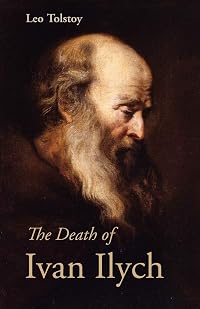
The Death of Ivan Ilyich
by Leo Tolstoy
On This Page
Description
Hailed as one of the world's supreme masterpieces on the subject of death and dying, The Death of Ivan Ilyich is the story of a worldly careerist, a high court judge who has never given the inevitability of his death so much as a passing thought. But one day death announces itself to him, and to his shocked surprise he is brought face to face with his own mortality. How, Tolstoy asks, does an unreflective man confront his one and only moment of truth? A thoroughly absorbing and, at times, show more terrifying glimpse into the abyss of death, it is also a strong testament to the possibility of finding spiritual salvation. Translated from the original Russian by Louise and Aylmer Maude. show lessTags
Recommendations


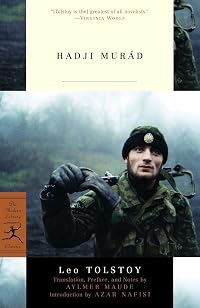
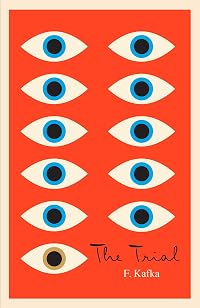
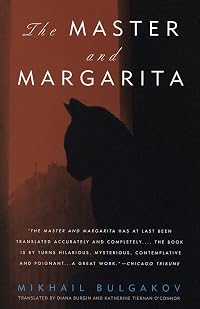
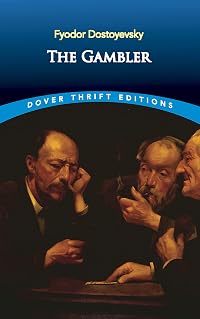
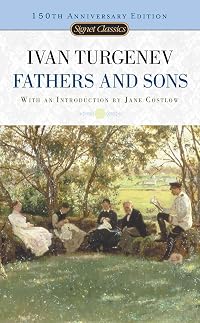

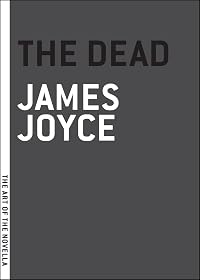
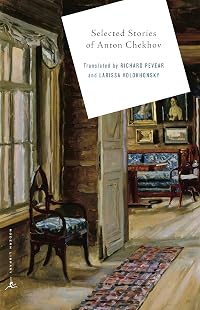
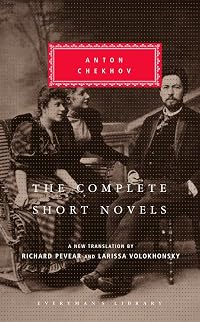
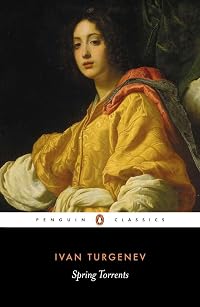
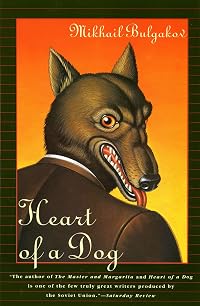
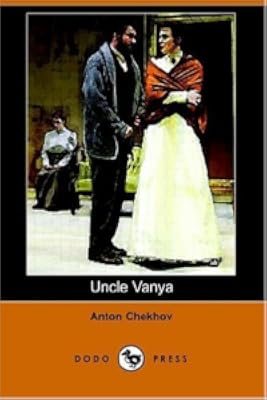
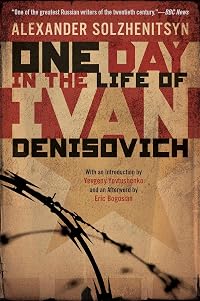
Member Recommendations
Member Reviews
Long time ago, back in school I read War and Peace. Wonderful characters, engaging story and ... painful digressions. Clearly a masterpiece but in need of a good editor who would cut this tome in half and leave only what matters. Tolstoy's take on philosophy clearly did not impress me. About ten years later I found myself reading Anna Karenina and I had a similar response - characters were there in flesh and blood, the story was interesting to follow but ... could I just skip 'the perfect landowner' musings? So, after two Tolstoy's chef-d'oeuvres, I thought I had enough of big old Leo.
Lately, when discussing literature with friends from the book-club, the mention of Tolstoy would almost invariably be linked with 'The Death of Ivan show more Ilych'. I felt like I was missing something big. Turned out, I was missing something small - a novella of 50 pages or so. Inexcusable! Especially since it was there on my shelf in one of the 'Collected works' volumes.
Good thing about writing a review for this novella is that there cannot be a spoiler. The biggest spoiler is in the title, chosen by Leo himself. In case someone like me still has doubts how this thing would end, you have a confirmation in the first paragraph: "Gentlemen, Ivan Ilych died!" The ending is clear, what matters is how you get there, which is incidentally true not only about Ivan Ilych but about every single one of us.
This is where Tolstoy performs his magic. He starts slow. He pulls the reader into a routine description of an uneventful life of an insignificant person. A successful career, a problematic but functional marriage, improving social standing and living conditions, good prospects for the kids, etc. - problems and aspirations of an aristocratic family in XIX century Russia are eerily similar to those of a modern middle class one in the West. It's easy to imagine yourself in the shoes of Ivan Ilych. Here the author is making a snowball.
The illness of Ivan Ilych starts out as a minor inconvenience, then a distraction, a source of domestic fights, lack of attention at work and play, annoyance initially with doctors and then with his own body, and finally the source of fear. Ivan Ilych realizes that he is going to die. The snowball is now rolling down the hill. The way the intensity of this short story changes is unbelievable. The chapters become shorter and punchier, the physical suffering more acute, the mental pain - intolerable, the questions - haunting.
As the snowball grows and gathers speed, you know that it will bury poor Ivan Ilych in the end, what you don't know is that it will bury you, the reader, as well. Turns out you were the target all along and Ivan Ilych was just a dummy, conveniently sacrificed on the way.
Had you not read this novella and somehow stumbled upon this inconsequential review, I would not spoil you the pleasure of discovering how exactly you would be hit by the curved snowball thrown by Tolstoy. I would just insist that you stop whatever you were doing and read this thing. It is inexcusable if you don't!
This story is where the power of literature is clearly felt. You don't need to be dying in order to ask yourself the questions that assail Ivan Ilych on his deathbed. These are the questions you should have been asking all along. If you have not up until now, you will be, after reading the book. And you might have an answer too.
"Death is finished. It is no more!" show less
Lately, when discussing literature with friends from the book-club, the mention of Tolstoy would almost invariably be linked with 'The Death of Ivan show more Ilych'. I felt like I was missing something big. Turned out, I was missing something small - a novella of 50 pages or so. Inexcusable! Especially since it was there on my shelf in one of the 'Collected works' volumes.
Good thing about writing a review for this novella is that there cannot be a spoiler. The biggest spoiler is in the title, chosen by Leo himself. In case someone like me still has doubts how this thing would end, you have a confirmation in the first paragraph: "Gentlemen, Ivan Ilych died!" The ending is clear, what matters is how you get there, which is incidentally true not only about Ivan Ilych but about every single one of us.
This is where Tolstoy performs his magic. He starts slow. He pulls the reader into a routine description of an uneventful life of an insignificant person. A successful career, a problematic but functional marriage, improving social standing and living conditions, good prospects for the kids, etc. - problems and aspirations of an aristocratic family in XIX century Russia are eerily similar to those of a modern middle class one in the West. It's easy to imagine yourself in the shoes of Ivan Ilych. Here the author is making a snowball.
The illness of Ivan Ilych starts out as a minor inconvenience, then a distraction, a source of domestic fights, lack of attention at work and play, annoyance initially with doctors and then with his own body, and finally the source of fear. Ivan Ilych realizes that he is going to die. The snowball is now rolling down the hill. The way the intensity of this short story changes is unbelievable. The chapters become shorter and punchier, the physical suffering more acute, the mental pain - intolerable, the questions - haunting.
As the snowball grows and gathers speed, you know that it will bury poor Ivan Ilych in the end, what you don't know is that it will bury you, the reader, as well. Turns out you were the target all along and Ivan Ilych was just a dummy, conveniently sacrificed on the way.
Had you not read this novella and somehow stumbled upon this inconsequential review, I would not spoil you the pleasure of discovering how exactly you would be hit by the curved snowball thrown by Tolstoy. I would just insist that you stop whatever you were doing and read this thing. It is inexcusable if you don't!
This story is where the power of literature is clearly felt. You don't need to be dying in order to ask yourself the questions that assail Ivan Ilych on his deathbed. These are the questions you should have been asking all along. If you have not up until now, you will be, after reading the book. And you might have an answer too.
"Death is finished. It is no more!" show less
Surprisingly readable. Sometimes very funny, other times quite dark. This novella progresses very quickly, and unfortunately ends too soon – which is probably the ultimate compliment to any work.
On a deeper level, there may be a serious lesson to learn about appreciating the value of life as opposed to simply living in a superficial state of complacency with the mundane. A fantastic introduction to the works of Tolstoy.
On a deeper level, there may be a serious lesson to learn about appreciating the value of life as opposed to simply living in a superficial state of complacency with the mundane. A fantastic introduction to the works of Tolstoy.
I’ve always had a keen sense of my own mortality, but I’ve reached a time of life when death is edging more clearly into view than it did in my youth. The generations ahead of me are stepping ever more vigorously into that dream from whence no passenger ever returned, and I feel time pressing ever more firmly on my own back. Whether I will die is a settled question; what it will mean is all that’s left to me.
“The Death of Ivan Ilych” is Leo Tolstoy’s meditation on what it means to die. I don’t think it’s accidental that his protagonist is 45 years old, roughly the same age that Tolstoy had been when he experienced the deep existential crisis that transformed his life. Tolstoy, writing ten years after the fact, seems to show more ask himself, “If I had been thrown into a bed of sickness and death at that time, what would I have felt? How would I have assessed my life to that point? What would have been my thoughts?” The result is the rawest confrontation with personal extinction that I’ve had the sober pleasure to read.
The sentence that most struck me in this fine novella opens the second chapter: “Ivan Ilych’s life had been most simple and most ordinary and therefore most terrible.” This is crucial to Tolstoy’s understanding of a life that’s worth dying for. After opening with Ivan’s wake, Tolstoy sketches a biography of this respected judge who was raised properly, studied properly, married properly, and now discharges his duty properly. Ivan never deviates from the strictures of his class and, in return, receives the comfortable living he assumes he deserves. Tolstoy piles up adverbs — easily, pleasantly, correctly, decorously — to describe both Ivan’s conduct and the reward it brings. All is well, until it isn’t.
I can best describe Ivan’s inner psychological drama as he sickens and dies with the words of Blaise Pascal: “We are fools to depend upon the society of our fellow-men. Wretched as we are, powerless as we are, they will not aid us; we shall die alone.” To his horror, Ivan discovers three things: death is an incomprehensible truth, society-approved conduct is an empty lie, and the living don’t really care about the dying. He’s built a career where he is admired but friendless; he’s built a marriage where he is secure but not loved; he’s sired children who are well-bred but drifting away. At the end of all his easy, pleasant, correct, and decorous living is the It that comes for us all:
“It would come and stand before him and look at him, and he would be petrified and the light would die out of his eyes, and he would again begin asking himself whether It alone was true…And what was worst of all was that It drew his attention to itself not in order to make him take some action but only that he should look at It, look it straight in the face: look at it and without doing anything, suffer inexpressibly.”
For Tolstoy, the greatest tragedy is coming to your end only to find you wasted yourself on an inauthentic life. What makes the novella compelling is that Ivan is not a bad man, and his illness and death are not byproducts of bad living. The reader feels his anger, despair, and terror as a parade of contradictory doctors accomplish nothing, as his wife and children embrace their vivacious and healthy lives without him, and as he wastes away to a shell in the faux-luxury of the house that mocks him with its pretence of success. He cries out to live, but he cannot. He did everything right, and it was all for nothing. He lived a most simple and most ordinary life, one that you or I might live; but in the end, Tolstoy seems to say, the cost of an unexamined life is everything.
Is Tolstoy right? Well, here’s the thing: death is intensely personal. For a man like Tolstoy, the specter of empty ordinariness is horrifying. Why would you waste your few precious years on society’s bourgeois mores, upward mobility, and drab social conventions, when the great truth of life is that it ends? Many agree with him, and — like Tolstoy — devote themselves to causes bigger than themselves. However, some (like George Eliot at the end of “Middlemarch”) have a different take: “But the effect of her being on those around her was incalculably diffusive: for the growing good of the world is partly dependent on unhistoric acts; and that things are not so ill with you and me as they might have been, is half owing to the number who lived faithfully a hidden life, and rest in unvisited tombs.”
For Eliot, the simple and ordinary life is precisely the important life: unassuming, frugal, shedding a beneficent influence, and improving the world in small ways commensurate with your station. To be sure, Ivan Ilych’s great failing is that he “was by nature attracted to people of high station as a fly is drawn to the light assimilating their ways and views of life” with no great interest in improving anything or anyone. Still, he ticks the boxes Eliot approves: he does his duty, provides for his family, and doesn’t rock society’s boat. For Eliot, this might be a well-lived hidden life that contributes silently to the world’s growing good. For Tolstoy, it’s a waste and a farce and a tragedy.
You, dear reader, will draw your own conclusions. Death, again, is intensely personal. None of us will know until the moment arrives how we will feel, but much of that future feeling will surely be governed by whether your philosophy is closer to Tolstoy’s or Eliot’s. Will we rage against the dying of light as Dylan Thomas would have us do, or follow Mark Twain’s lead and embrace death as a friend that releases us from the misery of living? Something in between? I don’t know, but someday I’ll find out. Until then, I’ll aim at the best of both worlds: to live a fully examined life, and to leave my small corner of the world a little better than I found it. show less
“The Death of Ivan Ilych” is Leo Tolstoy’s meditation on what it means to die. I don’t think it’s accidental that his protagonist is 45 years old, roughly the same age that Tolstoy had been when he experienced the deep existential crisis that transformed his life. Tolstoy, writing ten years after the fact, seems to show more ask himself, “If I had been thrown into a bed of sickness and death at that time, what would I have felt? How would I have assessed my life to that point? What would have been my thoughts?” The result is the rawest confrontation with personal extinction that I’ve had the sober pleasure to read.
The sentence that most struck me in this fine novella opens the second chapter: “Ivan Ilych’s life had been most simple and most ordinary and therefore most terrible.” This is crucial to Tolstoy’s understanding of a life that’s worth dying for. After opening with Ivan’s wake, Tolstoy sketches a biography of this respected judge who was raised properly, studied properly, married properly, and now discharges his duty properly. Ivan never deviates from the strictures of his class and, in return, receives the comfortable living he assumes he deserves. Tolstoy piles up adverbs — easily, pleasantly, correctly, decorously — to describe both Ivan’s conduct and the reward it brings. All is well, until it isn’t.
I can best describe Ivan’s inner psychological drama as he sickens and dies with the words of Blaise Pascal: “We are fools to depend upon the society of our fellow-men. Wretched as we are, powerless as we are, they will not aid us; we shall die alone.” To his horror, Ivan discovers three things: death is an incomprehensible truth, society-approved conduct is an empty lie, and the living don’t really care about the dying. He’s built a career where he is admired but friendless; he’s built a marriage where he is secure but not loved; he’s sired children who are well-bred but drifting away. At the end of all his easy, pleasant, correct, and decorous living is the It that comes for us all:
“It would come and stand before him and look at him, and he would be petrified and the light would die out of his eyes, and he would again begin asking himself whether It alone was true…And what was worst of all was that It drew his attention to itself not in order to make him take some action but only that he should look at It, look it straight in the face: look at it and without doing anything, suffer inexpressibly.”
For Tolstoy, the greatest tragedy is coming to your end only to find you wasted yourself on an inauthentic life. What makes the novella compelling is that Ivan is not a bad man, and his illness and death are not byproducts of bad living. The reader feels his anger, despair, and terror as a parade of contradictory doctors accomplish nothing, as his wife and children embrace their vivacious and healthy lives without him, and as he wastes away to a shell in the faux-luxury of the house that mocks him with its pretence of success. He cries out to live, but he cannot. He did everything right, and it was all for nothing. He lived a most simple and most ordinary life, one that you or I might live; but in the end, Tolstoy seems to say, the cost of an unexamined life is everything.
Is Tolstoy right? Well, here’s the thing: death is intensely personal. For a man like Tolstoy, the specter of empty ordinariness is horrifying. Why would you waste your few precious years on society’s bourgeois mores, upward mobility, and drab social conventions, when the great truth of life is that it ends? Many agree with him, and — like Tolstoy — devote themselves to causes bigger than themselves. However, some (like George Eliot at the end of “Middlemarch”) have a different take: “But the effect of her being on those around her was incalculably diffusive: for the growing good of the world is partly dependent on unhistoric acts; and that things are not so ill with you and me as they might have been, is half owing to the number who lived faithfully a hidden life, and rest in unvisited tombs.”
For Eliot, the simple and ordinary life is precisely the important life: unassuming, frugal, shedding a beneficent influence, and improving the world in small ways commensurate with your station. To be sure, Ivan Ilych’s great failing is that he “was by nature attracted to people of high station as a fly is drawn to the light assimilating their ways and views of life” with no great interest in improving anything or anyone. Still, he ticks the boxes Eliot approves: he does his duty, provides for his family, and doesn’t rock society’s boat. For Eliot, this might be a well-lived hidden life that contributes silently to the world’s growing good. For Tolstoy, it’s a waste and a farce and a tragedy.
You, dear reader, will draw your own conclusions. Death, again, is intensely personal. None of us will know until the moment arrives how we will feel, but much of that future feeling will surely be governed by whether your philosophy is closer to Tolstoy’s or Eliot’s. Will we rage against the dying of light as Dylan Thomas would have us do, or follow Mark Twain’s lead and embrace death as a friend that releases us from the misery of living? Something in between? I don’t know, but someday I’ll find out. Until then, I’ll aim at the best of both worlds: to live a fully examined life, and to leave my small corner of the world a little better than I found it. show less
Throughout recorded time, humans have wondered about the afterlife and its relationship to this life. Tolstoy takes a spin on that and focuses on the interface between the two. What exactly happens as one approaches death? Few have experienced near-death, but no one has experienced death fully. What is dying like?
Tolstoy provides his answer in this short depiction of a Russian lawyer Ivan Ilych. He lives a normal, even boring, life and suddenly gets sick. His performance at work suffers, and his family gawks at him. He experiences pain and after much contemplation, decides that there is no meaning in death. He is offered last rites. Eventually, he dies saying to himself, “Death is finished… It is no more!”, and the book show more ends.
Throughout this process, we readers peer into his inner life. We see his uncertainty and curiosity about death. In twenty-first century parlance, he grieves his own death as he comes to accept his mortality. At one point, he thinks, “There is no explanation! Agony, death… What for?” He also reflects on the quality of his life and decides that he lived a good life.
Tolstoy offers readers the opportunity to examine their own experience and to accept, albeit incompletely, their own finitude. He writes in the Christian tradition even though much of this work applies to those outside this faith. He takes no position on the existence of an afterlife, either positively or negatively. Instead, he focuses on what a (good?) death consists of and how human nature reacts when approaching death.
This classical yet modern statement about how humans approach death helps readers detach from their own emotions towards death. By observing Ivan Ilych, we readers observe ourselves and the prejudices we carry towards death on the basis of our own experiences. Thus, Tolstoy offers us a liturgy of sorts. He allows us to play out the drama over and over in this short novella. In so doing, he seeks to allow us to embrace life more fully. That job is accomplished through his strongly asserted words. The rest is up to us. show less
Tolstoy provides his answer in this short depiction of a Russian lawyer Ivan Ilych. He lives a normal, even boring, life and suddenly gets sick. His performance at work suffers, and his family gawks at him. He experiences pain and after much contemplation, decides that there is no meaning in death. He is offered last rites. Eventually, he dies saying to himself, “Death is finished… It is no more!”, and the book show more ends.
Throughout this process, we readers peer into his inner life. We see his uncertainty and curiosity about death. In twenty-first century parlance, he grieves his own death as he comes to accept his mortality. At one point, he thinks, “There is no explanation! Agony, death… What for?” He also reflects on the quality of his life and decides that he lived a good life.
Tolstoy offers readers the opportunity to examine their own experience and to accept, albeit incompletely, their own finitude. He writes in the Christian tradition even though much of this work applies to those outside this faith. He takes no position on the existence of an afterlife, either positively or negatively. Instead, he focuses on what a (good?) death consists of and how human nature reacts when approaching death.
This classical yet modern statement about how humans approach death helps readers detach from their own emotions towards death. By observing Ivan Ilych, we readers observe ourselves and the prejudices we carry towards death on the basis of our own experiences. Thus, Tolstoy offers us a liturgy of sorts. He allows us to play out the drama over and over in this short novella. In so doing, he seeks to allow us to embrace life more fully. That job is accomplished through his strongly asserted words. The rest is up to us. show less
Uno de los relatos más conocidos de León Tolstoi es ’La muerte de Ivan Ilich’, una trama desarrollada entre las clases burguesas de una Rusia crepuscular, donde el protagonista, Ivan Ilich, es un hombre del que desde el inicio sabemos de su muerte. Ivan Ilich es un alto funcionario, regido por la rectitud y acostumbrado a la comodidad, rodeado de la más alta burguesía, cuya vida familiar transcurre bajo el tedio y el hastío. Sin embargo, un día se da cuenta de que sufre un dolor en el costado, al que no da importancia, pero que le provoca constantes molestias. Dolor que se vuelve persistente y que significará su fin.
En esta breve novela, Tolstoi nos plantea múltiples preguntas: ¿Estamos preparados para la muerte? ¿En qué show more consiste verdaderamente vivir? ¿Vivimos como debemos? Tolstoi no ofrece respuestas a estas preguntas, quién puede, pero en cambio nos desvela el propósito del ser humano en una naturaleza por demás caótica y azarosa, y de su afán por trascender. Sin embargo, todo esto se vuelve intrascendente al encarar la muerte, a la que Ivan Ilich afronta con miedo, preguntándose si su paso por la vida será meramente anecdótico. Tolstoi retrata una burguesía carente de humanidad, presumida y decidida a alcanzar las metas más superficiales. Y esta frivolidad y mezquindad la encontramos en ’La muerte de Ivan Ilich’ sobre todo en sus diálogos.
Certero en sus reflexiones, Tolstoi nos muestra a un Ivan Ilich que se pregunta si su vida ha merecido la pena, si la ha malgastado en aspiraciones absurdas. Ante su inminente final, Ivan Ilich intenta comprender el porqué de su muerte. Tolstoi aborda el tema de la muerte de manera directa y sin tapujos, en una historia que te enfrenta a tu realidad y te hace saber algo más de ti mismo. show less
En esta breve novela, Tolstoi nos plantea múltiples preguntas: ¿Estamos preparados para la muerte? ¿En qué show more consiste verdaderamente vivir? ¿Vivimos como debemos? Tolstoi no ofrece respuestas a estas preguntas, quién puede, pero en cambio nos desvela el propósito del ser humano en una naturaleza por demás caótica y azarosa, y de su afán por trascender. Sin embargo, todo esto se vuelve intrascendente al encarar la muerte, a la que Ivan Ilich afronta con miedo, preguntándose si su paso por la vida será meramente anecdótico. Tolstoi retrata una burguesía carente de humanidad, presumida y decidida a alcanzar las metas más superficiales. Y esta frivolidad y mezquindad la encontramos en ’La muerte de Ivan Ilich’ sobre todo en sus diálogos.
Certero en sus reflexiones, Tolstoi nos muestra a un Ivan Ilich que se pregunta si su vida ha merecido la pena, si la ha malgastado en aspiraciones absurdas. Ante su inminente final, Ivan Ilich intenta comprender el porqué de su muerte. Tolstoi aborda el tema de la muerte de manera directa y sin tapujos, en una historia que te enfrenta a tu realidad y te hace saber algo más de ti mismo. show less
A tale sadder on its grasp of life than death, Tolstoy’s masterfully written short story The Death of Ivan Ilyich copes with life’s disappointments through work. As much as this work provides luxuries and to an extent a type of happiness, its toxic offer of escapism seeps through everything that seems to be in place. Work becomes life’s sole meaning that the meaning itself, in the end, becomes worthless and nil. Until then it silently rearranges everything into an impending loss and catastrophe; it grabs and shakes until it receives different payments on its dues. Suddenly, it is too late. Hate turns out to be the last guest and death becomes a relief. Of empty relationships along the shoreline of senseless living, The Death of show more Ivan Ilyich reminds of what we all seem to forget: work is not everything. This short story is accompanied by the equally beautiful Three Deaths where death, together with nature, takes its own course in claiming what it owns. In these two stories, Tolstoy gives death a relevance, a different reputation; its afters possibly better than the (wasted and abandoned) life itself. show less
My first Tolstoy.
A book about death, which suits my tastes perfectly (Disclaimer: I have a morbid obsession with the concept of death).
Having witnessed first-hand a dear family member struggle with death exactly one year ago, I couldn't have read this book at a better time. It is bewildering how we only recognize the inevitability of death and the mortality of our fickle selves when we finally face it, or when someone dear passes away. Only then would we realize how close death is lurking, and how life was nothing but a constant struggle with death.
Tolstoy accurately describes what it is like to face death slowly but surely moving towards you. How you cling to life with every speck of hope you can muster out of your feeble self but then show more when death unveils itself to you, you embrace it and wait for it. But death still mocks you. How your loved ones continue believing there is hope; that you can be saved from its clutches. But only you know the truth. You urge death on to get its job done; to rid yourself of the humility of being weak; of seeing your loved ones' pity and how much of a liability you have become to them now.
I was particularly drawn to the transformation of Ivan Ilych's character from a man obsessed with life (and its minute details) to the entire opposite. It is that critical point of time in one's life that I continuously ponder on. As perplexing and mysterious the ways of death are, I think to be human is not only to recognize one's mortality, but to contemplate it and to embrace it.
5/5 show less
A book about death, which suits my tastes perfectly (Disclaimer: I have a morbid obsession with the concept of death).
Having witnessed first-hand a dear family member struggle with death exactly one year ago, I couldn't have read this book at a better time. It is bewildering how we only recognize the inevitability of death and the mortality of our fickle selves when we finally face it, or when someone dear passes away. Only then would we realize how close death is lurking, and how life was nothing but a constant struggle with death.
Tolstoy accurately describes what it is like to face death slowly but surely moving towards you. How you cling to life with every speck of hope you can muster out of your feeble self but then show more when death unveils itself to you, you embrace it and wait for it. But death still mocks you. How your loved ones continue believing there is hope; that you can be saved from its clutches. But only you know the truth. You urge death on to get its job done; to rid yourself of the humility of being weak; of seeing your loved ones' pity and how much of a liability you have become to them now.
I was particularly drawn to the transformation of Ivan Ilych's character from a man obsessed with life (and its minute details) to the entire opposite. It is that critical point of time in one's life that I continuously ponder on. As perplexing and mysterious the ways of death are, I think to be human is not only to recognize one's mortality, but to contemplate it and to embrace it.
5/5 show less
Members
- Recently Added By
Published Reviews
ThingScore 100
The light ridicule with which it commences and the black horror in which it terminates... are alike suggestive of the Thackeray of Russia.
added by Shortride
Lists

1001 Books You Must Read Before You Die
1,448 works; 1,133 members

Favourite 19th century fiction
257 works; 61 members

Lithub: 50 Great Classic Novels Under 200 pages
50 works; 10 members

Books Read in 2023
5,547 works; 145 members

1,001 BYMRBYD Concensus
723 works; 27 members

Mind Expanding Books by hackerkid
581 works; 8 members

Fake Top 100 Fiction
81 works; 4 members

Reading List of Christopher McCandless
12 works; 1 member

Overdue Podcast
806 works; 9 members
School Made Us Read It
380 works; 196 members

DigitalDreamDoor top 300
300 works; 4 members

Lista d2
21 works; 1 member

My Favorite Russian Novels
37 works; 2 members

Recommended Reading : 600 Classics Reviewed, Editors of Salem Press, 2015
634 works; 6 members

Mustich's 1000 Books to Read Before You Die: A Life Changing List
1,001 works; 19 members
psychological
14 works; 1 member

naturalism / realism
5 works; 1 member
thought provoking
15 works; 1 member

Recommended Literary Books
111 works; 1 member

Greatest Books, allegedly
484 works; 9 members

Deathreads
78 works; 2 members

Trinity College Booklist (1951): Class Nine, Foreign Literatures
161 works; 3 members
.
396 works; 1 member
Talk Discussions
Past Discussions
The Death of Ivan Ilyich by Leo Tolstoy - NO REPLY PRESS 2024 in Fine Press Forum (January 2025)
The Death of Ivan Ilyich: Oct-Dec '22 Group Read in Geeks who love the Classics (January 2023)
Author Information

2,499+ Works 129,632 Members
Count Lev Nikolayevich Tolstoy was born on September 9, 1828 in Russia. He is usually referred to as Leo Tolstoy. He was a Russian author who is regarded as one of the greatest authors of all time. Leo Tolstoy is best known for his novels War and Peace (1869) and Anna Karenina (1877). Tolstoy's fiction includes dozens of short stories and several show more novellas such as The Death of Ivan Ilyich, Family Happiness, and Hadji Murad. He also wrote plays and numerous philosophical essays. Tolstoy had a profound moral crisis and spiritual awakening in the 1870's which he outlined in his work, A Confession. His literal interpretation of the ethical teachings of Jesus, centering on the Sermon on the Mount, caused him to become a fervent Christian anarchist and pacifist. His ideas of nonviolent resistance which he shared in his works The Kingdom of God is Within You, had a profund impact on figures such as Mohandas Gandhi and Martin Luther King, Jr. On September 23, 1862 Tolstoy married Sophia Andreevna Behrs. She was the daughter of a court physician. They had 13 children, eight of whom survived childhood. Their early married life allowed Tolstoy much freedom to compose War and Peace and Anna Karenina with his wife acting as his secretary and proofreader. The Tolstoy family left Russia in the aftermath of the Russian Revolution and the subsequent establishment of the Soviet Union. Leo Tolstoy's relatives and descendants moved to Sweden, Germany, the United Kingdom, France and the United States. Tolstoy died of pneumonia at Astapovo train station, after a day's rail journey south on November 20, 1910 at the age of 82. (Bowker Author Biography) Count Leo Tolstoy was born in 1828 on the family estate of Yasnaya Polyana in the Tula province. He married in 1862 & was the father of 13 children. Tolstoy managed the estate of Yasnaya Polyana & ran its peasant schools, while writing his great novels, "War & Peace" (1869) & "Anna Karenina" (1877). He died in 1910. (Publisher Provided) show less
Some Editions
Awards and Honors
Awards
Notable Lists
Series
Belongs to Publisher Series
Work Relationships
Is contained in
I capolavori (Anna Karenina - Guerra e pace - La morte di Ivan Il'ič- Resurrezione - La sonata a Kreutzer e altri racconti) (Italian Edition) by Lev Tolstoj (indirect)
Works of Leo Tolstoy. (50 Works) Anna Karenina, War and Peace, Resurrection, Hadji Murad, A Confession, The Death of Ivan Ilych, The Kreutzer Sonata, The Forged Coupon and Other Stories & more (mobi) by Leo Tolstoy
Tolstoy's Shorter Fiction Collection: The Death of Ivan Ilych, "Where Love Is, God Is", "How Much Land Does a Man Need?", "The Kruezer Sonata", among many others by Leo Tolstoy
Has the adaptation
Inspired
Has as a student's study guide
Common Knowledge
- Canonical title
- The Death of Ivan Ilyich
- Original title
- Смерть Ивана Ильича; A Morte de Ivan Ilicht; Senhores e Servos
- Alternate titles*
- De dood van Ivan Iljitsj
- Original publication date
- 1886
- People/Characters
- Ivan Ilyich Golovin; Praskovya Fyodorovna Golovina; Gerasim; Pyotr Ivanovich; Vasia; Lisa (show all 7); Petrishchev
- Important places
- Sebastopol, Russia; Crimea
- Important events
- Crimean War
- First words
- In the great building of the Law Courts, during an interval in the hearing of the Melvinsky affair, the members of the Court and the public prosecutor gathered together in Ivan Yegorovich Shebek's private room, and the conver... (show all)sation turned on the celebrated Krasovsky case.
(the Rosemary Edwards translation)
In the large building housing the Law Courts, during a recess in the Melvinsky proceedings, members of the court and the public prosecutor met in the office of Ivan Egorovich Shebek, where the conversation turned on the celeb... (show all)rated Krasov case.
(the Lynn Solotaroff translation) - Quotations*
- Citacions:
"Jo no seré : què hi haurà aleshores?.." sobre la mort i el que passara desprès (cap v)
Cap vii. Sobre la mentida:"Aquesta mentida al seu voltant i al seu mateix interior fou el que més va anar enverinan... (show all)t..." (s ha de mentir al moribund sobre la seva mort?).Al papà no li vam dir la veritat.
Quin es el.patiment moral que té? Que s adona que no ha viscut d una manera com calia? (Ca xi)
Al final es reconv ilu a amb la vida i la mort? (Cap (cap xii) - Last words
- (Click to show. Warning: May contain spoilers.)He drew in a breath, stopped in the midst of a sigh, stretched out and died.
(the Rosemary Edwards translation)
(Click to show. Warning: May contain spoilers.)He drew in a breath, broke off in the middle of it, stretched himself out, and died.
(the Lynn Solotaroff translation) - Blurbers*
- Berlin, Isaiah
- Original language
- Russian
- Disambiguation notice
- This edition also contains "Maître et Serviteur" and "Trois Morts"
Please note that this work is only for "The Death of Ivan Ilyich" only, not for any work with any other stories.
*Some information comes from Common Knowledge in other languages. Click "Edit" for more information.
Classifications
- Genres
- Fiction and Literature, General Fiction
- DDC/MDS
- 891.733 — Literature & rhetoric Literatures of other languages East Indo-European and Celtic literatures Russian and East Slavic languages Russian fiction 1800–1917
- LCC
- PG3366 .S6 — Language and Literature Slavic languages and literatures. Baltic languages. Albanian language Slavic. Baltic. Albanian Russian literature Individual authors and works 1800-1870 Tolstoi
- BISAC
Statistics
- Members
- 4,561
- Popularity
- 3,197
- Reviews
- 162
- Rating
- (4.00)
- Languages
- 24 — Basque, Catalan, Czech, Danish, Dutch, English, Finnish, French, German, Greek, Hungarian, Italian, Lithuanian, Norwegian (Bokmål), Farsi/Persian, Polish, Romanian, Russian, Slovak, Spanish, Swedish, Turkish, Portuguese (Portugal), Portuguese (Brazil)
- Media
- Paper, Audiobook, Ebook
- ISBNs
- 331
- ASINs
- 101