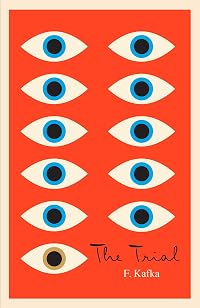
The Trial
by Franz Kafka 
On This Page
Description
"Someone must have been telling lies about Josef K., he knew he had done nothing wrong but, one morning, he was arrested." From its gripping first sentence onward, this novel exemplifies the term ""Kafkaesque." Its darkly humorous narrative recounts a bank clerk's entrapment - based on an undisclosed charge - in a maze of nonsensical rules and bureaucratic roadblocks. Written in 1914 and published posthumously in 1925, Kafka's engrossing parable about the human condition plunges an isolated show more individual into an impersonal, illogical system. Josef K.'s ordeals raise provocative, ever-relevant issues related to the role of government and the nature of justice. This inexpensive edition of one of the 20th century's most important novels features an acclaimed translation by David Wyllie. show lessTags
Recommendations



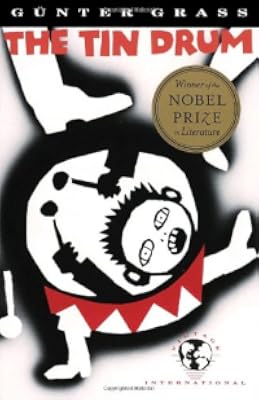







Member Recommendations
DLSmithies Two protagonists on trial without really understanding what they're being accused of - it's just a question of degree.
Also recommended by chrisharpe
243
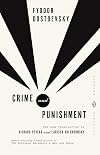

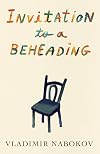
SCPeterson Nabokov's book parallels Kafka both in style and theme. According to his Forward, Nabokov had not read Kafka when he wrote this, but he grudgingly nods toward Kafka as a "kindred soul".
50
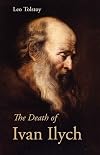
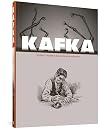
SandraArdnas Both masterpieces of the absurd
40
Babou_wk Chronique d'une erreur judiciaire/policière.


CGlanovsky absurdist take on the workings of bureaucracy
Member Reviews
European and Western disillusionment with life was at a peak after World War I. The twentieth century was supposed to be humanity’s greatest; instead, it was full of greater ways (think, nerve gas, machine guns, and trench warfare) for humans to destroy themselves. In this context, Kafka wrote this novel, published only after his death. In this story of an everyman, the dilemma of Josef K. (or just K.) raises the question of what we should do in face of life’s seeming meaninglessness.
By forces beyond his control and beyond even his cognition, K. is thrust into a trial. He maintains his innocence of the charges – though those charges seem vague and unspoken – but lacks an adequate defense team of lawyers. He falls in and out of show more love with several women; even love is fleeting and provides little hope. He is judged by a legal system that he cannot meaningfully interact with.
He has discussions with three mainstays of Western life – the law, the arts, and the church. All of them do not provide adequate explanations for how he ought to live life. The arts, symbolized by a painter, provided the most compelling narrative (one of clairvoyance, or “clear seeing”), but by hiding the paintings, K. even rejects that this gloomy reality should be celebrated.
In a manner reminiscent of original sin, he lives under the cloud of deadly forces that he cannot control. This sentence of an unfair death is one that everyone is born into and cannot escape. Despite protests of innocence, no one is permanently acquitted of their fate. Even the priest’s explanation seems confusing at best. The ending fittingly resolves this tension.
I could not help but feel empathy for Kafka in this novel. I also could not help but picture scores of Europeans killing each other in trenches. An entire generation of young men from all over the continent are suddenly gone. And for what? The status quo ante bellum? This disillusionment was shared all over the arts community and by the populous during this era. A “Lost” Generation, they were nicknamed.
This novel should not be read by those looking for hope because it contains little. Instead, it presents the realities of life squarely. Hope must be brought in by the reader through some external means or else despair will reign triumphant, much as it did after World War I. Nonetheless, the existential story sheds light on the seeming meaninglessness that life offers. Fortunately, the remainder of the twentieth century resulted in human progress. Though still not perfect (as Kafka so vividly reminds us), the human story is not over. show less
By forces beyond his control and beyond even his cognition, K. is thrust into a trial. He maintains his innocence of the charges – though those charges seem vague and unspoken – but lacks an adequate defense team of lawyers. He falls in and out of show more love with several women; even love is fleeting and provides little hope. He is judged by a legal system that he cannot meaningfully interact with.
He has discussions with three mainstays of Western life – the law, the arts, and the church. All of them do not provide adequate explanations for how he ought to live life. The arts, symbolized by a painter, provided the most compelling narrative (one of clairvoyance, or “clear seeing”), but by hiding the paintings, K. even rejects that this gloomy reality should be celebrated.
In a manner reminiscent of original sin, he lives under the cloud of deadly forces that he cannot control. This sentence of an unfair death is one that everyone is born into and cannot escape. Despite protests of innocence, no one is permanently acquitted of their fate. Even the priest’s explanation seems confusing at best. The ending fittingly resolves this tension.
I could not help but feel empathy for Kafka in this novel. I also could not help but picture scores of Europeans killing each other in trenches. An entire generation of young men from all over the continent are suddenly gone. And for what? The status quo ante bellum? This disillusionment was shared all over the arts community and by the populous during this era. A “Lost” Generation, they were nicknamed.
This novel should not be read by those looking for hope because it contains little. Instead, it presents the realities of life squarely. Hope must be brought in by the reader through some external means or else despair will reign triumphant, much as it did after World War I. Nonetheless, the existential story sheds light on the seeming meaninglessness that life offers. Fortunately, the remainder of the twentieth century resulted in human progress. Though still not perfect (as Kafka so vividly reminds us), the human story is not over. show less
I'm sure there are as many ways to describe this novel as there are readers, but for me, I'm struck by how accessible and surrealistic it is.
The novel transforms from a tale of railing against bureaucracy into a quiet dystopian nightmare of shadowy conspiracy. K is awoken to his arrest, is subjected to inane bureaucracy, corruption, incomprehensible justice proceedings, and best of all, NO REASON.
In fact, we never get a reason why he is arrested or the purpose of the trial, but we are subjected to every stage of the nightmare in a way that could be the seven stages of grief or could be explained as a parable of the Self being subsumed by the State. Or perhaps just the natural progression of a natural person being replaced by the show more illusory. :)
Of course, it could also be read as a religious parable whereas we are never given a clear set of codes or if we are, the number of interpretations make the result absolutely meaningless and in the end, there IS NO RESOLUTION.
Or it could be as the surface intends, that we live in an increasingly complex system designed primarily to stifle and strangle us by the weight of its own importance.
We can read into it morals and promiscuity and even the Fall by Pride, too, but these are just the delicious mores and quagmires that K is subjected to. :)
Imminently readable and still as applicable today as it was back when it was written in 1914 and pubbed after Kafka's death, I am spoiled as a reader to read it for the first time now.
Am I blown away? Am I thrilled and in total love with his writing?
Yes. :) In fact, I'm going to knock this into my top one-hundred list of best novels of all time. :)
I am pretty damn amazed. It also turns out that I'm probably MOST influenced by him as an author even though I've never read him directly. Surrealism is FREAKING AMAZING.
It's the super-grandaddy of everything that makes dark horror, dystopian literature, and magical realism great.
Oh, and I've been told my own novel writing fits the bill. I think I'll own that. Sweet! :) show less
The novel transforms from a tale of railing against bureaucracy into a quiet dystopian nightmare of shadowy conspiracy. K is awoken to his arrest, is subjected to inane bureaucracy, corruption, incomprehensible justice proceedings, and best of all, NO REASON.
In fact, we never get a reason why he is arrested or the purpose of the trial, but we are subjected to every stage of the nightmare in a way that could be the seven stages of grief or could be explained as a parable of the Self being subsumed by the State. Or perhaps just the natural progression of a natural person being replaced by the show more illusory. :)
Of course, it could also be read as a religious parable whereas we are never given a clear set of codes or if we are, the number of interpretations make the result absolutely meaningless and in the end, there IS NO RESOLUTION.
Or it could be as the surface intends, that we live in an increasingly complex system designed primarily to stifle and strangle us by the weight of its own importance.
We can read into it morals and promiscuity and even the Fall by Pride, too, but these are just the delicious mores and quagmires that K is subjected to. :)
Imminently readable and still as applicable today as it was back when it was written in 1914 and pubbed after Kafka's death, I am spoiled as a reader to read it for the first time now.
Am I blown away? Am I thrilled and in total love with his writing?
Yes. :) In fact, I'm going to knock this into my top one-hundred list of best novels of all time. :)
I am pretty damn amazed. It also turns out that I'm probably MOST influenced by him as an author even though I've never read him directly. Surrealism is FREAKING AMAZING.
It's the super-grandaddy of everything that makes dark horror, dystopian literature, and magical realism great.
Oh, and I've been told my own novel writing fits the bill. I think I'll own that. Sweet! :) show less
Basically, you are fucked! And there’s not much you can do about it. Sure, you can fret, or whine and cry, or may be even try putting up a brave fight. But that may or may not do much good to your case. Because things like these never really get resolved in life. Though, giving up everything and not doing anything is not an option either. That is to say you have absolutely no control over your situation. To use Kafka’s own words, “The best thing to do might be to come to terms with the circumstances…” and keep battling on with that faint glimmer of hope and reason that drive us.
Something or someone might come to your aid. It might look like a rescue. But then you can never be too sure how that might pan out. For all you know, show more it may only end up making your case even more miserable. Nobody seems to have made it till today. One thing is almost certain - there is no true acquittal here. Nope. That is simply out of the question. Of course, there are legends about people who have won the battle against this miserable universe, although they may be just that - legends. There might be certain element of truth to it though. Otherwise how could so many people believe in them? It’s just that no one to this day has ever actually encountered someone who has been truly acquitted. Though there is no surety that all is lost either. But you decide if it is a consolation or only more horrifying. For what more is to come? So you blindly navigate the alleys of life until one day you get put down, in Kafka’s words, like a dog.
Using the legal system as a façade, Kafka has described life as it is – mostly senseless and often brutal. There’s no direction to it and there is no end in sight. It’s terrifying and meaningless. May be that was the reason he didn't see much use in publishing his work and had ordered it to be burned after his death. The book is a trippy ride. Till you get half way through it seems like some bizarre dream and almost managed to leave me exasperated in the middle. Only after that will you start seeing some order in chaos. But by the time you begin to get a hold of it Kafka will fuck your mind inside-out and end it in the most unsatisfying manner. Don’t expect any closure here.
This book is a work of genius and nothing sums it up like Albert Camus’s quote about it on its back cover – “It is the fate and perhaps the greatness of The Trial that it offers everything and confirms nothing.” show less
Something or someone might come to your aid. It might look like a rescue. But then you can never be too sure how that might pan out. For all you know, show more it may only end up making your case even more miserable. Nobody seems to have made it till today. One thing is almost certain - there is no true acquittal here. Nope. That is simply out of the question. Of course, there are legends about people who have won the battle against this miserable universe, although they may be just that - legends. There might be certain element of truth to it though. Otherwise how could so many people believe in them? It’s just that no one to this day has ever actually encountered someone who has been truly acquitted. Though there is no surety that all is lost either. But you decide if it is a consolation or only more horrifying. For what more is to come? So you blindly navigate the alleys of life until one day you get put down, in Kafka’s words, like a dog.
Using the legal system as a façade, Kafka has described life as it is – mostly senseless and often brutal. There’s no direction to it and there is no end in sight. It’s terrifying and meaningless. May be that was the reason he didn't see much use in publishing his work and had ordered it to be burned after his death. The book is a trippy ride. Till you get half way through it seems like some bizarre dream and almost managed to leave me exasperated in the middle. Only after that will you start seeing some order in chaos. But by the time you begin to get a hold of it Kafka will fuck your mind inside-out and end it in the most unsatisfying manner. Don’t expect any closure here.
This book is a work of genius and nothing sums it up like Albert Camus’s quote about it on its back cover – “It is the fate and perhaps the greatness of The Trial that it offers everything and confirms nothing.” show less
On his 30th birthday, Josef K wakes up to officials in his apartment, there to arrest him. He doesn't know for what or how to defend himself. Over the next year, he continues his work at a bank while trying to defend himself against unknown charges in court. He learns all sorts of confusing things about how the legal system "works". Things do not end well for K.
This novel is an all-too-real-feeling look at people being controlled through chaos. If no one understands the systems they are living under, and if no one can predict who and what will be deemed illegal and dangerous, then no one is safe and secure to say what they think or be who they want to be. Pretty terrifying stuff and still oh so pertinent 100 years later.
This novel is an all-too-real-feeling look at people being controlled through chaos. If no one understands the systems they are living under, and if no one can predict who and what will be deemed illegal and dangerous, then no one is safe and secure to say what they think or be who they want to be. Pretty terrifying stuff and still oh so pertinent 100 years later.
The idea of being unexpectedly arrested for unspecified crimes and hauled away to stand trial is one we’re used to from reading about totalitarian regimes in history, particularly over the past 100 years, and from the arts. “The Trial” was published in 1925, a year after Franz Kafka’s death, and presages that.
There is a dark undercurrent knowing Kafka was a Jew in Prague shortly before Hitler would put the entire race on trial; Kafka didn’t live to see the Holocaust but his family did, and many of his relatives perished in concentration camps. This amplified the message and meaning of the book for me.
The frustration of battling an unseen legal bureaucracy is a much darker take on “Bleak House” by Charles Dickens; here show more “K” is battling for his life. As Steiner puts it in the introduction to this edition, “To live is to be sentenced for living.” However, despite all that great existential darkness, as with “The Metamorphosis”, it’s a book I didn’t particularly enjoy or would recommend. It’s a bit like required reading, only less creative than “The Metamorphosis”, published posthumously and unfinished, and painfully longer … so if you want a book of Kafka’s to read, I would recommend it instead of “The Trial.” show less
There is a dark undercurrent knowing Kafka was a Jew in Prague shortly before Hitler would put the entire race on trial; Kafka didn’t live to see the Holocaust but his family did, and many of his relatives perished in concentration camps. This amplified the message and meaning of the book for me.
The frustration of battling an unseen legal bureaucracy is a much darker take on “Bleak House” by Charles Dickens; here show more “K” is battling for his life. As Steiner puts it in the introduction to this edition, “To live is to be sentenced for living.” However, despite all that great existential darkness, as with “The Metamorphosis”, it’s a book I didn’t particularly enjoy or would recommend. It’s a bit like required reading, only less creative than “The Metamorphosis”, published posthumously and unfinished, and painfully longer … so if you want a book of Kafka’s to read, I would recommend it instead of “The Trial.” show less
4/5
The only thing I have read that's even remotely similar to the The Trial is The Woman in the Dunes, which I suppose should be no great surprise since it seems that without the former, the latter would never have existed in its current form.
The Trial is the story of Josef K., a middle manager at a bank who is noteworthy only because he is suddenly arrested in his apartment on the day of his 30th birthday. For what, exactly? That remains a mystery for K, as well as his captors, investigators, lawyers, judges, a clergy member, a painter, or really anyone remotely involved in K's case. Everyone follows the template for their role that they 'should' be doing without any real idea of the truth behind it.
Kafka wrote The Trial in a style show more that I would mostly closely relate to stream of consciousness. Paragraphs are lengthy, and prone to large tangents that lead to totally new thoughts of their own. I thought this prose style suited both the content and the themes that Kafka chooses to explore. This is very much a story of and about nihilism. We see K as but a passenger on the tide of his case, despite his continued efforts. His advances are denied at every turn, driving his anxiety and confusion ever higher. It's a depressing and pitch black book even if the diction doesn't always do the heavy lifting to get to that tone.
It's a surreal world that K inhabits, with lots of maze-like spaces that have no clear defining lines, one that makes the already confusing events even more unbearable. Characters are prone to wild changes in emotion and action. It reads to me as a work of proto-magical realism, which I enjoyed greatly. It's also clear that Kafka was resentful of bureaucracy, resentful of the power that untold people can have over your life. Because this system of bureaucracy employs so many, each individual is free from personal accountability for their role in K's case. We are left with the impression that the wheels of this system will continue to grind the helpless and innocent into dust. This is a world devoid of purpose or morality. There's also certainly some more religious philosophy here, but these points are less clear to me, as I don't have much in the way of a religious background.
I find it hard to criticize The Trial in meaningful ways, not because there aren't flaws (it's quite literally unfinished), but because of the circumstances behind its creation and eventual publication. Kafka hated most of his own work, choosing to burn most of it before his death. The only reason that The Trial exists today is because of his literary executor going against Kafka's wishes to publish anything of his, period. These circumstances do feel like armor protecting the work from critique. Certainly it does become repetitive, dry, and boring. Certainly it does have an abrupt ending that flows against the grain of the rest of the text. It's not hard to see why some readers simply do not connect with the novel. Even I questioned my enjoyment several times.
However, I think it's hard to deny its weight and importance, a work that is valuable both because of its impact on future literature, but also on its own merits. Much like the The Woman in the Dunes I think that I would need to read this several more times with even more detail to tease it apart in a way that I could feel happy with. As it stands, I do feel like I'm only seeing the first few feet of a very deep lake. I'm interested to read more of Kafka's work as well as a biography of his life. show less
The only thing I have read that's even remotely similar to the The Trial is The Woman in the Dunes, which I suppose should be no great surprise since it seems that without the former, the latter would never have existed in its current form.
The Trial is the story of Josef K., a middle manager at a bank who is noteworthy only because he is suddenly arrested in his apartment on the day of his 30th birthday. For what, exactly? That remains a mystery for K, as well as his captors, investigators, lawyers, judges, a clergy member, a painter, or really anyone remotely involved in K's case. Everyone follows the template for their role that they 'should' be doing without any real idea of the truth behind it.
Kafka wrote The Trial in a style show more that I would mostly closely relate to stream of consciousness. Paragraphs are lengthy, and prone to large tangents that lead to totally new thoughts of their own. I thought this prose style suited both the content and the themes that Kafka chooses to explore. This is very much a story of and about nihilism. We see K as but a passenger on the tide of his case, despite his continued efforts. His advances are denied at every turn, driving his anxiety and confusion ever higher. It's a depressing and pitch black book even if the diction doesn't always do the heavy lifting to get to that tone.
It's a surreal world that K inhabits, with lots of maze-like spaces that have no clear defining lines, one that makes the already confusing events even more unbearable. Characters are prone to wild changes in emotion and action. It reads to me as a work of proto-magical realism, which I enjoyed greatly. It's also clear that Kafka was resentful of bureaucracy, resentful of the power that untold people can have over your life. Because this system of bureaucracy employs so many, each individual is free from personal accountability for their role in K's case. We are left with the impression that the wheels of this system will continue to grind the helpless and innocent into dust. This is a world devoid of purpose or morality. There's also certainly some more religious philosophy here, but these points are less clear to me, as I don't have much in the way of a religious background.
I find it hard to criticize The Trial in meaningful ways, not because there aren't flaws (it's quite literally unfinished), but because of the circumstances behind its creation and eventual publication. Kafka hated most of his own work, choosing to burn most of it before his death. The only reason that The Trial exists today is because of his literary executor going against Kafka's wishes to publish anything of his, period. These circumstances do feel like armor protecting the work from critique. Certainly it does become repetitive, dry, and boring. Certainly it does have an abrupt ending that flows against the grain of the rest of the text. It's not hard to see why some readers simply do not connect with the novel. Even I questioned my enjoyment several times.
However, I think it's hard to deny its weight and importance, a work that is valuable both because of its impact on future literature, but also on its own merits. Much like the The Woman in the Dunes I think that I would need to read this several more times with even more detail to tease it apart in a way that I could feel happy with. As it stands, I do feel like I'm only seeing the first few feet of a very deep lake. I'm interested to read more of Kafka's work as well as a biography of his life. show less
The Trial is the second novel I have read concurrently with its Cliffs Notes (Ulysses being the other), and I would recommend this to anyone brave (or foolish) enough to tackle Kafka for pleasure. Knowing that the novel remained unfinished at the time of Kafka's death - nearly a decade after he wrote it - and that his good friend had to guess at not only what to include but also the chapter order explains the fragmentary feeling conveyed by the story of Josef K. Written by a third-person narrator who remains as ignorant as K. of the justice system K. runs afoul of, The Trial is a labyrinth of incomplete, often contradictory information about the crime K. has committed. Even at the end, when K. is put to death , he knows neither the show more charge against him nor the reason for his conviction and punishment. He is equally ignorant of whether the many characters he interacts with help or hurt his cause; indeed, he cannot be sure what their true intentions were.
The Trial is the epitome of the term Kafkaesque, which Cambridge defines as "extremely unpleasant, frightening, and confusing". I would emphasize the last of these qualities. Even with the Cliffs Notes, I still don't grasp the story except on its opaque surface; the essays make clear that I never will, that there are multiple possible interpretations, none more or less acceptable than the others. Your understanding might be aided by a knowledge of Kafka's personal life and beliefs but will ultimately remain as unclear as Josef K.'s. show less
The Trial is the epitome of the term Kafkaesque, which Cambridge defines as "extremely unpleasant, frightening, and confusing". I would emphasize the last of these qualities. Even with the Cliffs Notes, I still don't grasp the story except on its opaque surface; the essays make clear that I never will, that there are multiple possible interpretations, none more or less acceptable than the others. Your understanding might be aided by a knowledge of Kafka's personal life and beliefs but will ultimately remain as unclear as Josef K.'s. show less
Members
- Recently Added By
Published Reviews
Una mañana cualquiera, Josef K., joven empleado de un banco, se despierta en la pensión donde reside con la extraña visita de unos hombres que le comunican que está detenido -aunque por el momento seguirá libre-. Le informan de que se ha iniciado un proceso contra él, y le aseguran que conocerá los cargos a su debido tiempo. Así comienza una de las más memorables y enigmáticas show more pesadillas jamás escritas. Para el protagonista, Josef K., el proceso laberíntico en el que inesperadamente se ve inmerso supone una toma de conciencia de sí mismo, un despertar que le obliga a reflexionar sobre su propia existencia, sobre la pérdida de la inocencia y la aparición de la muerte. La lectura de El proceso produce cierto «horror vacui» pues nos sumerge en una existencia absurda, en el filo de la navaja entre la vida y la nada. show less
added by Pakoniet
Lists

1001 Books You Must Read Before You Die
1,448 works; 1,136 members

The Guardian's 1000 Novels Everyone Must Read
1,005 works; 549 members
501 Must-Read Books
529 works; 72 members
Best Dystopias
280 works; 272 members

Le Monde - Les 100 livres du siècle
121 works; 25 members

German Literature
518 works; 56 members
20th Century Literature
1,161 works; 55 members

The 100 Best Books of All Time by Norwegian Book Club (World Library)
104 works; 23 members

Favourite Books
1,820 works; 308 members
The Top Ten: Writers Pick Their Favorite Books
240 works; 33 members

Philosophical Fiction
97 works; 26 members

Magic Realism
371 works; 52 members
In and About the 1920s
181 works; 31 members

Jewish Books
367 works; 24 members

Weird and Weirder Fiction
270 works; 34 members

Slipstream or Interstitial Fiction
160 works; 19 members

Top Five Books of 2013
1,562 works; 721 members
Literature About Social Class
134 works; 19 members

Classics you know you should have read but probably haven't
421 works; 408 members

Canon de la narrativa universal del siglo XX
254 works; 6 members

The Guardian's 100 greatest novels of all time
100 works; 16 members
Legal Stories
84 works; 12 members

100 Mysteries and Thrillers to Read in a Lifetime
99 works; 22 members
Folio Society
831 works; 49 members
LibraryThingers' 1001 Books You Must Read Before You Die
442 works; 30 members

Books Featured on Gilmore Girls
307 works; 21 members
Harold Bloom - The Western Canon: D. The Chaotic Age
833 works; 24 members

Western World's Greatest Books - Project Gutenberg
295 works; 15 members
Blue Pyramid 1,276 Best Books of All Time
1,248 works; 32 members

100 Most Recommended Works
100 works; 11 members

Books Read in 2014
2,344 works; 89 members
Lithub: 50 Great Classic Novels Under 200 pages
50 works; 10 members

Books Set in Germany
74 works; 12 members

Modernism
140 works; 9 members

Dark Books for Winter Reading
71 works; 11 members

Top Five Books of 2018
802 works; 265 members

Most Disturbing Books
124 works; 27 members

1964 College Preparatory Reading List
202 works; 8 members

The Well-Educated Mind Reading Challenge
75 works; 7 members

Best First Lines
133 works; 8 members

Cawthorn and Moorcock's Fantasy: The 100 Best Books
110 works; 7 members
The Greatest Books
99 works; 5 members
Five star books
1,767 works; 110 members
1,001 BYMRBYD Concensus
723 works; 27 members
1920s
141 works; 6 members
Mensa for Kids Excellence in Reading Award Program (Grades 9-12)
116 works; 5 members

Lamont's Hundred Best Novels (1947)
100 works; 4 members

Amanda's Guaranteed Books
110 works; 5 members

Books Read in 2023
5,638 works; 147 members

Top 50 Favourite Books
50 works; 2 members
How to Read a Book's Recommended Reading List
309 works; 10 members

Jones and Newman's Horror: The 100 Best Books
100 works; 4 members

Rory Gilmore Book Club
193 works; 5 members
Favorite World Literature in English Translation
22 works; 5 members
Mensa for Kids Excellence in Reading Award Program (Grades 9-12)
116 works; 3 members
Existentialism
90 works; 11 members
Top 10 Dodgy Lawyers in Literature
10 works; 2 members

Well-Educated Mind
150 works; 3 members

SHOULD Read Books!
354 works; 9 members

Books Read in 2017
4,249 works; 129 members

Most Depressing Books
69 works; 16 members
Elegant Prose
80 works; 4 members
Books set in Prague
40 works; 1 member

99 Bücher, die man gelesen haben muss
37 works; 1 member

recalling favorites...
105 works; 2 members

Europe
205 works; 6 members

Best Horror Mega-List
342 works; 6 members

Favorite Books from the 1920s
33 works; 3 members

Speculative Fiction from around the World
610 works; 18 members
E's Reader
30 works; 1 member

100
56 works; 1 member

Books Read in 2020
4,379 works; 123 members
My Favourite Books
86 works; 5 members

Books Read in 2016
4,666 works; 199 members
Overdue Podcast
808 works; 9 members

2021 - List of books read
53 works; 1 member

DigitalDreamDoor top 300
300 works; 4 members
The 150 Greatest Novels of All Time
150 works; 6 members
Canon de la narrativa universal del s. XX (cicutadry)
499 works; 3 members

Recommended Reading : 600 Classics Reviewed, Editors of Salem Press, 2015
634 works; 6 members
Retrospective of 20th- and 21st-century literature
154 works; 1 member

Books Read in 2012
816 works; 34 members

Books That Changed Our Perspective
423 works; 168 members

.
194 works; 2 members
The Complete Rory Gilmore Reading List
506 works; 5 members
sotiris' favourites circa january 2023
43 works; 2 members
2024-2025 Ezra Klein Guest Recommendations
213 works; 6 members
School Made Us Read It
380 works; 196 members
Reading LIst
648 works; 1 member
.
396 works; 1 member

In Our Time books
4,934 works; 2 members
bound
100 works; 1 member
The Well-Educated Mind, Susan Wise Bauer, 2016
179 works; 3 members

readingList
38 works; 1 member

Books I Own But Haven't Read
144 works; 2 members
New Lifetime Reading Plan by Fadiman and Major
225 works; 5 members

Novels/Poems/Short Stories/Anything Storytelling Related
112 works; 2 members
Tablet Magazine's List of 101 Great Jewish Books
103 works; 9 members

Ambleside Books
459 works; 18 members
Bibliografia essenziale
86 works; 2 members
Allegorical Fiction
16 works; 4 members

Books Read in 2018
4,360 works; 110 members

100 knjiga
100 works; 1 member

Books mentioned in Julian Symons’ Bloody Murder
438 works; 6 members

The Books I Read in 2017
96 works; 1 member

Greatest Books, allegedly
484 works; 9 members

Books and authors mentioned by Le Clézio in his Nobel Prize speech
87 works; 3 members
AP Lit
363 works; 6 members
Read
28 works; 1 member

Mustich's 1000 Books to Read Before You Die: A Life Changing List
1,001 works; 20 members

Book wishlist
78 works; 1 member

I Can't Finish This Book
189 works; 22 members

Best Science Fiction Novels
816 works; 430 members

Unread books
1,063 works; 87 members
Talk Discussions
Past Discussions
Found: Surrealist/existencialist book featuring giant doors/gates that needed certain keys in Name that Book (January 2024)
Franz Kafka: The Trial in 1001 Books to read before you die (January 2008)
Author Information

1,514+ Works 104,119 Members
Franz Kafka -- July 3, 1883 - June 3, 1924 Franz Kafka was born to middle-class Jewish parents in Prague, Czechoslovakia on July 3, 1883. He received a law degree at the University of Prague. After performing an obligatory year of unpaid service as law clerk for the civil and criminal courts, he obtained a position in the workman's compensation show more division of the Austrian government. Always neurotic, insecure, and filled with a sense of inadequacy, his writing is a search for personal fulfillment and understanding. He wrote very slowly and deliberately, publishing very little in his lifetime. At his death he asked a close friend to burn his remaining manuscripts, but the friend refused the request. Instead the friend arranged for publication Kafka's longer stories, which have since brought him worldwide fame and have influenced many contemporary writers. His works include The Metamorphosis, The Castle, The Trial, and Amerika. Kafka was diagnosed with tuberculosis (TB) in August 1917. As his disease progressed, his throat became affected by the TB and he could not eat regularly because it was painful. He died from starvation in a sanatorium in Kierling, near Vienna, after admitting himself for treatment there on April 10, 1924. He died on June 3 at the age of 40. (Bowker Author Biography) show less
Franz Kafka has a Legacy Library. Legacy libraries are the personal libraries of famous readers, entered by LibraryThing members from the Legacy Libraries group.
Some Editions
Awards and Honors
Distinctions
Notable Lists
Series
Belongs to Publisher Series
Světová literatura (10)
Lanterne (L 4)
Clube de Literatura Clássica (CLC) (36 [April 2023])
Gallimard, Folio Classique (1840)
Biblioteca Folha (17)
Fischer Taschenbuch (676)
Loomingu Raamatukogu 1966 (40-43)
Perpetua reeks (50)
L&PM Pocket (543)
Colecção Mil Folhas (91)
A tot vent (119)
Modern Library (318)
Penguin Modern Classics (907)
suhrkamp taschenbuch (3669)
Reclams Universal-Bibliothek (9676)
Gallimard, Folio (101-1840)
Work Relationships
Is contained in
Has the adaptation
Has as a study
Has as a commentary on the text
Has as a student's study guide
Has as a teacher's guide
Common Knowledge
- Canonical title
- The Trial
- Original title
- Der Prozess
- Alternate titles*
- Der Proceß; Der Process; Der Prozeß
- Original publication date
- 1925-04-26
- People/Characters
- Joseph K.; The Magistrate; Fräulein Montag; Fräulein Bürstner; Captain Lanz; The Whipper (show all 25); Titorelli; Rudi Block; The Priest; Frau Grubach; Uncle Karl; Dr. Huld; Fräulein Leni; The Vice-President; The President; Franz; Willem; The Supervisor; Rabensteiner; Kullych; Kaminer; Elsa; Bertold; The Advocate; The Italian
- Important places
- The Cathedral
- Related movies
- Le procès (1962 | IMDb); The Trial (1993 | IMDb)
- First words
- Someone must have been telling lies about Joseph K., for without having done anything wrong he was arrested one fine morning.
Someone must have slandered Josef K., for one morning, without having done anything wrong, he was arrested. (tr. Breon Mitchell)
Jemand mußte Josef K. verleumdet haben, denn ohne daß er etwas Böses getan hätte, wurde er eines Morgens verhaftet. - Quotations
- "The Court wants nothing from you. It receives you when you come and it dismisses you when you go."
- Last words
- (Click to show. Warning: May contain spoilers.)"Like a dog!" he said; it was as if the shame of it must outlive him.
(Click to show. Warning: May contain spoilers.)»Wie ein Hund!« sagte er, es war, als sollte die Scham ihn überleben. - Publisher's editor
- Brod, Max
- Blurbers
- Camus, Albert; Hesse, Hermann; Gide, André
- Original language
- German
- Disambiguation notice
- 3518456695 2005 softcover German suhrkamp taschenbuch 3669
351878630X 2012 eBook German suhrkamp
*Some information comes from Common Knowledge in other languages. Click "Edit" for more information.
Classifications
- Genres
- Fiction and Literature, General Fiction
- DDC/MDS
- 833.912 — Literature & rhetoric German & related literatures German fiction 1900- 1900-1990 1900-1945
- LCC
- PT2621 .A26 .P713 — Language and Literature German, Dutch and Scandinavian literatures German literature Individual authors or works 1860/70-1960
- BISAC
Statistics
- Members
- 22,991
- Popularity
- 226
- Reviews
- 271
- Rating
- (4.02)
- Languages
- 36 — Albanian, Arabic, Bosnian, Catalan, Chinese, Czech, Danish, Dutch, English, Estonian, Finnish, French, German, Galician, Greek, Hebrew, Hungarian, Italian, Japanese, Malayalam, Multiple languages, Norwegian (Bokmål), Norwegian, Polish, Romanian, Russian, Serbian, Croatian, Slovak, Slovenian, Spanish, Swedish, Turkish, Yiddish, Portuguese (Portugal), Portuguese (Brazil)
- Media
- Paper, Audiobook, Ebook
- ISBNs
- 762
- UPCs
- 6
- ASINs
- 360