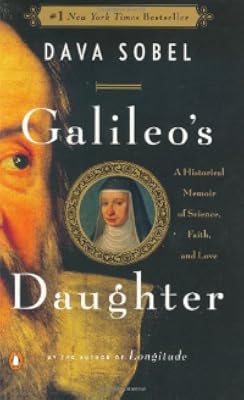
Galileo's Daughter: A Historical Memoir of Science, Faith, and Love
by Dava Sobel
On This Page
Description
Biography & Autobiography. Philosophy. Religion & Spirituality. Nonfiction. HTML:Galileo Galilei was the foremost scientist of his day. Though he never left Italy, his inventions and discoveries were heralded around the world. His telescopes allowed him to reveal the heavens and enforce the astounding argument that the earth moves around the sun. For this belief, he was brought before the Holy Office of the Inquisition, accused of heresy, and forced to spend his last years under house show more arrest.Galileo's oldest child was thirteen when he placed her in a convent near him in Florence, where she took the most appropriate name of Suor Maria Celeste. Her support was her father's greatest source of strength. Her presence, through letters which Sobel has translated from Italian and masterfully woven into the narrative, graces her father's life now as it did then.
GALILEO'S DAUGHTER dramatically recolors the personality and accomplishment of a mythic figure whose seventeenth-century clash with Catholic doctrine continues to define the schism between science and religion. Moving between Galileo's public life and Maria Celeste's sequestered world, Sobel illuminates the Florence of the Medicis and the papal court in Rome during an era when humanity's perception of its place in the cosmos was overturned. With all the human drama and scientific adventure that distinguished Latitude, GALILEO'S DAUGHTER is an unforgettable story. show less
Tags
Recommendations

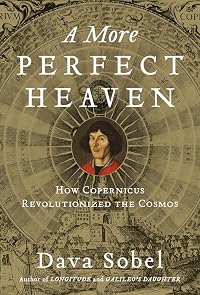

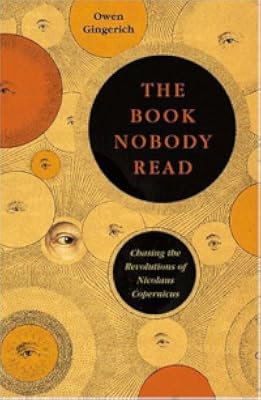

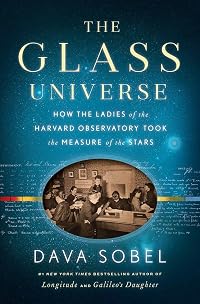

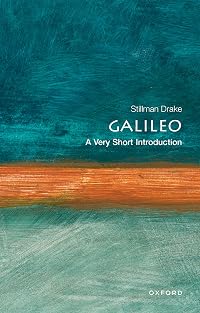

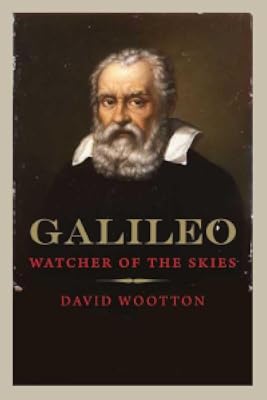






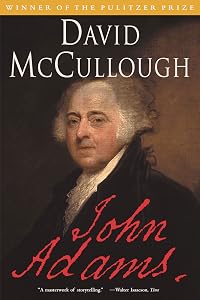
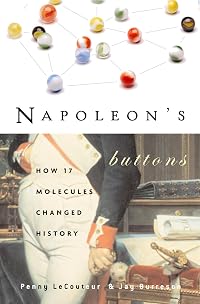


Member Recommendations
Member Reviews
I can understand why Dava Sobel's "Longitude" was an absolute commercial smash: it made the stakes involved in finding an accurate way of measuring longitude clear to the reader and then, in language that might suit a thriller, set about describing the race to come up with a reliable solution to this problem. "Galileo's Daughter" is, in many ways, a more difficult proposition. It's longer, slower, and features the complete text of the letters that Suor Maria Celeste, Galileo's favorite daughter, wrote to him. While "Galileo's Daughter" is still a work of popular fiction — most of this won't be news to readers deeply invested in Renaissance history or the history of science — this one can sometimes be a struggle to read.
Which isn't show more to say that it doesn't have its charms. As a person who, shamefully enough, knew Galileo as the guy proved that a feather doesn't fall faster than a ball of lead and who insisted, after being convicted by the Catholic Church, that it yet moved, Sobel does a good job of explaining to readers exactly why Galileo's methods and ideas were so revolutionary. This is especially since he certainly wasn't the first to propose that the Sun, and not the Earth, was the center of our solar system, an idea that thinkers from Pythagoras to Aristarchus to Copernicus had, each in their own time, advocated for. The author makes it clear that in a age in which Aristotle's opinions trumped empirical observation both for the Catholic Church and for many scientists, Galileo's insistence on the paramount importance of observational and experimental science seems truly revolutionary. I came away from this book understanding exactly why Galileo's name is synonymous with scientific brilliance.
Of course, there are probably lots of books out there that will describe Galileo's place in the history of science to their readers. The real attraction of "Galileo's Daughter" — and the aspect of it that I enjoyed the most — was its meticulous description of life in seventeenth century Italy. Sobel's narrative encompasses numerous aspects of the Italy of Galileo's time, from its patronage system to its byzantine papal intrigues to its medical and agricultural practices to the complexity of family life during this period. Sobel, in other words, does a good job of describing the texture of this particular place at this particular time. Even if you aren't particularly interested in science — and, honestly, I prefer other subjects myself — this book's varied perspectives make it worth a read.
The real heart of this book, though, is the great man's relationship with his favorite daughter whose letters paint of a picture of a woman with a sharp mind who, despite living a highly restricted life as a cloistered nun took initiative and expressed her opinions where and when she could. Her letters will likely strike modern readers as too flowery, too self-abnegating, and too excessively deferential, but Suor Maria Celeste's love for her father — and for the God and the religious tradition to which she devoted her life— cannot be denied. Readers will also likely be appalled at the living conditions in the convent in which Maria Celeste lived. The food that the "Poor Clares" ate barely sustained them, their living conditions were wretched, and they worked, prayed, and observed their religious practice with such intensity that they hardly had a moment to themselves. Today, it would be easy to compare this sort of lifestyle to that of a cult. But Maria Celeste's love for her fellow sisters, for her God, and for her father shines through: she seems, during her life, to have achieved a sort of hard-won grace. This can also be seen in the many favors she did for her father and in the gifts that she gave him, from mending an sewing clothes and sheets to sending him his favorite foods. Galileo was, if you hadn't heard, very fond of candied fruits. In her letters, she constantly worries about his health and counsels him to take care of himself. While we do not have Galileo's half of this correspondence, their mutual affection is obvious. And this, in its way, is important. Even history's giants have personal lives, and "Galileo's Daughter" is, in a sense a portrait of the sort of emotionally sustaining relationship that everyone, even geniuses, need to make it through life. This one is perhaps too long and is far from an easy read, but it's recommended to those readers with a special interest in the more personal and cultural aspects of history. show less
Which isn't show more to say that it doesn't have its charms. As a person who, shamefully enough, knew Galileo as the guy proved that a feather doesn't fall faster than a ball of lead and who insisted, after being convicted by the Catholic Church, that it yet moved, Sobel does a good job of explaining to readers exactly why Galileo's methods and ideas were so revolutionary. This is especially since he certainly wasn't the first to propose that the Sun, and not the Earth, was the center of our solar system, an idea that thinkers from Pythagoras to Aristarchus to Copernicus had, each in their own time, advocated for. The author makes it clear that in a age in which Aristotle's opinions trumped empirical observation both for the Catholic Church and for many scientists, Galileo's insistence on the paramount importance of observational and experimental science seems truly revolutionary. I came away from this book understanding exactly why Galileo's name is synonymous with scientific brilliance.
Of course, there are probably lots of books out there that will describe Galileo's place in the history of science to their readers. The real attraction of "Galileo's Daughter" — and the aspect of it that I enjoyed the most — was its meticulous description of life in seventeenth century Italy. Sobel's narrative encompasses numerous aspects of the Italy of Galileo's time, from its patronage system to its byzantine papal intrigues to its medical and agricultural practices to the complexity of family life during this period. Sobel, in other words, does a good job of describing the texture of this particular place at this particular time. Even if you aren't particularly interested in science — and, honestly, I prefer other subjects myself — this book's varied perspectives make it worth a read.
The real heart of this book, though, is the great man's relationship with his favorite daughter whose letters paint of a picture of a woman with a sharp mind who, despite living a highly restricted life as a cloistered nun took initiative and expressed her opinions where and when she could. Her letters will likely strike modern readers as too flowery, too self-abnegating, and too excessively deferential, but Suor Maria Celeste's love for her father — and for the God and the religious tradition to which she devoted her life— cannot be denied. Readers will also likely be appalled at the living conditions in the convent in which Maria Celeste lived. The food that the "Poor Clares" ate barely sustained them, their living conditions were wretched, and they worked, prayed, and observed their religious practice with such intensity that they hardly had a moment to themselves. Today, it would be easy to compare this sort of lifestyle to that of a cult. But Maria Celeste's love for her fellow sisters, for her God, and for her father shines through: she seems, during her life, to have achieved a sort of hard-won grace. This can also be seen in the many favors she did for her father and in the gifts that she gave him, from mending an sewing clothes and sheets to sending him his favorite foods. Galileo was, if you hadn't heard, very fond of candied fruits. In her letters, she constantly worries about his health and counsels him to take care of himself. While we do not have Galileo's half of this correspondence, their mutual affection is obvious. And this, in its way, is important. Even history's giants have personal lives, and "Galileo's Daughter" is, in a sense a portrait of the sort of emotionally sustaining relationship that everyone, even geniuses, need to make it through life. This one is perhaps too long and is far from an easy read, but it's recommended to those readers with a special interest in the more personal and cultural aspects of history. show less
From the title of this book, I naturally expected it to be a biography of Galileo's daughter, which it is not exactly. I was a bit disappointed to begin with, as the first hundred pages or so are Galileo's early biography. Once his daughter, Virginia (later Suor Marie Celeste) came into the picture, the story became much more interesting.
Virginia was one of Galileo's three illegitimate children by the mistress of his early years, Marina Gamba. She eventually married, with Galileo's blessings, and he never lost interest in his children. Due to their illegitimacy which he felt would eliminate any chance of a decent marriage, Galileo had his two daughters entered into a convent at a very early age. The both became nuns at the convent of show more San Matteo on turning sixteen, Virginia taking the name Suor Marie Celeste and Livia that of Suor Arcangela. The son, Vincenzio, lived with Galileo in his late teens and eventually (after an unpromising start) became a good son to him.
This book recounts Galileo's personal and private life, using letters from Marie Celeste to give color to what would otherwise be a black and white, straight forward biography. Their shared love is beautiful to see in her letters--his to her having been lost--and the bits and pieces of every day life that she treats the reader to are thoroughly enjoyable.
This is a very detailed and readable history of Galileo, and gave me a much greater understanding of the man, his work and his difficulty with the Church. The conflict he felt between himself and his discoveries comes through very clearly and poignantly in his own words through his other letters. Her faith in him, and in the fact that he was not being heretical, is very apparent. It was interesting to me to see how differently Sobel portrays Galileo's fight was the Church--if her sources are to be believed (and I see no reason to disbelieve) it was not at all what history textbooks would have us believe.
As a history major and fanatic, I truly enjoyed reading this book. The alternate perspective of Galileo was refreshing and real--and made sense of a lot that had previously seemed murky to me about him and the Church. The addition of Marie Celeste's letters gave this book personality and took Galileo from a science god to a human being. My only regret is how few letters are in this book, and that the title is a bit misleading. Despite that, if you have any interest in Galileo, this is a must-read! show less
Virginia was one of Galileo's three illegitimate children by the mistress of his early years, Marina Gamba. She eventually married, with Galileo's blessings, and he never lost interest in his children. Due to their illegitimacy which he felt would eliminate any chance of a decent marriage, Galileo had his two daughters entered into a convent at a very early age. The both became nuns at the convent of show more San Matteo on turning sixteen, Virginia taking the name Suor Marie Celeste and Livia that of Suor Arcangela. The son, Vincenzio, lived with Galileo in his late teens and eventually (after an unpromising start) became a good son to him.
This book recounts Galileo's personal and private life, using letters from Marie Celeste to give color to what would otherwise be a black and white, straight forward biography. Their shared love is beautiful to see in her letters--his to her having been lost--and the bits and pieces of every day life that she treats the reader to are thoroughly enjoyable.
This is a very detailed and readable history of Galileo, and gave me a much greater understanding of the man, his work and his difficulty with the Church. The conflict he felt between himself and his discoveries comes through very clearly and poignantly in his own words through his other letters. Her faith in him, and in the fact that he was not being heretical, is very apparent. It was interesting to me to see how differently Sobel portrays Galileo's fight was the Church--if her sources are to be believed (and I see no reason to disbelieve) it was not at all what history textbooks would have us believe.
As a history major and fanatic, I truly enjoyed reading this book. The alternate perspective of Galileo was refreshing and real--and made sense of a lot that had previously seemed murky to me about him and the Church. The addition of Marie Celeste's letters gave this book personality and took Galileo from a science god to a human being. My only regret is how few letters are in this book, and that the title is a bit misleading. Despite that, if you have any interest in Galileo, this is a must-read! show less
This is really an amazing book. The insight that Ms. Sobel has opened into the times of 16th and 17th century Italy were incredibly informative, as Italy has never been my area of expertise. The conflicts and troubles between the scientists and the Church are especially relevant today with the desire of some to not teach Evolution in the classrooms. The fight that he and other scientists (and there were other scientists) undertook to show the fallacy of Aristotle's earth-centered universe are paralleled with the current folks who think that Creationism is as valid a scientific theory as Evolution. I understand Galileo's frustration with trying to communicate his message in the face of censorship and the threat of the tortures of the show more Inquisition. I am touched by his love for his daughter and hers for him - for those of us lucky enough to have had a loving relationship with our fathers, this book puts into words what I could only sense. Ms. Sobel's descriptions of convent life were especially helpful in trying to understand how a woman could survive and even thrive in cloistered life. It seems that for many women it was a choice they made without, well, maybe not without regrets, but it certainly was not a prison as I always thought it was. For some women, yes, it would have been horrible (like Suor's sister, though we do not know her thoughts) or their cell mate who was emotionally or mentally disturbed. But it was a place for women to live apart from the world and gain something thereby. Ms. Sobel's descriptions of the Black Plague (where I am right now) are very well documented and explain in more detail than I've seen anywhere else what the personal and social impact of this dread disease was. I am enjoying this book and am glad I bought it. show less
The title is misleading, this not so much about his daughter as his relationship with his daughter. His work as an astronomer and his support for Copernicus' theory of heliocentrism, which was thought to be heresy, brought him to the attention of the Roman Inquisition. His three children were born out of wedlock, two daughters and a son. Being illegitimate the daughters were not thought suitable for marriage so were given to the care of a convent. During Virginia's time there as Suor Maria Celeste, she wrote 124 letters to her father, which he kept. Sadly, his letters to her have been lost, presumed to have been destroyed by the convent when Suor Maria Celeste died aged 33. Apart from an obvious love for her father and the privations of show more the convent, the correspondence provides little information about her life, but shows a devout faith that Galileo obviously shared despite the accusations against him. Sobel provides a compassionate view of the scientist and describes the dramatic intrigue and conflict between science and religion. show less
At its surface a history lesson, Galileo's Daughter is also a very personal peek into the dynamics of a relationship between a now-infamous scientist and his illegitimate but clearly cherished daughter. Although Galileo's side of the conversation is lost to history, the letters to him from his daughter, Florentine nun Suor Maria Celeste, survive and abound with concerns for his health, political cautions, local news, and humble appeals for goods or funds benefiting the convent. The exceedingly submissive tone of Maria Celeste's letters can feel a bit unsettling to 21st-century sensibilities, though it's important to remember it was not only a different time, but the lifestyle and comportment of a 17th-century nun is also virtually show more foreign to today's reader. It's incredible to me that the correspondence between Galileo and Maria Celeste survives to the present when one considers the extent to which Galileo's contributions to science weren't appreciated fully during his own time. show less
This is a fabulous and engaging book about Galileo and his daughter, Suor Maria Celeste. Sobel provides a window into convent life, the power of the Catholic Church, and the emotional relationship between father and daughter. Reads like a novel, but is well-researched and beautifully executed.
A very readable and human account, effectively a double biography of the great astronomer and mathematician and of his daughter, a nun, much of the human colour being told though her letters to him that show the depths of her devotion and solicitude for him even from within the confines of the monastery that she never left between her taking vows at age 16 and her death of dysentery at 33. Very moving and revealing and tragic, depicting Galileo's ordeal sympathetically, while at the same time avoiding generalised sweeping comments posited from a solely modern viewpoint on the science v faith relationship. Just half a point docked for the rather poor quality black and white illustrations.
Members
- Recently Added By
Lists

Best Science Books for Non-Scientists
113 works; 57 members

Vote: Science, Religion, and History Group Reads
30 works; 17 members

Ideas for "Science, Religion, and History" group reads
29 works; 9 members

Best Biographies, Autobiographies and Memoirs
465 works; 160 members

Non-Fiction Worth Reading
1,016 works; 257 members

For Science!
39 works; 5 members

Unread books
1,063 works; 82 members

Renacimiento
24 works; 1 member

Books about the ordinary family members of interesting sounding people.
20 works; 2 members

Books Read in 2016
4,666 works; 199 members

Ambleside Year 8
80 works; 1 member

Books in the Bibliography of The Alchemy of Us by Ainissa Ramirez
181 works; 1 member
Author Information

27+ Works 22,079 Members
Dava Sobel was born in the Bronx, New York on June 15, 1947. She received a B.A. from the State University of New York at Binghamton in 1969. She is a former New York Times science reporter and has contributed articles to Audubon, Discover, Life, Harvard Magazine, and The New Yorker. She has written several science related books including Letters show more to Father, The Planets, and A More Perfect Heaven: How Copernicus Revolutionized the Cosmos. Longitude: The True Story of a Lone Genius Who Solved the Greatest Scientific Problem of His Time won the Harold D. Vursell Memorial Award from the American Academy of Arts and Letters. Galileo's Daughter: A Historical Memoir of Science, Faith, and Love won the 1999 Los Angeles Times Book Prize for science and technology and a 2000 Christopher Award. She has co-authored six books with astronomer Frank Drake including Is Anyone Out There? She also co-authored with William J. H. Andrewes The Illustrated Longitude. Because her work provides awareness of science and technology to the general public, she has received the Individual Public Service Award from the National Science Board in 2001, the Bradford Washburn Award in 2001,the Klumpke-Roberts Award in 2008, and the Eduard Rhein Foundation in Germany in 2014. (Bowker Author Biography) show less
Awards and Honors
Awards
Distinctions
Notable Lists
Common Knowledge
- Canonical title
- Galileo's Daughter: A Historical Memoir of Science, Faith, and Love
- Alternate titles
- Galileo's Daughter: A Historical Romance of Science, Faith, and Love; Galileo's Daughter: A Drama of Science, Faith, and Love
- Original publication date
- 1999-10
- People/Characters
- Galileo Galilei; Suor Maria Celeste; Cosimo II de' Medici; Pope Urban VIII; Nicolaus Copernicus; Tycho Brahe (show all 8); Ptolemy; Ferdinando II de' Medici, Grand Duke of Tuscany
- Important places
- Florence, Tuscany, Italy; Convent of San Matteo; University of Pisa, Italy; Venice, Veneto, Italy; University of Padua, Italy; Padua, Veneto, Italy (show all 7); Basilica of Santa Croce, Florence, Tuscany, Italy
- Important events
- Council of Trent
- Dedication
- To the fathers
Galileo Galilei
&
Samuel Hillel Sobel, M.D.,
in loving memory. - First words
- Most Illustrious Lord Father: We are terribly saddened by the death of your cherished sister, our dear aunt; but our sorrow at losing her is as nothing compared to our concern for your sake, because your suffering will be all... (show all) the greater, Sire, as truly you have no one else left in your world, now that she, who could not have been more precious to you, has departed, and therefore we can only imagine how you sustain the severity of such a sudden and completely unexpected blow.
- Last words
- (Click to show. Warning: May contain spoilers.)But still she is there.
- Publisher's editor*
- Círculo de Leitores
- Canonical DDC/MDS
- 520.92
- Canonical LCC
- QB36.G2
*Some information comes from Common Knowledge in other languages. Click "Edit" for more information.
Classifications
Statistics
- Members
- 7,144
- Popularity
- 1,652
- Reviews
- 119
- Rating
- (3.69)
- Languages
- 14 — Catalan, Danish, Dutch, English, Finnish, French, German, Hungarian, Italian, Norwegian (Bokmål), Polish, Portuguese, Spanish, Swedish
- Media
- Paper, Audiobook, Ebook
- ISBNs
- 52
- ASINs
- 31
