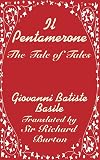
Il Pentamerone: The Tale of Tales
by Giambattista Basile (Author), Adriana Basile (Compilator)
On This Page
Description
A rollicking, bawdy collection of 50 fairy tales told by 10 storytellers over five days follows the compilation efforts of 17th-century Italian poet Giambattista Basile and traces the experiences of a cursed princess who would win back her betrothed.Tags
Recommendations



















Member Recommendations
Member Reviews
This obscure and wonderful collection of fairytales is not, perhaps, quite as filthy as you might expect from something called Lo cunto de li cunti, but it's still full of bizarre and scatological delights. Written in the early 1600s – before the Grimms, before Perrault – it contains the first known versions of famous tales like Cinderella, Rapunzel, Hansel & Gretel, or Sleeping Beauty, all of them dramatically different from how they're told today, and throws in for good measure a host of more recondite folk-stories that I had never heard before.
Their author, Giambattista Basile, was a kind of itinerant courtier and sometime soldier from outside Naples, who wrote in an elaborate, rococo form of Neapolitan as well as (elsewhere) in show more standard Italian. In The Tales of Tales, Basile gathers his stories together under a frame narrative, in a half-parodic imitation of Boccaccio: the tone is set early when a princess gets a curse put on her for laughing at an old woman's vagina, as a distant result of which it becomes necessary – don't ask why – for ten women to tell five stories each across the space of five days. Hence the alternative title of the Pentamerone.
Each story is no more than four or five pages long, which makes this an easy book to read, despite its length. And each begins with a helpful one-paragraph synopsis. I can give you an idea of the kind of thing we're dealing with by quoting one of these in its entirety – here's the précis of tale 5.1, ‘The Goose’:
Lilla and Lolla buy a coin-shitting goose at the market. A neighbor asks to borrow it, and when she sees that it's the opposite of what it should be, she kills it and throws it out the window. The goose attaches itself to a prince's ass while he's relieving himself, and no one but Lolla can remove it; for this reason the prince takes her for his wife.
Yep. The scene where the prince is trying to wipe his arse on the dead goose's neck is particularly to be recommended.
And this flair for the Rabelaisian is put to surprisingly effective use within the stories, generating some impressive insults and metaphors. ‘Why don't you shut that sewer hole, you bogeyman's grandmother, blood-sucking witch, baby drowner, rag shitter, fart gatherer?’ yells one character, while another is dismissed as ‘a flycatcher who wasn't worth his weight in dog sperm’. Someone else is described as being so terrified that ‘they wouldn't have been able to take an enema made of a single pig's bristle’.
Basile's obscurity, at least in the English-speaking world, is due in no small part to the lack of decent translations, which makes this new rendering from Nancy L Canepa – the first since the 1930s – extremely welcome. More than welcome; it feels staggeringly overdue. Most previous editions have been based on Benedetto Croce's ‘not always faithful’ 1925 translation into Italian, whereas Canepa is working straight from the original Neapolitan. To show what a difference it makes, let's return to that coin-shitting goose we met earlier. A line from the original tale runs:
Ma, scoppa dì e fa buono iuorno, la bona papara commenzaie a cacare scute riccie, de manera che a cacata a cacata se ne ’nchiero no cascione.
The previous complete English translation – from Penzer in 1932, working from Croce's Italian – translated this like so:
But dawn comes and it turns out to be a fine day: the worthy goose began to make golden ducats, so that, little by little, they filled a great chest with them…
But Canepa's translation restores the forceful vulgarity of the original:
And when morning breaks it's a nice day, for the good goose began to shit hard cash until, shitload upon shitload, they had filled up a whole chest.
You can see that it really feels like we're hearing Basile for the first time now. This gives a wonderful sense of discovery to Canepa's translation, even if for my own taste she sometimes seems to favour word-for-word accuracy over English readability (with the convenient, if believable, justification that Basile's own Neapolitan must have been quite a challenge even to contemporaries). Any quibbles are more than made up for by the wealth of notes and other apparatus, which give generous citations of the original and explain those flourishes of wordplay or references that Canepa has not attempted to modernise.
Taking this fabulous, irreverent tour of seventeenth-century life is an exhilarating experience, and even an uplifting one. Although he deals with violence, revenge and death, Basile is not especially interested in tragedy or cruelty; it's impossible to imagine him other than with a smile on his face. And indeed impossible to read him without one, either. show less
Their author, Giambattista Basile, was a kind of itinerant courtier and sometime soldier from outside Naples, who wrote in an elaborate, rococo form of Neapolitan as well as (elsewhere) in show more standard Italian. In The Tales of Tales, Basile gathers his stories together under a frame narrative, in a half-parodic imitation of Boccaccio: the tone is set early when a princess gets a curse put on her for laughing at an old woman's vagina, as a distant result of which it becomes necessary – don't ask why – for ten women to tell five stories each across the space of five days. Hence the alternative title of the Pentamerone.
Each story is no more than four or five pages long, which makes this an easy book to read, despite its length. And each begins with a helpful one-paragraph synopsis. I can give you an idea of the kind of thing we're dealing with by quoting one of these in its entirety – here's the précis of tale 5.1, ‘The Goose’:
Lilla and Lolla buy a coin-shitting goose at the market. A neighbor asks to borrow it, and when she sees that it's the opposite of what it should be, she kills it and throws it out the window. The goose attaches itself to a prince's ass while he's relieving himself, and no one but Lolla can remove it; for this reason the prince takes her for his wife.
Yep. The scene where the prince is trying to wipe his arse on the dead goose's neck is particularly to be recommended.
And this flair for the Rabelaisian is put to surprisingly effective use within the stories, generating some impressive insults and metaphors. ‘Why don't you shut that sewer hole, you bogeyman's grandmother, blood-sucking witch, baby drowner, rag shitter, fart gatherer?’ yells one character, while another is dismissed as ‘a flycatcher who wasn't worth his weight in dog sperm’. Someone else is described as being so terrified that ‘they wouldn't have been able to take an enema made of a single pig's bristle’.
Basile's obscurity, at least in the English-speaking world, is due in no small part to the lack of decent translations, which makes this new rendering from Nancy L Canepa – the first since the 1930s – extremely welcome. More than welcome; it feels staggeringly overdue. Most previous editions have been based on Benedetto Croce's ‘not always faithful’ 1925 translation into Italian, whereas Canepa is working straight from the original Neapolitan. To show what a difference it makes, let's return to that coin-shitting goose we met earlier. A line from the original tale runs:
Ma, scoppa dì e fa buono iuorno, la bona papara commenzaie a cacare scute riccie, de manera che a cacata a cacata se ne ’nchiero no cascione.
The previous complete English translation – from Penzer in 1932, working from Croce's Italian – translated this like so:
But dawn comes and it turns out to be a fine day: the worthy goose began to make golden ducats, so that, little by little, they filled a great chest with them…
But Canepa's translation restores the forceful vulgarity of the original:
And when morning breaks it's a nice day, for the good goose began to shit hard cash until, shitload upon shitload, they had filled up a whole chest.
You can see that it really feels like we're hearing Basile for the first time now. This gives a wonderful sense of discovery to Canepa's translation, even if for my own taste she sometimes seems to favour word-for-word accuracy over English readability (with the convenient, if believable, justification that Basile's own Neapolitan must have been quite a challenge even to contemporaries). Any quibbles are more than made up for by the wealth of notes and other apparatus, which give generous citations of the original and explain those flourishes of wordplay or references that Canepa has not attempted to modernise.
Taking this fabulous, irreverent tour of seventeenth-century life is an exhilarating experience, and even an uplifting one. Although he deals with violence, revenge and death, Basile is not especially interested in tragedy or cruelty; it's impossible to imagine him other than with a smile on his face. And indeed impossible to read him without one, either. show less
Not suitable for children, it is interesting to read some folk tales from which many well-known children's stories must have derived.
Although I have read the translation by Sir Richard Burton, the glimpse we get of people's mindsets and fairy-tale habits are priceless - albeit possibly not accurate of the time... but who knows. The neapolitan dialect verson of the book is available online and so it's interesting to compare translations and word usage. Obviously much feeling and meaning gets lost in translation, however I found Sir Richard Burton's dated and quirky language magical and fascinating.
Although I have read the translation by Sir Richard Burton, the glimpse we get of people's mindsets and fairy-tale habits are priceless - albeit possibly not accurate of the time... but who knows. The neapolitan dialect verson of the book is available online and so it's interesting to compare translations and word usage. Obviously much feeling and meaning gets lost in translation, however I found Sir Richard Burton's dated and quirky language magical and fascinating.
A seminal collection of fairy tales, rendered difficult to read by Burton's awkward translation, still terrifickly homourous
A collection of 50 tales in the Neapolitan dialect.
"Lo cunto de li cunti," noto anche come "Pentamerone," è un'opera fondamentale della letteratura italiana, scritta da Giambattista Basile tra il 1634 e il 1636. Questa raccolta di cinquanta fiabe, redatta in dialetto napoletano, non solo rappresenta un capolavoro del Seicento, ma segna anche un'importante tappa nella storia della narrativa fiabesca.
L'opera è strutturata in cinque giornate, con dieci racconti per ogni giornata, seguendo un modello narrativo simile a quello del "Decameron" di Boccaccio. Tuttavia, Basile si distacca dalla tradizione boccaccesca per il suo uso innovativo del dialetto napoletano, che conferisce ai racconti una vivacità e una immediatezza uniche. Le storie spaziano da avventure fantastichere con fate e show more orchi a riflessioni più profonde sulla natura umana e la società dell'epoca.
Il Dialetto Napoletano come Lingua Letteraria. Il dialetto napoletano utilizzato da Basile è oggetto di dibattito tra studiosi: alcuni lo considerano una lingua autonoma, mentre altri lo vedono come una forma ibrida che attinge a diverse tradizioni linguistiche. La lingua di Basile è caratterizzata da un ricco repertorio di modi di dire e espressioni colloquiali, che rendono i suoi racconti accessibili e coinvolgenti per il pubblico dell'epoca. Questo uso del dialetto non è solo una scelta stilistica, ma riflette anche l'identità culturale di Napoli nel contesto barocco.
Le fiabe di Basile affrontano temi universali come l'amore, la vendetta, la giustizia e la follia. La narrazione è intrisa di ironia e satira sociale; i personaggi sono spesso caricature che rappresentano vizi e virtù umane. La prosa è vivace e teatrale, con un ritmo che invita alla recitazione, rendendo l'opera adatta per essere letta ad alta voce in contesti conviviali.
"Lo cunto de li cunti" ha avuto un impatto duraturo sulla letteratura europea, influenzando autori come Charles Perrault e i fratelli Grimm. La sua capacità di mescolare elementi popolari con una raffinata architettura narrativa ha aperto la strada alla nascita della fiaba moderna. L'opera continua a essere studiata e adattata in vari contesti artistici, dal teatro alla letteratura contemporanea.
"Lo cunto de li cunti" non è solo una raccolta di fiabe; è un'opera che celebra la cultura popolare attraverso il dialetto napoletano, elevandolo a strumento letterario di grande valore. La sua lettura offre uno sguardo affascinante sulla Napoli del Seicento e sulla ricchezza della tradizione narrativa italiana.
Il dialetto napoletano utilizzato in "Lo cunto de li cunti" di Giambattista Basile contribuisce significativamente alla caratterizzazione dei personaggi attraverso diversi aspetti:
Vivacità e Immediatezza: Il dialetto conferisce ai racconti una vivacità e un'immediatezza che rendono i personaggi più credibili e vicini al lettore. L'uso di espressioni colloquiali e modi di dire tipici del dialetto crea un'atmosfera conviviale, coinvolgendo il lettore nella narrazione.
Identità Culturale: Il napoletano è strumento per esprimere l'identità culturale della città e della sua gente, permettendo a Basile di rappresentare la realtà sociale dell'epoca con maggiore autenticità. I personaggi sono spesso ritratti con tratti tipicamente napoletani, come l'amore per la finzione o la tendenza a nascondere la verità sotto una maschera di superficialità.
Satira Sociale: La lingua dialettale consente a Basile di sottolineare aspetti satirici nei suoi racconti, caricaturando vizi e virtù umane attraverso il linguaggio popolare. Questo approccio critico verso la società dell'epoca è reso più efficace dall'uso del dialetto, che si rivolge direttamente al pubblico locale.
Espressività Verbale: La ricchezza derivativa del dialetto napoletano permette a Basile di creare un linguaggio estremamente espressivo ed evocativo, arricchendo i dialoghi dei personaggi con sfumature emotive e psicologiche che sarebbero state meno evidenti in italiano standard.
Il dialetto napoletano non solo dà vita ai personaggi ma diventa esso stesso un attore principale nella narrazione fiabesca, trasmettendo valori culturali locali ed enfatizzando le dinamiche sociali dell'epoca barocca in cui fu scritta l'opera. show less
L'opera è strutturata in cinque giornate, con dieci racconti per ogni giornata, seguendo un modello narrativo simile a quello del "Decameron" di Boccaccio. Tuttavia, Basile si distacca dalla tradizione boccaccesca per il suo uso innovativo del dialetto napoletano, che conferisce ai racconti una vivacità e una immediatezza uniche. Le storie spaziano da avventure fantastichere con fate e show more orchi a riflessioni più profonde sulla natura umana e la società dell'epoca.
Il Dialetto Napoletano come Lingua Letteraria. Il dialetto napoletano utilizzato da Basile è oggetto di dibattito tra studiosi: alcuni lo considerano una lingua autonoma, mentre altri lo vedono come una forma ibrida che attinge a diverse tradizioni linguistiche. La lingua di Basile è caratterizzata da un ricco repertorio di modi di dire e espressioni colloquiali, che rendono i suoi racconti accessibili e coinvolgenti per il pubblico dell'epoca. Questo uso del dialetto non è solo una scelta stilistica, ma riflette anche l'identità culturale di Napoli nel contesto barocco.
Le fiabe di Basile affrontano temi universali come l'amore, la vendetta, la giustizia e la follia. La narrazione è intrisa di ironia e satira sociale; i personaggi sono spesso caricature che rappresentano vizi e virtù umane. La prosa è vivace e teatrale, con un ritmo che invita alla recitazione, rendendo l'opera adatta per essere letta ad alta voce in contesti conviviali.
"Lo cunto de li cunti" ha avuto un impatto duraturo sulla letteratura europea, influenzando autori come Charles Perrault e i fratelli Grimm. La sua capacità di mescolare elementi popolari con una raffinata architettura narrativa ha aperto la strada alla nascita della fiaba moderna. L'opera continua a essere studiata e adattata in vari contesti artistici, dal teatro alla letteratura contemporanea.
"Lo cunto de li cunti" non è solo una raccolta di fiabe; è un'opera che celebra la cultura popolare attraverso il dialetto napoletano, elevandolo a strumento letterario di grande valore. La sua lettura offre uno sguardo affascinante sulla Napoli del Seicento e sulla ricchezza della tradizione narrativa italiana.
Il dialetto napoletano utilizzato in "Lo cunto de li cunti" di Giambattista Basile contribuisce significativamente alla caratterizzazione dei personaggi attraverso diversi aspetti:
Vivacità e Immediatezza: Il dialetto conferisce ai racconti una vivacità e un'immediatezza che rendono i personaggi più credibili e vicini al lettore. L'uso di espressioni colloquiali e modi di dire tipici del dialetto crea un'atmosfera conviviale, coinvolgendo il lettore nella narrazione.
Identità Culturale: Il napoletano è strumento per esprimere l'identità culturale della città e della sua gente, permettendo a Basile di rappresentare la realtà sociale dell'epoca con maggiore autenticità. I personaggi sono spesso ritratti con tratti tipicamente napoletani, come l'amore per la finzione o la tendenza a nascondere la verità sotto una maschera di superficialità.
Satira Sociale: La lingua dialettale consente a Basile di sottolineare aspetti satirici nei suoi racconti, caricaturando vizi e virtù umane attraverso il linguaggio popolare. Questo approccio critico verso la società dell'epoca è reso più efficace dall'uso del dialetto, che si rivolge direttamente al pubblico locale.
Espressività Verbale: La ricchezza derivativa del dialetto napoletano permette a Basile di creare un linguaggio estremamente espressivo ed evocativo, arricchendo i dialoghi dei personaggi con sfumature emotive e psicologiche che sarebbero state meno evidenti in italiano standard.
Il dialetto napoletano non solo dà vita ai personaggi ma diventa esso stesso un attore principale nella narrazione fiabesca, trasmettendo valori culturali locali ed enfatizzando le dinamiche sociali dell'epoca barocca in cui fu scritta l'opera. show less
Feb 22, 2025Italian
Ratings
Members
- Recently Added By
Lists

Bibliography for How to be a Heroine
148 works; 12 members

Books Set in Italy
167 works; 19 members

Italian Literature
556 works; 42 members

Folklore, Legends, Fables and Fairy Tales
22 works; 9 members

Story Within a Story
65 works; 17 members

Most Popular Penguins
70 works; 5 members

Books Read in 2017
4,249 works; 129 members

Sleeping Beauty Based Retellings
28 works; 6 members

17th Century
14 works; 6 members

Speculative Fiction from around the World
610 works; 18 members

Out of Copyright
244 works; 14 members

Funny Classics
20 works; 2 members

Favorite Fairy Tales
269 works; 103 members
Author Information

Some Editions
Awards and Honors
Notable Lists
Series
Belongs to Publisher Series
Work Relationships
Contains
Is an adaptation of
Has the adaptation
Common Knowledge
- Canonical title
- Il Pentamerone: The Tale of Tales
- Original title
- Lo cunto de li cunti overo lo trattenemiento de peccerille; Il Pentamerone
- Alternate titles
- Lo Cunto Deli Cunti overo Lo Trattenemiento de' Peccerille; Il Pentamerone; The Pentameron of Giambattista Basile
- Original publication date
- 1634-1636
- Important places
- Naples, Campania, Italy; Campania, Italy; Italy; France
- Important events
- Italian Renaissance; Renaissance
- Related movies
- Tale of Tales (2015 | IMDb)
- First words
- It was a proverb established after those of an antique usage that whoso seeketh what he should not findeth what he would not; and clear thing it is that the ape, for drawing on boots, was trapped by the foot.
- Quotations
- God helpeth madmen and children.
Man proposeth, but God disposeth.
'Tis great misfortune if ship, governed by good pilot, wrecks on rock.
A wolf's eggs and comb of fifteen.
'Tis a madman's deed to dispute the stars' decree.
A ship sailing crossways reacheth harbour straightway.
It is ever best to be courteous.
Unhappy is he who learneth and is corrected at his own expense.
It is a great thing to make up accounts in all ways, because with the same wood whereof statues and idols are hewn the beams of the gallows are fashioned, and chairs fit for an emperor, and lids for night-commodes. And yet st... (show all)ranger it seems that from a piece of rag paper is made, that may be used for lovers' letters, which are kissed by beautiful women, or as behind-wipers by country boors; these are things which would cause you and the best astrologer in the world to lose your wits. - Last words
- (Click to show. Warning: May contain spoilers.)And let us congratulate them, and may they have health, whilst I have come on foot, treading softly, with a spoonful of honey in my mouth.
- Original language*
- Italiano
*Some information comes from Common Knowledge in other languages. Click "Edit" for more information.
Classifications
- Genre
- Fiction and Literature
- DDC/MDS
- 398.20945 — Society, government, & culture Customs, etiquette & folklore Folklore & Folktales Folk literature History, geographic treatment, biography European folktales Italic Peninsula
- LCC
- PQ4607 .B5 .P413 — Language and Literature French, Italian, Spanish and Portuguese literatures Italian literature Individual authors, 1400-1700
- BISAC
Statistics
- Members
- 508
- Popularity
- 59,124
- Reviews
- 5
- Rating
- (3.84)
- Languages
- 9 — Czech, Dutch, English, French, German, Italian, Neapolitan Italian, Portuguese, Spanish
- Media
- Paper, Audiobook, Ebook
- ISBNs
- 58
- ASINs
- 25