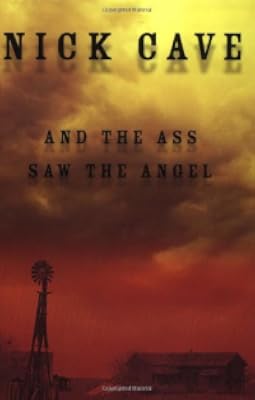
And the Ass Saw the Angel
by Nick Cave
On This Page
Description
This novel tells the story of Euchrid Eucrow, the product of several generations of inbreeding and raw liquor consumption. Physically malformed and born dumb, he possesses an unusual sensitivity which he hides underneath engaging bravado.Tags
Recommendations
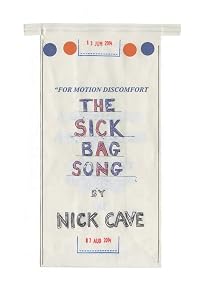

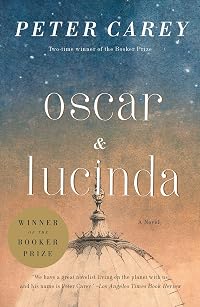
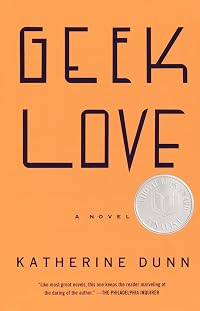
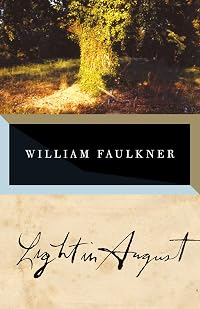
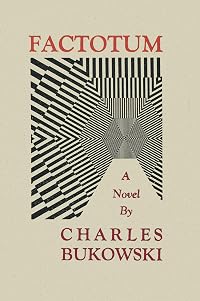
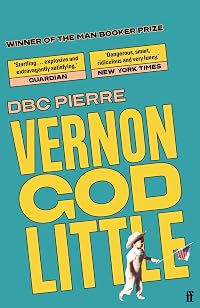
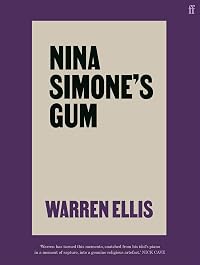

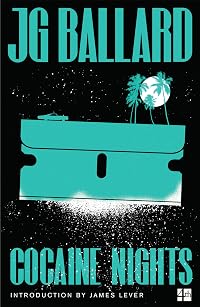
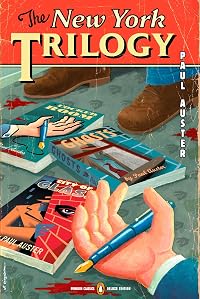
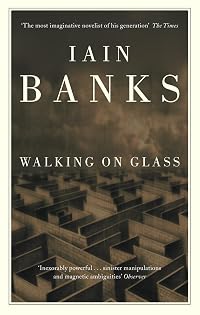
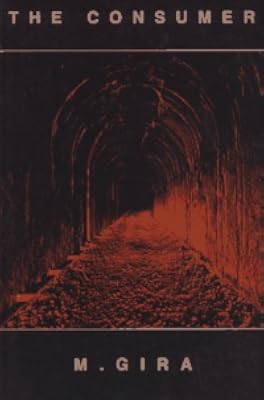
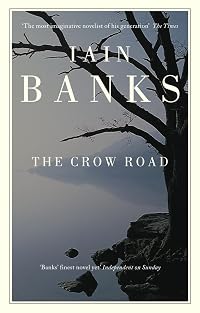
Member Recommendations
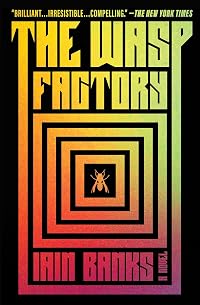
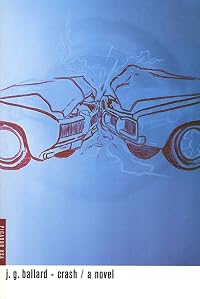
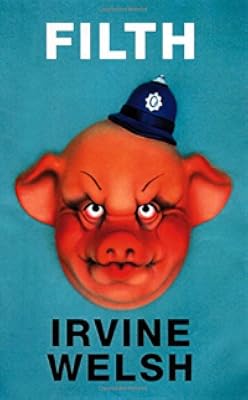
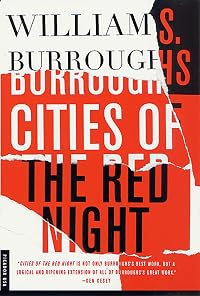
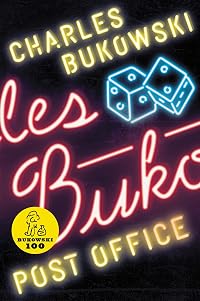
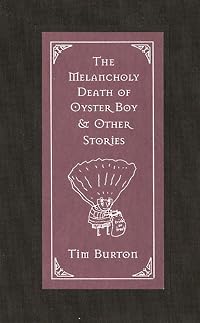
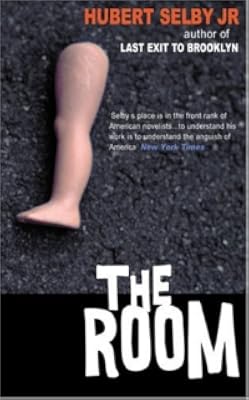
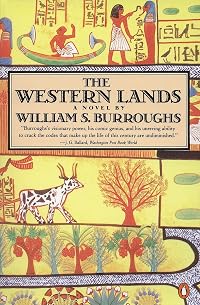
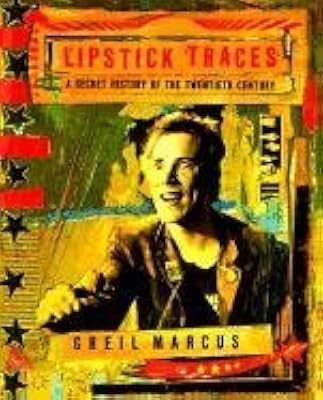
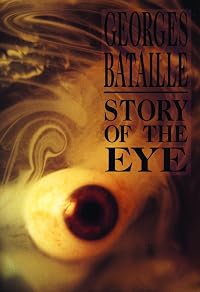
hampusforev Even though McCarthy doesn't write in first person, he still operates along the same kinds of lines here. A loner outlaw with strange appetites.
Member Reviews
Cave's 'And the Ass saw the Angel' is the most Lovecraftian book I've read in a long time. Not in the sense that it features tentacles and unspeakable horrors from the depth of cold, heartless space, but in the sense that it explores the insanity that lodges itself firmly in the mind of men.
His protagonist Euchrid is barely human, a self-flagellating schizoid freak intent on bringing about the destruction of those that have ostracized and tortured him for his entire life. And yet he retains a measure of humanity, a childlike spirit perhaps, never entirely in this world, never entirely in the next.
As the religious insanity mounted and things came to a head, I couldn't help but rout for the mute cripple.
A strange tale that equally show more repels and sucks you in. The language is hard to break through, but there is a method to that madness as there is to all madness in this book. Well worth the read if only for the abject feeling of terror and gross despair for the fate of the human race it is able to make you feel.
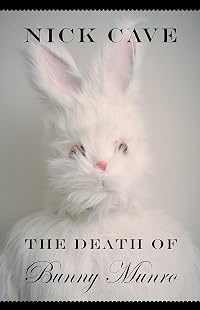
Oh, and Abie Poe seems to me a proto-Bunny (see Cave's other book: 'The Death of Bunny Monroe') show less
His protagonist Euchrid is barely human, a self-flagellating schizoid freak intent on bringing about the destruction of those that have ostracized and tortured him for his entire life. And yet he retains a measure of humanity, a childlike spirit perhaps, never entirely in this world, never entirely in the next.
As the religious insanity mounted and things came to a head, I couldn't help but rout for the mute cripple.
A strange tale that equally show more repels and sucks you in. The language is hard to break through, but there is a method to that madness as there is to all madness in this book. Well worth the read if only for the abject feeling of terror and gross despair for the fate of the human race it is able to make you feel.
Oh, and Abie Poe seems to me a proto-Bunny (see Cave's other book: 'The Death of Bunny Monroe') show less
When I read Nick Cave's second book, The Death of Bunny Munro, about a year ago I had a mixed reaction, recognising sparks of quality but also a lot of missteps or muddled ideas. At the time, I said that Cave was an excellent songwriter and musician, but that I would reserve my judgement on whether he is a good writer of fiction until I had read And the Ass Saw the Angel.
Now, after finally getting around to reading it, I can indeed say that he is a good writer. And the Ass Saw the Angel is exceptional in parts, merely very good in others, especially when you consider that it is a debut novel. In a number of ways it is similar to The Death of Bunny Munro: broadly speaking, both chart the descent into madness of their protagonists, show more relying on stream-of-consciousness techniques and explicit and obscene acts to chart the characters' mental deterioration (in Bunny, these depravities were sexual acts, in Ass they are mostly violent ones). But where Bunny was muddled, Ass is focused. This is peculiar, considering that Bunny was written about twenty years later, when you would assume an author would become more assured in his writing. Perhaps this is because Ass is told (mostly) from the first-person perspective of Euchrid, and consequently we are more intimate with his decline into madness.
Though I have said that And the Ass Saw the Angel is more focused, it is not necessarily an easy read. However, before reading I assumed that this would be because of the dense, lyrical prose but, surprisingly, this was not as problematic as I feared. I never felt bogged down in a chapter (perhaps helped by the fact that, for the first part of the book at least, the chapters are very short) and got through the book in just a couple of days. Cave seems to have an intuitive understanding of the rhythm of good prose (which is perhaps not surprising when you consider he sets words to music for a living), so for a book so dark and oppressive it flows remarkably well. Rather, it is a difficult read because of the violent acts which pepper the book. Some other reviewers have said that these acts seemed unnecessary, which was why they felt they could not get into the book, but Ass is an insight into the mind of its demented protagonist Euchrid Eucrow, and the violence serves to oppress the reader's mind to mirror how Euchrid's is oppressed by his own darker thoughts. To borrow a phrase from page 180, Cave pollutes our skulls with sickly poetry.
And to be sure, some of the things described do haunt the reader. The whole thing with Cosey Mo, from the arrival of the townsfolk on Hooper's Hill through the fingers and the wheelchair to her late encounter with Euchrid's father, is hard to read. The Hooper's Hill incident in particular was a chilling depiction of the violent fervour of evangelical religiosity and the ease with which religion can ally itself with a lynch-mob mentality. But even the whole Cosey arc is nothing compared to that of Beth. The paedophilic undertones are incredibly creepy, and there are hints throughout the text about how far the obsession with this innocent child goes (see the Epilogue, for example), both from Euchrid and the townsfolk. Indeed, the townsfolk's obsession with Beth and its effect on her illustrates the intrinsically paedophilic nature of indoctrinating children into a faith. Her letters to 'God' are heartbreaking, even before we consider who they are really addressed to. Brought up from birth to believe she is a saviour, when God does not come to her this little girl asks confusedly if she has done a wrong thing? Please tell me so I can stop." (pg. 211). Beth declares her love for God and gives herself 'without question' to Him (pg. 244), though she believes God to be the shadow outside her window whose heavy breathing she can hear.
This is an incredibly disturbing, yet rewarding book. Like the Biblical scripture from which it draws its inspiration, it can be interpreted in a number of ways, and I must refrain from offering my own rambling and semi-coherent interpretation. Therefore, I will only say that it is hard to determine whether you will like this book until you actually read it. As most people will no doubt be coming to And the Ass Saw the Angel as a fan of Nick Cave's music, I will make a poor attempt to summarise that, thematically, it is in line with the early Bad Seeds albums, but it reads like an extended Murder Ballad." show less
Now, after finally getting around to reading it, I can indeed say that he is a good writer. And the Ass Saw the Angel is exceptional in parts, merely very good in others, especially when you consider that it is a debut novel. In a number of ways it is similar to The Death of Bunny Munro: broadly speaking, both chart the descent into madness of their protagonists, show more relying on stream-of-consciousness techniques and explicit and obscene acts to chart the characters' mental deterioration (in Bunny, these depravities were sexual acts, in Ass they are mostly violent ones). But where Bunny was muddled, Ass is focused. This is peculiar, considering that Bunny was written about twenty years later, when you would assume an author would become more assured in his writing. Perhaps this is because Ass is told (mostly) from the first-person perspective of Euchrid, and consequently we are more intimate with his decline into madness.
Though I have said that And the Ass Saw the Angel is more focused, it is not necessarily an easy read. However, before reading I assumed that this would be because of the dense, lyrical prose but, surprisingly, this was not as problematic as I feared. I never felt bogged down in a chapter (perhaps helped by the fact that, for the first part of the book at least, the chapters are very short) and got through the book in just a couple of days. Cave seems to have an intuitive understanding of the rhythm of good prose (which is perhaps not surprising when you consider he sets words to music for a living), so for a book so dark and oppressive it flows remarkably well. Rather, it is a difficult read because of the violent acts which pepper the book. Some other reviewers have said that these acts seemed unnecessary, which was why they felt they could not get into the book, but Ass is an insight into the mind of its demented protagonist Euchrid Eucrow, and the violence serves to oppress the reader's mind to mirror how Euchrid's is oppressed by his own darker thoughts. To borrow a phrase from page 180, Cave pollutes our skulls with sickly poetry.
And to be sure, some of the things described do haunt the reader. The whole thing with Cosey Mo, from the arrival of the townsfolk on Hooper's Hill through the fingers and the wheelchair to her late encounter with Euchrid's father, is hard to read. The Hooper's Hill incident in particular was a chilling depiction of the violent fervour of evangelical religiosity and the ease with which religion can ally itself with a lynch-mob mentality. But even the whole Cosey arc is nothing compared to that of Beth. The paedophilic undertones are incredibly creepy, and there are hints throughout the text about how far the obsession with this innocent child goes (see the Epilogue, for example), both from Euchrid and the townsfolk. Indeed, the townsfolk's obsession with Beth and its effect on her illustrates the intrinsically paedophilic nature of indoctrinating children into a faith. Her letters to 'God' are heartbreaking, even before we consider who they are really addressed to. Brought up from birth to believe she is a saviour, when God does not come to her this little girl asks confusedly if she has done a wrong thing? Please tell me so I can stop." (pg. 211). Beth declares her love for God and gives herself 'without question' to Him (pg. 244), though she believes God to be the shadow outside her window whose heavy breathing she can hear.
This is an incredibly disturbing, yet rewarding book. Like the Biblical scripture from which it draws its inspiration, it can be interpreted in a number of ways, and I must refrain from offering my own rambling and semi-coherent interpretation. Therefore, I will only say that it is hard to determine whether you will like this book until you actually read it. As most people will no doubt be coming to And the Ass Saw the Angel as a fan of Nick Cave's music, I will make a poor attempt to summarise that, thematically, it is in line with the early Bad Seeds albums, but it reads like an extended Murder Ballad." show less
io non lo so perché.
proprio proprio non me lo spiego..
cioè, ogni volta mi dico "basta, non è possibile!",
e ogni volta invece finisce così:
che perdo la testa per "personaggi" come minimo strambi, a volte un po' alienati... che più si credono normali più si può star certi di scoprire che sono un sacco contorti dentro.. e affascinanti! (hem, sì.. vabbe'.. per me, ovvio)
ecco, questo libro è stato il mio primo del genere che io chiamo "socio-psico patologico".
..e fu amore a prima pagina!
perché comunque c'è molto di più.
esiste un superlativo assoluto di assolutamente magnifico?!
p.s.:
in verità vi dico… che comunque non saprei dire nemmeno il titolo di una canzone di nick cave.
giusto per precisare.
;P
proprio proprio non me lo spiego..
cioè, ogni volta mi dico "basta, non è possibile!",
e ogni volta invece finisce così:
che perdo la testa per "personaggi" come minimo strambi, a volte un po' alienati... che più si credono normali più si può star certi di scoprire che sono un sacco contorti dentro.. e affascinanti! (hem, sì.. vabbe'.. per me, ovvio)
ecco, questo libro è stato il mio primo del genere che io chiamo "socio-psico patologico".
..e fu amore a prima pagina!
perché comunque c'è molto di più.
esiste un superlativo assoluto di assolutamente magnifico?!
p.s.:
in verità vi dico… che comunque non saprei dire nemmeno il titolo di una canzone di nick cave.
giusto per precisare.
;P
Incredible language. Incredible insight into the darkness of a small insular broken community. Impossible to imagine how a 27 year old could have so much understanding of a time and a place and a destruction so removed from his own life.
But it was Nick Cave. And he was deep in addiction.
It's a tough story. Nobody survives.
But it was Nick Cave. And he was deep in addiction.
It's a tough story. Nobody survives.
I've encountered few narrators more unreliable than Euchrid Eucrow, the principal voice of And the Ass Saw the Angel. He's a congenital mute who is able to recount his first minutes of life at the age of 28. He claims divine inspiration far more often than he indicates the manner of its onset. He is unschooled and untraveled, yet he exhibits a wide and erudite diction, not to mention a striking ear for poetry; but if you can suspend your disbelief for that much, he is a treat to read--trenchant, funny, and ugly-beautiful.
Plot-wise, there's not much to commend here. Euchrid tells his whole life story, and the circumstances of his death are gradually illuminated by it. An omniscient third-person narrator provides a meager diet of show more supplementary details from outside Euchrid's knowledge. The book's epilogue is an obvious necessity, just covering the last open patch on the canvas that the story occupies.
The religious themes of the book are provocative and intense. God is behind everything, and theologies of different depths are offered by the opportunist preacher Abie Poe, the Ukulite sect that founded and runs the town, and Euchrid himself. There are a handful of mystical experiences, although meteorological phenomena are God's loudest voice.
This novel will not be engaging for those who avoid the blasphemous, the sordid, the violent, the vulgar, the decrepit, the delusional, or the degenerate. It breeds maggots and stinks of cheap liquor. It hates a lot, although it loves just enough to bring fuel to that hatred. show less
Plot-wise, there's not much to commend here. Euchrid tells his whole life story, and the circumstances of his death are gradually illuminated by it. An omniscient third-person narrator provides a meager diet of show more supplementary details from outside Euchrid's knowledge. The book's epilogue is an obvious necessity, just covering the last open patch on the canvas that the story occupies.
The religious themes of the book are provocative and intense. God is behind everything, and theologies of different depths are offered by the opportunist preacher Abie Poe, the Ukulite sect that founded and runs the town, and Euchrid himself. There are a handful of mystical experiences, although meteorological phenomena are God's loudest voice.
This novel will not be engaging for those who avoid the blasphemous, the sordid, the violent, the vulgar, the decrepit, the delusional, or the degenerate. It breeds maggots and stinks of cheap liquor. It hates a lot, although it loves just enough to bring fuel to that hatred. show less
Nick Cave is a man of many talents, known mostly as singer/songwriter for Nick Cave & The Bad Seeds. His lyrical genius is the driving force in his songs, full of vivid imagery, acute observation, metaphorical wit, and striking earnestness. A natural born storyteller, Cave has a gift for creating worlds both forbidding and strangely inviting, inhabited by bizarre characters, whom Cave brings to life through allegory and a keen sense of the subtleties defining personality. His novel, And The Ass Saw The Angel, guides the reader through a grim and perverted world of troubling activity, delivered in Cave's own convoluted symbolic representation, which makes this a well‑flowing read in its structure and pitch, but altogether disturbing in show more its substance.
The story is set in the town of Ukulore, located in filthiest southern U.S., during the time of the 1940s. The town is overrun with religious maniacs, whom Cave paints as malicious to the point of murderous absurdity, all in the name of unyielding faith. Extreme outcast and mute Euchrid Eucrow, whose willfully oblivious father is a mad product of inbreeding and whose mother is an alcoholic mess who frequently beats him, struggles through the death of his stillborn twin brother and later, a fixation on local prostitute Cosey Mo, who is the only member of the town to show him any manner of pity. Cosey Mo is brutally thrashed by the town's people and ostracized, after which she gives birth to a daughter whom the Ukulites believe is the future mother of the Messiah. But she finds Euchrid to be godlike, leading to further complications between the mass insanity and Euchrid. Believing to be on a divine mission, Euchrid creates his own personal domain called Doghead, where is insanity builds towards his ultimate revenge on all who have contributed to his tortuous existence.
Cave's portrayal of the relationship between the crowd and the alienated individual is effortlessly relatable to social phenomena. Through observation or experience of this phenomena, one learns quickly that the uniform masses are terrified of the lone independent spirit who stands opposed to all that the crowd desire. In defense, the crowd seek to strip this independent spirit of all possible power, if not eliminate this spirit entirely. The social dissident sees through the illusions the crowd adores, but because this spirit is far outnumbered, the crowd usually triumphs in the end through sheer quantitative force. Cave twists this around. Perhaps by making Euchrid a mute, so as to keep his intentions hidden, the crowd are confident in their upper hand position, until Euchrid's master plan is unleashed upon them.
In its sinister humor and abstract plot, And The Ass Saw The Angel is a spellbinding and analogical read, as well as a disturbingly dirty one. The course and character of the book parallels Cave's music in its stygian beauty, force of engagement, clever imagination. The blackness and corrosion thicken as the story progresses, as the reader is caught between great loathing and sincere compassion for Euchrid. Given special insight into his inner workings, the reader comes to sympathize with his condition, secretly rooting for his triumph. Cave's first novel is equally uncomfortable and absorbing. The aftereffects are quite unlike that of any other read, and one may wish to dive into something a bit less ghastly and unsettling soon after. One may feel residue from the filth days after having completed the read, and surely no better compliment can be bestowed upon this work. show less
The story is set in the town of Ukulore, located in filthiest southern U.S., during the time of the 1940s. The town is overrun with religious maniacs, whom Cave paints as malicious to the point of murderous absurdity, all in the name of unyielding faith. Extreme outcast and mute Euchrid Eucrow, whose willfully oblivious father is a mad product of inbreeding and whose mother is an alcoholic mess who frequently beats him, struggles through the death of his stillborn twin brother and later, a fixation on local prostitute Cosey Mo, who is the only member of the town to show him any manner of pity. Cosey Mo is brutally thrashed by the town's people and ostracized, after which she gives birth to a daughter whom the Ukulites believe is the future mother of the Messiah. But she finds Euchrid to be godlike, leading to further complications between the mass insanity and Euchrid. Believing to be on a divine mission, Euchrid creates his own personal domain called Doghead, where is insanity builds towards his ultimate revenge on all who have contributed to his tortuous existence.
Cave's portrayal of the relationship between the crowd and the alienated individual is effortlessly relatable to social phenomena. Through observation or experience of this phenomena, one learns quickly that the uniform masses are terrified of the lone independent spirit who stands opposed to all that the crowd desire. In defense, the crowd seek to strip this independent spirit of all possible power, if not eliminate this spirit entirely. The social dissident sees through the illusions the crowd adores, but because this spirit is far outnumbered, the crowd usually triumphs in the end through sheer quantitative force. Cave twists this around. Perhaps by making Euchrid a mute, so as to keep his intentions hidden, the crowd are confident in their upper hand position, until Euchrid's master plan is unleashed upon them.
In its sinister humor and abstract plot, And The Ass Saw The Angel is a spellbinding and analogical read, as well as a disturbingly dirty one. The course and character of the book parallels Cave's music in its stygian beauty, force of engagement, clever imagination. The blackness and corrosion thicken as the story progresses, as the reader is caught between great loathing and sincere compassion for Euchrid. Given special insight into his inner workings, the reader comes to sympathize with his condition, secretly rooting for his triumph. Cave's first novel is equally uncomfortable and absorbing. The aftereffects are quite unlike that of any other read, and one may wish to dive into something a bit less ghastly and unsettling soon after. One may feel residue from the filth days after having completed the read, and surely no better compliment can be bestowed upon this work. show less
And the ass saw the angel is a murky Southern Gothic novel. It is set in a town called Ukulore, located in a once-fertile valley in the US South, which is the home base of a fundagelical Christian splinter group. Their Prophet has been dead a long time, and their local wealth and dominance have gradually driven away many of the other inhabitants; the remaining non-Ukulites are vagrants, whores, outcasts and the inbred poachers from the nearby swamp. Many years of constant rain have reduced the valley to rot and mud, and the strictly-observed Ukulite morality has made place for covert baseness and the worst kind of social discrimination. The main character, Euchrid, is an ostracized maniac and a congenital mute whose grotesque family show more tree is an extravagant mess of incest, alchoholism, abuse and cruelty to animals. His pendant, the Beauty to his Beast, is Elizabeth, the blonde baby girl whose birth heralded the end of the rains and the beginning of a new fertility. Euchrid and Elizabeth, both believing themselves to be instruments of a Higher Power, will shape the future of this vile place.
I thought this was a so-so book. I’m not averse to weird fiction (nor to Weird Fiction), but And the ass saw the angel struck me as pretty generic, both plot-wise and theme-wise. The descriptions of filth and depravity are sometimes overdone, in the way that concise and image-packed lyrics quickly lose their effect when maintained over longer sections of prose. Also, Euchrid’s inner dialogues are presented in some barely-applied eye dialect, which mainly consists of ah and mah for “I” and “my” among regularly-spelt English -- at that point, why bother, really?
That said, though, I do think the book’s gnarly language and style are absorbing and the book’s saving grace. His drive and his thirst for the grotesque are apparent on every page, and without the twisted narration Cave would not have been able to hold everything together, if only precariously. show less
I thought this was a so-so book. I’m not averse to weird fiction (nor to Weird Fiction), but And the ass saw the angel struck me as pretty generic, both plot-wise and theme-wise. The descriptions of filth and depravity are sometimes overdone, in the way that concise and image-packed lyrics quickly lose their effect when maintained over longer sections of prose. Also, Euchrid’s inner dialogues are presented in some barely-applied eye dialect, which mainly consists of ah and mah for “I” and “my” among regularly-spelt English -- at that point, why bother, really?
That said, though, I do think the book’s gnarly language and style are absorbing and the book’s saving grace. His drive and his thirst for the grotesque are apparent on every page, and without the twisted narration Cave would not have been able to hold everything together, if only precariously. show less
Members
- Recently Added By
Lists

Southern Fiction
212 works; 52 members

1980s
356 works; 23 members

Books Read in 2022
5,226 works; 115 members
Author Information

65+ Works 4,842 Members
Some Editions
Awards and Honors
Notable Lists
Series
Belongs to Publisher Series
Иллюминатор (19)
Rainbow pocketboeken (274)
Work Relationships
Common Knowledge
- Canonical title
- And the Ass Saw the Angel
- Original publication date
- 1989
- People/Characters
- Euchrid Eucrow; Crow Jane
- Important places
- Ukulore
- Epigraph
- The work's epigraph quotes the King James Bible, the Book of Numbers, Chapter 22, Verses 23-31.
23 And the ass saw the angel of the Loard standing in the way, and his sword drawn in his hand: and the ass turned aside o... (show all)ut of the way, and went into the field: and Balaam smote the ass, to turn her into the way. - Dedication
- For Anita
- First words
- Three greasy brother crows wheel, beak to heel, cutting a circle into the bruised and troubled sky, making fast, dark rings through the thicksome bloats of smoke.
- Last words
- (Click to show. Warning: May contain spoilers.)A thunderbolt leapt from the teeming night sky and the craning sisters ruckled and clucked at the tiny infant face that stared up at them with shivering, pale blue eyes.
Classifications
Statistics
- Members
- 1,914
- Popularity
- 11,222
- Reviews
- 28
- Rating
- (3.84)
- Languages
- 17 — Czech, Danish, Dutch, English, Finnish, French, German, Greek, Hebrew, Hungarian, Italian, Lithuanian, Norwegian (Bokmål), Polish, Portuguese, Russian, Spanish
- Media
- Paper, Ebook
- ISBNs
- 52
- UPCs
- 1
- ASINs
- 14