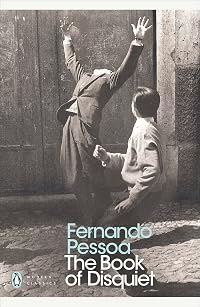
The Book of Disquiet
by Fernando Pessoa
On This Page
Description
Assembled from notes and jottings left unpublished at the time of the author's death, The Book of Disquiet is a collection of aphoristic prose-poetry musings on dreams, solitude, time and memory. Credited to Pessoa's alter ego, Bernardo Soares, who chronicles his contemplations in this so-called 'factless' autobiography, the work is a journey of one man's soul and, by extension, of all human souls that allow their minds and hearts to roam far and free. Though his outward life as an assistant show more bookkeeper in downtown Lisbon is a humdrum affair, Soares lives a rich and varied existence within the contours of his own mind, where he can be and do anything. Soares has no ambition, nor has he any friends; he is plagued with disquiet, and only imagination and dreams can conquer it. Compiled by the translator Richard Zenith, Fernando Pessoa's The Book of Disquiet is a fulgent tribute to the imagination of man. show lessTags
Recommendations







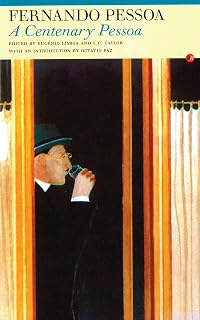


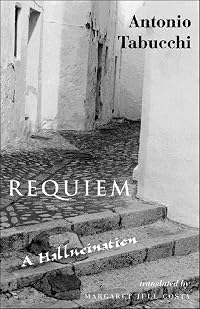













Member Recommendations






cometahalley Il lirismo del grande scrittore portoghese per approfondirne la conoscenza

Member Reviews
It's near impossible to review a book that has sat by the bedside for a decade and read in short bursts - yet it comes with big doses of ideas. When I would read a paragraph (aphorism, insight, what are these?) they console the mind that has to live (at times reluctantly) inside a body within the physical world. If only all things were mind I think while reading Pessoa. He is a writer who almost exists outside human form in a state of thought himself; perhaps he continues to exist as a set of ideas, the way he existed as a set of heteronyms, or personas attempting to escape the constraints of body. Expressing what I think of this book is pointless, reading it - even piecemeal - is essential.
Addit 18-1-2021
A few thoughts more about show more Pessoa’s Book of Disquiet
Words carry our thoughts. Some thoughts defy understanding. They are so ambiguous, so disharmonious, so disquieting that they need their own interpreter to the world beyond. So we need Fernando Pessoa, who gave us the most thorough examination of particular thoughts that rarely find expression, who found the words regardless, and placed them in the Book of Disquiet. And we almost didn’t have his works, mostly found in a trunk after his death and reassembled by readers who understood his poetics and his thoughts. Less 'book'; more collection of estray documents and thoughts. [the word 'estray' comes from the world of archiving. A document out of place, misplaced, not fitting the location which created it. It troubles and challenges the archivist to find a home, or examine it more closely. Pessoa often comes across as the epitome of the not quite belonging in this world.]
He himself wondered if these words in a trunk might ever happen. Possibility and impossibility are opposites, yet to Pessoa they breathe in a new place in the world of ideas:
It sometimes occurs to me with sad delight, that if one day (in a future to which I won't belong) the sentences I write are read and admired, then at last I’ll have my own kin, people who ‘understand’ me, my true family in which to be born and loved. But far from being born to it, I’ll have already died long ago.
A Pessoa idea captures both hope, and the despair of not hoping. He calls it sad delight: opposites. That is one Pessoa idea that exists because he gave it hope. Here is another one of his between places:
Before summer ends and autumn arrives, in the warm interim when the air weighs heavy and the colours dim, the late afternoons wear an almost tangible robe of imitation glory.
‘Imitation glory’?.
What is that but an imagined place, somewhere in the ‘warm interim’. Perhaps it’s just the weather in Portugal, the Mediterranean, perhaps it’s only of place. But in this place:
"going and stopping are the same impossible thing”
“Hope and doubt are equally cold and grey”
“I’m a shelf of empty jars”
“And yet what nostalgia for the future”*
How can the future be a place of nostalgia, hope and doubt equal, except in a poetic universe where the study of a single incomprehensible emotional location is possible? Like the quest for the sensation of death:
the physical sensation of ceasing to live**
I think of Emily Dickinson, who also sought indefinable states of being, some in-betweens of human understanding:
I heard a fly buzz - when I died -
The stillness in the room
was like the stillness in the air -
Between the heaves of storm
Or
After great pain, a formal feeling comes
These are the locations poets and writers pursue, that most of us give only passing consideration to and move on. Poets, though, are in for the long haul to come up with lines like:
I’m dazed by a sarcastic terror of life, a despondency that exceeds the limits of my conscious being. I realise that I was all error and deviation, that I never lived, that I existed only insomuch as I filled time with consciousness and thought
This is what we need poets and writers for, to tease out what we ignore - or stopped thinking about - as adults. And perhaps what preoccupied many of us as children, too. I can’t help thinking of a child bored in their thought on a rain sodden day with nothing to do. That boredom turns to thoughts unbound by time and physical necessity. Pessoa at times is that little child that sees the limitless possibility of ideas before the world engulfs him in the practice and routine of programmed life.
Writing, too, is the imagined pastime – if you can imagine writing, you can imagine more than just the imposition of other people’s structures – and worry as you walk down the street that all these people around you might lose those imagined thoughts – so where are all their lost thoughts? Pessoa attempted to gather some of them for us.
That is all writing is, the relentless pursuit of an idea. But an idea in writing can only be a kind of imitation, a copy of an idea. Imperfect:
Everything we do in art or in life is the imperfect copy of what we thought of doing
________________________________
*Much later than Pessoa, I came across this idea of the nostalgia for the future in the ideas of Slavo Zizek the Slovenian philosopher and critic. He wondered what it was about writing about an immediate future dystopia, he was referring to the Handmaid's Tale, but there are others, it seems a bit of a popular genre. He said of such books that the have "A nostalgia for the immediate future". I found that a compelling way to understand a fantasy for proving that you can imagine a dystopian world and expect it to come true.
** compare this to
Death is nothing to us; for the body, when it has been resolved into its elements, has no feeling, and that which has no feeling is nothing to us.
Diogenes Laërtius, Epicurean Principal Doctrines
SEE ALSO:
Saramago’s Life in Death of Ricardo Reis https://www.goodreads.com/book/show/2536.The_Year_of_the_Death_of_Ricardo_Reis?f...
Tabucchi’s
Pereira Declares https://www.goodreads.com/book/show/118434.Pereira_Declaresand
and
Requiem https://www.goodreads.com/book/show/118436.Requiem show less
Addit 18-1-2021
A few thoughts more about show more Pessoa’s Book of Disquiet
Words carry our thoughts. Some thoughts defy understanding. They are so ambiguous, so disharmonious, so disquieting that they need their own interpreter to the world beyond. So we need Fernando Pessoa, who gave us the most thorough examination of particular thoughts that rarely find expression, who found the words regardless, and placed them in the Book of Disquiet. And we almost didn’t have his works, mostly found in a trunk after his death and reassembled by readers who understood his poetics and his thoughts. Less 'book'; more collection of estray documents and thoughts. [the word 'estray' comes from the world of archiving. A document out of place, misplaced, not fitting the location which created it. It troubles and challenges the archivist to find a home, or examine it more closely. Pessoa often comes across as the epitome of the not quite belonging in this world.]
He himself wondered if these words in a trunk might ever happen. Possibility and impossibility are opposites, yet to Pessoa they breathe in a new place in the world of ideas:
It sometimes occurs to me with sad delight, that if one day (in a future to which I won't belong) the sentences I write are read and admired, then at last I’ll have my own kin, people who ‘understand’ me, my true family in which to be born and loved. But far from being born to it, I’ll have already died long ago.
A Pessoa idea captures both hope, and the despair of not hoping. He calls it sad delight: opposites. That is one Pessoa idea that exists because he gave it hope. Here is another one of his between places:
Before summer ends and autumn arrives, in the warm interim when the air weighs heavy and the colours dim, the late afternoons wear an almost tangible robe of imitation glory.
‘Imitation glory’?.
What is that but an imagined place, somewhere in the ‘warm interim’. Perhaps it’s just the weather in Portugal, the Mediterranean, perhaps it’s only of place. But in this place:
"going and stopping are the same impossible thing”
“Hope and doubt are equally cold and grey”
“I’m a shelf of empty jars”
“And yet what nostalgia for the future”*
How can the future be a place of nostalgia, hope and doubt equal, except in a poetic universe where the study of a single incomprehensible emotional location is possible? Like the quest for the sensation of death:
the physical sensation of ceasing to live**
I think of Emily Dickinson, who also sought indefinable states of being, some in-betweens of human understanding:
I heard a fly buzz - when I died -
The stillness in the room
was like the stillness in the air -
Between the heaves of storm
Or
After great pain, a formal feeling comes
These are the locations poets and writers pursue, that most of us give only passing consideration to and move on. Poets, though, are in for the long haul to come up with lines like:
I’m dazed by a sarcastic terror of life, a despondency that exceeds the limits of my conscious being. I realise that I was all error and deviation, that I never lived, that I existed only insomuch as I filled time with consciousness and thought
This is what we need poets and writers for, to tease out what we ignore - or stopped thinking about - as adults. And perhaps what preoccupied many of us as children, too. I can’t help thinking of a child bored in their thought on a rain sodden day with nothing to do. That boredom turns to thoughts unbound by time and physical necessity. Pessoa at times is that little child that sees the limitless possibility of ideas before the world engulfs him in the practice and routine of programmed life.
Writing, too, is the imagined pastime – if you can imagine writing, you can imagine more than just the imposition of other people’s structures – and worry as you walk down the street that all these people around you might lose those imagined thoughts – so where are all their lost thoughts? Pessoa attempted to gather some of them for us.
That is all writing is, the relentless pursuit of an idea. But an idea in writing can only be a kind of imitation, a copy of an idea. Imperfect:
Everything we do in art or in life is the imperfect copy of what we thought of doing
________________________________
*Much later than Pessoa, I came across this idea of the nostalgia for the future in the ideas of Slavo Zizek the Slovenian philosopher and critic. He wondered what it was about writing about an immediate future dystopia, he was referring to the Handmaid's Tale, but there are others, it seems a bit of a popular genre. He said of such books that the have "A nostalgia for the immediate future". I found that a compelling way to understand a fantasy for proving that you can imagine a dystopian world and expect it to come true.
** compare this to
Death is nothing to us; for the body, when it has been resolved into its elements, has no feeling, and that which has no feeling is nothing to us.
Diogenes Laërtius, Epicurean Principal Doctrines
SEE ALSO:
Saramago’s Life in Death of Ricardo Reis https://www.goodreads.com/book/show/2536.The_Year_of_the_Death_of_Ricardo_Reis?f...
Tabucchi’s
Pereira Declares https://www.goodreads.com/book/show/118434.Pereira_Declaresand
and
Requiem https://www.goodreads.com/book/show/118436.Requiem show less
The book has got an interesting origin story. Pessoa wrote it in bits and pieces, on scraps of paper, over years. It is the diary of sorts of one of his alter egos, Bernardo Soares, who lives and works in places very similar to Pessoa. The book wasn't published in his lifetime, but instead after his death people collected the scraps, assembled them in the order they felt made sense, and published them. Later, some Pessoa scholars came through, rearranged them and published them again in a new order.
No section in the book is more than a few pages long. Some are only a sentence. Soares is an isolated, depressed, contemplative man who is convinced he'll never amount to much. The book is best read as a sort of devotional, I think (or show more anti-devotional, maybe) - a few pages a day, or opening to a random page and reading the part you're faced with. Under the circumstances of its existence, it can hardly matter if you don't read it in order.
The Portuguese have a word, saudade, which is roughly nostalgia, but really deeper and more profound than that. It implies a sense of loss that goes beyond simple nostalgia - it's possible to feel it for things that aren't gone yet, simply because you know that they will be. Pessoa's writing is full of saudade. He is nostalgic for the world of his dreams, which has never existed and never will. He is nostalgic for the sunset he is watching, because although there will be others, there will never be this one again. He is nostalgic for the childhood he didn't have.
Beautiful, but not to be rushed through. This mind is not one to spend too much time inside.
Recommended for: romantics, city-dwellers, lovers of Lisbon
Quote: "Dawn in the countryside just exists; dawn in the city overflows with promise. One makes you live, the other makes you think. And, along with all the other great unfortunates, I've always believed it better to think than to live." show less
No section in the book is more than a few pages long. Some are only a sentence. Soares is an isolated, depressed, contemplative man who is convinced he'll never amount to much. The book is best read as a sort of devotional, I think (or show more anti-devotional, maybe) - a few pages a day, or opening to a random page and reading the part you're faced with. Under the circumstances of its existence, it can hardly matter if you don't read it in order.
The Portuguese have a word, saudade, which is roughly nostalgia, but really deeper and more profound than that. It implies a sense of loss that goes beyond simple nostalgia - it's possible to feel it for things that aren't gone yet, simply because you know that they will be. Pessoa's writing is full of saudade. He is nostalgic for the world of his dreams, which has never existed and never will. He is nostalgic for the sunset he is watching, because although there will be others, there will never be this one again. He is nostalgic for the childhood he didn't have.
Beautiful, but not to be rushed through. This mind is not one to spend too much time inside.
Recommended for: romantics, city-dwellers, lovers of Lisbon
Quote: "Dawn in the countryside just exists; dawn in the city overflows with promise. One makes you live, the other makes you think. And, along with all the other great unfortunates, I've always believed it better to think than to live." show less
One of those enjoyable, despite (or being more frank, because of) the often melancholic tone of the content, books. Also compulsive, despite the almost complete absence of anything like a plot. I suppose it isn’t for everyone, but those who like Cioran, Leopardi, Ligotti, Eugene Thacker, Osamu Dazai etc will likely enjoy this too. The internal focus and broken stream-of-consciousness seems modernist, although I’m not well read enough in that area to make a good comparison there.
The writing is so good (for which some credit must go to the translation) that it's tempting to continually jump to the next entry/fragment, but I made a conscious effort to slow down as so many entries contain so much in so few words that mulling them over show more is equally rewarding. Almost every one contains the sort of deep insight into this character's internality that would typically be scattered throughout other novels. The kind of thing that is built up to as some great revelation of character or profundity in other works is the basic stuff of the Book of Disquiet. It is fantastically dense with feeling. Spreading out the reading allows a revisiting of Soares over a lengthier period of time, which feels more aligned with the way Pessoa presents him - there are several entries that commence with a lamentation of having been unable to write for weeks or months. There is also much to come back to, one could open the book at a random location and find an interesting passage that stands on its own.
Imagery laden entries are mixed with entries entirely concerned with Soares' internal or dream life. Much of the imagery is seasonal in parts, but it’s debatable whether the book could be seen to track follow the course of a year, given its fragmentary nature.
For me, fragments concerning the perils of overthinking felt particularly relatable. These are juxtaposed with many passages on the futility and imperfection of any action (there’s that Cioran comparison again). A slightly contradictory positive view of procrastination is offered. This kind of occasional use of juxtaposition and oxymoron is achieved well throughout.
I did find that Soares the theistic apologist is far less interesting than Soares the dreamer, or bookkeeper. Another area of weakness for him is love. That said, in all of these areas, I think Pessoa is inviting a deeper reading than simply what Soares writes. show less
The writing is so good (for which some credit must go to the translation) that it's tempting to continually jump to the next entry/fragment, but I made a conscious effort to slow down as so many entries contain so much in so few words that mulling them over show more is equally rewarding. Almost every one contains the sort of deep insight into this character's internality that would typically be scattered throughout other novels. The kind of thing that is built up to as some great revelation of character or profundity in other works is the basic stuff of the Book of Disquiet. It is fantastically dense with feeling. Spreading out the reading allows a revisiting of Soares over a lengthier period of time, which feels more aligned with the way Pessoa presents him - there are several entries that commence with a lamentation of having been unable to write for weeks or months. There is also much to come back to, one could open the book at a random location and find an interesting passage that stands on its own.
Imagery laden entries are mixed with entries entirely concerned with Soares' internal or dream life. Much of the imagery is seasonal in parts, but it’s debatable whether the book could be seen to track follow the course of a year, given its fragmentary nature.
For me, fragments concerning the perils of overthinking felt particularly relatable. These are juxtaposed with many passages on the futility and imperfection of any action (there’s that Cioran comparison again). A slightly contradictory positive view of procrastination is offered. This kind of occasional use of juxtaposition and oxymoron is achieved well throughout.
I did find that Soares the theistic apologist is far less interesting than Soares the dreamer, or bookkeeper. Another area of weakness for him is love. That said, in all of these areas, I think Pessoa is inviting a deeper reading than simply what Soares writes. show less
The book of the crossroads, of the synapse. Here are revealed the sacred mysteries of tedium. Within I have found my black mirror, the echoed song I drown in. Balm of nepenthe in cheap binding! - the gospel to be mumbled at my baptismal or requiem Mass. And last, but not least, the cenotaph of the voice I never found, of dreams strangled as they slid from the womb.
Finalmente, terminei o livro que comecei quando comecei a longa jornada de imigração, depois de longos dois meses digerindo o tijolo intrincado de poemas e pensamentos de Fernando Pessoa. Foi a melhor escolha possível para ler num período de tanta mudança? Em certo sentido, com certeza não, mas dada a natureza não linear ou estruturada do texto, talvez fosse exatamente o que eu precisava. De fato, eu confirmei enquanto escrevia isso que ninguém sabe muito bem como diabos era pra ser o livro e sua organização, e esse debate rola até hoje dentro dos estudiosos pessoanos. Colocando em miúdos, isso é quase que um diário com mais estrutura, e dá pra sentir que mesmo encarnando seus heterônimos, é tudo muito real, muito do show more coração. O livro é confuso, e alguns trechos expressam sentimentos confusos e contraditórios entre si mas ainda assim eu não duvido que é a mesma pessoa sentindo ambas as coisas, em momentos diferentes. Como ele mesmo coloca, no 53: “Tenho as opiniões mais desencontradas, as crenças mais diversas. É que nunca penso, nem fallo, nem ajo… Pensa, age, falla por mim sempre um sonho qualquér meu [...] De meu, só sinto uma incapacidade enorme [...] Nunca aprendi a existir.”
Um tema muito comum nos fragmentos é a ideia de que agir, viver em si, não vale a pena, e que sonhar, imaginar, é muito mais rico e é o que efetivamente o autor tenta fazer… Ele enfatiza que basicamente até tem amigos, mas não sente muito por eles, não quer sentir, etc. Em certo sentido, a postura dele é quase solipsista: os outros até existem, mas só deles partilharem duma sensação que ele teve, ele sente inveja, e para ele basta ele mesmo, pois como ele coloca no trecho 65: “Porisso, conheço-me inteiramente, e, atravez de conhecer-me inteiramente, conheço inteiramente a humanidade toda.” Só que ao mesmo tempo, em alguns trechos, ele chega a admitir que isso na verdade é só ele racionalizando o fato de que ele é tímido e esquisito. Que bagulho bom, sério. No fim, é um diário de um gênio deprimido e torturado.
Se liga nesse homem isolado, trecho 56 (Maximas): “[...] Todo o interesse alheio por nós é uma indelicadeza grave. O que livra a vulgar saudação – como está? – de ser uma indesculpável grosseria é o ser ella em geral absolutamente ôca e insincera. - Amar é cansar-se de estar só: é uma cobardia, portanto, e uma traição a nós-próprios. (Importa soberanamente que não amemos). - Dar bons conselhos é não respeitar a faculdade de errar que Deus deu aos outros.”
E aqui ele sendo 100% protagonista de anime que não tem amigos, em 76: “Passo por uma rua e estou vendo na face dos transeuntes não a expressão que elles realmente teem, mas a expressão que teriam para comigo se soubessem a minha vida, [..] a ridicula e timida anormalidade da minha alma. [...] Caminho entre fantasmas inimigos que a minha imaginação doente imaginou e localizou em pessoas reaes. Tudo me esbofeteia e escarnece.”
Outro sentimento muito interessante que ele levanta e com qual simpatizei muito, em 95: “É sempre com uma commoção exaggerada que abandono qualquér cousa. O pobre quarto-alugado onde passei uns mezes, a mesa do hotel de provincia onde passei seis dias [...] as cousas pequenas da vida, quando as abandono e penso, com toda a sensibilidade dos meus nervos, que nunca mais as verei e as terei, pelo menos n’aquelle preciso e exacto momento, doem-me metaphysicamente.”
Um dia desse, durante o longo parto que foi a leitura desse livro, eu acabei lendo algo bem doido do Adorno que falava sobre como a raiva na verdade é uma espécie de subproduto da esperança, e meio que você fica puto quando você espera que as coisas sejam de uma maneira e isso não se concretiza. E isso se relaciona com a visão dele que o Walt Disney era o cara mais perigoso dos EUA, por que vendia algo que te consolava e anestesiava dessa raiva, dessa esperança. E isso se relaciona pra caralho com 172: “Tenho mais pena dos que sonham o provavel, o legitimo e o proximo, do que dos que devaneiam sobre o longinquo e o estranho. Os que sonham grandemente, ou são doidos e acreditam no que sonham e são felizes, ou são devaneadores simples, para quem o devaneio é uma musica da alma, que os embala sem lhes dizer nada. Mas o que sonha o possivel tem a possibilidade real da verdadeira desilusao. Não me pode pesar muito o não ter conseguido ser imperador romano, mas pode doer-me o nunca ter sequer fallado á costureira que [...] volta sempre a esquina da direita.”
É impressionante que basicamente a minha vida virou a esquina sob o olhar atento de Pessoa, parando para pensar agora. Eu comecei esse livro desempregado e incerto, em Lisboa, mudei de país, passei por um sem número de crises e reflexões e o terminei mais velho, sábio e com um emprego, tocando minha vida.
Voltando aos trilhos, se liga no 205 e como ele claramente mascara o desprezo pela própria vida com desprezo pelos outros: “Irrita-me a felicidade de todos estes homens que não sabem que são infelizes. A sua vida humana é cheia de tudo quanto constituiria uma serie de angustias para uma sensibilidade verdadeira. Mas, como a sua verdadeira vida é vegetativa, o que sofrem passa por elles sem lhes tocar na alma [...] Por isto, comtudo, os amo a todos. Meus queridos vegetaes!”
Outro trecho, esse não sei onde fica, que lida muito com o estranho fenômeno que é dar-se conta de que existimos num mar de seres igualmente conscientes e que portanto nos notam:
“Perco-me, [...], numa imaginação futil de que especie de gente serei para os que me vêem, como é a minha voz, que typo de figura deixo escripta na memoria involuntaria dos outro [...] Não consegui nunca ver-me de fora. Não ha espelho que nos dê a nós como fóras, porque não ha espelho que nos tire de nós mesmos. Era precisa outra alma [...] Se eu fosse actor prolongado de cinema, ou gravasse em discos audiveis a minha voz alta, estou certo que do mesmo modo ficaria longe de saber o que sou do lado de lá, pois [...] estou sempre aqui dentro, na quinta de muros altos da minha consciencia de mim.”
Esse aqui também é brabo:
“Uma das minhas preoccupações constantes é o compreender como é que outra gente existe, como é que ha almas que não sejam a minha, consciencias extranhas à minha consciencia o que, por ser consciencia, me parece ser a unica. Comprehendo bem que o homem que está deante de mim, e me falla com palavras eguais às minhas, e me fez gestos que são como eu faço ou poderia fazer, seja de algum modo meu similhante. [...] Ninguem, supponho, admitte verdadeiramente a existencia real de outra pessoa. Pode conceder que essa pessoa seja viva, que sinta e pense como elle; mas haverá sempre um elemento anonymo de differença, uma desvantagem materializada.”
E similarmente, mas agora sob o foco de dar-se conta de si próprio em 226:
“De repente [...] ergo a cabeça, da minha vida anonyma, para o conhecimento claro de como existo. E vejo que tudo quanto tenho feito, tudo quanto tenho pensado, tudo quanto tenho sido, é uma especie de engano e de loucura. Maravilho-me do que consegui não ver. Extranho quanto fui do que vejo que afinal não sou. [...] noto, com um pasmo metaphysico, como todos os meus gestos mais certos, as minhas ideias mais claras, e os meus propositos mais logicos, não foram, afinal, mais que bebedeira nata, loucura natural, grande desconhecimento. Nem sequer representei. Representaram-me. Fui, não o actor, mas os gestos d’elle.”
E também:
“Vem-me, então, um terror sarcastico da vida, um desalento que passa os limites da minha individualidade consciente. Sei que fui erro e descaminho, que nunca vivi, que existi sòmente porque enchi tempo com consciencia e pensamento. [...] É tam difficil descrever o que se sente quando se sente que realmente se existe, e que a alma é uma entidade real, que não sei quaes são as palavras humanas com que possa defini-lo.”
Ou por fim:
“Tudo se me evapora. A minha vida inteira, as minhas recordações, a minha imaginação e o que contém, a minha personali dade, tudo se me evapora. Continuamente sinto que fui outro. que senti outro, que pensei outro. Aquillo a que assisto é um espectaculo com outro scenario. E aquillo a que assisto sou eu.”
E como não me identificaria com o mote da minha vida, que é dormir pouco, estar sempre se arrastando:
“Depois de uma noite mal dormida, toda a gente não gosta de nós. O somno ido levou consigo qualquer coisa que nos tornava humanos. Ha uma irritação latente connosco, parece, no mesmo ar inorganico que nos cerca.”
Sobre a insonia:
“Quem quizesse fazer um catalogo de monstros, não teria mais que photographar em palavras aquellas coisas que a noite traz ás almas somnolentas que não conseguem dormir. Essas coisas teem toda a incoherencia do sonho sem a desculpa incognita de se estar dormindo. Pairam como morcegos sobre a passividade da alma, ou vampiros que suguem o sangue da submissão.”
Sobre arte, e, claro, a sensação de ser incompreendido por mais que se tente:
“A arte consiste em fazer os outros sentir o que nós sentimos, em os libertar d'elles mesmos, propondo-lhes a nossa perso nalidade para especial libertação. O que sinto, na verdadeira substancia em que o sinto, é absolutamente incommunicavel; e quanto mais profundamente o sinto, tanto mais incommunicavel é. Para que eu, pois, possa transmittir a outrem o que sinto, tenho isto é, que que traduzir os meus sentimentos na linguagem d'elle, dizer taes coisas como sendo as que eu sinto, que elle, lendo-as, sinta exactamente o que eu senti. E como este outrem é, por hypothese de arte, não esta ou aquella pessoa, mas toda a gente, isto é, aquella pessoa que é commum a todas as pessoas, o que, afinal, tenho que fazer é converter os meus sentimentos num sentimento humano typico, ainda que pervertendo a ver dadeira natureza d'aquillo que senti.”
Algo que me tocou muito (ok, tudo me tocou bastante a julgar pelo número de frases que pesquei da obra) foi sobre esse apego que criamos com os objetos e situações que estão em nossa vida mesmo que por um breve átimo.
“Cada coisa que foi nossa, ainda que só pelos accidentes do convivio ou da visão, porque foi nossa se torna nós. O que se par tiu hoje, pois, para uma terra gallega que ignoro, não foi, para mim, o moço do escriptorio: foi uma parte vital, porque visual e humana, da substancia da minha vida. Fui hoje diminuido. Já não sou bem o mesmo. O moço do escriptorio foi-se embora.”
E em meus piores momentos, nunca pude descrever com tamanha exatidão o que é a estafa que me acomete: “Acontece-me ás vezes, e sempre que acontece e quasi de repente, surgir-me no meio das sensações um cansaço tam terrivel da vida que não ha sequer hypothese de acto com que dominal-o. Para o remediar o suicidio parece incerto, a morte, mesmo supposta a inconsciencia, ainda pouco. É um cansaço que ambiciona, não o deixar de existir o que pode ser ou pode não ser possivel -, mas uma coisa muito mais horrorosa e profunda, o deixar de sequer ter existido, o que não ha maneira de poder ser.”
A dor, a disputa entre a inteligência, o sentimento e o corpo, também o perturbavam: “Os males da intelligencia, infelizmente, doem menos que os do sentimento, e os do sentimento, infelizmente, menos que os do corpo. Digo "infelizmente" porque a dignidade humana exigi ria o avesso. Não ha sensação angustiada do mysterio que possa doer como o amor, o ciume, a saudade, que possa suffocar como o medo physico intenso, que possa transformar como a colera ou a ambição. Mas tambem nenhuma dor das que esfacelam a alma consegue ser tam realmente dor como a dor de dentes, ou a das colicas, ou (supponho) a dor de parto.”
E é isso. Não tem como descrever um livro desse sem necessariamente estar mutilando-o, e isso aqui é definitivamente um livro que poucos vão ler mas quem decidir fazê-lo vai sair levemente mudado, no mínimo. show less
Um tema muito comum nos fragmentos é a ideia de que agir, viver em si, não vale a pena, e que sonhar, imaginar, é muito mais rico e é o que efetivamente o autor tenta fazer… Ele enfatiza que basicamente até tem amigos, mas não sente muito por eles, não quer sentir, etc. Em certo sentido, a postura dele é quase solipsista: os outros até existem, mas só deles partilharem duma sensação que ele teve, ele sente inveja, e para ele basta ele mesmo, pois como ele coloca no trecho 65: “Porisso, conheço-me inteiramente, e, atravez de conhecer-me inteiramente, conheço inteiramente a humanidade toda.” Só que ao mesmo tempo, em alguns trechos, ele chega a admitir que isso na verdade é só ele racionalizando o fato de que ele é tímido e esquisito. Que bagulho bom, sério. No fim, é um diário de um gênio deprimido e torturado.
Se liga nesse homem isolado, trecho 56 (Maximas): “[...] Todo o interesse alheio por nós é uma indelicadeza grave. O que livra a vulgar saudação – como está? – de ser uma indesculpável grosseria é o ser ella em geral absolutamente ôca e insincera. - Amar é cansar-se de estar só: é uma cobardia, portanto, e uma traição a nós-próprios. (Importa soberanamente que não amemos). - Dar bons conselhos é não respeitar a faculdade de errar que Deus deu aos outros.”
E aqui ele sendo 100% protagonista de anime que não tem amigos, em 76: “Passo por uma rua e estou vendo na face dos transeuntes não a expressão que elles realmente teem, mas a expressão que teriam para comigo se soubessem a minha vida, [..] a ridicula e timida anormalidade da minha alma. [...] Caminho entre fantasmas inimigos que a minha imaginação doente imaginou e localizou em pessoas reaes. Tudo me esbofeteia e escarnece.”
Outro sentimento muito interessante que ele levanta e com qual simpatizei muito, em 95: “É sempre com uma commoção exaggerada que abandono qualquér cousa. O pobre quarto-alugado onde passei uns mezes, a mesa do hotel de provincia onde passei seis dias [...] as cousas pequenas da vida, quando as abandono e penso, com toda a sensibilidade dos meus nervos, que nunca mais as verei e as terei, pelo menos n’aquelle preciso e exacto momento, doem-me metaphysicamente.”
Um dia desse, durante o longo parto que foi a leitura desse livro, eu acabei lendo algo bem doido do Adorno que falava sobre como a raiva na verdade é uma espécie de subproduto da esperança, e meio que você fica puto quando você espera que as coisas sejam de uma maneira e isso não se concretiza. E isso se relaciona com a visão dele que o Walt Disney era o cara mais perigoso dos EUA, por que vendia algo que te consolava e anestesiava dessa raiva, dessa esperança. E isso se relaciona pra caralho com 172: “Tenho mais pena dos que sonham o provavel, o legitimo e o proximo, do que dos que devaneiam sobre o longinquo e o estranho. Os que sonham grandemente, ou são doidos e acreditam no que sonham e são felizes, ou são devaneadores simples, para quem o devaneio é uma musica da alma, que os embala sem lhes dizer nada. Mas o que sonha o possivel tem a possibilidade real da verdadeira desilusao. Não me pode pesar muito o não ter conseguido ser imperador romano, mas pode doer-me o nunca ter sequer fallado á costureira que [...] volta sempre a esquina da direita.”
É impressionante que basicamente a minha vida virou a esquina sob o olhar atento de Pessoa, parando para pensar agora. Eu comecei esse livro desempregado e incerto, em Lisboa, mudei de país, passei por um sem número de crises e reflexões e o terminei mais velho, sábio e com um emprego, tocando minha vida.
Voltando aos trilhos, se liga no 205 e como ele claramente mascara o desprezo pela própria vida com desprezo pelos outros: “Irrita-me a felicidade de todos estes homens que não sabem que são infelizes. A sua vida humana é cheia de tudo quanto constituiria uma serie de angustias para uma sensibilidade verdadeira. Mas, como a sua verdadeira vida é vegetativa, o que sofrem passa por elles sem lhes tocar na alma [...] Por isto, comtudo, os amo a todos. Meus queridos vegetaes!”
Outro trecho, esse não sei onde fica, que lida muito com o estranho fenômeno que é dar-se conta de que existimos num mar de seres igualmente conscientes e que portanto nos notam:
“Perco-me, [...], numa imaginação futil de que especie de gente serei para os que me vêem, como é a minha voz, que typo de figura deixo escripta na memoria involuntaria dos outro [...] Não consegui nunca ver-me de fora. Não ha espelho que nos dê a nós como fóras, porque não ha espelho que nos tire de nós mesmos. Era precisa outra alma [...] Se eu fosse actor prolongado de cinema, ou gravasse em discos audiveis a minha voz alta, estou certo que do mesmo modo ficaria longe de saber o que sou do lado de lá, pois [...] estou sempre aqui dentro, na quinta de muros altos da minha consciencia de mim.”
Esse aqui também é brabo:
“Uma das minhas preoccupações constantes é o compreender como é que outra gente existe, como é que ha almas que não sejam a minha, consciencias extranhas à minha consciencia o que, por ser consciencia, me parece ser a unica. Comprehendo bem que o homem que está deante de mim, e me falla com palavras eguais às minhas, e me fez gestos que são como eu faço ou poderia fazer, seja de algum modo meu similhante. [...] Ninguem, supponho, admitte verdadeiramente a existencia real de outra pessoa. Pode conceder que essa pessoa seja viva, que sinta e pense como elle; mas haverá sempre um elemento anonymo de differença, uma desvantagem materializada.”
E similarmente, mas agora sob o foco de dar-se conta de si próprio em 226:
“De repente [...] ergo a cabeça, da minha vida anonyma, para o conhecimento claro de como existo. E vejo que tudo quanto tenho feito, tudo quanto tenho pensado, tudo quanto tenho sido, é uma especie de engano e de loucura. Maravilho-me do que consegui não ver. Extranho quanto fui do que vejo que afinal não sou. [...] noto, com um pasmo metaphysico, como todos os meus gestos mais certos, as minhas ideias mais claras, e os meus propositos mais logicos, não foram, afinal, mais que bebedeira nata, loucura natural, grande desconhecimento. Nem sequer representei. Representaram-me. Fui, não o actor, mas os gestos d’elle.”
E também:
“Vem-me, então, um terror sarcastico da vida, um desalento que passa os limites da minha individualidade consciente. Sei que fui erro e descaminho, que nunca vivi, que existi sòmente porque enchi tempo com consciencia e pensamento. [...] É tam difficil descrever o que se sente quando se sente que realmente se existe, e que a alma é uma entidade real, que não sei quaes são as palavras humanas com que possa defini-lo.”
Ou por fim:
“Tudo se me evapora. A minha vida inteira, as minhas recordações, a minha imaginação e o que contém, a minha personali dade, tudo se me evapora. Continuamente sinto que fui outro. que senti outro, que pensei outro. Aquillo a que assisto é um espectaculo com outro scenario. E aquillo a que assisto sou eu.”
E como não me identificaria com o mote da minha vida, que é dormir pouco, estar sempre se arrastando:
“Depois de uma noite mal dormida, toda a gente não gosta de nós. O somno ido levou consigo qualquer coisa que nos tornava humanos. Ha uma irritação latente connosco, parece, no mesmo ar inorganico que nos cerca.”
Sobre a insonia:
“Quem quizesse fazer um catalogo de monstros, não teria mais que photographar em palavras aquellas coisas que a noite traz ás almas somnolentas que não conseguem dormir. Essas coisas teem toda a incoherencia do sonho sem a desculpa incognita de se estar dormindo. Pairam como morcegos sobre a passividade da alma, ou vampiros que suguem o sangue da submissão.”
Sobre arte, e, claro, a sensação de ser incompreendido por mais que se tente:
“A arte consiste em fazer os outros sentir o que nós sentimos, em os libertar d'elles mesmos, propondo-lhes a nossa perso nalidade para especial libertação. O que sinto, na verdadeira substancia em que o sinto, é absolutamente incommunicavel; e quanto mais profundamente o sinto, tanto mais incommunicavel é. Para que eu, pois, possa transmittir a outrem o que sinto, tenho isto é, que que traduzir os meus sentimentos na linguagem d'elle, dizer taes coisas como sendo as que eu sinto, que elle, lendo-as, sinta exactamente o que eu senti. E como este outrem é, por hypothese de arte, não esta ou aquella pessoa, mas toda a gente, isto é, aquella pessoa que é commum a todas as pessoas, o que, afinal, tenho que fazer é converter os meus sentimentos num sentimento humano typico, ainda que pervertendo a ver dadeira natureza d'aquillo que senti.”
Algo que me tocou muito (ok, tudo me tocou bastante a julgar pelo número de frases que pesquei da obra) foi sobre esse apego que criamos com os objetos e situações que estão em nossa vida mesmo que por um breve átimo.
“Cada coisa que foi nossa, ainda que só pelos accidentes do convivio ou da visão, porque foi nossa se torna nós. O que se par tiu hoje, pois, para uma terra gallega que ignoro, não foi, para mim, o moço do escriptorio: foi uma parte vital, porque visual e humana, da substancia da minha vida. Fui hoje diminuido. Já não sou bem o mesmo. O moço do escriptorio foi-se embora.”
E em meus piores momentos, nunca pude descrever com tamanha exatidão o que é a estafa que me acomete: “Acontece-me ás vezes, e sempre que acontece e quasi de repente, surgir-me no meio das sensações um cansaço tam terrivel da vida que não ha sequer hypothese de acto com que dominal-o. Para o remediar o suicidio parece incerto, a morte, mesmo supposta a inconsciencia, ainda pouco. É um cansaço que ambiciona, não o deixar de existir o que pode ser ou pode não ser possivel -, mas uma coisa muito mais horrorosa e profunda, o deixar de sequer ter existido, o que não ha maneira de poder ser.”
A dor, a disputa entre a inteligência, o sentimento e o corpo, também o perturbavam: “Os males da intelligencia, infelizmente, doem menos que os do sentimento, e os do sentimento, infelizmente, menos que os do corpo. Digo "infelizmente" porque a dignidade humana exigi ria o avesso. Não ha sensação angustiada do mysterio que possa doer como o amor, o ciume, a saudade, que possa suffocar como o medo physico intenso, que possa transformar como a colera ou a ambição. Mas tambem nenhuma dor das que esfacelam a alma consegue ser tam realmente dor como a dor de dentes, ou a das colicas, ou (supponho) a dor de parto.”
E é isso. Não tem como descrever um livro desse sem necessariamente estar mutilando-o, e isso aqui é definitivamente um livro que poucos vão ler mas quem decidir fazê-lo vai sair levemente mudado, no mínimo. show less
Of all the writers who have truly lived the life of a writer, trying to abolish the border between the I on the paper and the I in the world by transforming the latter into the first, the Portuguese poet Fernando Pessoa (1888-1935) is probably the best example. Pessoa complemented his literary creation with that of several dozen personas, each with a different name and biography. These heteronyms—as Pessoa called them—were masks of Pessoa himself, although it would probably be more accurate to say that they were no one’s masks, as Pessoa often described himself as “no one.” In this respect he personifies poetic existence par excellence because he has transformed an esthetic idea—that of the author as a mask—into a way of show more being. Or rather: he has transformed his transient, mortal being into a work of art. He was a “passerby of everything, even of my own soul, belonging to nothing, desiring nothing, being nothing—abstract center of impersonal sensations, a fallen sentient mirror, reflecting the world’s diversity” (The Book of Disquiet).
If, as Paul Celan (whose last name is also a pen name, or more precisely an anagram of his “real” name, Ancel) has said, in the making of a poem, the I transforms himself entirely into a sign, Pessoa pushes the game of writing to its limit. In transforming himself into several dozen poets, he literally changes himself into numerous signs. It isn’t only his language that is an artifact; by incarnating Álvaro de Campos, Ricardo Reis, Alberto Caeiro, Bernardo Soares et al., Fernando Pessoa becomes himself an artifact, a beautiful fiction.
The heteronym with which Pessoa signed one of his most important works, The Book of Disquiet (prose), is Bernardo Soares. Described as an assistant bookkeeper in the city of Lisbon, Soares is distinct from Pessoa in ideas, feelings, modes of perception and understanding, but “does not differ from [him:] in his style” (Pessoa, “Concerning the Work of Bernardo Soares,” quoted in the Preface, p. 209).
In creating these heteronyms, Pessoa’s intention is to establish a “Portuguese neo-paganism, with various authors, each different.” More than once he embraces incoherence and change as the underlying principles of his life, and mystery and the unknown as the only things he knows. show less
If, as Paul Celan (whose last name is also a pen name, or more precisely an anagram of his “real” name, Ancel) has said, in the making of a poem, the I transforms himself entirely into a sign, Pessoa pushes the game of writing to its limit. In transforming himself into several dozen poets, he literally changes himself into numerous signs. It isn’t only his language that is an artifact; by incarnating Álvaro de Campos, Ricardo Reis, Alberto Caeiro, Bernardo Soares et al., Fernando Pessoa becomes himself an artifact, a beautiful fiction.
The heteronym with which Pessoa signed one of his most important works, The Book of Disquiet (prose), is Bernardo Soares. Described as an assistant bookkeeper in the city of Lisbon, Soares is distinct from Pessoa in ideas, feelings, modes of perception and understanding, but “does not differ from [him:] in his style” (Pessoa, “Concerning the Work of Bernardo Soares,” quoted in the Preface, p. 209).
In creating these heteronyms, Pessoa’s intention is to establish a “Portuguese neo-paganism, with various authors, each different.” More than once he embraces incoherence and change as the underlying principles of his life, and mystery and the unknown as the only things he knows. show less
A collection of short prose pieces — a kind of diary — from the thirties, which Pessoa attributes to one of his heteronyms, "Bernardo Soares", supposedly a somewhat antisocial, depressed bookkeeper in an import/export business in Lisbon's Baixa. Soares reflects paradoxically on the benefits of not engaging with real life, social interactions, love, travel, the literary world, and all the rest: he steadfastly maintains that it's far more satisfying to live your life in dreams and imagination; better to have boredom to dream about escaping from than to achieve something that leaves you disappointed. Rather a negative position, but Soares argues it with a great deal of humour and irony, and this is a book with a quotable sentence or show more two on every page. Indeed, its supreme quotability is perhaps what undermines it a bit: it can feel at times as though you are reading a tear-off calendar. The solution seems to be to take it slowly, almost as if it were actually a calendar.
Like much of Pessoa's work, this was published posthumously, so there are a lot of arguments about which parts really belong to the book, which are meant to be by Soares and which by Pessoa, and so on, and various rival English translations based on different editions of the original text. You can have endless fun with that, if you want... show less
Like much of Pessoa's work, this was published posthumously, so there are a lot of arguments about which parts really belong to the book, which are meant to be by Soares and which by Pessoa, and so on, and various rival English translations based on different editions of the original text. You can have endless fun with that, if you want... show less
Members
- Recently Added By
Published Reviews
ThingScore 100
In addition to the size and the disorder of the Pessoa archive, there is another confounding level of complexity: it is, in a sense, the work of many writers. In his manuscripts, and even in personal correspondence, Pessoa attributed much of his best writing to various fictional alter egos, which he called “heteronyms.” Scholars have tabulated as many as seventy-two of these. His love of show more invented names began early: at the age of six, he wrote letters under the French name Chevalier de Pas, and soon moved on to English personae such as Alexander Search and Charles Robert Anon. But the major heteronyms he used in his mature work were more than jokey code names. They were fully fledged characters, endowed with their own biographies, philosophies, and literary styles. Pessoa even imagined encounters among them, and allowed them to comment on one another’s work. If he was empty, as he liked to claim, it was not the emptiness of a void but of a stage, where these selves could meet and interact. show less
added by elenchus
Pessoa was mostly a poet and The Book of Disquiet can be read, if you wish, as a series of notes for poems as yet unwritten; or prose poems, of a kind, themselves. If all this sounds rather vague then that is because Pessoa wished it so. To read and then contemplate him is to be lifted a little bit above the earth in a floating bubble. One becomes both of the world and not of it. There's no show more one like him, apart from all of us. show less
added by kidzdoc
Here in the famously striving city I’d been infected by a book whose credo, if it has one, is that “Inaction is our consolation for everything, not acting our one great provider.” ... Reading a page or two a day, I would find myself curiously preoccupied along certain lines for a week or more—weird: in the sunlight I’d been thinking constantly of rain—and then the topic would show more change and, like a spell of weather, move on. show less
added by paradoxosalpha
Lists

Favourite Books
1,820 works; 309 members

Top Five Books of 2018
802 works; 264 members

In Our Time books
4,934 works; 2 members

Biggest Disappointments
606 works; 163 members

.
396 works; 1 member

Books Read in 2025
4,128 works; 98 members

Favorite Books in Translation
320 works; 133 members

As 50 obras essenciais da literatura portuguesa
50 works; 1 member

Books recommended by Calgary Public Library staff
1,588 works; 4 members

Schwob Nederland
207 works; 2 members

SHOULD Read Books!
354 works; 9 members

20th Century Literature
1,161 works; 54 members
Top-Rated Books on LibraryThing
272 works; 118 members

1980s
356 works; 23 members

Books Read in 2017
4,249 works; 129 members

Books Read in 2015
3,299 works; 129 members

Top Five Books of 2015
811 works; 240 members

Harold Bloom - The Western Canon: D. The Chaotic Age
833 works; 24 members

1001 Books You Must Read Before You Die
1,448 works; 1,137 members

A Novel Cure
742 works; 23 members
Best Literature in Portuguese
15 works; 2 members

The 100 Best Books of All Time by Norwegian Book Club (World Library)
104 works; 23 members

To read
37 works; 1 member
Author Information

967+ Works 16,273 Members
Fernando Pessoa, 1888 - 1935 Portuguese poet Fernando Pessoa was born in Lisbon. His father died when he was young and his mother married the Portuguese consul in Durban in South Africa where they lived from 1896 to 1951. During this time, Pessoa became fluent in English and was educated in Cape Town and Lisbon. Pessoa was employed as a business show more correspondent and also as a commercial translator. The bulk of his work was published in literary magazines, especially in his own Athena. His first book, "Antinous," appeared in 1918 and was followed by two other collection of poems, all written in English. In 1933, he published "Mensagem" his first book in Portuguese. "Livro Do Dessossogego (The Book of Disquiet)" the "factless autobiography" was written under the name of Bernardo Soares and appeared for the first time in 1982, almost fifty years after his death. After the republican revolution, in 1910, and consequent patriotic atmosphera, Pessoa created an alter ego, a heteronym, named Álvaro de Campos, supposedly a Portuguese naval engineer, born in Tavira and graduated in Glasgow. Translator Richard Zenith notes that Pessoa eventually established at least seventy-two heteronyms. According to Pessoa himself, there were three main heteronyms: Alberto Caeiro, Álvaro de Campos and Ricardo Reis. The heteronyms possess distinct biographies, temperaments, philosophies, appearances and writing styles. Pessoa died on November 30, 1935 in Lisbon. Other writings that were published posthumously and translated into several languages include "Poesias de Fernando Pessoa" (1942), Poesias de Alvaro de Campos" (1944), Poemas de Alberto Caeiro" (1946), and "Odes de Ricardo Reis" (1946). (Bowker Author Biography) show less
Some Editions
Awards and Honors
Distinctions
Notable Lists
Schecks Bücher (64)
Series
Belongs to Publisher Series
Work Relationships
Is contained in
Common Knowledge
- Canonical title
- The Book of Disquiet
- Original title
- Livro do Desassossego por Bernardo Soares
- Original publication date
- 1982
- People/Characters
- Bernardo Soares
- Important places
- Lisbon, Portugal
- First words
- I'm writing to you out of sentimental necessity - I have an anguished, painful need to speak with you. It's easy to see that I have nothing to tell you. Just this: that I find myself today at the bottom of a bottomless depres... (show all)sion. The absurdity of the sentence speaks for me.
I was born in a time when the majority of young people had lost faith in God, for the same reason their elders had had it—without knowing why. (Penguin Classics ed., trans. Zenith, skipping the Preface.) - Quotations
- To write is to forget. Literature is the most agreeable way of ignoring life.
- Last words
- (Click to show. Warning: May contain spoilers.)Nothing, nothing, just part of the night and the silence and of whatever emptiness, negativity and inconstancy I share with them, the space that exists between me and me, a thing mislaid by some god...
(Click to show. Warning: May contain spoilers.)In prose it is harder to other oneself. (Penguin Classics ed., trans. Zenith.) - Original language
- Portuguese
Classifications
- Genre
- Fiction and Literature
- DDC/MDS
- 869.141 — Literature & rhetoric Spanish Literature Literatures of Portuguese and Galician languages Portuguese poetry 20th Century 1900-1945
- LCC
- PQ9261 .P417 .Z46213 — Language and Literature French, Italian, Spanish and Portuguese literatures Portuguese literature Individual authors, 1701-1960
- BISAC
Statistics
- Members
- 6,275
- Popularity
- 1,987
- Reviews
- 92
- Rating
- (4.29)
- Languages
- 20 — Arabic, Catalan, Czech, Danish, Dutch, English, Finnish, French, German, Greek, Hebrew, Italian, Norwegian (Bokmål), Norwegian, Polish, Portuguese, Russian, Spanish, Swedish, Turkish
- Media
- Paper, Audiobook, Ebook
- ISBNs
- 166
- ASINs
- 41