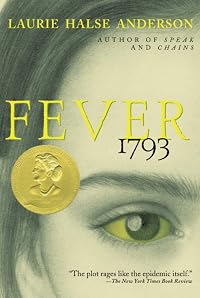
Fever 1793
by Laurie Halse Anderson 
On This Page
Description
In 1793 Philadelphia, sixteen-year-old Matilda Cook, separated from her sick mother, learns about perseverance and self-reliance when she is forced to cope with the horrors of a yellow fever epidemic.Tags
Recommendations
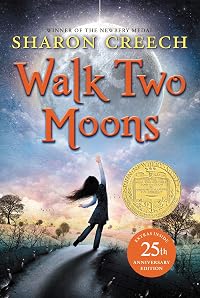
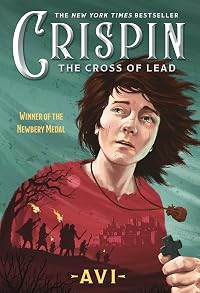
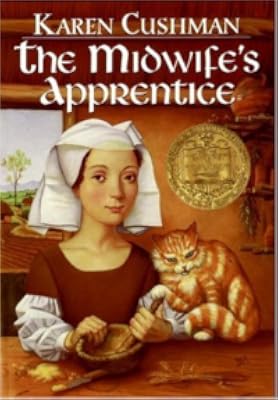
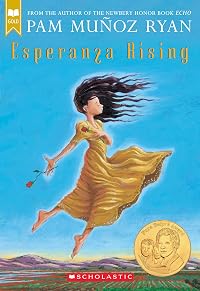


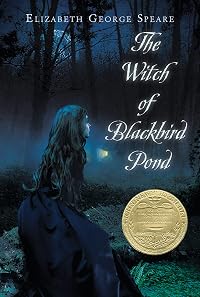
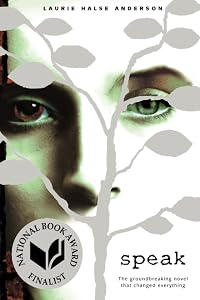

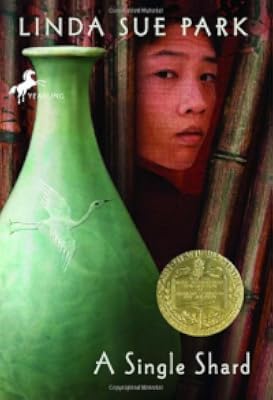
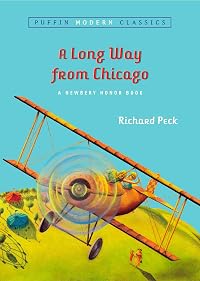
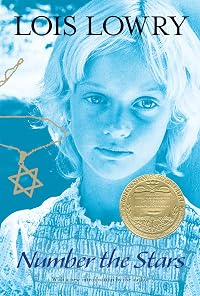
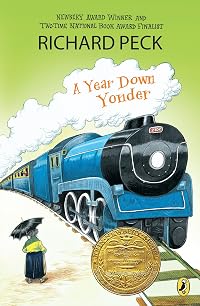
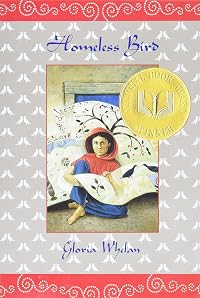
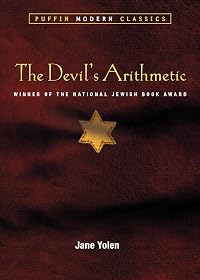
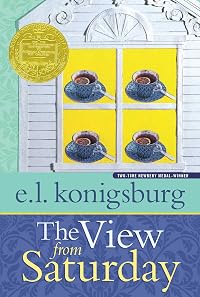
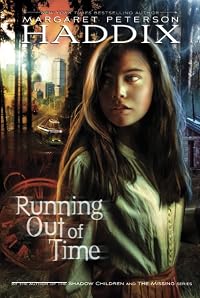
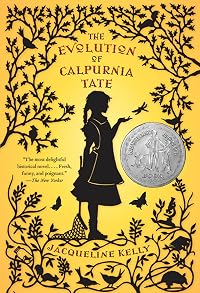
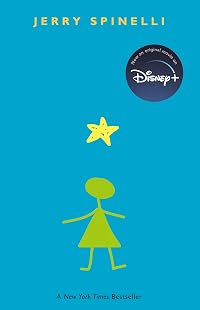
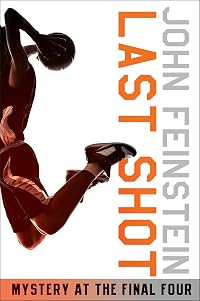
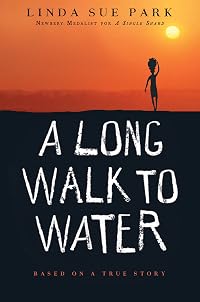
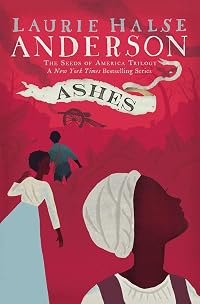
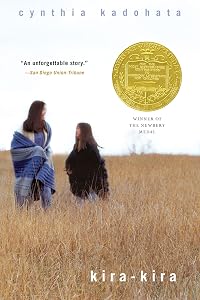
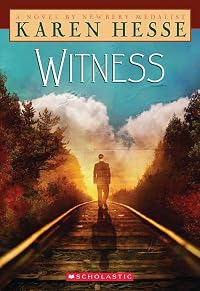
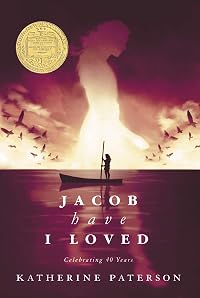
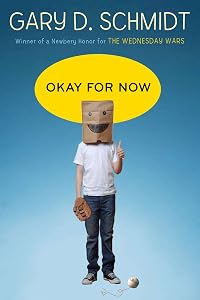
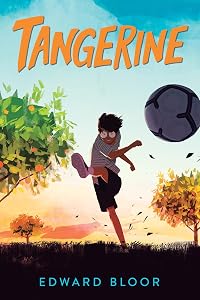
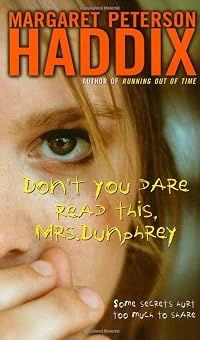
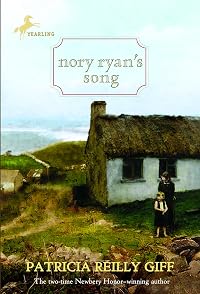


Member Recommendations
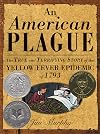
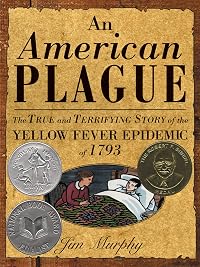
An American Plague: The True and Terrifying Story of the Yellow Fever Epidemic of 1793 by Jim Murphy
BookshelfMonstrosity While Fever is fiction and An American Plague is nonfiction, both are utterly compelling accounts of the yellow fever epidemic that ravaged Colonial Philadelphia. Rich details, based on extensive research, highlight the previously neglected care-giving role of African-Americans.
Also recommended by bogreader
20
Member Reviews
Fever 1793 immerses readers in the harrowing summer when yellow fever ravaged Philadelphia. Fourteen-year-old Mattie Cook begins the story working above her family’s coffeehouse—but as the fever spreads, she becomes responsible for her ill mother, an aging grandfather, and even herself. The tight pacing, vivid historical detail, and Mattie’s resilient voice make it deeply engaging. Students connect with her growth from a carefree teen to a courageous young adult learning the value of community, perseverance, and empathy.
Anderson is rapidly becoming one of my favorite authors. She has an incredible talent for seamlessly combining history with fiction (resulting in characters that readers deeply care for).
-Reading about early medicinal practices (e.g., bleeding out) was eye-opening. In such a time of despair, people surely turned to doctors but exposure to and treatment of yellow fever was controversial.
-Following Matilda's story was incredible. She transforms from a girl irritated by household chores to a determined young woman who works day and night. I think she recognizes her own strength and realizes that it is less about doing things in a timely manner than it is about doing all one can.
-Reading about early medicinal practices (e.g., bleeding out) was eye-opening. In such a time of despair, people surely turned to doctors but exposure to and treatment of yellow fever was controversial.
-Following Matilda's story was incredible. She transforms from a girl irritated by household chores to a determined young woman who works day and night. I think she recognizes her own strength and realizes that it is less about doing things in a timely manner than it is about doing all one can.
A twenty year old book written about a 230 year old epidemic and never more timely. What has changed? Pandemics still bring out the best and worst in people, and how you fare is largely to do with your race and economic status. When you read the historical facts in the appendix you realize how skillfully the characters were created out of real people’s lived experiences. A shout out to the archivists who kept all this information safe and accessible, and to Laurie Halse Anderson for shedding light on this chapter of history.
For the love of all that's holy - stop passing this on to students who will think, by way of their teacher's recommendation, that this is a piece of quality historical fiction. What better way to turn them off of reading, while negating the efforts of their history teachers at the same time?
The single most painful piece of poor writing I've ever seen prescribed to students. My poor 6th grader is reading this along with her class, but the opportunity came up for us to listen to the audio on a long car trip and I thought it could both get her ahead in Language Arts, and provide for a good story for the whole family.
The protagonist's voice could hardly be more modern, and is supposed to be the voice of a girl from 220 years in the past. show more There isn't even an attempt made to use period language (no, leaving references to cell phones out does not count). Laura Ingalls Wilder writes of a time 100 years after this book takes place, and yet portrays the periods language, voice, and mores a thousand times better.
The set-up is exciting, and banks on a slow build dystopian trend - it also tries to hitch a ride on even more specific trends like the day to day plodding that appeals to a fan of The Walking Dead (for example) - but if a modern sensibility is to be given to a plague outbreak story, there are unlimited better books and productions to choose from.
The treatment of girls, blacks, and other minorities in this book could hardly be less period-accurate. In the best case this was done out of ignorance and simple-minded writing, but the fact that it is assigned reading for some students, and that it has been given awards, leads me to suspect a more sinister motive: white-washing history to portray the treatment of women and minorities as all-but equal citizens 220 years ago in America - with the bonus factor (in the eyes of people with the motive to push this narrative in schools) of preaching a white-washed version of the period's Christianity in the bargain (in school - under the auspices of historical accuracy).
Completely irresponsible if not downright conspiratorial with those seeking to create a false history for the US. This would be a great book to let go out of print ASAP - or to dissect for its blatant use of misrepresentation. It certainly doesn't help that it's boring as can be for an interesting subject, in an interesting time period. You may well find yourself, as I did, rooting for the fever to do away with these insipid characters. show less
The single most painful piece of poor writing I've ever seen prescribed to students. My poor 6th grader is reading this along with her class, but the opportunity came up for us to listen to the audio on a long car trip and I thought it could both get her ahead in Language Arts, and provide for a good story for the whole family.
The protagonist's voice could hardly be more modern, and is supposed to be the voice of a girl from 220 years in the past. show more There isn't even an attempt made to use period language (no, leaving references to cell phones out does not count). Laura Ingalls Wilder writes of a time 100 years after this book takes place, and yet portrays the periods language, voice, and mores a thousand times better.
The set-up is exciting, and banks on a slow build dystopian trend - it also tries to hitch a ride on even more specific trends like the day to day plodding that appeals to a fan of The Walking Dead (for example) - but if a modern sensibility is to be given to a plague outbreak story, there are unlimited better books and productions to choose from.
The treatment of girls, blacks, and other minorities in this book could hardly be less period-accurate. In the best case this was done out of ignorance and simple-minded writing, but the fact that it is assigned reading for some students, and that it has been given awards, leads me to suspect a more sinister motive: white-washing history to portray the treatment of women and minorities as all-but equal citizens 220 years ago in America - with the bonus factor (in the eyes of people with the motive to push this narrative in schools) of preaching a white-washed version of the period's Christianity in the bargain (in school - under the auspices of historical accuracy).
Completely irresponsible if not downright conspiratorial with those seeking to create a false history for the US. This would be a great book to let go out of print ASAP - or to dissect for its blatant use of misrepresentation. It certainly doesn't help that it's boring as can be for an interesting subject, in an interesting time period. You may well find yourself, as I did, rooting for the fever to do away with these insipid characters. show less
It's late summer 1793, and the streets of Philadelphia are abuzz with mosquitoes and rumors of fever. Down near the docks, many have taken ill, and the fatalities are mounting. Now they include Polly, the serving girl at the Cook Coffeehouse. But fourteen-year-old Mattie Cook doesn't get a moment to mourn the passing of her childhood playmate. New customers have overrun her family's coffee shop, located far from the mosquito-infested river, and Mattie's concerns of fever are all but overshadowed by dreams of growing her family's small business into a thriving enterprise. But when the fever begins to strike closer to home, Mattie's struggle to build a new life must give way to a new fight—the fight to stay alive.
This young adult book focuses on a historical tragedy that is otherwise ignored - the yellow fever epidemic that crippled Philadelphia in the blistering summer of 1793. The story is told through the eyes of Mattie, a 14-year-old girl who works in her family's coffee shop. The first sign of tragedy is the death of a serving girl, but things only worsen from there. When Mattie's mother becomes ill and Mattie is forced to go to the countryside to safety, her entire world collapses. She has to be stronger than she ever thought possible to survive this ordeal.
Fever 1793 is a excellent piece of historical fiction for any age. If I found this when I was about ten, I would have read it ragged. I especially love the details that Anderson wove show more into the story, such as the vital role the Free African Society played in the recovery efforts and the clashing treatments of various doctors. show less
Fever 1793 is a excellent piece of historical fiction for any age. If I found this when I was about ten, I would have read it ragged. I especially love the details that Anderson wove show more into the story, such as the vital role the Free African Society played in the recovery efforts and the clashing treatments of various doctors. show less
It's not often I pick up a YA novel and plow through it like black forest cake smothered in death by chocolate ice cream...but I did with this book. Fever 1793 is extremely well written with characters that linger with you long after you close the book. If you want to see how to keep a reader engrossed in your novel without sex, violence, or evil villains; read this. I guess the villain is the fever, but you know what I mean.
I highly recommend for kids, my 12 year old polished it off in a day. She talked about it for some time afterward too, which I loved. Not only did she get a great story by a talented writer, but she learned a little history without knowing it. To me, that's awesome.
I highly recommend for kids, my 12 year old polished it off in a day. She talked about it for some time afterward too, which I loved. Not only did she get a great story by a talented writer, but she learned a little history without knowing it. To me, that's awesome.
Members
- Recently Added By
Published Reviews
ThingScore 100
This is a great historical fiction for middle school through adults. I don't remember being taught anything about the yellow fever epidemic that consumed Philadelphia in 1793 so I was really interested after reading the description.
In the beginning of the book, Mattie Cook is a typical kid with big hopes and dreams. She often butted heads with her hard-working mother who owned and operated a show more coffee shop. The shop was normally packed all day, but as the fever spread, more and more people fled to the country leaving Philadelphia a ghost town.
Mattie came down with the fever after being stranded in the middle of nowhere by a family that she had paid to take her and her grandfather to a friends farm outside the city. She was found laying by the side of the road by French nurses who took her and her grandfather to their hospital.
Mattie recovered and returned to Philadelphia to look for her mother. Instead, she saw people dying in the streets and carts full of the dead being taken to mass graves. Her mother was not at home and the shop had been ransacked. Food was in such short supply everyone ate very little.
You can feel the pain, sorrow, and determination on every page. Mattie's character evolves and grows up quickly. She kept going through it all never giving up or loosing faith that her mother was alive and would return to town.
The first frost of fall came with a huge celebration, marking the end of the yellow fever pandemic. Philadelphia's once hauntingly silent streets were packed with Philadelphians eager to return home. At the time, Philadelphia was the capital of the growing United States. When president Washington returned to the city, the last of the residents came home.
I enjoyed this quick historical read and highly recommend it to middle grades and up. It gives the reader a glimpse into the struggle of staying alive in a time when there were no treatments.
As always, happy reading! 📚 show less
In the beginning of the book, Mattie Cook is a typical kid with big hopes and dreams. She often butted heads with her hard-working mother who owned and operated a show more coffee shop. The shop was normally packed all day, but as the fever spread, more and more people fled to the country leaving Philadelphia a ghost town.
Mattie came down with the fever after being stranded in the middle of nowhere by a family that she had paid to take her and her grandfather to a friends farm outside the city. She was found laying by the side of the road by French nurses who took her and her grandfather to their hospital.
Mattie recovered and returned to Philadelphia to look for her mother. Instead, she saw people dying in the streets and carts full of the dead being taken to mass graves. Her mother was not at home and the shop had been ransacked. Food was in such short supply everyone ate very little.
You can feel the pain, sorrow, and determination on every page. Mattie's character evolves and grows up quickly. She kept going through it all never giving up or loosing faith that her mother was alive and would return to town.
The first frost of fall came with a huge celebration, marking the end of the yellow fever pandemic. Philadelphia's once hauntingly silent streets were packed with Philadelphians eager to return home. At the time, Philadelphia was the capital of the growing United States. When president Washington returned to the city, the last of the residents came home.
I enjoyed this quick historical read and highly recommend it to middle grades and up. It gives the reader a glimpse into the struggle of staying alive in a time when there were no treatments.
As always, happy reading! 📚 show less
added by firereader2316
Lists

Best Young Adult
399 works; 101 members

Historical Fiction
889 works; 91 members

Best Books About Plagues and Epidemics
99 works; 17 members

Struggle for Freedom
69 works; 4 members

Teen Historical Fiction
29 works; 1 member

Books Read in 2013
1,630 works; 51 members

Books Read in 2010
631 works; 11 members

Satori Smiles Children's Book List
262 works; 7 members

Novels featuring Orphans
76 works; 10 members

Books About Girls
219 works; 17 members

Books Read in 2012
816 works; 31 members

Books Read in 2017
4,249 works; 130 members

GCS 6th grade summer reading list
171 works; 4 members

Viral Outbreaks and Pandemics
82 works; 8 members

Beautiful Feet Books
304 works; 7 members

Build Your Library Level 3
30 works; 1 member
Author Information

57+ Works 51,830 Members
Laurie Halse Anderson was born in Potsdam, New York on October 23, 1961. She received a B.S.L.L. in Languages and Linguistics from Georgetown University in 1984. Before becoming a full-time author, she worked as a freelance reporter. Her first book, Ndito Runs, was published in 1996. She has written numerous books for children including Turkey show more Pox, No Time for Mother's Day, Fever 1793, Speak, Catalyst, Independent Dames: What You Never Knew about the Women and Girls of the American Revolution, Chains and The Impossible Knife of Memory. She also created the Wild at Heart series, which was originally published by American Girl but is now called the Vet Volunteers series and is published by Penguin Books for Young Readers. Anderson has been nominated and won multiple honorary awards for her literary work. For the masterpiece Speak, Anderson won the Printz Honor Book Award, a National Book Award nomination, Golden Kite award, the Edgar Allan Poe Award, and the Los Angeles Times Book Prize. Her book Fever 1793 won the American Library Association Best Book for Young Adults selection and the Junior Library Guild selection. In 2008, Chains was selected for the National Book Award Finalist and in 2009 was awarded for its Historical Fiction the Scott O'Dell Award. (Bowker Author Biography) show less
Laurie Halse Anderson is a LibraryThing Author, an author who lists their personal library on LibraryThing.
Awards and Honors
Awards
Distinctions
Notable Lists
Work Relationships
Has as a student's study guide
Has as a teacher's guide
Common Knowledge
- Canonical title
- Fever 1793
- Original title
- Fever 1793
- Original publication date
- 2000-09-01
- People/Characters
- Matilda "Mattie" Cook; Eliza; Nathaniel Benson; Grandfather; Captain William Fransworth Cook; Pernilla Ogilvie (show all 11); Colette Ogilvie; Jeannine Oglivie; Lucille Cook; Nell; Bridget Flagg
- Important places
- Philadelphia, Pennsylvania, USA; Pennsylvania, USA; West Virginia, USA
- Important events
- Yellow Fever Epidemic (1793)
- Epigraph
- The City of Philadelphia is perhaps one of the wonders of the world. —Lord Adam Gordon, 1795
Oh then the hands of the pitiful Mother prepared her Child's body for the grave... —Letter of Margaret Morris, 1793 - Dedication
- This book is for my father, Reverend Frank A. Halse Jr, the finest man I know.
- First words
- I woke to the sound of a mosquito whining in my left ear and my mother screeching in the right.
- Quotations
- A hot wind blew trash and dirt through the abandoned stalls. It looked like an enormous broom had swept away all the people.
"A field plowed by the devil," I murmured. "They're not even using coffins."
Though we were all healed of the fever, some wounds were inside the heart and would mend slowly. - Last words
- (Click to show. Warning: May contain spoilers.)Day was begun.
- Original language*
- Engels
*Some information comes from Common Knowledge in other languages. Click "Edit" for more information.
Classifications
- Genres
- Kids, Fiction and Literature, Tween, Historical Fiction, Young Adult
- DDC/MDS
- 813.54 — Literature & rhetoric American literature in English American fiction in English 1900-1999 1945-1999
- LCC
- PZ7 .A54385 .F — Language and Literature Fiction and juvenile belles lettres Fiction and juvenile belles lettres Juvenile belles lettres
- BISAC
Statistics
- Members
- 7,760
- Popularity
- 1,462
- Reviews
- 248
- Rating
- (3.89)
- Languages
- Dutch, English, Italian, Spanish
- Media
- Paper, Audiobook, Ebook
- ISBNs
- 31
- ASINs
- 12