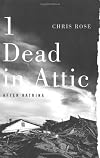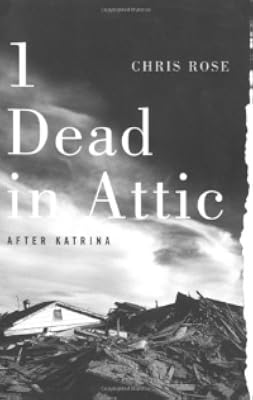
1 Dead in Attic
by Chris Rose
On This Page
Description
"1 Dead in Attic is a collection of stories by Times-Picayune columnist Chris Rose, recounting the first harrowing year and a half of life in New Orleans after Hurricane Katrina. Celebrated as a local treasure and heaped with national praise, Rose provides a rollercoaster ride of observation, commentary, emotion, tragedy, and even humor--in a way that only he could find in a devastated wasteland. They are stories of the dead and the living, stories of survivors and believers, stories of hope show more and despair. And stories about refrigerators. 1 Dead in Attic freeze-frames New Orleans, caught between an old era and a new one, during its most desperate time, as it struggles out of the floodwaters and wills itself back to life."--Page 4 of cover. show lessTags
Recommendations

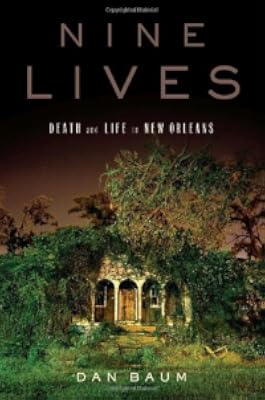
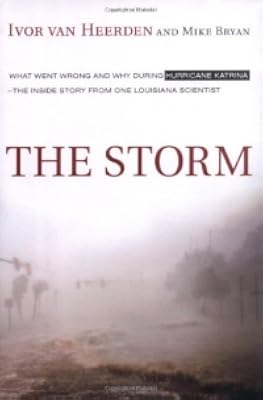

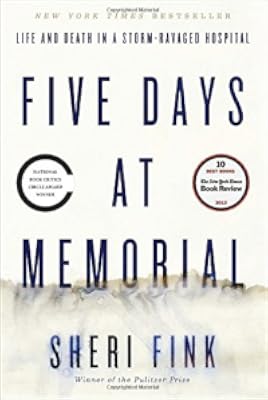



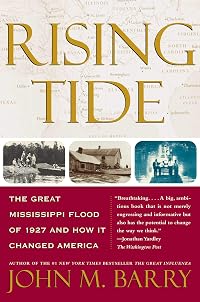
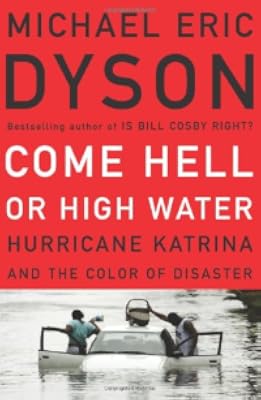
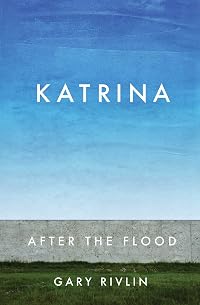





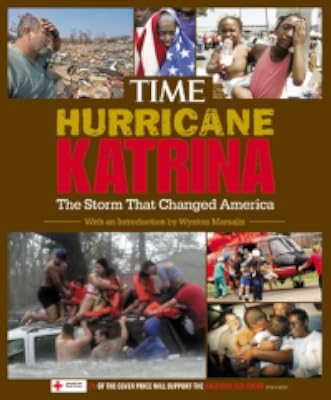
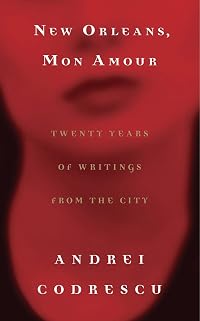

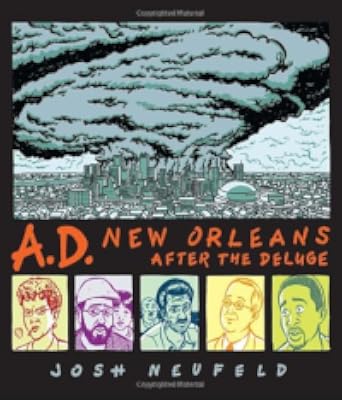
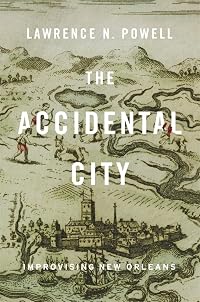
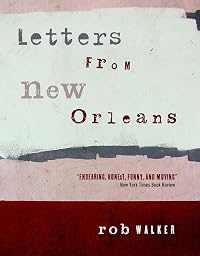
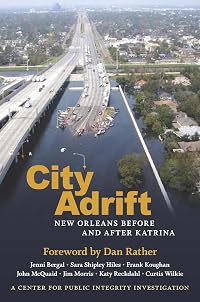
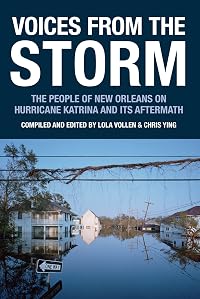


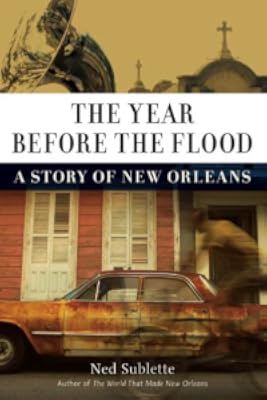





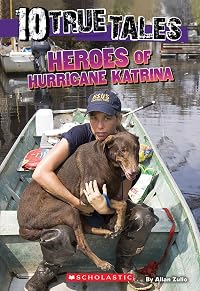

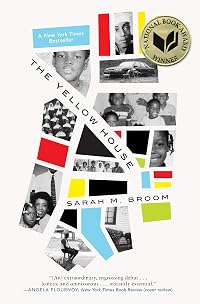
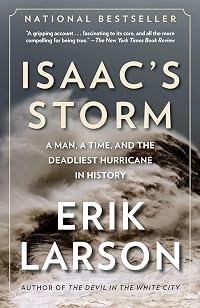

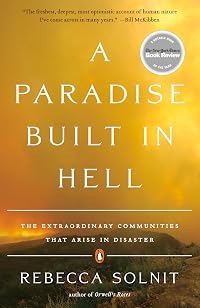
Member Recommendations

BookshelfMonstrosity A columnist for the New Orleans Times-Picayune, Rose delves into the aftereffects of the storm on his adopted city in this compelling collection of essays.

lilithcat These are two of the most powerful books about Katrina I've read, probably because they were written in the immediate aftermath of the hurricane. They don't have an agenda, except, perhaps to tell the truth about what happened, from very personal points of view.

Member Reviews
This book is only 364 pages, which I usually read in a day or two at most. This book took me three months. Rose is a journalist and this is a compilation of columns he wrote post-Katrina. It's raw. So raw that I had to be very careful how much I read, because it was too heavy sometimes. But it's IMPORTANT. If you've been to New Orleans, even now, 10 years later, it's not over completely. There are still neighborhoods that are dead and will not recover.
But the spirit, what makes New Orleans, didn't die and it's here, in this recounting of disaster, that I see again how much New Orleans means to those who love her. The moments of finding her soul again, despite the destruction.
If you love NOLA, this is important to read. It's part of show more her now. show less
But the spirit, what makes New Orleans, didn't die and it's here, in this recounting of disaster, that I see again how much New Orleans means to those who love her. The moments of finding her soul again, despite the destruction.
If you love NOLA, this is important to read. It's part of show more her now. show less
This sounds like a ridiculous criticism given the subject matter, but I found this book far too sentimental. Chris Rose was a beat reporter at the Times-Picayune when Hurricane Katrina smashed into New Orleans, and in the aftermath he started writing these short columns about how the city was recovering and how the community was coping; they're supposed to be snippets of personal commentary rather than journalism per se, which perhaps explains the register. Nevertheless, for me the saccharine emotionality of Rose's writing detracted from, rather than reinforced, the impact of what he was describing.
In an open letter to ‘America’, published in September of '05, he introduces the area in a way that gives you a good idea of his general show more tone:
I suppose we should introduce ourselves: we're South Louisiana.
We have arrived on your doorstep on short notice and we apologize for that, but we were never much for waiting around for invitations. We're not much on formalities like that. …
We're a fiercely proud and independent people, and we don't cotton much to outside interference, but we're not ashamed to accept help when we need it. And right now, we need it. …
When you meet us now and you look into our eyes, you will see the saddest story ever told. Our hearts are broken into a thousand pieces.
But don't pity us. We're gonna make it. We're resilient. After all, we've been rooting for the Saints for thirty-five years. That's gotta count for something. …
So when all this is over and we move back home, we will repay you the hospitality and generosity of spirit you offer us in this season of our despair.
That is our promise. That is our faith.
There's really two options when writing about very serious and traumatic situations: either you become as dry as humanly possible (on several occasions I've sat in newsrooms next to people who were openly sobbing as they typed up their notes, but to read their report you'd think they were observing what happened from a distant satellite, not covered in blood and shit in the middle of what was happening – and the story became devastating through that distance); or, you go full gonzo and do a first-person subjective immersion à la Tom Wolfe or Hunter S Thompson.
Rose chooses not to attempt the former, and is not able to do the latter because, as he says, he himself suffered nothing more serious that a broken drainpipe on his house. So he's stuck in this awkward no-man's-land, inhabiting a kind of borrowed communal misery, buttressed with folky false modesty and clichés of determination, which is completely understandable and even admirable but which doesn't make for powerful journalism.
I feel really bad criticising this, since it's obvious that Rose was utterly traumatised by Katrina – ‘it beat the shit out of me,’ he says – and indeed, a lot of what is in here reads less like a chronicle of a ruined city, and more like a chronicle of someone succumbing to PTSD. (Rose in fact became addicted to antidepressants during this period and separated from his wife.) Still, I wish there had been a little more journalistic examination of the situation – the class and race issues which Katrina brought into such sharp relief are almost entirely absent here.
These columns do make for a revealing snapshot of what a city looks like after a big disaster (so much of what was in here reminded me of being in Port-au-Prince after the earthquake), with the lines of refrigerators on the streets, the fallen trees, the smell of masonry dust and decomposition, the hair-trigger emotions of everyone left. It's partly an audience problem. These pieces didn't connect well with me as an outsider, but when Rose wrote them, they were aimed at his fellow Louisianans, and for that audience who understood exactly what he was going through they probably worked really well. show less
In an open letter to ‘America’, published in September of '05, he introduces the area in a way that gives you a good idea of his general show more tone:
I suppose we should introduce ourselves: we're South Louisiana.
We have arrived on your doorstep on short notice and we apologize for that, but we were never much for waiting around for invitations. We're not much on formalities like that. …
We're a fiercely proud and independent people, and we don't cotton much to outside interference, but we're not ashamed to accept help when we need it. And right now, we need it. …
When you meet us now and you look into our eyes, you will see the saddest story ever told. Our hearts are broken into a thousand pieces.
But don't pity us. We're gonna make it. We're resilient. After all, we've been rooting for the Saints for thirty-five years. That's gotta count for something. …
So when all this is over and we move back home, we will repay you the hospitality and generosity of spirit you offer us in this season of our despair.
That is our promise. That is our faith.
There's really two options when writing about very serious and traumatic situations: either you become as dry as humanly possible (on several occasions I've sat in newsrooms next to people who were openly sobbing as they typed up their notes, but to read their report you'd think they were observing what happened from a distant satellite, not covered in blood and shit in the middle of what was happening – and the story became devastating through that distance); or, you go full gonzo and do a first-person subjective immersion à la Tom Wolfe or Hunter S Thompson.
Rose chooses not to attempt the former, and is not able to do the latter because, as he says, he himself suffered nothing more serious that a broken drainpipe on his house. So he's stuck in this awkward no-man's-land, inhabiting a kind of borrowed communal misery, buttressed with folky false modesty and clichés of determination, which is completely understandable and even admirable but which doesn't make for powerful journalism.
I feel really bad criticising this, since it's obvious that Rose was utterly traumatised by Katrina – ‘it beat the shit out of me,’ he says – and indeed, a lot of what is in here reads less like a chronicle of a ruined city, and more like a chronicle of someone succumbing to PTSD. (Rose in fact became addicted to antidepressants during this period and separated from his wife.) Still, I wish there had been a little more journalistic examination of the situation – the class and race issues which Katrina brought into such sharp relief are almost entirely absent here.
These columns do make for a revealing snapshot of what a city looks like after a big disaster (so much of what was in here reminded me of being in Port-au-Prince after the earthquake), with the lines of refrigerators on the streets, the fallen trees, the smell of masonry dust and decomposition, the hair-trigger emotions of everyone left. It's partly an audience problem. These pieces didn't connect well with me as an outsider, but when Rose wrote them, they were aimed at his fellow Louisianans, and for that audience who understood exactly what he was going through they probably worked really well. show less
The title is taken from writing on a flood destroyed house, indicating yet another victim of the Hurricane Katrina New Orleans tragedy .
This book, written by an award-winning Times Picayune columnist, contains one-chapter short stories that are simply incredible.
Rather than outline what lead to Katrina, Rose focuses on the aftermath of the hurricane. His heart rendering account of a year and a half after is so well written that at times I laughed and others I cried. His pithy, heart breaking and poignant tales of the people who are the soul of New Orleans will haunt me for a long time. I laughed at the tale of refrigerator wars; I cried for a city trying to re-claim itself.
After reading this I feel as though I've walked the streets show more of New Orleans, gleaned some knowledge of what makes the city tick -- the good (those stubborn hold outs who want to rebuild and renew) , the bad (the local politicians, the Army Core of Engineers and the ineffective mayor) and the ugly (very nasty culture that loots, robs, rapes and waits for handouts and blames all others.) show less
This book, written by an award-winning Times Picayune columnist, contains one-chapter short stories that are simply incredible.
Rather than outline what lead to Katrina, Rose focuses on the aftermath of the hurricane. His heart rendering account of a year and a half after is so well written that at times I laughed and others I cried. His pithy, heart breaking and poignant tales of the people who are the soul of New Orleans will haunt me for a long time. I laughed at the tale of refrigerator wars; I cried for a city trying to re-claim itself.
After reading this I feel as though I've walked the streets show more of New Orleans, gleaned some knowledge of what makes the city tick -- the good (those stubborn hold outs who want to rebuild and renew) , the bad (the local politicians, the Army Core of Engineers and the ineffective mayor) and the ugly (very nasty culture that loots, robs, rapes and waits for handouts and blames all others.) show less
When I moved to New Orleans in 2010, one of the TV stations was running these "Guess who's back!" ads to promote the return of someone famous, quintessentially New Orleans, and much beloved. After weeks of this, the mystery person joining the news team was revealed! And it was a bitter-looking, sardonic man. It was Chris Rose. I did not make an effort to watch his segments.
A little more than three years later, I'm preparing to move onto the next phase in my life - out of New Orleans. I have avoided reading the "Katrina stories" because the city has seemed so invigorated that I didn't want to return to the bleak past, but I figured it was time to read one while I'm still here and can personally envision what happened.
Chris Rose is a show more beautiful and talented writer. I'm sorry I ever doubted him.
At the beginning of the book I was a little put off by his perspective - he lives Uptown (as do I, full disclosure) where people's homes survived, and by extension, the people in them. How much suffering did he really go through? What does he know? How would he understand?
It quickly becomes evident, though, that he internalizes the city's pain and makes it a part of himself. He spends inordinate amount of time in the ruined, rotten parts of the city so he CAN understand. He becomes the voice of pain - literally.
He eventually admits his struggle with depression - one look at him tells you that he's the guy who scoffs at mental illness as a character flaw, and he fesses up to that, point blank. And though I don't want to encourage ANYONE to live with depression, I thank him for using his considerable talents to put words to the pain so many felt during that time.
What a story. show less
A little more than three years later, I'm preparing to move onto the next phase in my life - out of New Orleans. I have avoided reading the "Katrina stories" because the city has seemed so invigorated that I didn't want to return to the bleak past, but I figured it was time to read one while I'm still here and can personally envision what happened.
Chris Rose is a show more beautiful and talented writer. I'm sorry I ever doubted him.
At the beginning of the book I was a little put off by his perspective - he lives Uptown (as do I, full disclosure) where people's homes survived, and by extension, the people in them. How much suffering did he really go through? What does he know? How would he understand?
It quickly becomes evident, though, that he internalizes the city's pain and makes it a part of himself. He spends inordinate amount of time in the ruined, rotten parts of the city so he CAN understand. He becomes the voice of pain - literally.
He eventually admits his struggle with depression - one look at him tells you that he's the guy who scoffs at mental illness as a character flaw, and he fesses up to that, point blank. And though I don't want to encourage ANYONE to live with depression, I thank him for using his considerable talents to put words to the pain so many felt during that time.
What a story. show less
I confess. Initially, I felt terrible about all the destruction in New Orleans after Katrina. BUT - after several weeks of watching raw anger and inaction on the news, I lost my compassion. I wanted to shake them and say - so get a grip and start cleaning up! What a fool I was! I had no real idea of what it all meant on a personal level to the residents amid all that disruption and destruction.
Chris Rose is a journalist living in a part of the city that was not flooded. Nevertheless, there was much suffering all around and he found himself writing columns for his newspaper on what it was like for him and others. This book got to me. I'm glad I finally read it and have shed my disdain for all the whining and wailing. Katrina was not show more just about physical destruction. It was so much more. It affected the psyche and hope of a population who loved their city more than anywhere on earth. The survivors battled the chaos, the filth and stench, each other, the government, insanity , and a great sense of loss.
Forget the news coverage of anger and political in-fighting. While it may have been justified, it sent the wrong message to people like me. Envision a city with a brown "bathtub ring" and collasped structures... curbs lined with refrigerators gone bad and the smell of death. For a personal account of what it was really like read this book. Despite the topic and it's sadness, it's filled with hope and regeneration. show less
Chris Rose is a journalist living in a part of the city that was not flooded. Nevertheless, there was much suffering all around and he found himself writing columns for his newspaper on what it was like for him and others. This book got to me. I'm glad I finally read it and have shed my disdain for all the whining and wailing. Katrina was not show more just about physical destruction. It was so much more. It affected the psyche and hope of a population who loved their city more than anywhere on earth. The survivors battled the chaos, the filth and stench, each other, the government, insanity , and a great sense of loss.
Forget the news coverage of anger and political in-fighting. While it may have been justified, it sent the wrong message to people like me. Envision a city with a brown "bathtub ring" and collasped structures... curbs lined with refrigerators gone bad and the smell of death. For a personal account of what it was really like read this book. Despite the topic and it's sadness, it's filled with hope and regeneration. show less
Rose was a Pulitzer finalist for his columns after Katrina in the New Orleans Times-Picayune. This book is a collection of the columns from 2005 post-storm and 2006. The subtitle is important to make it clear that the book is not an account of riding out a hurricane in progress.
The columns were good, and I appreciated Rose's fair treatment (i.e., it wasn't all a "poor me/us" book and is even funny at times). Rose even writes about his diagnosis of depression near the end of 2006. However, the columns were not organized chronologically, which made them difficult to follow at times. The lack of flow made the book less compelling; I had a hard time getting it read. Furthermore, there were a number of references in the book that probably show more make sense to those who live/lived in New Orleans or are familiar with it, but make little sense to an outsider like me.
I grew up in Houston and my first "real" job was in Corpus Christi, during and after Hurricane Allen, so I have experience with hurricanes and their aftermaths (Red Cross shelters, cleanup, FEMA, etc.). I could probably relate better to a similar book about Ike and its effects on Galveston, simply because I am familiar with that city (as I could easily relate to Isaac's Storm).
The first edition of this book only covers 2005 and was self-published by Rose in February, 2006. It includes photographs by British photojournalist Charlie Varley which add a lot to the book; I wish they could have been used in the later edition.
This is not a book I would re-read, but it would probably be appreciated by New Orleans residents and fans, past and present. show less
The columns were good, and I appreciated Rose's fair treatment (i.e., it wasn't all a "poor me/us" book and is even funny at times). Rose even writes about his diagnosis of depression near the end of 2006. However, the columns were not organized chronologically, which made them difficult to follow at times. The lack of flow made the book less compelling; I had a hard time getting it read. Furthermore, there were a number of references in the book that probably show more make sense to those who live/lived in New Orleans or are familiar with it, but make little sense to an outsider like me.
I grew up in Houston and my first "real" job was in Corpus Christi, during and after Hurricane Allen, so I have experience with hurricanes and their aftermaths (Red Cross shelters, cleanup, FEMA, etc.). I could probably relate better to a similar book about Ike and its effects on Galveston, simply because I am familiar with that city (as I could easily relate to Isaac's Storm).
The first edition of this book only covers 2005 and was self-published by Rose in February, 2006. It includes photographs by British photojournalist Charlie Varley which add a lot to the book; I wish they could have been used in the later edition.
This is not a book I would re-read, but it would probably be appreciated by New Orleans residents and fans, past and present. show less
Award winning Times Picayune columnist Chris Rose was literally embedded with his story, fleeing hurricane Katrina right before it hit. He sent his family to safety in Maryland while he continued to live, work and report on life in New Orleans in the months that followed. This is a compilation of his columns which still appeared when the Picayune could only publish on-line for a time in the aftermath of the storm. It's difficult to maintain journalistic objectivity when you're living the story, so Rose can hardly be blamed for the toll his reporting took on him personally. It's a harrowing story that doesn't shy away from the horror or the hope.
Members
- Recently Added By
Published Reviews
ThingScore 100
The physical and psychic dislocation wrought by Hurricane Katrina is painstakingly recollected in this brilliant collection of columns by award-winning New Orleans Times Picayune columnist Rose (who has already hand-sold 60,000 self-published copies).
added by hipdeep
Lists

Disaster Books
74 works; 19 members

Best History Books about Disasters
33 works; 19 members

Books Set in Louisiana
29 works; 8 members

New Orleans
13 works; 4 members

Books With Numbers in the Title
308 works; 13 members

Hurricane Books
10 works; 3 members

Books Read in 2024
4,623 works; 126 members
Author Information

2 Works 676 Members
Chris Rose has been a columnist for The Times-Picayune in New Orleans, an essayist for The PBS News Hour, and a frequent commentator for National Public Radio's Morning Edition. In 2006, he was a finalist for the Pulitzer Prize for Distinguished Commentary in recognition of his Katrina columns and was awarded a share in the Times-Picayune staff's show more Pulitzer for Public Service. Rose lives in New Orleans with his three children. show less
Some Editions
Common Knowledge
- Canonical title
- 1 Dead in Attic
- People/Characters
- Chris Rose; Kelly Rose; The Neville Brothers; Lionel Richie
- Important places
- New Orleans, Louisiana, USA; Wisconsin, USA; Maryland, USA; Florida, USA
- Important events
- Hurricane Katrina (2005-08)
- Dedication
- This book is dedicated to Thomas Coleman, a retired longshoreman, who died in his attic at 2214 St. Roch Avenue in New Orleans' 8th ward on or about August 29, 2005. He had a can of juice and a bedspread at his side when the ... (show all)waters rose.
There were more than a thousand like him. - First words
- Dear America, I suppose we should introduce ourselves: we're South Louisiana. We have arrived on your doorstep on short notice and we apologize for that, but we were never much for waiting around for invitations.
- Last words
- (Click to show. Warning: May contain spoilers.)To go marching on.
- Publisher's editor
- Fox, Colin; Bové, Michele
Classifications
- Genres
- Nonfiction, General Nonfiction, History, Biography & Memoir
- DDC/MDS
- 976.335064 — History & geography History of North America South central United States Louisiana Southeast Louisiana Orleans Parish
- LCC
- HV636 — Social sciences Social pathology. Social and public welfare. Criminology Social pathology. Social and public welfare. Emergency management Relief in case of disasters Special types of disasters
- BISAC
Statistics
- Members
- 672
- Popularity
- 42,620
- Reviews
- 29
- Rating
- (4.15)
- Languages
- English
- Media
- Paper, Audiobook, Ebook
- ISBNs
- 7
- ASINs
- 4