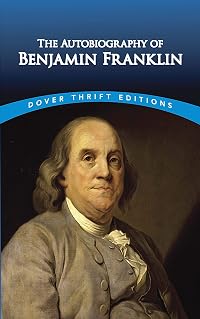
The Autobiography of Benjamin Franklin
by Benjamin Franklin 
On This Page
Description
Left unfinished at the time of his death, The Autobiography of Benjamin Franklin has endured as one of the most well-known and influential autobiographies ever written. From his early years in Boston and Philadelphia to the publication of his Poor Richard's Almanac to the American Revolution and beyond, Franklin's autobiography is a fascinating, personal exploration into the life of America's most interesting founding father.Tags
Recommendations
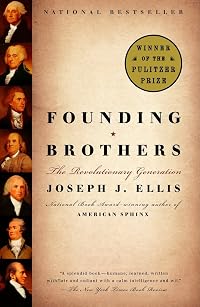
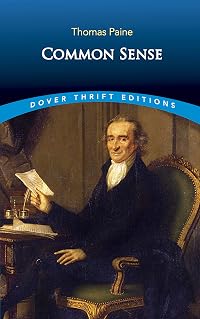



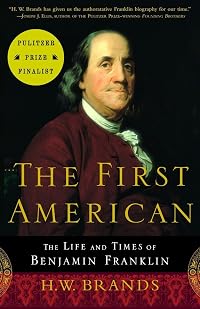


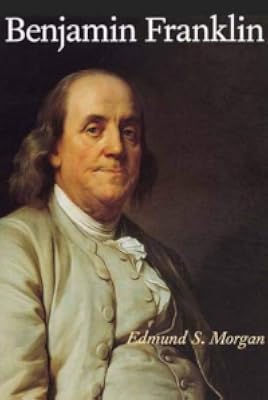










Member Recommendations
Teresa_Pelka Paths by Benjamin Franklin and Thomas Paine parted, in their living experience. The names continue together in history, for the role both men had in American independence.
Member Reviews
I really enjoyed this autobiography by the oldest and probably least overtly partisan of the Founding Fathers. Parts of this autobiography were written at different times in his life, the early parts mostly to give his son William some idea of his antecedents, and later on to chronicle his doings in the civic life of Philadelphia and in the war with France in the 1750s. What strikes the reader about Franklin is how late it was in life he became a revolutionary; for much of the central part of his life he was pro-British, having spent a chunk of his middle years living and working in London, and merely wanted fair treatment of the colonies, not independence. In the end it was the sheer intransigence of the colonial authorities and, of show more course, the imposition of taxes, that drove him to support more radical action: "British Prime Minister] Grenville ....made clear that the Americans were to have no voice in making or amending their laws. Parliament and the king were to have absolute power over the colonies". Franklin was alarmed by this new doctrine and foresaw the inevitable result of such an attitude on
the part of England: "I had always understood from our charters that our laws were to be made by our Assemblies, to be presented indeed to the king for his royal assent, but that being once given the king could not repeal or alter them. And as the Assemblies could not make permanent laws without his assent, so neither could he make a law for them without theirs. He assured me I was totally mistaken."
In other aspects of life, he instituted a number of reforms such as better street lighting, establishing a school, inventing a new type of oven, as well the more famous discoveries around electricity and lightening (which he does not seem to regard as being as significant as his other achievements, later reputation notwithstanding). He is a fascinating character, I find him more interesting and appealing than Washington, Adams or Jefferson. show less
the part of England: "I had always understood from our charters that our laws were to be made by our Assemblies, to be presented indeed to the king for his royal assent, but that being once given the king could not repeal or alter them. And as the Assemblies could not make permanent laws without his assent, so neither could he make a law for them without theirs. He assured me I was totally mistaken."
In other aspects of life, he instituted a number of reforms such as better street lighting, establishing a school, inventing a new type of oven, as well the more famous discoveries around electricity and lightening (which he does not seem to regard as being as significant as his other achievements, later reputation notwithstanding). He is a fascinating character, I find him more interesting and appealing than Washington, Adams or Jefferson. show less
My wife recommended this one to me, and she was absolutely right to. I loved it. Ben Franklin is probably my favorite figure from that period in American history, not just for what he did but for his character, wit, and humility. All of those shine through in this book.
His autobiography covers his life from his birth in 1706 through the mid-1760’s. It was written in four sections. The first was written as a letter to his son William in 1771, and it reads very much like one with personal asides and mention of family. The next was written in Paris in the early 1780s while acting as ambassador, and it was more formal, aimed at someone who at read that earlier letter to his son and encouraged him to continue the record. The third section show more was written after he had returned to Philadelphia after the Revolutionary War, and the fourth was a very short section that appeared to be an attempt to continue it towards the war.
I detailed the sources of the writing because it impacts how it is read. The early section (perhaps the first half of the book) reads as an Englishman speaking to his son, both to fill him in on the family history as well as to remind him of some of their joint experiences. It reads fairly sweetly and humorously. The Revolutionary War is not yet on his horizon. At best, he expresses occasional distress as the some of the decisions by the crown and the decisions by the William Penn’s heirs back in England over the management of the Pennsylvania colony.
The later sections were written during or after the war, and hints of family are gone. He does not say so explicitly, but it is known that he and his son took different sides in the war, and neither forgave the other. He makes occasional mentions of his son, as they actually took some joint actions during the French/Indian war in the 1760’s, but gone is that sense of affection. It’s noticeable in the language, but that much more striking when you know what happened between them.
Also at this point, the war is behind him, and his frustration with England’s management of the colonies shows strongly. It is not merely that he feels they were wrong or greedy but that they were predisposed to act unethically or to at least act so as to protect themselves from the assumption that the colonists would act unethically. This was especially offensive to him as he had taken great pains over his life (as outlined in some of the text) to develop a strong ethical code.
Obviously, he writes about the many of the projects he undertook in life, the accomplishments he made, and the relationships he forged, but rather that hoist them up to brag, he details his decisions around them and how he was able to succeed. It seems as though his main goal in this is not to preen but to instruct, as though he wants his audience to learn from his mistakes and methods to go forth and do even greater things.
Towards that point, I think he nailed a good policy on debate, which will likely form a future essay I write on netiquette. After detailing a method of debate that won him many victories, some of which he felt were undeserved, he altered his strategy:
I continued this method some few years, but gradually left it, retaining only the habit of expressing myself in terms of modest diffidence; never using, when I advanced any thing that may possibly be disputed, the words certainly, undoubtedly, or any others that give the air of positiveness to an opinion; but rather say, I conceive or apprehend a thing to be so and so; it appears to me, or I should think it so or so, for such and such reasons; or I imagine it to be so; or it is so, if I am not mistaken.
This habit, I believe, has been of great advantage to me when I have had occasion in inculcate my opinions, and persuade men into measures that I have been from time to time engaged in promoting; and, as the chief ends of conversation are to inform or to be informed, to please or to persuade, I wish well-meaning, sensible men would not lessen their power of doing good by a positive, assuming manner, that seldom fails to disgust, tends to create opposition, and to defeat every one of those purposes for which speech was given to us, to wit, giving or receiving information or pleasure.
For, if you would inform, a positive and dogmatical manner in advancing your sentiments may provoke contradiction and prevent candid attention.
If you wish information and improvement from the knowledge of others, and yet at the same time express yourself as firmly fixed in your present opinions, modest sensible men, who do not love disputation, will probably leave you undisturbed in the possession of your error.
And by such a manner, you can seldom hope to recommend yourself in pleasing your hearers, or to persuade those whose concurrence you desire.
He hits on similar themes elsewhere on everything from telling someone they are mistaken to convincing a large group to support a position. It’s as much history as it is instruction on the art of polite debate. As such, I think this is a book that every American should read, less for its factual content than for its lessons on how to behave in a political society. As for the rest of you, it’s actually quite a bit of fun, so give that poor Yank a read anyway. show less
His autobiography covers his life from his birth in 1706 through the mid-1760’s. It was written in four sections. The first was written as a letter to his son William in 1771, and it reads very much like one with personal asides and mention of family. The next was written in Paris in the early 1780s while acting as ambassador, and it was more formal, aimed at someone who at read that earlier letter to his son and encouraged him to continue the record. The third section show more was written after he had returned to Philadelphia after the Revolutionary War, and the fourth was a very short section that appeared to be an attempt to continue it towards the war.
I detailed the sources of the writing because it impacts how it is read. The early section (perhaps the first half of the book) reads as an Englishman speaking to his son, both to fill him in on the family history as well as to remind him of some of their joint experiences. It reads fairly sweetly and humorously. The Revolutionary War is not yet on his horizon. At best, he expresses occasional distress as the some of the decisions by the crown and the decisions by the William Penn’s heirs back in England over the management of the Pennsylvania colony.
The later sections were written during or after the war, and hints of family are gone. He does not say so explicitly, but it is known that he and his son took different sides in the war, and neither forgave the other. He makes occasional mentions of his son, as they actually took some joint actions during the French/Indian war in the 1760’s, but gone is that sense of affection. It’s noticeable in the language, but that much more striking when you know what happened between them.
Also at this point, the war is behind him, and his frustration with England’s management of the colonies shows strongly. It is not merely that he feels they were wrong or greedy but that they were predisposed to act unethically or to at least act so as to protect themselves from the assumption that the colonists would act unethically. This was especially offensive to him as he had taken great pains over his life (as outlined in some of the text) to develop a strong ethical code.
Obviously, he writes about the many of the projects he undertook in life, the accomplishments he made, and the relationships he forged, but rather that hoist them up to brag, he details his decisions around them and how he was able to succeed. It seems as though his main goal in this is not to preen but to instruct, as though he wants his audience to learn from his mistakes and methods to go forth and do even greater things.
Towards that point, I think he nailed a good policy on debate, which will likely form a future essay I write on netiquette. After detailing a method of debate that won him many victories, some of which he felt were undeserved, he altered his strategy:
I continued this method some few years, but gradually left it, retaining only the habit of expressing myself in terms of modest diffidence; never using, when I advanced any thing that may possibly be disputed, the words certainly, undoubtedly, or any others that give the air of positiveness to an opinion; but rather say, I conceive or apprehend a thing to be so and so; it appears to me, or I should think it so or so, for such and such reasons; or I imagine it to be so; or it is so, if I am not mistaken.
This habit, I believe, has been of great advantage to me when I have had occasion in inculcate my opinions, and persuade men into measures that I have been from time to time engaged in promoting; and, as the chief ends of conversation are to inform or to be informed, to please or to persuade, I wish well-meaning, sensible men would not lessen their power of doing good by a positive, assuming manner, that seldom fails to disgust, tends to create opposition, and to defeat every one of those purposes for which speech was given to us, to wit, giving or receiving information or pleasure.
For, if you would inform, a positive and dogmatical manner in advancing your sentiments may provoke contradiction and prevent candid attention.
If you wish information and improvement from the knowledge of others, and yet at the same time express yourself as firmly fixed in your present opinions, modest sensible men, who do not love disputation, will probably leave you undisturbed in the possession of your error.
And by such a manner, you can seldom hope to recommend yourself in pleasing your hearers, or to persuade those whose concurrence you desire.
He hits on similar themes elsewhere on everything from telling someone they are mistaken to convincing a large group to support a position. It’s as much history as it is instruction on the art of polite debate. As such, I think this is a book that every American should read, less for its factual content than for its lessons on how to behave in a political society. As for the rest of you, it’s actually quite a bit of fun, so give that poor Yank a read anyway. show less
Everyone should read this book. The narrative of Benjamin Franklin’s life is full of adventure, including leaving Boston to make his fortune as a printer in Philadelphia, two extended stays in London, involvement in Pennsylvania politics, scientific experiments and participation in the French and Indian Wars. (The autobiography ends before the American Revolution). Franklin’s observations on colonial life are an important source for information on colonial America and its relationship with Great Britain. The insights on how Franklin achieved his success as a printer and politician provide practical advice that still resonates today. Even his description of his efforts to discipline himself to live a life of virtue and hard work is show more not only still relevant but also contributes to the overall pleasure to be derived from reading this autobiography.
Franklin addresses his autobiography to his son, and indeed many people would benefit from reading the book when they start out in life. He lays out his daily effort to master thirteen virtues in which every day’s successes and failures were recorded on a chart listing the virtues and every day of the week. He acknowledges that when a friend pointed out that pride was one of his faults, he added humility to his list of virtues to be pursued. His total list consisted of the following twelve virtues in addition to humility: temperance, silence, order, resolution, frugality, industry, sincerity, justice, moderation, cleanliness, tranquility and chastity. Concerning order (“Let all your things have their place; let each part of your business have its time“), he bemoans that he was never able to teach himself to keep his papers neat and tidy.
More important than his schema of virtues is the wisdom to be derived from numerous examples of practical choices made in his political and business life. For example, Franklin tells the story of a man in the Pennsylvania Assembly who sought to defeat Franklin’s reappointment as clerk to the Assembly because the man had another candidate he was backing. Fortunately for Franklin, the man’s efforts fell short and Franklin was reappointed. Rather than treat this man henceforth as an enemy, however, Franklin, knowing the gentleman had a valuable collection of books, asked the man if he could borrow a particular book he knew was in the collection. The man was very happy to lend the book to Franklin, and became a close friend who did other favors for Franklin in the future. Franklin draws the lesson that a person who does a kindness for another person is much more likely to do additional kindnesses for that person in the future, while a person who does a kindness for another person is much less likely to receive a kindness in return.
He identifies several actions which he labels “errata.” These include his failure to correspond from London with his future wife, who married someone else and only became Franklin’s wife much later after her first husband died. He also thinks it was a mistake for him when starting out to accept a large sum of money from a friend of his father’s, which because he lent it on to friends who never paid him back he himself was not in a position to pay back, although he was fortunate that his father’s friend did not ask for the money until many years later when Franklin did have the resources to pay.
Franklin’s formal education ended in grade school and his father than began to seek an apprenticeship position for him. (He wanted to go to sea, which his father strongly opposed, and the initial plans for him to become a cleric fell through.) He ended up as an apprentice to one of his elder brothers who was a printer in Boston. (Benjamin was the 10th child in his family.) On moral grounds, he became a vegetarian. Later he discloses that he rationalized eating fish when he saw that the fish to be eaten had in their stomachs smaller fish they had devoured.
Franklin loved to read and pursued his own self education. He learned foreign languages and Latin. (One of his recommendations for education is that students should study Latin after learning a romance language rather than before.) To improve his writing, he would take brief notes of articles in the Spectator magazine, and then rewrite the articles in his own language. He would then compare his writing to the original.
He also loved to discuss issues and ideas with contemporaries. At first he would argue his positions forcefully, but soon learned that this approach was not persuasive. He then adopted the Socratic method and reveled in his ability to put his interlocutors into Socratic dilemmas. He was brought up as a Dissenter but reading books critical of Deism convinced him that Deism was the proper attitude toward God.
On his first stay in London, he got a job with a printer. He lived on Little Britain near Clerkenwell, where the printers were located. He moved to Duke Street closer to the West End when he changed printers. Before returning to America, he gave some swimming lessons (in the Thames!) to sons of aristocrats and concluded he could have made a career out of this. He would swim from Chelsea to Blackfriar’s.
While he was making his way and his fortune in Philadelphia as a printer, he also became involved in a variety of nonbusiness activities. He and his friends formed a discussion group, called the Junto, and these efforts eventually led to subscriptions to start the first library in America and to found a school which eventually became the University of Pennsylvania. He learned early on not to put himself forward as the founder of a new enterprise but rather to create it as an initiative of a number of friends. By not permitting one’s vanity to seek to raise one’s reputation above one’s friends, he found, it was much easier to get general consensus and financial support for new initiatives because a group of individuals could take the credit.
By making his annual Poor Richard’s Almanac entertaining and useful, he “reaped considerable profit” from its sales. He was particularly proud of his newspaper. In a discussion that reminds us of debates concerning the role of free speech in social media today, he states the following:
“In the conduct of my newspaper, I carefully excluded all libeling and personal abuse, which is of late years become so disgraceful to our country. Whenever I was solicited to insert anything of that kind, and the writers pleaded, as they generally did, the liberty of the press, and that a newspaper was like a stagecoach, in which anyone who would pay had a right to a place, my answer was, that I would print the piece separately if desired, and the author might have as many copies as they please to distribute himself, but that I would not take upon me to spread his detraction; and that, having contracted with my subscribers to furnish them with what might be either useful or entertaining, I could not fill their papers with private altercation, in which they had no concern, without doing the manifest injustice.”
During the French and Indian War, he assisted General Braddock in obtaining wagons from Pennsylvania farmers, even though the farmers required Franklin guarantee compensation if the wagons were not returned. General Loudoun, Braddock’s successor put off paying Franklin for a long time, but fortunately he was paid shortly before the guarantee would have been exercised. At this time he made his second stay in London. He noticed how dirt would accumulate in the streets and then become mud in the rains. He came up with a proposal for keeping the streets clean, based on having a drain in the middle of the street. He also developed in Philadelphia an efficient method to operate street gas lights that he recommended be adopted in London.
He relates how initially his discoveries in electricity were overlooked by the British but were acclaimed by the French. He favored teaching young women the basics of business accounting because widows who outlived their husbands engaged in business would need such knowledge to protect their interests.
It is a pity that the autobiography ends before the American Revolution, but apparently his later years are covered by correspondence and other papers. He also had a falling out with his son William during the revolution. William, who was illegitimate, became a loyalist rather than supporting the patriot cause.
Franklin’s autobiography is one of the most important primary sources for historians of the period at the same time that it is a readable and interesting narrative of part of the life of one of the most important founding fathers. The full richness of this autobiography cannot be adequately summarized in a review without repeating the autobiography itself. Start reading it (in my edition it was only 114 pages long) and see if it catches you within the first ten pages. show less
Franklin addresses his autobiography to his son, and indeed many people would benefit from reading the book when they start out in life. He lays out his daily effort to master thirteen virtues in which every day’s successes and failures were recorded on a chart listing the virtues and every day of the week. He acknowledges that when a friend pointed out that pride was one of his faults, he added humility to his list of virtues to be pursued. His total list consisted of the following twelve virtues in addition to humility: temperance, silence, order, resolution, frugality, industry, sincerity, justice, moderation, cleanliness, tranquility and chastity. Concerning order (“Let all your things have their place; let each part of your business have its time“), he bemoans that he was never able to teach himself to keep his papers neat and tidy.
More important than his schema of virtues is the wisdom to be derived from numerous examples of practical choices made in his political and business life. For example, Franklin tells the story of a man in the Pennsylvania Assembly who sought to defeat Franklin’s reappointment as clerk to the Assembly because the man had another candidate he was backing. Fortunately for Franklin, the man’s efforts fell short and Franklin was reappointed. Rather than treat this man henceforth as an enemy, however, Franklin, knowing the gentleman had a valuable collection of books, asked the man if he could borrow a particular book he knew was in the collection. The man was very happy to lend the book to Franklin, and became a close friend who did other favors for Franklin in the future. Franklin draws the lesson that a person who does a kindness for another person is much more likely to do additional kindnesses for that person in the future, while a person who does a kindness for another person is much less likely to receive a kindness in return.
He identifies several actions which he labels “errata.” These include his failure to correspond from London with his future wife, who married someone else and only became Franklin’s wife much later after her first husband died. He also thinks it was a mistake for him when starting out to accept a large sum of money from a friend of his father’s, which because he lent it on to friends who never paid him back he himself was not in a position to pay back, although he was fortunate that his father’s friend did not ask for the money until many years later when Franklin did have the resources to pay.
Franklin’s formal education ended in grade school and his father than began to seek an apprenticeship position for him. (He wanted to go to sea, which his father strongly opposed, and the initial plans for him to become a cleric fell through.) He ended up as an apprentice to one of his elder brothers who was a printer in Boston. (Benjamin was the 10th child in his family.) On moral grounds, he became a vegetarian. Later he discloses that he rationalized eating fish when he saw that the fish to be eaten had in their stomachs smaller fish they had devoured.
Franklin loved to read and pursued his own self education. He learned foreign languages and Latin. (One of his recommendations for education is that students should study Latin after learning a romance language rather than before.) To improve his writing, he would take brief notes of articles in the Spectator magazine, and then rewrite the articles in his own language. He would then compare his writing to the original.
He also loved to discuss issues and ideas with contemporaries. At first he would argue his positions forcefully, but soon learned that this approach was not persuasive. He then adopted the Socratic method and reveled in his ability to put his interlocutors into Socratic dilemmas. He was brought up as a Dissenter but reading books critical of Deism convinced him that Deism was the proper attitude toward God.
On his first stay in London, he got a job with a printer. He lived on Little Britain near Clerkenwell, where the printers were located. He moved to Duke Street closer to the West End when he changed printers. Before returning to America, he gave some swimming lessons (in the Thames!) to sons of aristocrats and concluded he could have made a career out of this. He would swim from Chelsea to Blackfriar’s.
While he was making his way and his fortune in Philadelphia as a printer, he also became involved in a variety of nonbusiness activities. He and his friends formed a discussion group, called the Junto, and these efforts eventually led to subscriptions to start the first library in America and to found a school which eventually became the University of Pennsylvania. He learned early on not to put himself forward as the founder of a new enterprise but rather to create it as an initiative of a number of friends. By not permitting one’s vanity to seek to raise one’s reputation above one’s friends, he found, it was much easier to get general consensus and financial support for new initiatives because a group of individuals could take the credit.
By making his annual Poor Richard’s Almanac entertaining and useful, he “reaped considerable profit” from its sales. He was particularly proud of his newspaper. In a discussion that reminds us of debates concerning the role of free speech in social media today, he states the following:
“In the conduct of my newspaper, I carefully excluded all libeling and personal abuse, which is of late years become so disgraceful to our country. Whenever I was solicited to insert anything of that kind, and the writers pleaded, as they generally did, the liberty of the press, and that a newspaper was like a stagecoach, in which anyone who would pay had a right to a place, my answer was, that I would print the piece separately if desired, and the author might have as many copies as they please to distribute himself, but that I would not take upon me to spread his detraction; and that, having contracted with my subscribers to furnish them with what might be either useful or entertaining, I could not fill their papers with private altercation, in which they had no concern, without doing the manifest injustice.”
During the French and Indian War, he assisted General Braddock in obtaining wagons from Pennsylvania farmers, even though the farmers required Franklin guarantee compensation if the wagons were not returned. General Loudoun, Braddock’s successor put off paying Franklin for a long time, but fortunately he was paid shortly before the guarantee would have been exercised. At this time he made his second stay in London. He noticed how dirt would accumulate in the streets and then become mud in the rains. He came up with a proposal for keeping the streets clean, based on having a drain in the middle of the street. He also developed in Philadelphia an efficient method to operate street gas lights that he recommended be adopted in London.
He relates how initially his discoveries in electricity were overlooked by the British but were acclaimed by the French. He favored teaching young women the basics of business accounting because widows who outlived their husbands engaged in business would need such knowledge to protect their interests.
It is a pity that the autobiography ends before the American Revolution, but apparently his later years are covered by correspondence and other papers. He also had a falling out with his son William during the revolution. William, who was illegitimate, became a loyalist rather than supporting the patriot cause.
Franklin’s autobiography is one of the most important primary sources for historians of the period at the same time that it is a readable and interesting narrative of part of the life of one of the most important founding fathers. The full richness of this autobiography cannot be adequately summarized in a review without repeating the autobiography itself. Start reading it (in my edition it was only 114 pages long) and see if it catches you within the first ten pages. show less
I’m in a little “book club” that meets once a month. I put book club in quotes because it’s just one other friend and myself. (Cassie calls it a man date to keep me humble.) We meet at a bar and, depending on the book, spend about 25%-35% of the night talking about it between other topics. We alternate who picks the book each month which has been really fun. He usually picks books that I’d never consider picking up on my own. (I like to think that I’ve done the same.) One such book my friend picked was The Autobiography of Benjamin Franklin.
I’m not really a history buff. Despite my healthy dose of cynicism about “official accounts” I can appreciate the purpose and role of recorded histories, but it just kind of bores show more me. Needless to say I wasn’t really excited about reading this book. I’ve seen the Walt Disney movie Ben and Me, so I knew the basic facts about Ben Franklin. He ran a printing press, was an inventor, a statesman, and an enlightened thinker. So what? I was skeptical of how much I’d enjoy the book. How could knowing anything more about Ben Franklin benefit my existence? Thankfully it turned out to be a really charming and delightful read and I walked away appreciating Ben Franklin more than ever. Not so much his “official” achievements, but the man himself.
What broke down my defenses right away was his wit and levity in the opening paragraphs. The book starts off with letter written to Franklin’s son. He first claims that the reason he is recording a history of his life is for his son’s benefit; so that his children can have an easier time tracking the family heritage and history. Almost immediately though, as if breaking from a joke, he admits that since he can’t relive his life “the next thing most like living one’s life over again seems to be a recollection of that life, and to make that recollection as durable as possible by putting it down in writing.”
His honesty and charm continue to increase in the next paragraph where he admits the real reason for the book.
“Most people dislike vanity in others, whatever share they have of it themselves; but I give it fair quarter wherever I meet with it, being persuaded that it is often productive of good to the possessor, and to others that are within his sphere of action; and therefore, in many cases, it would not be altogether absurd if a man were to thank God for his vanity among the other comforts of life.”
The book was written at various points between 1770 and 1790, and because of the disjointed nature of the composition suffers from large gaps in time. Franklin begins at his birth and describes much of his childhood relationships with his father and brothers. He covers a multitude of events including some of the well known ones like flying a kite in a lightning storm and his time as a printing press apprentice. Surprisingly most of those famous events from school history books are given little or no time at all. It’s almost as if Franklin himself didn’t find the events all that important or momentous.
What Ben did find important enough to record were his attempts at self discipline and social engineering. His first exploit was as a young apprentice at his brother’s printing house. Benjamin wanted to publish some of this thoughts in his brothers paper, but his older sibling dismissed him as childish. Not to be thwarted — another endearing trait of Franklin — he wrote letters to the editor using a pen name. His older brother and friends found the letters so thought provoking and well written that they published them. Later on we see Benjamin use that same cleverness to procure his own printhouse, put his old boss out of business, and to playfully manipulate the diets, work patterns, and attitudes of co-workers and friends.
One accomplishment Franklin was most proud of was his Junto club which he formed with a small group of friends to debate politics, philosophy, and morality. Franklin handpicked the original group from diverse occupations and chose readers with sharp minds and a desire for self improvement. The group met on Fridays and used a list of questions to guide discussions. Often these meetings led to great community action and organization. It spawned many social changes and helped to birth the public library and volunteer fire department we have today.
My favorite section of the book however, was Ben’s “arduous project of arriving at moral pefection.” Of course this seems silly, but almost every person I’ve ever know who is as systematic and clever as Benjamin Franklin has tried it. I certainly find a great joy in order and processes myself and the idea of codifying morality is certainly a struggle I can relate to. Franklin sets about in it in timelessly, geeky fashion. He developed the following list of thirteen virtues and precepts that he found to be desirable.
TEMPERANCE. Eat not to dullness; drink not to elevation.
SILENCE. Speak not but what may benefit others or yourself; avoid trifling conversation.
ORDER. Let all your things have their places; let each part of your business have its time.
RESOLUTION. Resolve to perform what you ought; perform without fail what you resolve.
FRUGALITY. Make no expense but to do good to others or yourself; i.e., waste nothing.
INDUSTRY. Lose no time; be always employed in something useful; cut off all unnecessary actions.
SINCERITY. Use no hurtful deceit; think innocently and justly, and, if you speak, speak accordingly.
JUSTICE. Wrong none by doing injuries, or omitting the benefits that are your duty.
MODERATION. Avoid extremes; forbear resenting injuries so much as you think they deserve.
CLEANLINESS. Tolerate no uncleanliness in body, clothes, or habitation.
TRANQUILLITY. Be not disturbed at trifles, or at accidents common or unavoidable.
CHASTITY. Rarely use venery but for health or offspring, never to dullness, weakness, or the injury of your own or another’s peace or reputation.
HUMILITY. Imitate Jesus and Socrates.
He then created a chart with a column for each day of the week and a row for each virtue. Starting with only one virtue in the first week and cumulatively adding a virtue as he completed each week, He tracked each time he failed with a little black dot in the corresponding day. Only when he had made it through an entire week without any failures could he add the next virtue. Needless to say he didn’t fair well in such a lofty endeavor.
“I enter’d upon the execution of this plan for self-examination, and continu’d it with occasional intermissions for some time. I was surpris’d to find myself so much fuller of faults than I had imagined; but I had the satisfaction of seeing them diminish. After a while I went thro’ one course only in a year, and afterward only one in several years, till at length I omitted them entirely.”
This book is filled with many more of Benjamin’s experiments and thoughts. His stories not only give you a clear insight into man himself, but also the stark difference between his time and ours. While I’m not that interested in history, I did find it much more compelling to read first hand accounts of historical events and times rather than the usual post-event retellings generally presented in history books.
As with any autobiography there is a degree of bias. Despite that, the work still reveals many of Franklin’s flaws and failures. It leaves you with the impression of a driven and ambitious person, sometimes arrogant and egotistical, but always likeable and humorous. If you like history or even just biographies you will certainly find much to enjoy in Ben Franklin’s autobiography. show less
I’m not really a history buff. Despite my healthy dose of cynicism about “official accounts” I can appreciate the purpose and role of recorded histories, but it just kind of bores show more me. Needless to say I wasn’t really excited about reading this book. I’ve seen the Walt Disney movie Ben and Me, so I knew the basic facts about Ben Franklin. He ran a printing press, was an inventor, a statesman, and an enlightened thinker. So what? I was skeptical of how much I’d enjoy the book. How could knowing anything more about Ben Franklin benefit my existence? Thankfully it turned out to be a really charming and delightful read and I walked away appreciating Ben Franklin more than ever. Not so much his “official” achievements, but the man himself.
What broke down my defenses right away was his wit and levity in the opening paragraphs. The book starts off with letter written to Franklin’s son. He first claims that the reason he is recording a history of his life is for his son’s benefit; so that his children can have an easier time tracking the family heritage and history. Almost immediately though, as if breaking from a joke, he admits that since he can’t relive his life “the next thing most like living one’s life over again seems to be a recollection of that life, and to make that recollection as durable as possible by putting it down in writing.”
His honesty and charm continue to increase in the next paragraph where he admits the real reason for the book.
“Most people dislike vanity in others, whatever share they have of it themselves; but I give it fair quarter wherever I meet with it, being persuaded that it is often productive of good to the possessor, and to others that are within his sphere of action; and therefore, in many cases, it would not be altogether absurd if a man were to thank God for his vanity among the other comforts of life.”
The book was written at various points between 1770 and 1790, and because of the disjointed nature of the composition suffers from large gaps in time. Franklin begins at his birth and describes much of his childhood relationships with his father and brothers. He covers a multitude of events including some of the well known ones like flying a kite in a lightning storm and his time as a printing press apprentice. Surprisingly most of those famous events from school history books are given little or no time at all. It’s almost as if Franklin himself didn’t find the events all that important or momentous.
What Ben did find important enough to record were his attempts at self discipline and social engineering. His first exploit was as a young apprentice at his brother’s printing house. Benjamin wanted to publish some of this thoughts in his brothers paper, but his older sibling dismissed him as childish. Not to be thwarted — another endearing trait of Franklin — he wrote letters to the editor using a pen name. His older brother and friends found the letters so thought provoking and well written that they published them. Later on we see Benjamin use that same cleverness to procure his own printhouse, put his old boss out of business, and to playfully manipulate the diets, work patterns, and attitudes of co-workers and friends.
One accomplishment Franklin was most proud of was his Junto club which he formed with a small group of friends to debate politics, philosophy, and morality. Franklin handpicked the original group from diverse occupations and chose readers with sharp minds and a desire for self improvement. The group met on Fridays and used a list of questions to guide discussions. Often these meetings led to great community action and organization. It spawned many social changes and helped to birth the public library and volunteer fire department we have today.
My favorite section of the book however, was Ben’s “arduous project of arriving at moral pefection.” Of course this seems silly, but almost every person I’ve ever know who is as systematic and clever as Benjamin Franklin has tried it. I certainly find a great joy in order and processes myself and the idea of codifying morality is certainly a struggle I can relate to. Franklin sets about in it in timelessly, geeky fashion. He developed the following list of thirteen virtues and precepts that he found to be desirable.
TEMPERANCE. Eat not to dullness; drink not to elevation.
SILENCE. Speak not but what may benefit others or yourself; avoid trifling conversation.
ORDER. Let all your things have their places; let each part of your business have its time.
RESOLUTION. Resolve to perform what you ought; perform without fail what you resolve.
FRUGALITY. Make no expense but to do good to others or yourself; i.e., waste nothing.
INDUSTRY. Lose no time; be always employed in something useful; cut off all unnecessary actions.
SINCERITY. Use no hurtful deceit; think innocently and justly, and, if you speak, speak accordingly.
JUSTICE. Wrong none by doing injuries, or omitting the benefits that are your duty.
MODERATION. Avoid extremes; forbear resenting injuries so much as you think they deserve.
CLEANLINESS. Tolerate no uncleanliness in body, clothes, or habitation.
TRANQUILLITY. Be not disturbed at trifles, or at accidents common or unavoidable.
CHASTITY. Rarely use venery but for health or offspring, never to dullness, weakness, or the injury of your own or another’s peace or reputation.
HUMILITY. Imitate Jesus and Socrates.
He then created a chart with a column for each day of the week and a row for each virtue. Starting with only one virtue in the first week and cumulatively adding a virtue as he completed each week, He tracked each time he failed with a little black dot in the corresponding day. Only when he had made it through an entire week without any failures could he add the next virtue. Needless to say he didn’t fair well in such a lofty endeavor.
“I enter’d upon the execution of this plan for self-examination, and continu’d it with occasional intermissions for some time. I was surpris’d to find myself so much fuller of faults than I had imagined; but I had the satisfaction of seeing them diminish. After a while I went thro’ one course only in a year, and afterward only one in several years, till at length I omitted them entirely.”
This book is filled with many more of Benjamin’s experiments and thoughts. His stories not only give you a clear insight into man himself, but also the stark difference between his time and ours. While I’m not that interested in history, I did find it much more compelling to read first hand accounts of historical events and times rather than the usual post-event retellings generally presented in history books.
As with any autobiography there is a degree of bias. Despite that, the work still reveals many of Franklin’s flaws and failures. It leaves you with the impression of a driven and ambitious person, sometimes arrogant and egotistical, but always likeable and humorous. If you like history or even just biographies you will certainly find much to enjoy in Ben Franklin’s autobiography. show less
Fascinating and inspiring in places, dreary and overly detailed in others. But Franklin is one of my favorite historical figures and I really enjoyed these insights into his thoughts and reflections, especially the self-reflections.
As a warning to other readers, it does end rather abruptly, a good deal short of the Revolutionary War, etc.
As a warning to other readers, it does end rather abruptly, a good deal short of the Revolutionary War, etc.
Required reading, I suppose, for those of us trying to grasp the mindset of the founders of the United States. Franklin's free-wheeling book flits from topic to topic, now an account of his early apprentice printing days, now a lengthy diatribe on the back-and-forth of a particular political struggle. Peppered with anecdotes, proverbs and false modesty.
I find Franklin fascinating. I at once want to be exactly like him and nothing like him. He's a conundrum, at once piercingly moral and yet full of falsity and selfishness. He's brilliant and driven and gets things done, but he glosses over his own shortcomings (while insidiously painting a picture of complete honesty and introspection). Franklin is a character too complex to have ever show more been invented--he is confounding reality, too big for fiction.
Franklin was in many ways a progressive. He cites the importance of education for women (albeit with the goal of filling in gaps whilst husbands or sons are incapacitated) and religious tolerance and diversity ("...even if the Mufti of Constantinople were to send a missionary to preach Mohammedanism to us, he would find a pulpit at his service"), yet he labels Native Americans as "savages", bent on simplistic overindulgence and wanton slaughter, following the traditional parlance and bigotry of the time.
My rating reflects not the historical worth of this document but my fulfillment and enjoyment upon reading it. The lengthy passages about Franklin's struggles in political office and the debating of bills and whatnot in Assemblies bored the pants off of me--it's simply not in any category that interests me. Those more driven by political science and government structure would likely rate the whole work higher. show less
I find Franklin fascinating. I at once want to be exactly like him and nothing like him. He's a conundrum, at once piercingly moral and yet full of falsity and selfishness. He's brilliant and driven and gets things done, but he glosses over his own shortcomings (while insidiously painting a picture of complete honesty and introspection). Franklin is a character too complex to have ever show more been invented--he is confounding reality, too big for fiction.
Franklin was in many ways a progressive. He cites the importance of education for women (albeit with the goal of filling in gaps whilst husbands or sons are incapacitated) and religious tolerance and diversity ("...even if the Mufti of Constantinople were to send a missionary to preach Mohammedanism to us, he would find a pulpit at his service"), yet he labels Native Americans as "savages", bent on simplistic overindulgence and wanton slaughter, following the traditional parlance and bigotry of the time.
My rating reflects not the historical worth of this document but my fulfillment and enjoyment upon reading it. The lengthy passages about Franklin's struggles in political office and the debating of bills and whatnot in Assemblies bored the pants off of me--it's simply not in any category that interests me. Those more driven by political science and government structure would likely rate the whole work higher. show less
This is a different kind of autobiography than I've read before. Starting out with your normal starting point of birth and early childhood, Franklin is clearly remembering a lot of important aspects of his life that were formational to his life, however, there's too much detail on low-key points and almost nothing on what you'd want to hear from Franklin about. Things like the Revolution or his time after as an ambassador are absent. He has a few tales of his inventions and start-ups that are great but it's almost an afterthought to the points he's making. In fact there are parts where the publisher or Franklin talk about a section just ending or Franklin's family encouraging to write more. A bit bizarre.
A good majority of the book show more covers Franklin's coming up and starting his printing business. Either the man took scrupulous notes or has a mind for the details but it's almost impossible for someone to have that minutia of a recall for jobs he took when he was a teenager. There are some great moments in there like him starting a fire department, how he got stinkin' rich off his Poor Richard's Almanac, and a brief mention of his kite and electricity experiment. He talks about him being a deist but falling in love with George Whitfield for his rhetoric in his preaching. You also get some honest elements of Franklin being a bit of a sleaze that he mentions just as matter-of-fact like failing to marry a woman and keep her waiting or pursuing another woman that is someone else's. He devotes little time to talking about his wife, children, or family (after leaving them for his own business adventures when he was young).
There are a lot of little interesting life lessons and tidbits from here but this isn't really going to be the place you want to go to read about the full aspect of the man - you'll want to find someone who is a good author who will use this book in conjunction with others. An okay book as long as you know what to expect going into it. Final Grade - D+ show less
A good majority of the book show more covers Franklin's coming up and starting his printing business. Either the man took scrupulous notes or has a mind for the details but it's almost impossible for someone to have that minutia of a recall for jobs he took when he was a teenager. There are some great moments in there like him starting a fire department, how he got stinkin' rich off his Poor Richard's Almanac, and a brief mention of his kite and electricity experiment. He talks about him being a deist but falling in love with George Whitfield for his rhetoric in his preaching. You also get some honest elements of Franklin being a bit of a sleaze that he mentions just as matter-of-fact like failing to marry a woman and keep her waiting or pursuing another woman that is someone else's. He devotes little time to talking about his wife, children, or family (after leaving them for his own business adventures when he was young).
There are a lot of little interesting life lessons and tidbits from here but this isn't really going to be the place you want to go to read about the full aspect of the man - you'll want to find someone who is a good author who will use this book in conjunction with others. An okay book as long as you know what to expect going into it. Final Grade - D+ show less
Members
- Recently Added By
Lists

100 Books to Read in a Lifetime (That Are Older Than 200 Years)
415 works; 175 members

Best Autobiographies and Memoirs
370 works; 67 members

Ben Franklin
9 works; 3 members

Founding Father
104 works; 11 members

Best General History Books
50 works; 22 members

W. S. Maugham's Reading Suggestions for Spiritual Enrichment: American
13 works; 4 members

Biografías eminentes
24 works; 1 member

Well-Educated Mind
150 works; 3 members

Generation Joshua
115 works; 3 members

The Art of Manliness' 100+ Books Every Man Should Read
108 works; 2 members

bound
100 works; 1 member

Books in the Bibliography of Freethinkers by Susan Jacoby
155 works; 1 member

School Made Us Read It
380 works; 196 members

Books Read in 2024
4,727 works; 128 members

The Well-Educated Mind, Susan Wise Bauer, 2016
179 works; 3 members

Books I've Read More Than Once
602 works; 49 members

Greatest Books, allegedly
484 works; 9 members

Publisher's Weekly Bestsellers Prior to 1895 in Chronological Order
95 works; 6 members

r/History Recommended Reading List
603 works; 12 members

Shaykh Hamza's Book Recommendations
439 works; 3 members

CCE 100 Great Books List
145 works; 8 members
Mensa for Kids Excellence in Reading Award Program (Grades 9-12)
116 works; 3 members
Mensa for Kids Excellence in Reading Award Program (Grades 9-12)
116 works; 5 members

100 Most Recommended Works
100 works; 11 members

Books Read in 2015
3,299 works; 129 members

Merrill's English Texts
59 works; 3 members

Blue Pyramid 1,276 Best Books of All Time
1,248 works; 32 members
Five star books
1,767 works; 110 members
American Lit for Eng 11 Research Project
368 works; 6 members

Literary Works Read in College
316 works; 15 members

A Good Read (Radio 4)
287 works; 1 member

Unread books
1,063 works; 87 members
Author Information

453+ Works 19,081 Members
One of 17 children, Benjamin Franklin was born in Boston on January 17, 1706. He ended his formal education at the age of 10 and began working as an apprentice at a newspaper. Running away to Philadelphia at 17, he worked for a printer, later opening his own print shop. Franklin was a man of many talents and interests. As a writer, he published a show more colonial newspaper and the well-known Poor Richard's Almanack, which contains his famous maxims. He authored many political and economic works, such as The Way To Wealth and Journal of the Negotiations for Peace. He is responsible for many inventions, including the Franklin stove and bifocal eyeglasses. He conducted scientific experiments, proving in one of his most famous ones that lightning and electricity were the same. As a politically active citizen, he helped draft the Declaration of Independence and lobbied for the adoption of the U.S. Constitution. He also served as ambassador to France. He died in April of 1790 at the age of 84. (Bowker Author Biography) show less
Benjamin Franklin has a Legacy Library. Legacy libraries are the personal libraries of famous readers, entered by LibraryThing members from the Legacy Libraries group.
Some Editions
Awards and Honors
Series
Belongs to Publisher Series
Lakeside Classics (book 1)
Riverside Literature Series (19,20)
The Pocket Library (PL-18)
Pocket Books (23)
Airmont Classics (71)
The World's Classics (250)
Work Relationships
Is contained in
The Autobiography of Benjamin Franklin: with Related Documents (The Bedford Series in History and Culture) by Benjamin Franklin
The Autobiography of Benjamin Franklin / The Journal of John Woolman / Fruits of Solitude by Charles William Eliot
Is abridged in
Common Knowledge
- Canonical title
- The Autobiography of Benjamin Franklin
- Original title
- Benjamin Franklin, Writings; Autobiography
- Alternate titles
- The Autobiography; La Autobiografia de Benjamin Franklin (In Spanish) (In Spanish); Ben Franklin
- Original publication date
- 1791; 1793 (posthumous) (posthumous)
- People/Characters
- Benjamin Franklin
- Important places
- Philadelphia, Pennsylvania, USA; Boston, Massachusetts, USA; Massachusetts, USA; Pennsylvania, USA
- First words
- My writing.
Dear Son, —I have ever had pleasure in obtaining any little anecdotes of my ancestors. - Quotations
- A stitch in time saves nine
[My father] convinced me that nothing was useful which was not honest. - Last words
- (Click to show. Warning: May contain spoilers.)He, however, having done it at the instance of the General, and for His Majesty's service, and having some powerful interest at court, despis'd the threats and they were never put in execution....
(Click to show. Warning: May contain spoilers.)We arrived in London the 27th of July, 1757. - Disambiguation notice
- This is "The Autobiography of Benjamin Franklin", by Benjamin Franklin. Please do not combine with the Franklin/Woolman/Penn volume from The Harvard Classics.
Classifications
- Genres
- Biography & Memoir, Nonfiction, History, General Nonfiction
- DDC/MDS
- 973.3092 — History & geography History of North America United States Revolutionary War (1775-89) Personal narratives--American Revolution
- LCC
- E302.6 .F7 .A2 — History of the United States United States Revolution to the Civil War, 1775/1783-1861 Biography (Late eighteenth century)
- BISAC
Statistics
- Members
- 8,324
- Popularity
- 1,334
- Reviews
- 127
- Rating
- (3.78)
- Languages
- 17 — Chinese, Czech, Danish, Dutch, English, French, German, Hungarian, Italian, Japanese, Marathi, Norwegian, Russian, Spanish, Swedish, Portuguese (Portugal), Portuguese (Brazil)
- Media
- Paper, Audiobook, Ebook
- ISBNs
- 376
- UPCs
- 5
- ASINs
- 334