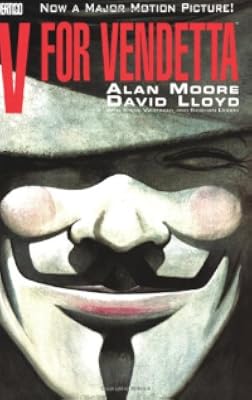
V for Vendetta
by Alan Moore (Author), David Lloyd (Illustrator)
V For Vendetta (Collections and Selections — 1-10)
On This Page
Description
A powerful story about loss of freedom and individuality, V For Vendetta takes place in a totalitarian England following a devastating war that changed the face of the planet. In a world without political freedom, personal freedom and precious little faith in anything, comes a mysterious man in a white porcelain mask who fights political oppressors through terrorism and seemingly absurd acts in this gripping tale of the blurred lines between ideological good and evil.Tags
Recommendations

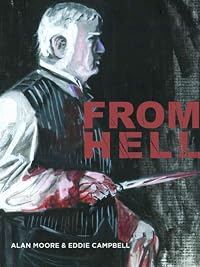
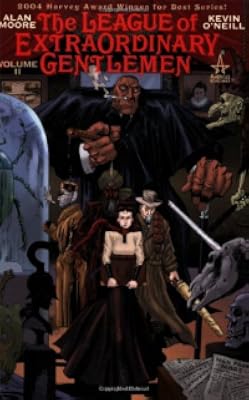
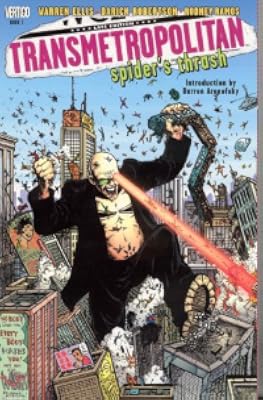
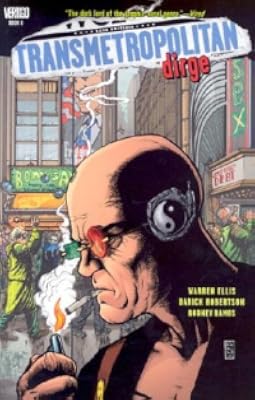

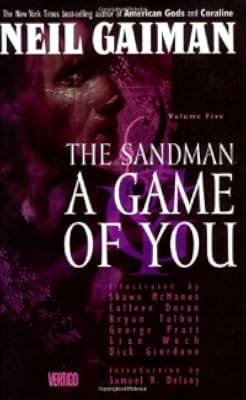
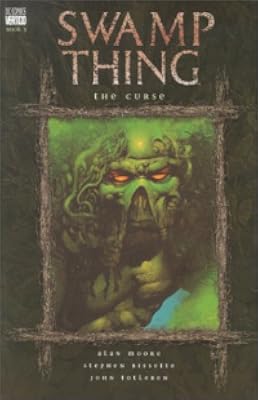
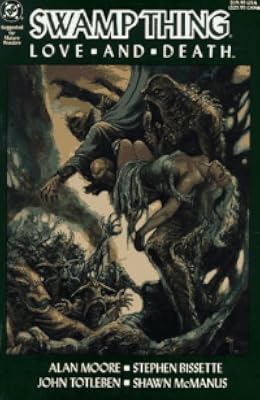
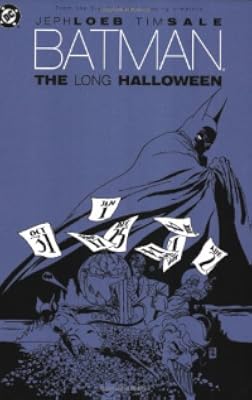
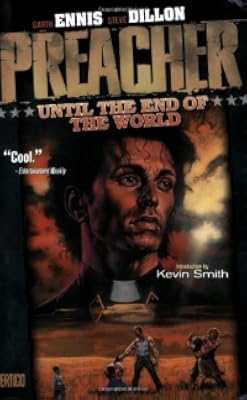
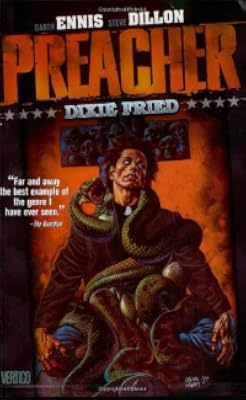
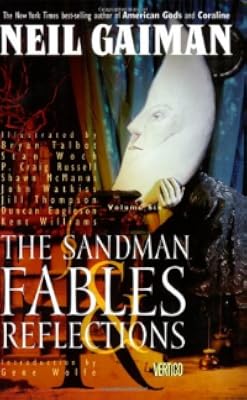
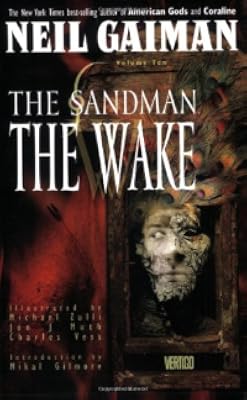
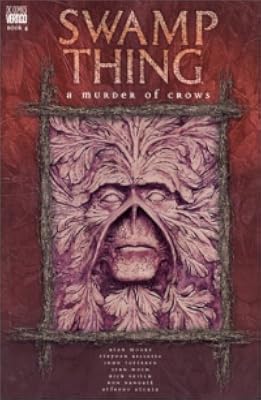
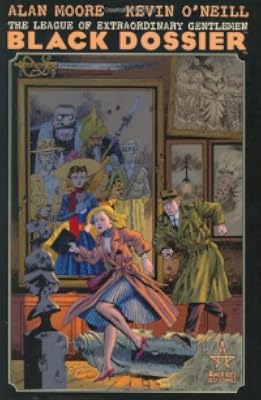
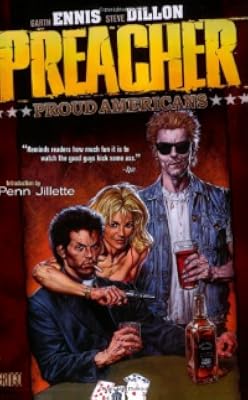
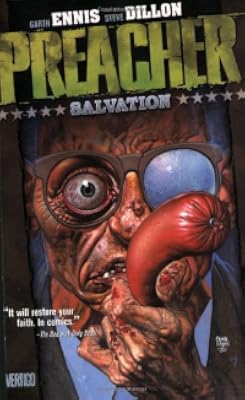
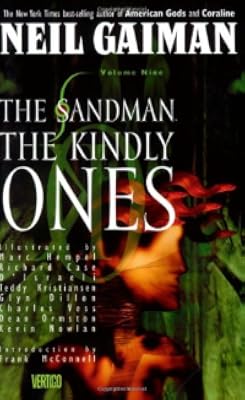
Member Recommendations
aethercowboy The world of V for Vendetta is very reminiscent of the world of 1984.
180
pbirch01 A better overview of the plot and why Guy Fawkes is still remembered over 400 years later.
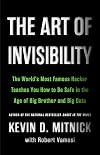
The Art of Invisibility: The World's Most Famous Hacker Teaches You How to Be Safe in the Age of Big Brother and Big Data by Kevin Mitnick
neverstopreading Intersection between fiction and reality.
02
Member Reviews
"V for Vendetta" is one of the few movies that, in these days of crowded shelves and almost infinite digital storage, I chose to own a physical copy of. It is beautifully shot, perfectly cast and boldly told. It is that rare thing, a movie that dares to be true to its intent, even at the risk of being unpopular. The result is a cult classic.
Take a look at the trailer below to get a feel for what I mean.
[youtube https://www.youtube.com/watch?v=VCzfxcVrxfE&w=560&h=315]
I first saw it in the cinema in 2006 and found it startling and inspiring. At the time I was more transfixed by how well a comic (graphic novel for all you who just groaned) could be brought to the screen rather than by the political message. I saw the anti-fascist stance as show more obvious and necessary but the idea of fascism gripping the UK so firmly seemed like an exaggeration to make a point.
This year, for Bonfire Night, I decided to do something new. I read the "novelisation" of the movie or, rather, I listened to the audiobook, expertly narrated by Simon Vance.
I've always avoided novelisations. The word itself is ugly and the literary snob in me, which is quite happy to watch movies adapted from books, was instinctively scornful of reading novels adapted from movies.
As usual, my literary snob was an idiot. If I had come to this novel without seeing the movie, I would have been praising the quality of the writing and the structure of the story. It's well-written, faithful to the movie but enhancing it in ways that are appropriate to the novel form. I recommend it to you.
Listening to the audiobook in 2018, twelve years after seeing the movie, Britain as a fascist state no longer felt like an exaggeration to make a point. It felt like a possibility that we are only a few missteps away from. The mechanics of the manipulation of the media, the creation of enemies of the people, the appeal to national pride in a mostly-mythical glorious past, the exploitation of the fear and hatred of the foreign and the different all felt too contemporary to be dismissed.
V, the hero of this story, is not a nice man. Not a man you'd want to make friends with or even spend time with. When I first saw the movie I was horrified by his treatment of Evie, who he shapes into a weapon of sorts.
Now, I begin to understand that there may be times when we all need someone like V to remind us that our governments should be more afraid of us than we are of them. show less
Take a look at the trailer below to get a feel for what I mean.
[youtube https://www.youtube.com/watch?v=VCzfxcVrxfE&w=560&h=315]
I first saw it in the cinema in 2006 and found it startling and inspiring. At the time I was more transfixed by how well a comic (graphic novel for all you who just groaned) could be brought to the screen rather than by the political message. I saw the anti-fascist stance as show more obvious and necessary but the idea of fascism gripping the UK so firmly seemed like an exaggeration to make a point.
This year, for Bonfire Night, I decided to do something new. I read the "novelisation" of the movie or, rather, I listened to the audiobook, expertly narrated by Simon Vance.
I've always avoided novelisations. The word itself is ugly and the literary snob in me, which is quite happy to watch movies adapted from books, was instinctively scornful of reading novels adapted from movies.
As usual, my literary snob was an idiot. If I had come to this novel without seeing the movie, I would have been praising the quality of the writing and the structure of the story. It's well-written, faithful to the movie but enhancing it in ways that are appropriate to the novel form. I recommend it to you.
Listening to the audiobook in 2018, twelve years after seeing the movie, Britain as a fascist state no longer felt like an exaggeration to make a point. It felt like a possibility that we are only a few missteps away from. The mechanics of the manipulation of the media, the creation of enemies of the people, the appeal to national pride in a mostly-mythical glorious past, the exploitation of the fear and hatred of the foreign and the different all felt too contemporary to be dismissed.
V, the hero of this story, is not a nice man. Not a man you'd want to make friends with or even spend time with. When I first saw the movie I was horrified by his treatment of Evie, who he shapes into a weapon of sorts.
Now, I begin to understand that there may be times when we all need someone like V to remind us that our governments should be more afraid of us than we are of them. show less
A lot of the background to this novel doesn't really make any sense. How did V get enough money for all the supplies he needed? How did he get access to vital locations if everything is being watched? For that matter, how did he kill so many people without any one even thinking they had a serial killer on their hands? How did he plant explosives in all the major buildings, especially after Parliament went kablooie? How is there a computer that knows everything, given the collapse of the high-tech sector? How did V gain access to it years ago?
Magic, I suppose, like the hormone magic required for him to become the super hero that he is.
Politically, I suppose that chaos is better than fascism, and the feudalism you see beginning to crop up show more at the end is also better. But then, so what? What does this book have to say to us? The answer could be: question authority. Alright, but the novel asks its questions with explosions and murder. V tortures an innocent girl, and we are supposed to believe he is liberating her instead of causing PTSD. The brave new world of individuals thinking for themselves, to be ushered in at the end, doesn't offer much in the way of hope or reason.
The book is full of the easy part of anarchy: Smash! The hard part - building a society of equals, with no government, one that is prosperous and safe - this is no where in evidence in the book. At most, it can be found in the occasional aphorism or song lyric, or delivered sermon-like by V. (It almost reminds me of Ayn Rand, ha).
As for the art, at times it's really good. But as has been frequently noted, the background characters are usually rather difficult to tell apart, and it sometimes is really hard to tell what's actually happening, to whom. The fact that often I didn't care enough to really work it out speaks to how unimportant these background characters actually are. And the novel's treatment of women, well, I won't say it's misogynistic. Mostly because I'm tired. And the novel's treatment of sex, which is rather shabby, probably dovetails with the treatment of women. A lot could be written about this, but not here by me:)
So, why 3 stars? I did find it compelling. For all its flaws, there is some wonderful material here. The art did draw me in rather frequently, and I read it all in one sitting, taking my time over 4 hours to really soak it in. It far from sucks, that I can say. But it is also a world away from being great, and is only just barely on the side of good. It does its job of creating dialogue. And it's heavily iconic, my copy came with a Guy Fawkes mask. show less
Magic, I suppose, like the hormone magic required for him to become the super hero that he is.
Politically, I suppose that chaos is better than fascism, and the feudalism you see beginning to crop up show more at the end is also better. But then, so what? What does this book have to say to us? The answer could be: question authority. Alright, but the novel asks its questions with explosions and murder. V tortures an innocent girl, and we are supposed to believe he is liberating her instead of causing PTSD. The brave new world of individuals thinking for themselves, to be ushered in at the end, doesn't offer much in the way of hope or reason.
The book is full of the easy part of anarchy: Smash! The hard part - building a society of equals, with no government, one that is prosperous and safe - this is no where in evidence in the book. At most, it can be found in the occasional aphorism or song lyric, or delivered sermon-like by V. (It almost reminds me of Ayn Rand, ha).
As for the art, at times it's really good. But as has been frequently noted, the background characters are usually rather difficult to tell apart, and it sometimes is really hard to tell what's actually happening, to whom. The fact that often I didn't care enough to really work it out speaks to how unimportant these background characters actually are. And the novel's treatment of women, well, I won't say it's misogynistic. Mostly because I'm tired. And the novel's treatment of sex, which is rather shabby, probably dovetails with the treatment of women. A lot could be written about this, but not here by me:)
So, why 3 stars? I did find it compelling. For all its flaws, there is some wonderful material here. The art did draw me in rather frequently, and I read it all in one sitting, taking my time over 4 hours to really soak it in. It far from sucks, that I can say. But it is also a world away from being great, and is only just barely on the side of good. It does its job of creating dialogue. And it's heavily iconic, my copy came with a Guy Fawkes mask. show less
A mysterious man in a Guy Fawkes mask spreads anarchy and vengeance throughout a dystopian London while the corrupt members of government try their best to catch him. Along the way he rescues a desperate young woman and indoctrinates her into his belief system. He's arguably riding the nut wagon, but is his worldview any crazier than the moral and political practices of those in charge?
In this seminal comic of the 1980's Moore's talent shines as he paints a dark and grim dystopia, makes us love to hate The Man while also being fascinated, horrified, and a little in love with the man in the mask as well. I adored it and can't believe it took me so long to read it. And I love a Guy Fawkes mask.
In this seminal comic of the 1980's Moore's talent shines as he paints a dark and grim dystopia, makes us love to hate The Man while also being fascinated, horrified, and a little in love with the man in the mask as well. I adored it and can't believe it took me so long to read it. And I love a Guy Fawkes mask.
V for Vendetta is Moore and Lloyd’s response to the upswing in conservatism in 1980s England, still in the Cold War. They took this idea to the conclusion that after a nuclear war (supposing that England survived, that is), England would turn fascist right quick. The hero (anti-hero?) V serves as a thorn in the side of the government, blowing up buildings and killing off high party officials. He takes in a girl named Evey (so glad they aged her up for the movie, because her story line is a bit less creepy if she’s a young woman rather than a teenager, but only a bit) whom he rescues from attackers on the street. V is no mere anarchist though: he has big plans for Evey and for England. Mr Finch of the Finger (law enforcement) works show more to discover V’s back story in order to find out who he really is.
Having seen the movie several times before I ever read the book, I can’t help but make a few comparisons. In the movie, V is far more dashing and sympathetic, like an anarchist Errol Flynn (thanks in part to Hugo Weaving’s amazing voice). In the book, he’s far more disturbing. This isn’t a criticism, by the way. I think Moore wanted V to be disturbing. That’s the point: V is not really a hero, but a villain in his own right, who is willing to do terrible things to fight for what he believes is right (don’t all villains?). The fact that he is fighting against something even more terrible than he is, is what casts him as the hero of the story, not his own actions. It’s this exploration of the moral grey area that makes this a great story and one that (mostly) holds up almost 30 years later. show less
Having seen the movie several times before I ever read the book, I can’t help but make a few comparisons. In the movie, V is far more dashing and sympathetic, like an anarchist Errol Flynn (thanks in part to Hugo Weaving’s amazing voice). In the book, he’s far more disturbing. This isn’t a criticism, by the way. I think Moore wanted V to be disturbing. That’s the point: V is not really a hero, but a villain in his own right, who is willing to do terrible things to fight for what he believes is right (don’t all villains?). The fact that he is fighting against something even more terrible than he is, is what casts him as the hero of the story, not his own actions. It’s this exploration of the moral grey area that makes this a great story and one that (mostly) holds up almost 30 years later. show less
English review at the bottom
Siempre que leo V for Vendetta entiendo porque Alan Moore no es fan de la película (la cual, por cierto, me gusta mucho). En mi opinión, tiene que ver con cambios en los personajes: V es un personaje seguro de sí mismo y de sus motivaciones, mientras que Evey es alguien joven que apenas comienza a explorar que es lo que quiere y desea para su vida.
V es casi un super humano; extremadamente rápido, tanto física como mentalmente, una habilidad de pelea impresionante y, principalmente, una capacidad de reflexión lo ha llevado a reconocer la importancia del libre albedrío encarnado en la Anarquía. Es importante entender que V es uno de los protagonistas que mejor ha reflejado al autor, Moore se ha show more pronunciado constantemente en contra del fascismo y del uso de los medios de comunicación para el engaño y distracción de las masas, así como a la enajenación de los pueblos en pos de construir una sociedad mejor y más justa; V materializa esas creencias. Es decir, en V tenemos a un personaje que nunca duda de lo que está haciendo, sus dudas no radican en sus ideales sino en los símbolos que le permitirán lograr sus ideales. Pero, aun con todo esto, V sigue siendo humano, puede ser lastimado, puede sentir y puede equivocarse. Es decir, es un humano extremadamente dotado, pero, en general, sin entrar en el terreno de lo irreal. Pero al mismo tiempo, V es todos, V puede ser cualquier…siempre que estes dispuesto a pelear por aquello en lo que cree y en no dejar corromper sus ideales, a la vez que decide tomar el riesgo, y dar hasta lo último por proteger su libertad.
Por otra parte, Evey es una adolescente que está buscando sobrevivir. Huérfana para el momento en que comienza esta historia, es una chica de 16 años que ve las dificultades de sobrevivir sola en el mundo (y no sólo en el mundo de la historia, sino en nuestro mundo, porque las cosas por las que ha pasado son, tristemente, historias que suceden diariamente), en cierto modo, Evey es el lector, porque es alguien que ve lo que está mal pero no lucha contra ello, más bien busca adaptarse para solo continuar, conformándose con la felicidad. Es el personaje que evoluciona, que nos muestra cómo cambia el pueblo londinense.
Eric Finch es tal vez uno de los personajes más peculiares del cómic, porque es alguien que no está comprometido con el fascismo, pero que tampoco muestra un deseo por cambiar el sistema. De hecho, es un personaje que se mete en su propia venganza durante el cómic y su final nos muestra como no siempre las personas cambian, no siempre están dispuestas a luchar, a veces solo están dudosa, a veces aún están valorando que hacer. Personalmente, no es un personaje que me fascine dado que siento que queda muy desdibujado al no mostrar una posición clara respecto al conflicto, pero si muestra lo que es no estar conforme sin esta enajenado.
Adam Susan es el antagonista principal y es opuesto a V. Susan acepta amar el fascismo y considerar los derechos humanos y las libertades individuales como lujos que un país no debe permitirse, siendo una persona cuyo único amor es el poder. He ahí el porqué, cuando las cosas se ponen difíciles, se siento traicionado y se predice su caída, siendo esta justa y dolorosa para los involucrados, Si bien no aparece tan constantemente, se entiende el odio que despierta, la envidia y como los miembros del partido encarnan lo que él es (porque, de hecho, conocemos a varios miembros que muestra codicia, envidia, orgullo y otros “valores”). Es despreciable y asqueroso en muchos sentidos.
Pero la mayor crítica aquí es al pueblo, se critica a aquellos a quienes han dejado ascender al fascismo, aquellos que han olvidado su responsabilidad civil. Aquellos que han dejado que todos los que son diferentes sean el enemigo y alguien para exterminar…aun cuando no te hayan dañado.
Para mí, esta historia es simplemente excepcional, llena de matices, desesperanza y realismos. El final abierto calza perfecto con lo que la historia nos ha mostrado, porque un mundo así no acaba en un día, una hora o con solo una acción, implica involucrarse y ser parte de forma continua.
¿El mayor problema? El dibujo de Lloyd no permite tener toda la claridad posible de la imagen, aunque bien podríamos considerarlo una decisión artística para mostrar lo deteriorado de este lugar.
____________________________________________
English review
Whenever I read V for Vendetta, I understand why Alan Moore is not a fan of the movie (which, by the way, I like a lot). In my opinion, it has to do with changes in the characters: V is a character who is confident and certain of his motivations, while Evey is a young person who is just beginning to explore what she wants and desires for her life.
V is almost superhuman; extremely quick, both physically and mentally, with impressive fighting skills and, most importantly, a capacity for reflection that has led him to recognize the importance of free will embodied in Anarchy. It is important to understand that V is one of the protagonists who best reflects the author. Moore has consistently spoken out against fascism and the use of media to deceive and distract the masses, as well as the alienation of peoples in pursuit of building a better and more just society; V materializes these beliefs. That is to say, in V we have a character who never doubts what he is doing. His doubts do not lie in his ideals but in the symbols that will allow him to achieve those ideals. But, even with all this, V is still human, he can be hurt, he can feel, and he can make mistakes. In other words, he is an extremely gifted human, but, generally, without crossing into the realm of the unreal. But at the same time, V is everyone; V can be anyone… as long as you are willing to fight for what you believe in and not let your ideals be corrupted, while deciding to take the risk and give everything to protect your freedom.
On the other hand, Evey is a teenager who is trying to survive. Orphaned by the time this story begins, she is a 16-year-old girl who faces the difficulties of surviving alone in the world (and not just in the story's world, but in our world, because the things she has gone through are, sadly, stories that happen daily). In a way, Evey is the reader because she is someone who sees what is wrong but doesn't fight against it; rather, she seeks to adapt just to continue, settling for happiness. She is the character who evolves, who preset us how the London populace changes.
Eric Finch is perhaps one of the most peculiar characters in the comic because he is someone who is not committed to fascism, but who also doesn’t show a desire to change the system. In fact, he is a character who gets caught up in his own revenge during the comic, and his ending shows us how people do not always change, they are not always willing to fight; sometimes they are just uncertain, sometimes they are still weighing what to do. Personally, he is not a character that fascinates me because I feel he remains very undefined by not showing a clear position regarding the conflict, but he does illustrate what it is to be dissatisfied without being alienated.
Adam Susan is the main antagonist and is the opposite of V. Susan embraces loving fascism and considers human rights and individual freedoms as luxuries that a country cannot afford, being a person whose only love is power. This is why, when things get tough, he feels betrayed, and his downfall is predicted, being just and painful for those involved. Although he does not appear constantly, the hatred he provokes is understood, as is the envy and how party members embody what he is (because, in fact, we meet several members who show greed, envy, pride, and other “values”). He is despicable and disgusting in many ways.
But the biggest criticism here is aimed at the people, criticizing those who have allowed fascism to rise, those who have forgotten their civic responsibility. Those who have let everyone who is different become the enemy, someone to exterminate… even when they haven't harmed you.
For me, this story is simply exceptional, full of nuances, despair, and realism. The open ending fits perfectly with what the story has shown us, because a world like this does not end in a day, an hour, or with just one action; it requires ongoing involvement and continuous participation.
The biggest problem? Lloyd's artwork does not allow for the utmost clarity of the image, although we could well consider it an artistic decision to show the deterioration of this place. show less
Siempre que leo V for Vendetta entiendo porque Alan Moore no es fan de la película (la cual, por cierto, me gusta mucho). En mi opinión, tiene que ver con cambios en los personajes: V es un personaje seguro de sí mismo y de sus motivaciones, mientras que Evey es alguien joven que apenas comienza a explorar que es lo que quiere y desea para su vida.
V es casi un super humano; extremadamente rápido, tanto física como mentalmente, una habilidad de pelea impresionante y, principalmente, una capacidad de reflexión lo ha llevado a reconocer la importancia del libre albedrío encarnado en la Anarquía. Es importante entender que V es uno de los protagonistas que mejor ha reflejado al autor, Moore se ha show more pronunciado constantemente en contra del fascismo y del uso de los medios de comunicación para el engaño y distracción de las masas, así como a la enajenación de los pueblos en pos de construir una sociedad mejor y más justa; V materializa esas creencias. Es decir, en V tenemos a un personaje que nunca duda de lo que está haciendo, sus dudas no radican en sus ideales sino en los símbolos que le permitirán lograr sus ideales. Pero, aun con todo esto, V sigue siendo humano, puede ser lastimado, puede sentir y puede equivocarse. Es decir, es un humano extremadamente dotado, pero, en general, sin entrar en el terreno de lo irreal. Pero al mismo tiempo, V es todos, V puede ser cualquier…siempre que estes dispuesto a pelear por aquello en lo que cree y en no dejar corromper sus ideales, a la vez que decide tomar el riesgo, y dar hasta lo último por proteger su libertad.
Por otra parte, Evey es una adolescente que está buscando sobrevivir. Huérfana para el momento en que comienza esta historia, es una chica de 16 años que ve las dificultades de sobrevivir sola en el mundo (y no sólo en el mundo de la historia, sino en nuestro mundo, porque las cosas por las que ha pasado son, tristemente, historias que suceden diariamente), en cierto modo, Evey es el lector, porque es alguien que ve lo que está mal pero no lucha contra ello, más bien busca adaptarse para solo continuar, conformándose con la felicidad. Es el personaje que evoluciona, que nos muestra cómo cambia el pueblo londinense.
Eric Finch es tal vez uno de los personajes más peculiares del cómic, porque es alguien que no está comprometido con el fascismo, pero que tampoco muestra un deseo por cambiar el sistema. De hecho, es un personaje que se mete en su propia venganza durante el cómic y su final nos muestra como no siempre las personas cambian, no siempre están dispuestas a luchar, a veces solo están dudosa, a veces aún están valorando que hacer. Personalmente, no es un personaje que me fascine dado que siento que queda muy desdibujado al no mostrar una posición clara respecto al conflicto, pero si muestra lo que es no estar conforme sin esta enajenado.
Adam Susan es el antagonista principal y es opuesto a V. Susan acepta amar el fascismo y considerar los derechos humanos y las libertades individuales como lujos que un país no debe permitirse, siendo una persona cuyo único amor es el poder. He ahí el porqué, cuando las cosas se ponen difíciles, se siento traicionado y se predice su caída, siendo esta justa y dolorosa para los involucrados, Si bien no aparece tan constantemente, se entiende el odio que despierta, la envidia y como los miembros del partido encarnan lo que él es (porque, de hecho, conocemos a varios miembros que muestra codicia, envidia, orgullo y otros “valores”). Es despreciable y asqueroso en muchos sentidos.
Pero la mayor crítica aquí es al pueblo, se critica a aquellos a quienes han dejado ascender al fascismo, aquellos que han olvidado su responsabilidad civil. Aquellos que han dejado que todos los que son diferentes sean el enemigo y alguien para exterminar…aun cuando no te hayan dañado.
Para mí, esta historia es simplemente excepcional, llena de matices, desesperanza y realismos. El final abierto calza perfecto con lo que la historia nos ha mostrado, porque un mundo así no acaba en un día, una hora o con solo una acción, implica involucrarse y ser parte de forma continua.
¿El mayor problema? El dibujo de Lloyd no permite tener toda la claridad posible de la imagen, aunque bien podríamos considerarlo una decisión artística para mostrar lo deteriorado de este lugar.
____________________________________________
English review
Whenever I read V for Vendetta, I understand why Alan Moore is not a fan of the movie (which, by the way, I like a lot). In my opinion, it has to do with changes in the characters: V is a character who is confident and certain of his motivations, while Evey is a young person who is just beginning to explore what she wants and desires for her life.
V is almost superhuman; extremely quick, both physically and mentally, with impressive fighting skills and, most importantly, a capacity for reflection that has led him to recognize the importance of free will embodied in Anarchy. It is important to understand that V is one of the protagonists who best reflects the author. Moore has consistently spoken out against fascism and the use of media to deceive and distract the masses, as well as the alienation of peoples in pursuit of building a better and more just society; V materializes these beliefs. That is to say, in V we have a character who never doubts what he is doing. His doubts do not lie in his ideals but in the symbols that will allow him to achieve those ideals. But, even with all this, V is still human, he can be hurt, he can feel, and he can make mistakes. In other words, he is an extremely gifted human, but, generally, without crossing into the realm of the unreal. But at the same time, V is everyone; V can be anyone… as long as you are willing to fight for what you believe in and not let your ideals be corrupted, while deciding to take the risk and give everything to protect your freedom.
On the other hand, Evey is a teenager who is trying to survive. Orphaned by the time this story begins, she is a 16-year-old girl who faces the difficulties of surviving alone in the world (and not just in the story's world, but in our world, because the things she has gone through are, sadly, stories that happen daily). In a way, Evey is the reader because she is someone who sees what is wrong but doesn't fight against it; rather, she seeks to adapt just to continue, settling for happiness. She is the character who evolves, who preset us how the London populace changes.
Eric Finch is perhaps one of the most peculiar characters in the comic because he is someone who is not committed to fascism, but who also doesn’t show a desire to change the system. In fact, he is a character who gets caught up in his own revenge during the comic, and his ending shows us how people do not always change, they are not always willing to fight; sometimes they are just uncertain, sometimes they are still weighing what to do. Personally, he is not a character that fascinates me because I feel he remains very undefined by not showing a clear position regarding the conflict, but he does illustrate what it is to be dissatisfied without being alienated.
Adam Susan is the main antagonist and is the opposite of V. Susan embraces loving fascism and considers human rights and individual freedoms as luxuries that a country cannot afford, being a person whose only love is power. This is why, when things get tough, he feels betrayed, and his downfall is predicted, being just and painful for those involved. Although he does not appear constantly, the hatred he provokes is understood, as is the envy and how party members embody what he is (because, in fact, we meet several members who show greed, envy, pride, and other “values”). He is despicable and disgusting in many ways.
But the biggest criticism here is aimed at the people, criticizing those who have allowed fascism to rise, those who have forgotten their civic responsibility. Those who have let everyone who is different become the enemy, someone to exterminate… even when they haven't harmed you.
For me, this story is simply exceptional, full of nuances, despair, and realism. The open ending fits perfectly with what the story has shown us, because a world like this does not end in a day, an hour, or with just one action; it requires ongoing involvement and continuous participation.
The biggest problem? Lloyd's artwork does not allow for the utmost clarity of the image, although we could well consider it an artistic decision to show the deterioration of this place. show less
A reread, although I’d forgotten most of it. This book always leaves me disturbed and sad and angry. Lots of shades of grey – the fascist government is evil, but it did restore order from chaos. V is fighting evil people who kill and torture, but he does it by blowing things up and torturing people himself. His treatment of Evey – capturing her, but persuading her he is the government, and keeping her in isolation, shaving her head and violating her, so that she can learn the message that she is free of them, whatever they do to her, even if they kill her, they can’t break her – is too horrific to even get a handle on whether it was good or bad. Also, there’s a lot of the sort of genius you can only have in fiction – V’s show more perfect timing and ability to manipulate people, Finch’s stoned guess on LSD of _exactly_ where V’s lair is – which feels a bit overdone in places. I’m not an anarchist, and this alluring novel of anarchy as a solution leaves me deeply uncomfortable. But it is alluring – clever, complex, deep, intriguing, it makes me cry in places, and strikes a blow against evil. show less
I've been on a spree of fantastic graphic novels for the past few months. I guess it had to end sometime.
I loved Watchmen. While I took issue with Moore's treatment of women in that work, I also found it to be gripping, subversive, and smart storytelling. I was willing to overlook that lapse in narrative judgement and delve into more of Moore's work. I was intrigued by his crazy beard and anarchist attitude.
Well, call my curiosity satisfied. I could not ignore the misogyny in V for Vendetta. The novel has a philosophical and political tone, with lots of obscure puns and Yeats quotes, but under that guise is a deep distrust and dislike for women. The novel's treatment of Evey Hammond, the protagonist, for example, is abhorrent. V, the show more terrorist hero, kidnaps, sexually assaults, and tortures Evey in order to groom her as his protege. And he does it for "love." She passively remains in captivity, and then becomes thankful for her torture-induced "awakening" into "freedom." There's also a weird scene where V slut shames a statue.
Ugh. show less
I loved Watchmen. While I took issue with Moore's treatment of women in that work, I also found it to be gripping, subversive, and smart storytelling. I was willing to overlook that lapse in narrative judgement and delve into more of Moore's work. I was intrigued by his crazy beard and anarchist attitude.
Well, call my curiosity satisfied. I could not ignore the misogyny in V for Vendetta. The novel has a philosophical and political tone, with lots of obscure puns and Yeats quotes, but under that guise is a deep distrust and dislike for women. The novel's treatment of Evey Hammond, the protagonist, for example, is abhorrent. V, the show more terrorist hero, kidnaps, sexually assaults, and tortures Evey in order to groom her as his protege. And he does it for "love." She passively remains in captivity, and then becomes thankful for her torture-induced "awakening" into "freedom." There's also a weird scene where V slut shames a statue.
Ugh. show less
Members
- Recently Added By
Lists

Recommended Comics / Graphic Novels
595 works; 122 members

Best Science Fiction Comics and Graphic Novels
144 works; 11 members

Best Stand-Alone Graphic Novels
107 works; 19 members

20th Century Literature
1,161 works; 55 members

TBR - Older Books
92 works; 1 member

BitLife
212 works; 4 members

al.vick-wishlist-historical fiction
128 works; 1 member

Want to Read — open list
55 works; 2 members
Novels/Poems/Short Stories/Anything Storytelling Related
112 works; 2 members

School library books removed after TX state legislator inquiry
429 works; 6 members

Books Read in 2021
5,361 works; 114 members

Books Read in 2006
421 works; 8 members

Banned or Challenged Books
400 works; 41 members

Books Read in 2020
4,379 works; 124 members
BBC's 100 Novels That Shaped Our World
100 works; 22 members

Revolutions
72 works; 5 members

United Kingdom and Ireland
37 works; 1 member

Recommend the 20 best books you've read in the last five years
2,168 works; 606 members
Best Dystopias
280 works; 277 members

Historical Fiction Books
99 works; 5 members

Best Antiheroes and Antiheroines
119 works; 7 members

Speculative Fiction to Read
706 works; 32 members

KayStJ's to-read list
1,616 works; 11 members
Favourite Books
1,819 works; 316 members

Dystopian and Apocalyptic Literature
350 works; 74 members

Read the book and saw the movie
1,170 works; 193 members

Books Read in 2014
2,343 works; 89 members
1001 Books You Must Read Before You Die
1,448 works; 1,134 members

Watched the Movie, Probably Won't Read the Book
185 works; 34 members

Libertarian Books
102 works; 19 members

Widely acclaimed, one book per year
105 works; 3 members
Author Information

Multiple award-winning author Alan Moore is universally considered the best writer of graphic novels in the medium's history. Among his many awards are the Hugo Award, the Bram Stoker Award, the Eisner Award, and the International Horror Guild Award

All Editions
Awards and Honors
Series

Belongs to Publisher Series
DC Compact Comics (Chapters from Warrior #1-16 and #18-26 V For Vendetta #7-10)
Work Relationships
Contains
Has the adaptation
Common Knowledge
- Canonical title
- V for Vendetta
- Original title
- V for Vendetta
- Original publication date
- 1982 - 1989 (original issues) (original issues)
- People/Characters
- V; Evey Hammond; Eric Finch; Gordon Deitrich; Lewis Prothero; Adam J. Susan (show all 7); Delia Surridge
- Important places
- London, England, UK; Dystopia
- Important events
- Guy Fawkes Night
- Related movies
- V for Vendetta (2005 | IMDb)
- First words
- A few nights ago, I walked into a pub on my way home and ordered a Guinness.
Foreword.
Good evening, London. It's nine o' clock and this is the Voice of Fate broadcasting on 275 and 285 in the medium wave... It is the Fifth of the Eleventh, Nineteen-Ninety-Seven... - Quotations
- Good night England. Goodnight Home Service and V for Victory. Hello the Voice of Fate and V FOR VENDETTA. --introduction
And it's no good blaming the drop in work standards upon bad management, either...though, to be sure, the management is very bad. We've had a string of embezzlers, frauds, liars and lunatics making a string of catastrophic de... (show all)cisions. This is plain fact. But who elected them? It was you! You who appointed these people! You who gave them the power to make your decisions for you! While I'll admit that anyone can make a mistake once, to go on making the same lethal errors century after century seems to me nothing short of deliberate. You have encouraged these malicious incompetents, who have made your working life a shambles. You have accepted without question their senseless orders. You have allowed them to fill your workspace with dangerous and unproven machines. You could have stopped them. All you had to say was 'no.' You have no spine. You have no pride. You are no longer an asset to the company
It does not do to rely too much on silent majorities, Evey, for silence is a fragile thing... One loud noise, and it's gone.
Since mankind's dawn, a handful of oppressors have accepted the responsibility over our lives that we should have accepted for ourselves. By doing so, they took our power. By doing nothing, we gave it away. We've seen where t... (show all)heir way leads, through camps and wars, towards the slaughterhouse. - Last words
- (Click to show. Warning: May contain spoilers.)Issa way yet, 'til morning.
- Publisher's editor
- Nybakken, Scott; Berger, Karen
- Original language
- English
- Canonical DDC/MDS
- 741.5941
- Canonical LCC
- PN6737.M66
- Disambiguation notice
- Please do NOT combine the novelization of the movie V for Vendetta with this, the graphic novel V for Vendetta, written by Alan Moore, illustrated by David Lloyd.
Classifications
- Genres
- Graphic Novels & Comics, Fiction and Literature
- DDC/MDS
- 741.5941 — Arts & recreation Drawing & decorative arts Drawing Comic books, graphic novels, fotonovelas, cartoons, caricatures, comic strips History, geographic treatment, biography European British Isles
- LCC
- PN6737 .M66 — Language and Literature Literature (General) Literature (General) Collections of general literature Comic books, strips, etc.
- BISAC
Statistics
- Members
- 11,926
- Popularity
- 739
- Reviews
- 217
- Rating
- (4.16)
- Languages
- 21 — Catalan, Chinese, Czech, Danish, Dutch, English, Finnish, French, German, Greek, Hungarian, Indonesian, Italian, Norwegian (Nynorsk), Norwegian (Bokmål), Norwegian, Polish, Spanish, Swedish, Turkish, Portuguese (Portugal)
- Media
- Paper, Audiobook, Ebook
- ISBNs
- 89
- UPCs
- 2
- ASINs
- 19