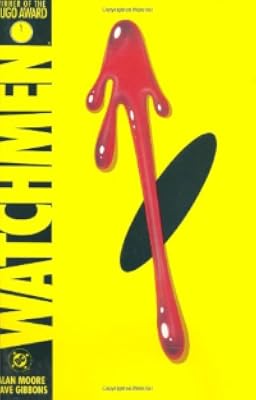
Watchmen
by Alan Moore (Author), Dave Gibbons (Illustrator)
Watchmen (Collections and Selections — 1-12)
On This Page
Description
This Hugo Award-winning graphic novel chronicles the fall from grace of a group of super-heroes plagued by all-too-human failings. Along the way, the concept of the super-hero is dissected as the heroes are stalked by an unknown assassin. One of the most influential graphic novels of all time and a perennial bestseller, WATCHMEN has been studied on college campuses across the nation and is considered a gateway title, leading readers to other graphic novels such as V FOR VENDETTA, BATMAN: THE show more DARK KNIGHT RETURNS and THE SANDMAN series. show lessTags
Recommendations

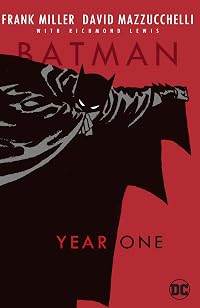
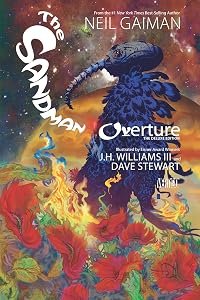
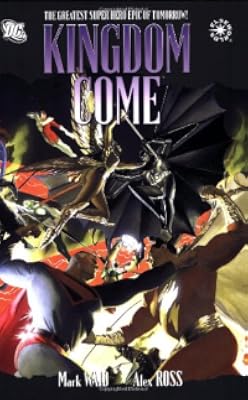
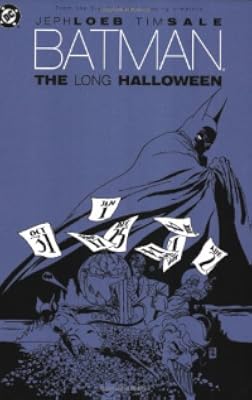
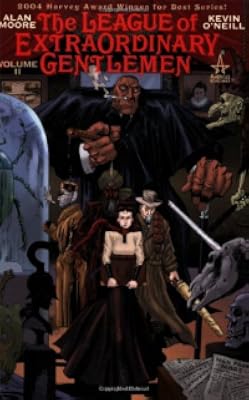
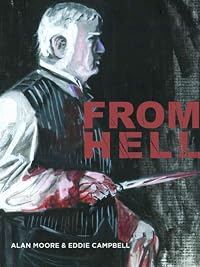
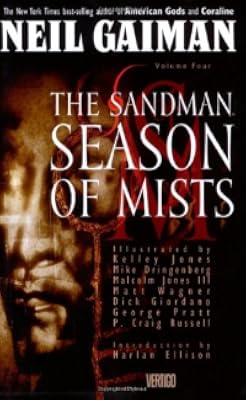
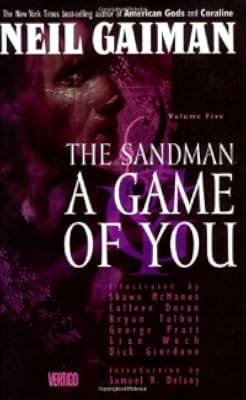
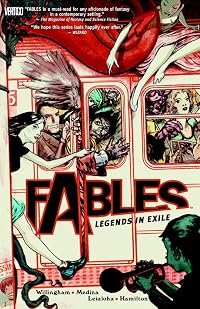
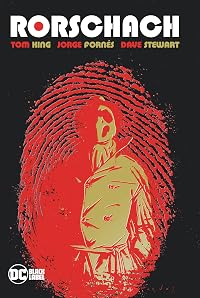
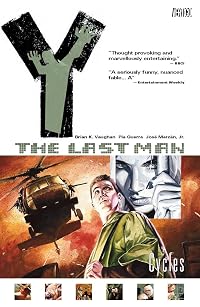
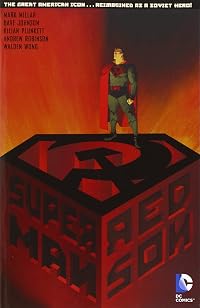
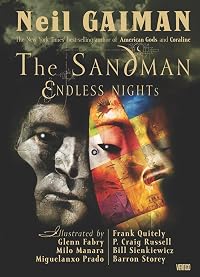

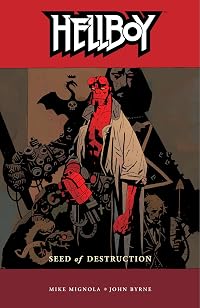
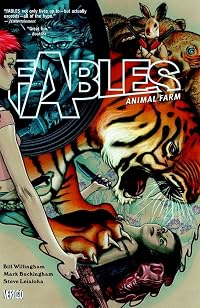
Member Recommendations
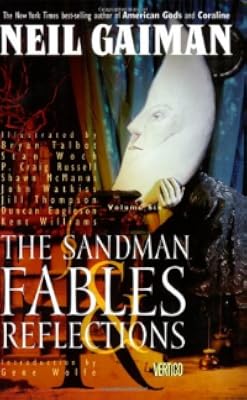
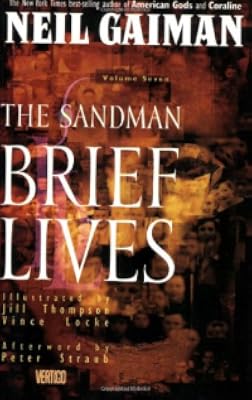
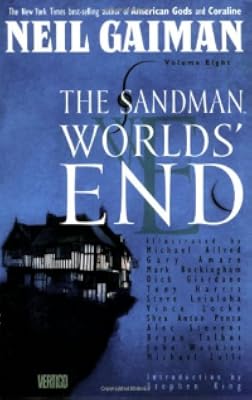
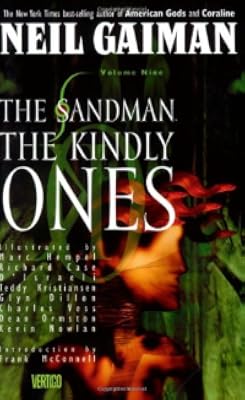
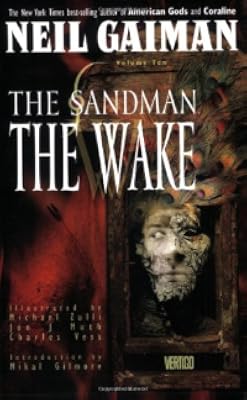
JapaG After the Watchmen, Sandman is probably the graphic novel that has most influenced the adult comic scene today. It has similarly deep storyline about humanity from the perspective of one outside of it. Also the magnificent art contributes to the great collection.
90
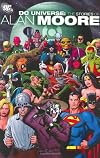
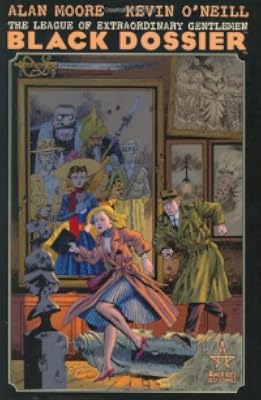
artturnerjr Includes two earlier Moore/Gibbons collaborations.
70
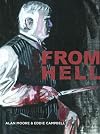
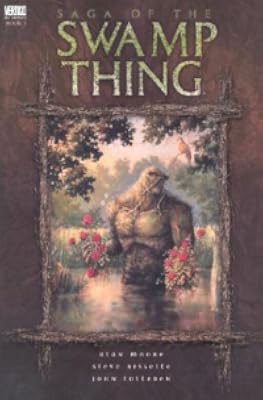
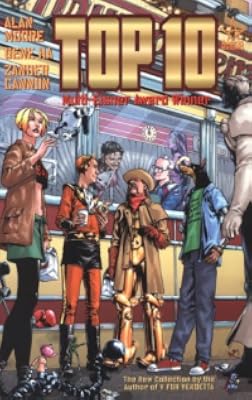
TomWaitsTables Like Watchmen, this is a superhero story. But it is the complete polar opposite of Watchmen; this is Alan Moore's love letter to the silver age superhero.
40

artturnerjr Both deconstructionist superhero tales by Alan Moore. WATCHMEN is the more formally masterful work; MIRACLEMAN, the more emotionally devastating one.
30
sweetiegherkin I enjoyed the back stories in both, seeing how regular people end up as costumed vigilantes.
30
MyriadBooks Which is another superhero deconstruction along these same lines.
10


TomWaitsTables Watchmensch is a parody of Alan Moore's seminal work, Watchmen. It takes place in New York, starring Nite Nurse, Spottyman, Silk, 1700 Broadway Manhattan and Ozzyosbourne in a race to discover who is killing them, a cloned creature about to be dropped onto NYC and a conspiracy in the comic book industry--the movies it spawns and the creator it tramples over on its way to the bank.
34
asha.leu Both are dark, gritty deconstructions of superhero tales, presenting alternate histories of a 20th Century where superheros are commonplace and influence major historical events of the period, and function as allegories to prominent issues and wars from the 1940s to the 1980s, including WW2 and the Vietnam and Cold Wars, McCarthyism and the Civil Rights movement.
01

artturnerjr Comics creator Steve Ditko was a central influence on Watchmen. This volume, created in collaboration with scripter Stan Lee, contains some of his finest work.
05

bachelors_hall The main premise of 'Wild Card' (1974) is (re)used by Alan Moore in 'Watchmen' (1986).
Member Reviews
This book keeps getting better like a fine wine. This is probably the sixth time I've re-read it and damn... it's just soo badass. I love everything about it, the dialogue, the characters, the plot, the stories within a story. It is and always will be my favorite graphic novel. The characters are all so complex and wonderful, even though they're flawed as shit, you have to root for them. Watchmen is an anti-superhero novel about men in masks and what it takes to save a world that may not always be worth saving. It's dark, complex, and gritty. I was even blown away by the movie adaptation; even though they changed the ending, the casting is perfect and some of the scenes are frame by frame from the graphic novel. I can't recommend this show more book enough. Just read it already! show less
For good reason one of the most celebrated titles in the genre of superhero fiction and in the graphic novel medium. One of the best novels, graphic or otherwise, that I've read. Moore is a master of nuance and allusion, and GIbbons' great art only accentuates that. The two put forth a comment on the cultural fascination with the superhero and a critique of Cold War America that is still sorrowfully relevant today. An impeccable narrative in respects both written and visual that is a testament to the power of the comic book/graphic novel form.
Watchmen was written at the tail end of the Cold War, and it constructs an alternate reality filled with war but also superheroes. Somehow, though, that's not enough - humankind is bent on destroying itself. Or die trying. But it's too hard to wrangle justice in a selfish, anomic world, and most superheroes are now retired - burned out
Moore definitely plays with the conventions of the traditional superhero comic book - interesting gadgets, women's costumes with short short skirts, long villainous speeches. But Watchmen absolutely transcends the genre, making it not just an amazing graphic novel but an amazing piece of literature, period. Complex characters, complex and layered plot. It makes for an interesting look at and from the Cold show more War, but on a larger scale it questions just where justice, or even "good," exists in the world. If they exist.
Watchmen is an amazing novel, the sort that makes you jealous that you couldn't have made it. It's unique and thrilling and every other positive adjective you want to throw at it; I loved it show less
Moore definitely plays with the conventions of the traditional superhero comic book - interesting gadgets, women's costumes with short short skirts, long villainous speeches. But Watchmen absolutely transcends the genre, making it not just an amazing graphic novel but an amazing piece of literature, period. Complex characters, complex and layered plot. It makes for an interesting look at and from the Cold show more War, but on a larger scale it questions just where justice, or even "good," exists in the world. If they exist.
Watchmen is an amazing novel, the sort that makes you jealous that you couldn't have made it. It's unique and thrilling and every other positive adjective you want to throw at it; I loved it show less
This review appeared on my now archived blog in January 2009.
I was never into comic books as a kid. They were just...lame. It wasn't just the fact that the characters were these two-dimensional cheezy dorks in fluorescent costumes. Stories dragged on pointlessly. Oh wait, there was a point: to keep people buying them to find out if Ultra-Fantastic Man was going to be victorious in his fight against Mr. Really Mean Dude. But since the Ultra-Fantastic Man comic book wasn't canceled, he obviously won while Mr. Really Mean Dude got away or was temporarily incarcerated. Either way, he'd be back. Lame. Even the comic books themselves were tissue thin paper colored with half-assed ink.
In college, I had a roommate who was an avid collector. show more This guy defied the stereotype. There was no mistaking him for a dweeb. He was a 6' 2" jock. He played high school basketball and, although he didn't make the college team, still played it for fun. He was an all around fan of sports in general, easily segueing from basketball to football without missing a beat.
He took it upon himself to inform me that the comic books had evolved. "Graphic novels" had emerged and elevated the pathetic industry into something resembling traditional fiction. They even used real paper!
For instance, Batman was revitalized by Frank Miller in The Dark Knight Returns. Miller would later go on to create 300 and Sin City, which were both later made into successful films.
But the one that stood out from the rest of the graphic novels was Watchmen, written by Alan Moore (Moore would later go on to write The League of Extraordinary Gentlemen and V For Vendetta and were subsequently turned into films). In it, Moore imagines an alternate reality where superheroes really existed and explores what impact they would have on society.
The story is set in the mid 80s. Nixon is still president thanks to the help of these superheroes (the outcome of the Vietnam War was decidedly different) and the repealing of the 22nd amendment. Watergate? Buried, along with those nosy journalists. Cold War tensions are high and threatening to turn hot as the Soviets are tired of getting boxed in by Pax Americana.
The relationship between the public and the superheroes isn't so great. After initial gratitude for fighting crime, things turn sour. The cry of "Who Watches The Watchmen" goes out and is scrawled in graffiti everywhere. The police grow to resent the superheroes, seeing them as nothing more than costumed vigilantes reveling in the glory. They go on strike and hold protest rallies. Ultimately, Congress passes a law banning superheroes, unless they work directly for the government. Those that don't retire or go into hiding.
Meanwhile, someone is eliminating superheroes. The first one to go turns out to be one of the government sanctioned guys. And since he's working for Nixon, you know his hat can't be white. His death drags the others out of retirement (and hiding) to figure out what's going on.
Unlike your typical comic book superhero, the superheroes in Watchmen don't have super powers, except for one guy. They're all just normal people with good fighting skills and gadgets, a bit like Batman. The one that does have super powers, Dr. Manhattan, can re-shape matter with just a thought. He gets lost in a conundrum over time, experiencing it all at once. One moment he's reliving the accident that made him what he is, the next he's on Mars building sand castles contemplating his post-human state.
Other characters wrestle with the way their lives turned out or what the whole point was. Truth, justice, and the American way? Some wonder if that's a multiple choice question. They certainly don't agree with one another. Was it really about doing good? Was it just a costume fetish?
And underneath it all is the comic book within the comic book. A teen reads about "Tales of the Black Freighter," a pirate ship comic. Moore and Gibbons, the illustrator, deftly weave the events of "Watchmen" with "The Black Freighter" together with the narration from one paralleling the other. And there are the clever little segments at the end of each chapter: excerpts from an autobiography written by a retired superhero, a treatise on the study of owls, interview excerpts with retired superheroes, and articles on missing persons that figure in the story.
You wouldn't get this sort of literary skill with old style comic books. They were all "bam", "kapow", and "you haven't seen the last of me" crap. Watchmen helped change all that. While it didn't turn me into a collector, it did teach me to appreciate the medium and look at it with an open mind. I've picked up a couple stories, and even got into the Sandman series. None of that would've been possible without Watchmen and the other graphic novels of the mid-80s.
I haven't spoken to that old roommate of mine since graduation. However, I'm sure that he'd be pleased to see that graphic novels have received their due and then some. show less
I was never into comic books as a kid. They were just...lame. It wasn't just the fact that the characters were these two-dimensional cheezy dorks in fluorescent costumes. Stories dragged on pointlessly. Oh wait, there was a point: to keep people buying them to find out if Ultra-Fantastic Man was going to be victorious in his fight against Mr. Really Mean Dude. But since the Ultra-Fantastic Man comic book wasn't canceled, he obviously won while Mr. Really Mean Dude got away or was temporarily incarcerated. Either way, he'd be back. Lame. Even the comic books themselves were tissue thin paper colored with half-assed ink.
In college, I had a roommate who was an avid collector. show more This guy defied the stereotype. There was no mistaking him for a dweeb. He was a 6' 2" jock. He played high school basketball and, although he didn't make the college team, still played it for fun. He was an all around fan of sports in general, easily segueing from basketball to football without missing a beat.
He took it upon himself to inform me that the comic books had evolved. "Graphic novels" had emerged and elevated the pathetic industry into something resembling traditional fiction. They even used real paper!
For instance, Batman was revitalized by Frank Miller in The Dark Knight Returns. Miller would later go on to create 300 and Sin City, which were both later made into successful films.
But the one that stood out from the rest of the graphic novels was Watchmen, written by Alan Moore (Moore would later go on to write The League of Extraordinary Gentlemen and V For Vendetta and were subsequently turned into films). In it, Moore imagines an alternate reality where superheroes really existed and explores what impact they would have on society.
The story is set in the mid 80s. Nixon is still president thanks to the help of these superheroes (the outcome of the Vietnam War was decidedly different) and the repealing of the 22nd amendment. Watergate? Buried, along with those nosy journalists. Cold War tensions are high and threatening to turn hot as the Soviets are tired of getting boxed in by Pax Americana.
The relationship between the public and the superheroes isn't so great. After initial gratitude for fighting crime, things turn sour. The cry of "Who Watches The Watchmen" goes out and is scrawled in graffiti everywhere. The police grow to resent the superheroes, seeing them as nothing more than costumed vigilantes reveling in the glory. They go on strike and hold protest rallies. Ultimately, Congress passes a law banning superheroes, unless they work directly for the government. Those that don't retire or go into hiding.
Meanwhile, someone is eliminating superheroes. The first one to go turns out to be one of the government sanctioned guys. And since he's working for Nixon, you know his hat can't be white. His death drags the others out of retirement (and hiding) to figure out what's going on.
Unlike your typical comic book superhero, the superheroes in Watchmen don't have super powers, except for one guy. They're all just normal people with good fighting skills and gadgets, a bit like Batman. The one that does have super powers, Dr. Manhattan, can re-shape matter with just a thought. He gets lost in a conundrum over time, experiencing it all at once. One moment he's reliving the accident that made him what he is, the next he's on Mars building sand castles contemplating his post-human state.
Other characters wrestle with the way their lives turned out or what the whole point was. Truth, justice, and the American way? Some wonder if that's a multiple choice question. They certainly don't agree with one another. Was it really about doing good? Was it just a costume fetish?
And underneath it all is the comic book within the comic book. A teen reads about "Tales of the Black Freighter," a pirate ship comic. Moore and Gibbons, the illustrator, deftly weave the events of "Watchmen" with "The Black Freighter" together with the narration from one paralleling the other. And there are the clever little segments at the end of each chapter: excerpts from an autobiography written by a retired superhero, a treatise on the study of owls, interview excerpts with retired superheroes, and articles on missing persons that figure in the story.
You wouldn't get this sort of literary skill with old style comic books. They were all "bam", "kapow", and "you haven't seen the last of me" crap. Watchmen helped change all that. While it didn't turn me into a collector, it did teach me to appreciate the medium and look at it with an open mind. I've picked up a couple stories, and even got into the Sandman series. None of that would've been possible without Watchmen and the other graphic novels of the mid-80s.
I haven't spoken to that old roommate of mine since graduation. However, I'm sure that he'd be pleased to see that graphic novels have received their due and then some. show less
I’ve never read a graphic novel before but this, considered groundbreaking, seemed like a good place to start. With rounded characters, complex plotting and a fractured narrative style, it’s said to be one of the first graphic novels to show that the genre could be taken seriously.
Graphic novel buffs can probably list a dozen titles that did all those things before Moore and Gibbons but that’s beside the point. Its reputation was what made me pick it up and I’m glad I did.
Watchmen is set when it was written, in the mid-1980s, but it’s a different 1980s than the one we know. In this America there have been super heroes, or “costumed adventurers”, since the 1930s. They were outlawed, by those who considered them “masked show more vigilantes”, in the late 1970s but not before the emergence of a genuine super hero, Dr Manhattan.
The result of an accident in a radiation chamber, Dr Manhattan’s existence profoundly altered the course of the Cold War, helping America to win in Vietnam and giving Richard Nixon the chance to alter the constitution and remain in office.
The story begins with the murder of The Comedian, a retired super hero who by all accounts was not a very pleasant man. His murder troubles Rorschach, one of the few super heroes who defied the ban and continued to practice his own merciless brand of justice. Rorschach begins visiting his old associates in an attempt to find out the truth.
What follows is a complex examination of power. Nobody should have unchecked power, the book demonstrates, least of all so-called super heroes. Some of the super heroes in this book border on fascist, some are megalomaniacs and others are simply troubled. Dressing up in costume and taking to the streets to fight crime, Moore seems to argue, just is not the sort of thing normal people do.
Full review: http://www.26books.com/?p=289 show less
Graphic novel buffs can probably list a dozen titles that did all those things before Moore and Gibbons but that’s beside the point. Its reputation was what made me pick it up and I’m glad I did.
Watchmen is set when it was written, in the mid-1980s, but it’s a different 1980s than the one we know. In this America there have been super heroes, or “costumed adventurers”, since the 1930s. They were outlawed, by those who considered them “masked show more vigilantes”, in the late 1970s but not before the emergence of a genuine super hero, Dr Manhattan.
The result of an accident in a radiation chamber, Dr Manhattan’s existence profoundly altered the course of the Cold War, helping America to win in Vietnam and giving Richard Nixon the chance to alter the constitution and remain in office.
The story begins with the murder of The Comedian, a retired super hero who by all accounts was not a very pleasant man. His murder troubles Rorschach, one of the few super heroes who defied the ban and continued to practice his own merciless brand of justice. Rorschach begins visiting his old associates in an attempt to find out the truth.
What follows is a complex examination of power. Nobody should have unchecked power, the book demonstrates, least of all so-called super heroes. Some of the super heroes in this book border on fascist, some are megalomaniacs and others are simply troubled. Dressing up in costume and taking to the streets to fight crime, Moore seems to argue, just is not the sort of thing normal people do.
Full review: http://www.26books.com/?p=289 show less
Having just finished rewatching the Director’s Cut of the film adaptation of Watchmen, I felt like it was high time that I re-read the graphic novel just to see if the complaints about the film the first time around had merit. Obviously they changed the climax in a pretty major way, but I honestly don’t have any issues with it and feel like the film actually has a stronger reasoning behind the swap in the larger scope of the story. But that’s besides the point, since the graphic novel is an amazing piece of work on its own and definitely deserves to go down in literary history as one of the pieces that changed the genre. The story may be set very specifically in the 1980s, but we’re once again on the brink of war and the major show more themes about humanity have not changed one bit. Rampant paranoia, pressure on the individual to try to change the world, and a growing unease over the way society has evolved are once again at the forefront, and Moore brings these to the forefront of our consciousness through the medium of almost-superheroes. The Watchmen do what they can to help the world (or at least solve the crimes in their area of expertise), but their actions are marred by the inevitable flaws of human nature. The Comedian and Rorschach are undoubtedly the most prime examples of just how bad doing the “right thing” can go, and it is easy for readers to almost hate them, but their flaws make us recognize and come to terms with our own choices - could we see what they have seen and not come out the other end changed? The deaths of both characters bookend the story neatly, and we as readers experience a sort of dichotomous epiphany as we develop of sympathy alongside our disgust for both men. I don’t think that I had the same reaction to this graphic novel the first time I read it, simply because I was at a very different place in my life, so I’m curious to see how it will evolve further as I re-read it in approximately 10 years. show less
I finished this in one day. My partner had taken it out of the library because she wanted to read it, and having seen it on some other people's Goodreads lists, started reading it. Well, it demanded being read, not being put down, and ignoring everything else until it was done - it didn't friggin' care if I wanted to eat dinner or go to sleep at a proper time, and hey, those olympics will come up again in 4 years, quitcher whinin. Although today's shows and stories have heroes and villains that overlap good/evil qualities, this novel introduced the idea with a solid thwack to the head and lots of moral questions to ponder. Excellent.
Members
- Recently Added By
Lists

Recommended Comics / Graphic Novels
595 works; 122 members

Best Stand-Alone Graphic Novels
107 works; 19 members

Graphic Novels
94 works; 6 members
Club Read's Graphic Stories Recommendations
127 works; 2 members

SuperHeroes
8 works; 1 member

No, you can't just watch the movie. A Study Guide.
5 works; 2 members

Unbound Worlds 100 Best SF Books
100 works; 8 members

Books Read in 2018
4,360 works; 110 members

Speculative Fiction
40 works; 2 members

Time Magazine's "All-Time 100"
113 works; 15 members

Movie Adaptations
111 works; 4 members

Books Read in 2020
4,379 works; 123 members
Top 100 to Read before you Die
109 works; 7 members

Books Read in 2016
4,666 works; 197 members

Alphabetical Books
211 works; 3 members

100 New Classics
101 works; 13 members
Books you should read before you die
12 works; 1 member

Art of Reading
188 works; 5 members

Books Read in 2012
816 works; 34 members

Books About Murder
313 works; 7 members

1,001 BYMRBYD Concensus
723 works; 27 members

Books
85 works; 1 member

top 100
39 works; 1 member

Favorite Picture Books
479 works; 160 members
Widely acclaimed, one book per year
105 works; 3 members

Read in 2010
48 works; 1 member
Books I Read Before The Invention Of The Internet.
144 works; 1 member
Our Favorite Banned Books
138 works; 122 members

Books Read in 2024
4,623 works; 126 members

Reading Glasses Podcast
410 works; 3 members
Overdue Podcast
806 works; 9 members

BitLife
212 works; 4 members

Books Read in 2010
631 works; 10 members

The Atlantic's The Great American Novel
136 works; 12 members
Banned or Challenged Books
400 works; 38 members

Books Read in 2021
5,361 works; 113 members

Books Read in 2006
421 works; 8 members
Novels/Poems/Short Stories/Anything Storytelling Related
112 works; 2 members
LibraryThingers' 1001 Books You Must Read Before You Die
442 works; 30 members

Best Antiheroes and Antiheroines
119 works; 5 members
Off on a Quest
14 works; 5 members

Best Science Fiction Novels
816 works; 426 members

Mind-Benders: Fiction that Hurts Your Head
34 works; 8 members

Books With a Twist
69 works; 46 members

Books Read in 2013
1,630 works; 51 members
1001 Books You Must Read Before You Die
1,448 works; 1,134 members

Read the book and saw the movie
1,170 works; 195 members

Great American Novels
158 works; 40 members

Classics you know you should have read but probably haven't
421 works; 408 members

Unread books
1,063 works; 82 members

1980s
356 works; 22 members

Recommend the 20 best books you've read in the last five years
2,168 works; 601 members

Significant works of postmodern fiction
86 works; 25 members

Read the Book, Hated the Movie
30 works; 25 members

Watched the Movie, Probably Won't Read the Book
185 works; 34 members
Top-Rated Books on LibraryThing
272 works; 117 members
Best Dystopias
280 works; 276 members
Favourite Books
1,819 works; 316 members
Survey of Classic Science Fiction
171 works; 48 members

Best Noir Fiction
160 works; 14 members

Best Alternate History
111 works; 60 members
Top 100 Science-Fiction, Fantasy Books
18 works; 4 members

Allie's Wishlist
217 works; 2 members

Blue Pyramid 1,276 Best Books of All Time
1,248 works; 32 members

Five star books
1,755 works; 108 members

Speculative Fiction to Read
706 works; 32 members
Best Book and Movie Combos
70 works; 11 members
Survey of Science Fiction and Fantasy
101 works; 13 members
Independent Reading Suggestions
69 works; 3 members

Time's All-Time 100 Novels
100 works; 27 members

Alternate Americas
15 works; 7 members
Best Books of the 20th Century
193 works; 5 members

Bret Victor's Five-Star List
46 works; 5 members
Dystopian and Apocalyptic Literature
350 works; 74 members
Books Set in New York City
127 works; 21 members
20th Century Literature
1,161 works; 55 members

Slipstream or Interstitial Fiction
160 works; 19 members

Story Within a Story
65 works; 17 members

Fiction Featuring Real People
81 works; 17 members
Author Information

Multiple award-winning author Alan Moore is universally considered the best writer of graphic novels in the medium's history. Among his many awards are the Hugo Award, the Bram Stoker Award, the Eisner Award, and the International Horror Guild Award

All Editions
Awards and Honors
Awards
Notable Lists
The Great American Novels (1987)
Series

Belongs to Publisher Series
Work Relationships
Is contained in
Contains
Has the (non-series) sequel
Has the (non-series) prequel
Has the adaptation
Is parodied in
Inspired
Has as a reference guide/companion
Has as a supplement
Common Knowledge
- Canonical title
- Watchmen
- Original title
- Watchmen
- Original publication date
- 1986-1987
- People/Characters
- Edward Morgan Blake (Comedian); Jon Osterman (Doctor Manhattan); Daniel Dreiberg (Nite Owl II); Adrian Veidt (Ozymandias); Walter Kovacs (Rorschach); Laurel Jane "Laurie Jupiter" Juspeczyk (Silk Spectre) (show all 49); Hollis Mason (Nite Owl I); Sally Jupiter (Silk Spectre); Nelson Gardner; Hooded Justice; Rolf Müller; Moloch the Mystic: Edgar Jacobi; Dollar Bill: William Brady; Big Figure; Mothman: Byron Lewis; Silhouette; Steven Fine; Joe Borquin; Larry Schexnayder; Bernard; Bernie [in Watchmen]; Malcolm Long; Gloria Long; The Comedian (Edward Morgan Blake); Doctor Manhattan (Jon Osterman); Nite Owl (Daniel Dreiberg and Hollis Mason); Ozymandias: Adrian Veidt; Rorschach (Walter Kovacs); Silk Spectre (Laurel Jane "Laurie" Juspeczyk and Sally Jupiter); Captain Metropolis: Nelson Gardner; Ursula Zandit; Derf; Hector Godfrey; Seymour; Doug Roth; Wally Weaver; Richard M. Nixon; Bubastis; Gerald Grice; Roy Chess; Otis; Max Shea; Hira Manish; Dolores Shairp; Josephine; Aline; Milo; Milo's Brother; Milton Glass
- Important places
- Manhattan, New York, New York, USA; New York, New York, USA; New York, USA; Mars; Antarctica; Davidstown (show all 8); Gila Flats; USA
- Important events
- Cold War (1947 | 1991); Vietnam War (1955 | 1975); Assassination of John F. Kennedy; Manhattan Project
- Related movies
- Watchmen (2009 | IMDb); Tales of the Black Freighter (2009 | IMDb); Under the Hood (2009 | IMDb); Watchmen (2008 | IMDb); Watchmen (2019 | IMDb)
- Epigraph
- Quis custodiet ipsos custodes. Who watches the watchmen? Juvenal Satires, VI, 347, quoted as the epigraph of the Tower commission report, 1987
- Dedication
- With special thanks to Neil Gaiman, Mike Lake, Pat Mills, and Joe Orlando.
- First words
- Rorschach's Journal. October 12th, 1985:
Dog carcass in alley this morning, tire tread on burst stomach. This city is afraid of me. I have seen its true face. - Quotations
- [spraypainted on wall] "Who watches the Watchmen?"
"Looked at the sky through smoke heavy with human fat and God was not there. The cold suffocating dark goes on forever and we are alone. Live our lives lacking anything better to do. Devise reason later. Born from oblivion; ... (show all)bear children hell-bound as ourselves; go into oblivion. There is nothing else. Existence is random. Has no pattern save what we imagine after staring at it for too long. No meaning save what we choose to impose. This rudderless world is not shaped by vague metaphysical forces. It is not God who kills the children. Not fate that butchers them or destiny that feeds them to the dogs. It's us. Only us." (Ch. VI, pg26)
"All this, it could be gone: people, cars, T.V. shows, magazines...even the word 'gone' would be gone." (Ch. V, pg12)
"Why do we argue? Life's so fragile, a successful virus clinging to a speck of mud, suspended in endless nothing." (Ch. VI, pg28)
"We're all puppets, Laurie. I'm just a puppet that can see the strings." (Ch. IX, pg5)
"Come ... dry your eyes for you are life, rarer than a quark and unpredictable beyond the powers of Heisenburg; the clay in which the forces that shape all things leave their fingerprints most clearly." (Ch. IX, pg28)
"It's all we can do, try to help each other. It's all that means anything." (Ch. XI, pg20)
Until we transform our mere sightings into genuine visions; until our ear is mature enough to order a symphony from the shrill pandemonium of the aviary; until then we may have a hobby, but we shall not have a passion. (Chapt... (show all)er VII, p. 29)
“...you get to be a superhero by believing in the hero within you and summoning him or her forth by an act of will. Believing in yourself and your own potential is the first step to realizing that potential.” (Adrian Ve... (show all)ldt) Chapter XI, page 8 - Last words
- (Click to show. Warning: May contain spoilers.)I leave it entirely in your hands.
- Publisher's editor*
- Martins, Jotape
- Original language
- English
- Canonical DDC/MDS
- 741.5315
- Disambiguation notice
- Some consider Absolute Watchmen to be a notably different work from Watchmen. There is currently a discussion in Combiners! discussing whether or not this separation is needed. Please ... (show all)ic/54982" rel="nofollow" target="_new">join the discussion. Please do not combine the two works until this is resolved.
Before separating check ISBN because there are bad titles
Please be careful in separating editions titled Watchmen #1, because many are not for the first single issue of the miniseries, but for this collected volume.
*Some information comes from Common Knowledge in other languages. Click "Edit" for more information.
Classifications
- Genres
- Graphic Novels & Comics, Fiction and Literature
- DDC/MDS
- 741.5315 — Arts & recreation Drawing & decorative arts Drawing Comic books, graphic novels, fotonovelas, cartoons, caricatures, comic strips Special aspects of comic books, graphic novels, fotonovelas, cartoons, caricatures, comic strips Comic books, graphic novels, fotonovelas, cartoons, caricatures, comic strips displaying specific qualities Symbolism, allegory, fantasy, myth
- LCC
- PN6737 .M66 .W38 — Language and Literature Literature (General) Literature (General) Collections of general literature Comic books, strips, etc.
- BISAC
Statistics
- Members
- 21,059
- Popularity
- 264
- Reviews
- 518
- Rating
- (4.31)
- Languages
- 20 — Catalan, Czech, Danish, Dutch, English, Finnish, French, German, Greek, Hungarian, Italian, Korean, Norwegian (Bokmål), Polish, Romanian, Russian, Spanish, Swedish, Turkish, Portuguese (Brazil)
- Media
- Paper, Audiobook, Ebook
- ISBNs
- 86
- UPCs
- 1
- ASINs
- 24