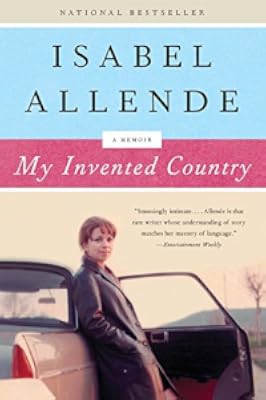
My Invented Country
by Isabel Allende
On This Page
Description
Isabel Allende evokes the magnificent landscapes of her country; a charming, idiosyncratic Chilean people with a violent history and an indomitable spirit; and the politics, religion, myth, and magic of her homeland that she carries with her even today.The book circles around two life-changing moments. The assassination of her uncle Salvador Allende Gossens on September 11, 1973, sent her into exile and transformed her into a literary writer. And the terrorist attacks of September 11, 2001, show more on her adopted homeland, the United States, brought forth an overdue acknowledgment that Allende had indeed left home. My Invented Country, mimicking the workings of memory itself, ranges back and forth across that distance between past and present lives. It speaks compellingly to immigrants and to all of us who try to retain a coherent inner life in a world full of contradictions. show lessTags
Recommendations



Member Recommendations
Member Reviews
Two recent events have triggered this avalanche of memories. The first was a casual observation by my grandson Alejandro, who surprised me at the mirror scrutinizing the map of my wrinkles and said, with compassionate commiseration, "Don’t worry, Grandmother, you’re going to live at least three more years." I decided right then and there that the time had come to take another look at my life, in order to know how I wanted to live those three years that had been so generously granted.
By the time I got to the end of the introduction, I was already loving this book. Margaret Sayers Peden did a really good job, as the great writing shines through from the very first page.
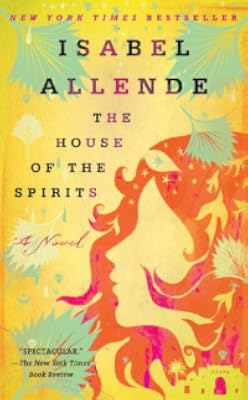
Allende describes the character of Chile and its people, and the show more idiosyncrasies of her own family, through the eyes of an exile. Her family of eccentrics has provided material for her novels since the beginning, when The House of the Spirits began life as a letter to her dying grandfather and based on anecdotes he had told her about his family.
I grew up surrounded by secrets, mysteries, whispers, prohibitions, matters that must never be mentioned. I owe a debt of gratitude to the countless skeletons hidden in our armoire because they planted the seeds of literature in my life. In every story I write I try to exorcise one of them.
Luckily Alejandro was wrong in giving his grandmother 3 years to live, as this book was published over a decade ago, and according to a recent Ted talk, Isabel Allende continues to live a passionate life. show less
By the time I got to the end of the introduction, I was already loving this book. Margaret Sayers Peden did a really good job, as the great writing shines through from the very first page.
Allende describes the character of Chile and its people, and the show more idiosyncrasies of her own family, through the eyes of an exile. Her family of eccentrics has provided material for her novels since the beginning, when The House of the Spirits began life as a letter to her dying grandfather and based on anecdotes he had told her about his family.
I grew up surrounded by secrets, mysteries, whispers, prohibitions, matters that must never be mentioned. I owe a debt of gratitude to the countless skeletons hidden in our armoire because they planted the seeds of literature in my life. In every story I write I try to exorcise one of them.
Luckily Alejandro was wrong in giving his grandmother 3 years to live, as this book was published over a decade ago, and according to a recent Ted talk, Isabel Allende continues to live a passionate life. show less
When a work is beautiful even in translation, it can do nothing but inspire awe... and so with this. At only 200 pages, it's a briskly-paced outline of the Chile of Isabel Allende's imagination, full of exaggeration and lyricism, and deeply absorbing. There's reminiscing about eccentric relatives, the excitement of the short-lived Unidad Popular government, the regime of fear that was Pinochet's... another element that I found interesting was the reflections on the patriarchal nature of Chilean society. In some ways it reminded me of Simone de Beauvoir, as these reflections too were coming from the perspective of a relatively upper-class woman, except that this book is better written! Ha ha.
No seriously though, there's a lot interesting show more in this book, and I found it so engrossing due to the way it's written. Also, it makes me really want to travel to Chile... show less
No seriously though, there's a lot interesting show more in this book, and I found it so engrossing due to the way it's written. Also, it makes me really want to travel to Chile... show less
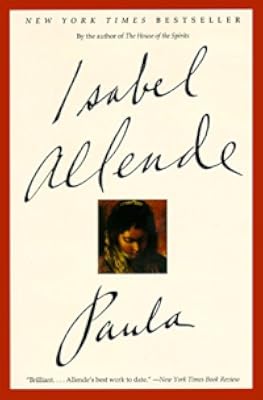
My Invented Country is a different kind of memoir. Allende's personal memoir was Paula, but as it says in the title, this one is about Chile. Don't confuse it with a history of Chile either. This is written in a memoir style and is simply Allende's experience of her country. It's the way she remembers things and the way she remembers feeling things. There is history here, but written in a way that reminds the reader that history is experienced by those who live it.
My favorite thing about the book was Allende's tone. The book was tinged with nostalgia and it made her way of writing feel almost playful most of the time. I particularly loved when she talked about being a feminist because it was so on the nose to the way that I have felt show more before. My favorite was this line:
I realized that to wait to be respected for being a feminist was like expecting the bull not to charge because you’re a vegetarian.
Her experience of machismo and patriarchy in Chile was very similar to what I grew up around in Miami. Also that she shared that moment that so many of us feminists have when we learn about the history of patriarchal treatment beyond our own experiences:
When I look back at the past, I realize that my mother was dealt a difficult destiny and in fact confronted it with great bravery, but at the time I judged her as being weak because she was dependent on the men around her, like her father and her brother Pablo, who controlled the money and gave the orders.
When we look at the whole picture, no single generation could really have gotten it's gains without the generation before it which promptly takes those gains for granted while not properly appreciating what the women before them went through. Or, at least, that's how it always looks to me.
Allende talks a bit about the US interfering in Latin American politics, which was and is unacceptable and I hope we never do again except I can't escape the feeling that we could be doing it somewhere at this very moment. We may be learning from our mistakes to not interfere in these kinds of affairs of others (specifically supporting the overthrow of elected governments because we are definitely interfering in other things) but I'm not as optimistic. Sorry if that sounds a bit harsh but we, as a country, can't seem to get it together on when it is or isn't a good time. We kept out of two world wars for too long, only to be told that was a bad policy and then interfered in every conflict since then and that isn't working out for us or the other countries either. But, alas, that's not what this book is about and I apologize for the tangent.
Eventually, Allende had to leave Chile for understandable reasons, much like some of the other women I've read about who fled their own countries. I also understand what her dissenters mean when they say those who fled should have stayed and fought for the improvement of the country. I can't imagine being put into such a situation but there will always be people who do both and I imagine that will consistently breed resentment as well.
Mostly, I loved that this was a memoir about Allende's lived experience in relation to her country, whether in it or in exile. She wrote about her country as she experienced it in her youth and continues to experience it on visits back home. She wrote about her experience in exile from Chile as it relates to being Chilean. All of that just makes me love the title all the more because if I wrote about my experience in the US and what living here is like for me, there would be tons of people coming out to tell me how that's not the real US. I imagine there is at least some similarity to the way other Chileans experience this book, but everyone's experience of their country and their town is different from even the others who live in their homes. At that it all seems that no two siblings ever seem to have grown up in the same house with the same parents either. Calling it her "invented" country simply reminds us not to judge that this is just one experience of Chile. show less
My favorite thing about the book was Allende's tone. The book was tinged with nostalgia and it made her way of writing feel almost playful most of the time. I particularly loved when she talked about being a feminist because it was so on the nose to the way that I have felt show more before. My favorite was this line:
I realized that to wait to be respected for being a feminist was like expecting the bull not to charge because you’re a vegetarian.
Her experience of machismo and patriarchy in Chile was very similar to what I grew up around in Miami. Also that she shared that moment that so many of us feminists have when we learn about the history of patriarchal treatment beyond our own experiences:
When I look back at the past, I realize that my mother was dealt a difficult destiny and in fact confronted it with great bravery, but at the time I judged her as being weak because she was dependent on the men around her, like her father and her brother Pablo, who controlled the money and gave the orders.
When we look at the whole picture, no single generation could really have gotten it's gains without the generation before it which promptly takes those gains for granted while not properly appreciating what the women before them went through. Or, at least, that's how it always looks to me.
Allende talks a bit about the US interfering in Latin American politics, which was and is unacceptable and I hope we never do again except I can't escape the feeling that we could be doing it somewhere at this very moment. We may be learning from our mistakes to not interfere in these kinds of affairs of others (specifically supporting the overthrow of elected governments because we are definitely interfering in other things) but I'm not as optimistic. Sorry if that sounds a bit harsh but we, as a country, can't seem to get it together on when it is or isn't a good time. We kept out of two world wars for too long, only to be told that was a bad policy and then interfered in every conflict since then and that isn't working out for us or the other countries either. But, alas, that's not what this book is about and I apologize for the tangent.
Eventually, Allende had to leave Chile for understandable reasons, much like some of the other women I've read about who fled their own countries. I also understand what her dissenters mean when they say those who fled should have stayed and fought for the improvement of the country. I can't imagine being put into such a situation but there will always be people who do both and I imagine that will consistently breed resentment as well.
Mostly, I loved that this was a memoir about Allende's lived experience in relation to her country, whether in it or in exile. She wrote about her country as she experienced it in her youth and continues to experience it on visits back home. She wrote about her experience in exile from Chile as it relates to being Chilean. All of that just makes me love the title all the more because if I wrote about my experience in the US and what living here is like for me, there would be tons of people coming out to tell me how that's not the real US. I imagine there is at least some similarity to the way other Chileans experience this book, but everyone's experience of their country and their town is different from even the others who live in their homes. At that it all seems that no two siblings ever seem to have grown up in the same house with the same parents either. Calling it her "invented" country simply reminds us not to judge that this is just one experience of Chile. show less
Nostalgic, conversational and irreverent, renowned international, bestselling author Isabel Allende's memoir about her home country of Chile takes the reader on a journey of history and memories. There are a fair amount of hyperbole and sweeping generalizations, and some of her commentary, such as the way she spoke so casually disparagingly of both her family and of Mapuche Indians, was startling, but I appreciated her story, as well as insights into a national psyche you usually don't get to read about in guidebooks. I have previously read many of her books and now feel like I have a better sense of how she came to be who she is.
القراءة لإيزابيل الليندي اصبحت بالنسبة لي كزيارة لبيت صديقة قريبة، اغيب لشهور وأعود واقرأ ، تكتب بذات الحسّ بذات الحبّ والشغف ومهما كان الموضوع الذي ستطرقه فإنها ستكون مقنعة جداً وساحرة لدرجة أننا نمسك الغلاف في اليد اليمنى ونجد أننا وصلنا للطرف الآخر بسرعة وخارج الزمن !
كتبت ايزابيل هذا الكتاب بعد حادثتين متقاربتين ، الأولى ملاحظة عرضية من حفيدها اليخاندرو الذي باغتها وهي تتحرى خريطة تجاعيدها امام show more المرآة، وقال لها مشفقاً : لا تهمتي يا عجوزي ، ستعيشين ثلاث سنوات على الأقل.
حينها قررت ان الساعة قد حانت لتعيد القاء نظرة على حياتها، وتتحقق كيف تريد أن تمضي هذه السنوات الثلاث.
الحادثة الثانية كانت سؤالا من مجهول في ندوة لكتاب الرحلات حالفها الحظ بافتتاحها. سألها الشاب : ما الدور الذي يلعبه الحنين في رواياتها ، وبقيت صامتة للحظة ، حنين . . حسب القاموس : هو ألم أن يرى الانسان نفسه غائباً عن وطنه، هو الحزن الذي تثيره سعادة مفقودة !
وهكذا بدأت رحلتها في كتابة هذا الكتاب ، الذي تحدثت فيه عن تشيلي التي فارقتها كثيراً لكنها ما زالت تعيش بداخلها ، تحدثت عن الوجوه والأماكن والأحداث، إنّ المحتوى لهذا الكتاب يشبه الاحجار الصغيرة الملوّنة التي ملأت الفراغات في كتبها السابقة : باولا وحصيلة الأيام . ما زالت تكتب سيرة ذاتية مبهجة ، وفي ذات الوقت تنقل لنا حالة العالم آنذاك سياسيا واقتصاديا واجتماعيا وفنياً . .
لعلّ اكثر ما يشدني لقراءة ايزابيل التقاطعات بين حياتينا ، في بعض الفقرات اصبت بالهلع لفكرة أن هذه السيدة تقيم على الطرف الآخر من الأرض ، وعاشت حياة مختلفة تماماً عن تلك التي عشتها ، ولكنّها تكتب حديث نفسي لنفسي !
" بالنسبة إلي كان شقاء طفولتي الطبيعي يتفاقم نتيجة كومة من العقد المتشابكة، التي ما عاد باستطاعتي حتى أن اعددها، لكن من حسن حظي أنها لم تخلف جراحا لم يشفها الزمن.
سمعت ذات مره كاتبة امريكية مشهورة من اصل افريقي تقول انها شعرت في طفولتها بنفسها غريبة في اسرتها وبلدتها، وأضافت أن هذا ما يمر به كل الكتاب تقريبا ، حتى ولو لم يخرجوا من مسقط رأسهم.
واكدت انه شرط لصيق بهذا العمل ، فلولا قلق الشعور بالاختلاف ما كان هناك حاجة للكتابة. فالكتابة أولا واخيراً محاولة لفهم الظروف الخاصة وتوضيح فوضى الوجود. هذا القلق الذي لا يعذب الناس العاديين ، بل يعذب الرافضين المزمنين فقط ، الذي ينتهي الكثيرون منهم ليصبحوا كتاباً بعد أن فشلوا في مهن أخرى، أزاحت هذه النظرية ثقلاً عن كاهلي، إذن لستُ مسخاً، هناك آخرون مثلي "
و هنا أيضاً
" جذر مشكلتي كان دائما هو ذاته، عدم قدرتي على قبول ما يعتبره الآخرون طبيعيا، وميلي الذي لا يقاوم لاعطاء آراء لا أحد يرغب بسماعها ، وهو ما ارعب اكثر من خاطب ود ( لا ارغب بالتباهي فهم لم يكونوا كثرا قط ) بعدها وفي سنوات العمل في الصحافة كان للفضول والجرأة بعض الفضائل. فقد اصبحت لأول مره جزءاً من جماعة "
تحدثت ايزابيل عن الخرافات ، عن العائلة ، كرة القدم ، الولايات المتحدة الأمريكية . . واحداث الحادي عشر من سبتمبر .
قراءة ممتعة اتمناها لكم . . show less
كتبت ايزابيل هذا الكتاب بعد حادثتين متقاربتين ، الأولى ملاحظة عرضية من حفيدها اليخاندرو الذي باغتها وهي تتحرى خريطة تجاعيدها امام show more المرآة، وقال لها مشفقاً : لا تهمتي يا عجوزي ، ستعيشين ثلاث سنوات على الأقل.
حينها قررت ان الساعة قد حانت لتعيد القاء نظرة على حياتها، وتتحقق كيف تريد أن تمضي هذه السنوات الثلاث.
الحادثة الثانية كانت سؤالا من مجهول في ندوة لكتاب الرحلات حالفها الحظ بافتتاحها. سألها الشاب : ما الدور الذي يلعبه الحنين في رواياتها ، وبقيت صامتة للحظة ، حنين . . حسب القاموس : هو ألم أن يرى الانسان نفسه غائباً عن وطنه، هو الحزن الذي تثيره سعادة مفقودة !
وهكذا بدأت رحلتها في كتابة هذا الكتاب ، الذي تحدثت فيه عن تشيلي التي فارقتها كثيراً لكنها ما زالت تعيش بداخلها ، تحدثت عن الوجوه والأماكن والأحداث، إنّ المحتوى لهذا الكتاب يشبه الاحجار الصغيرة الملوّنة التي ملأت الفراغات في كتبها السابقة : باولا وحصيلة الأيام . ما زالت تكتب سيرة ذاتية مبهجة ، وفي ذات الوقت تنقل لنا حالة العالم آنذاك سياسيا واقتصاديا واجتماعيا وفنياً . .
لعلّ اكثر ما يشدني لقراءة ايزابيل التقاطعات بين حياتينا ، في بعض الفقرات اصبت بالهلع لفكرة أن هذه السيدة تقيم على الطرف الآخر من الأرض ، وعاشت حياة مختلفة تماماً عن تلك التي عشتها ، ولكنّها تكتب حديث نفسي لنفسي !
" بالنسبة إلي كان شقاء طفولتي الطبيعي يتفاقم نتيجة كومة من العقد المتشابكة، التي ما عاد باستطاعتي حتى أن اعددها، لكن من حسن حظي أنها لم تخلف جراحا لم يشفها الزمن.
سمعت ذات مره كاتبة امريكية مشهورة من اصل افريقي تقول انها شعرت في طفولتها بنفسها غريبة في اسرتها وبلدتها، وأضافت أن هذا ما يمر به كل الكتاب تقريبا ، حتى ولو لم يخرجوا من مسقط رأسهم.
واكدت انه شرط لصيق بهذا العمل ، فلولا قلق الشعور بالاختلاف ما كان هناك حاجة للكتابة. فالكتابة أولا واخيراً محاولة لفهم الظروف الخاصة وتوضيح فوضى الوجود. هذا القلق الذي لا يعذب الناس العاديين ، بل يعذب الرافضين المزمنين فقط ، الذي ينتهي الكثيرون منهم ليصبحوا كتاباً بعد أن فشلوا في مهن أخرى، أزاحت هذه النظرية ثقلاً عن كاهلي، إذن لستُ مسخاً، هناك آخرون مثلي "
و هنا أيضاً
" جذر مشكلتي كان دائما هو ذاته، عدم قدرتي على قبول ما يعتبره الآخرون طبيعيا، وميلي الذي لا يقاوم لاعطاء آراء لا أحد يرغب بسماعها ، وهو ما ارعب اكثر من خاطب ود ( لا ارغب بالتباهي فهم لم يكونوا كثرا قط ) بعدها وفي سنوات العمل في الصحافة كان للفضول والجرأة بعض الفضائل. فقد اصبحت لأول مره جزءاً من جماعة "
تحدثت ايزابيل عن الخرافات ، عن العائلة ، كرة القدم ، الولايات المتحدة الأمريكية . . واحداث الحادي عشر من سبتمبر .
قراءة ممتعة اتمناها لكم . . show less
Divertente libro in cui la Allenede, che di norma non è tra i miei scrittori prediletti, divaga sui sui ricordi della famiglia, del Cile, dell'esilio, della sua nuova vita negli stati uniti.
Il tutto secondo l'ondivago filo conduttore della memoria, con cose che si accavallano, riflessioni, episodi, dei quali molti sono così mitici, del mito che circonda le leggende familiari, da rendere impossibile accertarne la veridicità
Ma d'altra parte è così che funzionano le memorie familiari, in qualsiasi famiglia, anche in una molto meno pittoresca di quella della Allende.
Il libro si distingue per alcune battute spassosissime, tra le quali trovo memorabile (oltre che veritiera) " ... il punto G si trova nell'orecchio femminile e che è show more inutile perdere tempo a cercarlo più in basso". show less
Il tutto secondo l'ondivago filo conduttore della memoria, con cose che si accavallano, riflessioni, episodi, dei quali molti sono così mitici, del mito che circonda le leggende familiari, da rendere impossibile accertarne la veridicità
Ma d'altra parte è così che funzionano le memorie familiari, in qualsiasi famiglia, anche in una molto meno pittoresca di quella della Allende.
Il libro si distingue per alcune battute spassosissime, tra le quali trovo memorabile (oltre che veritiera) " ... il punto G si trova nell'orecchio femminile e che è show more inutile perdere tempo a cercarlo più in basso". show less
After decades of exile from Chile, novelist Allende reflects on the Chile of her memories. It looks a lot like The House of the Spirits, even down to the magical realism. Allende left Chile for good during the Pinochet dictatorship, and she has since made California her home. The primary theme of this memoir is nostalgia for a time, place, and people that exist only in Allende’s memory. While the time, place, people, and events are specific to Allende’s experience, nostalgia is a universal feeling that connects Allende with her readers.
Members
- Recently Added By
Lists

Global Reads: Books Set South and Central America
40 works; 7 members

Latin American Literature
50 works; 11 members

Books Read in 2022
5,166 works; 114 members
Author Information

86+ Works 84,761 Members
Isabel Allende was born in 1942 in Lima, Peru, the daughter of a Chilean diplomat. When her parents separated, young Isabel moved with her mother to Chile, where she spent the rest of her childhood. She married at the age of 19 and had two children, Paula and Nicolas. Her uncle was Salvador Allende, the president of Chile. When he was overthrown show more in the coup of 1973, she fled Chile, moving to Caracas, Venezuela. While living in Venezuela, Allende began writing her novels, many of them exploring the close family bonds between women. Her first novel, The House of the Spirits, has been translated into 27 languages, and was later made into a film. She then wrote Of Love and Shadows, Eva Luna, and The Stories of Eva Luna, all set in Latin America. The Infinite Plan was her first novel to take place in the United States. She explores the issues of human rights and the plight of immigrants and refugees in her novel, In The Midst of Winter. In Paula, Allende wrote her memoirs in connection with her daughter's illness and death. She delved into the erotic connections between food and love in Aphrodite: A Memoir of the Senses. In addition to writing books, Allende has worked as a TV interviewer, magazine writer, school administrator, and a secretary at a U.N. office in Chile. She received the 1996 Harold Washington Literacy Award. She lives in California. Her title Maya's Notebook made The New York Times Best Seller List in 2013. (Bowker Author Biography) show less
Some Editions
Awards and Honors
Awards
Notable Lists
Series
Belongs to Publisher Series
Common Knowledge
- Canonical title*
- Herinnering aan mijn Chili
- Original title
- Mi país inventado
- Alternate titles
- My Invented Country: A Nostalgic Journey Through Chile
- Original publication date
- 2003
- People/Characters
- Isabel Allende; Salvador Allende Gossens; Pablo Neruda; Augusto Pinochet
- Important places
- California, USA; Chile; Latin America; San Francisco, California, USA; Santiago, Chile; South America (show all 7); Venezuela
- Epigraph
- . . . for some reason or other, I am a sad exile.
In some way or other, our land travels with me
and with me too, though far, far away, live the
longitudinal essences of my country.
&n... (show all)bsp -- Pablo Neruda, 1972 - First words
- Let's begin at the beginning, with Chile, that remote land that few people can locate on the map because it's as far as you can go without falling off the planet.
- Quotations
- When finally the Sahara-like dust-storms subsided, the passersby saw, to their amazement, that a few palm trees had survived intact. Solitary, denuded, with their scruffy manes and air of ashy beggars, they awaited their end.... (show all)Instead of the feared executioner, however, sweaty workmen carrying picks and shovels appeared and, working like an army of ants, dug trenches around each tree, loosening them from the earth. Those slender trees held handfuls of soil in their threadlike roots. Cranes bore the wounded giants to deep holes gardeners has prepared in a different spot and planted them there. The trunks moaned quietly, the leaves drooped in yellow strands and for a while it seemed that nothing could save them from their agony, but they were tenacious. A slow sub-terranean rebellion fought to preserve life, vegetal tentacles spread out, blending clumps of dirt from Calle Cueto with new soil. With the inevitable arrival of spring, the alms awoke, swaying from their waist, shaking their hair, rejuvenated despite the trauma. The image of these trees from the home of my ancestors often comes to ming when I think of my destiny as an expatriate. It is my fate to wander from place to place and to adapt to new soils. I believe I will be able to because handfuls of Chilean soil are caught in my roots, U carry them with me always.
Social climbing is a middle-class phenomena, the poor never gave it a thought, they were too busy trying to survive.
I can understand them because they are as adamant regarding their beliefs as I am mine.
War is the most beautiful profession there is. And what is War? The continuation of peace in which all the things peace does not allow are achieved, in order to lead man to the perfect dialectic, which is the extinction of th... (show all)e enemy.
Admiral Jose Toribio Merino - Last words
- (Click to show. Warning: May contain spoilers.)Word by word I have created the person I am and the invented country in which I live.
- Original language
- Spanish
*Some information comes from Common Knowledge in other languages. Click "Edit" for more information.
Classifications
Statistics
- Members
- 2,562
- Popularity
- 7,409
- Reviews
- 49
- Rating
- (3.63)
- Languages
- 15 — Bulgarian, Danish, Dutch, English, French, German, Italian, Lithuanian, Norwegian (Bokmål), Norwegian, Portuguese, Romanian, Spanish, Swedish, Turkish
- Media
- Paper, Audiobook, Ebook
- ISBNs
- 79
- ASINs
- 23