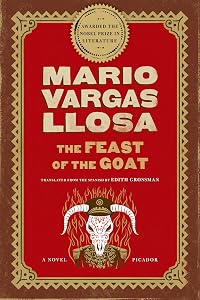
The Feast of the Goat
by Mario Vargas Llosa
On This Page
Description
Haunted all her life by feelings of terror and emptiness, forty-nine-year-old Urania Cabral returns to her native Dominican Republic--and finds herself reliving the events of l961, when the capital was still called Trujillo City and one old man terrorized a nation of three million. Rafael Trujillo, the depraved ailing dictator whom Dominicans call the Goat, controls his inner circle with a combination of violence and blackmail. In Trujillo's gaudy palace, treachery and cowardice have become show more a way of life. But Trujillo's grasp is slipping. There is a conspiracy against him, and a Machiavellian revolution already underway that will have bloody consequences of its own. In this 'masterpiece of Latin American and world literature, and one of the finest political novels ever written' (Bookforum), Mario Vargas Llosa recounts the end of a regime and the birth of a terrible democracy, giving voice to the historical Trujillo and the victims, both innocent and complicit, drawn into his deadly orbit. show lessTags
Recommendations
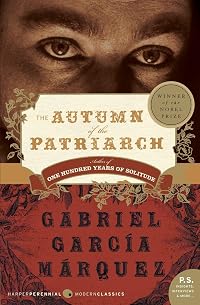
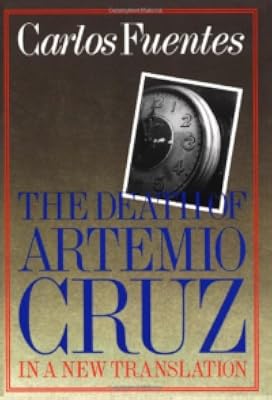
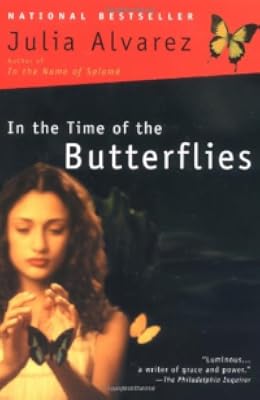
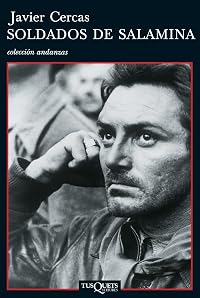


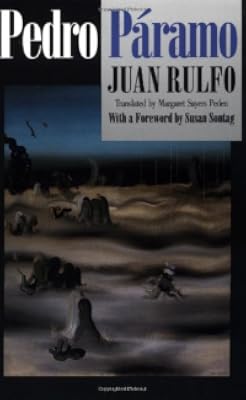
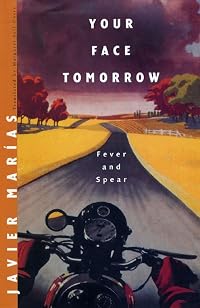
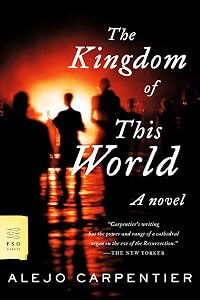






Member Recommendations

gust Ook hier verzetsleden die een dictator doden.
StarryNightElf Historical fiction based on real figures in the Dominican Republic.

mcenroeucsb Dictators

Cecilturtle Set in Guadeloupe, this novel explores politics and race relations in the Caribbean

Member Reviews
Brutal. Absolutely brutal. That is really the only way to describe the events portrayed in The Feast of the Goat, a work of historical fiction that records the turbulent end of the Trujillo dictatorship in the Dominican Republic. In graphic and meticulous detail, Vargas Llosa does a truly masterful job of weaving the history of the 31-year reign of terror and social progress that marked Rafael Trujillo’s stranglehold on the country alongside the riveting tension associated with his last several hours on earth. This is grim and gritty writing that never shies away from chronicling every bit of the murder, torture, dismemberment, sexual violation, and humiliation that were “The Goat’s” primary means of subjugating the show more population.
In what turns out to be an effective literary device, the story is told from three perspectives and two different time frames in alternating chapters. Urania Cabral, a successful lawyer visiting her homeland for the first time after living in the United States for 35 years, has returned to confront her father and the ghosts of the past that she buried when she left the island just weeks before Trujillo’s assassination. The other two narratives take place in 1961 and focus on the Generalissimo as he progresses through the day on which he is killed as well as several of the “executioners” involved in the murder plot.
While the tale of Urania and her father, Senator Augustin Cabral, is pure fiction (i.e., they did not really exist), those centered on Trujillo, his sadistic comrades, and his assassins are embellished accounts based on factual occurrences. In fact, the historical portions of the novel work far better than the parts set in the modern day; in tone and substance, Urania’s story seemed a little disjoint from the other accounts and was almost a distraction. Regardless, The Feast of the Goat is a powerful meditation on how absolute power truly does corrupt absolutely, irrespective of whether the original intentions were noble and just (and sanctioned by both the Church and the U.S. government). With few heroes and very little hope, this is a book that was, at times, very difficult to read. Nevertheless, it is also an important work that deserves all of the acclaim it has received. show less
In what turns out to be an effective literary device, the story is told from three perspectives and two different time frames in alternating chapters. Urania Cabral, a successful lawyer visiting her homeland for the first time after living in the United States for 35 years, has returned to confront her father and the ghosts of the past that she buried when she left the island just weeks before Trujillo’s assassination. The other two narratives take place in 1961 and focus on the Generalissimo as he progresses through the day on which he is killed as well as several of the “executioners” involved in the murder plot.
While the tale of Urania and her father, Senator Augustin Cabral, is pure fiction (i.e., they did not really exist), those centered on Trujillo, his sadistic comrades, and his assassins are embellished accounts based on factual occurrences. In fact, the historical portions of the novel work far better than the parts set in the modern day; in tone and substance, Urania’s story seemed a little disjoint from the other accounts and was almost a distraction. Regardless, The Feast of the Goat is a powerful meditation on how absolute power truly does corrupt absolutely, irrespective of whether the original intentions were noble and just (and sanctioned by both the Church and the U.S. government). With few heroes and very little hope, this is a book that was, at times, very difficult to read. Nevertheless, it is also an important work that deserves all of the acclaim it has received. show less
Urania returns to the Dominican Republic after leaving it 35 years ago. Back in 1961, the same year she left but just a little later, dictator Rafael Trujillo is going through his daily routine on what will be his last day on earth. And a group of men lie in wait, planning on assassinating him on the road outside the capital.
These three storylines interweave in a complex dance, building up to the actual assassination and its aftermath. The narrative is very descriptive without a lot of dialogue or action in the first half, and as someone who doesn't clearly visualize what I read, I had to really slow down to make sure that I didn't miss anything. It meant taking about two weeks to read the whole novel, but I never felt like the read show more was taking too long and didn't become impatient to get to the end. After a slow build, the narrative becomes increasingly intense in the second half. I didn't know a lot of the details of Trujillo's assassination and what little I knew of his dictatorship I learned from another fictional title, In the Time of the Butterflies. So much of the time I didn't know what to expect, and there are some really violent, brutal moments - based, mind you, on real events - that were difficult to read. But wow, what an incredible, masterful use of language and narrative to weave a powerful and heartbreaking story. show less
These three storylines interweave in a complex dance, building up to the actual assassination and its aftermath. The narrative is very descriptive without a lot of dialogue or action in the first half, and as someone who doesn't clearly visualize what I read, I had to really slow down to make sure that I didn't miss anything. It meant taking about two weeks to read the whole novel, but I never felt like the read show more was taking too long and didn't become impatient to get to the end. After a slow build, the narrative becomes increasingly intense in the second half. I didn't know a lot of the details of Trujillo's assassination and what little I knew of his dictatorship I learned from another fictional title, In the Time of the Butterflies. So much of the time I didn't know what to expect, and there are some really violent, brutal moments - based, mind you, on real events - that were difficult to read. But wow, what an incredible, masterful use of language and narrative to weave a powerful and heartbreaking story. show less
The Feast of the Goat takes its title from the nickname for Generalissimo Rafael Trujillo, the dictator whose 30-year reign of terror in the Dominican Republic ended with his assassination in 1961. Trained by the Marines, and long an anti-Communist client of the American government, Trujillo eventually became an isolated pariah. Like the younger Castro, whom the clean-cut, right-wing general despised, Trujillo encouraged a cult of personality that made him more than a simple head of state. The novel has three parallel narrative threads. In the current day, a woman whose father was a member of the Trujillo government is returning to her native land from the US for the first time in over 30 years. Through her eyes we see the long-term show more impact of the dictatorship. The other two narratives follow Trujillo, on the one hand, and his would-be assassins on the other. In each case there are flashbacks to fill in the picture of a country, its leaders, and its people after 30 years of brutality and corruption.
Though we meet him in the last hours of his life, old, embittered, ailing and besieged, he still sees himself as a soldier and regards the Haitians across the border as heathens to be purged and murdered. For more than three decades, Trujillo ruled the Dominican Republic with an iron fist. He cured the "Haitian problem" by having between 10,000 and 15,000 Haitians slaughtered.
There are extremely disturbing sexual and torture scenes that described his reign of terror. I had to skim some of those because they were just too much for me. Trujillo was an incredibly evil man but if you are interested in Caribbean politics this is a compelling but horrifying read. I think most people would rate it a bit higher than I did but I will try another of Vargas Llosa's books. It's easy to see why he won the 2010 Nobel prize for literature. show less
Though we meet him in the last hours of his life, old, embittered, ailing and besieged, he still sees himself as a soldier and regards the Haitians across the border as heathens to be purged and murdered. For more than three decades, Trujillo ruled the Dominican Republic with an iron fist. He cured the "Haitian problem" by having between 10,000 and 15,000 Haitians slaughtered.
There are extremely disturbing sexual and torture scenes that described his reign of terror. I had to skim some of those because they were just too much for me. Trujillo was an incredibly evil man but if you are interested in Caribbean politics this is a compelling but horrifying read. I think most people would rate it a bit higher than I did but I will try another of Vargas Llosa's books. It's easy to see why he won the 2010 Nobel prize for literature. show less
4.5 stars
This book has made me want to learn more from my parents about what it meant to be born and live through the Trujillo era. What it meant to my family and what was really going on during that time. I have heard some stories from my father, but now the context of understanding has broadened... this book has illustrated to me the pain of a nation and it's impact on individual lives.
It has also made me think of the depraved regimes that exist today and how complicit we are in our inactivity... why so many men of power choose their greedy and sadistic lives, and so many choose to do nothing.
The Feast of the Goat, highlights the story of the era of Trujillo in a way that makes you see history as real and not just text in a book. show more Although fictionalized, it brings home, the vast pain of a nation; but also, how blind and apathetic a people can be. It breaks my heart to see that so many innocent people are made to pay for the choices of the few.
I would like think my choices would be different given the same set of circumstances, but then, I was born a different person, in a different era. show less
This book has made me want to learn more from my parents about what it meant to be born and live through the Trujillo era. What it meant to my family and what was really going on during that time. I have heard some stories from my father, but now the context of understanding has broadened... this book has illustrated to me the pain of a nation and it's impact on individual lives.
It has also made me think of the depraved regimes that exist today and how complicit we are in our inactivity... why so many men of power choose their greedy and sadistic lives, and so many choose to do nothing.
The Feast of the Goat, highlights the story of the era of Trujillo in a way that makes you see history as real and not just text in a book. show more Although fictionalized, it brings home, the vast pain of a nation; but also, how blind and apathetic a people can be. It breaks my heart to see that so many innocent people are made to pay for the choices of the few.
I would like think my choices would be different given the same set of circumstances, but then, I was born a different person, in a different era. show less
Primeiro livro em espanhol, primeiro do Llosa também, e, como de praxe na eterna meta de Sísifo, mais um dos 1001. Eu não conheço, claramente, quase nada da história recente da América Latina, especialmente dos países menores, tipo a República Dominicana, objeto desse livro. Mais especificamente, o livro tece uns 2 fios narrativos principais que tratam da era Trujillista, onde o país foi governado por uma ferrenha ditadura centrada em Rafael Trujillo, ditador que ascendeu das forças policiais treinadas pelos marines americanos e governou o país com mão de ferro, promovendo assassinatos no exterior, repressão, e um culto de personalidade bizarro. Ele era chamado de El Jefe, sua família era cultuada como deuses, e ele show more inclusive rebatizou a capital, Santo Domingo, para Ciudad Trujillo.
O livro é ficção histórica, já que Urania, a personagem principal de um dos fios, é totalmente fictícia, e não existiu o tal Agustín Cabral, presidente do Senado e aliado do regime, que é seu pai no livro. O livro então conta seu retorno para a República Dominicana, depois de décadas fora de Santo Domingo e sem se contactar com sua família, exceto por bancar a vida de seu pai, agora demente e com cuidadoras. Agustín, nós descobrimos, em algum momento foi escanteado como tantos outros, e nunca se conformou com isso pois de fato não tinha ambição alguma de trair o regime, e nem sequer tinha grandes reservas no exterior como plano B. Urania parece odiar profundamente seu pai, e chega a dizer que na verdade, o mantém financeiramente JUSTAMENTE pra que ele não morra e viva essa existência miserável. O seu fio na verdade é ela rememorando sua saída do país 35 anos antes, quando tinha 14, enquanto reencontra sua tia e suas primas, e acaba explicando porque odeia tanto Agustín. O fio remanescente trata do último dia de vida de Trujillo, El Chivo, e vai intermediando a perspectiva dele com a dos conspiradores, basicamente todos pessoas que perderam algo ou alguém para o regime e que de seus postos de comando (não existia oposição) começaram a tramar para fuzilar o cara, instaurar uma junta cívico militar e encaminhar o país para eleições democráticas logo depois.
El Chivo está velho, e se urinando constantemente. Sua concepção de si mesmo como o grande homem, que carrega o país nas costas, está se esvaindo com a idade, e agora ele também está brochando com as garotas que alicia/sequestra para estuprar (boa parte menores de idade ou esposas de algum grandão do regime), o que o coloca ainda mais em crise. Essa crise se exacerba pelo fato de que o regime depende quase que exclusivamente dele, a despeito de sua família ocupar um importante papel imagético. Seus filhos, ao seu ver, são uns playboys inúteis que não tem desejo ou capacidade de herdar seu legado. Seus irmãos são uns imbecis sanguinários e também não conseguem nada além de ocuparem papéis simbólicos no regime, todos títeres del Jefe. O último dia da vida del Chivo parece marcado por um encontro que ele teve em sua casa de veraneio, onde leva as mulheres para cometer seus crimes hediondos, onde uma garotinha magra de alguma forma o teria humilhado ou visto-o de uma maneira desfavorável. Ao longo do dia, enquanto ele se preocupa com suas manchas de urina e o país, ele tenta se convencer de que tudo vai se acertar e ele vai se mostrar o fodão se ele comer tal ou qual menina, e ele vai se animando pra isso. Enquanto o dia passa, ele vai urdindo suas tramas, que muitas vezes consistiam em domar os seus aliados dentro do regime dando-lhes cargos e favorecimentos ao mesmo tempo que os incita sorrateiramente a disputarem sua atenção e a conspirarem entre si, impedindo alianças internas que poderiam colocar-lhe em risco. Trujillo exige lealdade absoluta de seus servos, e arquiteta provas de lealdade terríveis (crimes, geralmente) para que as pessoas possam entrar em seu círculo, além de constantemente criar intrigas e colocá-los em desgraça via os ‘veículos de imprensa’ amigos do regime para testar as pessoas em situação limite e colocá-las em seu devido lugar. As it turns out, é exatamente isso que ele fez com Agustín, do nada.
É esse o laço entre Urania e a história toda, e é uma triste e nojenta representação da relação de Trujillo com a sociedade dominicana, extorquindo e manipulando-a para servir seu ego. Agustín, desesperado, acaba entrando em contato com um modelo dominicano que essencialmente arranjava mulheres pro Trujillo. Esse cara lhe sugere oferecer Urania, sua filha de 14 anos, e Agustín, desesperado com a perspectiva de perder tudo e ir preso, aceita. Ele mente pra ela, ÓBVIO, e diz que é uma festinha do grande líder só pra ele, e é no fim ela a tal menina esquelética que assombra El Chivo. Ele acaba brochando e eu não vou entrar em detalhes de como ele acaba a violando da mesma forma, mas, impotente, se lança a chorar e reclamar de seu futuro e sua vida, expondo no fim sua patética insegurança, que precisa ser reforçada por meio dessa incessante onda de estupros. Urania, traumatizada e cheia de ódio pelo que seu pai fez, vai embora direto pro colégio religioso no qual estudava, pede ajuda pra uma das freiras e elas organizam que ela vá estudar nos EUA com uma bolsa diretão, sem nem olhar pro pai, que se me lembro bem até a ajuda, mas eles nunca mais se falam até ela voltar 35 anos depois. Urania é uma das muitas dominicanas que foram vítimas do regime de forma indelével, e ela mesma afirma nunca mais ter conseguido ter qualquer relação com alguém, tendo ódio, nojo e medo do sexo masculino. Viciada em trabalho, ela é bem sucedida e desenvolveu uma obsessão pela história da Era Trujillo, e os fios vão se unindo conforme ela conta essa história para suas tias, como justificativa para seu afastamento repentino. Decidida por manter contato com as primas, há uma certa esperança de reconciliação no ar.
Enquanto isso, nós acompanhamos o complô contra Trujillo sob a perspectiva dos afetados: o que eles perderam para o regime, forçados a torturar e assassinar inocentes, espionados por Johnny Abbes Garcia, o executor do regime e líder do DOPS (SIM na vdd) dominicano. Uma sociedade atolada pela corrupção e pelo medo, se canibalizando para servir a um homem e seus desejos de grandeza enquanto seu regime é cada vez mais contestado pelos aliados de outrora. Sim, é claro que essa porra ali foi bancada pelos EUA para conter o comunismo, e obviamente saiu do controle, começou a matar gente a torto e a direito, tentar ASSASSINAR O PRESIDENTE DA VENEZUELA e eventualmente comprou briga com a Igreja. Mesmo quando o assassinato dá certo, bancado (tcharam!) pelos americanos, o plano acaba falhando, e o golpe não se concretiza porque o chefe das forças é um covarde de merda (e morre torturado). A corrupção moral se alastra de tal forma que a democracia vem em ondas, a família de Trujillo quase domina tudo de novo, e se faz uma conciliação fake entre o presidente fake da época, Balaguer, e os Trujillo, que ganham carta branca pra se vingarem e seguem cometendo atrocidades impunemente enquanto ele ‘leva o país pra democracia’. No fim, os Trujillo seguiram bem abastados e exilados, e o neto até tentou concorrer na última eleição! Livraço, muito simbólico, muito foda. show less
O livro é ficção histórica, já que Urania, a personagem principal de um dos fios, é totalmente fictícia, e não existiu o tal Agustín Cabral, presidente do Senado e aliado do regime, que é seu pai no livro. O livro então conta seu retorno para a República Dominicana, depois de décadas fora de Santo Domingo e sem se contactar com sua família, exceto por bancar a vida de seu pai, agora demente e com cuidadoras. Agustín, nós descobrimos, em algum momento foi escanteado como tantos outros, e nunca se conformou com isso pois de fato não tinha ambição alguma de trair o regime, e nem sequer tinha grandes reservas no exterior como plano B. Urania parece odiar profundamente seu pai, e chega a dizer que na verdade, o mantém financeiramente JUSTAMENTE pra que ele não morra e viva essa existência miserável. O seu fio na verdade é ela rememorando sua saída do país 35 anos antes, quando tinha 14, enquanto reencontra sua tia e suas primas, e acaba explicando porque odeia tanto Agustín. O fio remanescente trata do último dia de vida de Trujillo, El Chivo, e vai intermediando a perspectiva dele com a dos conspiradores, basicamente todos pessoas que perderam algo ou alguém para o regime e que de seus postos de comando (não existia oposição) começaram a tramar para fuzilar o cara, instaurar uma junta cívico militar e encaminhar o país para eleições democráticas logo depois.
El Chivo está velho, e se urinando constantemente. Sua concepção de si mesmo como o grande homem, que carrega o país nas costas, está se esvaindo com a idade, e agora ele também está brochando com as garotas que alicia/sequestra para estuprar (boa parte menores de idade ou esposas de algum grandão do regime), o que o coloca ainda mais em crise. Essa crise se exacerba pelo fato de que o regime depende quase que exclusivamente dele, a despeito de sua família ocupar um importante papel imagético. Seus filhos, ao seu ver, são uns playboys inúteis que não tem desejo ou capacidade de herdar seu legado. Seus irmãos são uns imbecis sanguinários e também não conseguem nada além de ocuparem papéis simbólicos no regime, todos títeres del Jefe. O último dia da vida del Chivo parece marcado por um encontro que ele teve em sua casa de veraneio, onde leva as mulheres para cometer seus crimes hediondos, onde uma garotinha magra de alguma forma o teria humilhado ou visto-o de uma maneira desfavorável. Ao longo do dia, enquanto ele se preocupa com suas manchas de urina e o país, ele tenta se convencer de que tudo vai se acertar e ele vai se mostrar o fodão se ele comer tal ou qual menina, e ele vai se animando pra isso. Enquanto o dia passa, ele vai urdindo suas tramas, que muitas vezes consistiam em domar os seus aliados dentro do regime dando-lhes cargos e favorecimentos ao mesmo tempo que os incita sorrateiramente a disputarem sua atenção e a conspirarem entre si, impedindo alianças internas que poderiam colocar-lhe em risco. Trujillo exige lealdade absoluta de seus servos, e arquiteta provas de lealdade terríveis (crimes, geralmente) para que as pessoas possam entrar em seu círculo, além de constantemente criar intrigas e colocá-los em desgraça via os ‘veículos de imprensa’ amigos do regime para testar as pessoas em situação limite e colocá-las em seu devido lugar. As it turns out, é exatamente isso que ele fez com Agustín, do nada.
É esse o laço entre Urania e a história toda, e é uma triste e nojenta representação da relação de Trujillo com a sociedade dominicana, extorquindo e manipulando-a para servir seu ego. Agustín, desesperado, acaba entrando em contato com um modelo dominicano que essencialmente arranjava mulheres pro Trujillo. Esse cara lhe sugere oferecer Urania, sua filha de 14 anos, e Agustín, desesperado com a perspectiva de perder tudo e ir preso, aceita. Ele mente pra ela, ÓBVIO, e diz que é uma festinha do grande líder só pra ele, e é no fim ela a tal menina esquelética que assombra El Chivo. Ele acaba brochando e eu não vou entrar em detalhes de como ele acaba a violando da mesma forma, mas, impotente, se lança a chorar e reclamar de seu futuro e sua vida, expondo no fim sua patética insegurança, que precisa ser reforçada por meio dessa incessante onda de estupros. Urania, traumatizada e cheia de ódio pelo que seu pai fez, vai embora direto pro colégio religioso no qual estudava, pede ajuda pra uma das freiras e elas organizam que ela vá estudar nos EUA com uma bolsa diretão, sem nem olhar pro pai, que se me lembro bem até a ajuda, mas eles nunca mais se falam até ela voltar 35 anos depois. Urania é uma das muitas dominicanas que foram vítimas do regime de forma indelével, e ela mesma afirma nunca mais ter conseguido ter qualquer relação com alguém, tendo ódio, nojo e medo do sexo masculino. Viciada em trabalho, ela é bem sucedida e desenvolveu uma obsessão pela história da Era Trujillo, e os fios vão se unindo conforme ela conta essa história para suas tias, como justificativa para seu afastamento repentino. Decidida por manter contato com as primas, há uma certa esperança de reconciliação no ar.
Enquanto isso, nós acompanhamos o complô contra Trujillo sob a perspectiva dos afetados: o que eles perderam para o regime, forçados a torturar e assassinar inocentes, espionados por Johnny Abbes Garcia, o executor do regime e líder do DOPS (SIM na vdd) dominicano. Uma sociedade atolada pela corrupção e pelo medo, se canibalizando para servir a um homem e seus desejos de grandeza enquanto seu regime é cada vez mais contestado pelos aliados de outrora. Sim, é claro que essa porra ali foi bancada pelos EUA para conter o comunismo, e obviamente saiu do controle, começou a matar gente a torto e a direito, tentar ASSASSINAR O PRESIDENTE DA VENEZUELA e eventualmente comprou briga com a Igreja. Mesmo quando o assassinato dá certo, bancado (tcharam!) pelos americanos, o plano acaba falhando, e o golpe não se concretiza porque o chefe das forças é um covarde de merda (e morre torturado). A corrupção moral se alastra de tal forma que a democracia vem em ondas, a família de Trujillo quase domina tudo de novo, e se faz uma conciliação fake entre o presidente fake da época, Balaguer, e os Trujillo, que ganham carta branca pra se vingarem e seguem cometendo atrocidades impunemente enquanto ele ‘leva o país pra democracia’. No fim, os Trujillo seguiram bem abastados e exilados, e o neto até tentou concorrer na última eleição! Livraço, muito simbólico, muito foda. show less
Mario Vargas Llosa has the great talent here to delve into Rafael Trujillo's dictatorship, telling it through the eyes of various characters and from different era (contemporary, or, thirty years after his rule). These outlooks are like the layers of a mille-feuille, delivered with clockwork precision when it comes to the mindset of the people concerned.
We follow the dictator, his sycophants, and his family in the corrupted pomp of an absolute power, perverted even into sexual depravations. We live side-by-side with the conspirators who plotted his assassination, sharing the terrible consequences which resulted. We discover a woman coming back into her country, after more than thirty years spent in New York, to settle score with her show more father, one of Trujilo's henchmen and who had committed the unthinkable to gain the favours of his leader. We follow excitedly what happened after the plot, discover the facts as if told now and in the press (I personally knew nothing of Trujillo before reading this...).
It's a whole history which is indeed being replayed here: the 1937's Parsley massacre, which saw the deaths of 20,000 Haitians; the tense relationships with the USA; the failed invasion by Cuba in 1959; the attempts to kill Betancourt, then the president of Venezuela; the terror of the political police, those cruelty will culminate with the murders of the Mirabal sisters... It might be a novel, but for whose loving history (as I do!) there's a lot to learn too!
An engrossing masterpiece. show less
We follow the dictator, his sycophants, and his family in the corrupted pomp of an absolute power, perverted even into sexual depravations. We live side-by-side with the conspirators who plotted his assassination, sharing the terrible consequences which resulted. We discover a woman coming back into her country, after more than thirty years spent in New York, to settle score with her show more father, one of Trujilo's henchmen and who had committed the unthinkable to gain the favours of his leader. We follow excitedly what happened after the plot, discover the facts as if told now and in the press (I personally knew nothing of Trujillo before reading this...).
It's a whole history which is indeed being replayed here: the 1937's Parsley massacre, which saw the deaths of 20,000 Haitians; the tense relationships with the USA; the failed invasion by Cuba in 1959; the attempts to kill Betancourt, then the president of Venezuela; the terror of the political police, those cruelty will culminate with the murders of the Mirabal sisters... It might be a novel, but for whose loving history (as I do!) there's a lot to learn too!
An engrossing masterpiece. show less
As Bob Dylan once sang, “Democracy don’t rule the world.” This is the story of Rafael Trujillo, the brutal dictator who ruled the Dominican Republic from 1930 to 1961, with the fictional element of the Cabral family added in, a family which was torn apart by the events of 1961 prior to Trujillo’s assassination. Urania Cabral, who was 14 at the time and left the country after being traumatized, has returned 35 years later for the first time to see her family and to confront her demons.
Trujillo was one of most ‘successful’ of the many dictators in Latin America, ruling with an iron hand, fending off threats from the communists, America, the Catholic Church, and Haiti, and all while growing rich and having anything he wanted, show more including the wives of the sycophants around him, and young virgins, even late in life, at the age of 70. It’s an obvious example of absolute power corrupting absolutely. Trujillo has his enemies tortured and killed, massacres tens of thousands of Haitian immigrants, and insists upon being worshipped by his people. The sexual abuses are an activity picked up by his degenerate sons, reminiscent of Saddam Hussein and his sons.
The novel made me thank my lucky stars I was born into a far better situation, and it’s an interesting perspective, as the United States and JFK are viewed in passing, a threat to this little world, and yet distant.
The novel may also cause you to ask yourself difficult questions. To what lengths would you go to embrace a man in power, if he was bringing order and some degree of prosperity to your country? Would you try to stand up to him, knowing that you would be risking not only yourself but your family – your parents, your spouse, your children, all of them – to imprisonment, torture, and horrifying deaths? What moral compromises would you make to survive, and how far would you take those, if they meant subjecting an innocent loved one to horrors? If you were part of a plot that required perfect execution, would you hesitate at the critical moment, or would you be brave and resolute throughout? Would you harbor a stranger who was a fugitive, if you knew that should he be discovered in your house, it would be looted, burned to the ground, and the only way you could consider yourself lucky is if your death came quickly?
As in any situation, there is a mix of reactions from the characters involved, some admirable, some abominable. The human condition.
Vargas Llosa weaves the story together masterfully, alternating between perspectives and between past and present. Despite all of its revolting events, the novel is one of endurance, both for Urania, and for the country, which heals under an intelligent but unlikely leader in Joaquin Balaguer, who navigates through the chaos which ensued after the assassination with a deft hand. For that’s what we must do: be brave, fight the good fight, and endure.
Quotes:
On books, loved this one, quoting Rabindranath Tagore:
“An open book is a mind that speaks; closed, a friend who waits; forgotten, a soul that forgives; destroyed, a heart that weeps.”
On killing:
“’How did Your Excellency feel when you gave the order to eliminate thousands of illegal Haitians?’
‘Ask your former President Truman how he felt when he gave the order to drop the atomic bombs on Hiroshima and Nagasaki. Then you’ll know what I felt that night in Dajabon.’”
On “prayer”, so blatantly sacrilegious, and loved the ending to this:
“’Dear God, do this for me. Tonight I need to fuck Yolanda Esterel right. So I can know I’m not dead. Not an old man. And can go on doing your work for you, moving this damn country of assholes forward. I don’t care about the priests, the gringos, the conspirators, the exiles. I can clear away all that shit myself. But I need your help to fuck that girl. Don’t be a miser, don’t be stingy. Give me your help, give it to me.’ He sighed, with the disagreeable suspicion that the one he was pleading with, if he existed, must be observing him in amusement from the dark blue backdrop where the first stars had begun to appear.”
On the outer shell:
“Urania! What if after all these years you discover that behind your determined, disciplined mind, impervious to discouragement, behind the fortress admired and envied by others, you have a tender, timid, wounded, sentimental heart?”
And this one, on being damaged:
“Are you an iceberg, Urania? Only with men. And not with all of them. With those whose glances, movements, gestures, tones of voice announce a danger. When you can read, in their minds or instincts, the intention to court you, to make advances. With them, yes, you do make them feel the arctic cold that you know how to project around you, like the stink skunks use to frighten away an enemy. A technique you handle with the mastery you’ve brought to every goal you set for yourself: studies, work, an independent life. ‘Everything except being happy.’ Would she have been happy if, applying her will, her discipline, she had eventually overcome the unconquerable revulsion and disgust caused by men who desired her? You could have gone into therapy, seen a psychologist, an analyst. They had a remedy for everything, even finding men repugnant. But you never wanted to be cured. On the contrary, you don’t consider it a disease but a character trait, like your intelligence, your solitude, your passion for doing good work.” show less
Trujillo was one of most ‘successful’ of the many dictators in Latin America, ruling with an iron hand, fending off threats from the communists, America, the Catholic Church, and Haiti, and all while growing rich and having anything he wanted, show more including the wives of the sycophants around him, and young virgins, even late in life, at the age of 70. It’s an obvious example of absolute power corrupting absolutely. Trujillo has his enemies tortured and killed, massacres tens of thousands of Haitian immigrants, and insists upon being worshipped by his people. The sexual abuses are an activity picked up by his degenerate sons, reminiscent of Saddam Hussein and his sons.
The novel made me thank my lucky stars I was born into a far better situation, and it’s an interesting perspective, as the United States and JFK are viewed in passing, a threat to this little world, and yet distant.
The novel may also cause you to ask yourself difficult questions. To what lengths would you go to embrace a man in power, if he was bringing order and some degree of prosperity to your country? Would you try to stand up to him, knowing that you would be risking not only yourself but your family – your parents, your spouse, your children, all of them – to imprisonment, torture, and horrifying deaths? What moral compromises would you make to survive, and how far would you take those, if they meant subjecting an innocent loved one to horrors? If you were part of a plot that required perfect execution, would you hesitate at the critical moment, or would you be brave and resolute throughout? Would you harbor a stranger who was a fugitive, if you knew that should he be discovered in your house, it would be looted, burned to the ground, and the only way you could consider yourself lucky is if your death came quickly?
As in any situation, there is a mix of reactions from the characters involved, some admirable, some abominable. The human condition.
Vargas Llosa weaves the story together masterfully, alternating between perspectives and between past and present. Despite all of its revolting events, the novel is one of endurance, both for Urania, and for the country, which heals under an intelligent but unlikely leader in Joaquin Balaguer, who navigates through the chaos which ensued after the assassination with a deft hand. For that’s what we must do: be brave, fight the good fight, and endure.
Quotes:
On books, loved this one, quoting Rabindranath Tagore:
“An open book is a mind that speaks; closed, a friend who waits; forgotten, a soul that forgives; destroyed, a heart that weeps.”
On killing:
“’How did Your Excellency feel when you gave the order to eliminate thousands of illegal Haitians?’
‘Ask your former President Truman how he felt when he gave the order to drop the atomic bombs on Hiroshima and Nagasaki. Then you’ll know what I felt that night in Dajabon.’”
On “prayer”, so blatantly sacrilegious, and loved the ending to this:
“’Dear God, do this for me. Tonight I need to fuck Yolanda Esterel right. So I can know I’m not dead. Not an old man. And can go on doing your work for you, moving this damn country of assholes forward. I don’t care about the priests, the gringos, the conspirators, the exiles. I can clear away all that shit myself. But I need your help to fuck that girl. Don’t be a miser, don’t be stingy. Give me your help, give it to me.’ He sighed, with the disagreeable suspicion that the one he was pleading with, if he existed, must be observing him in amusement from the dark blue backdrop where the first stars had begun to appear.”
On the outer shell:
“Urania! What if after all these years you discover that behind your determined, disciplined mind, impervious to discouragement, behind the fortress admired and envied by others, you have a tender, timid, wounded, sentimental heart?”
And this one, on being damaged:
“Are you an iceberg, Urania? Only with men. And not with all of them. With those whose glances, movements, gestures, tones of voice announce a danger. When you can read, in their minds or instincts, the intention to court you, to make advances. With them, yes, you do make them feel the arctic cold that you know how to project around you, like the stink skunks use to frighten away an enemy. A technique you handle with the mastery you’ve brought to every goal you set for yourself: studies, work, an independent life. ‘Everything except being happy.’ Would she have been happy if, applying her will, her discipline, she had eventually overcome the unconquerable revulsion and disgust caused by men who desired her? You could have gone into therapy, seen a psychologist, an analyst. They had a remedy for everything, even finding men repugnant. But you never wanted to be cured. On the contrary, you don’t consider it a disease but a character trait, like your intelligence, your solitude, your passion for doing good work.” show less
Members
- Recently Added By
Published Reviews
ThingScore 100
Für diesen Roman ist es nur von nachrangiger Bedeutung, ob Fakten oder Imaginationen dominieren. Vargas Llosa, der 1990 in Peru bei den Präsidentenwahlen gegen Alberto Fujimori unterlag, hat (nach eigenen Angaben) zwar gründlich recherchiert, doch erst mittels seiner bildkräftigen Sprache und seiner scharf konturierten Personenbilder konnte dieses gleichermaßen beeindruckende wie show more beängstigende Gesellschaftsbild entstehen, das von einer "spirituelle[n] Knechtschaft" (so der Autor) geprägt sei. show less
added by Indy133
Lists

1001 Books You Must Read Before You Die
1,448 works; 1,134 members

Best Contemporary Literary Fiction (Around the Last 30 Years)
388 works; 124 members

1970s
657 works; 23 members

Nobel Price Winners
222 works; 20 members

1,001 BYMRBYD Concensus
723 works; 27 members

Evan's Reading List 2019
15 works; 1 member

Animals in the Title
498 works; 11 members

Libertarian Books
102 works; 19 members

Allie's Wishlist
217 works; 2 members

Los 100 mejores libros en español de los últimos 25 años
26 works; 1 member

Las 100 mejores novelas de la literatura hispanoamericana
96 works; 1 member

Recommended Literary Books
111 works; 1 member
Canon de la narrativa universal del s. XX (cicutadry)
499 works; 3 members
Las 100 mejores novelas de la literatura hispanoamericana (cicutadry)
100 works; 1 member

España en cien libros
100 works; 1 member

Books Read in 2024
4,623 works; 126 members
Talk Discussions
Past Discussions
Group Read, March 2017: The Feast of the Goat in 1001 Books to read before you die (April 2017)
The Feast of the Goat in Author Theme Reads (September 2011)
Author Information

388+ Works 34,554 Members
Mario Vargas Llosa was born in Arequipa, Peru on March 28, 1936. He studied literature and law at the National University of San Marcos and received a Ph.D from the University of Madrid in 1959. He is a writer, politician, and journalist. His works vary in genre from literary criticism and journalism to comedies, murder mysteries, historical show more novels, and political thrillers. His books include The Time of the Hero, The Green House, Conversation in the Cathedral, Aunt Julia and the Scriptwriter, The Feast of the Goat, and The War of the End of the World. He has received numerous awards including the Rómulo Gallegos International Novel Prize, the Premio Leopoldo Alas in 1959, the Premio Biblioteca Breve in 1962, the Premio Planeta in 1993, the Miguel de Cervantes Prize in 1994, the Jerusalem Prize in 1995, and the Nobel Prize in Literature in 2010. (Bowker Author Biography) show less
Some Editions
Awards and Honors
Awards
Distinctions
Notable Lists
Series
Belongs to Publisher Series
Work Relationships
Is contained in
Has as a reference guide/companion
Has as a commentary on the text
Common Knowledge
- Canonical title
- The Feast of the Goat
- Original title
- La fiesta del chivo
- Original publication date
- 2000
- People/Characters
- Rafael Trujillo; Urania Cabral; Agustín Cabral
- Important places
- Caribbean Region; Ciudad Trujillo (Santo Domingo, Dominican Republic); Dominican Republic; Hispaniola; Santo Domingo, Dominican Republic
- Important events
- Trujillo dictatorship
- Related movies
- La fiesta del chivo (2005 | IMDb)
- Epigraph
- The people celebrate
and go all the way
for the Feast of the Goat
the Thirtieth of May.
—"They Killed The Goat"
A Dominican merengue - Dedication
- To Lourdas and José Israel Cuello
and so many other Dominican friends - First words
- Urania. Her parents had done her no favor; her name suggested a planet, a mineral, anything but the slender, fine-featured woman with burnished skin and large, dark, rather sad eyes who looked back at her from the mirror.
- Last words
- (Click to show. Warning: May contain spoilers.)"If Marianita writes to me, I'll answer all her letters," she decides.
- Blurbers*
- Een roman waarin alle verteltechnieken en genres van Vargas Llosa samenkomen: het is tegelijk een thriller, een melodrama, een politieke roman, het verhaal van een samenzwering en het portret van een dictator. Een rodam die je ademloos uitleest. - El País
- Original language*
- Espagnol (Pérou) (Pérou)
*Some information comes from Common Knowledge in other languages. Click "Edit" for more information.
Classifications
- Genres
- Fiction and Literature, General Fiction, Historical Fiction
- DDC/MDS
- 863.64 — Literature & rhetoric Spanish Literature Spanish fiction 20th Century 1945-2000
- LCC
- PQ8498.32 .A65 .F54 — Language and Literature French, Italian, Spanish and Portuguese literatures Spanish literature Provincial, local, colonial, etc. Spanish America
- BISAC
Statistics
- Members
- 3,700
- Popularity
- 4,357
- Reviews
- 92
- Rating
- (4.12)
- Languages
- 32 — Arabic, Bulgarian, Czech, Danish, Dutch, English, Finnish, French, Georgian, German, Greek, Hebrew, Hungarian, Italian, Japanese, Korean, Malayalam, Multiple languages, Norwegian (Bokmål), Norwegian, Farsi/Persian, Polish, Romanian, Russian, Serbian, Croatian, Spanish, Swedish, Turkish, Portuguese (Portugal), Portuguese (Brazil), Chinese, simplified
- Media
- Paper, Audiobook, Ebook
- ISBNs
- 114
- ASINs
- 31