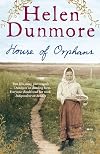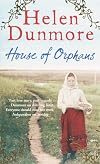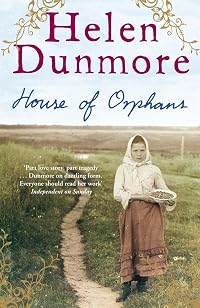
House of Orphans
by Helen Dunmore
On This Page
Description
'House of Orphans' is a spellbinding story of love and loneliness, of the differences between change and revolution, and of the terrorism that lurks everywhere in times of change, even in our private midst.Tags
Recommendations







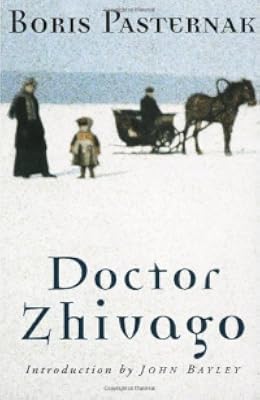
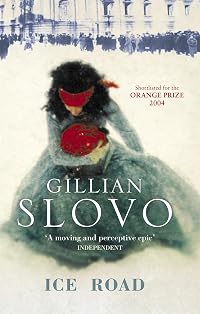

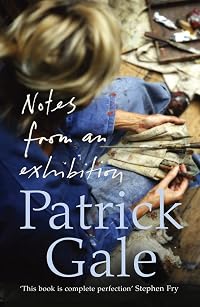

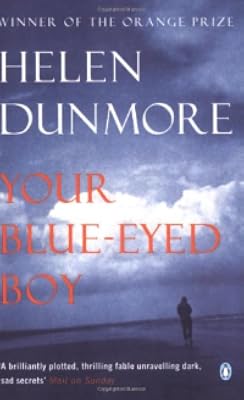







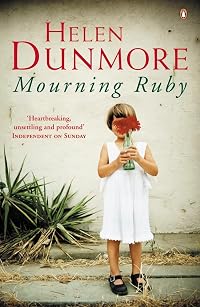
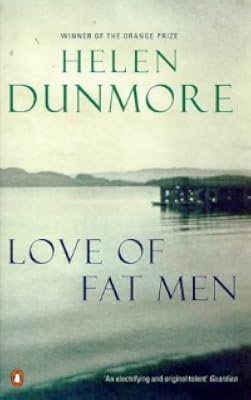
Member Recommendations
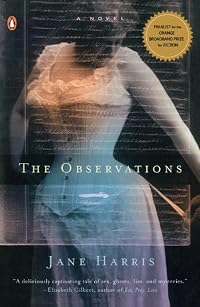
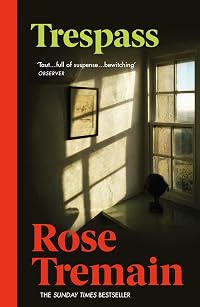
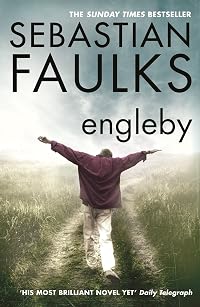
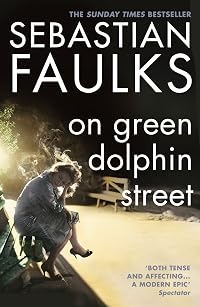
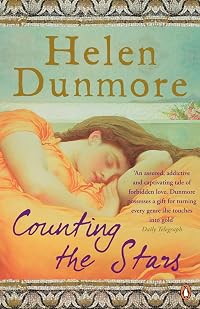
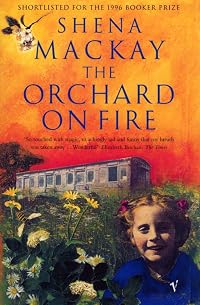
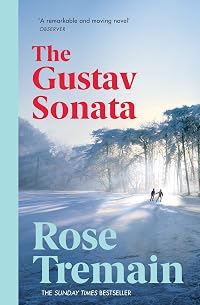
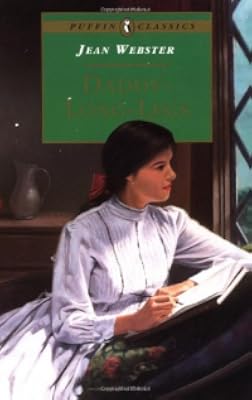
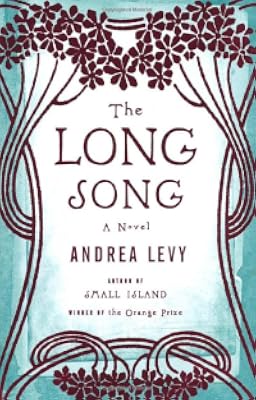
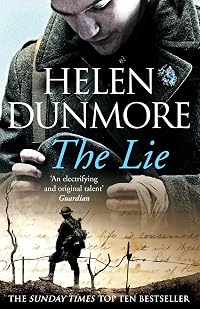
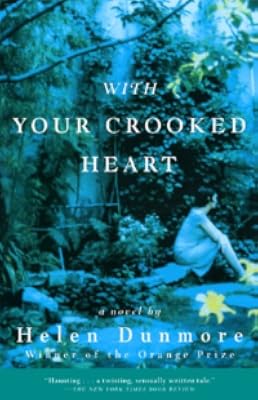
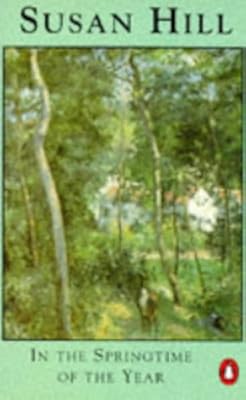
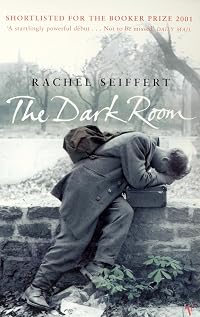
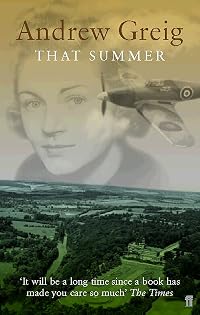
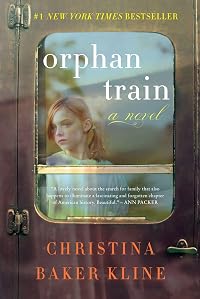
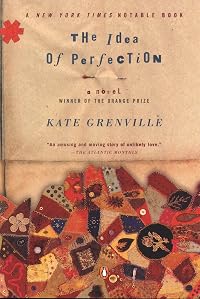
jayne_charles Comparable in terms of pace, atmosphere and setting. Not an easy read but worth the effort IMO
Member Reviews
The House of Orphans focuses on Eeva, a young Finnish girl and her struggle towards an independent life at the turn of the twentieth century when her country was struggling against domination by the Russian Empire. When Eeva's father, a revolutionary, died she was sent from Helsinki to an orphanage in a rural town where conditions are hard and the girls are trained for a life of service and morality.
Eeva is a wonderful creation. She is not the feisty, headstrong cliché of historical fiction but she is strong and intelligent, educated by her father before his death. She has this wonderful way of, after having been quiet and subservient because she had to be, absolutely slaying her enemy with words when they’re not expecting it! Once show more she leaves the orphanage and is no longer half-starved she is also considered very attractive and she gains the attention of Thomas, the local doctor who has taken her on as a servant.
It’s a good story and being a Helen Dunmore it’s beautifully told. So why so many low reader ratings? I think it’s to do with the structure of the novel. Although it is predominantly Eeva’s story, much of this story is not actually told through her eyes. A large proportion of the first half of the book is actually told through Thomas and we gain an intimate understanding of Thomas, his loneliness and his guilt and frustration over his marriage to his late wife. There is also Lotta who is a wonderfully flawed character who I was both infuriated by and felt sympathy for. But then half way through the book Eeva’s life moves on and Thomas and Lotta suddenly disappear from the plot, are replaced by a set of new characters and reappear only towards the end. It did take some adjusting to! Once I did adjust I enjoyed the second half of the novel which has a renewed emphasis on the revolutionaries fighting against the “Russification” of Finland.
I also suspect the ambiguous ending wasn’t popular. Dunmore hinted at resolutions rather than told. I liked that but I don’t think everyone would! But this is an intelligent historical novel with beautiful prose. If you’re not put off by ambiguous endings (etc), I recommend! show less
Eeva is a wonderful creation. She is not the feisty, headstrong cliché of historical fiction but she is strong and intelligent, educated by her father before his death. She has this wonderful way of, after having been quiet and subservient because she had to be, absolutely slaying her enemy with words when they’re not expecting it! Once show more she leaves the orphanage and is no longer half-starved she is also considered very attractive and she gains the attention of Thomas, the local doctor who has taken her on as a servant.
It’s a good story and being a Helen Dunmore it’s beautifully told. So why so many low reader ratings? I think it’s to do with the structure of the novel. Although it is predominantly Eeva’s story, much of this story is not actually told through her eyes. A large proportion of the first half of the book is actually told through Thomas and we gain an intimate understanding of Thomas, his loneliness and his guilt and frustration over his marriage to his late wife. There is also Lotta who is a wonderfully flawed character who I was both infuriated by and felt sympathy for. But then half way through the book Eeva’s life moves on and Thomas and Lotta suddenly disappear from the plot, are replaced by a set of new characters and reappear only towards the end. It did take some adjusting to! Once I did adjust I enjoyed the second half of the novel which has a renewed emphasis on the revolutionaries fighting against the “Russification” of Finland.
I also suspect the ambiguous ending wasn’t popular. Dunmore hinted at resolutions rather than told. I liked that but I don’t think everyone would! But this is an intelligent historical novel with beautiful prose. If you’re not put off by ambiguous endings (etc), I recommend! show less
House of Orphans by Helen Dunmore; (4*)
"My talisman, preserve me,
Preserve me through the days of persecution,
Through the days of remorse and distress:
Thou wast given to me on a day of sorrow."
When Eeva's Marxist revolutionary father dies, proclaiming that he has wasted his life, she is sent to the 'House of Orphans' in the Finnish forest far from her home in Helsinki. She leaves behind her childhood friend Lauri and a life of studying at an old card table while "people came and went" and urgent political meetings were conducted - including one in which a murder may have been planned and then, afterwards, carried out.
The main action of this novel begins in Finland in 1901. This is the Grand Duchy of Finland, part of the Russian Empire, show more and following the February Manifesto of 1899, undergoing further "Russification" under the orders of the Tsar and the Governor General of Finland, Bobrokov. The House of Orphans, under the guarded care of Anna-Liisa, prepares its children for service. When Eeva is placed in the house of the Swedish Dr. Eklund, she begins to find herself again. She begins to belong to herself again. She was almost content working for the doctor though she was lonely at first as his home was located in the forest out of the village with no neighbors. Her only company was Matti, the aged gardener who lived in a hut on the property, the good doctor and a woman who came in to take care of the 'good' china. Yet she yearned for the days of her friendship with Lauri and her life in Helsinki.
Meanwhile Thomas, the good doctor, has his own questions to answer. Is he more free than Eeva, even with his big house and servants? Condemned to a solitary life after the death of his wife, and still dealing with the consequences of an affair with a friend of his daughter's, he delivers babies and makes herbal remedies from lemons and nettles. Despite the actions of his friend Lotta and his daughter Minna, he begins to fall in love with Eeva.
When Thomas asks Eeva if she would like to write a letter she naturally writes to Lauri and soon they are reunited. But this poses more questions. In Helsinki Lauri and his new friend Sasha prepare for revolution, and plot the murder of Bobrokov. Eeva does not like that Lauri looks up to Sasha and that he is involved with this plot. Nor does she want to be sucked into something that she does not believe in.
"The wooden marker already looked worn with age. The earth had closed up again over his body. He was there beneath her, actually beneath her. Her father, who had carried her so often on his shoulders.
'You didn't waste your life,' she whispered into the earth."
This novel, part love story, part tragedy, part profound political meditation, shows that Helen Dunmore is back in dazzling form. Her prose as always is exquisite. And she never seems to 'overdo it'. Dunmore is particularly skilled at aligning the domestic with the political. She uses the detail of the past to create a narrative that is complex and contemporary. She is one of my favorite current day writers and I highly recommend this book. show less
"My talisman, preserve me,
Preserve me through the days of persecution,
Through the days of remorse and distress:
Thou wast given to me on a day of sorrow."
When Eeva's Marxist revolutionary father dies, proclaiming that he has wasted his life, she is sent to the 'House of Orphans' in the Finnish forest far from her home in Helsinki. She leaves behind her childhood friend Lauri and a life of studying at an old card table while "people came and went" and urgent political meetings were conducted - including one in which a murder may have been planned and then, afterwards, carried out.
The main action of this novel begins in Finland in 1901. This is the Grand Duchy of Finland, part of the Russian Empire, show more and following the February Manifesto of 1899, undergoing further "Russification" under the orders of the Tsar and the Governor General of Finland, Bobrokov. The House of Orphans, under the guarded care of Anna-Liisa, prepares its children for service. When Eeva is placed in the house of the Swedish Dr. Eklund, she begins to find herself again. She begins to belong to herself again. She was almost content working for the doctor though she was lonely at first as his home was located in the forest out of the village with no neighbors. Her only company was Matti, the aged gardener who lived in a hut on the property, the good doctor and a woman who came in to take care of the 'good' china. Yet she yearned for the days of her friendship with Lauri and her life in Helsinki.
Meanwhile Thomas, the good doctor, has his own questions to answer. Is he more free than Eeva, even with his big house and servants? Condemned to a solitary life after the death of his wife, and still dealing with the consequences of an affair with a friend of his daughter's, he delivers babies and makes herbal remedies from lemons and nettles. Despite the actions of his friend Lotta and his daughter Minna, he begins to fall in love with Eeva.
When Thomas asks Eeva if she would like to write a letter she naturally writes to Lauri and soon they are reunited. But this poses more questions. In Helsinki Lauri and his new friend Sasha prepare for revolution, and plot the murder of Bobrokov. Eeva does not like that Lauri looks up to Sasha and that he is involved with this plot. Nor does she want to be sucked into something that she does not believe in.
"The wooden marker already looked worn with age. The earth had closed up again over his body. He was there beneath her, actually beneath her. Her father, who had carried her so often on his shoulders.
'You didn't waste your life,' she whispered into the earth."
This novel, part love story, part tragedy, part profound political meditation, shows that Helen Dunmore is back in dazzling form. Her prose as always is exquisite. And she never seems to 'overdo it'. Dunmore is particularly skilled at aligning the domestic with the political. She uses the detail of the past to create a narrative that is complex and contemporary. She is one of my favorite current day writers and I highly recommend this book. show less
It's sort of slow in action, things only start to get interesting two thirds of the way through the book. Before then, you'll have to sit through many chapters of a middle aged man lusting after a 16/17 year old girl. But once the exciting things start happening, it's not a bad book. I like how her life in the House of Orphans had such an impact on how Eeva, one of the main characters, thought and acted. I enjoyed the last third of the book, but since things took so long to get good, I'm rating it two stars.
The ending left things kind of up in the air. I would have liked to see things resolved better.
The ending left things kind of up in the air. I would have liked to see things resolved better.
Although the story line is soppy from time to time, 'House of Orphans" is a decent read. I would suggest that the historical note at the end of the book be read first. I learned a lot about Finnish history at the turn of the century and it's troubled relationship with Russia. The story takes place between 1901 and 1904 and I shuddered thinking of the further turmoil and suffering that was yet to come in the 20th century for this poor country. No wonder so many Finns emmigrated to North America during this time.
Review: House of Orphans by Helen Dunmore. 05/15/2018
I felt it was beautifully written and Dunmore’s intents to show two sides to the story.
I will admit I wasn’t sure what I was reading at first but it gradually came together for me. Eeva’s life was sad and I don’t believe she ever found happiness.
I preferred the childhood of Eeva and the time she spent in the country with Doctor Thomas. Eeva had no family left in the city of Helsinki and the authorities grab her as soon as her revolutionist father died and placed her in an orphanage at a young age
Not much later she was chosen to live and work for the doctor who lived in the country. That seemed to be a safer place for her than the abuse she received at the orphanage until the show more doctor started having feelings for her. He was an elderly man and she was still a child. While she lived there he never did anything to harm the Eeva but his love was being noticed by a friend of his. The doctor did all he could to get Eeva to stay and work for him but she wanted to go back to her childhood sweetheart who is now a grown man and he was involved in the fight for freedom against the Russians.
When Eeva left the country to go back to the city life to be with Lauri where she felt she would find happiness. That changed the story in a different direction becoming very political and disturbing. Towards the end of the book Eeva sends for Tomas the doctor and at this time he declares his love for her but she rejected him and he returned to his village. Helen Dunmore goes on describing what happened to the other male characters but I felt it was rushed and not really explained fully how it ended for the characters. show less
I felt it was beautifully written and Dunmore’s intents to show two sides to the story.
I will admit I wasn’t sure what I was reading at first but it gradually came together for me. Eeva’s life was sad and I don’t believe she ever found happiness.
I preferred the childhood of Eeva and the time she spent in the country with Doctor Thomas. Eeva had no family left in the city of Helsinki and the authorities grab her as soon as her revolutionist father died and placed her in an orphanage at a young age
Not much later she was chosen to live and work for the doctor who lived in the country. That seemed to be a safer place for her than the abuse she received at the orphanage until the show more doctor started having feelings for her. He was an elderly man and she was still a child. While she lived there he never did anything to harm the Eeva but his love was being noticed by a friend of his. The doctor did all he could to get Eeva to stay and work for him but she wanted to go back to her childhood sweetheart who is now a grown man and he was involved in the fight for freedom against the Russians.
When Eeva left the country to go back to the city life to be with Lauri where she felt she would find happiness. That changed the story in a different direction becoming very political and disturbing. Towards the end of the book Eeva sends for Tomas the doctor and at this time he declares his love for her but she rejected him and he returned to his village. Helen Dunmore goes on describing what happened to the other male characters but I felt it was rushed and not really explained fully how it ended for the characters. show less
The first part of this book hums along at the steady, reassuring pace of a knitting Grandma with enough interest to keep the plot bubbling. About halfway, things change and though the reader suspects this earlier phase will have some bearing on the ultimate destiny of the plot, I did find my interest starting to wane from then on.
Intelligently written, like all her books, this taught me a great deal about Finnish history but left me with the nagging sensation of not having fully understood what the author was trying to convey. For example there is a theme of multiple lives lived by a single person, which is returned to again and again so it's clearly important but I didn't really 'get' it. One for higher beings than me, I think!
Intelligently written, like all her books, this taught me a great deal about Finnish history but left me with the nagging sensation of not having fully understood what the author was trying to convey. For example there is a theme of multiple lives lived by a single person, which is returned to again and again so it's clearly important but I didn't really 'get' it. One for higher beings than me, I think!
Listen on Audible.; narrator had a screechy, whiny voice which detracted from the story telling,. Eeva, the protagonist was well developed, but not so much the other characters, with perhaps the exception of the doctor, Thomas and Anna-Lisa, the manager of the orphanage, who was a pragmatic realist. . Ending felt rushed and by then I didn't care about the 'baddie' Sasha.
Members
- Recently Added By
Lists

Books Read in 2017
4,249 works; 130 members

I Could Live There
185 works; 12 members
Author Information

70+ Works 8,513 Members
Helen Dunmore was born in Beverley, England on December 12, 1952. She received a degree in English from the University of York in 1973. She taught English in Finland before moving to Bristol, England, where she taught literature and creative writing. She was a poet, novelist, and children's author. Her collections of poetry include The Apple Fall, show more The Raw Garden, and Inside the Wave. Her books include Talking to the Dead, Your Blue-Eyed Boy, House of Orphans, The Greatcoat, The Siege, The Betrayal, The Lie, and Birdcage Walk. She won the McKitterick Prize for debut novelists in 1994 for Zennor in Darkness, the inaugural Orange Prize for Fiction in 1996 for A Spell of Winter, and the Costa Award for Poetry in 2017 for Inside the Wave. She died of cancer on June 5, 2017 at the age of 64. (Bowker Author Biography) show less
Awards and Honors
Awards
Distinctions
Series
Belongs to Publisher Series
Bastei Lübbe Taschenbuch (15856)
Common Knowledge
- Original title
- House of Orphans
- Original publication date
- 2006
- People/Characters
- Dr Thomas Eklund; Anna-Liisa; Eeva Koskinen; Lotta Eriksson; Lauri; Matti (show all 7); Sasha
- Important places
- Finland
- Dedication
- for Frank
- First words
- Each winter there was an outbreak of fever at the House of Orphans.
- Last words
- (Click to show. Warning: May contain spoilers.)In the distance he could hear the large confused noises of the city, like blood moving.
Classifications
Statistics
- Members
- 262
- Popularity
- 124,172
- Reviews
- 13
- Rating
- (3.12)
- Languages
- English, French, German
- Media
- Paper, Audiobook, Ebook
- ISBNs
- 13
- ASINs
- 1