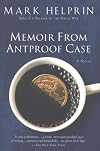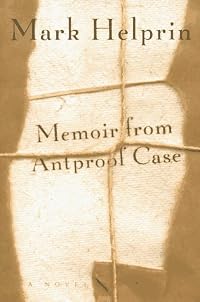
Memoir from Antproof Case
by Mark Helprin
On This Page
Description
An old American who lives in Brazil is writing his memoirs. An English teacher at the naval academy, he is married to a woman young enough to be his daughter and has a little son whom he loves. He sits in a mountain garden in Niterói, overlooking the ocean. As he reminisces and writes, placing the pages carefully in his antproof case, we learn that he was a World War II ace who was shot down twice, an investment banker who met with popes and presidents, and a man who was never not in love. show more He was the thief of the century, a murderer, and a protector of the innocent. And all his life he waged a valiant, losing, one-man battle against the world's most insidious enslaver: coffee. Mark Helprin combines adventure, satire, flights of transcendence, and high comedy in this "memoir" of a man whose life reads like the song of the twentieth century. show lessTags
Recommendations
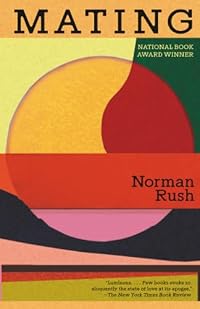

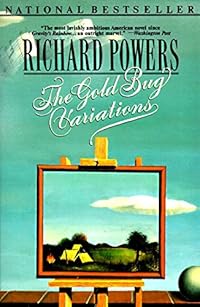
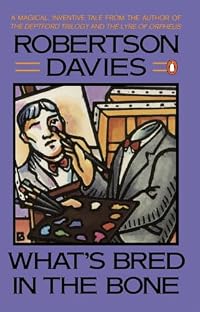
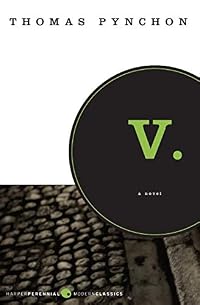

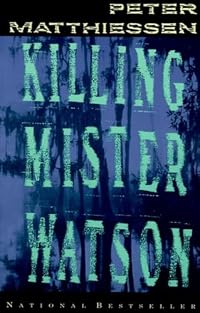
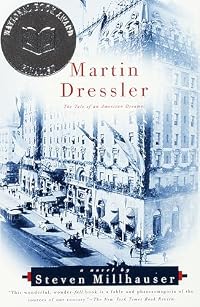

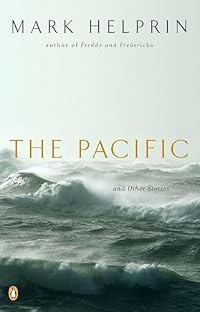
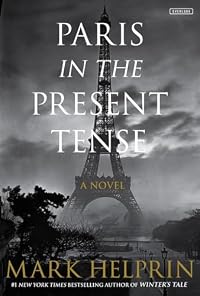





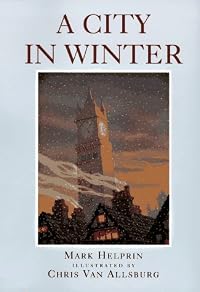
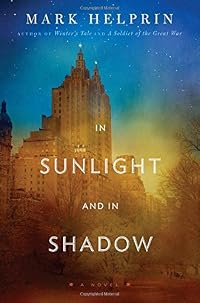


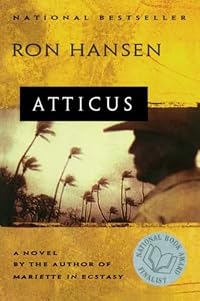
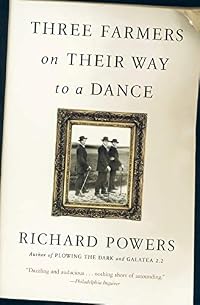
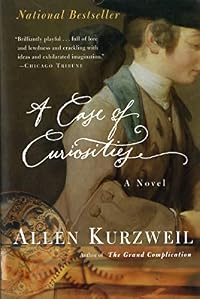
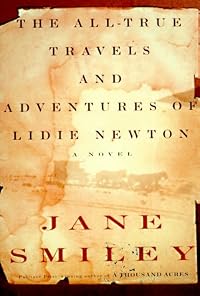


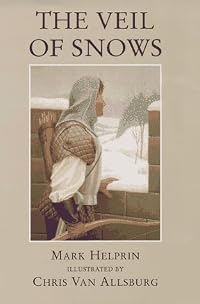
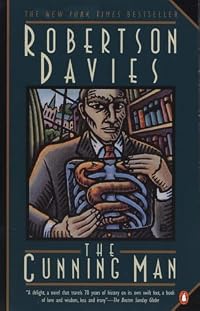
Member Recommendations
AmberA Two of my favorite books! Both very well-written.
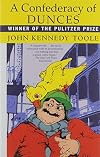
Steve.Gourley Ignatius J. Reilly has a very similar personality to the narrator in Helprin's novel
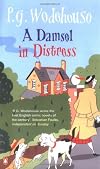
Steve.Gourley These novels don't have much in common at all, however the sense of humor in this book is very similar to Wodehouse's.
Member Reviews
Re-read on vacation. Helprin's stylistic flourishes astound and amaze, as does his ability to shift from the absurd and hilarious to the touching and sublime. And it's not just style. His aesthetic comes linked to an ethos, a theology. Helprin is, if not a preacher, at least an old-time country medicine show promoter: for the beauty of the world, for duty, for parental love, and against the painful inevitability of change; ever and always pointing us towards an ideal, and urging us to become the person we hope we could be.
These virtues come at a price. Helprin protagonists are elves -- Tolkein elves -- made for this world, impossibly in love with it, walking light-footed on snowdrifts. In some books, this wears better than in others. show more 3.10.08 show less
These virtues come at a price. Helprin protagonists are elves -- Tolkein elves -- made for this world, impossibly in love with it, walking light-footed on snowdrifts. In some books, this wears better than in others. show more 3.10.08 show less
Mark Helprin is one of my favorite authors, because of his ability to combine hilarious absurdity with moving earnestness. We see this quality in Memoir, although we have to work a bit harder to discern what's going on than I did with the previous Helprin novels I read, Winter's Tale and Freddy and Fredericka (F&F was my favorite book of 2008).
In Memoir, our narrator is an eighty-year-old man, born in the US, orphaned, raised in a Swiss home for the insane, educated at Harvard... we learn all these details in different sections of the memoir. He is now nearing the end of his life, teaching English as a second language in Brazil, cheerfully training his students to greet guests of high rank with choice obscenities. He reflects on his show more experiences as a pilot in WWII, his life as an investment banker, the many women he has loved, and his incessant war against the world's greatest source of evil, coffee. He is focused on protecting his memories and the people who have populated them; hence the antproof case in which his memoir is stored.
Helprin's style supports his narrator's bravado and his quasi-magical view of the world. He combines lyrical descriptions with improbable incidents, personal insights with absurd obsessions. I enjoy his writing tremendously, but he wanders quite a bit in this novel; it's more work than others I've read, which is not in itself a problem, but the reward is somewhat less. I suspect more would become clear with a re-read, but it's a long book, and there are many others waiting to be read. Recommended, but not as highly as others of his. show less
In Memoir, our narrator is an eighty-year-old man, born in the US, orphaned, raised in a Swiss home for the insane, educated at Harvard... we learn all these details in different sections of the memoir. He is now nearing the end of his life, teaching English as a second language in Brazil, cheerfully training his students to greet guests of high rank with choice obscenities. He reflects on his show more experiences as a pilot in WWII, his life as an investment banker, the many women he has loved, and his incessant war against the world's greatest source of evil, coffee. He is focused on protecting his memories and the people who have populated them; hence the antproof case in which his memoir is stored.
Helprin's style supports his narrator's bravado and his quasi-magical view of the world. He combines lyrical descriptions with improbable incidents, personal insights with absurd obsessions. I enjoy his writing tremendously, but he wanders quite a bit in this novel; it's more work than others I've read, which is not in itself a problem, but the reward is somewhat less. I suspect more would become clear with a re-read, but it's a long book, and there are many others waiting to be read. Recommended, but not as highly as others of his. show less
Long. Really Long. Exceedingly Long. Painfully Long. Longer than Long. Longer than Really, Really Long.
I didn't get it. It was just one long, jumbled up ramble. Psychosis unfolding over more than 500 pages. Neurosis on steroids. ADHD murmurings covering an octogenarian life.
The story within wasn't exactly horrible. I don't know how you would pull that out and make it into an interesting book. Overall thought I found it to be a long, confusing mess. And the coffee stuff, the core of the book, rubbish.
Parts of it I liked, sure. The last quarter of the book wasn't half bad. But getting anywhere took forever, and the coffee obsession, which apparently was the only thing that caused the narrators neurons to fire, accounted a thousand-to-one show more more to any other subject addressed in the book. That totally put me off from the start.
The off-beat writing seemed familiar, but I can't nail down what other authors I have read that were similar. John Irving maybe, or Douglas Adams. It has been decades since I read either, but those are the only names I can dredge up at the moment.
I could even relate to at least half of his ideas and thoughts and experiences, I just didn't like any of the presentation. Like who couldn't like this passage (see bottom). Written 30 years ago, it reads the same anywhere today. For example, one of the largest companies in the world Microsoft: buy Windows 10, "the last operating system you will ever need"... until Windows 11 becomes the last one... until Windows 365. Or another one, Amazon, we can deliver your order in two days if you pay us an extra $1,200 a year; if not, we just won't ship it for 2-3 weeks and then you will receive it two days later.
I think that the time frame of this part is set in the 1950s during a meeting at Stillman and Chase, he nails the corporate, capitalistic, screw-the-consumers mentality. He also has the consumer-as-willing-prey part down pat too:
"I want more fees."
"Arbitrarily, sir?"
"What the hell do you think a fee is, Nichols?" he screamed at Nichols. "Do we have transaction fees?"
"On what?"
"On everything."
"No."
"Levy transaction fees. And maintenance fees. And fees for opening an account, closing an account, having less than three accounts, and having more than two accounts, I want to see late charges, early charges, and surcharges on other charges. I want a fee for foreign accounts, a fee for domestic accounts, and a fee for accounts subject to audits. You get the picture? Gradually double or triple these fees over a period of two or three years, and index them to inflation. Institute a contact fee, a telephone charge, a bookkeeping adjustment charge, a flotation fee, a sinking fee, and, you, Nichols, go to the New York Public Library and - l don't care how long it takes - find five fees that no one has ever heard of. Look especially hard into Babylonia, the Sumerians, Byzantium, and the Holy Roman Empire. Those guys knew what they were doing, and they had balls."
"But Mr. Edgar, we'll drive away our customers."
"No we won't. Just be prepared to drop the fees of any customer who appears to be making good on a threat to leave, and increase those on the ones who stay put. It never fails."
"Yes Sir."
When Mr. Edgar left the River Club that evening, he was - although not immediately - several hundred million dollars richer. He returned ten percent of that to charity, and for this he was universally acclaimed.
[That's so Michael Milken... who may have been the model at the time of writing. Today that could easily be Mark Zuckerberg.] show less
I didn't get it. It was just one long, jumbled up ramble. Psychosis unfolding over more than 500 pages. Neurosis on steroids. ADHD murmurings covering an octogenarian life.
The story within wasn't exactly horrible. I don't know how you would pull that out and make it into an interesting book. Overall thought I found it to be a long, confusing mess. And the coffee stuff, the core of the book, rubbish.
Parts of it I liked, sure. The last quarter of the book wasn't half bad. But getting anywhere took forever, and the coffee obsession, which apparently was the only thing that caused the narrators neurons to fire, accounted a thousand-to-one show more more to any other subject addressed in the book. That totally put me off from the start.
The off-beat writing seemed familiar, but I can't nail down what other authors I have read that were similar. John Irving maybe, or Douglas Adams. It has been decades since I read either, but those are the only names I can dredge up at the moment.
I could even relate to at least half of his ideas and thoughts and experiences, I just didn't like any of the presentation. Like who couldn't like this passage (see bottom). Written 30 years ago, it reads the same anywhere today. For example, one of the largest companies in the world Microsoft: buy Windows 10, "the last operating system you will ever need"... until Windows 11 becomes the last one... until Windows 365. Or another one, Amazon, we can deliver your order in two days if you pay us an extra $1,200 a year; if not, we just won't ship it for 2-3 weeks and then you will receive it two days later.
I think that the time frame of this part is set in the 1950s during a meeting at Stillman and Chase, he nails the corporate, capitalistic, screw-the-consumers mentality. He also has the consumer-as-willing-prey part down pat too:
"I want more fees."
"Arbitrarily, sir?"
"What the hell do you think a fee is, Nichols?" he screamed at Nichols. "Do we have transaction fees?"
"On what?"
"On everything."
"No."
"Levy transaction fees. And maintenance fees. And fees for opening an account, closing an account, having less than three accounts, and having more than two accounts, I want to see late charges, early charges, and surcharges on other charges. I want a fee for foreign accounts, a fee for domestic accounts, and a fee for accounts subject to audits. You get the picture? Gradually double or triple these fees over a period of two or three years, and index them to inflation. Institute a contact fee, a telephone charge, a bookkeeping adjustment charge, a flotation fee, a sinking fee, and, you, Nichols, go to the New York Public Library and - l don't care how long it takes - find five fees that no one has ever heard of. Look especially hard into Babylonia, the Sumerians, Byzantium, and the Holy Roman Empire. Those guys knew what they were doing, and they had balls."
"But Mr. Edgar, we'll drive away our customers."
"No we won't. Just be prepared to drop the fees of any customer who appears to be making good on a threat to leave, and increase those on the ones who stay put. It never fails."
"Yes Sir."
When Mr. Edgar left the River Club that evening, he was - although not immediately - several hundred million dollars richer. He returned ten percent of that to charity, and for this he was universally acclaimed.
[That's so Michael Milken... who may have been the model at the time of writing. Today that could easily be Mark Zuckerberg.] show less
I really like everything I have read by Mark Helprin. This book is similar to "Paris in the Present Tense" but not quite as good. It takes the form of a memoir that an old but not yet dying father leaves to be read posthumously by his son. The narrator's pondering is Epictetian or Marcus Aurelian in tone and complement what others here have described as the novel's "magical realism." Although the underlying plot and theme are serious, the author liberally emends with humorous and improbable details to extricate the narrator from dilemmas and cul-de-sacs. Tom Wolfe did this better in "The Man in Full" but if you liked that you will like this. The title seems to be missing an article. On pp.61-62 I thought I had found a typo when I read show more "a hart struck by an arrow" but the author was playing with me. There were a few words I learned: excelsior, acromegalic and rusk which was used three times (pp.308, 317, and 373). There is a listing of great books that belong in a personal library (p.374). The novel is 514 pages in length and there was superfluous detail that could have been trimmed. The trade paperback was in almost pristine condition when I finished reading it. show less
A quick reading long story. Memoir of a man's entire life racked and lifted by events within and beyond his control. A well written book which certainly calls into question the protagonists' self opinions.
I may never drink coffee again-that's not true but it could happen after absorbing this Author's whimsical driftings through time, space and thought. How bad is it to be rich? How difficult is it to have murdered a teacher? Is a crash landing all it's made out to be? First love burns as intensely as your desire to keep reading this story's 'vistas', travels and moments of self-reflection. Franque
I may never drink coffee again-that's not true but it could happen after absorbing this Author's whimsical driftings through time, space and thought. How bad is it to be rich? How difficult is it to have murdered a teacher? Is a crash landing all it's made out to be? First love burns as intensely as your desire to keep reading this story's 'vistas', travels and moments of self-reflection. Franque
Memoir from Antproof Case aspires to be something we don't see much of anymore: a comprehensive satire and send-up of the American century. The nameless narrator embodies all the bravado and fondness for hyperbole that characterizes this country's recent history, but unfortunately Helprin's not up to the task. After 514 pages of non-chronological tall tales, you're left with one of the more unsettling questions a reader can have about a book — what was that all about?
Full review: http://www.davidlouisedelman.com/reviews/helprin.cfm
Full review: http://www.davidlouisedelman.com/reviews/helprin.cfm
A roller-coaster ride of a book. At times, the writing is stunning. Still not sure how I view the book as a whole though.
Members
- Recently Added By
Author Information

21+ Works 13,823 Members
Mark Helprin was born in Manhattan, New York on June 28, 1947. He received degrees from Harvard College and Harvard's Graduate School of Arts and Sciences, and did postgraduate work at the University of Oxford, Princeton University, and Columbia University. He has served in the British Merchant Navy, the Israeli infantry, and the Israeli Air show more Force. He is the author of numerous novels including Refiner's Fire, A Soldier of the Great War, Memoir from Antproof Case, Freddy and Fredericka, and In Sunlight and In Shadow. Winter's Tale was adapted into a movie in 2014. His short story collection, Ellis Island and Other Stories, was nominated for a National Book Award in 1981. His other short story collections include A Dove of the East and Other Stories and The Pacific and Other Stories. He also writes children's books including Swan Lake, A City in Winter, and The Veil of Snows. He has received several awards including the National Jewish Book Award, the Prix de Rome, the Peggy V. Helmerich Distinguished Author Award in 2006, and the Salvatori Prize in the American Founding in 2010. (Bowker Author Biography) show less
Awards and Honors
Awards
Common Knowledge
- Original publication date
- 1995
- Important events
- World War II
- Epigraph
- By indirections find directions out. - Hamlet, II i
- First words
- Call me Oscar Progresso.
- Last words
- (Click to show. Warning: May contain spoilers.)And may God continue to give me ways to protect and serve them, even though they are gone.
Classifications
Statistics
- Members
- 953
- Popularity
- 27,612
- Reviews
- 9
- Rating
- (3.81)
- Languages
- 5 — English, French, German, Polish, Spanish
- Media
- Paper, Ebook
- ISBNs
- 10
- ASINs
- 7