
Angle of Repose
by Wallace Stegner
On This Page
Description
Wallace Stegner's uniquely American classic centers on Lyman Ward, a noted historian who relates a fictionalized biography of his pioneer grandparents at a time when he has become estranged from his own family. Through a combination of research, memory, and exaggeration, Ward voices ideas concerning the relationship between history and the present, art and life, parents and children, husbands and wives. Like other great quests in literature, Lyman Ward's investigation leads him deep into the show more dark shadows of his own life. The result is a deeply moving novel that, through the prism of one family, illuminates the American present against the fascinating background of its past. Set in many parts of the West, Angle of Repose is a story of discovery--personal, historical, and geographical--that endures as Wallace Stegner's masterwork: an illumination of yesterday's reality that speaks to today's. show lessTags
Recommendations











Member Recommendations
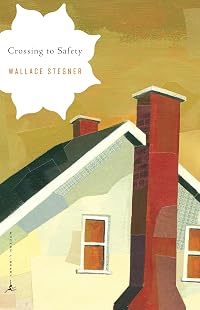
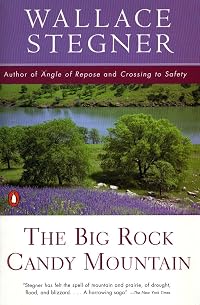
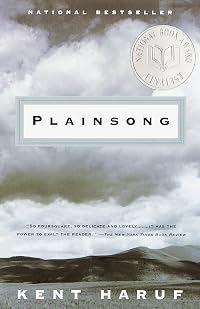
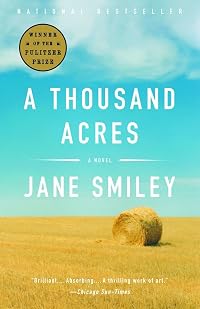
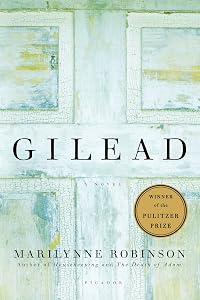
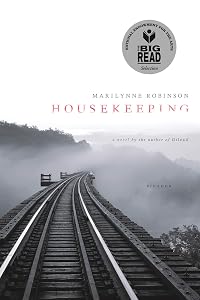
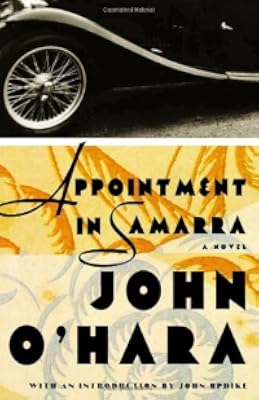
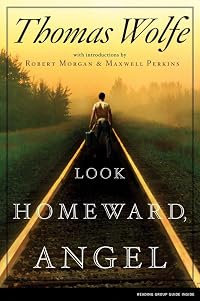
quartzite The books both feature an elderly narrator looking back at family dynamics in the past and using those reminiscences to frame their own story. They also share beautiful use of language.
51
Cecrow The novel Angle of Repose is based on the life of Mary Hallock Foote.
10


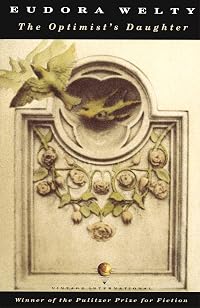
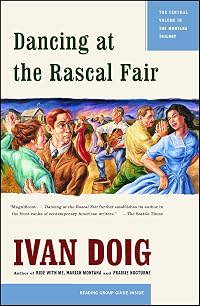
amelielyle Both are novels of the American West. Both are the story of intelligent women constrained by the role of 19th century wife and mother. Part of the pathos of each story is the dissolution of those marriages. Lyrical and image-provoking writing style.
Member Reviews
This is a sweeping novel of a man's quest to uncover the lives and marriage of his grandparents, Susan and Oliver, through his grandmother's letters. Susan grows up in an educated, artistic Eastern family and marries Oliver, who sees his fate as tied to the potential of the West. The move around a lot, searching for engineering work for Oliver, and Susan keeps up with her illustrating and writing, often bringing in more money than Oliver. She becomes close to another man that works with them, Frank, and their relationship brings on the crux of the book.
Susan and Oliver's marriage is the focus of the book, but the lifestyle of those trying to tame the West in the late 1800s is also a major part of the book. I loved the setting and the show more exploration of one woman's life as she both loves being West and fights against it.
I very much enjoyed this book, but I can't say I unreservedly loved it. Susan's story is framed by her grandson's story and his use of her life to explore some of his own issues. The problem was that I found him a bit annoying and also didn't totally trust his version of events surrounding his grandmother's life. I think this was intentional on Stegner's part and is part of the beauty of the novel, but unfortunately it also bothered me a bit.
Despite my reservations, I really did enjoy this and definitely recommend it. I suspect this book will grow on me even more as I ponder it. show less
Susan and Oliver's marriage is the focus of the book, but the lifestyle of those trying to tame the West in the late 1800s is also a major part of the book. I loved the setting and the show more exploration of one woman's life as she both loves being West and fights against it.
I very much enjoyed this book, but I can't say I unreservedly loved it. Susan's story is framed by her grandson's story and his use of her life to explore some of his own issues. The problem was that I found him a bit annoying and also didn't totally trust his version of events surrounding his grandmother's life. I think this was intentional on Stegner's part and is part of the beauty of the novel, but unfortunately it also bothered me a bit.
Despite my reservations, I really did enjoy this and definitely recommend it. I suspect this book will grow on me even more as I ponder it. show less
This is a beautifully written rich novel that I savored. The story within a story of Lyman Ward, an aging history professor, finding himself in poor health and left by his wife retreats to his familial home in the mountains of the Western US. Here he begins to write the story of his grandparents, in particular, his grandmother Susan, and their wanderings in an attempt to carve out a marriage and life in the wild, wild West of the late 1800's. Boom towns, mining camps, land prospecting, even towns like Tombstone, Leadville, and Deadwood make appearances.
Susan and Olliver's lives are depicted both in old letters, and dramatic fabrications, and even most chillingly at the end with newspaper clippings. The result is a poignant detailed show more tapestry that creates fantastic charaterization, gorgeous imagery, and certainly genuine emotion in the reader. My heart bled for the Wards, and poor Frank; I deflated at each disappointment; cheered for their stoicism and perserverence.
I really find no fault with this novel. I wanted it to go on and on. The message of this novel really resonates for me in my current state. So, were Susan and Oliver Ward successful in their marriage and their lives? Are any of us, really? Who is to say? The angle of repose is finally getting to that point in life where you say "It is what it is" and stop fighting . . . It is not really the same thing as giving up. To paraphrase a quote from the novel "quiet desperation is just another word for the human condition."
Inarguably, a fabulous work of fiction! There are not too many books I would consider re-reading, but this is one of them. show less
Susan and Olliver's lives are depicted both in old letters, and dramatic fabrications, and even most chillingly at the end with newspaper clippings. The result is a poignant detailed show more tapestry that creates fantastic charaterization, gorgeous imagery, and certainly genuine emotion in the reader. My heart bled for the Wards, and poor Frank; I deflated at each disappointment; cheered for their stoicism and perserverence.
I really find no fault with this novel. I wanted it to go on and on. The message of this novel really resonates for me in my current state. So, were Susan and Oliver Ward successful in their marriage and their lives? Are any of us, really? Who is to say? The angle of repose is finally getting to that point in life where you say "It is what it is" and stop fighting . . . It is not really the same thing as giving up. To paraphrase a quote from the novel "quiet desperation is just another word for the human condition."
Inarguably, a fabulous work of fiction! There are not too many books I would consider re-reading, but this is one of them. show less
Heraclitus and I, prophets of flux, know that the flux is composed of parts that imitate and repeat each other. Am or was, I am cumulative, too. I am everything I ever was... I am much of what my parents and especially my grandparents were—inherited stature, coloring, brains, bones...plus transmitted prejudices, culture, scruples, likings, moralities, and moral errors that I defend as if they were personal and not familial.
When the book opens, history professor Lyman Ward has returned to his childhood home - his grandparents' house in Grass Valley, California. A bone disease has severely restricted his movement and confined him to a wheelchair, but his mind is still active. He plans to devote his time to reading his grandmother's show more papers and writing the story of their marriage. Ward's grandmother was Susan Burling Ward, an artist and writer who had followed her mining engineer husband west after their marriage. Susan was a cultured woman, and she didn't intend to spend her whole life in the “wild west”. Once her husband established himself in a career, she believed they would return to the East where she would resume her position among her cultured friends. That didn't happen. Lyman's research among his grandmother's letters, diaries, and papers reveals the hopes and disappointments of his grandparents' marriage and their shared life in the West.
As Lyman tells Susan and Oliver's story, it's easy to forget that, while they're the subject of the book that Lyman is writing, Lyman himself is the central character of this novel. The opening sentence establishes a conflict: “Now I believe they will leave me alone.” Who is "they"? Lyman's son, Rodman, for one. But who else? What do they want Lyman to do that he doesn't want to do? Lyman sets aside his own conflict to research and write about his grandparents' lives. Lyman is good at avoiding his problems, except when he's forced to by a surprise visit from his son, or by the provocative comments of his assistant, Shelly, a product of the 1960s counterculture. Every now and then Lyman has a thought or makes a connection that inserts itself into his grandparents' story, reminding readers of his presence.
This novel will likely be among my top five reads for the year. It's a book deserving of careful study and multiple readings. I'm already thinking about my next reading of this book, when I'll pay more attention to its structure than the story. show less
When the book opens, history professor Lyman Ward has returned to his childhood home - his grandparents' house in Grass Valley, California. A bone disease has severely restricted his movement and confined him to a wheelchair, but his mind is still active. He plans to devote his time to reading his grandmother's show more papers and writing the story of their marriage. Ward's grandmother was Susan Burling Ward, an artist and writer who had followed her mining engineer husband west after their marriage. Susan was a cultured woman, and she didn't intend to spend her whole life in the “wild west”. Once her husband established himself in a career, she believed they would return to the East where she would resume her position among her cultured friends. That didn't happen. Lyman's research among his grandmother's letters, diaries, and papers reveals the hopes and disappointments of his grandparents' marriage and their shared life in the West.
As Lyman tells Susan and Oliver's story, it's easy to forget that, while they're the subject of the book that Lyman is writing, Lyman himself is the central character of this novel. The opening sentence establishes a conflict: “Now I believe they will leave me alone.” Who is "they"? Lyman's son, Rodman, for one. But who else? What do they want Lyman to do that he doesn't want to do? Lyman sets aside his own conflict to research and write about his grandparents' lives. Lyman is good at avoiding his problems, except when he's forced to by a surprise visit from his son, or by the provocative comments of his assistant, Shelly, a product of the 1960s counterculture. Every now and then Lyman has a thought or makes a connection that inserts itself into his grandparents' story, reminding readers of his presence.
This novel will likely be among my top five reads for the year. It's a book deserving of careful study and multiple readings. I'm already thinking about my next reading of this book, when I'll pay more attention to its structure than the story. show less
I'm afraid I must come down solidly in the contrarian camp on this one. So many LT colleagues have loved and praised [Angle of Repose], but rarely has a fine author frustrated me more than Stegner did here. When I started reading it, I thought I was going to set it aside almost immediately. I didn't take to the narrator, Lyman Ward, who sets out to research his grandmother's life and write her biography. Nevertheless, once the story of Susan Burling Ward began, I changed my mind, hated to put the book down, couldn't wait to get back to it.
With her talent for drawing, and his practical, idealistic plans for engineering projects, Susan and her husband Oliver seemed destined to leave their mark on civilization, setting out into the show more American West in the second half of the 19th century. These sections of the novel are often brilliant, containing icy-fresh prose and damnably fine evocations of terrain, weather, landscape and sky. But when the author reverts to Lyman's story, which is as grotesque as his mutilated calcified body, I simply could not care about, nor could I see the point of his torment, in the context of the novel. Ostensibly, there were to be connections made between his situation and his grandparents' life. He had known and loved both Susan and Oliver Ward, and he set out to understand something about their blighted marriage that he apparently hoped might help him deal with his own. As far as I could see, that didn't happen, while his story added nothing to theirs, which began to feel repetitious as one scheme after another came to nothing, and the elder Wards drifted apart. Although her writing and drawing were often the family's primary source of support, neither Susan nor her husband seemed to hold them in any particular regard. The respect and admiration Susan once felt for Oliver's single-minded pursuit of a dream dwindled with his prospects. As Oliver's latest venture failed yet again, necessitating yet another long separation from Susan and their children, not even Stegner's mastery of the language and talent for description of the grandeur of the American western landscape could make me want any more of it. And I grew impatient with Susan's interminable letters to her beloved friend back home, parts of which are apparently not Stegner's invention, but actual excerpts from correspondence written by the woman who was his model for Susan, Mary Hallock Foote. Frequently, Lyman Ward inserts himself into the narrative, telling us what he knows, and what he only imagines; where he got certain details, and which ones he has had to fill in when the source material is silent. I was overcome with irritation at what I call "TMA" (too much author). The distinction between fact and fiction, narrator and author, became blurry. I'm not a fan of the modern frame for the historical story, as I have seldom seen it done without finding it contrived. Finally, I found the modern ending awkward, painful and bewildering, while the conclusion of Susan's story was abrupt and unsatisfying. It pains me to be so negative about [Angle of Repose], which I have anticipated reading for several years. Unlike many other lauded works of fiction that just didn't work for me, I don't even feel inclined to give this one another chance some day.
June, 2015 show less
With her talent for drawing, and his practical, idealistic plans for engineering projects, Susan and her husband Oliver seemed destined to leave their mark on civilization, setting out into the show more American West in the second half of the 19th century. These sections of the novel are often brilliant, containing icy-fresh prose and damnably fine evocations of terrain, weather, landscape and sky. But when the author reverts to Lyman's story, which is as grotesque as his mutilated calcified body, I simply could not care about, nor could I see the point of his torment, in the context of the novel. Ostensibly, there were to be connections made between his situation and his grandparents' life. He had known and loved both Susan and Oliver Ward, and he set out to understand something about their blighted marriage that he apparently hoped might help him deal with his own. As far as I could see, that didn't happen, while his story added nothing to theirs, which began to feel repetitious as one scheme after another came to nothing, and the elder Wards drifted apart. Although her writing and drawing were often the family's primary source of support, neither Susan nor her husband seemed to hold them in any particular regard. The respect and admiration Susan once felt for Oliver's single-minded pursuit of a dream dwindled with his prospects. As Oliver's latest venture failed yet again, necessitating yet another long separation from Susan and their children, not even Stegner's mastery of the language and talent for description of the grandeur of the American western landscape could make me want any more of it. And I grew impatient with Susan's interminable letters to her beloved friend back home, parts of which are apparently not Stegner's invention, but actual excerpts from correspondence written by the woman who was his model for Susan, Mary Hallock Foote. Frequently, Lyman Ward inserts himself into the narrative, telling us what he knows, and what he only imagines; where he got certain details, and which ones he has had to fill in when the source material is silent. I was overcome with irritation at what I call "TMA" (too much author). The distinction between fact and fiction, narrator and author, became blurry. I'm not a fan of the modern frame for the historical story, as I have seldom seen it done without finding it contrived. Finally, I found the modern ending awkward, painful and bewildering, while the conclusion of Susan's story was abrupt and unsatisfying. It pains me to be so negative about [Angle of Repose], which I have anticipated reading for several years. Unlike many other lauded works of fiction that just didn't work for me, I don't even feel inclined to give this one another chance some day.
June, 2015 show less
I feel in no way capable of reviewing a work like this; happily many have gone before and written excellent reviews, so I don't have to. Here are my thoughts on reading it. I loved it. Not because it made me feel warm and fuzzy and comfortable; not because it made me laugh or appealed to my sense of justice. It did none of those things. It was a difficult story full of difficult people. But they were real. The struggles were real. The places and times were real. It was a book about learning to cope and be content with what is, even when life has handed you a plateful of disappointment.
Now I've said all that and not a word about the prose. Stegner is a joy to read, plain and simple. There are not many authors who could engage me in such show more a difficult struggle for so long, but he is one of them. I loved this book. show less
Now I've said all that and not a word about the prose. Stegner is a joy to read, plain and simple. There are not many authors who could engage me in such show more a difficult struggle for so long, but he is one of them. I loved this book. show less
What interests me in all these papers is not Susan Burling Ward the novelist and illustrator, and not Oliver Ward the engineer, and not the West they spend their lives in. What really interests me is how two such unlike particles clung together, and under what strains, rolling downhill into their future until they reached the angle of repose where I knew them. That's where the interest is. That's where the meaning will be if I find any. (p. 211)
Lyman Ward is writing a family history. More specifically, it's the story of a marriage between his grandmother (Susan Burling Ward) and grandfather (Oliver Ward) who lived in the American West in the late 1800s. Day after day, Lyman pores over family records, news clippings, and letters, and show more records his thoughts on cassette tapes. Lyman lives alone, is out of touch with his family, and severely disabled due to a bone disease. He gets around in a wheelchair, and uses only a few rooms of his house. Every evening a neighbor woman stops in to check on Lyman and give him his bath, and they have a nightcap together. The story of Susan and Oliver Ward begins around 1870, when Susan was a budding artist in New York. She moves in artsy social circles, and spends nearly every minute with a very dear friend, Augusta. When Augusta decides to marry Susan sees their relationship beginning to change, and she sets her sights on Oliver, a mining engineer. While they agree to marry, the union is put off for several years while Oliver establishes his career and readies a home for himself and Susan.
When frontier historians theorize about the uprooted, the lawless, the purseless, and the socially cut-off who settled the West, they are not talking about people like my grandmother. So much that was cherished and loved, women like her had to give up; and the more they gave it up, the more they carried it helplessly with them. It was a process like ionization: what was subtracted from one pole was added to the other. (p. 277)
In moving west, Susan sacrificed all she knew and held dear. Accustomed to moving in cultured, literate circles, she initially threw herself into mining camp life with gusto. But she brought her art supplies with her, and continued to draw. Augusta's husband Thomas, now a successful magazine editor, commissioned several pieces and relied on Susan for her interesting portraits of life in the far-off west. Susan also enjoyed evenings by the fire with two of Oliver's colleagues, Frank Sargent and Ian Price. In them she found others who loved literature and stimulating conversation; it fed her soul.
I know that Grandfather was trying to do, by personal initiative and with the financial resources of a small and struggling corporation, what only the immense power of the federal government ultimately proved able to do. That does not mean he was foolish or mistaken. He was premature. His clock was set on pioneer time. He met trains that had not yet arrived, he waited on platforms that hadn't yet been built, beside tracks that might never be laid .... Hope was always out ahead of fact, possibility obscured the outlines of reality. (p. 382)
Oliver was a successful engineer, rewarded for his hard work through promotions and special projects. He was a bit of a dreamer, envisioning possibilities and developing new materials and methods in his own time. He was usually a bit ahead of the curve, with ideas not quite ready for prime time. And while money was often tight, Oliver refused to allow Susan's earnings to be used to support the family. Oliver and Susan had a family, and moved several times for Oliver's work. Their son Ollie (Lyman's father) was often sent to stay with relatives in New York, because the mining camps were deemed unsuitable.
Through his research, Lyman carefully pieces together the story of Oliver and Susan's marriage, reconstructing the series of events which brought their relationship to the "angle of repose" (the angle at which soil settles after being dumped). Susan loved Oliver and had faith in his abilities, but was often disappointed with the actual results. She wanted so badly for her children to grow up refined and "Eastern," and became increasingly frustrated with their living conditions and the people she encountered day-to-day. Susan and Oliver's fortunes, and their hopes for the future, ebb and flow over the years. As Lyman tells Susan and Oliver's story, he tries to come to terms with his own failed marriage and the rapidly changing world around him.
I absolutely loved this book. The prose captured me instantly, and I became completely wrapped up both in Lyman's California of 1970, and the dusty Victorian mining camps. I identified strongly with Susan: her feelings of isolation, her persistence in keeping her artistic talents fresh, her devotion to her family, her longing for intellectual stimulation. And my heart went out to Lyman, with his own isolation and struggles with a failing body. These characters were so real to me; during the week it took me to read this book, I thought about them all the time. Towards the end, I wanted to prolong the relationship -- instead of rushing to finish, I read the last 50 pages very slowly, setting the book aside to make it last. This will undoubtedly make my "Top 10" list for the year. show less
Lyman Ward is writing a family history. More specifically, it's the story of a marriage between his grandmother (Susan Burling Ward) and grandfather (Oliver Ward) who lived in the American West in the late 1800s. Day after day, Lyman pores over family records, news clippings, and letters, and show more records his thoughts on cassette tapes. Lyman lives alone, is out of touch with his family, and severely disabled due to a bone disease. He gets around in a wheelchair, and uses only a few rooms of his house. Every evening a neighbor woman stops in to check on Lyman and give him his bath, and they have a nightcap together. The story of Susan and Oliver Ward begins around 1870, when Susan was a budding artist in New York. She moves in artsy social circles, and spends nearly every minute with a very dear friend, Augusta. When Augusta decides to marry Susan sees their relationship beginning to change, and she sets her sights on Oliver, a mining engineer. While they agree to marry, the union is put off for several years while Oliver establishes his career and readies a home for himself and Susan.
When frontier historians theorize about the uprooted, the lawless, the purseless, and the socially cut-off who settled the West, they are not talking about people like my grandmother. So much that was cherished and loved, women like her had to give up; and the more they gave it up, the more they carried it helplessly with them. It was a process like ionization: what was subtracted from one pole was added to the other. (p. 277)
In moving west, Susan sacrificed all she knew and held dear. Accustomed to moving in cultured, literate circles, she initially threw herself into mining camp life with gusto. But she brought her art supplies with her, and continued to draw. Augusta's husband Thomas, now a successful magazine editor, commissioned several pieces and relied on Susan for her interesting portraits of life in the far-off west. Susan also enjoyed evenings by the fire with two of Oliver's colleagues, Frank Sargent and Ian Price. In them she found others who loved literature and stimulating conversation; it fed her soul.
I know that Grandfather was trying to do, by personal initiative and with the financial resources of a small and struggling corporation, what only the immense power of the federal government ultimately proved able to do. That does not mean he was foolish or mistaken. He was premature. His clock was set on pioneer time. He met trains that had not yet arrived, he waited on platforms that hadn't yet been built, beside tracks that might never be laid .... Hope was always out ahead of fact, possibility obscured the outlines of reality. (p. 382)
Oliver was a successful engineer, rewarded for his hard work through promotions and special projects. He was a bit of a dreamer, envisioning possibilities and developing new materials and methods in his own time. He was usually a bit ahead of the curve, with ideas not quite ready for prime time. And while money was often tight, Oliver refused to allow Susan's earnings to be used to support the family. Oliver and Susan had a family, and moved several times for Oliver's work. Their son Ollie (Lyman's father) was often sent to stay with relatives in New York, because the mining camps were deemed unsuitable.
Through his research, Lyman carefully pieces together the story of Oliver and Susan's marriage, reconstructing the series of events which brought their relationship to the "angle of repose" (the angle at which soil settles after being dumped). Susan loved Oliver and had faith in his abilities, but was often disappointed with the actual results. She wanted so badly for her children to grow up refined and "Eastern," and became increasingly frustrated with their living conditions and the people she encountered day-to-day. Susan and Oliver's fortunes, and their hopes for the future, ebb and flow over the years. As Lyman tells Susan and Oliver's story, he tries to come to terms with his own failed marriage and the rapidly changing world around him.
I absolutely loved this book. The prose captured me instantly, and I became completely wrapped up both in Lyman's California of 1970, and the dusty Victorian mining camps. I identified strongly with Susan: her feelings of isolation, her persistence in keeping her artistic talents fresh, her devotion to her family, her longing for intellectual stimulation. And my heart went out to Lyman, with his own isolation and struggles with a failing body. These characters were so real to me; during the week it took me to read this book, I thought about them all the time. Towards the end, I wanted to prolong the relationship -- instead of rushing to finish, I read the last 50 pages very slowly, setting the book aside to make it last. This will undoubtedly make my "Top 10" list for the year. show less
The term ‘angle of repose’ refers to the slope at which an object ceases to roll. Stegner uses the term in his deeply layered, Pulitzer Prize winning novel to describe his narrator’s journey for understanding.
Lyman Ward is broken, having suffered an amputation and a debilitating disease that has left him largely bound to a wheelchair. But the fracture in his soul is deeper still. His condition has left him unable to work, his wife has left him, and his emotionally detached son wants to put him in a home. In defiance, Lyman takes up residence in his grandparent’s old home in the Northern California hills, immersing himself in the writings and drawings of his grandmother, Susan Burling Ward. Lyman begins writing her biography, show more detailing how she, a product of an educated, Victorian household, falls in love with Oliver Ward, a rugged dreamer and adventurer. The couple’s struggle to fit into each other’s lives in the shadow of an untamed land offer Lyman a better understanding of his own struggles.
Stegner is a true voice of the West. The poetry of his description in everything, from the arid landscapes to the lush hill country, is unparalleled. Every tiny detail is laid out, the delicacy of every bloom and the melody of every native bird. And while that might seem tiring, it is anything but. Stegner’s prose is easy to lose yourself in, and the book is easily one of the most complete narratives of any I’ve read. This is the kind of book that you take your time with, and don’t notice you’re doing it. Most criticisms look to Stegner’s source material, Mary Halloock Foote’s writings published as A Victorian Gentlewoman in the Far West, but Stegner’s personal understanding and love for the West and its rugged people is clear in every line.
[Angle of Repose]’s story matches Stegner’s deft prose, with multiple layers to pick at, no matter how deep you want to bite. At once, the book is an adventure tale, a character study of sacrifice and compromise, and a philosophical exploration of time and change and human need.
Bottom Line: This is that rare book that can make you back up to read a paragraph or a page for the beautiful language that describes the background setting, and then, on the next page, make you reach for pen and pad to jot down a carefully constructed, if rarely uttered, truth.
A favorite for the year and a new edition to the All Time Favorites!
5 bones show less
Lyman Ward is broken, having suffered an amputation and a debilitating disease that has left him largely bound to a wheelchair. But the fracture in his soul is deeper still. His condition has left him unable to work, his wife has left him, and his emotionally detached son wants to put him in a home. In defiance, Lyman takes up residence in his grandparent’s old home in the Northern California hills, immersing himself in the writings and drawings of his grandmother, Susan Burling Ward. Lyman begins writing her biography, show more detailing how she, a product of an educated, Victorian household, falls in love with Oliver Ward, a rugged dreamer and adventurer. The couple’s struggle to fit into each other’s lives in the shadow of an untamed land offer Lyman a better understanding of his own struggles.
Stegner is a true voice of the West. The poetry of his description in everything, from the arid landscapes to the lush hill country, is unparalleled. Every tiny detail is laid out, the delicacy of every bloom and the melody of every native bird. And while that might seem tiring, it is anything but. Stegner’s prose is easy to lose yourself in, and the book is easily one of the most complete narratives of any I’ve read. This is the kind of book that you take your time with, and don’t notice you’re doing it. Most criticisms look to Stegner’s source material, Mary Halloock Foote’s writings published as A Victorian Gentlewoman in the Far West, but Stegner’s personal understanding and love for the West and its rugged people is clear in every line.
[Angle of Repose]’s story matches Stegner’s deft prose, with multiple layers to pick at, no matter how deep you want to bite. At once, the book is an adventure tale, a character study of sacrifice and compromise, and a philosophical exploration of time and change and human need.
Bottom Line: This is that rare book that can make you back up to read a paragraph or a page for the beautiful language that describes the background setting, and then, on the next page, make you reach for pen and pad to jot down a carefully constructed, if rarely uttered, truth.
A favorite for the year and a new edition to the All Time Favorites!
5 bones show less
Members
- Recently Added By
Published Reviews
“Stegner lifts scenes from Mary Hallock Foote and enhances them. While this is within the purview of a novelist, more problematic is that he incorporates, verbatim, enormous chunks of her writing.”
added by Lemeritus
Lists

Classics you know you should have read but probably haven't
421 works; 407 members

Pulitzer Prize Winners for Fiction
102 works; 54 members

Best Historical Fiction
620 works; 258 members
Top-Rated Books on LibraryThing
272 works; 118 members

Recommend the 20 best books you've read in the last five years
2,168 works; 603 members

Great American Novels
158 works; 42 members

20th Century Literature
1,161 works; 54 members
Historical Fiction
889 works; 90 members

Top Five Books of 2013
1,562 works; 715 members

Books That Made Me Cry
199 works; 105 members

Novels from The Guardian's Great American Novelist Tournament
148 works; 24 members

Sense of place
156 works; 13 members

Favorite Long Books
330 works; 42 members

Books Set in California
112 works; 15 members

Pleasant Surprises: Books That Exceeded Our Expectations
418 works; 143 members
Best Family Stories
241 works; 22 members

Love and Marriage
93 works; 10 members

Top Five Books of 2018
802 works; 264 members

50 Books from the Past 50 Years
50 works; 8 members

1970s
657 works; 23 members

Canon de la narrativa universal del siglo XX
254 works; 6 members

Blue Pyramid 1,276 Best Books of All Time
1,248 works; 32 members

Top Five Books of 2014
1,064 works; 397 members

Top Five Books of 2015
811 works; 240 members
LibraryThingers' 1001 Books You Must Read Before You Die
442 works; 30 members
Daria Morgendorffer's Bookshelf
70 works; 5 members
The American Experience
173 works; 18 members
Best of American Literature
146 works; 9 members
Five star books
1,767 works; 109 members

Fictional Characters With Disabilities
43 works; 9 members

Troublesome bodies
110 works; 7 members

Books tagged favorites
390 works; 30 members
The Modern Library's 100 Best Novels: The Board's List
85 works; 6 members
Best Domestic Fiction
77 works; 6 members

The American West
18 works; 2 members

Retrospective of Historical Fiction
48 works; 7 members
Literary Travelogue of the United States Challenge
133 works; 6 members

What are your favourite books?
121 works; 11 members

Books Read in 2016
4,666 works; 199 members

Books About Older People
50 works; 11 members

Favourite Books
50 works; 1 member
Literature About Adultery
69 works; 10 members

My favourite books
96 works; 3 members
American Lit for Eng 11 Research Project
368 works; 6 members

AP Lit
363 works; 6 members

Books Read in 1995
26 works; 1 member

Reading LIst
648 works; 1 member
Canon de la narrativa universal del s. XX (cicutadry)
499 works; 3 members

Recommended Reading : 600 Classics Reviewed, Editors of Salem Press, 2015
634 works; 6 members

Mustich's 1000 Books to Read Before You Die: A Life Changing List
1,001 works; 20 members
Books available on Open Library
171 works; 4 members

Classics
7 works; 2 members

Books about Frontier Life and Pioneers
55 works; 7 members

Books Read in 2011
684 works; 19 members
Most Popular Penguins
70 works; 5 members
Modern Library's 100 Best Novels
100 works; 2 members

Best family sagas
244 works; 34 members

NPRs audience picks: 100 best beach reads
105 works; 12 members
Author Information

94+ Works 20,901 Members
In 1972, Wallace Earle Stegner won a Pulitzer Prize for Angle of Repose (1971), a novel about a wheelchair-bound man's recreation of his New England grandmother's experience in a late nineteenth-century frontier town. Stegner was born on February 18, 1909 in Lake Mills, Iowa. He was an American novelist, short story writer, environmentalist, and show more historian; he has been called "The Dean of Western Writers". He also won the US National Book Award in 1977 for The Spectator Bird. Stegner grew up in Great Falls, Montana; Salt Lake City, Utah; and in the village of Eastend, Saskatchewan, which he wrote about in his autobiography Wolf Willow. Stegner taught at the University of Wisconsin and Harvard University. Eventually he settled at Stanford University, where he initiated the creative writing program. His students included Wendell Berry, and Sandra Day O'Connor. The Stegner Fellowship program at Stanford University is a two-year creative writing fellowship. The house Stegner lived in from age 7 to 12 in Eastend, Saskatchewan, Canada, was restored by the Eastend Arts Council in 1990 and established as a Residence for Artists; the Wallace Stegner Grant For The Arts offers a grant of $500 and free residency at the house for the month of October for published Canadian writers. Stegner died in Santa Fe, New Mexico, on April 13, 1993, from a car accident on March 28, 1993. (Bowker Author Biography) show less
Some Editions
Awards and Honors
Awards
Distinctions
Notable Lists
Series
Belongs to Publisher Series
Work Relationships
Is contained in
Is abridged in
Has as a student's study guide
Common Knowledge
- Canonical title
- Angle of Repose
- Original title
- Angle of Repose
- Original publication date
- 1971
- People/Characters
- Susan Burling Ward; Oliver Ward; Lyman Ward
- Important places
- Leadville, Colorado, USA; New Almaden, California, USA; Boise, Idaho, USA; Grass Valley, California, USA; Santa Cruz, California, USA; Michoacán, Mexico (show all 13); California, USA; Colorado, USA; Idaho, USA; Mexico; Lake County, Colorado, USA; Santa Clara County, California, USA; USA
- Dedication
- For my son, Page
- First words
- Now I believe they will leave me alone.
- Quotations
- When frontier historians theorize about the uprooted, the lawless, the purseless, and the socially cut-off who settled the West, they are not talking about people like my grandmother. So much that was cherished and loved, wo... (show all)men like her had to give up; and the more they gave it up, the more they carried it helplessly with them. It was a process like ionization: what was subtracted from one pole was added to the other. For that sort of pioneer, the West was not a new country being created, but an old one being reproduced...
...the “angle of repose,” which means the angle at which dirt and pebbles stop rolling.
What interests me in all these papers is not Susan Burling Ward the novelist and illustrator, and not Oliver Ward the engineer, and not the West they spent their lives in. What really interests me is how two such unlike part... (show all)icles clung together, and under what strains, rolling downhill into their future until they reached the angle of repose where I knew them. That’s where the interest is. That's where the meaning will be if I find any.
Remember the one who wanted to know where you learned to handle so casually a technical term like “angle of repose”. I suppose you replied, “By living with an engineer,” but you were too alert to the figurative poss... (show all)ibilities of words not to see the phrase as descriptive of human as well as detrital rest. As you said, it was too good for mere dirt; you tried to apply it to your own wandering and uneasy life. ... I wonder if you ever reached it. There was a time up there in Idaho when everything was wrong; your husband's career, your marriage, your sense of yourself, your confidence, all came unglued together. Did you come down out of that into some restful 30 degree angle and live happily ever after? … We shared this house all the years of my childhood, and a good many summers afterward. Was the quiet I always felt in you really repose? - Last words
- (Click to show. Warning: May contain spoilers.)In this not-quite-quiet darkness, while the diesel breaks its heart more and more faintly on the mountain grade, I lie wondering if I am man enough to be a bigger man than my grandfather.
- Blurbers
- Rotondaro, Fred; Burroway, Janet; Culligan, Glendy; Abrahams, William
Classifications
- Genres
- Fiction and Literature, General Fiction, Historical Fiction
- DDC/MDS
- 813.52 — Literature & rhetoric American literature in English American fiction in English 1900-1999 1900-1945
- LCC
- PS3537 .T316 .A8 — Language and Literature American literature American literature Individual authors 1900-1960
- BISAC
Statistics
- Members
- 6,001
- Popularity
- 2,145
- Reviews
- 199
- Rating
- (4.25)
- Languages
- 6 — Dutch, English, French, Italian, Spanish, Turkish
- Media
- Paper, Audiobook, Ebook
- ISBNs
- 43
- ASINs
- 48