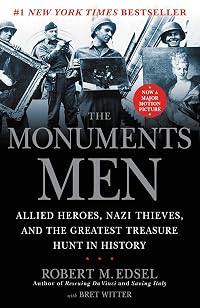
The Monuments Men: Allied Heroes, Nazi Thieves and the Greatest Treasure Hunt in History
by Robert M. Edsel (Author), Bret Witter (Author)
On This Page
Description
Now a major motion film!At the same time Adolf Hitler was attempting to take over the western world, his armies were methodically seeking and hoarding the finest art treasures in Europe. The Fuehrer had begun cataloguing the art he planned to collect as well as the art he would destroy: "degenerate" works he despised.
In a race against time, behind enemy lines, often unarmed, a special force of American and British museum directors, curators, art historians, and others, called the Monuments show more Men, risked their lives scouring Europe to prevent the destruction of thousands of years of culture.
Focusing on the eleven-month period between D-Day and V-E Day, this fascinating account from Robert Edsel and Bret Witter follows six Monuments Men and their impossible mission to save the world's great art from the Nazis.
. show less
Tags
Recommendations

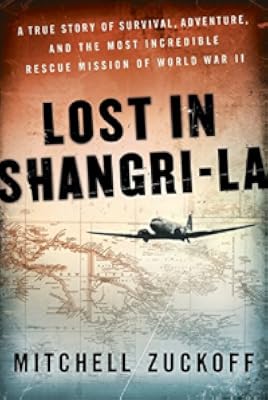
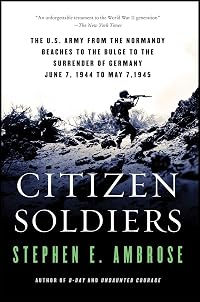
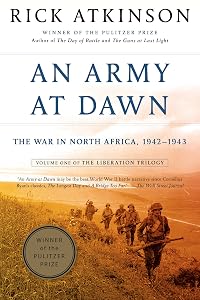
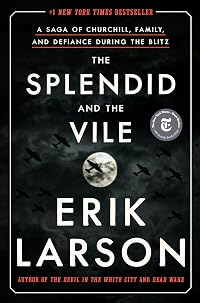





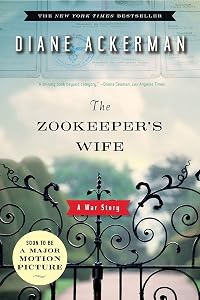
Member Recommendations

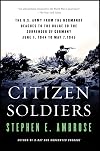
Citizen Soldiers: The U.S. Army from the Normandy Beaches to the Bulge to the Surrender of Germany by Stephen E. Ambrose
cbl_tn Both books cover events in Western Europe during the same time frame in World War II.

charlie68 Good general historical background for the book.
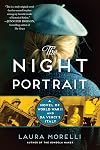
VictoriaPL Lady with an Ermine (attributed to da Vinci) was taken by the Nazis in Poland and later recovered by Monuments Men. This is a fictionalized telling of the creation of the painting and its journey during WWII.
Member Reviews
It could not be considered ridiculous to suggest that there has not been a topic covered so extensively and voluminously in Western popular culture as World War Two. Since 1945, that war has served, in both fiction and non-fiction, as one of the predominant reference points in our culture and as the bedrock of our collective passion for popular history. Consequently, it seems hard to believe that there could be a story - a true story - from those six years of conflict that has not already been told. But in 2009, the publishing of Robert Edsel's Monuments Men proved that there was such a story.
Edsel presents to us the story of a multinational army task force set up by the Western Allies to identify, reclaim and preserve the millions of show more pieces of priceless artwork stolen by the Nazis in their years of conquest and plunder, as well as to protect the countless cathedrals, historic buildings and monuments that stood in the crossfire of the Allied and German clashes. Millions of treasures, yet the 'task force' consisted of a handful of men, barely reaching double figures, many of whom were middle-aged academics from the art and museum communities of Britain and the United States. With the fate of Europe's cultural heritage in their hands, these men faced both a fanatical Nazi enemy determined to destroy rather than surrender these artefacts and its own army which, despite some advocates and enthusiasts, consisted mainly of men who were unhelpful, ignorant or sometimes even downright hostile to the goals of the Monument Men. They faced these enemies with no clear organisational structure of their own, no lofty rank to smooth things along (most were lieutenants or captains), no clear mission or orders, and often without supplies, personnel (one man, for example, would be entrusted with all the cultural treasures in the entirety of Belgium, and another man responsible for all of southern Germany) or even transportation (George Stout, the de facto leader, traverses the European Theatre of Operations in a beat-up Volkswagen left behind by the retreating Germans, whilst others hitch lifts in whatever vehicle is heading in roughly the direction they want to go). Oh, and they succeeded.
Edsel does not hide his incredulity at the facts of this story, nor his glee at having the privilege of being the one to tell it, and his evident admiration for the achievements of the Monuments Men gives his prose a seductive and effusive charm. Whilst light on action (the Monuments Men typically survey damage to a building or track down leads on stolen artwork in the days after a battle), there are still a number of close shaves, and two of the most prominent Monuments Men lose their lives to enemy fire. The sense of danger is also palpable when investigating the collapsing ruins of bombed-out German towns or exploring the claustrophobic environs of salt mines that have been used to stash Nazi loot. The lack of battlefield thrills is more than compensated by the dogged determination with which the Monuments Men chase down leads and pursue their investigations, adding a thriller-esque element of intrigue to the story. Edsel is also good at communicating the awe and wonder of these works of art, both individually (as in explaining why the Ghent Altarpiece or the Bruges Madonna is worthy of pursuit across Europe) and as a collective, such as the innumerable quantities of treasure crammed by the fleeing Nazis into vast salt mines.
A good balance is maintained between narrating the actions of the Monuments Men and recalling the greed of the chief Nazis. There are a number of chapters which break from the Monuments Men narrative to remind us of Göring's disgusting and shallow greed, or of Hitler's plans for a prestigious 'Führermuseum' in his hometown of Linz. Such interludes help Edsel to communicate just why the Monuments Men's mission was so important. Initially, I struggled to grasp how people could fret over pieces of canvas and marble when human lives, surely more precious and unique, were being extinguished in such perversely large numbers. But Edsel successfully paints the retrieval of the art as a triumph of eternal goodness and beauty over the evil of the Nazis, a symbol of the post-war redemption of Europe. So successful is he in this that by the end of the book, despite not being passionate about the arts, I was alarmed at how close many of these unique pieces came to wilful or accidental destruction. Hundreds of years of culture, a European heritage that could not be reclaimed once lost, rested on a knife edge. A handful of men were tasked to their protection, in the maelstrom of a world war. It is a remarkable story. show less
Edsel presents to us the story of a multinational army task force set up by the Western Allies to identify, reclaim and preserve the millions of show more pieces of priceless artwork stolen by the Nazis in their years of conquest and plunder, as well as to protect the countless cathedrals, historic buildings and monuments that stood in the crossfire of the Allied and German clashes. Millions of treasures, yet the 'task force' consisted of a handful of men, barely reaching double figures, many of whom were middle-aged academics from the art and museum communities of Britain and the United States. With the fate of Europe's cultural heritage in their hands, these men faced both a fanatical Nazi enemy determined to destroy rather than surrender these artefacts and its own army which, despite some advocates and enthusiasts, consisted mainly of men who were unhelpful, ignorant or sometimes even downright hostile to the goals of the Monument Men. They faced these enemies with no clear organisational structure of their own, no lofty rank to smooth things along (most were lieutenants or captains), no clear mission or orders, and often without supplies, personnel (one man, for example, would be entrusted with all the cultural treasures in the entirety of Belgium, and another man responsible for all of southern Germany) or even transportation (George Stout, the de facto leader, traverses the European Theatre of Operations in a beat-up Volkswagen left behind by the retreating Germans, whilst others hitch lifts in whatever vehicle is heading in roughly the direction they want to go). Oh, and they succeeded.
Edsel does not hide his incredulity at the facts of this story, nor his glee at having the privilege of being the one to tell it, and his evident admiration for the achievements of the Monuments Men gives his prose a seductive and effusive charm. Whilst light on action (the Monuments Men typically survey damage to a building or track down leads on stolen artwork in the days after a battle), there are still a number of close shaves, and two of the most prominent Monuments Men lose their lives to enemy fire. The sense of danger is also palpable when investigating the collapsing ruins of bombed-out German towns or exploring the claustrophobic environs of salt mines that have been used to stash Nazi loot. The lack of battlefield thrills is more than compensated by the dogged determination with which the Monuments Men chase down leads and pursue their investigations, adding a thriller-esque element of intrigue to the story. Edsel is also good at communicating the awe and wonder of these works of art, both individually (as in explaining why the Ghent Altarpiece or the Bruges Madonna is worthy of pursuit across Europe) and as a collective, such as the innumerable quantities of treasure crammed by the fleeing Nazis into vast salt mines.
A good balance is maintained between narrating the actions of the Monuments Men and recalling the greed of the chief Nazis. There are a number of chapters which break from the Monuments Men narrative to remind us of Göring's disgusting and shallow greed, or of Hitler's plans for a prestigious 'Führermuseum' in his hometown of Linz. Such interludes help Edsel to communicate just why the Monuments Men's mission was so important. Initially, I struggled to grasp how people could fret over pieces of canvas and marble when human lives, surely more precious and unique, were being extinguished in such perversely large numbers. But Edsel successfully paints the retrieval of the art as a triumph of eternal goodness and beauty over the evil of the Nazis, a symbol of the post-war redemption of Europe. So successful is he in this that by the end of the book, despite not being passionate about the arts, I was alarmed at how close many of these unique pieces came to wilful or accidental destruction. Hundreds of years of culture, a European heritage that could not be reclaimed once lost, rested on a knife edge. A handful of men were tasked to their protection, in the maelstrom of a world war. It is a remarkable story. show less
I assume this book will be getting a lot more attention in a couple of weeks as it is the subject of a "major motion picture" complete with big name stars like George Clooney, Matt Damon and Cate Blanchett. I can't speak to the merits of the movie but I can say that the book which it is based on is excellent.
The Monuments Men is the story of a small unit of the allied armies in the Second World War known as the Monuments, Fine Arts, and Archives (or MFAA) commonly referred to as the Monuments Men. Starting with a handful of individuals, the Monuments Men are tasked with preserving and restoring the cultural patrimony of Europe. In many ways, the Monuments Men are the Allied response to the Nazi art looting teams. As the Nazis spread show more across Europe art was a major focus of many of the leaders of the Nazi party including Hitler himself, a failed art student. Art was pursued for ideological purposes and for its value. The Nazis made a show of destroying what they labeled as "degenerate" art (or selling it off) and made claims of ownership to Germanic art. Of course the story is more complex than that; the Nazis systematically looted mundane items too. Collections of eye glasses and shoes remain stark reminders of the special brand of efficiency and horror of the Nazis. However, the art is a special case simply because the Nazi hierarchy invested such importance to its acquisition.
The Monuments Men tells one side of this story by focusing on the people who dream up the Monuments Men and prevail upon the Allied command to prioritize the preservation and recovery of art. The bulk of the book covers the execution of that effort. The action really gets started with D-Day. Monuments Men are on the ground in Normandy shortly after the invasion trying to track down and preserve important works of art like the Bayeux Tapestry. As the Allied forces liberate Paris and begin pushing East, it becomes apparent to the Monuments Men that their job is not just to preserve art and architecture jeopardized by fighting. Rather, it is soon learned that the Nazis have systematically looted the areas of occupation and spirited some of the most important works back to Germany. The Monuments Men hear tales of the theft of the Ghent Altarpiece being packed up in the middle of the night and shipped East to parts unknown. The same is true of much of Paris's art, especially the private collections of its most prominent Jewish citizens.
The work of the Monuments Men becomes a detective story as they attempt to trace the missing art. As if unraveling the theft isn't hard enough, the hunt for the missing art occurs in the midst of a war zone. To heighten the tension, the Monuments Men must race to protect the art from some Nazis who are prepared to follow Hitler's final order to destroy everything of value left in Germany and beat the advancing Soviet army that is intent on keeping the art for Stalin as recompense for the destruction that the Nazis visited on the Eastern front.
Edsel does an excellent job to telling the story with the drama it deserves. He also does a fine job of telling the very human story of the Monuments Men themselves. Ultimately, this is a feel good story. The Allies (mainly Americans) are noble and brave. The art is protected and returned, not looted. And the men who risk so much to save the cultural patrimony of Western Civilization return to quiet, productive civilian lives full of good deeds and civic accomplishments.
This is not to say that Edsel ignores the subsequent injustice that is inflicted on many former owners of the art following the war. Edsel acknowledges that much of the follow through has been been sorely lacking but he rightfully wants the reader to understand and appreciate the accomplishments of the Monuments Men. Edsel admirably succeeds in this goal. The Monuments Men is a great read.
As an addendum, the story of the theft of Europe's art and its subsequent recovery has been told in many other excellent books. Foremost among them is The Rape of Europa by Lynn Nicholas. The Rape of Europa is a fantastic book that covers much more of the initial theft of the art. While the Monuments Men are given their due, Nicholas has a broader focus. The Rape of Europa is a must read for anyone truly interested in the subject.
Other suggested reading:
Lost Lives, Lost Art by Melissa Muller which details the ongoing struggle of many Jewish families to recover art stolen or seized via forced sale by the Nazis.
The Amber Room: The Fate of the World's Greatest Lost Treasure by Catherine Scott-Clark which tells the story of the famed Amber Room from the Hermitage in Russia which was also looted by the Nazis but never recovered.
Stealing the Mystic Lamb by Noah Charney which tells the story of the famous Ghent altarpiece. Much of that book focuses on the theft of the altar piece and its recovery during the Second World War but more of its history, including other thefts, is detailed. show less
The Monuments Men is the story of a small unit of the allied armies in the Second World War known as the Monuments, Fine Arts, and Archives (or MFAA) commonly referred to as the Monuments Men. Starting with a handful of individuals, the Monuments Men are tasked with preserving and restoring the cultural patrimony of Europe. In many ways, the Monuments Men are the Allied response to the Nazi art looting teams. As the Nazis spread show more across Europe art was a major focus of many of the leaders of the Nazi party including Hitler himself, a failed art student. Art was pursued for ideological purposes and for its value. The Nazis made a show of destroying what they labeled as "degenerate" art (or selling it off) and made claims of ownership to Germanic art. Of course the story is more complex than that; the Nazis systematically looted mundane items too. Collections of eye glasses and shoes remain stark reminders of the special brand of efficiency and horror of the Nazis. However, the art is a special case simply because the Nazi hierarchy invested such importance to its acquisition.
The Monuments Men tells one side of this story by focusing on the people who dream up the Monuments Men and prevail upon the Allied command to prioritize the preservation and recovery of art. The bulk of the book covers the execution of that effort. The action really gets started with D-Day. Monuments Men are on the ground in Normandy shortly after the invasion trying to track down and preserve important works of art like the Bayeux Tapestry. As the Allied forces liberate Paris and begin pushing East, it becomes apparent to the Monuments Men that their job is not just to preserve art and architecture jeopardized by fighting. Rather, it is soon learned that the Nazis have systematically looted the areas of occupation and spirited some of the most important works back to Germany. The Monuments Men hear tales of the theft of the Ghent Altarpiece being packed up in the middle of the night and shipped East to parts unknown. The same is true of much of Paris's art, especially the private collections of its most prominent Jewish citizens.
The work of the Monuments Men becomes a detective story as they attempt to trace the missing art. As if unraveling the theft isn't hard enough, the hunt for the missing art occurs in the midst of a war zone. To heighten the tension, the Monuments Men must race to protect the art from some Nazis who are prepared to follow Hitler's final order to destroy everything of value left in Germany and beat the advancing Soviet army that is intent on keeping the art for Stalin as recompense for the destruction that the Nazis visited on the Eastern front.
Edsel does an excellent job to telling the story with the drama it deserves. He also does a fine job of telling the very human story of the Monuments Men themselves. Ultimately, this is a feel good story. The Allies (mainly Americans) are noble and brave. The art is protected and returned, not looted. And the men who risk so much to save the cultural patrimony of Western Civilization return to quiet, productive civilian lives full of good deeds and civic accomplishments.
This is not to say that Edsel ignores the subsequent injustice that is inflicted on many former owners of the art following the war. Edsel acknowledges that much of the follow through has been been sorely lacking but he rightfully wants the reader to understand and appreciate the accomplishments of the Monuments Men. Edsel admirably succeeds in this goal. The Monuments Men is a great read.
As an addendum, the story of the theft of Europe's art and its subsequent recovery has been told in many other excellent books. Foremost among them is The Rape of Europa by Lynn Nicholas. The Rape of Europa is a fantastic book that covers much more of the initial theft of the art. While the Monuments Men are given their due, Nicholas has a broader focus. The Rape of Europa is a must read for anyone truly interested in the subject.
Other suggested reading:
Lost Lives, Lost Art by Melissa Muller which details the ongoing struggle of many Jewish families to recover art stolen or seized via forced sale by the Nazis.
The Amber Room: The Fate of the World's Greatest Lost Treasure by Catherine Scott-Clark which tells the story of the famed Amber Room from the Hermitage in Russia which was also looted by the Nazis but never recovered.
Stealing the Mystic Lamb by Noah Charney which tells the story of the famous Ghent altarpiece. Much of that book focuses on the theft of the altar piece and its recovery during the Second World War but more of its history, including other thefts, is detailed. show less
I discovered that this book existed by watching the trailer for its film adaptation, which was unfortunately not very well reviewed. The book, however, is well-written and fascinating. It doesn’t have quite the epic scope of [b:Band of Brothers: E Company, 506th Regiment, 101st Airborne from Normandy to Hitler's Eagle's Nest|42389|Band of Brothers E Company, 506th Regiment, 101st Airborne from Normandy to Hitler's Eagle's Nest|Stephen E. Ambrose|https://images.gr-assets.com/books/1388247701s/42389.jpg|903474], but provides an interesting and novel angle on the European theatre of the Second World War. The ‘Monuments Men’ of the title were given the huge and impossible responsibility of protecting historic monuments and recovering show more Nazi-looted artwork across Northern Europe. The book begins by introducing the few men and one woman who did this work, emphasising the great difficulty there was in getting any such organisation set up at all. Given the exigencies of the war this isn’t entirely surprising, although the Nazis has a strong sense of the importance of artistic and cultural control in the suppression of those they considered inferior. To battle them on this front, the Monuments Men sought to emphasise that treasures of history enrich everyone and should not be controlled and censored by a single repressive regime. The second half of the book, which deals with the final year and aftermath of the war, features the repatriation of many incredible works of art. The stories of a self-portrait by Rembrandt, Vermeer’s ‘The Astronomer’, and the Ghent Altarpiece are given especial notice.
Prior to reading this book, I hadn’t realised the sheer rapacity with which the Nazis appropriated art from the places they invaded and occupied. This book describes the grand museum and art gallery that Hitler planned to build, the apex of a massive redesign of his hometown. It would have essentially contained all the art he liked best, stolen from around the world. The sheer effort that the Nazi regime put into art theft is extraordinary. The most exciting parts of the book are all towards the end, as the Monuments Men discover salt mines filled with precious art pieces, together with explosives to destroy them. Given Hitler’s scorched earth orders, that anything the allies could use should be destroyed, it is amazing how much survived. The book is careful to ascribe this survival not only to the Monuments Men themselves, but also Germans, including certain Nazis, who were not prepared to follow this order when the war was so clearly lost. That said, the author also acknowledges how much was not recovered and was either destroyed or still remains lost. Himmler’s collection of art, for example, was apparently burnt by the SS.
Overall, I think this book is an effective tribute to a rarely-acknowledged group of people. Their hard work and bravery during the Second World War is now taken for granted, as we gaze at beautiful paintings and sculptures in museums. So many amazing works could have been blown up at the bottom of mines, a terrible loss to the world. In particular, I liked the respect accorded to Rose Valland, who worked in the Louvre during the occupation and quietly kept track of where the Nazis were taking the works they appropriated. Her courage was incredible and without her information the Monuments Men would have been a great deal less successful. The stories of all the people concerned are moving and well-told, though. I enjoyed reading this book for the interesting new understanding it provided, despite the sombre subject matter. I definitely recommend it. show less
Prior to reading this book, I hadn’t realised the sheer rapacity with which the Nazis appropriated art from the places they invaded and occupied. This book describes the grand museum and art gallery that Hitler planned to build, the apex of a massive redesign of his hometown. It would have essentially contained all the art he liked best, stolen from around the world. The sheer effort that the Nazi regime put into art theft is extraordinary. The most exciting parts of the book are all towards the end, as the Monuments Men discover salt mines filled with precious art pieces, together with explosives to destroy them. Given Hitler’s scorched earth orders, that anything the allies could use should be destroyed, it is amazing how much survived. The book is careful to ascribe this survival not only to the Monuments Men themselves, but also Germans, including certain Nazis, who were not prepared to follow this order when the war was so clearly lost. That said, the author also acknowledges how much was not recovered and was either destroyed or still remains lost. Himmler’s collection of art, for example, was apparently burnt by the SS.
Overall, I think this book is an effective tribute to a rarely-acknowledged group of people. Their hard work and bravery during the Second World War is now taken for granted, as we gaze at beautiful paintings and sculptures in museums. So many amazing works could have been blown up at the bottom of mines, a terrible loss to the world. In particular, I liked the respect accorded to Rose Valland, who worked in the Louvre during the occupation and quietly kept track of where the Nazis were taking the works they appropriated. Her courage was incredible and without her information the Monuments Men would have been a great deal less successful. The stories of all the people concerned are moving and well-told, though. I enjoyed reading this book for the interesting new understanding it provided, despite the sombre subject matter. I definitely recommend it. show less
I’m constantly intrigued by the many amazing true stories from the WWII period and this is another good one. The Monuments Men were a group of mostly older men from artistic careers who volunteered to go to Europe to protect monuments during the Allied offensive. They also became involved in retrieving and returning the many valuable art works stolen by German forces. As the war turned against them, German commanders were ordered to destroy art rather than let it be recaptured. Meanwhile, Russian troops claimed any art work they found as the spoils of war. Limited support left the Monuments Men trying to accomplish miracles, rescuing art as quickly as possible.
I enjoyed this book from the very beginning. The author starts with notes show more about sources and an explanation of how dialog in the book was crafted from primary sources. I love knowing exactly where the information I’m reading comes from, so I really appreciate books with a section like this. The author also includes small biographies with pictures of each of the major players in the story. This was incredibly helpful throughout the book. Something I’m sure it’s hard to do is to help the reader connect with the large number of people involved in a project like this. The biographies gave me something to refer back to each time a character was mentioned. That helped me keep track of everyone enough to have a connection with each of the characters. I think that was critical to my enjoyment of this book.
The book also included some personal stories about each of the men (and the one woman) involved. These were perfectly balanced with sections describing the art and sections describing the action. The author also did a great job integrating the story of the Monuments Men into the overall story of the war. There were descriptions of some of the major battles which I’d heard about before, but there were also more new-to-me descriptions of the time leading up to the war, the experience at the homefront, and the ending of the war in Germany. Although the descriptions of battles made me think deeply about whether the Monuments Men’s choice to risk their life for art made sense, the author does clearly articulate the reasons they thought this choice was worthwhile. The author did a great job telling their story in an engaging way and I would recommend this book to anyone interested in WWII or art history.
This review first published on Doing Dewey. show less
I enjoyed this book from the very beginning. The author starts with notes show more about sources and an explanation of how dialog in the book was crafted from primary sources. I love knowing exactly where the information I’m reading comes from, so I really appreciate books with a section like this. The author also includes small biographies with pictures of each of the major players in the story. This was incredibly helpful throughout the book. Something I’m sure it’s hard to do is to help the reader connect with the large number of people involved in a project like this. The biographies gave me something to refer back to each time a character was mentioned. That helped me keep track of everyone enough to have a connection with each of the characters. I think that was critical to my enjoyment of this book.
The book also included some personal stories about each of the men (and the one woman) involved. These were perfectly balanced with sections describing the art and sections describing the action. The author also did a great job integrating the story of the Monuments Men into the overall story of the war. There were descriptions of some of the major battles which I’d heard about before, but there were also more new-to-me descriptions of the time leading up to the war, the experience at the homefront, and the ending of the war in Germany. Although the descriptions of battles made me think deeply about whether the Monuments Men’s choice to risk their life for art made sense, the author does clearly articulate the reasons they thought this choice was worthwhile. The author did a great job telling their story in an engaging way and I would recommend this book to anyone interested in WWII or art history.
This review first published on Doing Dewey. show less
Monument Men offers a great story about the US efforts to rescue European art from destruction by both the Nazis and the American army, both not known to care much about art. While the author is fully engaged in presenting it as a case of American exceptionalism, in reality, the Americans were late and bungled to constitute their cultural preservation efforts. The author mentions the German Kunstschutz whose official mission of preserving art had been perverted by the Nazis into a looting organization. Still, the Germans did have a dedicated unit for the preservation of art, as Europe learned from the pointless devastation of art caused by the First World War.
Success was due to the heroic efforts of a few idealists against a huge show more bureaucracy that failed to provide even minimal organizational support. Time and again, the experts had to borrow rides and make do with miserable spaces because they lacked men, rank and resources. A true MacGyver-esque approach to protecting art that relied mostly on personal intervention to the local US commander.
Fortunately, the main battles in WWII took place in the culturally less densely populated areas of Eastern and Central Europe and Western Europe was spared a Götterdämmerung defense. Another element that protected many works of art was Nazi greed. They looted and hoarded the European masterworks in their special lairs where the Americans could collect them again after the Nazis had been defeated.
The story ends much too soon. The US volunteers returned home and the structures put into place were dismantled too quickly. This had the notorious consequence that, for instance, the Austrian art establishment, the same persons who had assisted in looting the art, was now back in charge in restituting the works of art. Up to the 1970s, these people blocked or hampered many fair restitution efforts. The US "mission accomplished" banner was raised much too soon. The start of the Cold War meant that the former Nazis quickly became valuable allies against the Communists and key experts and bureaucrats managed to transition over into the new power structure. But this was a question to be dealt with at a higher pay grade than the individuals honored in this account. They did indeed do splendid work with very limited resources, using words and the pen to preserve art for future generations. show less
Success was due to the heroic efforts of a few idealists against a huge show more bureaucracy that failed to provide even minimal organizational support. Time and again, the experts had to borrow rides and make do with miserable spaces because they lacked men, rank and resources. A true MacGyver-esque approach to protecting art that relied mostly on personal intervention to the local US commander.
Fortunately, the main battles in WWII took place in the culturally less densely populated areas of Eastern and Central Europe and Western Europe was spared a Götterdämmerung defense. Another element that protected many works of art was Nazi greed. They looted and hoarded the European masterworks in their special lairs where the Americans could collect them again after the Nazis had been defeated.
The story ends much too soon. The US volunteers returned home and the structures put into place were dismantled too quickly. This had the notorious consequence that, for instance, the Austrian art establishment, the same persons who had assisted in looting the art, was now back in charge in restituting the works of art. Up to the 1970s, these people blocked or hampered many fair restitution efforts. The US "mission accomplished" banner was raised much too soon. The start of the Cold War meant that the former Nazis quickly became valuable allies against the Communists and key experts and bureaucrats managed to transition over into the new power structure. But this was a question to be dealt with at a higher pay grade than the individuals honored in this account. They did indeed do splendid work with very limited resources, using words and the pen to preserve art for future generations. show less
This was an excellent look at a little-known part of World War II - the effort to save architecture damaged or put at risk by the war, and to find and return works of art stolen by the Nazis. The author was careful to give us a personal view of each of the early Monuments Men and the problems and frustrations they had to deal with, as well as what drove each of them to do this work, with little or no support most of the time, and at great personal risk (two of them were killed in the line of duty). I was impressed by the movie, but the book is so much more detailed, and yet completely readable. I particularly liked his ending up with the story of Harry Ettlinger, who grew up only three blocks from one of the precious works of art he show more helped recover, but was only able to see the painting after they found it hidden in a mine - because he was born in Karlsruhe, Germany but was never allowed to enter the museum that housed it. Why not? He was Jewish. Well-written, well-researched, full of juicy tidbits, and the full truth about some who did the work but never got much credit for it. show less
At first I found this a difficult book. There are so many characters in so many different places dealing with so many situations that it was all quite confusing.
However, I persevered, and am very glad I did as the immensity of the horror of the times together with the immensity of what these people accomplished, makes for an incredibly interesting and exciting story.
The author's style is to be fairly understated so the courage, evil, danger and drama are more implied than described. In many ways, this is a good thing. The facts are allowed to speak for themselves. They are very complicated facts and the twists and turns and jumping from place to place can be hard to follow. I wonder if there might have been a better way to tell this show more story but maybe not without losing some veracity.
A very good read about an important part of recent history that seems to have been neglected. show less
However, I persevered, and am very glad I did as the immensity of the horror of the times together with the immensity of what these people accomplished, makes for an incredibly interesting and exciting story.
The author's style is to be fairly understated so the courage, evil, danger and drama are more implied than described. In many ways, this is a good thing. The facts are allowed to speak for themselves. They are very complicated facts and the twists and turns and jumping from place to place can be hard to follow. I wonder if there might have been a better way to tell this show more story but maybe not without losing some veracity.
A very good read about an important part of recent history that seems to have been neglected. show less
Members
- Recently Added By
Published Reviews
ThingScore 75
The hunters' exploits make a fascinating read. Edsel carefully and colorfully backgrounds "The Monuments Men: Allied Heroes, Nazi Thieves, and the Greatest Treasure Hunt in History" with vivid accounts of the war's progress. But statements that recall films "based on a true story" may put some readers off. An author's note says he created dialogue for continuity but not on substance, and show more always with documentation. show less
added by Shortride
Lists

Non-Fiction Worth Reading
1,015 works; 254 members

Stories of War and Revolution
143 works; 54 members

Top Five Books of 2016
795 works; 229 members

Books about World War II
241 works; 22 members

Books Read in 2014
2,343 works; 89 members

SantaThing 2014 Gifts
299 works; 17 members

Read the book and saw the movie
1,170 works; 195 members
THE WAR ROOM
813 works; 24 members

History: War & Terrorism
64 works; 1 member

Books read in 2014
66 works; 1 member
Author Information

Robert M. Edsel was born in Oak Park, Illinois in 1956. He is the author of several non-fiction books including Rescuing Da Vinci, The Monuments Men: Allied Heroes, Nazi Thieves and the Greatest Treasure Hunt in History, and Saving Italy: The Race to Rescue a Nation's Treasures from the Nazis. The Monuments Men was adapted into a film starring show more George Clooney, Matt Damon, Bill Murray, and Cate Blanchett. Edsel is the founder and president of the Monuments Men Foundation for the Preservation of Art, which received the 2007 National Humanities Medal under President George W. Bush. (Bowker Author Biography) show less

Awards and Honors
Distinctions
Notable Lists
Series
Belongs to Publisher Series
Work Relationships
Has the adaptation
Common Knowledge
- Canonical title
- The Monuments Men: Allied Heroes, Nazi Thieves and the Greatest Treasure Hunt in History
- Original title
- The Monuments Men: Allied Heroes, Nazi Thieves and the Greatest Treasure Hunt in History
- Original publication date
- 2009
- People/Characters
- Lincoln Kirstein; Bernard Taper; Owen J. Roberts; Leonard Woolley; Rose Valland; George Stout (show all 27); James Rorimer; Robert Posey; Walker Hancock; L. Bancel La Farge; Harry Ettlinger; Adolf Hitler; Albert Speer; August Eigruber; Ronald Balfour; Dwight D. Eisenhower; George S. Patton; Emmerich Pochmuller; Franz von Wolff-Metternich; Jacques Jaujard; Hermann Michel; Otto Hogler; Bruno Lohse; Hermann Bunjes; Ernst Kaltenbrunner; Alfred Rosenberg; Hermann Göring
- Important places
- Germany; Florence, Tuscany, Italy; Paris, France; Europe; Altaussee, Salzkammergut, Austria; Monte Cassino, Lazio, Italy (show all 10); Neuschwanstein, Hohenschwangau, Bavaria, Germany; Hohenschwangau, Bavaria, Germany; Heilbronn, Baden-Württemberg, Germany; Karlsruhe, Baden-Württemberg, Germany
- Important events
- World War II
- Related movies
- The Monuments Men (2014 | IMDb)
- Epigraph
- Whatever these paintings may have been to men who looked at them a generation back - today they are not only works of art. Today they are the symbols of the human spirit, and of the world the freedom of the human spirit made... (show all). . . . To accept this work today is to assert the purpose of the people of America that the freedom of the human spirit and human mind which has produced the world's great art and all its science - shall not be utterly destroyed.- President Franklin D. Roosevelt, dedication ceremony of the National Gallery of Art, March 17, 1941
It used to be called plundering. But today things have become more humane. In spite of that, I intend to plunder, and to do it thoroughly. - Reichsmarschall Hermann Goring, speaking to a conference of Reich Commissioners fo... (show all)r the Occupied Territories and the Military Commanders, Berlin, August 6, 1942 - Dedication
- To my mother Norma, aunt Marilyn, and son Diego - The memory of my father and uncle, A. Ray Edsel and Ron B. Wright, both veterans - And the Monuments Men and women, whose heroic efforts preserved so much of the beauty we enj... (show all)oy today
- First words
- (Author's Note) Most of us are aware that World War II was the most destructive war in history.
The city of Karlsruhe, in southwestern Germanyk, was founded in 1715 by the Margrave Karl Wilhelm von Baden-Durlach. - Quotations
- AS impossible as it seems, it was the duty of these eight officers to inspect and preserve every important monument the Allied forces encountered between the English Channel and Berlin.
- Last words
- (Click to show. Warning: May contain spoilers.)No one seemed interested in the fact that the painting was the Rembrandt from the museum in Karlsruhe, and that the nineteen-year-old soldier standing next to it was a German Jew who had grown up three blocks from that museum, and by chance had descended seven undred feet into a mine to behold, for the first time, a painting he had always heard about, but never had the right to see.
- Original language
- English
Classifications
Statistics
- Members
- 3,477
- Popularity
- 4,781
- Reviews
- 99
- Rating
- (3.91)
- Languages
- 12 — Danish, Dutch, English, Estonian, Finnish, French, German, Hebrew, Italian, Polish, Portuguese, Spanish
- Media
- Paper, Audiobook, Ebook
- ISBNs
- 53
- UPCs
- 1
- ASINs
- 24