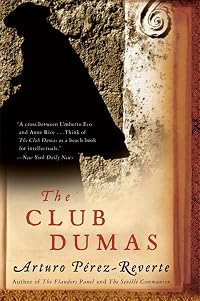
The Club Dumas
by Arturo Pérez-Reverte
On This Page
Description
A provocative literary thriller that playfully pays tribute to classic tales of mystery and adventure Lucas Corso is a book detective, a middle-aged mercenary hired to hunt down rare editions for wealthy and unscrupulous clients. When a well-known bibliophile is found dead, leaving behind part of the original manuscript of Alexandre Dumas'sThe Three Musketeers, Corso is brought in to authenticate the fragment. He is soon drawn into a swirling plot involving devil worship, occult show more practices, and swashbuckling derring-do among a cast of characters bearing a suspicious resemblance to those of Dumas's masterpiece. Aided by a mysterious beauty named for a Conan Doyle heroine, Corso travels from Madrid to Toledo to Paris on the killer's trail in this twisty intellectual romp through the book world. show lessTags
Recommendations
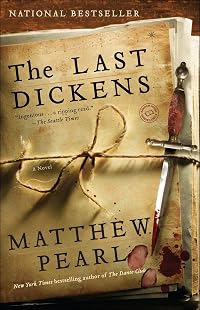

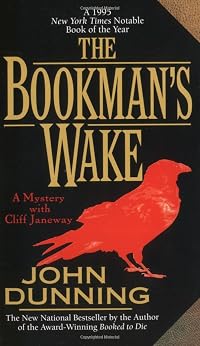
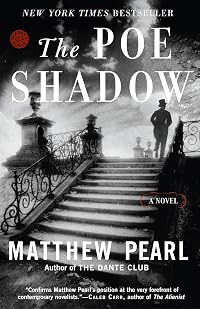
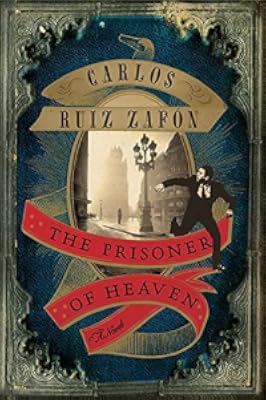

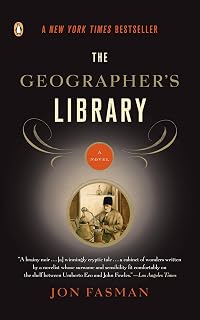
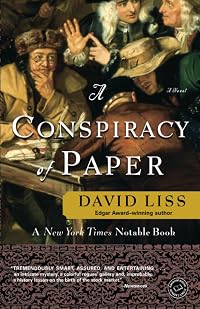
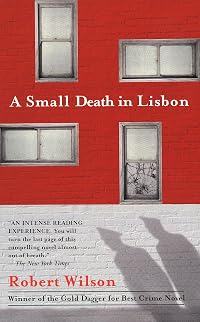
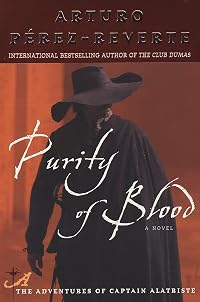
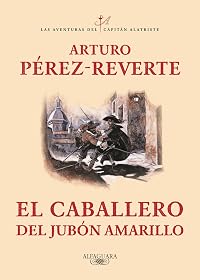
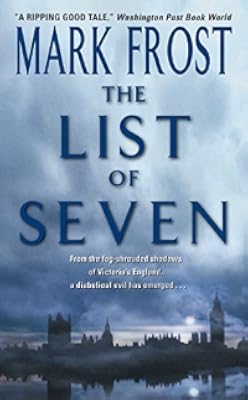
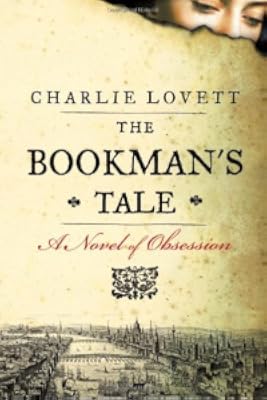
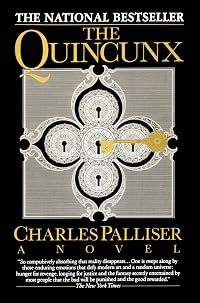




Member Recommendations
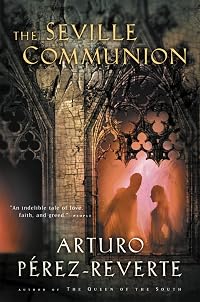
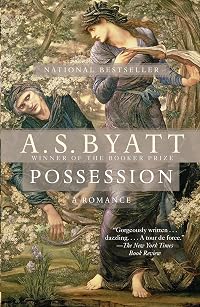
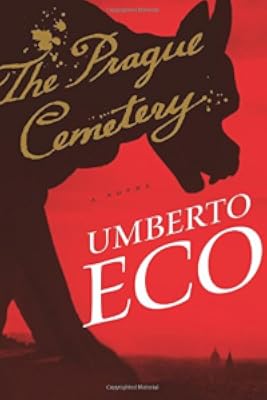
P_S_Patrick These books have a fair bit in common. They are both intense and thrilling mysteries, involving the occult, conspiracies, books, murders, and are both set mainly in Europe. What The Club Dumas does, Foucalt's Pendulum does better, but that is just my opinion. I have known people give up on reading Foucalt's Pendulum because of its length, its abundance of complicated detail, and its demands on the readers concentration, but any serious reader who enjoyed the Club Dumas should enjoy this more. Anyone who enjoyed Eco's story, likewise, should enjoy the other book, but don't expect it to be quite as good, though I don't think there is a surplus of work in this genre that can compare, with this being more or less the next best thing that I have read.
Also recommended by stephaniefeldman, Sensei-CRS
211
112
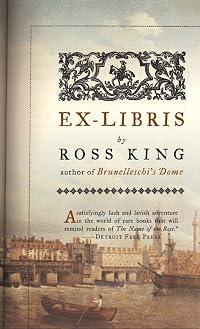
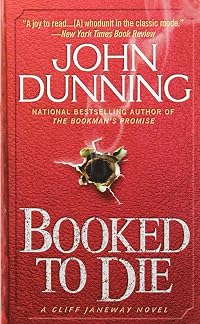
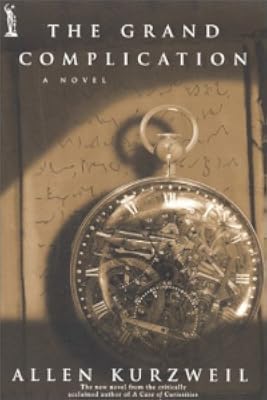
Jannes A crime novel set among Londons book-dealers and collectors. Also deals with the occult.
30

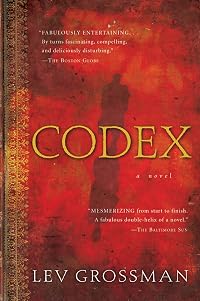
Jannes More book-hunting with supernatural overtones.

Member Reviews
Lucas Corso, middle-aged and cynical, is a book detective, a mercenary hired to hunt down rare editions for wealthy and unscrupulous clients. When a well-known bibliophile is found hanged leaving behind part of the original manuscript of Alexander Dumas's 'The Three Musketeers', Corso is brought in to authenticate the fragment. At the same he is given the task of proving the authenticity of three books that that supposedly enable their owners to summon the devil.
The two tasks seems relatively straightforward, but the unsuspecting Corso is soon drawn into a swirling plot involving devil worship, occult practices and swashbuckling derring-do among a cast of characters bearing a suspicious resemblance to those in Dumas's masterpiece. Aided show more by a mysterious beauty named for a Conan Doyle heroine, Corso travels from Madrid to Toledo to Paris pursued by a sinister and seemingly omniscient killer.
It is apparent that Perez-Reverte has done an awful lot of research into Dumas in particular as well as some art masterpieces. Also it soon becomes apparent to the reader at least that Corso is following two separate trails but the author manages to carry them both off admirably at the same time keeping me interested in both. However, despite really enjoying most of the book I found the endings something of a disappointment. The Dumas Club are simply a group of enthusiasts who like to dress up as their favourite characters and meet up once a year. Corso gives them the missing manuscript but isn't even asked to join. OK the climax of the other thread will be more spectacular. No that rather fizzles out as well although I'm not sure how you could have done it in print rather than techni-colour. Nor is the true identity of Corso's accomplice true identity or why she chose to assist him properly revealed. Overall a thoroughly enjoyable romp that fell at the last fence. show less
The two tasks seems relatively straightforward, but the unsuspecting Corso is soon drawn into a swirling plot involving devil worship, occult practices and swashbuckling derring-do among a cast of characters bearing a suspicious resemblance to those in Dumas's masterpiece. Aided show more by a mysterious beauty named for a Conan Doyle heroine, Corso travels from Madrid to Toledo to Paris pursued by a sinister and seemingly omniscient killer.
It is apparent that Perez-Reverte has done an awful lot of research into Dumas in particular as well as some art masterpieces. Also it soon becomes apparent to the reader at least that Corso is following two separate trails but the author manages to carry them both off admirably at the same time keeping me interested in both. However, despite really enjoying most of the book I found the endings something of a disappointment. The Dumas Club are simply a group of enthusiasts who like to dress up as their favourite characters and meet up once a year. Corso gives them the missing manuscript but isn't even asked to join. OK the climax of the other thread will be more spectacular. No that rather fizzles out as well although I'm not sure how you could have done it in print rather than techni-colour. Nor is the true identity of Corso's accomplice true identity or why she chose to assist him properly revealed. Overall a thoroughly enjoyable romp that fell at the last fence. show less
An entertaining literary thriller, playing around with different levels of intertextuality and a self-parodying adventure-story plot. Clearly owes a lot to Foucault's Pendulum — Eco himself makes a brief cameo appearance. Nothing very profound in the end, but it's fun, there are some nice puzzles and enough erudite literary references to make you feel quite clever. Quijano's French translation is very agreeable to read, too. I felt that we didn't really need a blow-by-blow description of every single cigarette the main character smoked or gin he sipped — possibly this was intended as a send-up of the conventions of noir detective stories, but it soon became tedious. Almost as though P-R was using the exercise of writing the book as show more a way of giving up smoking himself... show less
I truly like this book on several levels.
First - Same as in Six Days of Condor protagonist, I find the Lucas Corso's occupation to be something beautiful. While I never searched for this level of rare books, I fully understand how "hunt" for the book can wholly occupy the person. Joy of research, tracking various volumes and releases, and finally obtaining one of them is something that can only be experienced not told about. Author understands this and it is pure joy reading how books are investigated, linked to the other works, cross referenced ..... beautiful. It is path of acquiring knowledge, truly powerful one.
Second - Author successfully manages to intertwine two separate stories, at first not linked but later we become aware show more that there are links. One part is related to long lost Dumas manuscript that could uncover some not so flattering facts about Dumas as a writer. This leads to rather human twist, exaggerated by all people involved due to what you might call professional deformation - mixing the various story lines read during their career with reality, which causes imagination to run rampant and create .... lets say phobias and deadly situations. Second story is more ..... sinister. It is story of a rare volume written by Dutch publisher [for which Inquisition burned him on the stake] that can enable a person to communicate and summon the dark unholy forces. Here Corso and company thread the path that brings them in touch with people with shadowy past (Unger here the most), contacts dying horrendous deaths while also having something lurking at the edge, something powerful and terrifying. Both stories are so fast paced, so beautifully presented that you cannot but keep on reading.
Third - Endings. This is part where most reviewers feel they were played. I do not. First, entire story is more about the journey than the destination, and journey in this book is wonderful. Ending is in line what one might expect. First story, caused by human element has a very human ending. Convoluted [and to me rather silly]? Sure, but that's people - very rarely people do not complicate things and more than not actions seem silly. Second story on the other hand is darker and linked to forces that are invisible but horrifying and terrible. Now we have to understand that Lucas Corso is not stupid and not a man willing to sacrifice himself for nebulous reasons. He is aware that what Borja tries to do is dangerous, he feels it. And what does he do - he asks for money and when he sees that might not be possible he decides not to linger around. He tries to survive. This taken into account, ending of second story-line was no surprise for me. As a matter of fact I am not sure what more could be expected from Corso? He managed to survive with one piece of the puzzle firmly next to him - right? Goal achieved.
Characters are given in very detailed way. I truly enjoyed their conversations and flow of thought. One of the best (comic relief of sorts) is Corso's friend from Harpooner's Club, especially at the end. Corso himself is a loner, well versed in lore of old books, and knowledge how to obtain them. But he is a loner, unable to establish personal contact with other people and this isolation has effects - he starts to let his imagination affect his actions. It is not that he is crazy, no. It is just that his imagination runs uncontrolled and because of this he sees some patterns which does not help his paranoia and anxiety (attempts on his life notwithstanding).
Every character is fully fleshed out and has its place in the story.
Author writes wonderfully, and manages to glue you to the book and just wont let you go until the very end.
Great book, highly recommended. show less
First - Same as in Six Days of Condor protagonist, I find the Lucas Corso's occupation to be something beautiful. While I never searched for this level of rare books, I fully understand how "hunt" for the book can wholly occupy the person. Joy of research, tracking various volumes and releases, and finally obtaining one of them is something that can only be experienced not told about. Author understands this and it is pure joy reading how books are investigated, linked to the other works, cross referenced ..... beautiful. It is path of acquiring knowledge, truly powerful one.
Second - Author successfully manages to intertwine two separate stories, at first not linked but later we become aware show more that there are links. One part is related to long lost Dumas manuscript that could uncover some not so flattering facts about Dumas as a writer. This leads to rather human twist, exaggerated by all people involved due to what you might call professional deformation - mixing the various story lines read during their career with reality, which causes imagination to run rampant and create .... lets say phobias and deadly situations. Second story is more ..... sinister. It is story of a rare volume written by Dutch publisher [for which Inquisition burned him on the stake] that can enable a person to communicate and summon the dark unholy forces. Here Corso and company thread the path that brings them in touch with people with shadowy past (Unger here the most), contacts dying horrendous deaths while also having something lurking at the edge, something powerful and terrifying. Both stories are so fast paced, so beautifully presented that you cannot but keep on reading.
Third - Endings. This is part where most reviewers feel they were played. I do not. First, entire story is more about the journey than the destination, and journey in this book is wonderful. Ending is in line what one might expect. First story, caused by human element has a very human ending. Convoluted [and to me rather silly]? Sure, but that's people - very rarely people do not complicate things and more than not actions seem silly. Second story on the other hand is darker and linked to forces that are invisible but horrifying and terrible. Now we have to understand that Lucas Corso is not stupid and not a man willing to sacrifice himself for nebulous reasons. He is aware that what Borja tries to do is dangerous, he feels it. And what does he do - he asks for money and when he sees that might not be possible he decides not to linger around. He tries to survive. This taken into account, ending of second story-line was no surprise for me. As a matter of fact I am not sure what more could be expected from Corso? He managed to survive with one piece of the puzzle firmly next to him - right? Goal achieved.
Characters are given in very detailed way. I truly enjoyed their conversations and flow of thought. One of the best (comic relief of sorts) is Corso's friend from Harpooner's Club, especially at the end. Corso himself is a loner, well versed in lore of old books, and knowledge how to obtain them. But he is a loner, unable to establish personal contact with other people and this isolation has effects - he starts to let his imagination affect his actions. It is not that he is crazy, no. It is just that his imagination runs uncontrolled and because of this he sees some patterns which does not help his paranoia and anxiety (attempts on his life notwithstanding).
Every character is fully fleshed out and has its place in the story.
Author writes wonderfully, and manages to glue you to the book and just wont let you go until the very end.
Great book, highly recommended. show less
Sulle orme di Dumas, padre, Pérez-Reverte assembla un incredibile, eruditissimo guazzabuglio che mescola il fuilleton, genere fondante del romanzo moderno, che tutto contiene della vita e della fantasia, e la caccia a una perduta opera demonologica, con colpi di scena degni di Edmond Dantes.
A tutto questo si aggiunga un diavolo innamorato che pare preso di peso dalla mortale intermittenza di Saramago.
Mis mas, guazzabuglio, pasticcio, che è anche, provare per credere, un eccezionale uvaggio.
Consigliato a tutti coloro che credono che leggere debba necessariamente divertire.
A tutto questo si aggiunga un diavolo innamorato che pare preso di peso dalla mortale intermittenza di Saramago.
Mis mas, guazzabuglio, pasticcio, che è anche, provare per credere, un eccezionale uvaggio.
Consigliato a tutti coloro che credono che leggere debba necessariamente divertire.
I was inspired to read this after I watched the Roman Polanski/Johnny Depp film, "The Ninth Gate" a while back. The film was entertaining in its own right - I find Johnny Depp unenjoyable actor to watch. However the film overall wasn't that great.
My usual philosophy is that the book is better than the film. I have been proved right again! This book is a gem. The book runs two narratives (three if you count the Three Musketeers) alongside one another. The film barely manages the one - the demonic aspect of the story.
Arturo Perez-Reverte has created a masterful novel and narrative with this book. The text is accessible and the story arcs are great. The narrative always moves forward preserving the flow and suspense in equal measure. show more There is humour here but not in the laugh out loud manner; so it doesn't become a parody of the genre. There is incredible attention to. Whether the details and texts described are real or not is difficult to elucidate - it seems so detailed that it seems real. The skill of the master narrator. The characters are well constructed, charismatic and generate empathy, sympathy or dislike.
In spite of the poor movie conversion Corso is still Johnny Depp in my mind.
It is unlike anything else I have recall of reading - so very original. The translation from the Spanish by Sonia Soto is excellent.
If you want a fun adventure novel with a bit of history, occult, suspense and adventure you really need to read this. READ not heard or watched. show less
My usual philosophy is that the book is better than the film. I have been proved right again! This book is a gem. The book runs two narratives (three if you count the Three Musketeers) alongside one another. The film barely manages the one - the demonic aspect of the story.
Arturo Perez-Reverte has created a masterful novel and narrative with this book. The text is accessible and the story arcs are great. The narrative always moves forward preserving the flow and suspense in equal measure. show more There is humour here but not in the laugh out loud manner; so it doesn't become a parody of the genre. There is incredible attention to. Whether the details and texts described are real or not is difficult to elucidate - it seems so detailed that it seems real. The skill of the master narrator. The characters are well constructed, charismatic and generate empathy, sympathy or dislike.
In spite of the poor movie conversion Corso is still Johnny Depp in my mind.
It is unlike anything else I have recall of reading - so very original. The translation from the Spanish by Sonia Soto is excellent.
If you want a fun adventure novel with a bit of history, occult, suspense and adventure you really need to read this. READ not heard or watched. show less
Set in Spain, Portugal, and France, antiquarian book dealer Lucas Corso is hired to research the authenticity of a rare manuscript purportedly written by Alexander Dumas. He is provided a copy of another book, The Nine Doors, that is rumored to contain information on how to summon Satan, and asked to investigate the two remaining copies, which may be forgeries. During these two investigations he meets people who resemble characters in Dumas’ The Three Musketeers.
This is a book for lovers of books. It contains a mystery within a mystery. It contains a plethora of literary references, past book printing and binding techniques, historical information about the life of Alexander Dumas, and an in-depth examination of the characters in show more The Three Musketeers. This book requires active engagement by the reader and is not a quick read. It is an elaborate puzzle, and the reader will need to pay close attention to details, especially early in the story, as these come into play later on. Though the author provides context, to get the most out of this book, it is helpful to have somewhat recently read The Three Musketeers.
I enjoyed the portions about Corso traveling around Europe to immerse himself in ancient book collections. Once it gets to the possible connections to the occult, it gets a little outlandish. Do not be surprised if it is difficult, if not impossible, to solve the mystery before being provided a large amount of information near the end.
3.5 show less
This is a book for lovers of books. It contains a mystery within a mystery. It contains a plethora of literary references, past book printing and binding techniques, historical information about the life of Alexander Dumas, and an in-depth examination of the characters in show more The Three Musketeers. This book requires active engagement by the reader and is not a quick read. It is an elaborate puzzle, and the reader will need to pay close attention to details, especially early in the story, as these come into play later on. Though the author provides context, to get the most out of this book, it is helpful to have somewhat recently read The Three Musketeers.
I enjoyed the portions about Corso traveling around Europe to immerse himself in ancient book collections. Once it gets to the possible connections to the occult, it gets a little outlandish. Do not be surprised if it is difficult, if not impossible, to solve the mystery before being provided a large amount of information near the end.
3.5 show less
In ‘The Club Dumas’, Lucas Corso, a sort of mercenary book finder, is hired to authenticate a part of Dumas’s ‘The Three Musketeers” when the owner of it is found dead, presumably by his own hand. The search is not straight forward; it proves to have Byzantine twists and turns. Corso also finds himself in a search for a book that summons the devil; multiple versions exists and he needs to know which is the authentic one- especially since there was only one surviving copy when the author was put to death during the Inquisition. People keep dying, Corso is being followed by someone who likes to beat him up, and a young woman who calls herself Irene Adler keeps showing up.
This is a book for bibliophiles; there are numerous show more references to real books and many books invented just for this story. I think the story would have seemed richer to me had I a knowledge of ‘The Three Musketeers’ and other Dumas works.
The plot has so many twists and turns that I had a hard time keeping it all straight in my head. I had a big problem with the book in that I found Corso to be completely unlikable. He’s so completely self-serving that I just could not find him sympathetic. Irene Adler is a cipher; to the end we never find out who she really is. I found the endings to both plot threads rather unsatisfying. I admit that the book held my interest right up until the end; the book references, talk about how literary forgeries are done, and the history used in the story were fascinating. show less
This is a book for bibliophiles; there are numerous show more references to real books and many books invented just for this story. I think the story would have seemed richer to me had I a knowledge of ‘The Three Musketeers’ and other Dumas works.
The plot has so many twists and turns that I had a hard time keeping it all straight in my head. I had a big problem with the book in that I found Corso to be completely unlikable. He’s so completely self-serving that I just could not find him sympathetic. Irene Adler is a cipher; to the end we never find out who she really is. I found the endings to both plot threads rather unsatisfying. I admit that the book held my interest right up until the end; the book references, talk about how literary forgeries are done, and the history used in the story were fascinating. show less
Members
- Recently Added By
Published Reviews
ThingScore 88
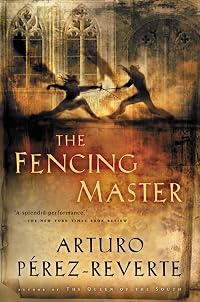
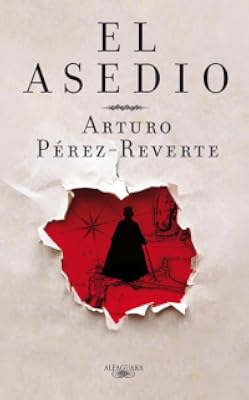
"Spain's bestselling novelist follows three polished and erudite thrillers (The Flanders Panel; The Club Dumas; The Seville Communion) with a fourth that combines the classic art of fencing, 19th-century Spanish monarchical politics and the eternal lure of the femme fatale."
added by bookfitz
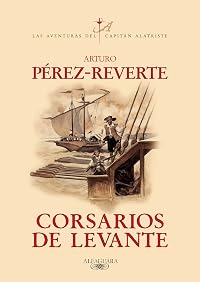
"Not quite equal to Perez-Reverte’s very best, though it succeeds admirably both as a vivid picture of an unfamiliar culture and as high, sophisticated entertainment."
added by bookfitz
Junak romana, Lukas Korso, je vrstan poznavalac retkih rukopisa i antikvitetnih knjiga. Kad je poznati izdavač i bibliofil pronađen mrtav u svom kabinetu, ispostavlja se da je posedovao rukopis 42. poglavlja Diminog romana Tri musketara. Korso je angažovan da potvrdi autentičnost rukopisa, ali istovremeno za drugog klijenta mora da utvrdi koji je od tri postojeća primerka okultnog show more priručnika Knjiga o devet vrata u kraljevstvo senki pravi. Neko, međutim, po obrascu književne zbilje otežava Korsovo istraživanje, roman se raslojava na nekoliko nivoa, a glavni junak i čitalac lutaju između dve knjige i tri zapleta, nekoliko ubistava i ljubavnih veza, da bi tek čudno društvo Kluba Dima dovelo do razrešenja. show less
added by Sensei-CRS
Lists

1001 Books You Must Read Before You Die
1,448 works; 1,135 members

Best books about books
209 works; 106 members

Read the book and saw the movie
1,170 works; 195 members

novels in or about bookshops (or libraries)
59 works; 21 members

Noirvember: The Best Noir
113 works; 56 members

Unread books
1,063 works; 87 members

Weird and Weirder Fiction
270 works; 35 members
EU Fiction: 1950-2022
223 works; 70 members

NPRs your picks: top 100 Killer Thrillers
100 works; 17 members

Crime and Mysteries to Read
746 works; 31 members

Best Beach Reads
99 works; 61 members

Unreliable Narrators
170 works; 43 members

Book Hoppers
15 works; 5 members

The Five Books That Represent Us
391 works; 149 members

Books We Want To Read Again For The First Time
384 works; 160 members

Books We Couldn't Put Down
443 works; 197 members

Best literature ever!
39 works; 1 member

Favorite Books in Translation
320 works; 133 members

Books Read in 2024
4,727 works; 128 members

Books Read in 2020
4,379 works; 124 members

Jones & Newman: Best Horror Books Further Recommended Reading
577 works; 4 members

Paris, City of Lights
103 works; 17 members

Books Read in 2021
5,361 works; 114 members

Speculative Fiction from around the World
610 works; 18 members

Books Read in 2018
4,360 works; 110 members

KayStJ's to-read list
1,616 works; 11 members

XB-1: Osobnosti zanru doporucuji
67 works; 1 member

Secret Histories
28 works; 8 members

Books We Resisted Reading
178 works; 110 members

Best of World Literature
437 works; 52 members
Talk Discussions
Past Discussions
Club Dumas by Centipede press in Fine Press Forum (November 2023)
Author Information

75+ Works 37,947 Members
Novelist and former journalist Arturo Pérez-Reverte Gutiérrez was born in Cartagena, Spain on November 25, 1951. He started his journalistic career writing for the Spanish newspaper Pueblo and later for Television Espanola - the Spanish state owned television, in the role of war correspondant. He worked as a war correspondent from 1973 to1994 show more before becoming a full-time writer. His first novel, El húsar, which was set in the Napoleonic Wars, was published in 1986, and he is well-known internationally for his popular Captain Alatriste fiction series, which takes place in 17th-century Europe. Pérez-Reverte has been elected to the Spanish Royal Academy. (Bowker Author Biography) show less
Some Editions
Awards and Honors
Awards
Series
Belongs to Publisher Series
Work Relationships
Has the adaptation
Common Knowledge
- Canonical title*
- Club Dumas
- Original title
- El club Dumas
- Alternate titles
- La sombra de Richelieu
- Original publication date
- 1993
- People/Characters
- Lucas Corso; Boris Balkan; Flavio La Ponte; Liana Taillefer; Varo Borja; Victor Fargas (show all 13); Irene Adler; Baroness Freida Ungern; Alexandre Dumas; Lucifer; The Devil; Don Jamie; Dona Adela de Otero
- Important places
- Madrid, Spain; Toledo, Castile-La Mancha, Spain; Paris, France; Sintra, Portugal; Spain; Meung-sur-Loire, Centre-Val de Loire, France
- Related movies
- The Ninth Gate (1999 | IMDb | Roman Polanski)
- Epigraph
- I am the most courteous man in the world. I pride myself on never having once been rude, in this land full of the most unutterable scoundrels, who will come and sit down next to you their woes and even declaim their poetry to... (show all) you.
-Heinrich Heine, Reisebilder - Dedication
- For Carlota. And for the Knight of the Yellow Doublet.
- First words
- The flash projected the outline of the hanged man onto the wall.
- Quotations
- "Like any intelligent being, the devil likes games, riddles. Obstacle courses where the weak and incapable fall by the wayside and only superior spirits -- the initiates -- win." [Baroness Frieda Ungern, 231]
- Last words
- (Click to show. Warning: May contain spoilers.)And everyone gets the devil he deserves.
- Blurbers
- Livesey, Margot; Eaude, Michael
- Original language
- Spanish
- Canonical DDC/MDS
- 863.64
- Canonical LCC
- PQ6666.E765
*Some information comes from Common Knowledge in other languages. Click "Edit" for more information.
Classifications
- Genres
- Fiction and Literature, Mystery, Historical Fiction, Fantasy
- DDC/MDS
- 863.64 — Literature & rhetoric Spanish Literature Spanish fiction 20th Century 1945-2000
- LCC
- PQ6666 .E765 — Language and Literature French, Italian, Spanish and Portuguese literatures Spanish literature Individual authors, 1961-2000
- BISAC
Statistics
- Members
- 6,819
- Popularity
- 1,766
- Reviews
- 171
- Rating
- (3.71)
- Languages
- 22 — Catalan, Chinese, Czech, Danish, Dutch, English, Estonian, Finnish, French, German, Greek, Hungarian, Icelandic, Italian, Polish, Portuguese, Romanian, Russian, Serbian, Spanish, Swedish, Turkish
- Media
- Paper, Audiobook, Ebook
- ISBNs
- 118
- ASINs
- 29