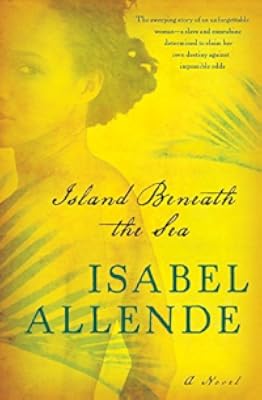
Island Beneath the Sea
by Isabel Allende
On This Page
Description
"The story of a mulatta woman, a slave and concubine, determined to take control of her own destiny in a society where that would seem impossible"--Provided by publisher.Tags
Recommendations




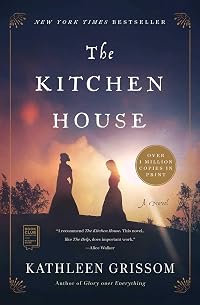
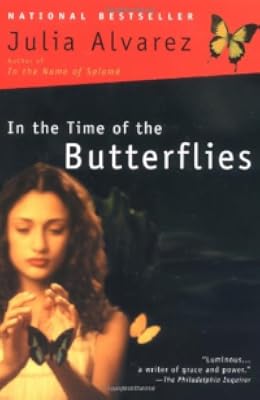
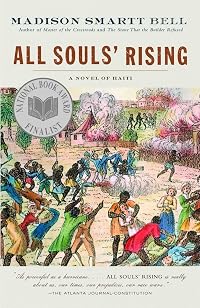


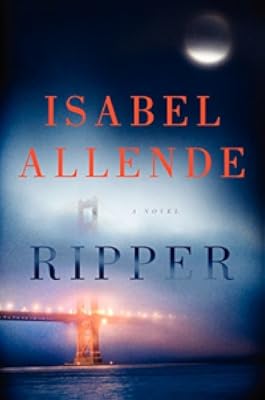
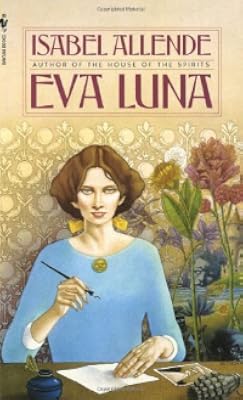


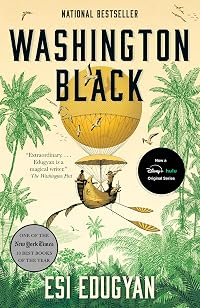
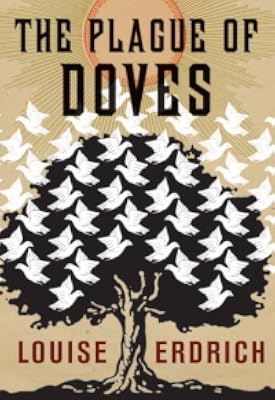

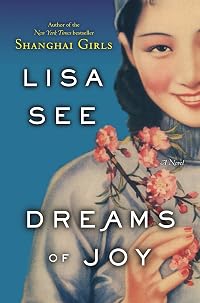

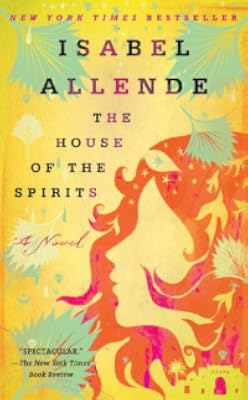




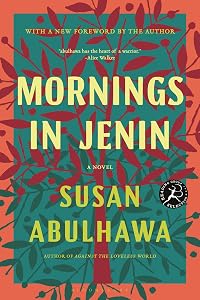
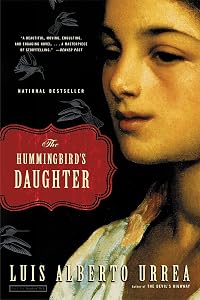
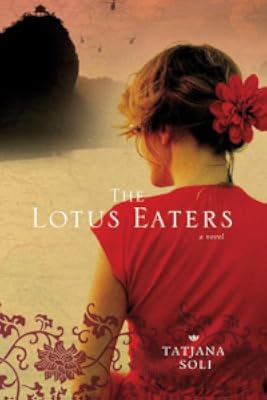
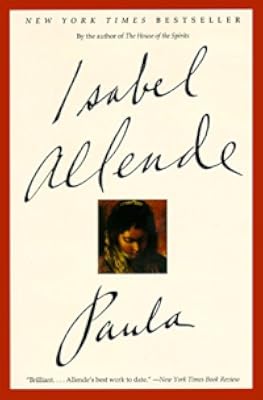
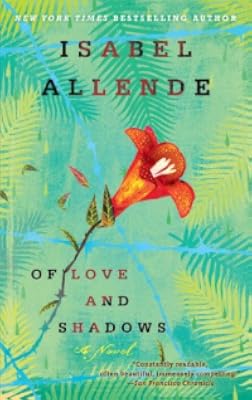
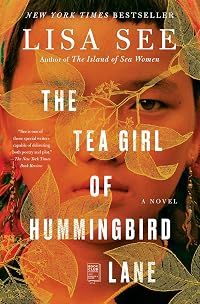



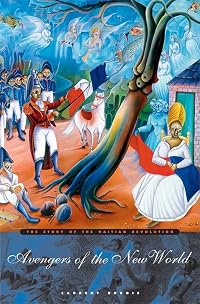

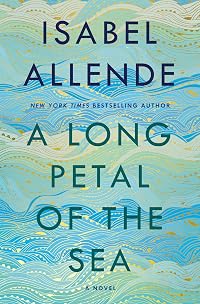
Member Recommendations


fiercebunny Isabel Allende is one my favorite Authors of all time, and Zorro is a surprising and beautifully written novel. While it is not my favorite Allende novel, it is up there and it a a fun read.
CGlanovsky Cast of interconnected characters are subjected to historical pressures through years-worth of events surrounding a revolution. Issues of paternity and social justice.
11
Member Reviews
This novel, told by Tete, an enslaved woman of Haiti and Louisiana, is filled with graphic detail about the Haitian revolution and of the lives of women in the Caribbean - drudgery and finery, depending on desirability as a sexual partner or a sugar cane cutter, or both. It's also about the privilege enabled by that "one drop" of white blood, and by the impact of geopolitics on both regions. Tete is sold as a child and ends up being raped by Toulouse Valmorain, a planter from France, at age 11. She has two children by him and also becomes the lover of Gambo, an African lieutenant to Toussaint L'Overture, founder of modern Haiti. The reader is not spared the brutality of sugar cane harvesting in the inhospitable climate, and the suicides show more and death from overwork that result. There's a perfect balance here between the political and the family lives of Tete and Violette, a courtesan, and how indebted Valmorain is to both for his life and those of his children. There's only a tiny modicum of peace and justice for the heroic Tete, and Allende leaves the reader wondering about the fate of the four children under her care at the close of the book. show less
In short, this book was amazing. I struggled to know whether to give it four or five stars, but in the end I relented and gave it the highest possible score. I just loved it so much, in spite of the fact that it was so long that it took me two weeks to read it.
The book has quite an ensemble cast, drawn from a range of race and class backgrounds. The first half of the book is set in the French colony of Saint-Domingue in the late eighteenth century; with the great revolt in which slaves won their independence, the action moves to Louisiana. I felt that all Allende's characters were skilfully depicted, and obviously the products of the backgrounds they'd come from - this is probably one of my main criteria in judging a novel - it came show more across as really left-wing, because of how it COULD show that individuals are the products of their situations and all that.
There are definitely some characters I absolutely despised - I annotated the novel as I went in my Kindle, and I think 90% of my notes are yelling at Valmorain. His character is a plantation owner who deludes himself about how enlightened and generous he is because he doesn't mistreat his slaves quite as badly as his neighbour Lacroix, so I think you can see how I'd get frustrated. I was pretty sure I wouldn't hate anyone in the novel as much as him, but then along came Hortense Guizot... it was a hard-fought battle but I think she triumphed in the end.Valmorain DID rape Tété on a regular basis for years and treat her appallingly in general, and apparently considered raping his daughter Rosette as well... but then Hortense was deliberately malicious and murdered Rosette by proxy so... tough as this decision was to make...
Anyway, in summary - although I reserve the right to edit this review if I think of something more to add - this was an amazing exploration of French colonial society, with characters that I felt were hugely true to life and logical, much as I hated some of them. Well worth reading! (Dec 2012) show less
The book has quite an ensemble cast, drawn from a range of race and class backgrounds. The first half of the book is set in the French colony of Saint-Domingue in the late eighteenth century; with the great revolt in which slaves won their independence, the action moves to Louisiana. I felt that all Allende's characters were skilfully depicted, and obviously the products of the backgrounds they'd come from - this is probably one of my main criteria in judging a novel - it came show more across as really left-wing, because of how it COULD show that individuals are the products of their situations and all that.
There are definitely some characters I absolutely despised - I annotated the novel as I went in my Kindle, and I think 90% of my notes are yelling at Valmorain. His character is a plantation owner who deludes himself about how enlightened and generous he is because he doesn't mistreat his slaves quite as badly as his neighbour Lacroix, so I think you can see how I'd get frustrated. I was pretty sure I wouldn't hate anyone in the novel as much as him, but then along came Hortense Guizot... it was a hard-fought battle but I think she triumphed in the end.
Anyway, in summary - although I reserve the right to edit this review if I think of something more to add - this was an amazing exploration of French colonial society, with characters that I felt were hugely true to life and logical, much as I hated some of them. Well worth reading! (Dec 2012) show less
A beautiful and rich novel with depth, complexity, mysticism, and insight into the human condition. The entire time I was reading this book, I felt that the heat of the tropical setting (which felt like its own character) forced the other characters to live more closely to many of the more primitive elements of human beings -- like lust, greed, violence and the search for pleasure.
Fundamentally, the book is a story of the slave rebellion of the 1700s that made Haiti an independent state and what happened to the white colonists who were forced to flee to save their lives. Through the stories of a white plantation owner (who relocates to New Orleans), his legal family, his black concubine, and assorted children of all races -- Isabel show more Allende exposes the complexity and brutality of slavery in all the ways it was accepted as part of everyday life. Where the shade of one's skin determined a person's place in society. And also where societal hypocrisy is deeply rooted with both whites and blacks living by rules that dictate the many horrors that are allowed as long as they aren't mentioned in polite society.
The book has a similar feel to Allende's HOUSE OF THE SPIRITS where one isn't quite sure where the lines are between reality and belief. Voodoo and historical island beliefs and traditions are intertwined with Western culture. And the characters are so well developed and multi-dimensional that they become flesh and blood. A masterful telling of a dark chapter of history, illuminated only by the fledgling abolitionist movement. show less
Fundamentally, the book is a story of the slave rebellion of the 1700s that made Haiti an independent state and what happened to the white colonists who were forced to flee to save their lives. Through the stories of a white plantation owner (who relocates to New Orleans), his legal family, his black concubine, and assorted children of all races -- Isabel show more Allende exposes the complexity and brutality of slavery in all the ways it was accepted as part of everyday life. Where the shade of one's skin determined a person's place in society. And also where societal hypocrisy is deeply rooted with both whites and blacks living by rules that dictate the many horrors that are allowed as long as they aren't mentioned in polite society.
The book has a similar feel to Allende's HOUSE OF THE SPIRITS where one isn't quite sure where the lines are between reality and belief. Voodoo and historical island beliefs and traditions are intertwined with Western culture. And the characters are so well developed and multi-dimensional that they become flesh and blood. A masterful telling of a dark chapter of history, illuminated only by the fledgling abolitionist movement. show less
A beautiful and rich novel with depth, complexity, mysticism, and insight into the human condition. The entire time I was reading this book, I felt that the heat of the tropical setting (which felt like its own character) forced the other characters to live more closely to many of the more primitive elements of human beings -- like lust, greed, violence and the search for pleasure.
Fundamentally, the book is a story of the slave rebellion of the 1700s that made Haiti an independent state and what happened to the white colonists who were forced to flee to save their lives. Through the stories of a white plantation owner (who relocates to New Orleans), his legal family, his black concubine, and assorted children of all races -- Isabel show more Allende exposes the complexity and brutality of slavery in all the ways it was accepted as part of everyday life. Where the shade of one's skin determined a person's place in society. And also where societal hypocrisy is deeply rooted with both whites and blacks living by rules that dictate the many horrors that are allowed as long as they aren't mentioned in polite society.
The book has a similar feel to Allende's HOUSE OF THE SPIRITS where one isn't quite sure where the lines are between reality and belief. Voodoo and historical island beliefs and traditions are intertwined with Western culture. And the characters are so well developed and multi-dimensional that they become flesh and blood. A masterful telling of a dark chapter of history, illuminated only by the fledgling abolitionist movement. show less
Fundamentally, the book is a story of the slave rebellion of the 1700s that made Haiti an independent state and what happened to the white colonists who were forced to flee to save their lives. Through the stories of a white plantation owner (who relocates to New Orleans), his legal family, his black concubine, and assorted children of all races -- Isabel show more Allende exposes the complexity and brutality of slavery in all the ways it was accepted as part of everyday life. Where the shade of one's skin determined a person's place in society. And also where societal hypocrisy is deeply rooted with both whites and blacks living by rules that dictate the many horrors that are allowed as long as they aren't mentioned in polite society.
The book has a similar feel to Allende's HOUSE OF THE SPIRITS where one isn't quite sure where the lines are between reality and belief. Voodoo and historical island beliefs and traditions are intertwined with Western culture. And the characters are so well developed and multi-dimensional that they become flesh and blood. A masterful telling of a dark chapter of history, illuminated only by the fledgling abolitionist movement. show less
“There is no worse suffering than to love with fear."
This is a sweeping story of resilience, love, and survival set against the backdrop of 18th-century Saint-Domingue (modern-day Haiti) and New Orleans. It follows Zarité, a young woman born into slavery, who endures unimaginable suffering yet never loses her fierce spirit. Her life is deeply entangled with her owner, Toulouse Valmorain, a French plantation owner who is both dependent on and oppressive toward her. Through Zarité’s eyes, we experience the horrors of slavery, the Haitian Revolution, and her enduring quest for freedom and dignity.
In addition to being one of the most celebrated authors in contemporary literature, Allende is also the niece of Salvador Allende, the show more former president of Chile who was ousted in a military coup in 1973. This event deeply shaped her life and her writing, accounting for her recurring themes of resilience, displacement, and the struggle for justice that are woven into her novels.
Isabel Allende is hands down one of my favorite authors. She consistently delivers novels that are impeccably researched, beautifully written, and rich with complex characters. Her ability to transport readers to another time and place while delving into the deepest aspects of human nature is nothing short of amazing.
This was a heart-wrenching read, particularly because of the relationship between Zarité and Valmorain. He is a pathetic excuse for a man—weak, entitled, and totally unscrupulous. While he depended on Zarité to keep him afloat, he viewed her as mere property, incapable of seeing her humanity. His broken promises and cruel secrets made him despicable, yet tragically reflective of the era’s harsh realities.
Despite the heavy subject matter, Allende never leaves her readers without hope. Through Zarité, she paints a portrait of unwavering strength and resilience, showing how even in the darkest of circumstances, the human spirit can endure and find light.
If you’re a fan of historical fiction, this book deserves a spot on your reading list. You'll learn so much about Haiti, New Orleans, and slavery. It's not an easy read, but it will teach you a lot while touching you emotionally. show less
This is a sweeping story of resilience, love, and survival set against the backdrop of 18th-century Saint-Domingue (modern-day Haiti) and New Orleans. It follows Zarité, a young woman born into slavery, who endures unimaginable suffering yet never loses her fierce spirit. Her life is deeply entangled with her owner, Toulouse Valmorain, a French plantation owner who is both dependent on and oppressive toward her. Through Zarité’s eyes, we experience the horrors of slavery, the Haitian Revolution, and her enduring quest for freedom and dignity.
In addition to being one of the most celebrated authors in contemporary literature, Allende is also the niece of Salvador Allende, the show more former president of Chile who was ousted in a military coup in 1973. This event deeply shaped her life and her writing, accounting for her recurring themes of resilience, displacement, and the struggle for justice that are woven into her novels.
Isabel Allende is hands down one of my favorite authors. She consistently delivers novels that are impeccably researched, beautifully written, and rich with complex characters. Her ability to transport readers to another time and place while delving into the deepest aspects of human nature is nothing short of amazing.
This was a heart-wrenching read, particularly because of the relationship between Zarité and Valmorain. He is a pathetic excuse for a man—weak, entitled, and totally unscrupulous. While he depended on Zarité to keep him afloat, he viewed her as mere property, incapable of seeing her humanity. His broken promises and cruel secrets made him despicable, yet tragically reflective of the era’s harsh realities.
Despite the heavy subject matter, Allende never leaves her readers without hope. Through Zarité, she paints a portrait of unwavering strength and resilience, showing how even in the darkest of circumstances, the human spirit can endure and find light.
If you’re a fan of historical fiction, this book deserves a spot on your reading list. You'll learn so much about Haiti, New Orleans, and slavery. It's not an easy read, but it will teach you a lot while touching you emotionally. show less
I don't know what to say about this.
On one hand the story is gorgeous and lyrically written.
On the other hand the author includes a ton of antiblackness.
In a story about chattel slavery and the single most successful uprising against chattel slavery in recorded history.
The author makes a lot of effort portraying the black Haitians as pitiless but doesn't go to the trouble of accurately portraying the nightmare that chattel slavery was everywhere, but most especially on the islands.
I think enslaved blacks in Haiti lived an average of 3 years, due to the extremely brutal nature of chattel slavery as practiced on the island and the relative ease of replacing chattel slaves.
White Haitians packed enslaved Haitians anuses with gun powder when show more bored. None of this behavior makes it into the novel.
The novel pretends chattel slavery in Haiti was comparable to US style chattel slavery, when that's not historically accurate.
In addition the author repeatedly conflates indentured servitude with chattel slavery.
This is the equivalent of comparing the US Concentration Camps-where we illegally and inhumanely held Japanese Americans in captivity during WWII with the Nazi Concentration Camps. See what I did there? Clearly both behaviors were horrid, both are based on xenophobia and yet one is understood to be far worse than the other.
The same is true of chattel slavery in comparison to indentured servitude.
Both are crimes against humanity and both are wrong.
Making the case that indentured servitude is equivalent to chattel slavery is both slavery apologist and a support of white supremacy.
The KKK supports the theory that the "Irish" were slaves under indentured servitude.
To find a writer billed as a POC pushing white supremacist lies is jarring.
It is important to note that being born in South America doesn't make you a POC and my assumption is this author is white. Certainly she is antiblack and a slavery apologist.
This book is horrible and I have no clue how no one has called the author on her blatant racism. show less
On one hand the story is gorgeous and lyrically written.
On the other hand the author includes a ton of antiblackness.
In a story about chattel slavery and the single most successful uprising against chattel slavery in recorded history.
The author makes a lot of effort portraying the black Haitians as pitiless but doesn't go to the trouble of accurately portraying the nightmare that chattel slavery was everywhere, but most especially on the islands.
I think enslaved blacks in Haiti lived an average of 3 years, due to the extremely brutal nature of chattel slavery as practiced on the island and the relative ease of replacing chattel slaves.
White Haitians packed enslaved Haitians anuses with gun powder when show more bored. None of this behavior makes it into the novel.
The novel pretends chattel slavery in Haiti was comparable to US style chattel slavery, when that's not historically accurate.
In addition the author repeatedly conflates indentured servitude with chattel slavery.
This is the equivalent of comparing the US Concentration Camps-where we illegally and inhumanely held Japanese Americans in captivity during WWII with the Nazi Concentration Camps. See what I did there? Clearly both behaviors were horrid, both are based on xenophobia and yet one is understood to be far worse than the other.
The same is true of chattel slavery in comparison to indentured servitude.
Both are crimes against humanity and both are wrong.
Making the case that indentured servitude is equivalent to chattel slavery is both slavery apologist and a support of white supremacy.
The KKK supports the theory that the "Irish" were slaves under indentured servitude.
To find a writer billed as a POC pushing white supremacist lies is jarring.
It is important to note that being born in South America doesn't make you a POC and my assumption is this author is white. Certainly she is antiblack and a slavery apologist.
This book is horrible and I have no clue how no one has called the author on her blatant racism. show less
The book tells the story of Zarité, a slave who grows up on Haiti and during the slave rebellion stays with her owner to take care of his children. She travels with him to Cuba and later to America. In America she finally gets her freedom, but her past still haunts her.
I really loved this book. Allende has a great talent for telling historical stories. Her characters are lifelike and you soon grow attached to them and get very involved in their lives. The descriptions of the areas are great and really give you an idea of what life was like at that time.
One thing I really liked about this novel was how Allende shows the different viewpoints and manages to really give you some idea of how the slave-owners felt and thought. For me it is show more hard to imagine, but I do think these owners generally didn't view their slaves as 'human' and this book gives a good insight into what it might have been like to be a slave-owner in those days; especially Toulouse, who starts out with great ideals but ends bitter and cruel, is a character who really comes to life, even if he's not a 'nice guy'.
Though the story in itself is quite sad, and many bad things happen to Zarité and other slaves, it is also a positive story. It shows courage and strength and love, and shows how even in bad situations people can still find joy. Aside from the slave owners and the white people who look down on the slaves, there are also people who are genuinely concerned for the well being of the slaves and support them in their quest for freedom. show less
I really loved this book. Allende has a great talent for telling historical stories. Her characters are lifelike and you soon grow attached to them and get very involved in their lives. The descriptions of the areas are great and really give you an idea of what life was like at that time.
One thing I really liked about this novel was how Allende shows the different viewpoints and manages to really give you some idea of how the slave-owners felt and thought. For me it is show more hard to imagine, but I do think these owners generally didn't view their slaves as 'human' and this book gives a good insight into what it might have been like to be a slave-owner in those days; especially Toulouse, who starts out with great ideals but ends bitter and cruel, is a character who really comes to life, even if he's not a 'nice guy'.
Though the story in itself is quite sad, and many bad things happen to Zarité and other slaves, it is also a positive story. It shows courage and strength and love, and shows how even in bad situations people can still find joy. Aside from the slave owners and the white people who look down on the slaves, there are also people who are genuinely concerned for the well being of the slaves and support them in their quest for freedom. show less
Members
- Recently Added By
Published Reviews
ThingScore 50
After the recent catastrophes in New Orleans and Haiti, I had hoped this novel would teach me something new about the history of those places, but it did not. I kept wondering when the story would take off, but it never did. There is no magical realism here, and little realism of the ordinary kind. It has much more in common with Cartland than with Márquez.
added by Nickelini
Island Beneath the Sea isn't Allende's greatest work, but she handles a difficult issue with, for the most part, considerable restraint and grace. Allende isn't, and never has been, a terribly subtle writer -- her plots are typically markedly dramatic, and her characters often wear their motivations and emotions on their sleeves. But she's a little more reined in than usual here, despite a few show more ornate phrasings that might have lost something in translation ("Meanwhile, the French Revolution had hit the colony like the slash of a dragon's tail ... "). show less
added by Nickelini
With this admirable novel, Allende cements her reputation as a writer of wide scope and amazing talent. Although very traditional in its unfolding — readers enamored by her use of magical realism will find little in this narrative — this historical novel does what one hopes a book of its ilk will do: transport readers to a new world, open up history and make it come alive, and cause show more readers to forget time passing in the world the author has so carefully and lovingly built. show less
added by Nickelini
Lists

Best Historical Fiction
620 works; 261 members

Magic Realism
371 works; 52 members

Best of World Literature
434 works; 51 members

Historical Fiction
889 works; 91 members

A Novel Cure
742 works; 23 members

Top Five Books of 2012
55 works; 11 members

Spanish Language in English Translation
19 works; 2 members

SantaThing 2014 Gifts
299 works; 17 members

Books With Water Words in the Title
186 works; 12 members

Recommend the 20 best books you've read in the last five years
2,168 works; 606 members
Author Information

87+ Works 84,754 Members
Isabel Allende was born in 1942 in Lima, Peru, the daughter of a Chilean diplomat. When her parents separated, young Isabel moved with her mother to Chile, where she spent the rest of her childhood. She married at the age of 19 and had two children, Paula and Nicolas. Her uncle was Salvador Allende, the president of Chile. When he was overthrown show more in the coup of 1973, she fled Chile, moving to Caracas, Venezuela. While living in Venezuela, Allende began writing her novels, many of them exploring the close family bonds between women. Her first novel, The House of the Spirits, has been translated into 27 languages, and was later made into a film. She then wrote Of Love and Shadows, Eva Luna, and The Stories of Eva Luna, all set in Latin America. The Infinite Plan was her first novel to take place in the United States. She explores the issues of human rights and the plight of immigrants and refugees in her novel, In The Midst of Winter. In Paula, Allende wrote her memoirs in connection with her daughter's illness and death. She delved into the erotic connections between food and love in Aphrodite: A Memoir of the Senses. In addition to writing books, Allende has worked as a TV interviewer, magazine writer, school administrator, and a secretary at a U.N. office in Chile. She received the 1996 Harold Washington Literacy Award. She lives in California. Her title Maya's Notebook made The New York Times Best Seller List in 2013. (Bowker Author Biography) show less
Some Editions
Awards and Honors
Awards
Distinctions
Notable Lists
Series
Belongs to Publisher Series
Common Knowledge
- Canonical title
- Island Beneath the Sea
- Original title
- La isla bajo el mar
- Original publication date
- 2009
- People/Characters
- Zarité Sedella; Toulouse Valmorain; Maurice Solar; Dr. Parmentier; Etienne Relais; Violette Boisier (show all 30); Tante Rose; Capitaine Gambo la Liberte; Loula; Sancho Garcia del Solar; Eugenia Garcia del Solar; Rosette Sedella; Zacharie; Jean-Martin Relais; Prosper Cambray; Adele; Owen Murphy; Leanne Murphy; Hortense Guizot; Pere Antoine; Gaspard Severin; Jules Beluche; Harrison Cobb; Isidor Morriset; Fleur Hirondelle; Tante Mathilde; Francois Macandal; Celestine; Denise; Toussaint L'Ouverture
- Important places
- New Orleans, Louisiana, USA; Saint-Domingue (now Haiti); Havana, Cuba; Haiti (formerly Saint-Domingue)
- Important events
- Haitian Revolution (1791 | 1804); Louisiana Purchase
- Dedication
- To my children, Nicolas and Lori
- First words
- In my forty years I, Zarite Sedella, have had better luck than other slaves.
- Last words
- (Click to show. Warning: May contain spoilers.)Then we go galloping together to visit my dead ones on the island beneath the sea. That is how it is.
- Publisher's editor
- Ottewell, Miranda
- Blurbers
- Yardley, Jonathan
- Original language
- Spanish
Classifications
- Genres
- Fiction and Literature, General Fiction, Historical Fiction
- DDC/MDS
- 863.64 — Literature & rhetoric Spanish Literature Spanish fiction 20th Century 1945-2000
- LCC
- PQ8098.1 .L54 .I7813 — Language and Literature French, Italian, Spanish and Portuguese literatures Spanish literature Provincial, local, colonial, etc. Spanish America
- BISAC
Statistics
- Members
- 2,807
- Popularity
- 6,484
- Reviews
- 127
- Rating
- (3.92)
- Languages
- 15 — Danish, Dutch, English, French, German, Greek, Icelandic, Italian, Norwegian (Bokmål), Norwegian, Polish, Portuguese, Spanish, Swedish, Turkish
- Media
- Paper, Audiobook, Ebook
- ISBNs
- 85
- UPCs
- 1
- ASINs
- 28