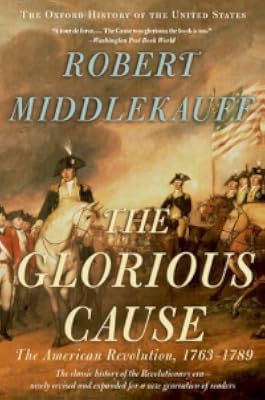
The Glorious Cause: The American Revolution, 1763-1789
by Robert Middlekauff
Oxford History of the United States (3)
On This Page
Description
"The first book to appear in the illustrious Oxford History of the United States, this critically acclaimed volume - a finalist for the Pulitzer Prize - offers an unsurpassed history of the Revolutionary War and the birth of the American republic." "This new edition has been revised and expanded, with fresh coverage of topics such as mob reactions to British measures before the War, military medicine, women's role in the Revolution, American Indians, the different kinds of war fought by the show more Americans and the British, and the ratification of the Constitution. It includes a new epilogue and an updated bibliography." show lessTags
Recommendations

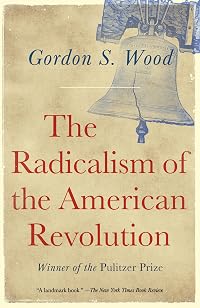
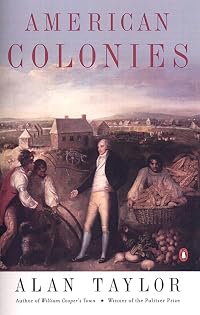

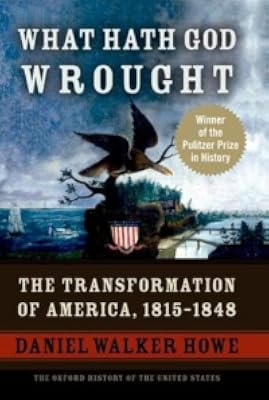
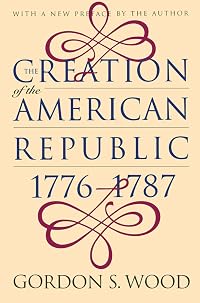


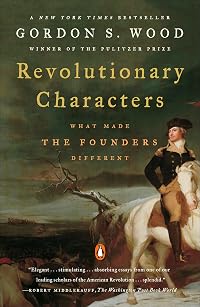
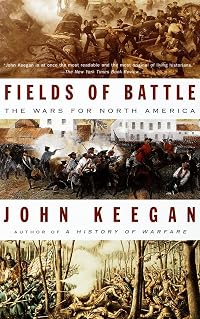
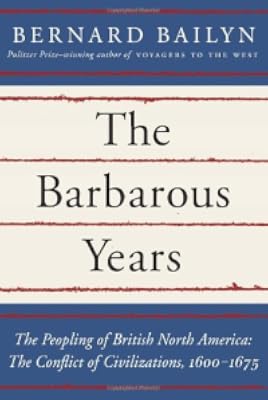
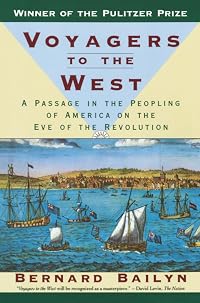




Member Recommendations
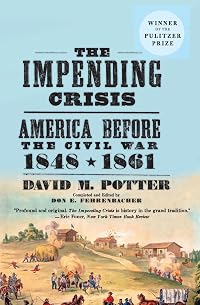
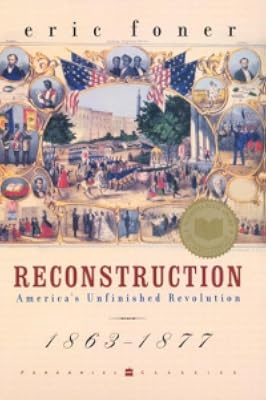
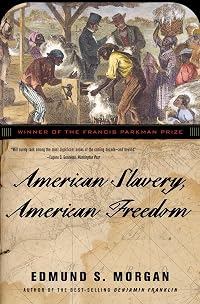
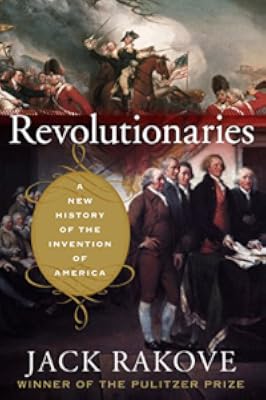
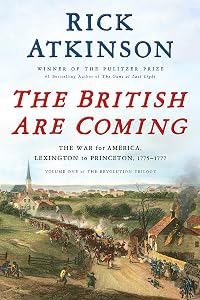
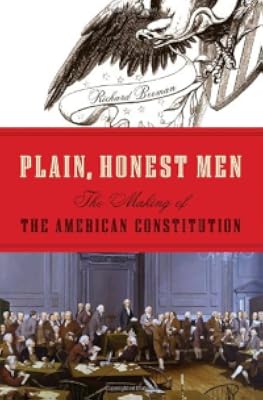
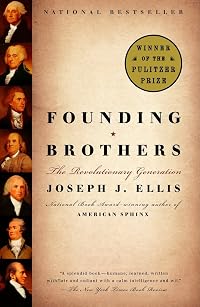
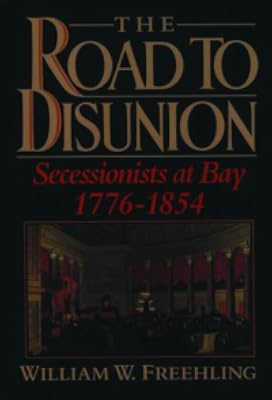
Bibliospiral Concise overview of the American Revolution. Focuses on political and ideological factors more than battles.
Member Reviews
The Glorious Cause is a sweeping account of the American Revolution, tracing events from the early tensions of the 1760s through the ratification of the Constitution. Although the book sets out to cover the full span of the era, it avoids becoming a mere survey. In part, this is achieved because Middlekauff pays close attention to the individuals who shaped the conflict, examining their backgrounds, circumstances, and characters.
That said, the book seems to give equal attention to each year from 1763 to 1789, an approach that may have drawbacks for readers seeking a more sustained treatment of the war itself. Much of the book's first half is absorbed by the dispute over taxation without representation, and the first shots aren't fired show more until about halfway through. The book then ends somewhat abruptly, with only a single chapter on the Constitutional Convention.
Still, Middlekauff offers fascinating, truly original historical analysis. One of the most compelling examples is his account of how the Continental Army kept fighting despite repeated defeats. His answer highlights the soldiers’ deep personal bonds with one another and the disciplined practice of “locking” together in the line, a linear maneuver by which soldiers interlocked limbs and stood shoulder-to-shoulder.
A recommended read for anyone seeking to refresh and deepen their understanding of the American Revolution. show less
That said, the book seems to give equal attention to each year from 1763 to 1789, an approach that may have drawbacks for readers seeking a more sustained treatment of the war itself. Much of the book's first half is absorbed by the dispute over taxation without representation, and the first shots aren't fired show more until about halfway through. The book then ends somewhat abruptly, with only a single chapter on the Constitutional Convention.
Still, Middlekauff offers fascinating, truly original historical analysis. One of the most compelling examples is his account of how the Continental Army kept fighting despite repeated defeats. His answer highlights the soldiers’ deep personal bonds with one another and the disciplined practice of “locking” together in the line, a linear maneuver by which soldiers interlocked limbs and stood shoulder-to-shoulder.
A recommended read for anyone seeking to refresh and deepen their understanding of the American Revolution. show less
Robert Middlekauff’s The Glorious Cause is a splendid read about the American Revolution. His account shows that the Americans had already wrested control of most of the local government. The British governors, though formally in charge, had to rely on the local oligarchy to execute their orders. The courts ruled not based of the laws but on family and political connections. Magistrates who tried to enforce the law were bullied and terrorized. A favourite tactic was razing their homes, a sort the colonial government was unable to prevent. The Boston “massacre” actually happened because the few British soldiers sent for protection were unable to control the mob. For all practical purposes, the Americans enjoyed a de facto show more independence which was disturbed by the inept and unplanned British efforts to suddenly exert control over “their” colonies. The government in England proclaimed stiffer regulations but failed to provide the necessary resources to enact them. The forces provided were used counter-productively: Similar to the Americans directly financing the Taliban in Afghanistan by paying for their services, the British soldiers paid their American opponents for rent and supplies. Thus, they both fuelled and financed the conflict.
Middlekauff’s narrative of the war is well done, shifting from Boston to New York to Philadelphia to Charleston and back to Yorktown. His account of 1776 offers quite a different view on the events than the hyperpatriotic impression created by McCullough in his “1776”. Again, like the Americans in Afghanistan, the British never had sufficient boots on the ground to control all vital areas. Their interventions exhausted their strength without achieving a strategic break-through. Inept British generalship resulted in the surrender of too many armies in the American wilderness.
After the military campaigns, Middlekauff shifts back to the political discussions that finally resulted in the US constitution. It is interesting to note that it took many years and multiple attempts to create the famous document and its political trade-offs. In the end, the oligarchies that had triggered the revolution enshrined their rule and created the framework for Western expansion. Recommended. show less
Middlekauff’s narrative of the war is well done, shifting from Boston to New York to Philadelphia to Charleston and back to Yorktown. His account of 1776 offers quite a different view on the events than the hyperpatriotic impression created by McCullough in his “1776”. Again, like the Americans in Afghanistan, the British never had sufficient boots on the ground to control all vital areas. Their interventions exhausted their strength without achieving a strategic break-through. Inept British generalship resulted in the surrender of too many armies in the American wilderness.
After the military campaigns, Middlekauff shifts back to the political discussions that finally resulted in the US constitution. It is interesting to note that it took many years and multiple attempts to create the famous document and its political trade-offs. In the end, the oligarchies that had triggered the revolution enshrined their rule and created the framework for Western expansion. Recommended. show less
I found this book and Middlekauff's description of narrative history odd, but perhaps I've been tainted by reading too many academic books. There is little discussion of source material other than secondary sources (I routinely glanced at the bottom of the page only to encounter a recommendation for a book published in the 30s), and it seems doubtful that your average reader would reach for a 700+ page book on the American Revolution for a little recreation. I certainly got some incredulous looks as I toted it around for a few weeks. However, the story of the revolution is pretty compelling stuff, and Middlekauff dexterously handles the personal (both famous characters and ordinary soldiers, patriots and loyalists) and the tide of show more history. If you've got a few volumes of Bruce Catton, you'll love this book.
A few minor irritations: typos scattered about (don't publishers employ copy editors any more?), the tacked-on chapter about women, Indians and slaves (leaving it out would have made it less obvious that our traditional story of the birth of the United States is completely dead-white-male-focused), and the phrase "to be sure," which sounds dismissive and unintelligent. Witness this waste of space: "In a sense no one in America escaped the war, even those in areas remote from it. To be sure much went on as usual... Yet the war could not be forgotten." [p. 650] In what sense? How sure are you? show less
A few minor irritations: typos scattered about (don't publishers employ copy editors any more?), the tacked-on chapter about women, Indians and slaves (leaving it out would have made it less obvious that our traditional story of the birth of the United States is completely dead-white-male-focused), and the phrase "to be sure," which sounds dismissive and unintelligent. Witness this waste of space: "In a sense no one in America escaped the war, even those in areas remote from it. To be sure much went on as usual... Yet the war could not be forgotten." [p. 650] In what sense? How sure are you? show less
I am slowly working my way through the Oxford History of the United States, mostly by audiobook. I previously reviewed What Hath God Wrought, which covers the years from 1815-1848; at that point I decided I'd better get up to speed on the earlier years before moving on to Battle Cry of Freedom, which I own in paper format. Based on what was available from Audible, I went back to the American Revolution; next, at some point in the future, will be Empire of Liberty.
The Glorious Cause begins some years before the Revolution, giving a lot of background about George II and III, the British Parliament, the French and Indian/Seven Years' War, and the first stirrings of unrest in the American colonies. Sometimes I felt that I was learning more show more than I really cared to know, but this is a serious, though quite accessible, work of history. It definitely filled in a lot of gaps in my knowledge of the period. My junior high and high school history teachers were both Civil War enthusiasts (on opposing sides) and I didn't take U.S. history in college, so my view of the Revolution came mostly from a Landmark book (Our Independence and the Constitution, by Dorothy Canfield Fisher), Johnny Tremain (by Esther Forbes), and a few other historical novels and a PBS series. The Glorious Cause offers a much less simplified and sanitized version of events.
For instance, I hadn't known before how Boston mobs attacked the houses of officials connected to British tax policies in the 1760s. The Revolution was much longer a-brewing than I had realized.
The audio format may not have been the best for this particular book. I'll be trolling the used book sales for a paper copy. I expect there'll be diagrams and maps that will help me understand the many battles, which I find confusing at the best of times.
To sum up, this is a fine, detailed biew of the years 1757-1789 in our history and nearly everyone would learn a lot by reading or listening to it. Highly recommended. show less
The Glorious Cause begins some years before the Revolution, giving a lot of background about George II and III, the British Parliament, the French and Indian/Seven Years' War, and the first stirrings of unrest in the American colonies. Sometimes I felt that I was learning more show more than I really cared to know, but this is a serious, though quite accessible, work of history. It definitely filled in a lot of gaps in my knowledge of the period. My junior high and high school history teachers were both Civil War enthusiasts (on opposing sides) and I didn't take U.S. history in college, so my view of the Revolution came mostly from a Landmark book (Our Independence and the Constitution, by Dorothy Canfield Fisher), Johnny Tremain (by Esther Forbes), and a few other historical novels and a PBS series. The Glorious Cause offers a much less simplified and sanitized version of events.
For instance, I hadn't known before how Boston mobs attacked the houses of officials connected to British tax policies in the 1760s. The Revolution was much longer a-brewing than I had realized.
The audio format may not have been the best for this particular book. I'll be trolling the used book sales for a paper copy. I expect there'll be diagrams and maps that will help me understand the many battles, which I find confusing at the best of times.
To sum up, this is a fine, detailed biew of the years 1757-1789 in our history and nearly everyone would learn a lot by reading or listening to it. Highly recommended. show less
Unfortunately I did not finish. I went into this work because I wanted to know why the Americans rebelled against Great Britain. The beginning chapters explain these events fantastically. However, once the book got into battle formations, troop movement, military tactics etc, I became uninterested and struggled. Military theory isn't my cup of tea. Also I have taken a course on the events following post-Revolutionary War, so I know about the US Constitution and all the drama surrounding the ratification. I leave this work knowing a lot more than when I started.
This is the first volume of the Oxford History of the United States. There is much that I liked about this book but I also feel it had some serious shortcomings.
My favorite part of the book was the section dealing with the events leading up to the Revolution. The author does a very good job of setting forth the positions of the British and the Americans. His analysis of the British political situation that led to the Acts which incited the Revolution was excellent. That section also showed clearly how the conflict between the parties escalated as the British sought to impose their authority on the colonies and the Americans reacted. The American reaction would lead to stronger actions by the British which then incited more aggressive show more actions by the Americans. The Boston Tea Party led to the British closing the port of Boston and shortly thereafter the war began.
The section on the war itself was also well done. I gained a good understanding of the role of Washington and how he grew into his position as the war progressed. On the British side the author pointed out how the lack of real direction from London and the squabbling of the military leadership hampered coordinated activity by the British.
I think it was a mistake to try to fit the Constitutional Convention and the ratification into this book. This process is covered in forty pages and while the author did provide some insights his narrative did not do justice to the events.
The book relied on secondary sources to a large degree. This book was published in 1982 and cited many sources from the 1930's forward. This is not what I would expect in a book that attempts to be the authoritative source on the subjects covered. The author is relying on the opinions of other historians where in my opinion his analysis of the primary sources would provide greater credibility to his conclusions. If this book were the author's dissertation I doubt he would not have received his Ph. D. There has been a revised, expanded edition of the book published that may have addressed this situation. I will try to find a copy and see what changes were made.
This year I have read two other volumes from this series, Battle Cry of Freedom and What Hath God Wrought. I thought that both of those books were much better than this volume. I have the next volume in the series Empire of Liberty:A History of the Early Republic, 1789-1815 (touchstone where are you?) I plan to read it next and hope that it will be better than this volume.
I cannot recommend this book. I was disappointed. The book has too many problems and as of now is a bit dated. I would guess that the series has changed editors since this volume was published. show less
My favorite part of the book was the section dealing with the events leading up to the Revolution. The author does a very good job of setting forth the positions of the British and the Americans. His analysis of the British political situation that led to the Acts which incited the Revolution was excellent. That section also showed clearly how the conflict between the parties escalated as the British sought to impose their authority on the colonies and the Americans reacted. The American reaction would lead to stronger actions by the British which then incited more aggressive show more actions by the Americans. The Boston Tea Party led to the British closing the port of Boston and shortly thereafter the war began.
The section on the war itself was also well done. I gained a good understanding of the role of Washington and how he grew into his position as the war progressed. On the British side the author pointed out how the lack of real direction from London and the squabbling of the military leadership hampered coordinated activity by the British.
I think it was a mistake to try to fit the Constitutional Convention and the ratification into this book. This process is covered in forty pages and while the author did provide some insights his narrative did not do justice to the events.
The book relied on secondary sources to a large degree. This book was published in 1982 and cited many sources from the 1930's forward. This is not what I would expect in a book that attempts to be the authoritative source on the subjects covered. The author is relying on the opinions of other historians where in my opinion his analysis of the primary sources would provide greater credibility to his conclusions. If this book were the author's dissertation I doubt he would not have received his Ph. D. There has been a revised, expanded edition of the book published that may have addressed this situation. I will try to find a copy and see what changes were made.
This year I have read two other volumes from this series, Battle Cry of Freedom and What Hath God Wrought. I thought that both of those books were much better than this volume. I have the next volume in the series Empire of Liberty:A History of the Early Republic, 1789-1815 (touchstone where are you?) I plan to read it next and hope that it will be better than this volume.
I cannot recommend this book. I was disappointed. The book has too many problems and as of now is a bit dated. I would guess that the series has changed editors since this volume was published. show less
This was not the first time listening to 'The Glorious Cause: The American Revolution, 1763-1789. This is part of the Oxford History of the United States series and, like a couple of the others that I have read and listened to, Robert Middlekauff did a terrific job with covering such a dynamic and turbulent period of American history. Narrated by Robert Fass, this volume starts with the French and Indian War and, at times meticulous, and at others not so, Middlekauff continues through the election of George Washington as the first President of the United States of America.
I would give this a 3.5 star rating if I could and would most definitely recommend it for any American history, or history in general aficionado.
I would give this a 3.5 star rating if I could and would most definitely recommend it for any American history, or history in general aficionado.
Members
- Recently Added By
Lists

Best U.S. History Books (1754-1828)
363 works; 18 members

Ben Franklin
9 works; 3 members

French and Indian War through the War of 1812 (non-fiction)
31 works; 3 members

Best British Empire History Books
39 works; 8 members

r/AskHistorians' Recommended Books
1,068 works; 19 members
Author Information

6+ Works 2,298 Members
Robert Middlekauff is Preston Hotchkiss Professor of American History, Emeritus at the University of California, Berkeley. His most recent work, The Mathers, was the winner of the Bancroft Prize
Some Editions
Awards and Honors
Series

Common Knowledge
- Canonical title
- The Glorious Cause: The American Revolution, 1763-1789
- Original publication date
- 1982
- People/Characters
- George Washington; John Adams; Samuel Adams; Henry Clinton; Charles Cornwallis, 1st Marquess Cornwallis; Benjamin Franklin (show all 12); George III, King of the United Kingdom; Nathanael Greene; William Howe; Thomas Hutchinson; Thomas Jefferson; James Otis, Jr.
- Important events
- American Revolution (1775 | 1783)
- Dedication
- For Holly
- First words
- "The use of traveling," Doctor Johnson wrote Mrs. Thrale, "is to regulate imagination by reality, and instead of thinking how things may be, to see them as they are."
- Last words
- (Click to show. Warning: May contain spoilers.)This answer has posed a challenge for Americans ever since---to act in ways that capture the wisdom of their revolutionary past.
- Publisher's editor
- Kennedy, David M.
- Original language
- English
Classifications
Statistics
- Members
- 1,947
- Popularity
- 10,964
- Reviews
- 23
- Rating
- (4.01)
- Languages
- English
- Media
- Paper, Audiobook, Ebook
- ISBNs
- 7
- ASINs
- 15