On This Page
Description
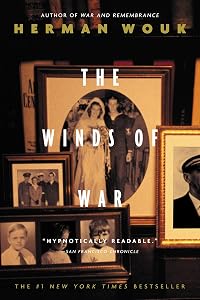
Like no other masterpiece of historical fiction, Herman Wouk's sweeping epic of World War II is the great novel of America's Greatest Generation.Wouk's spellbinding narrative captures the tide of global events, as well as all the drama, romance, heroism, and tragedy of World War II, as it immerses us in the lives of a single American family drawn into the very center of the war's maelstrom.
The Winds of War and its sequel War and Remembrance stand as the crowning achievement of one of show more America's most celebrated storytellers. show less
Tags
Recommendations






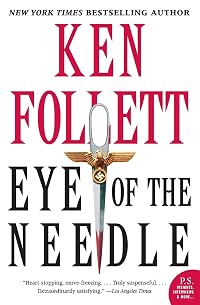
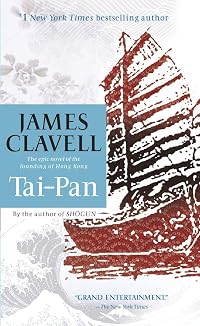


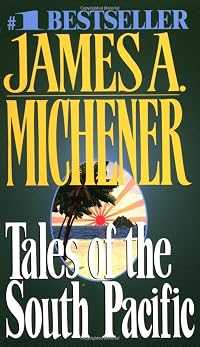

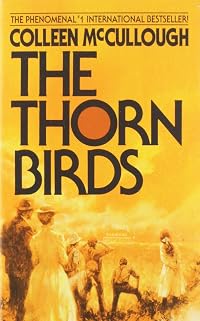



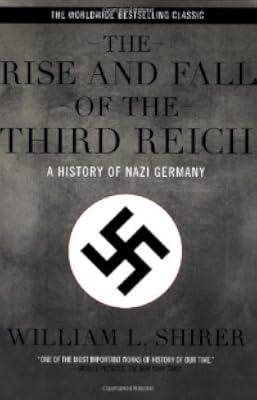
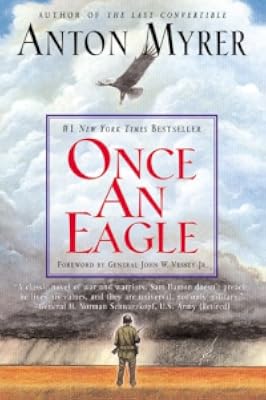

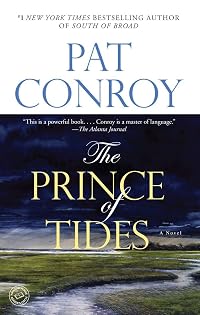

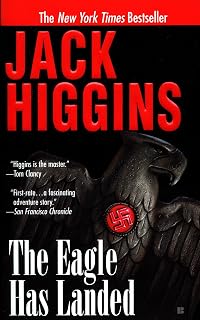


Member Recommendations
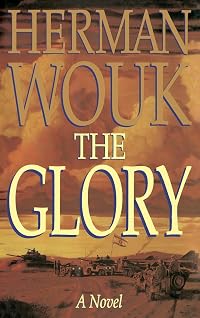
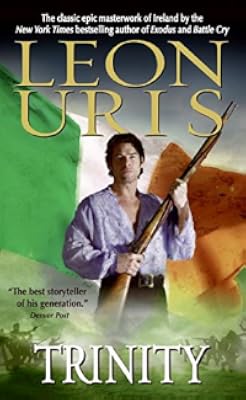
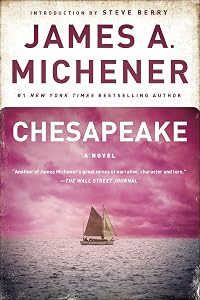
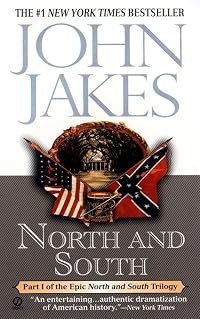
paulkid Both are set in Mussolini's Italy, although Wouk's work spends time in Germany, Russia, and England while de Bernières spends time in Greece as well.
21


Member Reviews
The year is 1939 and Germany busily bullies the world into a clash that would later become the infamous World War II. The advances of Hitler into Poland and eventually England, France, and the Soviet Union indicate a man hellbent on world domination; all the while citing the "Jewish problem" as his justification and motivation. Wouk will take you on a panoramic journey through the intimate details of war. You will have a front row seat in the war room; be a voyeur in the bedroom; sit elbow to elbow in the libraries of world leaders as they speak in hushed tones about counterattacks. With a book this size (Winds of War is over one thousand pages long in paperback format), I wanted to make sure I kept track of all of the different show more characters. I wasn't sure who was going to be worth remembering, real or imaginary. At the center is Berlin attaché Victor Henry ("Pug"), his glamorous but bored wife, Rhoda, and their three adult children. Winds of War begins when the parents are relocated with Germany on assignment. The three children, Byron, Warren, and Madeline are scattered across the globe. Pug desperately wants to captain a battleship but being relegated to serve as Naval attaché in Berlin has afforded him the opportunity to see the war fold out firsthand. As he gains the unusual trust of President Roosevelt he travels the world, gaining insight on future enemy tactics. Indeed, many real political powerhouses make an appearance in Winds of War.
A note about Winston Churchill: It is interesting to see how time blunts the sharp edges of an unfavorable reputation.
It is also interesting to see the varying opinions about the start of the war. Byron and his girl, Natalie, didn't take it seriously until they were strafed in Poland and Natalie began to have troubles getting her Polish uncle out of Italy. Byron's mother only had superficial societal concerns when Pug couldn't accompany her to the opera. I mentioned she was the epitome of the bored housewife, didn't I? She becomes even more cliché as the story progresses. show less
A note about Winston Churchill: It is interesting to see how time blunts the sharp edges of an unfavorable reputation.
It is also interesting to see the varying opinions about the start of the war. Byron and his girl, Natalie, didn't take it seriously until they were strafed in Poland and Natalie began to have troubles getting her Polish uncle out of Italy. Byron's mother only had superficial societal concerns when Pug couldn't accompany her to the opera. I mentioned she was the epitome of the bored housewife, didn't I? She becomes even more cliché as the story progresses. show less
I've seen this book compared to Tolstoy's War and Peace. In it's sweeping account of the far-reaching effects of the build-up to U.S. involvement in WWII, it is certainly no less comprehensive and in-depth a look at war. I would say, however, that Wouk far out-strips Tolstoy in his ability to weave a story that draws the reader in from the very first page. (Incidentally, Wouk pays homage to Tolstoy with a visit to his grave woven into his own narrative.) The characters Wouk creates are very real, and I found myself instantly immersed in their lives. Wouk's prose is not only accessible, but engrossing.
As far as the history contained in this novel, it is not only vast but detailed, presenting both the military perspective as well as a show more unique look at the personalities involved on the international political landscape at the time. The von Roon "book within a book" also gives an insightful look at the German perspective of the war. I was struck, while reading this, at the accuracy of the cliche, "history repeats itself" - this in-depth look at WWII sheds much light on the current international landscape and the willful ignorance and complacency of Americans in the face of truths the rest of the world seems far more ready to accept.
Now, for the negative. Despite how impressed I was with this novel (so much so that I've already got my hands on, and am reading, War and Remembrance), I must also point out the very deep, very obvious sexism which runs rampant throughout this tome. From the outset, we are presented with an explicit account of marriage and the way a woman "changes" once she's successfully navigated courtship and has "snagged" herself a winner on whose coattails to ride. This account is followed by a cast of female characters who, to a one, are trite, banal, gold-digging, glory-seeking, or in some cases, just plain idiotic. There is not a single admirable female member to be found in this huge cast of characters, which is hard to overlook considering the heroic pictures painted of the various men in the story. This rampant sexism is all the more difficult to swallow in a novel about a war which itself had such huge implications about prejudice and bigotry. show less
As far as the history contained in this novel, it is not only vast but detailed, presenting both the military perspective as well as a show more unique look at the personalities involved on the international political landscape at the time. The von Roon "book within a book" also gives an insightful look at the German perspective of the war. I was struck, while reading this, at the accuracy of the cliche, "history repeats itself" - this in-depth look at WWII sheds much light on the current international landscape and the willful ignorance and complacency of Americans in the face of truths the rest of the world seems far more ready to accept.
Now, for the negative. Despite how impressed I was with this novel (so much so that I've already got my hands on, and am reading, War and Remembrance), I must also point out the very deep, very obvious sexism which runs rampant throughout this tome. From the outset, we are presented with an explicit account of marriage and the way a woman "changes" once she's successfully navigated courtship and has "snagged" herself a winner on whose coattails to ride. This account is followed by a cast of female characters who, to a one, are trite, banal, gold-digging, glory-seeking, or in some cases, just plain idiotic. There is not a single admirable female member to be found in this huge cast of characters, which is hard to overlook considering the heroic pictures painted of the various men in the story. This rampant sexism is all the more difficult to swallow in a novel about a war which itself had such huge implications about prejudice and bigotry. show less
First published in 1971, The Winds of War is aptly described on the cover as `another splendid epic' as well as being compared to Margaret Mitchell's `Gone With The Wind.' Although such fulsome praise has often been used to describe various tomes, this book deserves such high praise. It is actually the prologue to Wouk's War and Remembrance, and (my tattered old edition) is a 960-pager at that! If you are looking for something that seems to have died out recently, namely, a good old-fashioned read or a solid story, then this is it. Despite being written over forty years ago, there is no sense of being dated, albeit some of the expressions might come across as quaint. The story concerns two families, one Jewish and European, the show more Jastrows, and the other American and WASP, namely the Henrys. Looming behind the tapestry of lives and loves interlinking is the horrific menace of World War 2. The author is truly a gifted writer in that tackling a subject as monumental as a world war and trying to humanise both friends and foes is daunting. However, this book is superbly written and keeps the reader glued to the pages. Each character brings a unique angle to this novel, even those historical personalities usually relegated to the pages of history books. The stubbornness of elderly academic Aaron Jastrow, who remains in Italy despite the imminent threat of Fascism and Mussolini's pact with Hitler, drags his niece, the strong-willed and beautiful Natalie Jastrow, right into the fray. Pug Henry, a middle-aged US Naval officer, is dismayed to find his youngest son Byron not only gets involved with Natalie, but marries her. When war breaks out she is stranded in war-torn Europe with her cantankerous uncle and a new-born babe. Pug has his own problems with a beautiful but bored and dissatisfied wife (Rhoda) who feels her husband has not achieved the career she had in mind for him. On an observer mission to Europe, Pug himself finds himself attracted to a girl old enough to be his daughter.
These human conflicts are somehow always uppermost in a story that never succumbs to the weightier issues of war and destruction. I enjoyed the way in which the author deftly creates an intimate viewpoint of the three pivotal characters of the war: Franklin D. Roosevelt, Winston Churchill, and Hitler himself by having Pug Henry at different stages of the novel actually meet and interact with these men. Another interesting angle is Pug's analysis of General Armin van Roon's (fictional) account of the war and the motives and machinations behind Hitler's various invasions and instances of both brilliance and bungling ineptitude. The author also provides a perceptive analysis of the psyche of the nations dragged into the war, and this is a great help in understanding how and why so many people entered into and supported their leaders in what could only be the greatest folly of the century. The book cannot, of course, adequately describe the unspeakable horror of the bombings, the dreadful atrocities perpetrated in the death camps, and many more occasions of wholesale slaughter, but the author does an excellent job of describing these events without sinking into a mire of sentimentality or a ghoulish litany. The book ends as Pearl Harbour is bombed, thus bringing the USA into a war that FD had successfully avoided in an effort to appease the war-shy American public. The bombing of Pearl Harbour, a momentous blunder on the part of Japan propelled the American giant into the war with a unanimous vote (bar one). This is a truly satisfying experience for the readers who want to sink their literary teeth into something solid! show less
These human conflicts are somehow always uppermost in a story that never succumbs to the weightier issues of war and destruction. I enjoyed the way in which the author deftly creates an intimate viewpoint of the three pivotal characters of the war: Franklin D. Roosevelt, Winston Churchill, and Hitler himself by having Pug Henry at different stages of the novel actually meet and interact with these men. Another interesting angle is Pug's analysis of General Armin van Roon's (fictional) account of the war and the motives and machinations behind Hitler's various invasions and instances of both brilliance and bungling ineptitude. The author also provides a perceptive analysis of the psyche of the nations dragged into the war, and this is a great help in understanding how and why so many people entered into and supported their leaders in what could only be the greatest folly of the century. The book cannot, of course, adequately describe the unspeakable horror of the bombings, the dreadful atrocities perpetrated in the death camps, and many more occasions of wholesale slaughter, but the author does an excellent job of describing these events without sinking into a mire of sentimentality or a ghoulish litany. The book ends as Pearl Harbour is bombed, thus bringing the USA into a war that FD had successfully avoided in an effort to appease the war-shy American public. The bombing of Pearl Harbour, a momentous blunder on the part of Japan propelled the American giant into the war with a unanimous vote (bar one). This is a truly satisfying experience for the readers who want to sink their literary teeth into something solid! show less
I never thought I would ever read, or want to read this book. Then one day on my way to the bathroom I grabbed a book and it was this one. Too late to chose something else. I was in a hurry and stuck with the Winds of War. Well, I thought how bad can it be if my dad read it and and recovered it with a hard binding. And it was a good story, it ran to many characters and peculiar situations. The made-up characters mingled with the real people of the late 30's and early years of W.W. II. I am not in a position to judge the possibility of such events being possible, it did shed light on documented characteristics of important people and the reactions of every day people caught up in events not of their own doing. I believe this novel sheds show more light on subjects important about damage to society and to people while the military and the politicians pretend to save the world from itself. Inherited this book from Dad. show less
This is the first book of two detailing WWII through the lives of a military family, the Henrys. The book is supposedly very thoroughly researched and historically accurate and details the build up of the war through Pearl Harbor.
This is a long book, almost 900 pages, but is very readable. Unlike most wartime historical fiction I've read, I enjoyed the parts about the war more than the characters in the book. I think the fictional writing definitely took a backseat to the war history and the characters aren't particularly deep or captivating. They also ended up conveniently placed to witness all of the major events of the war. But the situations they are in, though crafted to highlight the war events, are definitely gripping. Wouk's show more writing style of short, terse sentences and fairly lame female characters annoyed me at first but I think that the writing style ended up fitting the subject matter fairly well. I never did connect to any of the female characters, except maybe Natalie, a Jewish American stuck in Italy.
Long story short, I enjoyed this despite some reservations and will look forward to reading the follow up book next year. show less
This is a long book, almost 900 pages, but is very readable. Unlike most wartime historical fiction I've read, I enjoyed the parts about the war more than the characters in the book. I think the fictional writing definitely took a backseat to the war history and the characters aren't particularly deep or captivating. They also ended up conveniently placed to witness all of the major events of the war. But the situations they are in, though crafted to highlight the war events, are definitely gripping. Wouk's show more writing style of short, terse sentences and fairly lame female characters annoyed me at first but I think that the writing style ended up fitting the subject matter fairly well. I never did connect to any of the female characters, except maybe Natalie, a Jewish American stuck in Italy.
Long story short, I enjoyed this despite some reservations and will look forward to reading the follow up book next year. show less
The Winds of War is friendly American middle-brow literature. Middle brow meaning it is genre low-brow with pretensions to high brow, for example some occasional tough subjects such as Western neglect of European Jews makes it feel important, but doesn't challenge or confront (Edit: gets better in the second volume). The characters are interesting in an episodic soap-opera way (the low brow) it keeps you reading to find out what happens to the Henry family - 3 weeks after finishing I am still thinking about them. It adapted to an 18-hour TV drama naturally. The analysis of the war is the most interesting. There are various POVs and perspectives that, while not original, when put into context of living through the events in real time show more makes the war seem immediate and the future unknown. Wouk's treatment of Stalin, Hitler, Churchill and Roosevelt are stereotypical (Edit: for good reason). Overall this was enjoyable and insightful. There are other ways to learn about WWII, such as reading real history books, but if you already know some it is a fun divergence. And historical fiction leaves an impression of depth that real history often glosses. show less
This is historical fiction at its finest. Even if you think you know all there is to know about World War II and its impact on American families living in the United States and abroad, think again and read this book. The Winds of War is to World War II what Gone With the Wind is to the Civil War. It expertly blends the history of the war itself with a family saga full of love, lust, disappointment and triumph. This book, however, strikes an even better balance and there is lots more political history. I would also recommend checking out the 1983 miniseries of the book which can be watched instantly on NetFlix. I actually watched as I read and found that the miniseries was a very true adaptation of the novel. Herman Wouk himself wrote show more the teleplay. On a final note, be warned. The Winds of War ends with lots of question marks making it nearly impossible not to reach for War and Remembrance next. show less
Members
- Recently Added By
Lists

Top-Rated Books on LibraryThing
272 works; 117 members

Best Historical Fiction
620 works; 257 members

Favorite Long Books
330 works; 41 members

Best War Stories
87 works; 16 members
Books About World War II
102 works; 29 members

One Book, Many Authors
441 works; 40 members

Best family sagas
244 works; 34 members

War Literature
101 works; 19 members

Watched the Movie, Probably Won't Read the Book
185 works; 34 members

Books about World War II
241 works; 22 members
My list of 100 books to read next
100 works; 4 members

Blue Pyramid 1,276 Best Books of All Time
1,248 works; 32 members

Best books made into television
66 works; 4 members

What are your favourite books?
121 works; 11 members

Publisher's Weekly Bestsellers - Part II - 1940 - 1979
355 works; 6 members

Swinging Seventies
255 works; 18 members

End of Your Life Book Club
134 works; 4 members

Books by Jewish Authors
68 works; 5 members

Great Films Based on Books
319 works; 140 members

THE WAR ROOM
813 works; 24 members

Books We Want To Read Again For The First Time
384 works; 160 members
Historical Fiction
889 works; 90 members
Author Information

84+ Works 19,272 Members
Herman Wouk was born in the Bronx, New York on May 27, 1915. He received a bachelor's degree in comparative literature and philosophy from Columbia University. In 1936, he became a staff writer for the radio comedian Fred Allen. He enlisted in the Navy immediately after Pearl Harbor and was posted as a radio officer in the South Pacific. His debut show more novel, Aurora Dawn, was published in 1947. His other novels included The City Boy, Marjorie Morningstar, Youngblood Hawke, Don't Stop the Carnival, The Winds of War, War and Remembrance, The Hope, The Gift, A Hole in Texas, and The Lawgiver. He received the Pulitzer Prize for fiction in 1952 for The Caine Mutiny. He received the first Library of Congress Lifetime Achievement Award for the Writing of Fiction in 2008. His nonfiction books included This Is My God, The Language God Talks, and Sailor and Fiddler: Reflections of a 100-Year-Old Author. Several of his books were adapted into movies including The Caine Mutiny and Marjorie Morningstar. He adapted the courtroom sections of The Caine Mutiny into the Broadway play The Caine Mutiny Court-Martial. His other Broadway shows included The Traitor and Nature's Way. He died on May 17, 2019 at the age of 103. (Bowker Author Biography) show less
Some Editions
Awards and Honors
Awards
Distinctions
Series

Work Relationships
Is contained in
Contains
Has the adaptation
Common Knowledge
- Canonical title
- The Winds of War
- Original title
- The Winds of War
- Original publication date
- 1971
- People/Characters
- Victor 'Pug' Henry; Rhoda Henry; Byron Henry; Warren Henry; Natalie Jastrow Henry; Aaron Jastrow (show all 30); Pamela Tudsbury; Berel Jastrow; Franklin Delano Roosevelt; Joseph Stalin; Adolf Hitler; Madeline Henry; Janice Lacouture Henry; Harry Hopkins; Leslie Slote; Palmer 'Fred' Kirby; Brigadier General Armin von Roon; Wolf Stoller; Colonel William Forrest; Hugh Cleveland; Lt. Carter 'Lady' Aster; Major General Tillet; Capt. Red Tully; Luigi Gianelli; Benito Mussolini; Air Commodore Burne-Wilke; Eleanor Roosevelt; Fred Fearing; Isaac Lacouture; Grobke
- Important places
- Germany; World War Two Europe; London, England, UK
- Important events
- World War II
- Related movies
- The Winds of War (1983 | IMDb)
- Dedication
- With love to my sons, Nathaniel and Joseph
- First words
- Commander Victor Henry rode a taxicab home from the Navy Building on Constitution Avenue. in a gusty gray March rainstorm that matched his mood.
- Last words
- (Click to show. Warning: May contain spoilers.)You had to remind this man that he loved his wife.
- Original language
- English
- Disambiguation notice
- This work represents the complete novel Winds of War, and only this novel.
Winds of War is published in both single-volume and--especially in foreign translation--multi-volume editions, as well in sets together with W... (show all)ar and Remembrance. Please do not combine this work with individual volumes of a multi-volume edition of the novel, nor with sets that include War and Rembrance. Thanks!
Classifications
- Genres
- Fiction and Literature, General Fiction, Historical Fiction
- DDC/MDS
- 813.54 — Literature & rhetoric American literature in English American fiction in English 1900-1999 1945-1999
- LCC
- PZ3 .W923 — Language and Literature Fiction and juvenile belles lettres Fiction and juvenile belles lettres Fiction in English
- BISAC
Statistics
- Members
- 3,660
- Popularity
- 4,441
- Reviews
- 59
- Rating
- (4.21)
- Languages
- 10 — Chinese, Dutch, English, Finnish, German, Hungarian, Italian, Norwegian (Bokmål), Spanish, Swedish
- Media
- Paper, Audiobook, Ebook
- ISBNs
- 58
- UPCs
- 2
- ASINs
- 41