
Captain Corelli's Mandolin
by Louis De Bernières
On This Page
Description
The acclaimed story of a timeless place that one day wakes up to find itself in the jaws of history: "An exuberant mixture of history and romance, written with a wit that is incandescent" (Los Angeles Times Book Review).The place is the Greek island of Cephallonia, where gods once dabbled in the affairs of men and the local saint periodically rises from his sarcophagus to cure the mad. Then the tide of World War II rolls onto the island's shores in the form of the conquering Italian army.
show more Caught in the occupation are Pelagia, a willful, beautiful young woman, and the two suitors vying for her love: Mandras, a gentle fisherman turned ruthless guerilla, and the charming, mandolin-playing Captain Corelli, a reluctant officer of the Italian garrison on the island. Rich with loyalties and betrayals, and set against a landscape where the factual blends seamlessly with the fantastic, Corelli's Mandolin is a passionate novel as rich in ideas as it is genuinely moving. show less
Tags
Recommendations
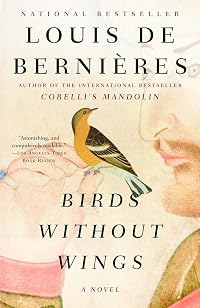

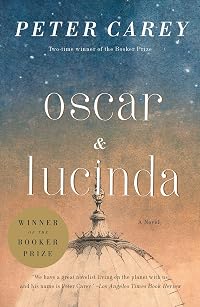
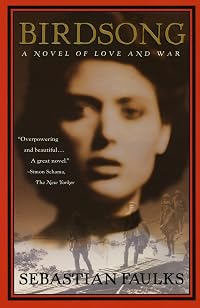
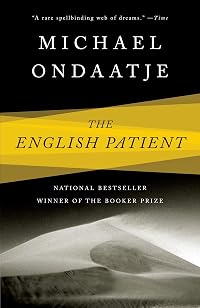
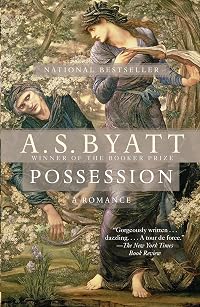




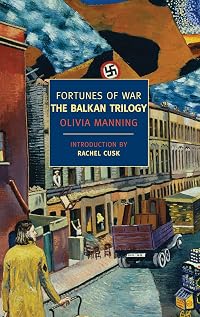
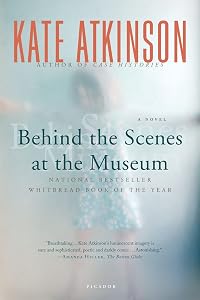


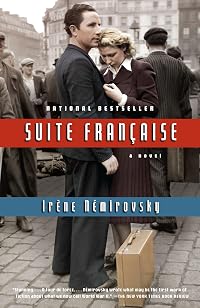







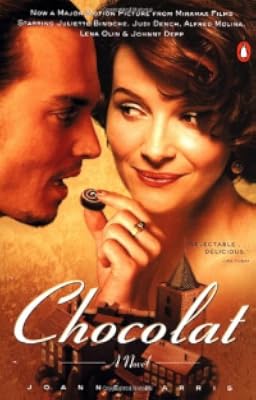

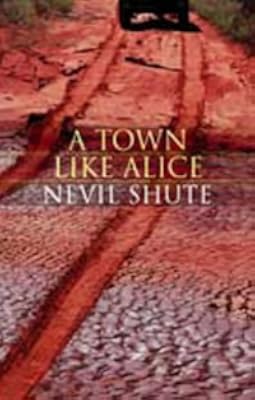


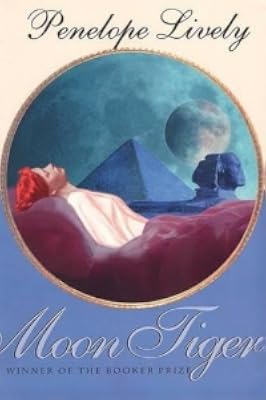
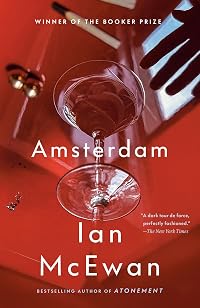
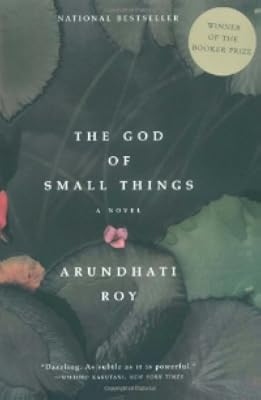


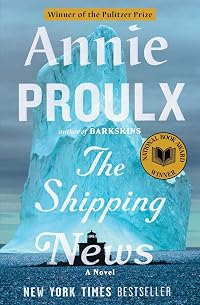

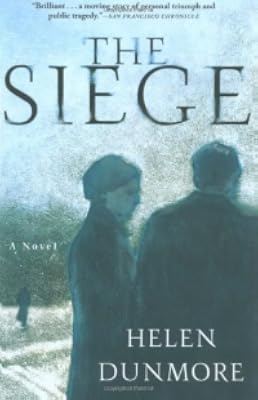




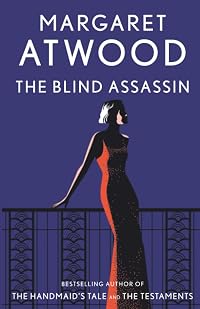
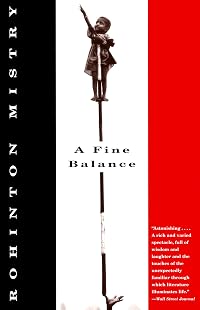
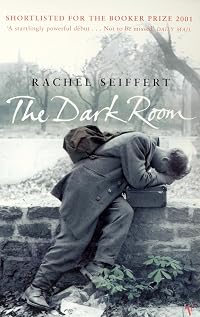






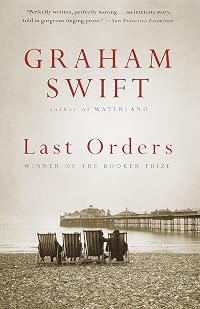
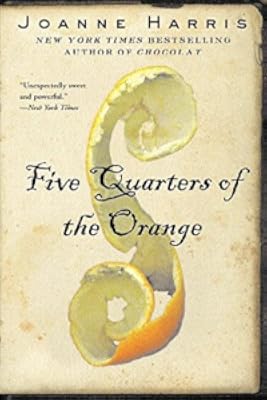
Member Recommendations

thepequodtwo Both de Bernieres and Kushner skillfully intertwine multiple story threads and characters to create a sense of time and place both passing and changing that is vivid and powerful.
21
by Booksloth


BCCJillster Different country, different war, same gusto of characterization and sense of place and community







paulkid Both are set in Mussolini's Italy, although Wouk's work spends time in Germany, Russia, and England while de Bernières spends time in Greece as well.
Member Reviews
This was a book of two halves and the first half I loved; indeed Captain Corelli's Mandolin was lining up to my favourite novel of all time by about half way through. I mean, I don't know if the bit about the German captain so upset to be captured in an embarrassing way that his British captor had to tach him how to play Ludo to cheer him up is a piece of history de Bernieres plucked out to include in his story but if it's not it should be.
So, I was somewhat disappointed to read the second half and find, to my growing disquiet, that I hated it. Absolutely despised it. I have never read a book which has two halves so unlike each other that I'm tempted to believe they were originally two different books inexpertly grafted on to each show more other like a less amusing The Thing With Two Heads. show less
So, I was somewhat disappointed to read the second half and find, to my growing disquiet, that I hated it. Absolutely despised it. I have never read a book which has two halves so unlike each other that I'm tempted to believe they were originally two different books inexpertly grafted on to each show more other like a less amusing The Thing With Two Heads. show less
I endured emotional whiplash from the shift in mood between quirky, zany antics of a small Greek village and the horrors experienced on the Grecian World War II front, followed by those of a civil war. Perhaps this is to emphasize the void between the soldiers' experience and that of civilian life, or the costs of war, or to alleviate the mood, or ...? Whatever the reason, the rapid shifts between the two (all the chapters are short) makes for a very bumpy ride. It inspired a laugh in several places, weighted with an undercurrent of hesitancy as I'd recall scenes from the chapter just before. And then there is the slowly growing premonition that, before all is finished, these two things are destined to meet one another. I had little show more idea how much this novel was indebted to actual history until I discovered the Wikipedia entry for the island of Cephalonia.
The movie trailers from 2001 were all I had as first impression (I've never seen the movie) so I anticipated the romance bits, but they are mere window dressing. Nobody would mistake this for a romance novel. It's a brutal war novel, but one that happens to know a thing a two about love, as when the doctor is speaking to his daughter: "Love is not breathlessness, it is not excitement, it is not the promulgation of promises of eternal passion, it is not the desire to mate every second minute of the day ... No, don't blush, I am telling you some truths. That is just being "in love", which any fool can do. Love itself is what is left over when being in love has burned away, and this is both an art and a fortunate accident. Your mother and I had it, we had roots that grew toward each other underground, and when all the pretty blossoms had fallen from our branches we found that we were one tree and not two." It also knows a thing or two about how individuals and nations can find their feet again after a hard fall. show less
The movie trailers from 2001 were all I had as first impression (I've never seen the movie) so I anticipated the romance bits, but they are mere window dressing. Nobody would mistake this for a romance novel. It's a brutal war novel, but one that happens to know a thing a two about love, as when the doctor is speaking to his daughter: "Love is not breathlessness, it is not excitement, it is not the promulgation of promises of eternal passion, it is not the desire to mate every second minute of the day ... No, don't blush, I am telling you some truths. That is just being "in love", which any fool can do. Love itself is what is left over when being in love has burned away, and this is both an art and a fortunate accident. Your mother and I had it, we had roots that grew toward each other underground, and when all the pretty blossoms had fallen from our branches we found that we were one tree and not two." It also knows a thing or two about how individuals and nations can find their feet again after a hard fall. show less
I really loved this. I agree with others who said it is hard to get into; perhaps the first ~100 pages seem disjointed and odd with multiple points of view and short, choppy chapters. But, the pay off for continuing is great. The story is set in the Greek islands during World War II, mostly revolving around Dr. Iannis and his daughter, Pelagia, as they deal with the consequences of the Axis occupation of their island, Cephallonia. She falls in love with a charismatic mandolin-playing Italian officer, Captain Corelli.
The writing style is reminiscent of Gabriel Garcia Marquez in that it is whimsical, romantic, sweeping - yet this is not (thank God) magical realism. Everything has rational explanations, yet the characters are quirky and show more events somehow seem fantastical despite being based on real history. So many little things stand out to me now, reflecting on how much I enjoyed the novel: the tame pine marten, the snails, the hellacious retreat of Carlo and Francisco through the Greek winter, the exploding of the WW1 bomb, the British spy 'Bunny' and his ancient Greek.
It is a magical, poignant, horrifying ride and as the book winds down and the reader realizes what will happen to Corelli and his soldiers - it is truly sad. I was especially moved by the chapter 'Pelagia's lament' -- haunting, I read portions of it several times through. Anyway, I really loved it and would definately consider re-reading it again in the future which is rare for me. This novel has potential to be considered an all time desert (or perhaps Greek) island pick, I think. It is enchanting. show less
The writing style is reminiscent of Gabriel Garcia Marquez in that it is whimsical, romantic, sweeping - yet this is not (thank God) magical realism. Everything has rational explanations, yet the characters are quirky and show more events somehow seem fantastical despite being based on real history. So many little things stand out to me now, reflecting on how much I enjoyed the novel: the tame pine marten, the snails, the hellacious retreat of Carlo and Francisco through the Greek winter, the exploding of the WW1 bomb, the British spy 'Bunny' and his ancient Greek.
It is a magical, poignant, horrifying ride and as the book winds down and the reader realizes what will happen to Corelli and his soldiers - it is truly sad. I was especially moved by the chapter 'Pelagia's lament' -- haunting, I read portions of it several times through. Anyway, I really loved it and would definately consider re-reading it again in the future which is rare for me. This novel has potential to be considered an all time desert (or perhaps Greek) island pick, I think. It is enchanting. show less
A historical novel of the very best kind...full of actual history, human stories of love, sacrifice, joy and sorrow sweeping the reader along with all the emotions. I saw the movie based on this novel, and remember being relatively unmoved by it. That probably kept me from visiting the book for years, unfortunately.
In World War II, a Greek physician and his lovely young daughter on the Isle of Cephalonia live through the occupation of their paradise by both Italians and Germans; the privations and horrors associated with war in general; the treachery and brutality of an army on the verge of defeat; and the ultimate insult added to those injuries: the massive earthquake of 1953 that destroyed their homes. Through it all, the islanders show more manage feats of bravery and resistance; find some sympathy, friendship, and even love among the occupiers; question the ancient gods, philosophers and poets; endure. The lively irreverent Captain Antonio Corelli and his mandolin lighten the mood, and encourage hope for the future, but circumstances do not bode well for any sort of happy ending. Reviewers have aptly compared this novel to Tolstoy and Dickens, for it is tragic and comic in equal measure. Sometimes it's hard to know which mask you're seeing. 5 stars show less
In World War II, a Greek physician and his lovely young daughter on the Isle of Cephalonia live through the occupation of their paradise by both Italians and Germans; the privations and horrors associated with war in general; the treachery and brutality of an army on the verge of defeat; and the ultimate insult added to those injuries: the massive earthquake of 1953 that destroyed their homes. Through it all, the islanders show more manage feats of bravery and resistance; find some sympathy, friendship, and even love among the occupiers; question the ancient gods, philosophers and poets; endure. The lively irreverent Captain Antonio Corelli and his mandolin lighten the mood, and encourage hope for the future, but circumstances do not bode well for any sort of happy ending. Reviewers have aptly compared this novel to Tolstoy and Dickens, for it is tragic and comic in equal measure. Sometimes it's hard to know which mask you're seeing. 5 stars show less
I read this book in my late teens / early twenties, and adored it. So with war in Europe again, I went back to see if the suck fairy had visited...
And was pleasantly surprised! It remains lyrical, entrancing, heartbreaking and stirring, staying with your heart like the last chords of mandolin music echoing over the hills.
It is such an odd book. de Bernieres' ridiculously over the top prose isn't even trying to be literary, but somehow the florid and convoluted sentences are just right for drawing out the personalities of his characters and the world they live in. And it is the carefully drawn personalities that make this book. It is so easy to fall in love with Psipsina the pine marten, the gentle Doctor with his rambling history, and show more of course Pelagia and her handsome captain. Even the baddies are drawn sympathetically and complexly. Bits remind me of Ulysses, that very stream-of-conscious intimate insight into people's minds.
When I was younger I read it for the love triangle - betrothed to a man she can no longer love, Pelagia falls for an Italian captain, and must hide her love or be branded a collaborator. Now I am older, the themes of PTSD and being broken by tragedy are so much clearer - Mandras, broken by the horrors of war, Dr Iannis who never speaks again after the earthquake, Pelagia nursing her father's grave... The war in this book is horrific and traumatic, flesh sloughing off from frostbite, doomed marches with little reason or hope...
There are a few things that are more uncomfortable to me now though. At the time, the book was one of the first I had encountered with a sympathetic gay character. Now the story of 'gay man stays closetted his entire life and dies heroically saving the man he loves' is more uncomfortable than it was then,. And Corelli's homophobia, while realistic, is so sad: 'I wish you hadn't shown me these. I've just realised that I'm more old fashioned than I thought'. Also, for all Pelagia is painted as So Awesome and going to be a female doctor, she is surprisingly passive in much of the main storyline, and the lengths the book goes to to have her still pure and virginal and making sure we all know this is slightly uncomfortable. 'She is going to bring up a child! But definitely not Her Child!' 'She is going to get raped by her ex fiance! But definitely Not Enough to make her Damaged Goods!' The way she waits around for Corelli forever, but never actually does any kind of research on Italian mandarin players, would be amazingly annoying, if it wasn't contrasted with the supremely ridiculous 'I came all this way to see you but ran away because you were holding a baby' behaviour of Corelli.
Then again, maybe that's what I love about this book, the characters are full of human foibles and ridiculousness, and that's what makes them lovable even as we roll our eyes at them. show less
And was pleasantly surprised! It remains lyrical, entrancing, heartbreaking and stirring, staying with your heart like the last chords of mandolin music echoing over the hills.
It is such an odd book. de Bernieres' ridiculously over the top prose isn't even trying to be literary, but somehow the florid and convoluted sentences are just right for drawing out the personalities of his characters and the world they live in. And it is the carefully drawn personalities that make this book. It is so easy to fall in love with Psipsina the pine marten, the gentle Doctor with his rambling history, and show more of course Pelagia and her handsome captain. Even the baddies are drawn sympathetically and complexly. Bits remind me of Ulysses, that very stream-of-conscious intimate insight into people's minds.
When I was younger I read it for the love triangle - betrothed to a man she can no longer love, Pelagia falls for an Italian captain, and must hide her love or be branded a collaborator. Now I am older, the themes of PTSD and being broken by tragedy are so much clearer - Mandras, broken by the horrors of war, Dr Iannis who never speaks again after the earthquake, Pelagia nursing her father's grave... The war in this book is horrific and traumatic, flesh sloughing off from frostbite, doomed marches with little reason or hope...
There are a few things that are more uncomfortable to me now though. At the time, the book was one of the first I had encountered with a sympathetic gay character. Now the story of 'gay man stays closetted his entire life and dies heroically saving the man he loves' is more uncomfortable than it was then,. And Corelli's homophobia, while realistic, is so sad: 'I wish you hadn't shown me these. I've just realised that I'm more old fashioned than I thought'. Also, for all Pelagia is painted as So Awesome and going to be a female doctor, she is surprisingly passive in much of the main storyline, and the lengths the book goes to to have her still pure and virginal and making sure we all know this is slightly uncomfortable. 'She is going to bring up a child! But definitely not Her Child!' 'She is going to get raped by her ex fiance! But definitely Not Enough to make her Damaged Goods!' The way she waits around for Corelli forever, but never actually does any kind of research on Italian mandarin players, would be amazingly annoying, if it wasn't contrasted with the supremely ridiculous 'I came all this way to see you but ran away because you were holding a baby' behaviour of Corelli.
Then again, maybe that's what I love about this book, the characters are full of human foibles and ridiculousness, and that's what makes them lovable even as we roll our eyes at them. show less
Historical fiction set on the Greek island of Cephalonia during the Axis powers’ occupation in WWII. The first part focuses on a young Greek woman, Pelagia, and her widowed physician father, Dr. Iannis. Pelagia learns medical techniques by watching her father, and she is educated beyond the typical level (especially for a woman of the time) due to being the doctor’s only child. She and a local fisherman, Mandras, fall in love and get engaged. He goes off to fight the war on the Albanian front. During his absence, Pelagia writes to him but never receives a reply. Meanwhile, Captain Antonio Corelli, the leader of the Italian occupying forces, is housed with Dr. Iannis and Pelagia. He is no zealot – his goal is to have “a peaceful show more war.” At first Pelagia is determined to resist the occupiers, but she gradually begins to admire Corelli, especially when he plays his mandolin. Mandras returns and Pelagia must decide what to do.
The author gradually develops the romantic liaison between Corelli and Pelagia. In fact, this entire story is gradually layered. All of these characters are complex and come across as authentic, with both strengths and flaws. There are a number of secondary characters that complement the primary storylines, and they are beautifully rendered. For example, the (gay) relationship between Carlo and Francesco is both sweet and tragic. There is also a wayward priest and a strongman. They are eccentric and memorable characters, and they add depth to the narrative.
One of the primary themes is the adverse effects of ideologies on ordinary people. It includes real historical figures such as Mussolini, Hitler, and Metaxas. We follow Mandras from happy-go-lucky fisherman to vindictive soldier. Another main theme is the different types of love – brotherly, religious, romantic, familial, and sacrificial. This novel is a condemnation of totalitarianism. The author employs musical themes to offset some of the horrors of war.
This is a five-star read for the first three-quarters. The author took time in developing details and layers of setting and characters during the war. The last quarter takes large leaps in time and feels rushed in comparison. As a warning, war-time atrocities are vividly depicted.
4.5 show less
The author gradually develops the romantic liaison between Corelli and Pelagia. In fact, this entire story is gradually layered. All of these characters are complex and come across as authentic, with both strengths and flaws. There are a number of secondary characters that complement the primary storylines, and they are beautifully rendered. For example, the (gay) relationship between Carlo and Francesco is both sweet and tragic. There is also a wayward priest and a strongman. They are eccentric and memorable characters, and they add depth to the narrative.
One of the primary themes is the adverse effects of ideologies on ordinary people. It includes real historical figures such as Mussolini, Hitler, and Metaxas. We follow Mandras from happy-go-lucky fisherman to vindictive soldier. Another main theme is the different types of love – brotherly, religious, romantic, familial, and sacrificial. This novel is a condemnation of totalitarianism. The author employs musical themes to offset some of the horrors of war.
This is a five-star read for the first three-quarters. The author took time in developing details and layers of setting and characters during the war. The last quarter takes large leaps in time and feels rushed in comparison. As a warning, war-time atrocities are vividly depicted.
4.5 show less
Corelli's Mandolin by Louis de Bernieres takes place on the Greek island of Cephallonia during the time of WWII. The story centers on a handful of characters, most importantly the Italian Captain Corelli, the Greek Dr. Iannis and his daughter Pelagia. Corelli is a fun-loving, musician who joined the army because it allowed him plenty of time to practice his music in between drills. He leads a group of young soldiers, known as La Scala, in song at any and every opportunity. Corelli is placed at the home of the no-nonsense Dr. Iannis and Pelagia during the Italian occupation of Greece. Despite being forced into their home, the Captain is able to befriend the doctor and falls in love with the beautiful Pelagia, who is betrothed to another. show more Then the war moves in, full force, and turns everything upside down.
This book has funny moments, horrific betrayals, and stunning acts of loyalty and heroism but at it's heart it is a beautiful love story.It was both heartbreaking and perfectly romantic. The writing is fluid and so descriptive that I could almost smell the ocean and feel the island air. I've always wanted to see Greece but I've now added the island of Cephalonnia to the list of things I'd like to see if I ever go there.I mean, google some pictures! Who wouldn't want to go?
FYI, there is a movie with the same name based on this book and I had seen it before reading the book but they changed so much, particularly the ending that it's almost a different story. It had Nicolas Cage as Corelli and he captured the Captain's silliness but not enough for me to forgive his ridiculous attempt at an Italian accent. My husband watched part of it with me and asked if he was supposed to be Irish. (Yeah, it's that bad.) Once you get past the accent and the complete rewrite, it's not a bad movie. The mandolin music alone makes it worth watching, it's just gorgeous music. show less
This book has funny moments, horrific betrayals, and stunning acts of loyalty and heroism but at it's heart it is a beautiful love story.It was both heartbreaking and perfectly romantic. The writing is fluid and so descriptive that I could almost smell the ocean and feel the island air. I've always wanted to see Greece but I've now added the island of Cephalonnia to the list of things I'd like to see if I ever go there.I mean, google some pictures! Who wouldn't want to go?
FYI, there is a movie with the same name based on this book and I had seen it before reading the book but they changed so much, particularly the ending that it's almost a different story. It had Nicolas Cage as Corelli and he captured the Captain's silliness but not enough for me to forgive his ridiculous attempt at an Italian accent. My husband watched part of it with me and asked if he was supposed to be Irish. (Yeah, it's that bad.) Once you get past the accent and the complete rewrite, it's not a bad movie. The mandolin music alone makes it worth watching, it's just gorgeous music. show less
Members
- Recently Added By
Published Reviews
ThingScore 100
Just a sumptuous read. It made me cry.
added by Cynfelyn
Lists

1001 Books You Must Read Before You Die
1,448 works; 1,136 members

Best Historical Fiction
620 works; 262 members
501 Must-Read Books
529 works; 72 members

Best Contemporary Literary Fiction (Around the Last 30 Years)
400 works; 124 members
BBC Big Read
191 works; 45 members

Read the book and saw the movie
1,170 works; 192 members

Historical Fiction
889 works; 91 members

Top Five Books of 2013
1,562 works; 715 members

Magic Realism
371 works; 52 members

Favorite Literary Love Stories
182 works; 100 members

Books That Made Me Cry
199 works; 104 members

20th Century Literature
1,161 works; 55 members

Top Five Books of 2014
1,064 works; 398 members
Love and Marriage
93 works; 10 members

1990s
309 works; 17 members
BBC Big Read
100 works; 10 members

Best Love Stories
107 works; 14 members

Nineties
43 works; 10 members

Books about World War II
241 works; 22 members

BBC Radio 4 Bookclub
341 works; 13 members

A Novel Cure
742 works; 23 members
Top Five Books of 2016
795 works; 228 members
TML 200 Best Books 1950-1999
202 works; 10 members

Books Set on Islands
190 works; 24 members

1,001 BYMRBYD Concensus
723 works; 27 members

Blue Pyramid 1,276 Best Books of All Time
1,248 works; 32 members

Europe
205 works; 6 members

BBC Top Books
78 works; 3 members

Western & Northern Europe
60 works; 1 member

Favourite Love Stories
53 works; 1 member

Biggest Disappointments
606 works; 168 members
'Books You Can't Live Without: The Top 100', The Guardian, 2007
156 works; 7 members

The Modern Library (The Two Hundred Best Novels....
202 works; 1 member

Books Read in 2026
2,161 works; 70 members
The Complete Rory Gilmore Reading List
506 works; 5 members

Top Five Books of 2024
795 works; 264 members

THE WAR ROOM
813 works; 24 members

BBC World Book Club
267 works; 5 members

Greece - a reading list
83 works; 4 members

Florida
366 works; 3 members

Books Read in 2021
5,361 works; 113 members

My TBR
371 works; 3 members

Books Read in 2018
4,360 works; 110 members

World Book Club (BBC World Service)
212 works; 1 member
Author Information

39+ Works 18,340 Members
Louis de Bernières was born on December 8, 1954, in England to a military family. He spent four months in the British army in his late teens. When he was nineteen, he spent a year in Colombia where he wrote a short story about a true incident of violence that occurred there. Fifteen years later, while recuperating from a motorcycle accident, de show more Bernières used that short story as the basis for the first volume of his Latin American Trilogy, The War of Don Emmanuel's Nether Parts, Senor Vivo and the Coca Lord, and The Troublesome Offspring of Cardinal Guzman. In the 1980s, de Bernières worked as an auto mechanic and then as a supply teacher in London. In 1993 he took a holiday on the Greek island of Cephallonia. That became the setting for Captain Correlli's Mandolin, a novel of war, love, and heroism, which remained on the (London) Times bestseller list for four years. It has sold more than 600,000 copies, has been reprinted in paperback more than thirty times, and has been translated into more than seventeen languages.The book also won the Commonwealth Writers Prize for Best Book. It was also shortlisted for the 1994 Sunday Express Book of the Year. De Bernières was named one of Granta's 20 Best British Novelists in 1993, and Author of the Year 1998 by England's Publishing News. He will be give the opening night address at the 2015 Melbourne Writers Festival. His title The Dust that Falls from Dreams made the New Zealand Best Seller List in 2015 (Bowker Author Biography) show less
Some Editions
Awards and Honors
Awards
Notable Lists
BBC's Big Read (19)
Whitcoulls Top 100 Books (65 – 2008)
Whitcoulls Top 100 Books (98 – 2010)
Series
Belongs to Publisher Series
Gallimard, Folio (3148)
Work Relationships
Has the adaptation
Inspired
Has as a study
Has as a student's study guide
Has as a teacher's guide
Common Knowledge
- Canonical title
- Captain Corelli's Mandolin
- Original title
- Captain Corelli's Mandolin; Corelli's Mandolin (US) (US)
- Alternate titles*
- Una vita in debito
- Original publication date
- 1994
- People/Characters
- Pelagia; Antonio Corelli; Dr. Iannis; Carlo Piero Guercio; Mandras; Drosoula (show all 8); Lemoni; Father Arsenios
- Important places
- Kefalonia, Greece; Argostoli, Kefalonia, Greece (Capitol of Kefalonia); Lixouri, Kefalonia, Greece (Town of Kefalonia)
- Important events
- 1953 Ionian Earthquake; 33rd Acqui Infantry Division Massacre (September 1943); Greek Civil War (1946 - 1949)
- Related movies
- Captain Corelli's Mandolin (2001 | IMDb)
- Epigraph
- [poem] The Soldier by Humbert Wolfe
- Dedication
- To my mother and father, who in different places and in different ways fought against the Fascists and the Nazis, lost many of their closest friends, and were never thanked.
- First words
- Dr. Iannis had enjoyed a satisfactory day in which none of his patients had died or got any worse.
- Quotations
- ‘Love is a kind of dementia with very precise and oft-repeated clinical symptoms. You blush in each other's presence, you both hover in places where you expect the other to pass, you are both a little tongue-tied, you both ... (show all)laugh inexplicably and too long, you become quite nauseatingly girlish, and he becomes quite ridiculously gallant.'
‘And another thing. Love is a temporary madness, it erupts like a volcano and then subsides. And when it subsides you have to make a decision. You have to work out whether your roots have so entwined together that it is inc... (show all)onceivable that you should ever be apart. Because this is what love is. Love is not breathlessness, it is not excitement, it is not the promulgation of promises of eternal passion, it is not the desire to mate every second minute of the day, it is not lying awake at night imagining that he is kissing every cranny of your body... That is just being ‘in love' which any fool can do. Love itself is what is left over when being in love has burned away, and this is both an art and a fortunate accident. Your mother and I had it, we had roots that grew toward each other underground, and when all the pretty blossoms had fallen from our branches we found that we were one tree and not two.' - Last words
- (Click to show. Warning: May contain spoilers.)She had a deeply serious expression on her face as she immersed herself in the newspaper and with elegant fingers tried to prevent the pages from flapping in the breeze.
- Blurbers
- Byatt, A. S.; Heller, Joseph; Connolly, Cressida; Coe, Jonathan; Keyes, Marian; May, Derwent (show all 7); Kavanagh, P.J
- Original language
- English
*Some information comes from Common Knowledge in other languages. Click "Edit" for more information.
Classifications
Statistics
- Members
- 8,560
- Popularity
- 1,294
- Reviews
- 159
- Rating
- (3.94)
- Languages
- 24 — Catalan, Czech, Danish, Dutch, English, Estonian, Finnish, French, German, Greek, Hebrew, Hungarian, Indonesian, Italian, Latvian, Norwegian (Bokmål), Norwegian, Polish, Portuguese, Russian, Croatian, Spanish, Swedish, Turkish
- Media
- Paper, Audiobook, Ebook
- ISBNs
- 117
- UPCs
- 1
- ASINs
- 29