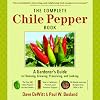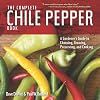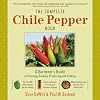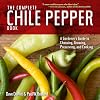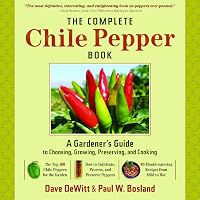
The Complete Chile Pepper Book: A Gardener's Guide to Choosing, Growing, Preserving, and Cooking
by Dave DeWitt, Paul W. Bosland (Author)
On This Page
Description
The Complete Chile Pepper Book, by world-renowned chile experts Dave DeWitt and Paul W. Bosland, shares detailed profiles of the one hundred most popular chile varieties and include information on how to grow and cultivate them successfully, along with tips on planning, garden design, growing in containers, dealing with pests and disease, and breeding and hybridizing. Techniques for processing and preserving include canning, pickling, drying, and smoking. Eighty-five mouth-watering recipes show more show how to use the characteristic heat of chile peppers in beverages, sauces, appetizers, salads, soups, entrees, and desserts. show lessTags
Recommendations



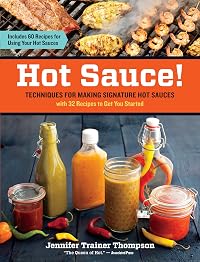

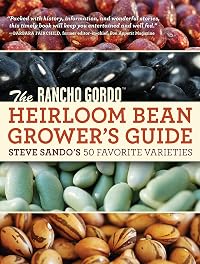
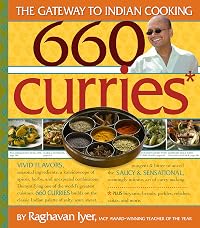








Member Recommendations
SqueakyChu Both books offer a vast array of information about chili peppers.
Member Reviews
The Complete Chile Pepper Book is likely to remain the definitive work on chile peppers for a long time to come. The book is divided into three sections: an introduction and description of various types of chiles, a detailed guide to growing chiles, and a section on preserving and cooking with chiles. The entire book is beautifully produced and clearly written and will be a useful reference for anyone interested in these wonderful vegetables.
The first section classifies chiles by species; after an initial introduction to each of the five species of peppers, some of the more popular or common varieties of each are discussed. Appropriately, the bulk of this section is devoted to the most widespread species (C. annum) but the more show more unfamiliar species are not neglected; any chilehead should find new varieties to grow or seek out at the market from this section. I was pleased to see the Oaxacan manzano peppers that I get at the local Mexican market, and have never seen anywhere else, discussed here.
I personally found the second section on growing chiles to be the most useful; it assumes some basic gardening experience, and does not discuss which varieties are well-suited for different climates, but after an initial discussion of different gardening strategies for peppers and general advice on soil composition and watering strategies it provides a comprehensive guide to potential problems with peppers and their remedies. While this guide is suitable for casual gardeners it does not stop there, including suggestions for creating new hybrid strains of peppers through hand-pollination! I will certainly refer to this section of the book on a regular basis in my continuing attempts to grow more peppers.
The first part of the final section of the book discusses preserving peppers, ranging from methods as simple as drying or freezing to elaborate canning (requiring a pressure canner, as peppers are low-acid) and candying recipes. I now have a jar of my own Thai hot peppers pickling in the back of my cupboard, waiting to be ready to use. Finally, the recipes making up the last third of the book were a bit of a disappointment for me; someone coming to this book from a gardening rather than a culinary perspective would certainly find much to like here, but considered purely as a cookbook there are better options. Each recipe is illustrated, and they are clearly-written; they just aren't very exciting. (However, I've spent long enough in the Southwest that the idea of chiles in chocolate-based desserts is no longer new, or even novel enough to be noticeable, so my calibrations on this front may differ from that of the average reader.) While there are some potential gems that I have bookmarked to try, there was less attention paid to recipes to showcase a particular variety of pepper than I would have hoped, and most of the foods were those that, even if they were influenced by cuisines traditionally heavy on spices, would appeal to a fairly conventional "American" palate -- tandoori chicken, fish tacos, and the like. This section is not a net negative, but it's not reason enough to buy the book on its own.
Overall I recommend this book very highly. show less
The first section classifies chiles by species; after an initial introduction to each of the five species of peppers, some of the more popular or common varieties of each are discussed. Appropriately, the bulk of this section is devoted to the most widespread species (C. annum) but the more show more unfamiliar species are not neglected; any chilehead should find new varieties to grow or seek out at the market from this section. I was pleased to see the Oaxacan manzano peppers that I get at the local Mexican market, and have never seen anywhere else, discussed here.
I personally found the second section on growing chiles to be the most useful; it assumes some basic gardening experience, and does not discuss which varieties are well-suited for different climates, but after an initial discussion of different gardening strategies for peppers and general advice on soil composition and watering strategies it provides a comprehensive guide to potential problems with peppers and their remedies. While this guide is suitable for casual gardeners it does not stop there, including suggestions for creating new hybrid strains of peppers through hand-pollination! I will certainly refer to this section of the book on a regular basis in my continuing attempts to grow more peppers.
The first part of the final section of the book discusses preserving peppers, ranging from methods as simple as drying or freezing to elaborate canning (requiring a pressure canner, as peppers are low-acid) and candying recipes. I now have a jar of my own Thai hot peppers pickling in the back of my cupboard, waiting to be ready to use. Finally, the recipes making up the last third of the book were a bit of a disappointment for me; someone coming to this book from a gardening rather than a culinary perspective would certainly find much to like here, but considered purely as a cookbook there are better options. Each recipe is illustrated, and they are clearly-written; they just aren't very exciting. (However, I've spent long enough in the Southwest that the idea of chiles in chocolate-based desserts is no longer new, or even novel enough to be noticeable, so my calibrations on this front may differ from that of the average reader.) While there are some potential gems that I have bookmarked to try, there was less attention paid to recipes to showcase a particular variety of pepper than I would have hoped, and most of the foods were those that, even if they were influenced by cuisines traditionally heavy on spices, would appeal to a fairly conventional "American" palate -- tandoori chicken, fish tacos, and the like. This section is not a net negative, but it's not reason enough to buy the book on its own.
Overall I recommend this book very highly. show less
 This review was written for LibraryThing Early Reviewers.
This book is not for the dabbler. It is not for the light-hearted or those intolerant of spicy food. Unfortunately, it is also not for those who wish to peruse a quick read with easy-to-find information, organized in a user-friendly manner.
It is clear from even a page or two of reading that the authors are incredibly well-informed about their chosen topics. From the background sections on history and cultivation of chile peppers, to the in-depth scientific analysis of "the quest for the world's hottest pepper," the depth of knowledge here is immediately obvious. However, it is not particularly well-organized or easy to find a specific piece of information.
As a book for those who are already well-informed about chile peppers in general, show more and who seek to take their knowledge to the next level, this book is the place to go. However, if you are seeking a place to start from without immediately delving into chemistry, cultivation science, and the precise botanical classification of every species of Chile Pepper known to humanity, I would start elsewhere.
-Review written by Dan, to whom I gave this book as a birthday present show less
It is clear from even a page or two of reading that the authors are incredibly well-informed about their chosen topics. From the background sections on history and cultivation of chile peppers, to the in-depth scientific analysis of "the quest for the world's hottest pepper," the depth of knowledge here is immediately obvious. However, it is not particularly well-organized or easy to find a specific piece of information.
As a book for those who are already well-informed about chile peppers in general, show more and who seek to take their knowledge to the next level, this book is the place to go. However, if you are seeking a place to start from without immediately delving into chemistry, cultivation science, and the precise botanical classification of every species of Chile Pepper known to humanity, I would start elsewhere.
-Review written by Dan, to whom I gave this book as a birthday present show less
This review was written for LibraryThing Early Reviewers.As an amateur gardener, avid cook and, most importantly, a spicy food aficionado, this book really has it all for me. Reading this late in November made me ready to pull out the seed catalogues and start preparing for spring. The authors provide a wealth of information on the subject of chili peppers. The first portion of the book is devoted to gardening. Without turning into a general gardening book, enough basic information is covered to assist the new gardener. I especially appreciated the in-depth description of pepper varieties, both for spring gardening choices, but also for produce shopping.
In addition to a lot of great gardening information and inspirational photography, it provides botanical information, as well. The graphics show more and charts really contribute to the very readable quality of this book.
But, my favorite part of the book is the recipe section. A number of easy, unusual recipes are included. The pepper infused vodka is so superior to anything you can buy at the store and was a huge hit at Thanksgiving when I used it to make my marinated cherry tomato appetizer! I brought the Double Trouble chocolate truffles to a party and they were the focus of conversation while they lasted! My family’s favorites, so far, are Pasta with Green Chile Pesto and Thai Chile and Artichoke Pasta. But, I have a lot more on my list to try. In addition to recipes, a lot of good information is provided on preservation, including candied peppers, salt substitutes, pickling and canning.
A comprehensive glossary, bibliography and resource list provide even more information.
I appreciate having a book in my collection that covers all aspects of peppers. I know where to turn now for gardening questions, and, of course, really interesting recipes! show less
In addition to a lot of great gardening information and inspirational photography, it provides botanical information, as well. The graphics show more and charts really contribute to the very readable quality of this book.
But, my favorite part of the book is the recipe section. A number of easy, unusual recipes are included. The pepper infused vodka is so superior to anything you can buy at the store and was a huge hit at Thanksgiving when I used it to make my marinated cherry tomato appetizer! I brought the Double Trouble chocolate truffles to a party and they were the focus of conversation while they lasted! My family’s favorites, so far, are Pasta with Green Chile Pesto and Thai Chile and Artichoke Pasta. But, I have a lot more on my list to try. In addition to recipes, a lot of good information is provided on preservation, including candied peppers, salt substitutes, pickling and canning.
A comprehensive glossary, bibliography and resource list provide even more information.
I appreciate having a book in my collection that covers all aspects of peppers. I know where to turn now for gardening questions, and, of course, really interesting recipes! show less
This review was written for LibraryThing Early Reviewers.This is the most comprehensive chile pepper book I’ve seen. It caught my favor right away because it had a picture and description of the malagueta pepper, a small chile pepper that grows wild in Brazil and a species which a friend of ours gathered and brought to us as a present from his country. It was fun to find this chile pepper in the pages of my book!
Since I’ve always loved to grow a variety of hot peppers in my garden, I truly love the comprehensive advice in the gardening section. I can’t guarantee I’ll use all the advice, but I’ll sure check back to see what I’ve been doing wrong with my pepper plants in the past. There is a section that has diseases and pests, which I hope only to see in the book and never on my show more plants.
The pictures are fabulous. One section of the book names the top 100 chile peppers for the garden. It’s very easy to identify the different species of chile peppers from those large, clear, and colorful photographs.
For any food connoisseur, you’ll be delighted to know that there are about 100 pages of mouth-watering recipes, each with a huge photograph to show you what it is you’ll be making. The flavor, I’m afraid, you’ll have to taste yourself.
At the back of the book is an extensive bibliography, glossary and list of resources. I can’t imagine any chile pepper lover who would not be able to find the answer to his question about this spicy vegetable in this book or be directed from it to the appropriate resource.
There are only two quite minor things I did not like about this book. One was that the type seemed a bit small. That may be my aging eyes, though. The other thing was that I received my copy of this book in November – just as the last of my chile pepper plants died off from the cold. Now I’ll have to wait until the spring to do more chile pepper gardening as I don’t have anywhere to grow these plants inside my house. show less
Since I’ve always loved to grow a variety of hot peppers in my garden, I truly love the comprehensive advice in the gardening section. I can’t guarantee I’ll use all the advice, but I’ll sure check back to see what I’ve been doing wrong with my pepper plants in the past. There is a section that has diseases and pests, which I hope only to see in the book and never on my show more plants.
The pictures are fabulous. One section of the book names the top 100 chile peppers for the garden. It’s very easy to identify the different species of chile peppers from those large, clear, and colorful photographs.
For any food connoisseur, you’ll be delighted to know that there are about 100 pages of mouth-watering recipes, each with a huge photograph to show you what it is you’ll be making. The flavor, I’m afraid, you’ll have to taste yourself.
At the back of the book is an extensive bibliography, glossary and list of resources. I can’t imagine any chile pepper lover who would not be able to find the answer to his question about this spicy vegetable in this book or be directed from it to the appropriate resource.
There are only two quite minor things I did not like about this book. One was that the type seemed a bit small. That may be my aging eyes, though. The other thing was that I received my copy of this book in November – just as the last of my chile pepper plants died off from the cold. Now I’ll have to wait until the spring to do more chile pepper gardening as I don’t have anywhere to grow these plants inside my house. show less
This review was written for LibraryThing Early Reviewers.Indeed, Dave DeWitt and Paul W. Bosland's *The Complete Chile Pepper Book* (Timber Press, 2009) is a beautifully produced book. It is part horticulture book (with descriptions and color photographs of scores of *Capsicum* varieties to grow in a garden [or in a container] and extensive notes on cultivation), part cookbook (with tips and recipes for freezing, canning, pickling, drying, smoking, and using fresh chile peppers in all types of food, from beverages and appetizers to desserts: the "Double Trouble Chocolate Truffles" on p. 308, with baking chocolate, white chocolate, ground New Mexican red chile, ground cinnamon, sweetened condensed milk, and chopped pine nuts [or pecans], look quite delicious). Inspired by this book, I show more sprinkled a dash of ground ancho chile powder (that I'd purchased, alas, not from peppers that I'd grown, dried, and ground myself) into a mug of hot chocolate this afternoon: quite delicious. The recipes, all beautifully photographed, certainly do seem inviting; but the material on processing and preserving chiles (making spice rubs, chile vinegars, chile oils, and even more exciting and exotic condiments and the like) brings this book up a notch, at least as far as its usefulness and interest go as a cookbook.
The cultivation materials (roughly the first half of the book) seem quite thorough and, therefore, useful. Description of both how chiles are grown on a commercial scale as well as how they can be grown effectively at home are included--also with numerous color photographs. The authors don't ignore ornamental peppers and also include a (truly fascinating) section on bonsai chiles (though none of the photographs show the bonsai with fruit). Come winter, I'll be carefully reading this material--in anticipation for spring and summer (and the subsequent bounty of chiles that I hope to have in my garden).
The volume concludes with a list of resources (for example, for seeds and plants--for folks located both in North America and Europe), a lengthy glossary of chile pepper-related terms, a selected bibliography (organized categorically), and a thorough-looking index.
I'm not sure it's an official series, but Timber Press has also released *The Complete Book of Garlic* (by Ted Jordan Meredith, 2008): That book has different dimensions (it's taller and a bit narrower) and, although also beautifully produced (with score upon score of color photographs), focuses entirely on the horticultural side (that is, there's no cookbook component).
Anyway, back to *The Complete Chile Pepper Book*: a blurb on the front dustcover (by Rick Browne, host of a PBS show [according to his attribution]) describes the book as "The most definitive, interesting, and enlightening book on peppers ever penned." I'll admit that my library of chile-related books is quite limited (the only other volume I own is James Campbell's *Mr. Chilehead: Adventures in the Taste of Pain* [ECW Press, 2003], which is a different type of chile book)--but I'll definitely agree that the DeWitt and Bosland book appears definitive, interesting, and enlightening. I'm certainly happy to have received this book via the Early Reviewers program and to be able to count it among my collection of food-related volumes. show less
The cultivation materials (roughly the first half of the book) seem quite thorough and, therefore, useful. Description of both how chiles are grown on a commercial scale as well as how they can be grown effectively at home are included--also with numerous color photographs. The authors don't ignore ornamental peppers and also include a (truly fascinating) section on bonsai chiles (though none of the photographs show the bonsai with fruit). Come winter, I'll be carefully reading this material--in anticipation for spring and summer (and the subsequent bounty of chiles that I hope to have in my garden).
The volume concludes with a list of resources (for example, for seeds and plants--for folks located both in North America and Europe), a lengthy glossary of chile pepper-related terms, a selected bibliography (organized categorically), and a thorough-looking index.
I'm not sure it's an official series, but Timber Press has also released *The Complete Book of Garlic* (by Ted Jordan Meredith, 2008): That book has different dimensions (it's taller and a bit narrower) and, although also beautifully produced (with score upon score of color photographs), focuses entirely on the horticultural side (that is, there's no cookbook component).
Anyway, back to *The Complete Chile Pepper Book*: a blurb on the front dustcover (by Rick Browne, host of a PBS show [according to his attribution]) describes the book as "The most definitive, interesting, and enlightening book on peppers ever penned." I'll admit that my library of chile-related books is quite limited (the only other volume I own is James Campbell's *Mr. Chilehead: Adventures in the Taste of Pain* [ECW Press, 2003], which is a different type of chile book)--but I'll definitely agree that the DeWitt and Bosland book appears definitive, interesting, and enlightening. I'm certainly happy to have received this book via the Early Reviewers program and to be able to count it among my collection of food-related volumes. show less
This review was written for LibraryThing Early Reviewers.2/3 of this book is for gardeners. You can be an amateur chile pepper gardener, but you should not be an amateur gardener. From that angle, this book seems to be very solid, just a step below ag school text book quality.
1/3 of this is also a cookbook. Amateur cooks are invited. Be forewarned, these are hot recipes. Nice food porn, with a wide variety of courses and styles, The Complete Chile Pepper Book is a quality acquisition for non-gardeners.
White Chocolate Ancho Chile Ice Cream, p.311, by Susy Dayton, former pastry chef of Santa Fe's Coyote Cafe. Superb. Pairs very well with a Dogfish 60-minute Pale Ale clone. Double the recipe for our ice-cream maker.
Hungarian Gulyas (Goulash), p.247, poorly edited instructions, recommend using show more less oil, less spiced flour, smaller cuts of meat, yet good overall flavor. Paired well with Bodega Norton 2008 malbec.
Grilled Tuna Steaks with Salsa Pimentón, p.288. Good, awkward for one cook, reduce salsa by 1/2.
Spiced Hawaiian Tuna Salad, p.237, simple, good, reduce heat by one pepper, cut romaine replacing presentation with better eating.
Enraged Pasta (Penne all'Arrabiata), p. 262. Very good, easy, would be better as a side. show less
1/3 of this is also a cookbook. Amateur cooks are invited. Be forewarned, these are hot recipes. Nice food porn, with a wide variety of courses and styles, The Complete Chile Pepper Book is a quality acquisition for non-gardeners.
White Chocolate Ancho Chile Ice Cream, p.311, by Susy Dayton, former pastry chef of Santa Fe's Coyote Cafe. Superb. Pairs very well with a Dogfish 60-minute Pale Ale clone. Double the recipe for our ice-cream maker.
Hungarian Gulyas (Goulash), p.247, poorly edited instructions, recommend using show more less oil, less spiced flour, smaller cuts of meat, yet good overall flavor. Paired well with Bodega Norton 2008 malbec.
Grilled Tuna Steaks with Salsa Pimentón, p.288. Good, awkward for one cook, reduce salsa by 1/2.
Spiced Hawaiian Tuna Salad, p.237, simple, good, reduce heat by one pepper, cut romaine replacing presentation with better eating.
Enraged Pasta (Penne all'Arrabiata), p. 262. Very good, easy, would be better as a side. show less
This review was written for LibraryThing Early Reviewers.I got this book as part of the Early Reviewer's program and WOW am I impressed!!!
As a gardener, I enjoyed the opening section on growing chili peppers. It didn't contain new information for me, but it was very nice to have all the growing info in one place rather than scattered throughout my many books.
The second section of this book is devoted to harvesting and processing the peppers you grow - including sections on pickling which is one of our favorite activities. Some of this information - especially the section on chili powder - was new to me and really interesting to read. I appreciate the fact that the pickling recipes specifically tell you that advance preparation is needed. Often I find myself with a glut of produce and no time show more to process it, so if I need to plan to pickle things it is good to know this ahead of time.
The last section is for using the peppers and pepper products you have on hand. Most of the recipes are simple to prepare and have limited ingredients which is nice. Our first recipe is definitely going to be the Onion-Beer Tri-Tip Roast which sounds amazing.
Beautiful color photographs adorn this entire book and make this truly a joy to read. Each recipe is photographed which helps get those taste buds moving.
This book is truly a must have for chili-heads who garden and preserve. I only wish someone would make one of these for each fruit and vegetable we grow. It'd be a great series. show less
As a gardener, I enjoyed the opening section on growing chili peppers. It didn't contain new information for me, but it was very nice to have all the growing info in one place rather than scattered throughout my many books.
The second section of this book is devoted to harvesting and processing the peppers you grow - including sections on pickling which is one of our favorite activities. Some of this information - especially the section on chili powder - was new to me and really interesting to read. I appreciate the fact that the pickling recipes specifically tell you that advance preparation is needed. Often I find myself with a glut of produce and no time show more to process it, so if I need to plan to pickle things it is good to know this ahead of time.
The last section is for using the peppers and pepper products you have on hand. Most of the recipes are simple to prepare and have limited ingredients which is nice. Our first recipe is definitely going to be the Onion-Beer Tri-Tip Roast which sounds amazing.
Beautiful color photographs adorn this entire book and make this truly a joy to read. Each recipe is photographed which helps get those taste buds moving.
This book is truly a must have for chili-heads who garden and preserve. I only wish someone would make one of these for each fruit and vegetable we grow. It'd be a great series. show less
This review was written for LibraryThing Early Reviewers.Members
- Recently Added By
Lists

Workman Publishing
38 works; 1 member
Author Information

68 Works 1,390 Members
Dave DeWitt is a food historian and one of the foremost authorities on chile peppers, spice, and spicy foods. Named the "Pope of Peppers" by New York Times. DeWitt has written or coauthored more than 30 books on hot peppers and spicy foods and edited two different magazines devoted to those subjects. He lives in Albuquerque, New Mexico.

Common Knowledge
- Original publication date
- 2009
- First words
- Capsicum species are members of the family Solonaceae, or the nightshade family, a large, economically important family that also includes eggplant, petunia, potato, tobacco, and tomato. They are not related to black p... (show all)epper, Piper nigrum, nor are they related to the Guinea pepper or grains of paradise, Aframomum melegueta. All Capsicum species originated in the Western Hemisphere and are native to the tropical regions of the Americas. Botanically, chile peppers are perennial subshrubs when grown in their native habitats, but they are grown as annuals in colder climates.
- Quotations
- With more than ten thousand different chile pepper varieties in the world, how do you know what to plant?
- Last words
- (Click to show. Warning: May contain spoilers.)Serve the pie garnished with additional whipped cream.
- Blurbers
- Browne, Rick; Raichlen, Steven; Jamison, Cheryl; Jamison, Bill; Wilkins, Cindy
Classifications
Statistics
- Members
- 107
- Popularity
- 303,199
- Reviews
- 12
- Rating
- (4.73)
- Languages
- English
- Media
- Paper, Ebook
- ISBNs
- 3
- ASINs
- 2