
On This Page
Description
This is not a gospel. This is a story. In this ingenious and spell-binding retelling of the life of Jesus, Philip Pullman revisits the most influential story ever told. Charged with mystery, compassion and enormous power, The Good Man Jesus and the Scoundrel Christ throws fresh light on who Jesus was and asks the reader questions that will continue to resonate long after the final page is turned. For, above all, this book is about how stories become stories.Tags
Recommendations



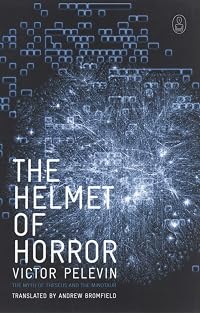
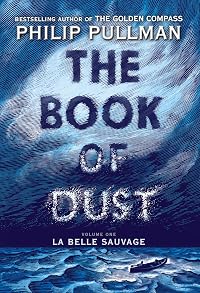

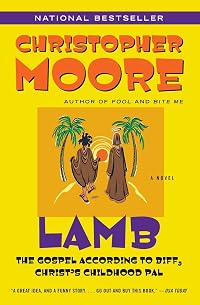
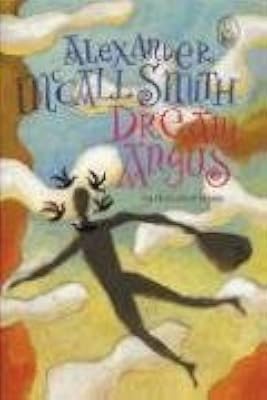
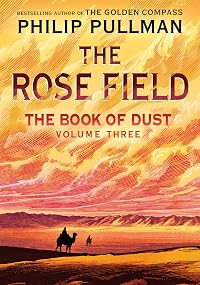
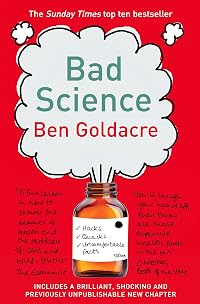

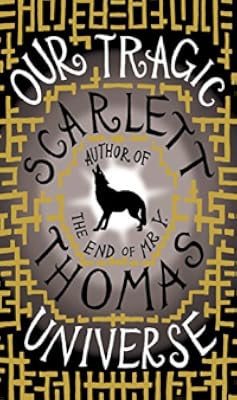

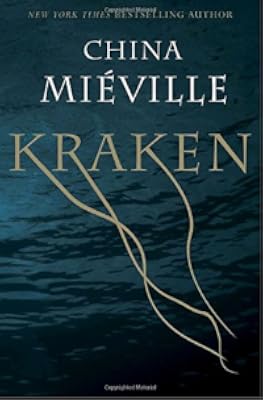



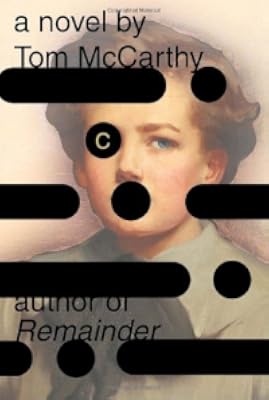
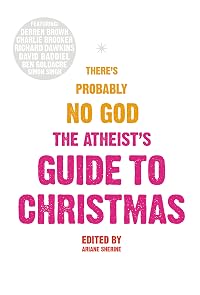

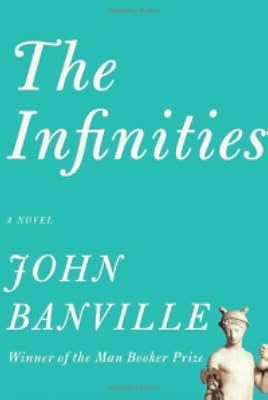




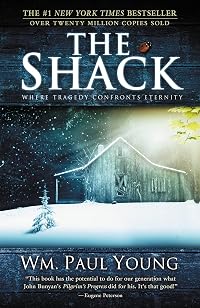
Member Recommendations

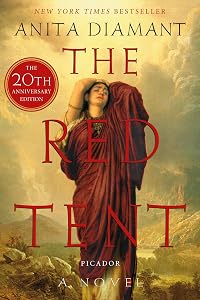
PatMock Retelling of gospel stories from viewpoint of Mary Magdalene
11
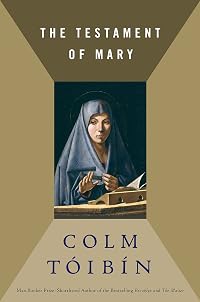
nigelmcbain Both of these works re-use the material of the Gospel narratives to refocus on what the essential message of Yeshua bar Yussif's message was.
Voise15 Humanising of the Gospel stories through the eyes of Judas


Member Reviews
Summary: The Good Man Jesus and the Scoundrel Christ is a gospel: a retelling of the life of Jesus... and his twin brother, Christ. In Pullman's version, Mary gives birth to not one but two boys in the stable in Bethlehem. As the boys grow up, Jesus becomes a famous preacher and radical, while Christ remains in the background, recording the things his brother says and does. But while Jesus seems unconcerned with the future, and preaches about the imminent arrival of the Kingdom of Heaven, Christ - at the urging of a mysterious stranger - has begun thinking about the long-term: the founding of a church that will carry his brother's truths (or at least Christ's version of them) throughout history.
Review: This short little book was show more fascinating, and - given what I know about Philip Pullman's attitudes towards religion - very surprising. For a book whose basic premise is, if not blasphemous per se, at least counter-scriptural, I thought that it was actually very respectful. Its goal is not to denigrate religion in general or even Christianity in specific, nor to excoriate the Church (which was what surprised me, given Pullman's attitude towards the Christian-Church-analog the Magisterium in His Dark Materials), but rather to encourage thought about the power of the church, and where it comes from, and how the stories of the New Testament may have been shaped by time, and by their passage through human hands, and what lies at the heart of belief, and the reality and the truth (which may not always be the same thing) of Jesus's life.
I think this interplay between respect for people's belief system and the desire to think critically about that belief system is apparent in Pullman's treatment of Jesus's miracles. In every instance, Pullman gives a possible common-sense explanation for the miracle that does not involve invoking supernatural powers, but he almost always leaves it open, and rarely comes right out and says that it wasn't a miracle... because the point is not whether a given act was miraculous or not, but to understand why people might prefer the one explanation over the other. Of course, this does cut both ways: Pullman never outright names the mysterious stranger who is encouraging Christ to chronicle his brother's life, but the implication is hard to miss. Leaving the point open to interpretation, though, gives the story more subtlety and more power, no matter what the reader decides about the man's identity.
One of the most fascinating (and most surprising) aspects of this book is that the dichotomy between Jesus and Christ is a lot more complex than what is suggested by the title. Neither one is entirely a good man nor a scoundrel, but they both embody both the good and the bad. Jesus, when preaching, comes off as kind of sanctimonious (and his admonitions about abandoning your family are a lot harsher when his twin brother is standing in the crowd), but his hour of doubt in the garden of Gethsemene, where he questions his own faith in the face of a silent God, completely turned him around for me. Meanwhile, Christ is constantly wracked with doubts of his own; doing what he does out of love for his brother, but still secretly injured by his brother's aloofness, and his own frustrated ambition. Similarly, Pullman is not even 100% anti-Church; he recognizes the church's power to inspire great works of art and compassion, while also questioning its adherence to dogma and the perils of having a body with such absolute philosophical and political power. It was frustrating at times (morally frustrating, not frustrating as a reader), because in their arguments, both Jesus and Christ were so often right in their points of view, and simultaneously so wrong, that it made me wonder how we still, two thousand years later, haven't figured it out yet. 4 out of 5 stars.
Recommendation: To come clean: Although I was raised as what I call "vaguely Christian", I'm a non-believer, so without question my enjoyment and my interpretation of this book was colored by that perspective. But I think that The Good Man Jesus and the Scoundrel Christ should be accessible, and interesting, to believers as well. It's not pushing an athiest agenda, but rather encouraging independent and critical thought. Those Christians who believe that the Bible is the infallible received word of God may want to steer clear, but those who are willing to take a "what if" look at their own beliefs should find plenty of food for thought. show less
Review: This short little book was show more fascinating, and - given what I know about Philip Pullman's attitudes towards religion - very surprising. For a book whose basic premise is, if not blasphemous per se, at least counter-scriptural, I thought that it was actually very respectful. Its goal is not to denigrate religion in general or even Christianity in specific, nor to excoriate the Church (which was what surprised me, given Pullman's attitude towards the Christian-Church-analog the Magisterium in His Dark Materials), but rather to encourage thought about the power of the church, and where it comes from, and how the stories of the New Testament may have been shaped by time, and by their passage through human hands, and what lies at the heart of belief, and the reality and the truth (which may not always be the same thing) of Jesus's life.
I think this interplay between respect for people's belief system and the desire to think critically about that belief system is apparent in Pullman's treatment of Jesus's miracles. In every instance, Pullman gives a possible common-sense explanation for the miracle that does not involve invoking supernatural powers, but he almost always leaves it open, and rarely comes right out and says that it wasn't a miracle... because the point is not whether a given act was miraculous or not, but to understand why people might prefer the one explanation over the other. Of course, this does cut both ways: Pullman never outright names the mysterious stranger who is encouraging Christ to chronicle his brother's life, but the implication is hard to miss. Leaving the point open to interpretation, though, gives the story more subtlety and more power, no matter what the reader decides about the man's identity.
One of the most fascinating (and most surprising) aspects of this book is that the dichotomy between Jesus and Christ is a lot more complex than what is suggested by the title. Neither one is entirely a good man nor a scoundrel, but they both embody both the good and the bad. Jesus, when preaching, comes off as kind of sanctimonious (and his admonitions about abandoning your family are a lot harsher when his twin brother is standing in the crowd), but his hour of doubt in the garden of Gethsemene, where he questions his own faith in the face of a silent God, completely turned him around for me. Meanwhile, Christ is constantly wracked with doubts of his own; doing what he does out of love for his brother, but still secretly injured by his brother's aloofness, and his own frustrated ambition. Similarly, Pullman is not even 100% anti-Church; he recognizes the church's power to inspire great works of art and compassion, while also questioning its adherence to dogma and the perils of having a body with such absolute philosophical and political power. It was frustrating at times (morally frustrating, not frustrating as a reader), because in their arguments, both Jesus and Christ were so often right in their points of view, and simultaneously so wrong, that it made me wonder how we still, two thousand years later, haven't figured it out yet. 4 out of 5 stars.
Recommendation: To come clean: Although I was raised as what I call "vaguely Christian", I'm a non-believer, so without question my enjoyment and my interpretation of this book was colored by that perspective. But I think that The Good Man Jesus and the Scoundrel Christ should be accessible, and interesting, to believers as well. It's not pushing an athiest agenda, but rather encouraging independent and critical thought. Those Christians who believe that the Bible is the infallible received word of God may want to steer clear, but those who are willing to take a "what if" look at their own beliefs should find plenty of food for thought. show less
I love Philip Pullman. I love His Dark Materials trilogy, which went a long way to show me how a book can be fantasy and deeply meaningful at the same time. He's a Milton scholar and based a lot of it on Paradise Lost- and it's a kids book! Not to mention all the parallels to the new physics, as well as a ripping good story with the evilest, scariest villain ever, Mrs. Coulter (no, I'm not talking about Ann Coulter, but she would be a runner-up). I even love his 19th century girl detective, Sally Lockhart ,series.
The Good Man Jesus and the Scoundrel Christ is a re-telling of the story of Jesus. Of course, the big difference is that he splits Jesus into twin brothers: Christ is the rule follower, the one that never gets into trouble and show more always gets his erratic brother out of trouble. Jesus, of course, is the iconoclast, the shit disturber, the one people ultimately want around.
In the story Jesus is the preacher and Christ is the recorder, embellishing his teachings, editing them in order to make them more palatable. the controversial parts of the book (aside from making Jesus and Christ into two people) comes at the end, when Jesus actually dies on the cross. His resurrection is faked by having his twin brother pretend to be him. Thus, the myth is orchestrated and the path is laid for the Church to be born.
In his retelling, Pullman is revisiting a much-loved theme: there is nothing wrong with spirituality - it is the church and its dogma that are evil. Christ represents the dogmas, the order, the condescending belief that people need to have their sermons pre-chewed by the bureaucratic maw of the church in order to digest Jesus's words. And Jesus is just a teacher, of the kind that commonly roamed the area expounding on points of doctrine and better living.
Critique:
Although I love Pullman's works for children, I did not love this book. I didn't hate it either, but my expectations with this author are pretty high. He tells the story in such a blunt, straightforward manner (reminiscent of the dry prose of the New Testament - at least the little bits of the versions that I have been subjected to), that the reader is always wondering when something is going to happen. But nothing out of the ordinary does. Now, having said that, I realise that it is supposed to be a re-telling of the story, and that he was working with the material he had. But there is something that just fell flat. Maybe it is because I have already made up my mind about the church and its dogmatism, that the message didn't seem very revolutionary, I don't know. I am sure that in some circles it will cause a great deal of kerfuffle. But not for my little, secular bunch of heathens at book club. None of us were that impressed. show less
The Good Man Jesus and the Scoundrel Christ is a re-telling of the story of Jesus. Of course, the big difference is that he splits Jesus into twin brothers: Christ is the rule follower, the one that never gets into trouble and show more always gets his erratic brother out of trouble. Jesus, of course, is the iconoclast, the shit disturber, the one people ultimately want around.
In the story Jesus is the preacher and Christ is the recorder, embellishing his teachings, editing them in order to make them more palatable. the controversial parts of the book (aside from making Jesus and Christ into two people) comes at the end, when Jesus actually dies on the cross. His resurrection is faked by having his twin brother pretend to be him. Thus, the myth is orchestrated and the path is laid for the Church to be born.
In his retelling, Pullman is revisiting a much-loved theme: there is nothing wrong with spirituality - it is the church and its dogma that are evil. Christ represents the dogmas, the order, the condescending belief that people need to have their sermons pre-chewed by the bureaucratic maw of the church in order to digest Jesus's words. And Jesus is just a teacher, of the kind that commonly roamed the area expounding on points of doctrine and better living.
Critique:
Although I love Pullman's works for children, I did not love this book. I didn't hate it either, but my expectations with this author are pretty high. He tells the story in such a blunt, straightforward manner (reminiscent of the dry prose of the New Testament - at least the little bits of the versions that I have been subjected to), that the reader is always wondering when something is going to happen. But nothing out of the ordinary does. Now, having said that, I realise that it is supposed to be a re-telling of the story, and that he was working with the material he had. But there is something that just fell flat. Maybe it is because I have already made up my mind about the church and its dogmatism, that the message didn't seem very revolutionary, I don't know. I am sure that in some circles it will cause a great deal of kerfuffle. But not for my little, secular bunch of heathens at book club. None of us were that impressed. show less
This is a fun book. I enjoyed it particularly because it plays around with the story of Jesus, much as I tried to do with my book, Recycled Virgin. It’s fun to see an alternate explanation for the happenings of Christianity and Pullman does this in an easy, intelligent way. It’s part of the “Myths” series by Vintage, and now I am eager to read all the others.
There is so much quotable in this book, but the one that really resonated was this one. Christ is explaining his complicated relationship with his brother Jesus to a prostitute, and how his role is only to record history:
“There are some who live by every rule and cling tightly to their rectitude because they fear being swept away by a tempest of passion, and there are show more others who cling to the rules because they fear there is no passion there at all, and if they let go they would simply remain where they are, foolish and unmoved, and they could bear that least of all...I am one of those. I know it, and I can do nothing about it.”
Christ serves as the recorder of Jesus’ life, the one who writes the ‘truth’, as vs what happened. He also plays a key role in creating the various myths written about Jesus. He changes a few stories, enhancing one here, erasing another there. I think it is a clever way to describe what actually became of the reality of Jesus’s life- the idea of a twin brother that acts as the guided reporter is a winning one, though I have difficulty believing a mother could forget one of her children to such an extent.
A fascinating turn around the bible and a very readable one, worth sharing with those questioning faith. Some here argue that it is disrespectful and hateful towards Christians- I would note I didn’t find it so. It tells of how stories become stories, how ideas are taken and formed by organizations and how both good and evil come out of that. If you are the sort that feels that any questioning of church authority is so wrong, you’ll hate this book. For me, after studying Christianity’s roots, this story helps to explain how I can believe in a god while not believing in the churches that promote him. Jesus in this story sees god both in everything and not present- he doesn’t get answered when he talks to the big voice in the sky, but he finds joy in every cell of being around him.
For some this is blasphemy. But as Jesus points out, he never committed any. show less
There is so much quotable in this book, but the one that really resonated was this one. Christ is explaining his complicated relationship with his brother Jesus to a prostitute, and how his role is only to record history:
“There are some who live by every rule and cling tightly to their rectitude because they fear being swept away by a tempest of passion, and there are show more others who cling to the rules because they fear there is no passion there at all, and if they let go they would simply remain where they are, foolish and unmoved, and they could bear that least of all...I am one of those. I know it, and I can do nothing about it.”
Christ serves as the recorder of Jesus’ life, the one who writes the ‘truth’, as vs what happened. He also plays a key role in creating the various myths written about Jesus. He changes a few stories, enhancing one here, erasing another there. I think it is a clever way to describe what actually became of the reality of Jesus’s life- the idea of a twin brother that acts as the guided reporter is a winning one, though I have difficulty believing a mother could forget one of her children to such an extent.
A fascinating turn around the bible and a very readable one, worth sharing with those questioning faith. Some here argue that it is disrespectful and hateful towards Christians- I would note I didn’t find it so. It tells of how stories become stories, how ideas are taken and formed by organizations and how both good and evil come out of that. If you are the sort that feels that any questioning of church authority is so wrong, you’ll hate this book. For me, after studying Christianity’s roots, this story helps to explain how I can believe in a god while not believing in the churches that promote him. Jesus in this story sees god both in everything and not present- he doesn’t get answered when he talks to the big voice in the sky, but he finds joy in every cell of being around him.
For some this is blasphemy. But as Jesus points out, he never committed any. show less
At first I worried that Philip Pullman's take on the story of Jesus Christ would be a pale imitation of Jose Saramago's 'The Gospel According to Jesus Christ' - but as I got into the story more, and grew accustomed to Pullman's deceptively simple (understated would be a more apt term) prose, I began to realise that here was a sublime book that would go to work on me deep in my subconscious; in other words, I will ponder the theme of this book for a long time to come.
The story details the life of Jesus, and his twin brother Christ - how Jesus became a prophet and a preacher, how he grew a following, how he put forward his religion and yet hated the idea of starting a church. Led into temptation by an angel, Christ records the events of show more Jesus's life, adding 'truth' to the 'historical' account so that the story resonates more perfectly. The miracles Jesus performs are called into question - as well they should be - and the truth seems rather more prosaic, but this takes nothing away from the fact that Jesus was a magnificently wise man. All in all a book that will please atheists who have long considered the Jesus myth to be unrealistically fabulous, and believers who look to Jesus for guidance rather than to the institute of the church. show less
The story details the life of Jesus, and his twin brother Christ - how Jesus became a prophet and a preacher, how he grew a following, how he put forward his religion and yet hated the idea of starting a church. Led into temptation by an angel, Christ records the events of show more Jesus's life, adding 'truth' to the 'historical' account so that the story resonates more perfectly. The miracles Jesus performs are called into question - as well they should be - and the truth seems rather more prosaic, but this takes nothing away from the fact that Jesus was a magnificently wise man. All in all a book that will please atheists who have long considered the Jesus myth to be unrealistically fabulous, and believers who look to Jesus for guidance rather than to the institute of the church. show less
"In writing of things as they should have been, you are letting truth into history."
So, I've read the story of Jesus a number of times now, by a variety of authors. My favorite is still Nikos Kazantzakis' The Last Temptation of Christ, but this Philip Pullman's Good Man Jesus is a close second. And it's a completely different kind of read.
Pullman, of course, is an atheist and I had no expectation that he would approach this retelling with the reverence of Kazantzakis. But I was surprised by the gentleness with which he told the story. The central character, Christ, is the twin brother of Jesus, in awe of his sibling, and an unofficial (later official) chronicler of Jesus' deeds. It is at times an amusing, always believable, account, show more too. Christ is an incredibly sympathetic figure, one who is content to live in the shadow of his more famous brother. Indeed, as he transcribes Jesus' sayings and deeds, he can't help but embellish a bit--polishing, as it were, in a way that would fit with any admiring sibling's hero worship.
As Jesus' fame spreads, a stranger approaches Christ and asks him to take his role of chronicler more seriously, and Christ does so. Like any hobby that becomes a job has the potential to do, this recording, this "adding truth to history" as the stranger calls it, sours Christ a little, ultimately leaving him hopelessly entwined to what the reader knows will be Jesus' legacy and official story, but also with a bitter taste in his mouth.
Everything is here, from the "virgin birth" (the only time the story ever gets "jokey," though I wasn't bothered by it) to the empty tomb. One reason why this book read so quickly for me was because so much of it was so familiar. Yet, it felt fresh and held my interest. I got the sense that, even though the prose was simplistic (much like the gospels themselves), the telling held some profound insights. The writing is less complex than even Pullman's adolescent literature, yet he flexes some serious writing muscle by doing more with less. To have written this version of the Jesus story with the dense language of Kazantzakis would have missed the point-- Pullman tells the simple story that grew to change the world as it might have been, with a little less "truth" and a little more history. show less
So, I've read the story of Jesus a number of times now, by a variety of authors. My favorite is still Nikos Kazantzakis' The Last Temptation of Christ, but this Philip Pullman's Good Man Jesus is a close second. And it's a completely different kind of read.
Pullman, of course, is an atheist and I had no expectation that he would approach this retelling with the reverence of Kazantzakis. But I was surprised by the gentleness with which he told the story. The central character, Christ, is the twin brother of Jesus, in awe of his sibling, and an unofficial (later official) chronicler of Jesus' deeds. It is at times an amusing, always believable, account, show more too. Christ is an incredibly sympathetic figure, one who is content to live in the shadow of his more famous brother. Indeed, as he transcribes Jesus' sayings and deeds, he can't help but embellish a bit--polishing, as it were, in a way that would fit with any admiring sibling's hero worship.
As Jesus' fame spreads, a stranger approaches Christ and asks him to take his role of chronicler more seriously, and Christ does so. Like any hobby that becomes a job has the potential to do, this recording, this "adding truth to history" as the stranger calls it, sours Christ a little, ultimately leaving him hopelessly entwined to what the reader knows will be Jesus' legacy and official story, but also with a bitter taste in his mouth.
Everything is here, from the "virgin birth" (the only time the story ever gets "jokey," though I wasn't bothered by it) to the empty tomb. One reason why this book read so quickly for me was because so much of it was so familiar. Yet, it felt fresh and held my interest. I got the sense that, even though the prose was simplistic (much like the gospels themselves), the telling held some profound insights. The writing is less complex than even Pullman's adolescent literature, yet he flexes some serious writing muscle by doing more with less. To have written this version of the Jesus story with the dense language of Kazantzakis would have missed the point-- Pullman tells the simple story that grew to change the world as it might have been, with a little less "truth" and a little more history. show less
What Pullman tries to do (and very largely succeeds, from my point of view) is both celebrate the life of a man who tried to do some actual good and condemn the willful misuse and misinterpretation of his words to better control the masses. As Christ witnesses through his own actions the inevitable corruption that infects any political hierarchy, he begins to doubt his very belief in what he has so long argued for:
"The body of the faithful, the church, as [the stranger] calls it, will do every kind of good, I hope so, I believe so, I must believe so, and yet I fear it'll do terrible things as well in its zeal and self-righteousness...Under it's authority, Jesus will be distorted and lied about and compromised and betrayed over and over show more again."
That's a little on the nose, but we are talking parables here, hardly the most subtle form of allegory around. The entire novel is presented in a similar tone, simple yet laden with meaning, not an easy effect that Pullman somehow pulls off.
Read the rest of the review here. show less
"The body of the faithful, the church, as [the stranger] calls it, will do every kind of good, I hope so, I believe so, I must believe so, and yet I fear it'll do terrible things as well in its zeal and self-righteousness...Under it's authority, Jesus will be distorted and lied about and compromised and betrayed over and over show more again."
That's a little on the nose, but we are talking parables here, hardly the most subtle form of allegory around. The entire novel is presented in a similar tone, simple yet laden with meaning, not an easy effect that Pullman somehow pulls off.
Read the rest of the review here. show less
I just finished The Good Man Jesus and The Scoundrel Christ by Philip Pullman. I read somewhere on LT that His Dark Materials series wasn't atheistic but just anti catholic. Two thirds of the way through this book I thought maybe that was right. Jesus and Christ are twin boys born to an innocent and easily confused young wife Mary who was tricked into bed by a local boy who said he was an angel. Jesus is healthy and lovable from birth, Christ is sickly and kind of a mamma's boy (this is not his usual feminist writing). Jesus gets into trouble with boyish pranks while he's growing up, and Christ has to get him out of it -- by performing miracles. Or by the end of the book one thinks perhaps those miracles didn't happen as first described show more but were tales concocted by Christ. As they grow, Jesus becomes so charismatic crowds of people are drawn to him. The loaves and fishes tale is shown to be less a miracle and more that Jesus was able to feed a large group of people by convincing members of the crowd to share what they had with others. He "heals" people by giving them hope and a new sense of self worth. Christ is only a little jealous, but wants to support Jesus in his preaching by maybe starting a church. He goes through the whole system of hierarchy explaining how it could bring about the kingdom of heaven on earth. Jesus wants nothing to do with it.
As Jesus goes preaching around the area, Christ begins to become his chronicler, writing down his sayings even though he makes god and salvation seem contradictory and arbitrary. At some point Christ is confronted by a stranger (whom you might think of as the devil, but he says he isn't, and since Pullman is an atheist I can only think this stranger is a farsighted entrepreneur). The stranger tells him that there is a truth that goes beyond time, that is the handmaid of posterity rather than its governor. Meaning, as you write down what Jesus says, feel free to edit it so that it makes sense of the larger picture, the worship that we want to bring about in the church we can create. Christ is a good editor.
In the Garden of Gethsemane finally the atheism becomes clear. Jesus is praying but doesn't know if there's anyone out there to pray to. He says, "I can imagine some smartarse of a priest in years to come pulling the wool over his poor followers' eyes, 'God's great absence is, of course, the very sign of his presence' or some such drivel...The priest is worse than the fool in the psalm who at least is an honest man. When the fool prays to god and gets no answer, he decides that God's great absence means he's not bloody well there."
Jesus then goes on to describe accurately all the evils that could be perpetuated by a church. "As soon as men who believe they're doing God's will get a hold of power...the devil enters into them. It isn't long before they start drawing up lists of punishments for all kinds of innocent activities...build great palaces and temples to strut around in...levy taxes on the poor to pay for their luxuries...start keeping scripture secret too holy to be revealed to ordinary people so that only the priests interpretation will be allowed... They will become more fearful because the more power they have the less they'll trust anyone...But any priest who want to indulge his secret appetites, his greed, his lust, his cruelty will find himself like a wolf in a field of lambs where the shepherd is bound and gagged and blinded."
Then he asks god "And where will you be? Will you strike these blaspheming serpents...To ask the question and wait for the answer is to know there will be no answer."
Then there's a rather expected description of the resurrection and its consequences. It doesn't leave much doubt that Pullman isn't just anti church.
This is an interesting book, part of the Myths Series, which I didn't even realized existed. Lots of myths rewritten, though I note no one has yet been willing to risk a fatwa by rewriting the myth of Mohammad. show less
As Jesus goes preaching around the area, Christ begins to become his chronicler, writing down his sayings even though he makes god and salvation seem contradictory and arbitrary. At some point Christ is confronted by a stranger (whom you might think of as the devil, but he says he isn't, and since Pullman is an atheist I can only think this stranger is a farsighted entrepreneur). The stranger tells him that there is a truth that goes beyond time, that is the handmaid of posterity rather than its governor. Meaning, as you write down what Jesus says, feel free to edit it so that it makes sense of the larger picture, the worship that we want to bring about in the church we can create. Christ is a good editor.
In the Garden of Gethsemane finally the atheism becomes clear. Jesus is praying but doesn't know if there's anyone out there to pray to. He says, "I can imagine some smartarse of a priest in years to come pulling the wool over his poor followers' eyes, 'God's great absence is, of course, the very sign of his presence' or some such drivel...The priest is worse than the fool in the psalm who at least is an honest man. When the fool prays to god and gets no answer, he decides that God's great absence means he's not bloody well there."
Jesus then goes on to describe accurately all the evils that could be perpetuated by a church. "As soon as men who believe they're doing God's will get a hold of power...the devil enters into them. It isn't long before they start drawing up lists of punishments for all kinds of innocent activities...build great palaces and temples to strut around in...levy taxes on the poor to pay for their luxuries...start keeping scripture secret too holy to be revealed to ordinary people so that only the priests interpretation will be allowed... They will become more fearful because the more power they have the less they'll trust anyone...But any priest who want to indulge his secret appetites, his greed, his lust, his cruelty will find himself like a wolf in a field of lambs where the shepherd is bound and gagged and blinded."
Then he asks god "And where will you be? Will you strike these blaspheming serpents...To ask the question and wait for the answer is to know there will be no answer."
Then there's a rather expected description of the resurrection and its consequences. It doesn't leave much doubt that Pullman isn't just anti church.
This is an interesting book, part of the Myths Series, which I didn't even realized existed. Lots of myths rewritten, though I note no one has yet been willing to risk a fatwa by rewriting the myth of Mohammad. show less
Members
- Recently Added By
Published Reviews
ThingScore 50
Det är skickligt, fast stundtals undrar jag varför jag ska läsa Pullman och inte originalet. Byta ut de övernaturliga passagerna mot rationalistiska kan jag göra själv. Men låt oss stanna vid det som är specifikt för Pullmans version.
added by Jannes
"The Good Man Jesus and the Scoundrel Christ" was commissioned by its publisher, Canongate, as part of a series in which the world's great myths "are retold in a contemporary and memorable way." This one comes up decidedly short of the mark.
added by Shortride
A very bold and deliberately outrageous fable, then, rehearsing Pullman's familiar and passionate fury at corrupt religious systems of control – but also introducing something quite different, a voice of genuine spiritual authority. Because that is what Pullman's Jesus undoubtedly is.
added by Shortride
Lists

Top Five Books of 2013
1,562 works; 721 members

Amusing Book Titles
146 works; 39 members

Authors from England
147 works; 4 members

Books Read in 2010
631 works; 11 members

Books Read in 2018
4,360 works; 110 members
Author Information

Philip Pullman was born in Norwich on October 19, 1946. He graduated from Oxford University with a degree in English. He taught at various Oxford middle schools and at Westminster College for eight years. He is the author of many acclaimed novels, plays, and picture books for readers of all ages. His first book, Count Karlstein, was published in show more 1982. His other books include: The Firework-Maker's Daughter; I Was a Rat!; Clockwork or All Wound Up; and The Good Man Jesus and the Scoundrel Christ. He is also the author of the Sally Lockhart series and the His Dark Materials Trilogy. He is the author of The Book of Dust, volume 1. He has received numerous awards including the Carnegie Medal and the Guardian Fiction Award for Northern Lights (The Golden Compass), the Whitbread Book of the Year Award for The Amber Spyglass, the Eleanor Farjeon Award for children's literature in 2002, and the Astrid Lindgren Award in 2005. (Bowker Author Biography) show less
Some Editions
Series

Belongs to Publisher Series
The Myths (16)
Work Relationships
Common Knowledge
- Canonical title
- The Good Man Jesus and the Scoundrel Christ
- Original title
- The Good Man Jesus and the Scoundrel Christ
- Original publication date
- 2010-04
- People/Characters
- Jesus Christ
- Important places*
- Nasaret, Israel; Jerusalem; Betlehem, Juudea
- First words
- This is the story of Jesus and his brother Christ, of how they were born, of how they lived and of how one of them died.
- Quotations
- Jesus praying: "Lord, if I thought you were listening, I'd pray for this above all: that any church set up in your name should remain poor, and powerless, and modest. That it should wield no authority except that of love. Tha... (show all)t it should never cast anyone out. That it should own no property and make no laws. That it should not condemn but only forgive..." p. 199.
- Last words
- (Click to show. Warning: May contain spoilers.)But when they turned back to the table the bread was all gone, and the wine-jar was empty.
*Some information comes from Common Knowledge in other languages. Click "Edit" for more information.
Classifications
Statistics
- Members
- 1,959
- Popularity
- 10,825
- Reviews
- 106
- Rating
- (3.30)
- Languages
- 12 — Catalan, Danish, Dutch, English, Finnish, French, German, Italian, Portuguese, Spanish, Swedish, Turkish
- Media
- Paper, Audiobook, Ebook
- ISBNs
- 58
- ASINs
- 13