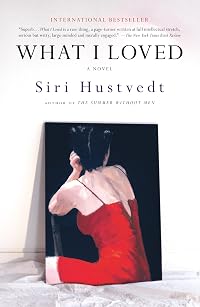
What I Loved
by Siri Hustvedt
On This Page
Description
This is the story of two men who first become friends in 1970s New York, of the women in their lives, and of their sons, born the same year. Both Leo Hertzberg, an art historian, and Bill Weschler, a painter, are cultured, decent men, but neither is equipped to deal with what happens to their children - Leo's son drowns when he's 12, while Bill's son Mark grows up to be a delinquent, and the acolyte of a sinister, guru-like artist who spawns murder in his wake. Spanning the hedonism of the show more eighties and the chill-out nineties, this multi-layered novel combines a plot of mounting menace with a deeply moving account of familial relationships and a superbly observed portrait of an artist, set against the backdrop of a society reaching new depths of depravity in its frenetic quest for the next fashion, drug and thrill. show lessTags
Recommendations

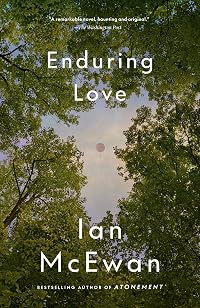
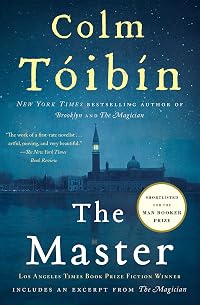

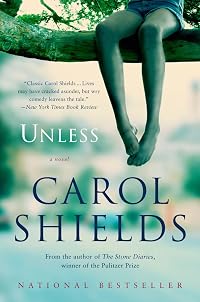
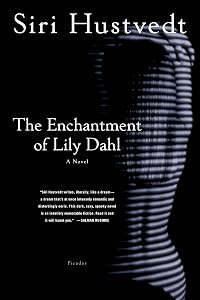
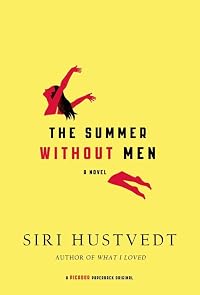
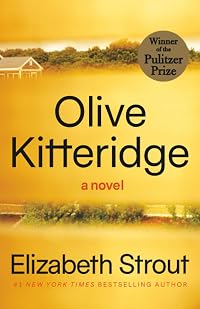
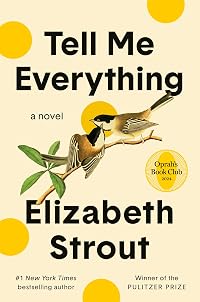
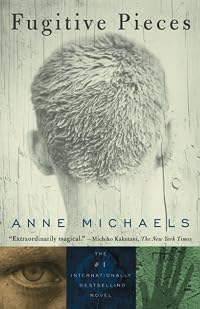
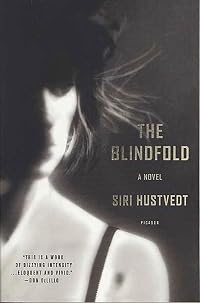

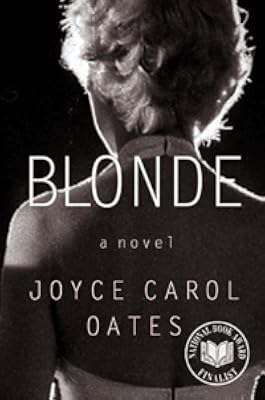
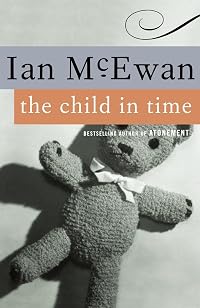
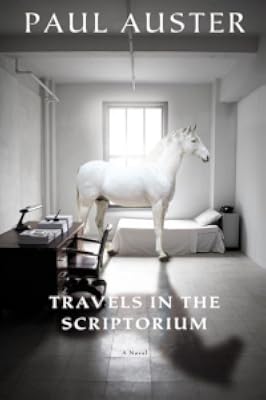
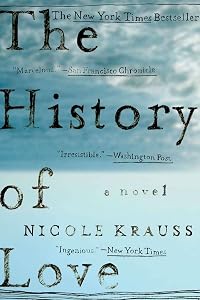
Member Recommendations
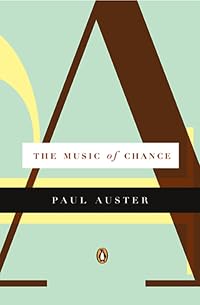
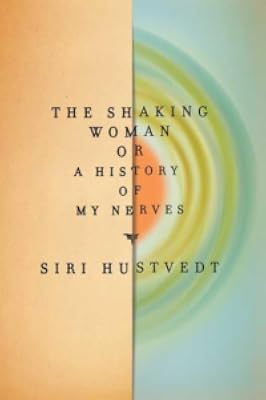
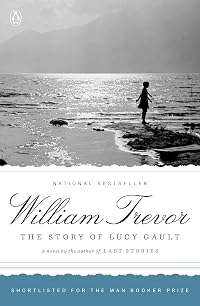
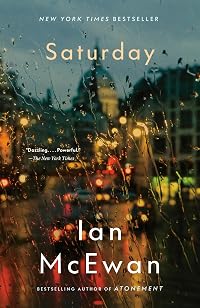
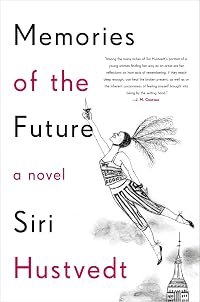
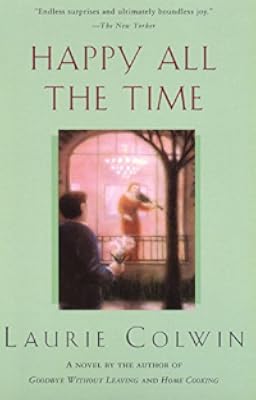
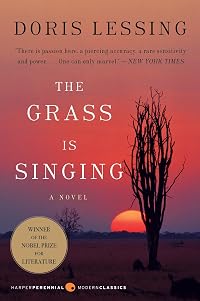
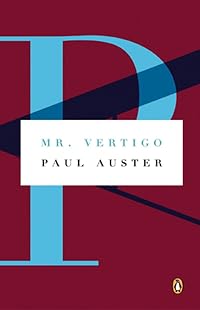
bookmomo both look into mental illnesses, but more important to me: both stress ambguity.
11
Cecilturtle commentaire sur l'art qui enfreint les règles de la moralité

Cecilturtle vie d'un galeriste d'art à New York
susanbooks Cunningham's novel is set in a similar NYC art world, and absolutely beautiful.
Member Reviews
“The recollections of an older man are different from those of a young man. What seemed vital at forty may lose its significance at seventy. We manufacture stories, after all, from the fleeting sensory material that bombards us at every instant, a fragmented series of pictures, conversations, odors, and the touch of things and people. We delete most of it to live with some semblance of order, and the reshuffling of memory goes on until we die.“
Leo Hertzberg is a professor of art history living in New York with his wife Erica, and son Matthew. Experimental artist Bill Weschler, his wife, Lucille, and their son, Mark, move into the apartment upstairs. Bill and Lucille divorce, and Bill marries his muse, Violet. Each character is an show more artist, academic, or writer. It begins in 1975 and covers a period of approximately twenty-five years. It is a psychological character study of a small number of people – primarily Leo, Bill, Mark, and Violet – revolving around the New York art scene. It is a book to be experienced, as a plot summary will not do it justice.
The story is told by Leo, looking back on what happened in the lives of these two families. It takes time to set the stage, but once everything is in place, it is an intriguing story that is hard to put down. The characters are strikingly well-drawn. The writing is erudite and expressive. The interactions among the characters are intense. I particularly enjoyed the descriptions of the artistic processes. It is a story of relationships, friendship, grief, art, narcissism, and wishful thinking. It is brilliant. I am adding it to my list of favorites.
“But spectacular lies don’t need to be perfect. They rely less on the liar’s skill than on the listener’s expectations and wishes.” show less
Leo Hertzberg is a professor of art history living in New York with his wife Erica, and son Matthew. Experimental artist Bill Weschler, his wife, Lucille, and their son, Mark, move into the apartment upstairs. Bill and Lucille divorce, and Bill marries his muse, Violet. Each character is an show more artist, academic, or writer. It begins in 1975 and covers a period of approximately twenty-five years. It is a psychological character study of a small number of people – primarily Leo, Bill, Mark, and Violet – revolving around the New York art scene. It is a book to be experienced, as a plot summary will not do it justice.
The story is told by Leo, looking back on what happened in the lives of these two families. It takes time to set the stage, but once everything is in place, it is an intriguing story that is hard to put down. The characters are strikingly well-drawn. The writing is erudite and expressive. The interactions among the characters are intense. I particularly enjoyed the descriptions of the artistic processes. It is a story of relationships, friendship, grief, art, narcissism, and wishful thinking. It is brilliant. I am adding it to my list of favorites.
“But spectacular lies don’t need to be perfect. They rely less on the liar’s skill than on the listener’s expectations and wishes.” show less
What I loved reads disconcertingly like a revival of the ageing-male-Jewish-New-York-professor novel meme of the fifties and sixties (Saul Bellow and co.). The narrator, art historian Leo Hertzberg, is recording a phase of his life in which he has lost or been rejected from just about every connection that he has invested emotional energy in: his wife and son, his close friend the artist Bill Wechsler, and Bill's son and two wives. And through an incurable eye disease he's even lost his ability to look at pictures other than in memory's eye.
But this isn't a novel about Leo. He's there as an observer and reporter, and as a kind of calibration standard for the normality of his reactions to the things that go on in his life. What we are show more interested in are all the other characters around him, who react to emotional stress in much more varied ways. Especially, the three main female characters and the artists Bill and Matt, who are all characterised to the reader chiefly through the projects they are working on, but also the mentally-ill brother and the teen-from-hell... Along the way, we get a certain amount of emotional bashing ourselves, as well as some fairly demanding discussions about aesthetics and the role of fashion in both psychiatry and the New York art world.
I didn't enjoy this quite as much as The burning world and The summer without men, but it's still a very impressive novel. show less
But this isn't a novel about Leo. He's there as an observer and reporter, and as a kind of calibration standard for the normality of his reactions to the things that go on in his life. What we are show more interested in are all the other characters around him, who react to emotional stress in much more varied ways. Especially, the three main female characters and the artists Bill and Matt, who are all characterised to the reader chiefly through the projects they are working on, but also the mentally-ill brother and the teen-from-hell... Along the way, we get a certain amount of emotional bashing ourselves, as well as some fairly demanding discussions about aesthetics and the role of fashion in both psychiatry and the New York art world.
I didn't enjoy this quite as much as The burning world and The summer without men, but it's still a very impressive novel. show less
'Todo cuanto amé', de Siri Hustvedt, es una de las novelas más inteligentes que he leído últimamente. ¿Cómo calificar un libro de inteligente, por su erudición, por su estructura narrativa, por las ideas y pensamientos que desarrolla, por la trama...? Sin duda, 'Todo cuanto amé' cumple todos estos requisitos y algunos más.
¿De qué trata? Es una historia de amor, como bien indica el título, pero no sólo de amor entre personas, también de amor por el arte y la creación. Leo es un profesor de historia del arte que rememora parte de su vida cuando casi es un anciano. Un buen día encuentra por casualidad cinco cartas en el interior de un libro que perteneció a su buen amigo Bill Wechler, un pintor al que conoció hace años, show more cuando compró uno de sus primeros cuadros. Es entonces cuando decide escribir su historia, tanto la suya propia, como la de su mujer Erica, también proferora, como la de Bill y sus mujeres, Lucille, poetisa, y Violet, modelo del artista y autora de las cartas. Pero esto no es todo, ya que un trágico suceso desencadenará los acontecimientos en ambas familias, y desvelará oscuros secretos.
Siri Hustvedt tiene una prosa de gran sensibilidad, agudeza y sabiduría, que te va calando poco a poco hasta que te absorbe por completo, y que descubrí en su último y maravilloso libro, 'Elegía para un americano'. En 'Todo cuanto amé', la historia se desarrolla despaciosamente, sin prisas, y aún así hay veces que vuelves atrás para releer alguna frase de gran profundidad. No exagero si afirmo que Siri Hustvedt es una grandísima escritora. show less
¿De qué trata? Es una historia de amor, como bien indica el título, pero no sólo de amor entre personas, también de amor por el arte y la creación. Leo es un profesor de historia del arte que rememora parte de su vida cuando casi es un anciano. Un buen día encuentra por casualidad cinco cartas en el interior de un libro que perteneció a su buen amigo Bill Wechler, un pintor al que conoció hace años, show more cuando compró uno de sus primeros cuadros. Es entonces cuando decide escribir su historia, tanto la suya propia, como la de su mujer Erica, también proferora, como la de Bill y sus mujeres, Lucille, poetisa, y Violet, modelo del artista y autora de las cartas. Pero esto no es todo, ya que un trágico suceso desencadenará los acontecimientos en ambas familias, y desvelará oscuros secretos.
Siri Hustvedt tiene una prosa de gran sensibilidad, agudeza y sabiduría, que te va calando poco a poco hasta que te absorbe por completo, y que descubrí en su último y maravilloso libro, 'Elegía para un americano'. En 'Todo cuanto amé', la historia se desarrolla despaciosamente, sin prisas, y aún así hay veces que vuelves atrás para releer alguna frase de gran profundidad. No exagero si afirmo que Siri Hustvedt es una grandísima escritora. show less
I am late to the party with this novel; I am sorry I waited so long to read this ~2003 critically acclaimed novel about friendship, tragedy, grief, duplicity and how easy it is for everything you've ever loved to slip away. Our narrator is a middle age art historian who befriends an enigmatic young author; they both marry and have sons at about the same time and their families are pleasantly intertwined. Through divorces, deaths, fortune, fame and aging we follow their friendships to the end. Although my description sounds perhaps like a hokey family drama - this was much more than that. I was hooked immediately and stayed up late every evening reading this compelling story and was heartbroken at its conclusion.
Alot of the book does show more focus on art. What makes something art; the art scene in Manhattan in the 1980's; complicated descriptions of the fictional modern works of art in the story. In fact, all of the protagonists are artists or writers and we are privy to rather detailed descriptions of their scholarly or artistic endeavors. For the most part, this added gravitas and interest to the novel and really fleshed out the characters. I did however find myself a bit bored with William Weschler's cubes. Enough already. Really though, this was just a tiny criticism of an otherwise brilliant novel.
Hustvedt's prose is elegant and poignant. Her characters alive with all their flaws, eccentricities, gestures. I loved Mr. Bob's blessings; Matthew's drawings; Leo's drawer of keepsakes; the Legos the raver teens carried around with them. I cried out loud at certain parts and I am not typically one who does that. I was perhaps a tiny bit disappointed by the end. I expected maybe one more closing event with Mark, or Lucille - some secret or some hidden event to surface. I felt as if the narrative foreshadowed something it never revealed, or maybe I just missed it. But I do think aesthetically the ending worked, although it left this reader wanting more.
Highly recommended for lovers of literary fiction; good story-telling & dramatic tension coupled with a lot to say about love, art, and life and our tenuous hold on it all. show less
Alot of the book does show more focus on art. What makes something art; the art scene in Manhattan in the 1980's; complicated descriptions of the fictional modern works of art in the story. In fact, all of the protagonists are artists or writers and we are privy to rather detailed descriptions of their scholarly or artistic endeavors. For the most part, this added gravitas and interest to the novel and really fleshed out the characters. I did however find myself a bit bored with William Weschler's cubes. Enough already. Really though, this was just a tiny criticism of an otherwise brilliant novel.
Hustvedt's prose is elegant and poignant. Her characters alive with all their flaws, eccentricities, gestures. I loved Mr. Bob's blessings; Matthew's drawings; Leo's drawer of keepsakes; the Legos the raver teens carried around with them. I cried out loud at certain parts and I am not typically one who does that. I was perhaps a tiny bit disappointed by the end. I expected maybe one more closing event with Mark, or Lucille - some secret or some hidden event to surface. I felt as if the narrative foreshadowed something it never revealed, or maybe I just missed it. But I do think aesthetically the ending worked, although it left this reader wanting more.
Highly recommended for lovers of literary fiction; good story-telling & dramatic tension coupled with a lot to say about love, art, and life and our tenuous hold on it all. show less
A beautiful, engaging novel set in the New York artistic/academic scene predominantly in the 1980s and 90s. The characters are rendered so intimately, so gently and without pretension, by the end of the first section I felt that they were personal friends.
Questions of identity, love, loss and psychological health (or otherwise) raise this book above the average well-written story of flawed human beings struggling with the lives they create for themselves and the circumstances presented to them.
Thanks to Leanne for the recommendation; I'll certainly seek out more of Hustvedt's work.
Questions of identity, love, loss and psychological health (or otherwise) raise this book above the average well-written story of flawed human beings struggling with the lives they create for themselves and the circumstances presented to them.
Thanks to Leanne for the recommendation; I'll certainly seek out more of Hustvedt's work.
This is a hard book for me to review. I read Hustvedt's brand new book, The Blazing World last year and loved it so I've been looking forward to trying more of Hustvedt's work. What I Loved has a lot in common with The Blazing World; both books revolve around the contemporary art world and show Hustvedt's vast knowledge of art and literary scholarship. But where I thought this knowledge served the story well in The Blazing World, I ended up feeling like the long art descriptions and academic discourses disrupted the plot and made me dislike the pretentious characters.
[What I Loved] is told from the point of view of Leo Hertzberg, an art history professor who is looking back on his adult life. He starts his story with meeting a artist show more named Bill Weschler. Bill is unhappily married to Lucille and Leo is just married to Erica. The four become friends and both have sons around the same time. Bill ends up leaving Lucille for Violet, a woman he has used in his paintings. Leo and Erica embrace Violet as Lucille was always hard to deal with. The first part of this book is filled with their adult relationships and academic endeavors. It is the part that I found a bit pretentious.
The second part begins with a tragedy.Leo and Erica's son, Matt, dies in a boating accident while he's away at camp. This part of the book almost did me in. The way that Hustvedt writes about and dwells in grief was too intense for me. I had to put the book aside for a few days and seriously contemplated not returning to it. I suppose the realism says something positive about her writing but it was almost too much for me. I made it through the heart of that section though, and it got easier to read from there.
The third part focuses of Bill's son, Mark. Mark is a troubled youth - lying constantly, taking drugs, and in with the wrong crowd, including an adult artist who produces highly violent and graphic art and is something of a sensation in the art world. Mark's character is never fully revealed; it remains a bit murky whether he is evil at heart or has fallen in to the wrong crowd. The relationships between Leo, Bill, Violet, and Erica really have fallen apart by the end of the book, in part due to the tragedy in part 2 and in part due to Mark's behavior. (I'm being a bit oblique here to not give away some plot elements)
As I write about this book, I realize that there is a lot to think about here and that I did appreciate the quality of the writing and the ideas Hustvedt develops. Unfortunately, I didn't really connect with this book and found some of the plot elements too sad to let me enjoy the book. I also think I didn't really ever like Leo, which doesn't help in a first person narrative.
I will read more of Hustvedt's work, but wouldn't really recommend this one as a starting point. show less
[What I Loved] is told from the point of view of Leo Hertzberg, an art history professor who is looking back on his adult life. He starts his story with meeting a artist show more named Bill Weschler. Bill is unhappily married to Lucille and Leo is just married to Erica. The four become friends and both have sons around the same time. Bill ends up leaving Lucille for Violet, a woman he has used in his paintings. Leo and Erica embrace Violet as Lucille was always hard to deal with. The first part of this book is filled with their adult relationships and academic endeavors. It is the part that I found a bit pretentious.
The second part begins with a tragedy.
The third part focuses of Bill's son, Mark. Mark is a troubled youth - lying constantly, taking drugs, and in with the wrong crowd, including an adult artist who produces highly violent and graphic art and is something of a sensation in the art world. Mark's character is never fully revealed; it remains a bit murky whether he is evil at heart or has fallen in to the wrong crowd. The relationships between Leo, Bill, Violet, and Erica really have fallen apart by the end of the book, in part due to the tragedy in part 2 and in part due to Mark's behavior. (I'm being a bit oblique here to not give away some plot elements)
As I write about this book, I realize that there is a lot to think about here and that I did appreciate the quality of the writing and the ideas Hustvedt develops. Unfortunately, I didn't really connect with this book and found some of the plot elements too sad to let me enjoy the book. I also think I didn't really ever like Leo, which doesn't help in a first person narrative.
I will read more of Hustvedt's work, but wouldn't really recommend this one as a starting point. show less
At times a heartwarming and diverting depiction of the friendship of Bill and Leo, their wives, their sons, and art and literature at the core. The descriptions of Bill's art pieces and how his art intermixed elements of their lives was intriguing. The major events took a sad turn and then this novel about relationships and art became a psychological thriller, which deviated from what appeared to be the major premise of the book based on the title. Some great concepts and overall an interesting read, but lacked some finesse in direction and execution.
Members
- Recently Added By
Lists

1001 Books You Must Read Before You Die
1,448 works; 1,134 members

Top Five Books of 2013
1,562 works; 721 members

Recommend the 20 best books you've read in the last five years
2,168 works; 606 members

1,001 BYMRBYD Concensus
723 works; 27 members

A Novel Cure
742 works; 23 members

BBC Radio 4 Bookclub
340 works; 13 members

Llibres que he llegit el 2018
46 works; 1 member

living room bookshelf
150 works; 1 member

BBC World Book Club
265 works; 5 members

.
184 works; 1 member
Author Information

35+ Works 9,701 Members
Siri Hustvedt is the author of seven novels, four collections of essays, and two works of nonfiction. She has a PhD from Columbia University in English literature and is a lecturer in psychiatry at Weill Cornell Medical College. She is the recipient of numerous awards, including the International Gabbaron Prize for Thought and Humanities (2012). show more Her novel The Blazing World was nominated for the Booker Prize and won the Los Angeles Times Book Prize for Fiction (2014). In 2019, she received an American Academy of Arts and Letters Award for Literature; the European Essay Prize for "The Delusions of Certainty," a work on the mind-body problem; and the Princess of Asturias Award for Literature. Her work has been translated into more than thirty languages. She lives in Brooklyn, New York. show less
Some Editions
Awards and Honors
Awards
Distinctions
Notable Lists
Series
Belongs to Publisher Series
Common Knowledge
- Canonical title
- What I Loved
- Original title
- What I loved
- Original publication date
- 2003
- People/Characters*
- William Wechsler (Bill); Leo Hertzberg; Erica Stein; Lucille Alcott; Violet Blom; Lazlo Finkleman (show all 23); Bernie Weeks; Jack Newman; Regina Wechsler Cohen; Sy Wechsler; Matthew Stein Herzberg; Mark Wechsler; Grace Thelwell; Daniel Wechsler (Dan); Henry Hassenborg; Teenie Gold; Theodore Giles (Teddy); Allan Johnson (Teddy Giles); Dr Monk; Rafael Hernandez (Moi); Pinky; Arthur Geller; Indigo West (Nathan Furbank)
- Important places
- New York, New York, USA; Vermont, USA
- Dedication
- For Paul Auster
- First words
- Yesterday, I found Violet's letters to Bill.
- Last words
- (Click to show. Warning: May contain spoilers.)In half an hour, Lazlo is coming to read to me.
- Blurbers
- Glaister, Lesley
*Some information comes from Common Knowledge in other languages. Click "Edit" for more information.
Classifications
Statistics
- Members
- 2,926
- Popularity
- 6,133
- Reviews
- 77
- Rating
- (3.98)
- Languages
- 15 — Catalan, Danish, Dutch, English, Finnish, French, German, Italian, Norwegian (Bokmål), Polish, Portuguese, Russian, Spanish, Swedish, Turkish
- Media
- Paper, Audiobook, Ebook
- ISBNs
- 77
- UPCs
- 1
- ASINs
- 15