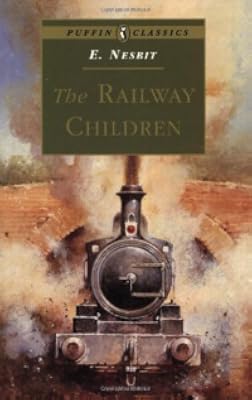
The Railway Children
by E. Nesbit
On This Page
Description
When their father is taken away by strangers, the lives of three children are altered forever. They move with their mother to a cottage by a railway. The railway becomes their playground, and they befriend the rail workers and passengers who eventually help to reunite them with their father..
Tags
Recommendations
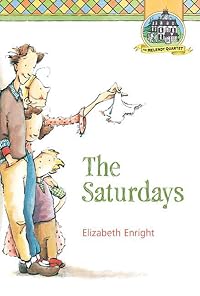
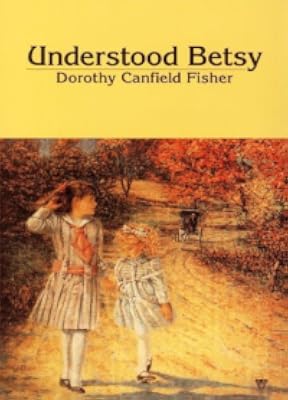
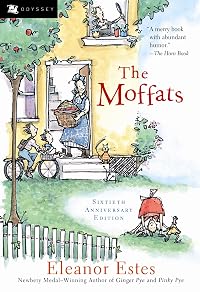
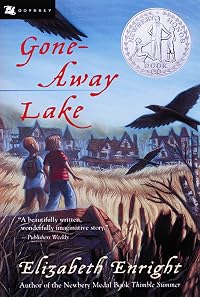
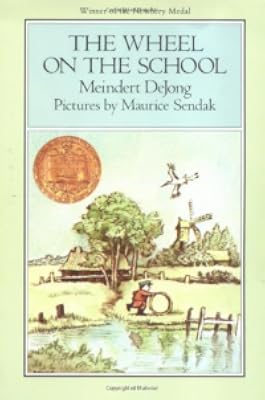
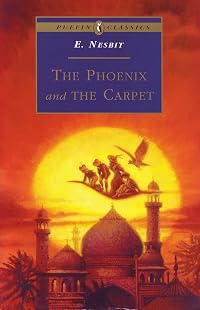
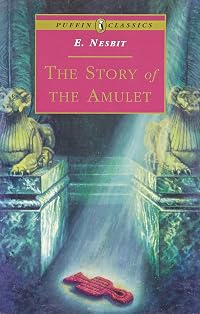
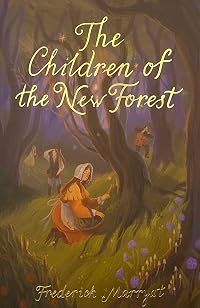
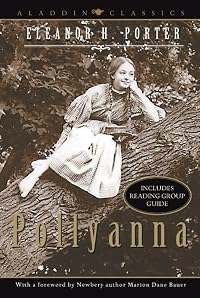
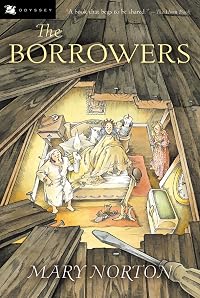
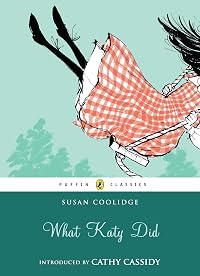
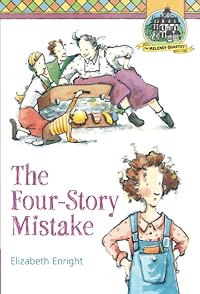

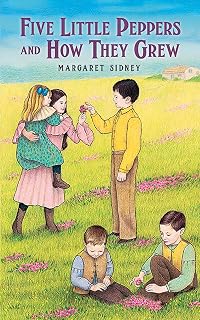
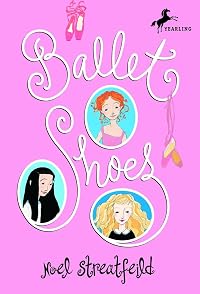
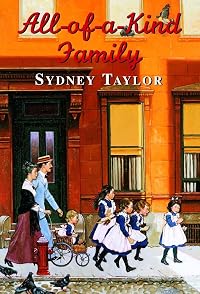
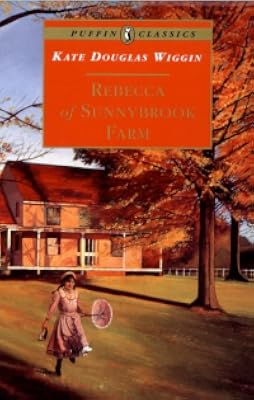

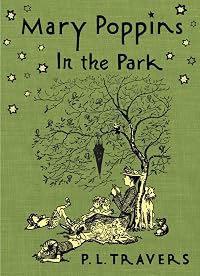
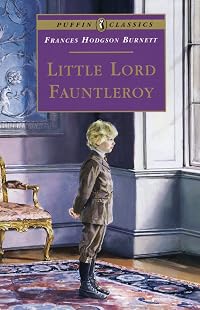
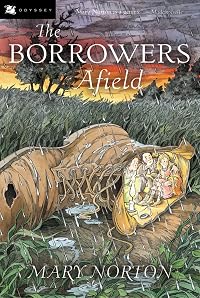
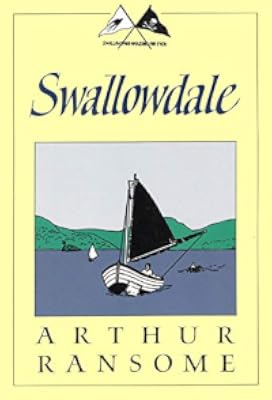




Member Recommendations

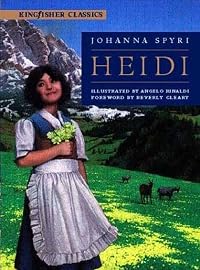
Inky_Fingers Both about families on a great adventure, though Chitty Chitty Bang Bang has a little more fantasy in it than The Railway Children.
20
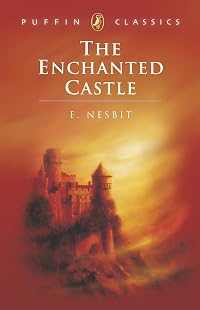
Inky_Fingers Both are by E. Nesbit, and both non-fantasy works.

themulhern A family leaves the city and moves to the country and make their way there, overcoming difficulties.
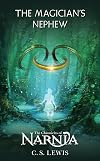
themulhern C. S. Lewis asserted that Nesbit was one of his influences for the Narnia books. In this book, the predicament is a very ill mother, rather than an incarcerated father.
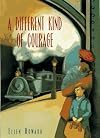
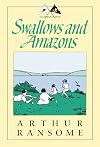
Member Reviews
Again E. Nesbit shows herself expert at showing-not-telling, and at writing for anyone and everyone. With the story told from the point of view of the children, and aimed at children, all anyone under a certain height level is going to understand is that the father of the family goes away one night and does not come back, and the mother tells the three that he is away on business – and everything changes. Mother is upset or sad all the time, even when pretending otherwise. The children are made to understand that they are now poor – for a while. And almost overnight they pick up and leave their home – taking all the furniture the children deem "ugly" and Mother deems "useful", but few of their pretty things – and move out to a show more cottage in the country and Mother begins writing most of the day and far into the night. And Father does not come back.
I can't think how this story could be told more poignantly than as it is, obliquely through the children's eyes. Peter and Roberta (Bobbie) and Phyllis are, of course, bright children, and good ones, well brought up and attentive and conscientious – but they are wrapped in the happy oblivion of what seems to have been an upper middle class upbringing, wanting for no essential and few non-essentials, a world in which it is utterly and in all other ways inconceivable that anyone could ever dream their father did anything wrong. As it happens, of course, they are correct, but even had their father been in truth Jack the Ripper they would have been difficult to convince. They are essentially self-involved, viewing the world only as it affects them; for Peter and Phyllis it is enough that their mother tells them their father is away on business and they mustn't worry. They are upset when she is upset, but otherwise they are content and involved in their own lives. Bobbie is more attentive, more outwardly focused, and seems to step away from her childhood with this book.
Mother is, in this story, utterly brilliant – and I don't think that's just because the point of view is thoroughly sympathetic. She does a tremendous job of protecting her children – whisking them away from their old environment before they can hear a whisper of what has really happened to their father.
And of course the children are brilliant too. Roberta especially is rather magnificent. I love the narrator's frank statement that she hopes the reader does not mind her paying particular attention to Bobbie, but she has become rather a favorite. And I also love the equally frank assessment of her tendency to a) interfere or b) help lame dogs over stiles or c) help others, depending on who you ask – she can't help herself from making every effort to do something, and feels things very deeply, and this does not always make for easy relations with others.
The realism of E. Nesbit's writing is a bit dinged by the heroic role of the children during the summer of the story. Not to spoil things, but the events the three of them become involved in might, individually, be acceptable; all together it's a little bit ridiculous. But for the original target audience it would be so much fun. For me, a good bit older than the target? Also fun – and I admit to choking up at the climax. Oh, and Karen Savage, the narrator of the Librivox recording? Absolutely terrific. show less
I can't think how this story could be told more poignantly than as it is, obliquely through the children's eyes. Peter and Roberta (Bobbie) and Phyllis are, of course, bright children, and good ones, well brought up and attentive and conscientious – but they are wrapped in the happy oblivion of what seems to have been an upper middle class upbringing, wanting for no essential and few non-essentials, a world in which it is utterly and in all other ways inconceivable that anyone could ever dream their father did anything wrong. As it happens, of course, they are correct, but even had their father been in truth Jack the Ripper they would have been difficult to convince. They are essentially self-involved, viewing the world only as it affects them; for Peter and Phyllis it is enough that their mother tells them their father is away on business and they mustn't worry. They are upset when she is upset, but otherwise they are content and involved in their own lives. Bobbie is more attentive, more outwardly focused, and seems to step away from her childhood with this book.
Mother is, in this story, utterly brilliant – and I don't think that's just because the point of view is thoroughly sympathetic. She does a tremendous job of protecting her children – whisking them away from their old environment before they can hear a whisper of what has really happened to their father.
And of course the children are brilliant too. Roberta especially is rather magnificent. I love the narrator's frank statement that she hopes the reader does not mind her paying particular attention to Bobbie, but she has become rather a favorite. And I also love the equally frank assessment of her tendency to a) interfere or b) help lame dogs over stiles or c) help others, depending on who you ask – she can't help herself from making every effort to do something, and feels things very deeply, and this does not always make for easy relations with others.
The realism of E. Nesbit's writing is a bit dinged by the heroic role of the children during the summer of the story. Not to spoil things, but the events the three of them become involved in might, individually, be acceptable; all together it's a little bit ridiculous. But for the original target audience it would be so much fun. For me, a good bit older than the target? Also fun – and I admit to choking up at the climax. Oh, and Karen Savage, the narrator of the Librivox recording? Absolutely terrific. show less
A big part of me goes, "Oh boy! A bunch of rich kids meddle in everyone's affairs and of course fix everything with the power of their pluck and sheer Britishness! Great!" but I can't deny that these kids are pretty damn likable and that Nesbit has a real way with writing from a child's perspective.
Another in a long line of children's classics that I missed during my own childhood - I was too busy reading Star Wars and Star Trek books in the period of my own tentative entry into literature - so I'm glad that I have the opportunity now, with my own children grown old enough to read, to see what I might have missed.
"The Railway Children" is a curious one, a slightly episodic book in that most of the adventures practically stand by themselves, yet are sufficiently linked to make a proper book of it - the same is true, I believe, of "Anne of Green Gables." The story concerns a mother and her three children who are forced to move to the country after the arrest of the father. The children get up to all sorts of adventures, most of show more which revolve around rescuing the locals from one mishap or another. The final chapters are most interesting, considering that it's over a century since the book was written, as the eldest child suddenly has a conversation with her writer mother (clearly Nesbit herself) about how wonderful it would be if life could resolve itself so neatly as literature - before the book resolving itself in exactly that way.
The book is certainly dated in some respects, but the worst aspect has to be the class consciousness on display - and the problematic nature of this aspect is not just me being modern and criticising a work outside of the context of when it was written. True, there were clear class distinctions back then - as there are now - and these were accepted as being the way of the world, but still: an upper-middle-class family fall on hard times, have to co-exist with the relatively uneducated working class, and who benefits most? The working class, obviously, for without the intervention of these too-good-to-be-true children half of them would have perished. Oh, and it just so turns out that the working class aren't all bad after all - wouldn't you know it! show less
"The Railway Children" is a curious one, a slightly episodic book in that most of the adventures practically stand by themselves, yet are sufficiently linked to make a proper book of it - the same is true, I believe, of "Anne of Green Gables." The story concerns a mother and her three children who are forced to move to the country after the arrest of the father. The children get up to all sorts of adventures, most of show more which revolve around rescuing the locals from one mishap or another. The final chapters are most interesting, considering that it's over a century since the book was written, as the eldest child suddenly has a conversation with her writer mother (clearly Nesbit herself) about how wonderful it would be if life could resolve itself so neatly as literature - before the book resolving itself in exactly that way.
The book is certainly dated in some respects, but the worst aspect has to be the class consciousness on display - and the problematic nature of this aspect is not just me being modern and criticising a work outside of the context of when it was written. True, there were clear class distinctions back then - as there are now - and these were accepted as being the way of the world, but still: an upper-middle-class family fall on hard times, have to co-exist with the relatively uneducated working class, and who benefits most? The working class, obviously, for without the intervention of these too-good-to-be-true children half of them would have perished. Oh, and it just so turns out that the working class aren't all bad after all - wouldn't you know it! show less
Originally published serially in The London Magazine, E. Nesbit's childhood classic The Railway Children was first released as a book in 1906, and follows the story of three siblings - Bobbie (Roberta), Peter and Phyllis - who find their lives mysteriously transformed when their father is taken away one night, and they must move to the country with their mother. Here, at Three Chimneys house, the children befriend the locals, observe the railway - which becomes a central facet of their lives - and attempt to resolve the issue of their father's disappearance. When the three learn that he has been accused of espionage, they are determined to prove his innocence, a project in which they are aided by the Old Gentleman, a regular railroad show more passenger whom they have befriended...
A book I have read many times, mostly recently for a course in children's literature, The Railway Children is an engaging story of three young people and their many adventures. It reflects the late-Victorian fascination with trains and the railroad - which are here the means of freeing an innocent man, and reuniting a family - as well as its creator's social views and interests. It's tempting to see a little of Nesbit in the children's mother, who bravely picks up her pen to earn a living for the family, when her husband is taken away, or to see the emphasis put on helping others in the right way - the importance of giving aid that is not perceived as charity, for instance, to avoid wounding the pride and self-respect of others - as a reflection of the author's views as a Fabian. However interesting any such references may be, this is also a book that has appeal as a story, one in which a happy family is torn apart, before eventually being reunited. The children's adventures in between make for entertaining reading! show less
A book I have read many times, mostly recently for a course in children's literature, The Railway Children is an engaging story of three young people and their many adventures. It reflects the late-Victorian fascination with trains and the railroad - which are here the means of freeing an innocent man, and reuniting a family - as well as its creator's social views and interests. It's tempting to see a little of Nesbit in the children's mother, who bravely picks up her pen to earn a living for the family, when her husband is taken away, or to see the emphasis put on helping others in the right way - the importance of giving aid that is not perceived as charity, for instance, to avoid wounding the pride and self-respect of others - as a reflection of the author's views as a Fabian. However interesting any such references may be, this is also a book that has appeal as a story, one in which a happy family is torn apart, before eventually being reunited. The children's adventures in between make for entertaining reading! show less
Children who have grown up with Matilda, The Dumb Bunnies or The Cat in the Hat can't really appreciate what an advance Edith Nesbit's The Railway Children actually was. For the first time, an author wrote about children who weren't miniature adults, who weren't preternaturally perfect, but who were flesh-and-blood children, children who quarreled and worried and snapped at one another when they grew fatigued or anxious.
Nesbit also provides a somewhat realistic view into the Edwardian period: When their father gets sent to prison, only their mother's writing keeps Roberta (Bobbie), Peter and Phyllis from utter destitution. As young as they are, the children can no longer attend school, as their mother can't afford the school fees. show more Indeed, Bobbie has to serve as babysitter for her younger siblings. The only unrealistic bit is that they're able to keep a servant at all. Despite that, I thoroughly enjoyed this fairytale story of the falsely accused prisoner and of how a good deed for another falsely accused man creates a sort of karma that brings on the happy ending.
The story, while sweet, never becomes saccharine. Definitely worth a read, whether you're an adult or child. show less
Nesbit also provides a somewhat realistic view into the Edwardian period: When their father gets sent to prison, only their mother's writing keeps Roberta (Bobbie), Peter and Phyllis from utter destitution. As young as they are, the children can no longer attend school, as their mother can't afford the school fees. show more Indeed, Bobbie has to serve as babysitter for her younger siblings. The only unrealistic bit is that they're able to keep a servant at all. Despite that, I thoroughly enjoyed this fairytale story of the falsely accused prisoner and of how a good deed for another falsely accused man creates a sort of karma that brings on the happy ending.
The story, while sweet, never becomes saccharine. Definitely worth a read, whether you're an adult or child. show less
Oh, lovely. Not at all the story I thought it was - somehow I'd gotten the impression they were living on their own, maybe in an old railway car. This is a very sweet (but not saccharine) story. The kids quarrel and mess up and make up and do great things on multiple levels - from making a birthday party for a friend to saving lives, several times. There are coincidences that drive the story a bit, but they work. There's also one magnificent description of a small landslide - walking trees. It's a lot of fun, and probably worth a reread in a while, too.
Nesbit is a charming author. While usually I'm not much of a fan of breaking the fourth wall, her asides are so friendly that you quickly feel like she's telling the story directly to you, without there being a book and over a hundred years between you. Having read two of her novels now, I'm surprised how old they are. Sure the settings and slang words are a bit archaic, but the humour, accessibility of the prose and portrayal of women is nothing like other books I've read from the same era. She was obviously an intelligent, progressive and witty woman and I'm glad she was putting such lovely stories out into the world. This particular story about three children and their mother who are mysteriously uprooted from their contented town show more life after their father vanishes and moved to the countryside to be poor, is a bit too convenient at times, too many coincidences, and the whole sequence with the injured boy Jim happens so near the end of the story, it feels rushed and a little out of place, and I can see that some people might find the children to be a bit too goody goody, but I found their foibles and quarrelling to be enough just to make it wholesome and not too sweet. Actually the book brought tears to my eyes on several occasions. Anyway, I am keen to read more of her work. show less
Members
- Recently Added By
Lists

Favorite Childhood Books
1,651 works; 519 members
1001 Children's Books You Must Read Before You Grow Up
774 works; 100 members

Best Children's Books You've Read
197 works; 74 members

Read the book and saw the movie
1,170 works; 195 members

Childhood Favorites
427 works; 24 members

Best of British Literature
226 works; 41 members

1900s (Decade, not century)
73 works; 17 members

Books about characters you'd like to know
34 works; 15 members
Mensa for Kids Excellence in Reading Award Program (Grades 4-6)
64 works; 9 members

Best Family Stories
241 works; 22 members

Comfort Reads
221 works; 39 members
Five books to read aloud to your kids
35 works; 17 members

Books Set in Great Britain
191 works; 13 members
Satori Smiles Children's Book List
262 works; 7 members

The Telegraph's 110 Best Books: The Perfect Library
101 works; 17 members
Ambleside Books
459 works; 18 members
Honey For a Child's Heart
1,152 works; 25 members

Brightly Beaming Curriculum Books
281 works; 8 members

Reading history in Children's Books
78 works; 3 members
Folio Society
831 works; 53 members

CCE 1000 Good Books List
1,033 works; 12 members

Blue Pyramid 1,276 Best Books of All Time
1,248 works; 32 members

End of Your Life Book Club
134 works; 4 members

4th Grade Books
312 works; 5 members
Puffin Books 70th anniversary handbook recommendations
537 works; 10 members

Geek Dad Read to Your Kids List
79 works; 4 members

HMS: Make Your Child a Lover of Books, Ages 9 & up
111 works; 2 members

Books We Loved As Children
603 works; 253 members

Ambleside Online Year 4
46 works; 1 member

Books Read in 2015
3,299 works; 129 members
Children's Literature 1900 - 1950 in order
413 works; 8 members

Huxley's reading log 2017
45 works; 1 member

Books Read in 2020
4,379 works; 123 members

A Novel Cure
742 works; 23 members

Books Read in 2013
1,630 works; 51 members

Books discovered on LibraryThing
256 works; 36 members

Books Read in 2012
816 works; 34 members

Books Read in 2014
2,344 works; 86 members

Recommend the 20 best books you've read in the last five years
2,168 works; 607 members

The Playful Pioneers
166 works; 1 member
Talk Discussions
Past Discussions
Folio Archives 334: The Railway Children by E. Nesbit 1999 in Folio Society Devotees (August 2023)
153. The Railway Children by E. Nesbit in Backlisted Book Club (March 2022)
Author Information

303+ Works 32,024 Members
E. Nesbit (1858-1924) wrote her first highly successful work for children, The Story of the Treasure Seekers, in 1899. Her many books for young readers, including The Magic City, Wet Magic, The Railway Children, Five Children and It, and The Enchanted Castle, gained her a popularity that has lasted for more than a century Peter Glassman is the show more owner of Books of Wonder, the New York City bookstore and publisher specializing in both new and old imaginative books for children show less
Some Editions
Awards and Honors
Awards
Series
Belongs to Publisher Series
Virago Modern Classics (698)
Work Relationships
Is contained in
Has the adaptation
Is abridged in
Common Knowledge
- Canonical title
- The Railway Children
- Original title
- The Railway Children
- Original publication date
- 1906
- People/Characters
- Mother; Father; Roberta ('Bobbie'); Peter; Phyllis ('Phil'); Bill (driver | bargeman and his wife) (show all 19); Clara; Ethelwyn; Jim (fireman); Bates; Dr Forrest; Mr James; Parr; Albert Perks ('Bert'); Nell Perks; Paley Terts (schoolboy); Mrs Ransome (postmistress); Mrs Viney; Wigsby Minor (schoolboy)
- Important places
- Grove Park, Lewisham, London, England; The Three Chimneys, England (unlocated fictional house); railways
- Related movies
- The Railway Children (1970 | IMDb); The Railway Children (2000 | IMDb); The Railway Children (1968 | IMDb); The Railway Children (1951 | IMDb); The Railway Children (1957 | IMDb)
- Epigraph
- [None]
- Dedication
- To my dear Son
PAUL BLAND
behind whose knowledge of railways
my ignorance confidently shelters - First words
- They were not the railway children to begin with.
- Quotations
- Everything has an end, and you get to it if you only keep on. Which is quite true, if you come to think of it, and a useful thing to remember in seasons of trouble—such as measles, arithmetic, impositions, and those times ... (show all)when you are in disgrace, and feel as though no one would ever love you again, and you could never—never again—love anybody.
- Last words
- (Click to show. Warning: May contain spoilers.)At the end of the field, among thin gold spikes of grass and the harebells and Gipsy roses and St John's Wort, we may just take one last look, over our shoulders, at the white house where neither we nor anyone else is wanted now.
- Original language*
- English
*Some information comes from Common Knowledge in other languages. Click "Edit" for more information.
Classifications
Statistics
- Members
- 7,013
- Popularity
- 1,692
- Reviews
- 88
- Rating
- (3.86)
- Languages
- 19 — Catalan, Chinese, Czech, Dutch, English, Finnish, French, German, Galician, Greek, Hungarian, Indonesian, Italian, Norwegian, Polish, Spanish, Swedish, Turkish, Portuguese (Portugal)
- Media
- Paper, Audiobook, Ebook
- ISBNs
- 422
- UPCs
- 6
- ASINs
- 98