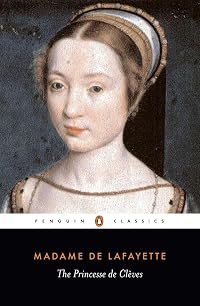
The Princess of Clèves
by Madame de La Fayette
On This Page
Description
This groundbreaking novel made a splash when it was initially published in 1678, changing the course of literary fiction forever. Rather than following in the same vein as the one-dimensional romances that preceded it, The Princess of Cleves tackles its characters' inner dilemmas with unprecedented sophistication and nuance..
Tags
Recommendations

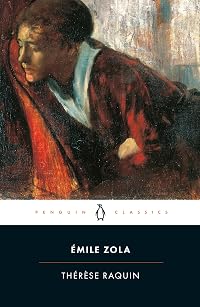

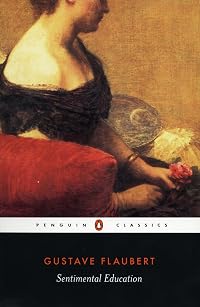

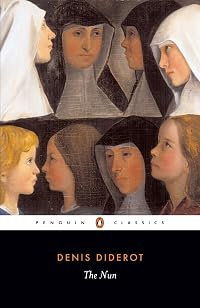
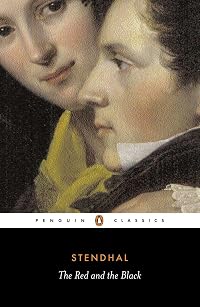



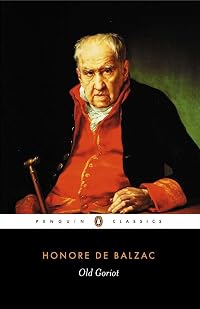

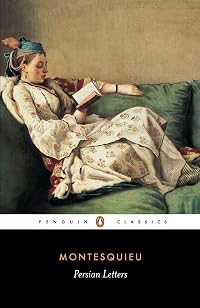

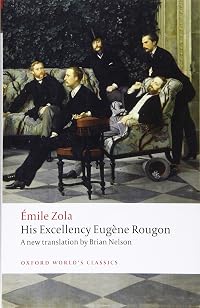
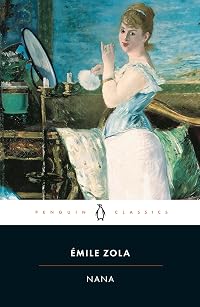


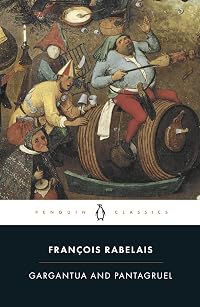


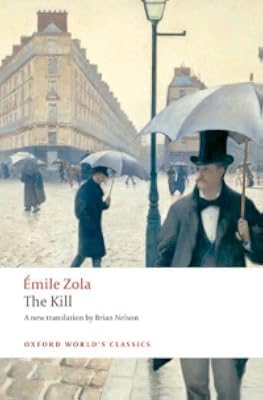

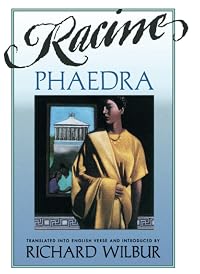

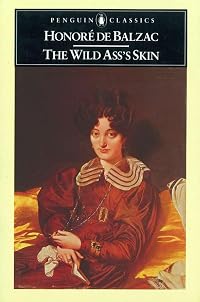



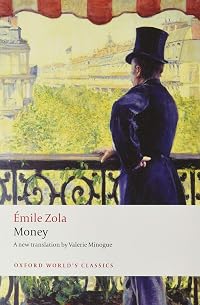

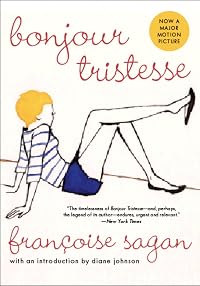
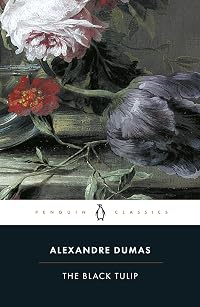
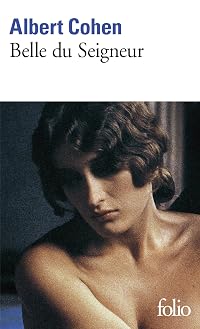

Member Recommendations

andejons Similar premises: married, upper class women fall in love with men of less than perfect moral standing. The outcomes are very different though.
40

Member Reviews
The nice thing about reading early specimens of what later become modes or genres is watching the problems that people will keep dealing with come up and be solved with elegant simplicity. So here, Lafayette wants to distance her stories from the romance tradition, without getting rid of all the fun stuff about the romance tradition (e.g., the idea of chivalric love and the turmoil it causes). She does it very easily, by turning to history. Her characters are for the most part historical figures who played very important roles in sixteenth century geopolitics, which leads to bizarre moments in which some guy falls in love with some woman but needs to be removed from her immediate vicinity for plot reasons... so he gets sent to Spain to show more negotiate for the King. The romantic plot intersects with the historical plot in such a way that you can get all the frisson of a soap opera, while being constantly reminded that the crazy things people are driven to do by 'love' often have massive, world wide repercussions: a marriage to a Queen has to be put off because the suitor falls for another woman; this causes diplomatic strain, which leads back to war.
So Lafayette avoids the big problem of the twentieth century novel (the domestic novel is opium for the masses; political novels are often very dull) by writing quite stylishly about high political figures and their love affairs. The same solution isn't open to writers today, of course, since we (sadly?) no longer have courtly centers of power.
On the other hand, Lafayette solves a number of other problems with equal elegance. Her characters tell a number of stories that either explicitly or implicitly comment on the main narrative strand, so she can have variety without disunity.
And she writes about the sixteenth century court from the perspective of the seventeenth century court, and so she can use each time period to comment on the other (e.g., using seventeenth century forms of speech), while also positing a higher ideal that neither court ever approached. (Plot Spoiler:) That is, if you accept that an intelligent woman realizing she doesn't need a man to live out her life in pleasure and peace is an ideal. Some, I imagine, more turbulently inclined than I am, would wish to see her ignore duty and tranquility for the sake of some super hot bonking with the dashing, if flighty, M. de Nemours. show less
So Lafayette avoids the big problem of the twentieth century novel (the domestic novel is opium for the masses; political novels are often very dull) by writing quite stylishly about high political figures and their love affairs. The same solution isn't open to writers today, of course, since we (sadly?) no longer have courtly centers of power.
On the other hand, Lafayette solves a number of other problems with equal elegance. Her characters tell a number of stories that either explicitly or implicitly comment on the main narrative strand, so she can have variety without disunity.
And she writes about the sixteenth century court from the perspective of the seventeenth century court, and so she can use each time period to comment on the other (e.g., using seventeenth century forms of speech), while also positing a higher ideal that neither court ever approached. (Plot Spoiler:) That is, if you accept that an intelligent woman realizing she doesn't need a man to live out her life in pleasure and peace is an ideal. Some, I imagine, more turbulently inclined than I am, would wish to see her ignore duty and tranquility for the sake of some super hot bonking with the dashing, if flighty, M. de Nemours. show less
La Princesse de Clèves is remarkable as one of the first real psychological novels to delve into the emotions, thoughts and interior life of its characters in great depth - in that aspect it feels ahead of its time in so many ways, as it does also in its moral ambiguity and the dilemma at its core over which debate raged (and to a lesser extent still does). Clèves predates Les Liaisons dangereuses by a century in its depiction of a fiercely regulated aristocratic society and order where the smallest indiscretions face ruthless punishment and shame even as the proper veneer disguises a seedy and illicit underbelly; the Princess' reactions to this and to the adulterous temptations she is drawn toward through the love of the Duke of show more Nemours are hard to discern the core root of, whether they be born out of genuine belief and martyrdom for a notion of purity or a more pragmatic withdrawal from the hothouse environment of the French court - she might appear a tragic victim of such a society even in the former instance, and the quasi-medieval view of passion and marriage as so in conflict gives this a pessimistic air to this day, but there's much in here to chew over and it's probably Mme. de la Fayette's finest accomplishment having previously read her shorter pieces.
________
As I commonly found with her works, the actual French vocabulary used is quite intuitive and easy to pick up; I had trouble at first because the first part of this novel is made up of one of the world's worst exposition dumps but it picks up greatly from there onward and also became a much easier read such that even though I was going from my Kindle I barely used the dictionary even if I sometimes had to struggle to piece together the older literary structure. Some wonderful literary French expressions and turns of phrase I learnt from this also. show less
________
As I commonly found with her works, the actual French vocabulary used is quite intuitive and easy to pick up; I had trouble at first because the first part of this novel is made up of one of the world's worst exposition dumps but it picks up greatly from there onward and also became a much easier read such that even though I was going from my Kindle I barely used the dictionary even if I sometimes had to struggle to piece together the older literary structure. Some wonderful literary French expressions and turns of phrase I learnt from this also. show less
Short but for me a slow read. The story itself is a sort of Mean Girls high school relationships situation (does he/she really "like" me?), and I was cheering when the Princesse finally blew off Nemours. (My sense was that Nemours does not know himself while the Princesse knows herself profoundly) What demands attention is the extreme inwardness of the narrative, mostly focusing on moral scruples associated with the disclosure of feeling, so different from the courtly love/allegory model from which it descends. To the point of claustrophobia, at times. Although the moral framework differs radically, the inwardness reminded me a bit of Virginia Woolf.
Studied this in university back when I hadn't figured out I was asexual so had a tricky time explaining to my boyfriend that the reason I loved it so much was that the girl decided not to get with the guy (whom a friend and I had dubbed the Jerk de Nemours). Lol, good times.
Still remember all the literary discussion about the significance of watching/seeing, and all that guff; and still love it. The Jerk de Nemours strikes me even more now as a creepy stalker dudebro. Her husband also comes across as more controlling and sulky. Retiring to a Pyrenean convent remains the best possible solution.
Still remember all the literary discussion about the significance of watching/seeing, and all that guff; and still love it. The Jerk de Nemours strikes me even more now as a creepy stalker dudebro. Her husband also comes across as more controlling and sulky. Retiring to a Pyrenean convent remains the best possible solution.
I liked it more than when I read it in my early twenties. Unrequited love, jealousy, discovering love and finding that you prefer to not to give in because a perfect love never lasts, especially in marriage. This was written during the time of Louis XIV and is set in the court of Henry II. Madame de La Fayette succeeds in showing characters caught in a prison of their own making with tragic consequences.
It's manipulative, it's moral submission, it's trying to keep your place in a world where just moving an inch from the norm is suspicious and might cost you your standing at court, ultimately your life. Set in the middle of court intrigues, the unrequited, unfulfilled love between Monsieur de Clèves, his wife, the Princess de Clèves show more and Monsieur le Duc de Nemours, is a tale worth discovering. show less
It's manipulative, it's moral submission, it's trying to keep your place in a world where just moving an inch from the norm is suspicious and might cost you your standing at court, ultimately your life. Set in the middle of court intrigues, the unrequited, unfulfilled love between Monsieur de Clèves, his wife, the Princess de Clèves show more and Monsieur le Duc de Nemours, is a tale worth discovering. show less
Massively influential in French literature at least, this story of unrequited love is a eulogy to virtue whose message should be more widely known outside its native land.
Wikipedia will give you a decent plot summary and overview of its significance. For me, the novel was somewhat hard to access because of the original style it was written in. It was a case where knowing the plot and what would take place in advance actually helped me follow the events in the novel as they unfolded. Without that, I might have emerged none the wiser.
What’s very apparent though is the refusal of the eponymous Princess to compromise her morals. Not only does she refuse the advances of the Duke de Nemours by committing adultery while married, once her show more husband had died, she refused to be unfaithful to his memory. This despite not being able to love her husband as he loved her.
Yes, the Princess is to be admired for this. But only to a certain degree. After all, she marries a man that she knows she does not love without questioning whether this is in fact the right thing to do. Although the Prince does bag his prize in terms of a life with the woman he is besotted with, she never gives him her heart and we return to this misery more than once in the narrative. This not only makes the Prince unhappy, it also fuels his jealousy of the Duke.
I’m sure women had little choice about who they married in those days. I’m not sure to what extent women have the choice even now about who they love. From what I’ve read and experienced, a woman seems unable to choose to love and be devoted to a man. I may be wrong, and if you think so, please comment and let me know why the Princess does not choose to love and be devoted to the man she has married. For me, that’s as cruel as adultery ever has been. show less
Wikipedia will give you a decent plot summary and overview of its significance. For me, the novel was somewhat hard to access because of the original style it was written in. It was a case where knowing the plot and what would take place in advance actually helped me follow the events in the novel as they unfolded. Without that, I might have emerged none the wiser.
What’s very apparent though is the refusal of the eponymous Princess to compromise her morals. Not only does she refuse the advances of the Duke de Nemours by committing adultery while married, once her show more husband had died, she refused to be unfaithful to his memory. This despite not being able to love her husband as he loved her.
Yes, the Princess is to be admired for this. But only to a certain degree. After all, she marries a man that she knows she does not love without questioning whether this is in fact the right thing to do. Although the Prince does bag his prize in terms of a life with the woman he is besotted with, she never gives him her heart and we return to this misery more than once in the narrative. This not only makes the Prince unhappy, it also fuels his jealousy of the Duke.
I’m sure women had little choice about who they married in those days. I’m not sure to what extent women have the choice even now about who they love. From what I’ve read and experienced, a woman seems unable to choose to love and be devoted to a man. I may be wrong, and if you think so, please comment and let me know why the Princess does not choose to love and be devoted to the man she has married. For me, that’s as cruel as adultery ever has been. show less
Members
- Recently Added By
Lists

The Guardian's 1000 Novels Everyone Must Read
1,005 works; 552 members

1001 Books You Must Read Before You Die
1,448 works; 1,137 members

Female Author
1,234 works; 67 members

Best Historical Fiction
620 works; 261 members

Historical Fiction
889 works; 91 members

Best of French Literature
138 works; 27 members

100 Books to Read in a Lifetime (That Are Older Than 200 Years)
415 works; 176 members

French Books
102 works; 15 members

Harold Bloom - The Western Canon: B. The Aristocratic Age
231 works; 13 members

W. S. Maugham's Reading Suggestions for Spiritual Enrichment: Continental
19 works; 3 members
500 Great Books by Women
507 works; 60 members

1,001 BYMRBYD Concensus
723 works; 27 members

Books You Read During High School (For School)
301 works; 53 members

Europe
205 works; 6 members

Romans
49 works; 1 member

Books Read in 2018
4,360 works; 110 members

Favorite Romance Fiction
247 works; 115 members

Mustich's 1000 Books to Read Before You Die: A Life Changing List
1,001 works; 20 members

DigitalDreamDoor top 300
300 works; 4 members

.
396 works; 1 member

Favorite French Fiction
209 works; 91 members

Best of World Literature
437 works; 52 members
Author Information

71+ Works 3,195 Members
Some Editions
Awards and Honors
Notable Lists
Series
Belongs to Publisher Series
Franse Bibliotheek (Klassiek)
Světová četba (225)
Wereldbibliotheek (312)
Gallimard, Folio Classique (3381)
GF Flammarion (1425)
A tot vent (288)
insel taschenbuch (768)
Penguin Classics (L337)
Gallimard, Folio (130-778)
Work Relationships
Is contained in
Contains
Has as a reference guide/companion
Common Knowledge
- Canonical title
- The Princesse de Clèves; The Princess of Clèves
- Original title
- La princesse de Clèves
- Alternate titles*
- De prinses de Clèves : een zielkundige roman
- Original publication date
- 1678
- People/Characters
- Mary, Queen of Scots; Princess de Clèves; Prince de Clèves; Duc de Nemours; Madame de Chartres; Chevalier de Guise
- Important places
- Paris, France
- Important events
- Death of Mary I, Queen of England (1558-11-17); Marriage of Margaret of France, Duchess of Berry (1559); Death of Henri II, King of France (1559-07-10)
- Related movies*
- La princesse de Clèves (1961 | IMDb); La lettre (1999 | IMDb); The Beautiful Person (2008 | IMDb)
- First words
- At no time in France were splendour and refinement so brilliantly displayed as in the last years of the reign of Henri II.
- Last words
- (Click to show. Warning: May contain spoilers.)For a part of the year she stayed in the convent, and the remainder at home; but in seclusion and in holier occupation than those of the strictest religious order; and her life, which was somewhat brief, left inimitable examples of virtuous conduct.
- Original language
- French
*Some information comes from Common Knowledge in other languages. Click "Edit" for more information.
Classifications
- Genres
- Fiction and Literature, General Fiction, Historical Fiction
- DDC/MDS
- 843.4 — Literature & rhetoric French Literature French fiction Classic period 1600–1715
- LCC
- PQ1805 .L5 .A72 — Language and Literature French, Italian, Spanish and Portuguese literatures French literature Modern literature 17th century
- BISAC
Statistics
- Members
- 2,592
- Popularity
- 7,346
- Reviews
- 60
- Rating
- (3.42)
- Languages
- 18 — Catalan, Danish, Dutch, English, Estonian, Finnish, French, German, Hungarian, Italian, Lithuanian, Norwegian (Bokmål), Polish, Portuguese, Romanian, Russian, Spanish, Swedish
- Media
- Paper, Audiobook, Ebook
- ISBNs
- 203
- ASINs
- 100