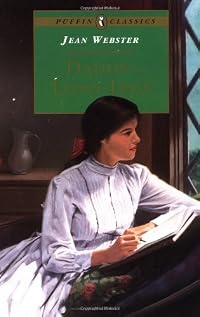
On This Page
Description
At the age of eighteen, the orphan Jerusha Abbott is plucked from the institution and put through college by a mysterious benefactor. His only condition is that she write him a letter every month, to practice the writers' craft. Her colorful letters about college life are accompanied by drawings from Webster's own pen..
Tags
Recommendations

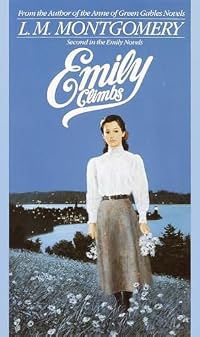
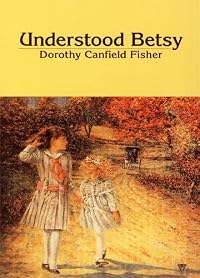
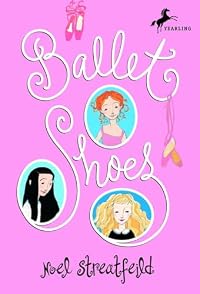
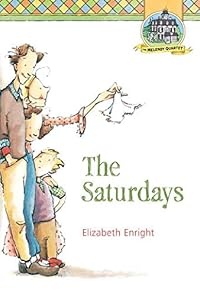
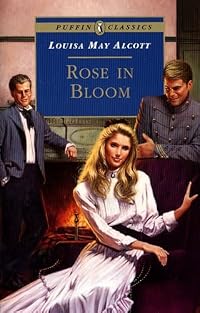
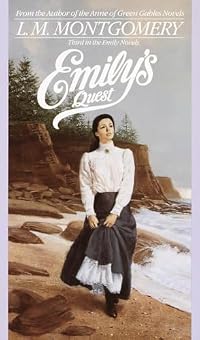
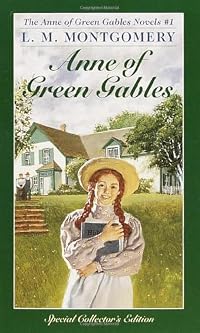
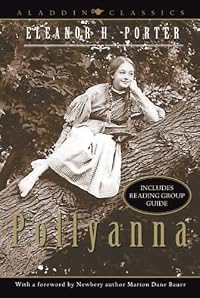

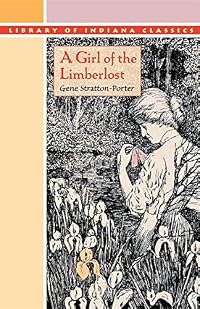
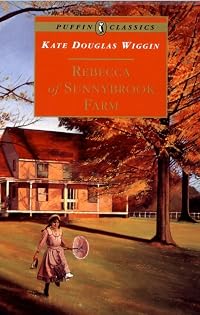
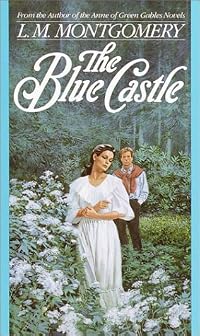


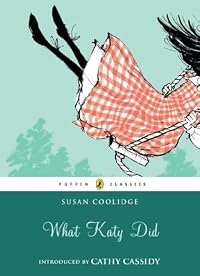
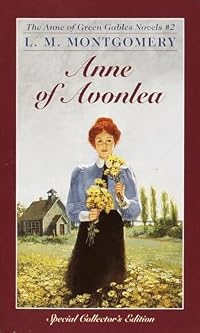
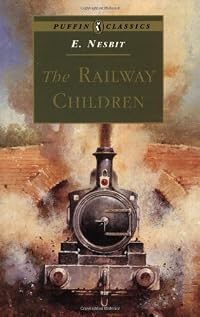
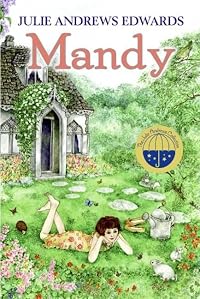


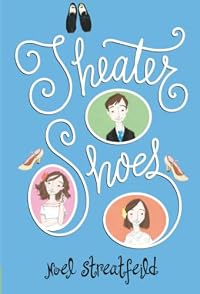


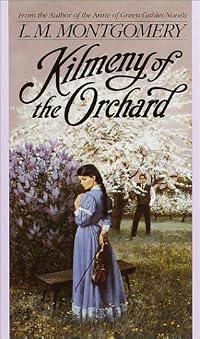
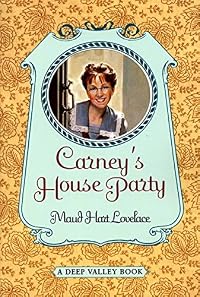

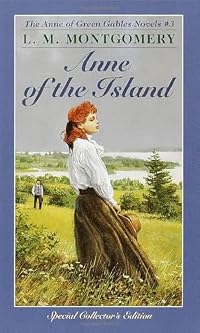
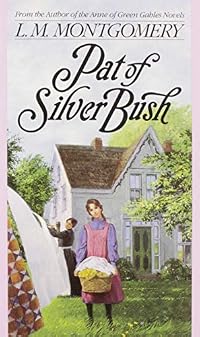
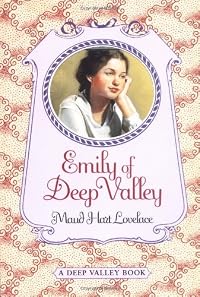

Member Recommendations

kathleen.morrow The sequel to Daddy Long Legs, featuring Sally's adventures at an orphan asylum
80
mybookshelf Both are classic stories about unusual young women who enjoy writing.
40

Bjace Partially set at Vassar. Also a story about college friendships.
30
charl08 Similar epistolary format, although with very different results!
wordcauldron Near the same time period, same epistolary style, and similarly entertaining, but with magical elements
Member Reviews
You should read this review if:
1. You haven’t read this book and need to know why you should,
or
2. You’ve read this book, but need to know about the connection between Daddy-Long-Legs and J.D. Salinger.
(Okay, or: 3. Regardless of whether or not you’ve read this book, you now think I’ve been smoking something I shouldn’t have been. Please read this review so I can convince you otherwise. Thank you.)
There is something to be said for not having read the classics as a kid – provided, of course, you steal time as an adult to catch up on everything you’ve missed. There’s nothing like finding out the fun way, in your 20s or 30s or 40s, that the reason a particular work is called a classic is that it’s absolutely wonderful.
This show more isn’t always the case. I can’t guarantee you’ll shriek, “Where have you BEEN all my life?” if you pick up, say, Gargantuan and Pantagruel. But I’ve had two separate friends express their startled delight that Anna Karenina is not only not too hard for mere mortals to read, but is in fact a moving and engrossing read (and a ripping good one at that). I myself missed out on To Kill A Mockingbird until I was in my 40s, because everybody only talked about the important moral issues it discusses, and nobody mentioned how hard its writing kicks arse. (I only finally read it because I got too embarrassed about having to admit that I hadn’t and I’m a lousy liar.)
So: Daddy-Long-Legs is an absolute delight. I figured it would be cute and, given how long ago it was written, probably pretty sappy. That’s okay. I can deal with a little sap. Sometimes I even like it.
But the young narrator, Jerusha Abbott, is mercilessly sharp and laugh-out-loud funny. Put it to you this way: My son decided to read this after he kept cracking up from all the bits I read out loud to him at the breakfast table. He’s a sixteen-year-old EDM aficionado. If you’re still holding out, I don’t know what to tell you.
This is the story of a girl who insists on being her own spiky, sharp, funny self in spite of growing up in an orphanage whose goal, as Jerusha puts it, “is to turn the ninety-seven orphans into ninety-seven twins.” This is not “virtue rewarded” in the usual sense of the phrase. Jerusha is given a scholarship to college thanks to her excellent writing. The essay that snagged her this scholarship was a bitterly funny piece about the orphanage.
I LOVE the fact that Jerusha escapes a horrible situation by speaking up about how awful it is. Yes, I’ve been reading too many Regency-era novels about how women who suffer ills and abuses patiently are rewarded. This book was the perfect antidote.
Here’s something else I didn’t expect from this book: a Salinger connection.
I recently reread The Catcher in the Rye. If you’ve read it, too, you’ll probably recall that the narrator, Holden Caulfield, starts this book having less than a wonderful day. Specifically, he just found out he’s being expelled from his swanky boarding school. He goes to his room to try to relax with a book:
“I’d only read about three pages, though, when I heard somebody coming through the shower curtains. Even without looking up, I knew right away who it was. It was Robert Ackley, this guy that roomed right next to me. ...Nobody ever called him anything except ‘Ackley.’ Not even Herb Gale, his own roommate, ever called him ‘Bob’ or even ‘Ack.’ If he ever gets married, his own wife’ll probably call him ‘Ackley.’”
That’s a funny passage. It also emphasizes Ackley’s name.
It becomes clear very quickly that Holden isn’t fond of Ackley at the best of times. Today he finds him particularly annoying because Ackley won’t let him read. No matter how often Holden hints that he’s reading, or at least he’d like to be, annoying Ackley just won’t leave.
Okay. Big deal. Way to be random, Deborah.
EXCEPT.
Here is a wonderful passage from Daddy-Long-Legs, part of a chapter in which the narrator has been listing all the reasons it’s been a lousy day at school. (Jerusha has mentioned earlier that the best part of every day for her is the evening, when she curls up to read – not assigned reading, but “just plain books” to make up for all the lost time at the bookless orphanage.)
“Friday is sweeping day, and the maid had mixed all the papers on my desk. We had tombstone for dessert (milk and gelatin flavored with vanilla). We were kept in chapel twenty minutes later than usual to listen to a speech about womanly women. And then – just as I was settling down with a sigh of well-earned relief to The Portrait of a Lady, a girl named Ackerly, a dough-faced, deadly, unintermittently stupid girl, who sits next to me in Latin because her name begins with A, came to ask if Monday’s lesson commenced at paragraph 69 or 70, and stayed ONE HOUR. She has just gone.”
Am I one of those Salinger conspiracy-theorist weirdos, or does it sound like Salinger liked Daddy-Long-Legs and paid it a strange little tribute in his best-known book?
You should read Daddy-Long-Legs and decide for yourself. If you’ve already read it but it’s been a long time, you should read it again and see how much fun it is to read classics when you’re a chronological grownup and can decide for yourself what you feel like reading. show less
1. You haven’t read this book and need to know why you should,
or
2. You’ve read this book, but need to know about the connection between Daddy-Long-Legs and J.D. Salinger.
(Okay, or: 3. Regardless of whether or not you’ve read this book, you now think I’ve been smoking something I shouldn’t have been. Please read this review so I can convince you otherwise. Thank you.)
There is something to be said for not having read the classics as a kid – provided, of course, you steal time as an adult to catch up on everything you’ve missed. There’s nothing like finding out the fun way, in your 20s or 30s or 40s, that the reason a particular work is called a classic is that it’s absolutely wonderful.
This show more isn’t always the case. I can’t guarantee you’ll shriek, “Where have you BEEN all my life?” if you pick up, say, Gargantuan and Pantagruel. But I’ve had two separate friends express their startled delight that Anna Karenina is not only not too hard for mere mortals to read, but is in fact a moving and engrossing read (and a ripping good one at that). I myself missed out on To Kill A Mockingbird until I was in my 40s, because everybody only talked about the important moral issues it discusses, and nobody mentioned how hard its writing kicks arse. (I only finally read it because I got too embarrassed about having to admit that I hadn’t and I’m a lousy liar.)
So: Daddy-Long-Legs is an absolute delight. I figured it would be cute and, given how long ago it was written, probably pretty sappy. That’s okay. I can deal with a little sap. Sometimes I even like it.
But the young narrator, Jerusha Abbott, is mercilessly sharp and laugh-out-loud funny. Put it to you this way: My son decided to read this after he kept cracking up from all the bits I read out loud to him at the breakfast table. He’s a sixteen-year-old EDM aficionado. If you’re still holding out, I don’t know what to tell you.
This is the story of a girl who insists on being her own spiky, sharp, funny self in spite of growing up in an orphanage whose goal, as Jerusha puts it, “is to turn the ninety-seven orphans into ninety-seven twins.” This is not “virtue rewarded” in the usual sense of the phrase. Jerusha is given a scholarship to college thanks to her excellent writing. The essay that snagged her this scholarship was a bitterly funny piece about the orphanage.
I LOVE the fact that Jerusha escapes a horrible situation by speaking up about how awful it is. Yes, I’ve been reading too many Regency-era novels about how women who suffer ills and abuses patiently are rewarded. This book was the perfect antidote.
Here’s something else I didn’t expect from this book: a Salinger connection.
I recently reread The Catcher in the Rye. If you’ve read it, too, you’ll probably recall that the narrator, Holden Caulfield, starts this book having less than a wonderful day. Specifically, he just found out he’s being expelled from his swanky boarding school. He goes to his room to try to relax with a book:
“I’d only read about three pages, though, when I heard somebody coming through the shower curtains. Even without looking up, I knew right away who it was. It was Robert Ackley, this guy that roomed right next to me. ...Nobody ever called him anything except ‘Ackley.’ Not even Herb Gale, his own roommate, ever called him ‘Bob’ or even ‘Ack.’ If he ever gets married, his own wife’ll probably call him ‘Ackley.’”
That’s a funny passage. It also emphasizes Ackley’s name.
It becomes clear very quickly that Holden isn’t fond of Ackley at the best of times. Today he finds him particularly annoying because Ackley won’t let him read. No matter how often Holden hints that he’s reading, or at least he’d like to be, annoying Ackley just won’t leave.
Okay. Big deal. Way to be random, Deborah.
EXCEPT.
Here is a wonderful passage from Daddy-Long-Legs, part of a chapter in which the narrator has been listing all the reasons it’s been a lousy day at school. (Jerusha has mentioned earlier that the best part of every day for her is the evening, when she curls up to read – not assigned reading, but “just plain books” to make up for all the lost time at the bookless orphanage.)
“Friday is sweeping day, and the maid had mixed all the papers on my desk. We had tombstone for dessert (milk and gelatin flavored with vanilla). We were kept in chapel twenty minutes later than usual to listen to a speech about womanly women. And then – just as I was settling down with a sigh of well-earned relief to The Portrait of a Lady, a girl named Ackerly, a dough-faced, deadly, unintermittently stupid girl, who sits next to me in Latin because her name begins with A, came to ask if Monday’s lesson commenced at paragraph 69 or 70, and stayed ONE HOUR. She has just gone.”
Am I one of those Salinger conspiracy-theorist weirdos, or does it sound like Salinger liked Daddy-Long-Legs and paid it a strange little tribute in his best-known book?
You should read Daddy-Long-Legs and decide for yourself. If you’ve already read it but it’s been a long time, you should read it again and see how much fun it is to read classics when you’re a chronological grownup and can decide for yourself what you feel like reading. show less
I remember reading this as a kid and really liking it, and it is rather remarkable how well I remembered the story and how much I still enjoyed the book. The story is relatively simplistic: an orphaned girl is sponsored by a nameless benefactor to attend college, with the stipulation that she write to the nameless benefactor, whom she dubs "Daddy-Long-Legs" regularly. Following the initial set-up, the story is told entirely in the letters Judy writes to DLL. As an adult, I am slightly put off by DLL's manipulation of Judy's life, but only slightly. I still found the book utterly charming. And now I discover there is a sequel! Or frappulous joy!
Another American classic, this one not half so preachy and therefore enjoyable. A few years ago, I read Dear Mr Knightley by Katherine Reay, which is an update of Jean Webster's 1912 novel, and was not impressed. The epistolary form is a difficult style of narrative to pull off, and the premise of an anonymous benefactor dictating the life of a disadvantaged young woman certainly doesn't translate well into a modern setting. The original, however, is short and sweet.
When Jerusha Abbott turns seventeen, she is told that an anonymous trustee of the orphanage has offered to send her to college, on the condition that she writes him a letter every month. For the next four years, Jerusha - who wisely changes her name to Judy - fulfils her show more side of the arrangement, penning witty, forthright and free-spirited accounts of her life at college. Her benefactor never replies directly, but occasionally sends a message through his secretary - usually when trying to control Judy's life, telling here where she is allowed to spend her summers and whether or not to accept a scholarship. That side of the story remains a little worrying - not to mention how she calls her guardian 'Daddy Long Legs' and sometimes just 'Daddy' - but luckily Judy is a strong-minded young woman who knows how to pick her battles!
I loved some of Judy's thoughts, on religion - 'Their god (whom they have inherited intact from their remote Puritan ancestors) is a narrow, irrational, unjust, mean, revengeful, bigoted person. Thank heaven I don't inherit any god from anybody!' - and imagination - 'It makes people able to put themselves in other people's places. It makes them kind and sympathetic and understanding. It ought to be cultivated in children' - and enjoyed her character. She's from a poor background without family, yes, but doesn't bang on about how having no money is some sort of spiritual experience like A Tree Grows In Brooklyn or how women exist only to serve others (Louisa May Alcott, looking at you).
Great fun - I bought an actual printed copy, shock horror, and will definitely keep to read again. show less
When Jerusha Abbott turns seventeen, she is told that an anonymous trustee of the orphanage has offered to send her to college, on the condition that she writes him a letter every month. For the next four years, Jerusha - who wisely changes her name to Judy - fulfils her show more side of the arrangement, penning witty, forthright and free-spirited accounts of her life at college. Her benefactor never replies directly, but occasionally sends a message through his secretary - usually when trying to control Judy's life, telling here where she is allowed to spend her summers and whether or not to accept a scholarship. That side of the story remains a little worrying - not to mention how she calls her guardian 'Daddy Long Legs' and sometimes just 'Daddy' - but luckily Judy is a strong-minded young woman who knows how to pick her battles!
I loved some of Judy's thoughts, on religion - 'Their god (whom they have inherited intact from their remote Puritan ancestors) is a narrow, irrational, unjust, mean, revengeful, bigoted person. Thank heaven I don't inherit any god from anybody!' - and imagination - 'It makes people able to put themselves in other people's places. It makes them kind and sympathetic and understanding. It ought to be cultivated in children' - and enjoyed her character. She's from a poor background without family, yes, but doesn't bang on about how having no money is some sort of spiritual experience like A Tree Grows In Brooklyn or how women exist only to serve others (Louisa May Alcott, looking at you).
Great fun - I bought an actual printed copy, shock horror, and will definitely keep to read again. show less
Raised for seventeen years in the John Grier Home for Orphans, Jerusha Abbott was unprepared for the astounding news that one of the Home's trustees - the anonymous "Mr. Smith" - was so struck by a humorous essay she had written for one of her high school English classes, that he had decided to send her to college, on the understanding that she would train to be a writer. The only condition of this generous offer was that she regularly write to her benefactor - whom she promptly nicknamed 'Daddy Long-Legs,' as his height was one of the few things she knew about him - and keep him informed of her progress.
Setting out this premise in the initial chapter of Daddy Long Legs, which was first published in 1912, Jean Webster then switches to show more the epistolary form, and the reader is treated to some of the most delightful letters (complete with amusing illustrations!), full of a delicious sense of humor, and a keen insight into the people being described therein. Orphan Jerusha becomes college-girl Judy, a young woman who at first feels herself to be a 'foreigner' in this land outside of the Home, but who gradually wins a place for herself in the wider world. The widening of her horizons - both academic and personal - make Judy's story immensely appealing, as does Judy herself, whose voice is so distinctive and so authentic. Judy just feels so real, as a character, that the reader enters fully into her world, and cheers from the sidelines as all good things open up before her.
The fact that the identity of 'Daddy Long-Legs' is easily guessed, and the conclusion of Judy's romantic life is a foregone conclusion, in no way detracts from the charm of the tale, or its interest for the reader. Sweet, without being cloying, this is a book I would highly recommend to anyone who has enjoyed the work of Louisa May Alcott, Maud Hart Lovelace, or L.M. Montgomery! show less
Setting out this premise in the initial chapter of Daddy Long Legs, which was first published in 1912, Jean Webster then switches to show more the epistolary form, and the reader is treated to some of the most delightful letters (complete with amusing illustrations!), full of a delicious sense of humor, and a keen insight into the people being described therein. Orphan Jerusha becomes college-girl Judy, a young woman who at first feels herself to be a 'foreigner' in this land outside of the Home, but who gradually wins a place for herself in the wider world. The widening of her horizons - both academic and personal - make Judy's story immensely appealing, as does Judy herself, whose voice is so distinctive and so authentic. Judy just feels so real, as a character, that the reader enters fully into her world, and cheers from the sidelines as all good things open up before her.
The fact that the identity of 'Daddy Long-Legs' is easily guessed, and the conclusion of Judy's romantic life is a foregone conclusion, in no way detracts from the charm of the tale, or its interest for the reader. Sweet, without being cloying, this is a book I would highly recommend to anyone who has enjoyed the work of Louisa May Alcott, Maud Hart Lovelace, or L.M. Montgomery! show less
I first read this in my teens and I really loved it - I found it funny, and charming, and romantic. I loved the cheerful but unsentimental tone of the story, and I loved how fresh and vivid and likeable Judy was.
BUT
I re-read this recently, and while I still enjoyed its humour and its happy ending, I am a bit more ambivalent about the Judy/Daddy-Long-Legs relationship. Now that I am older and more aware of things like the connection between relationships and power, I can see instances where Daddy Long Legs' behaviour is controlling and possessive (e.g. when he ordered Judy to head to the farm for the summer, rather than spend it with her friend Sallie (and her brother Jimmy).
I think part of my unease is because I can't see how the show more romance has developed, based on the one-sided communication - perhaps he just wants her because she is totally under his control!? Dear Daddy Long Legs, I want to know how you fell in love with Judy. I want to see your actions justified in the name of jealousy borne out of infatuation. Please tell your side of the story! show less
BUT
I re-read this recently, and while I still enjoyed its humour and its happy ending, I am a bit more ambivalent about the Judy/Daddy-Long-Legs relationship. Now that I am older and more aware of things like the connection between relationships and power, I can see instances where Daddy Long Legs' behaviour is controlling and possessive (e.g. when he ordered Judy to head to the farm for the summer, rather than spend it with her friend Sallie (and her brother Jimmy).
I think part of my unease is because I can't see how the show more romance has developed, based on the one-sided communication - perhaps he just wants her because she is totally under his control!? Dear Daddy Long Legs, I want to know how you fell in love with Judy. I want to see your actions justified in the name of jealousy borne out of infatuation. Please tell your side of the story! show less
I first read this in my teens and I really loved it - I found it funny, and charming, and romantic. I loved the cheerful but unsentimental tone of the story, and I loved how fresh and vivid and likeable Judy was.
BUT
I re-read this recently, and while I still enjoyed its humour and its happy ending, I am a bit more ambivalent about the Judy/Daddy-Long-Legs relationship. Now that I am older and more aware of things like the connection between relationships and power, I can see instances where Daddy Long Legs' behaviour is controlling and possessive (e.g. when he ordered Judy to head to the farm for the summer, rather than spend it with her friend Sallie (and her brother Jimmy).
I think part of my unease is because I can't see how the show more romance has developed, based on the one-sided communication - perhaps he just wants her because she is totally under his control!? Dear Daddy Long Legs, I want to know how you fell in love with Judy. I want to see your actions justified in the name of jealousy borne out of infatuation. Please tell your side of the story! show less
BUT
I re-read this recently, and while I still enjoyed its humour and its happy ending, I am a bit more ambivalent about the Judy/Daddy-Long-Legs relationship. Now that I am older and more aware of things like the connection between relationships and power, I can see instances where Daddy Long Legs' behaviour is controlling and possessive (e.g. when he ordered Judy to head to the farm for the summer, rather than spend it with her friend Sallie (and her brother Jimmy).
I think part of my unease is because I can't see how the show more romance has developed, based on the one-sided communication - perhaps he just wants her because she is totally under his control!? Dear Daddy Long Legs, I want to know how you fell in love with Judy. I want to see your actions justified in the name of jealousy borne out of infatuation. Please tell your side of the story! show less
Most epistolary novels seem incredibly forced. It's a testimony to author Jean Webster that Daddy Long Legs seems pretty natural. That the novel was publised in 1912 will come as quite a surprise, as the protagonist, Jerusha Abbott, seems so lively and fresh. The book does seem to be set in a previous era -- girls' colleges, chaperones, and the absence of explicit sex and foul language makes that clear -- but I had thought it was set in the 1950s rather than 40 years earlier or more.
The books consists of letters that Jerusha, who promptly drops that bumpkin name for the nickname "Judy," to the anonymous donor who generously funds her four-year degree at a women's college in upstate New York clearly modeled on Vassar, Webster's alma show more mater. (The only stipulation for the scholarship and a generous monthly stipend is that Judy write at least once a month with an update on her studies and not expect any letters back and that she use her talent for writing to study to become an author.) The donor being anonymous, Judy dubs him "Daddy Long Legs." Judy, despite spending her life in a rather stultifying orphanage that incessantly emphasized duty and gratitude, has a splendid sense of humor, a sense of her own self-worth and an intense desire to learn all she can about everything she can. Judy is kind-hearted without being saccharine, dutiful without being cloying, and determined without being mulish. The identity of the anonymous donor becomes obvious to the reader long before it dawns on Judy, but that really doesn't tarnish the book much, as you wonder how Judy will stumble onto Daddy Long Legs' identity. It's still a really enjoyable read!
A contemporary reader would love this book. I can't understand why Jean Webster isn't as well known as Lucy Maud Montgomery; this book is as good -- or better -- than Anne of Green Gables and its sequels.
I can't wait to read some of Webster's other books: Dear Enemy, Just Patty - Jean Webster, and When Patty Went to College! show less
The books consists of letters that Jerusha, who promptly drops that bumpkin name for the nickname "Judy," to the anonymous donor who generously funds her four-year degree at a women's college in upstate New York clearly modeled on Vassar, Webster's alma show more mater. (The only stipulation for the scholarship and a generous monthly stipend is that Judy write at least once a month with an update on her studies and not expect any letters back and that she use her talent for writing to study to become an author.) The donor being anonymous, Judy dubs him "Daddy Long Legs." Judy, despite spending her life in a rather stultifying orphanage that incessantly emphasized duty and gratitude, has a splendid sense of humor, a sense of her own self-worth and an intense desire to learn all she can about everything she can. Judy is kind-hearted without being saccharine, dutiful without being cloying, and determined without being mulish. The identity of the anonymous donor becomes obvious to the reader long before it dawns on Judy, but that really doesn't tarnish the book much, as you wonder how Judy will stumble onto Daddy Long Legs' identity. It's still a really enjoyable read!
A contemporary reader would love this book. I can't understand why Jean Webster isn't as well known as Lucy Maud Montgomery; this book is as good -- or better -- than Anne of Green Gables and its sequels.
I can't wait to read some of Webster's other books: Dear Enemy, Just Patty - Jean Webster, and When Patty Went to College! show less
Members
- Recently Added By
Lists

Favorite Childhood Books
1,646 works; 513 members
1001 Children's Books You Must Read Before You Grow Up
774 works; 100 members

Best School Stories
219 works; 21 members

Best Books Set in Boarding Schools
160 works; 57 members

Comfort Reads
221 works; 40 members

Read the book and saw the movie
1,170 works; 195 members

100 Best Books by American Women During the Past 100 Years, 1833-1933
27 works; 5 members
Female Protagonist
1,056 works; 56 members

Sonlight Books
1,487 works; 25 members

Books That Made Us Cry
278 works; 145 members

Books We Love to Reread
688 works; 296 members

Books Read in 2012
59 works; 1 member

Books Read in 2024
4,623 works; 126 members
Book Worlds We'd Like To Visit
322 works; 158 members

Children's Literature 1900 - 1950 in order
413 works; 8 members

Books We Loved As Children
603 works; 252 members

Before Austen Comes Aesop
318 works; 9 members

The Plague and I's bookshelf in the sanatorium
16 works; 1 member

Favorite Epistolary Fiction
143 works; 144 members

Books Read in 2015
3,299 works; 126 members

Books With Body Parts in the Title
153 works; 9 members
Books available on Open Library
171 works; 4 members

Alphabetical Books
211 works; 3 members
Books Read in 2016
4,666 works; 197 members

Writers as Characters in Fiction
120 works; 18 members
Female Author
1,235 works; 66 members

Allie's Favourite 150 Books
145 works; 3 members

Epistolary Books
105 works; 27 members

Best Children's Books You've Read
197 works; 75 members

1910s
90 works; 16 members
Books tagged "feel good"
129 works; 20 members

Top Five Books of 2025
954 works; 303 members

Books About Girls
219 works; 17 members
Author Information

Some Editions
Awards and Honors
Series

Belongs to Publisher Series
Reclams Universal-Bibliothek (9205)
Work Relationships
Is contained in
Is retold in
Has the adaptation
Is abridged in
Common Knowledge
- Canonical title
- Daddy-Long-Legs
- Original title
- Daddy Long-Legs
- Alternate titles*
- Vadertje Langbeen : de beroemde roman
- Original publication date
- 1912
- People/Characters
- Jerusha "Judy" Abbott; Jervis Pendleton
- Related movies
- Daddy Long Legs (1955 | IMDb); Daddy Long Legs (1931 | IMDb); Daddy-Long-Legs (1919 | IMDb)
- Dedication
- To You
- First words
- The first Wednesday in every month was a Perfectly Awful Day--a day to be awaited with dread, endured with courage and forgotten with haste.
- Last words
- (Click to show. Warning: May contain spoilers.)P.S. This is the first love letter I ever wrote. Isn't it funny that I know how?
- Original language
- English
- Disambiguation notice
- This entry is for the book Daddy-Long-Legs, first published in 1912. Please do not combine with the 1919 Mary Pickford film, the 1931 Janet Gaynor/Warner Baxter film, or the 1955 Fred Astaire/Leslie Caron film.
*Some information comes from Common Knowledge in other languages. Click "Edit" for more information.
Classifications
- Genres
- Fiction and Literature, Children's Books, Young Adult
- DDC/MDS
- 813.52 — Literature & rhetoric American literature in English American fiction in English 1900-1999 1900-1945
- LCC
- PZ3 .W394 .D — Language and Literature Fiction and juvenile belles lettres Fiction and juvenile belles lettres Fiction in English
- BISAC
Statistics
- Members
- 3,788
- Popularity
- 4,175
- Reviews
- 118
- Rating
- (4.06)
- Languages
- 24 — Arabic, Chinese, Danish, Dutch, English, Estonian, Finnish, French, Georgian, German, Greek, Hungarian, Italian, Japanese, Korean, Latvian, Malay, Polish, Portuguese, Russian, Spanish, Swedish, Thai, Turkish
- Media
- Paper, Audiobook, Ebook
- ISBNs
- 278
- UPCs
- 3
- ASINs
- 99