
Tobias Hill (1970–2023)
Author of The Love of Stones
About the Author
Tobias Hill was born on March 30, 1970 in London, England. He is an award-winning British poet, essayist, writer of short stories and novelist. Hill was educated at Hampstead School and Sussex University before spending two years teaching in Japan. Hill's early work appeared in magazines such as show more Envoi and The Frogmore Papers and published four collections,Year of the Dog, Midnight in the City of Clocks, (influenced by his experience of life in Japan) Zoo and Nocturne in Chrome & Sunset Yellow. In 1999, Hill published his debut novel, Underground. The Love of Stones (2001), Hill's second novel, earned wider recognition. Hill's third novel, The Cryptographer, was published in 2003. Tobias Hill's fourth novel, The Hidden, was published in January 2009. He made the Ondaatje Prize 2015 shortlist with his title, What Was Promised. (Bowker Author Biography) show less
Works by Tobias Hill
Associated Works
Tagged
Common Knowledge
- Legal name
- Hill, Tobias Fleet
- Birthdate
- 1970-03-30
- Date of death
- 2023-08-26
- Gender
- male
- Education
- Hampstead Comprehensive School, Cricklewood
University of Sussex (Bx | English) - Occupations
- poet
novelist
essayist
teacher - Awards and honors
- Eric Gregory Award (1995)
- Cause of death
- glioblastoma
- Nationality
- UK
- Birthplace
- Kentish Town, London, England, UK
- Places of residence
- England
Japan - Associated Place (for map)
- Kentish Town, London, England, UK
Members
Reviews
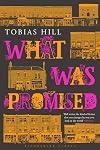
Following the relationships between families that live in tenements on Columbia Road in Bethnal Green, the story starts in 1948 amid the bomb sites left behind after the Second World War. The outlooks for the families are contrasted, with some content to earn enough to keep their families together, while others are more ambitious. Their backgrounds are also very varied, including refugees from Nazi Europe, recent immigrants from the Commonwealth and locals of many years standing. Hill’s show more writing captures their struggles to provide and to attain their aims, but at differing costs to the families. Then a life-changing event leads to a jump forward to 1968 and an exploration of how this event affected the families. Hill explores in a moving and sympathetic novel, the price that people may pay for pursuing their dreams while ignoring their family and friends. show less
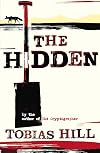
Book Review - The Hidden by Tobias Hill
The Hidden
Tobias Hill
Format: eBook
File Size: 512 KB
Publisher: HarperCollins
Publication Date: October 13, 2009
Pages: 458 (Portrait view)
ISBN: 978-0-06-194305-8
There’s no denying that Tobias Hill has great skill and mastery over the English language and the mystery veiled in The Hidden was compelling enough on the surface to pique my interest but certain aspects of this story did not meet my expectations. One would think that with a story show more written about an archeological dig in Sparta, Greece that the so-called “hidden” (and, since I dislike spoilers, I won’t divulge what it is here) would be an extraordinary, unprecedented discovery. Think of the possibilities; undiscovered treasure of immense value or warring archeology factions, perhaps a supernatural entity unleashed accidently or even an ancient murder mystery uncovered – sadly, none of the above comes remotely close to the reality. And that’s the real problem with this story. The “hidden,” once known, is so mundane and “been-there-done-that” that I was very disappointed when Mr. Hill finally revealed it. It’s evident that Tobias Hill is a gifted writer. His prose paints fabulous mental images. His characters are believable, real and substantial, but not convincingly appealing in this story and while I was drawn in by his detailed descriptions and the clarity of his voice the narrative seriously lagged in places and what he created with a talented hand fell far short in substance.
When I first started writing this review I had in mind giving The Hidden a solid two and a half stars but the more I thought about it the more I decided to boost that to a three; simply because of Hill’s writing proficiency and acumen. The subject is worthy of a story but this one could have been managed profoundly better. I am certain that there are readers that will thoroughly enjoy this mystery but for me the one thing that kept me reading was the anticipation of the reveal which, once uncovered, was a regrettable choice by the author and a disappointment to me.
With that said, I should mention that I will attempt to read Tobias Hill again in the future. He definitely has the chops and I do enjoy his style. This story may not have stood out for me but the next may. And, I will say this… It is rare that I give unfavorable reviews but rarer still that I read additional works by an author that did not live up to my expectations. Mr. Hill is an exceptional writer and I will seek out his next book.
2 1/2 (oh, yeah) 3 out of 5 stars
The Alternative
Southeast Wisconsin show less
The Hidden
Tobias Hill
Format: eBook
File Size: 512 KB
Publisher: HarperCollins
Publication Date: October 13, 2009
Pages: 458 (Portrait view)
ISBN: 978-0-06-194305-8
There’s no denying that Tobias Hill has great skill and mastery over the English language and the mystery veiled in The Hidden was compelling enough on the surface to pique my interest but certain aspects of this story did not meet my expectations. One would think that with a story show more written about an archeological dig in Sparta, Greece that the so-called “hidden” (and, since I dislike spoilers, I won’t divulge what it is here) would be an extraordinary, unprecedented discovery. Think of the possibilities; undiscovered treasure of immense value or warring archeology factions, perhaps a supernatural entity unleashed accidently or even an ancient murder mystery uncovered – sadly, none of the above comes remotely close to the reality. And that’s the real problem with this story. The “hidden,” once known, is so mundane and “been-there-done-that” that I was very disappointed when Mr. Hill finally revealed it. It’s evident that Tobias Hill is a gifted writer. His prose paints fabulous mental images. His characters are believable, real and substantial, but not convincingly appealing in this story and while I was drawn in by his detailed descriptions and the clarity of his voice the narrative seriously lagged in places and what he created with a talented hand fell far short in substance.
When I first started writing this review I had in mind giving The Hidden a solid two and a half stars but the more I thought about it the more I decided to boost that to a three; simply because of Hill’s writing proficiency and acumen. The subject is worthy of a story but this one could have been managed profoundly better. I am certain that there are readers that will thoroughly enjoy this mystery but for me the one thing that kept me reading was the anticipation of the reveal which, once uncovered, was a regrettable choice by the author and a disappointment to me.
With that said, I should mention that I will attempt to read Tobias Hill again in the future. He definitely has the chops and I do enjoy his style. This story may not have stood out for me but the next may. And, I will say this… It is rare that I give unfavorable reviews but rarer still that I read additional works by an author that did not live up to my expectations. Mr. Hill is an exceptional writer and I will seek out his next book.
2 1/2 (oh, yeah) 3 out of 5 stars
The Alternative
Southeast Wisconsin show less
A young man who has had to leave England ends up in Greece working on an archaelogical dig where strange things begin to happen. I was looking forward to this book, but the parts of it seemed disconnected and the characters were unengaging. It has parallels to The Secret History, but is far less satisfying. A study of alienation which alienated me!
A truly absorbing and immensely enjoyable read (despite the fact that the 'will I love it?' 'thingy' on LT said there is a very small chance of me loving it - and which also makes me feel very lucky for having won it in the first place).
Ben Mercer, fleeing the wreckage of his marriage, joins a group of young archeologists on the outskirts of Sparta and, although he is quickly accepted as a co-worker, there is something not-quite-right about the other workers and their passion for the past. show more Soon, Ben finds he is falling for Natsuko, one of the diggers, and longs to be accepted into the group, but his need for acceptance soon begins drawing him into a strange and obbsessive life, based on the beliefs of the ancients Spartans.
Not only is this a wonderful book to take on a visit to Greece - the varied loactions around Athens and the Peloponnese are skillfully and accurately drawn, evoking in a few brushstrokes the essence of each distinct setting - but it is a gripping tale of intrigue and passion.
Other reviewers have compared The Hidden to both John Fowles's The Magus and Donna Tartt's The Secret History and the comparisons are justified. The ancient secrets, the close-knit group of obsessives and, perhaps most importantly, the unmistakeable sense of place that runs through all these books makes them a 'holy trinity' of essential reading for lovers of Greece - not to mention lovers of a gripping story, brilliantly told. Each one of them made my heart beat faster. show less
Ben Mercer, fleeing the wreckage of his marriage, joins a group of young archeologists on the outskirts of Sparta and, although he is quickly accepted as a co-worker, there is something not-quite-right about the other workers and their passion for the past. show more Soon, Ben finds he is falling for Natsuko, one of the diggers, and longs to be accepted into the group, but his need for acceptance soon begins drawing him into a strange and obbsessive life, based on the beliefs of the ancients Spartans.
Not only is this a wonderful book to take on a visit to Greece - the varied loactions around Athens and the Peloponnese are skillfully and accurately drawn, evoking in a few brushstrokes the essence of each distinct setting - but it is a gripping tale of intrigue and passion.
Other reviewers have compared The Hidden to both John Fowles's The Magus and Donna Tartt's The Secret History and the comparisons are justified. The ancient secrets, the close-knit group of obsessives and, perhaps most importantly, the unmistakeable sense of place that runs through all these books makes them a 'holy trinity' of essential reading for lovers of Greece - not to mention lovers of a gripping story, brilliantly told. Each one of them made my heart beat faster. show less
 This review was written for LibraryThing Early Reviewers.
Lists
Awards


You May Also Like


Statistics
- Works
- 12
- Also by
- 1
- Members
- 961
- Popularity
- #26,791
- Rating
- 3.3
- Reviews
- 37
- ISBNs
- 83
- Languages
- 8
- Favorited
- 1
