
Ignacio Manuel Altamirano (1834–1893)
Author of El Zarco
About the Author
Image credit: Éste es un archivo de Wikimedia Commons, un depósito de contenido libre hospedado por la Fundación Wikimedia.
Works by Ignacio Manuel Altamirano
El zarco, y, La navidad en las montanas (Sepan Cuantos... num. 61) (Spanish Edition) (1966) 35 copies, 1 review
El zarco/La navidad en las montañas 4 copies
Navidad en las montanas. Prologo con resena critica de la obra, vida y obra del autor, y marco historico. (Spanish Edition) (2013) 4 copies
Aires de México; prosas 2 copies
Aires de México (prosas) 2 copies
Páginas Escogidas 1 copy
El Zarco 1 copy
Cuentos de Invierno 1 copy
CLEMENCIA Y OTROS CUENTOS 1 copy
ObrasCompletas VI Poesía 1 copy
Obras Completas VI Poesía 1 copy
El Zarco. Prologo con resena critica de la obra, vida y obra del autor, y marco historico. (Spanish Edition) (2013) 1 copy
Navidad en las montañas 1 copy
Associated Works
A Very Mexican Christmas: The Greatest Mexican Holiday Stories of All Time (2022) — Contributor — 11 copies
Tagged
Common Knowledge
- Canonical name
- Altamirano, Ignacio Manuel
- Legal name
- Altamirano, Ignacio M.
- Birthdate
- 1834-11-13
- Date of death
- 1893-02-13
- Gender
- male
- Short biography
- Nació en la población de Tixtla, Guerrero, en el seno de una familia de raza indígena pura.Aprendió a leer y a escribir, así como aritmética en su ciudad natal. Realizó sus primeros estudios en la ciudad de Toluca, gracias a una beca que le fue otorgada por Ignacio Ramírez, de quien fue discípulo. Recibió cátedra en el Instituto Literario de Toluca. Cursó derecho en el Colegio de San Juan de Letrán. Perteneció a asociaciones académicas y literarias como el Conservatorio Dramático Mexicano, la Sociedad Nezahualcóyotl, la Sociedad Mexicana de Geografía y Estadística, el Liceo Hidalgo, el Club Álvarez.
Gran defensor del liberalismo, tomó parte en la revolución de Ayutla en 1854 contra el santanismo, más tarde en la guerra de Reforma y combatió contra la invasión francesa. Después de este periodo de conflictos militares, Altamirano se dedicó a la docencia, trabajando como maestro en la Escuela Nacional Preparatoria, en la de Comercio y en la Nacional de Maestros; también trabajó en la prensa, en donde junto con Guillermo Prieto e Ignacio Ramírez fundó el Correo de México y con Gonzalo Esteva la revista literaria El Renacimiento, en la que colaboran escritores de todas las tendencias literarias, cuyo objetivo era hacer resurgir las letras mexicanas. Fundó varios periódicos y revistas como: El Correo de México, El Renacimiento, El Federalista, La Tribuna y La República.
Abogó y sentó las bases de la instrucción primaria gratuita, laica y obligatoria a partir del 5 de febrero de 1882. Fundó el Liceo de Puebla y la Escuela Normal de Profesores de México; y para el mundo en general, escribió varios libros de gran éxito en su época, al cultivar diferentes estilos y géneros literarios. Sus estudios críticos se publicaron en revistas literarias de México.
Existe una recopilación de los discursos de Ignacio Manuel Altamirano. Amó las leyendas, las costumbres y las descripciones de paisajes de México. En 1867, comenzó a destacar por lo magistral de su obra, orientó su literatura hacia la afirmación de los valores nacionales, y destacó también como historiador literario y crítico, que fue el abanderado de varias generaciones.
Murió en Italia en 1893, en una misión diplomática. Con motivo del centenario de su natalicio, sus cenizas fueron depositadas en la Rotonda de las Personas Ilustres en la Ciudad de México. Se creó la medalla "Ignacio Manuel Altamirano" con la finalidad de premiar los 50 años de labor docente. - Nationality
- Mexico
- Burial location
- Rotonda de las personas ilustres, Ciudad de Mexico, Mexico
- Associated Place (for map)
- Mexico
Members
Reviews

Esta novela es el vivo testimonio de las novelas de amor cuando son efectivas. Aunque al principio puede parecer maniquea, hay muchos giros en la trama dignos del mejor de los cuentistas. Un gran comienzo para el romanticismo de hispanoamérica, con un final que deja satisfecho pero con un sabor amargo en la boca. Altamirano es, sin duda, uno de los grandes.
Altamirano tiene una prosa hermosísima. El Zarco es una novela muy entretenida, muy fácil de leer, y Navidad en las montañas es tan idílica que reconforta (aunque a veces puede llegar a ser un poco cursi).
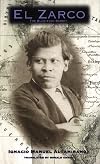
Full-disclosure: I wrote the introduction to this book, which I have been teaching for almost ten years in a variety of Latin American literature classes.
Ignacio Manuel Altamirano was one of nineteenth-century Mexico's most important political and cultural figures. Altamirano was born into a modest, indigenous family but received a scholarship to go to one of Mexico's finest nineteenth-century schools, the Institute of Toluca. During the civil wars of mid-nineteenth-century Mexico, show more Altamirano allied himself with the liberal cause and became one of its most famous and eloquent spokesmen.
Altamirano was an avid journalist and writer: he wrote book and theater reviews, urban chronicles (describing life in Mexico City), poetry, novels, and political and cultural tracts on every imaginable subject under the sun. He was a pioneer because of how he promoted modern literary nationalism in Mexico.
El Zarco the Blue-Eyed Bandit is a posthumous novel, published in 1901, that may be loosely compared to a "western" (if we chose to use that quintessentially American genre as a frame of reference). It tells the story of a villainous blue-eyed bandit who elopes with a lovely village girl whose good sense is weakened by her exposure to Romantic fictions that idealize the world. Another protagonist is Nicolas, the noble and heroic acculturated Indian who joins Martín Sánchez in hunting down Zarco the Bandit.
The novel is an interesting blend of Romanticism and Realism. There isn't a lot of psychological realism, but the writing is engaging and it's a good, quick read that will teach you a lot about the literary imagination in nineteenth-century Mexico. The good guys give great speeches and stand strong against evil in the name of civilization. The bandit villains are grotesque brutes. In spite of these commonplaces of nineteenth-century melodrama, the novel has some very subtle dimensions and makes interesting arguments about the meanings of race in Mexico. If you like reading nineteenth-century literature and general, or if you're interested in Mexican history and culture, this book is highly recommended.
In closing, this book is a landmark novel for many reasons, including the fact that its author was Indian. In particular, the treatment of racial identity in the novel will interest students of Native American literature.
*Ronald Christ's fine translation recently won an award. show less
Ignacio Manuel Altamirano was one of nineteenth-century Mexico's most important political and cultural figures. Altamirano was born into a modest, indigenous family but received a scholarship to go to one of Mexico's finest nineteenth-century schools, the Institute of Toluca. During the civil wars of mid-nineteenth-century Mexico, show more Altamirano allied himself with the liberal cause and became one of its most famous and eloquent spokesmen.
Altamirano was an avid journalist and writer: he wrote book and theater reviews, urban chronicles (describing life in Mexico City), poetry, novels, and political and cultural tracts on every imaginable subject under the sun. He was a pioneer because of how he promoted modern literary nationalism in Mexico.
El Zarco the Blue-Eyed Bandit is a posthumous novel, published in 1901, that may be loosely compared to a "western" (if we chose to use that quintessentially American genre as a frame of reference). It tells the story of a villainous blue-eyed bandit who elopes with a lovely village girl whose good sense is weakened by her exposure to Romantic fictions that idealize the world. Another protagonist is Nicolas, the noble and heroic acculturated Indian who joins Martín Sánchez in hunting down Zarco the Bandit.
The novel is an interesting blend of Romanticism and Realism. There isn't a lot of psychological realism, but the writing is engaging and it's a good, quick read that will teach you a lot about the literary imagination in nineteenth-century Mexico. The good guys give great speeches and stand strong against evil in the name of civilization. The bandit villains are grotesque brutes. In spite of these commonplaces of nineteenth-century melodrama, the novel has some very subtle dimensions and makes interesting arguments about the meanings of race in Mexico. If you like reading nineteenth-century literature and general, or if you're interested in Mexican history and culture, this book is highly recommended.
In closing, this book is a landmark novel for many reasons, including the fact that its author was Indian. In particular, the treatment of racial identity in the novel will interest students of Native American literature.
*Ronald Christ's fine translation recently won an award. show less

Lists
You May Also Like


Associated Authors
Statistics
- Works
- 50
- Also by
- 2
- Members
- 349
- Popularity
- #68,499
- Rating
- 3.6
- Reviews
- 10
- ISBNs
- 126
- Languages
- 3