
Elizabeth Graver
Author of The Honey Thief
About the Author
Image credit: Adrienne Mathiowetz photography
Works by Elizabeth Graver
Kantika Roman 1 copy
This is the Summer 1 copy
Associated Works
Tagged
Common Knowledge
- Canonical name
- Graver, Elizabeth
- Birthdate
- 1964-07-02
- Gender
- female
- Education
- Wesleyan University (BA|1986)
Washington University in St. Louis (MFA|1999) - Occupations
- novelist
professor - Organizations
- Boston College
- Awards and honors
- Guggenheim Fellowship (1999)
Drue Heinz Literature Prize (1991)
Edward Lewis Wallant Award (2023)
National Jewish Book Award (2024) - Agent
- Henry Dunow
- Short biography
- Elizabeth Graver's fifth novel, Kantika, was inspired by her grandmother Rebecca, who was born into a Sephardic Jewish family in Istanbul and whose shape-shifting life journey took her to Spain, Cuba and New York. Kantika was named a Best Historical Fiction Book and Notable Book of 2023 by The New York Times and a Best Book of the Year by NPR, Lilith and Libby. German and Turkish editions are forthcoming. Elizabeth's fourth novel, The End of the Point, was long-listed for the 2013 National Book Award in Fiction and selected as a New York Times Notable Book of the Year. Her other novels are Awake, The Honey Thief, and Unravelling. Her story collection, Have You Seen Me?, won the 1991 Drue Heinz Literature Prize. Her work has been anthologized in Best American Short Stories, Prize Stories: The O. Henry Awards, and Best American Essays. She teaches at Boston College.
- Nationality
- USA
- Birthplace
- Los Angeles, California, USA
- Places of residence
- Boston, Massachusetts, USA
- Associated Place (for map)
- USA
Members
Reviews
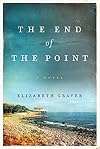
Sometimes a place is so very much a part of who you are that it is home in a way that even your actual home isn't. I certainly have a place like that in my life. It is a place where I can be most myself, unguarded, a place that heals me and supports me, and is so deeply ingrained in my very marrow that I cannot separate it from myself. It changes incrementally over the years and yet somehow stays the same. Ashaunt Point and the Porter's summer home is that kind of place to several show more generations in Elizabeth Graver's quietly elegant novel, The End of the Point.
Told in several distinct sections spanning almost 50 years in the Porter family's lives, the novel opens with their arrival for the summer of 1942 with teenaged daughters Helen and Dossy, younger daughter Janie, Scottish nannies Bea and Agnes, but without son Charlie who is in Texas away training for the war. The Point is much changed this summer of '42 though as the government has taken over a stretch of it and has soldiers training there. The presence of the soldiers draws Helen and Dossy, who have been left to run wild, as well as nanny Bea, who experiences first love at the age of thirty-seven, and leads to the incident that causes the Porters to leave their refuge early that summer. But this first section of the book introduces most of the major characters in the novel and exposes their complexly intricate relationships with each other. Amongst others, there's Bea's maternal love for her charge Janie and her vague dislike of Helen and there's Mrs. P. who, despite not being terrible involved in her daughters' lives, casts a long shadow. The distant war come home to roost and the way it has both accelerated life and slowed time to a crawl always hovers just on the edge of the narrative as well.
Jumping in time from that summer with its loss of innocence to Helen's letters home from school in Switzerland only five years further on and then her diaries some fifteen years after the war as she comes again to Ashaunt as a young mother struggling with her feelings of being trapped and stagnant in motherhood and wanting so much the life of an intellectual. The Point bears mute witness to her desperate search for self and how she invests so much in her golden child, oldest son Charlie. Then the summer compound hosts this lost and searching son Charlie in the early seventies as he hibernates from the world after an LSD trip leaves him fighting its enduring and crippling effects. As he tries to hold onto himself and keep from flying apart from within the safety of his childhood cabin retreat, he watches a world torn apart and bleeding in the face of Vietnam, illegal drugs, and the desecration of development. And finally, in the last section of the novel, the narrative comes back to Helen, now an old woman facing her mortality. Although she might have stayed away in the intervening years, discontented and unsettled, in the end, she seeks the enduring sanctuary and peace of Ashaunt Point as she herself comes to the end.
The writing here is measured and slow, reflecting the timelessness of the place within the novel and in fact the very story itself. The world outside of Ashaunt Point is changing but despite the ways in which these changes do press in on the rocky peninsula, there is still a changeless, comforting feel to the natural world and long-time residents of the point. The plot is very much character driven, internal and introspective, and each generation slides seamlessly into the subtly annual picture taken at the cottage. This is an unexpectedly seductive tale, beautifully written with each succeeding generation another wave upon the shore of the place. The characters are alternately remote and confiding depending on their individual personalities. And the impact of the greater family, the casual and quiet emotional connections, is moving and true and beautiful. A novel of belonging, family, and home, where resides the place of your heart, this is a masterful and affecting novel, effortlessly literary, spare, and elegant all at once. show less
Told in several distinct sections spanning almost 50 years in the Porter family's lives, the novel opens with their arrival for the summer of 1942 with teenaged daughters Helen and Dossy, younger daughter Janie, Scottish nannies Bea and Agnes, but without son Charlie who is in Texas away training for the war. The Point is much changed this summer of '42 though as the government has taken over a stretch of it and has soldiers training there. The presence of the soldiers draws Helen and Dossy, who have been left to run wild, as well as nanny Bea, who experiences first love at the age of thirty-seven, and leads to the incident that causes the Porters to leave their refuge early that summer. But this first section of the book introduces most of the major characters in the novel and exposes their complexly intricate relationships with each other. Amongst others, there's Bea's maternal love for her charge Janie and her vague dislike of Helen and there's Mrs. P. who, despite not being terrible involved in her daughters' lives, casts a long shadow. The distant war come home to roost and the way it has both accelerated life and slowed time to a crawl always hovers just on the edge of the narrative as well.
Jumping in time from that summer with its loss of innocence to Helen's letters home from school in Switzerland only five years further on and then her diaries some fifteen years after the war as she comes again to Ashaunt as a young mother struggling with her feelings of being trapped and stagnant in motherhood and wanting so much the life of an intellectual. The Point bears mute witness to her desperate search for self and how she invests so much in her golden child, oldest son Charlie. Then the summer compound hosts this lost and searching son Charlie in the early seventies as he hibernates from the world after an LSD trip leaves him fighting its enduring and crippling effects. As he tries to hold onto himself and keep from flying apart from within the safety of his childhood cabin retreat, he watches a world torn apart and bleeding in the face of Vietnam, illegal drugs, and the desecration of development. And finally, in the last section of the novel, the narrative comes back to Helen, now an old woman facing her mortality. Although she might have stayed away in the intervening years, discontented and unsettled, in the end, she seeks the enduring sanctuary and peace of Ashaunt Point as she herself comes to the end.
The writing here is measured and slow, reflecting the timelessness of the place within the novel and in fact the very story itself. The world outside of Ashaunt Point is changing but despite the ways in which these changes do press in on the rocky peninsula, there is still a changeless, comforting feel to the natural world and long-time residents of the point. The plot is very much character driven, internal and introspective, and each generation slides seamlessly into the subtly annual picture taken at the cottage. This is an unexpectedly seductive tale, beautifully written with each succeeding generation another wave upon the shore of the place. The characters are alternately remote and confiding depending on their individual personalities. And the impact of the greater family, the casual and quiet emotional connections, is moving and true and beautiful. A novel of belonging, family, and home, where resides the place of your heart, this is a masterful and affecting novel, effortlessly literary, spare, and elegant all at once. show less
The basics: Spanning three generations of the Porter family and fifty years of their relationships with their hired help, The End of the Point focuses on the family at four different times in history, beginning in the 1950's. Much of the novel takes place at their summer home in Ashaunt, Massachusetts.
My thoughts: Reading The End of the Point made me realize how much I love present-future narrators. As the story of the Porter family unfolds, the reader gets hints of how things are now, even show more though the story is told in the moment:
"If things had turned out differently, she would have begun the story here--or no, Smitty would have told it; unlike Bea, he loved an audience, he'd have made it funny, drawn it out."
These moments aren't frequent, but as I encountered each one, it felt as though I was unwrapping a present. We don't have the certainty of the future in our own lives, but literature can provide us with one for these characters. It's a testament to Graver's writing and character building that this technique feels so real. I was utterly absorbed in this family that kept growing in number as the generations increased. Graver infuses so much richness into each of them, it's astonishing the novel is as short as it is. It feels more epic than its number of pages, and it feels like a complete story of the people in their time and place. Ashaunt is a character itself:
"She loves her house with a tenderness that makes it feel almost human."
I pictured it so vividly and delighted in seeing how the bedrooms changed hands over the years and depending on which siblings and cousins were there on a given weekend. In fact, as the narrative moved forward to the next moment in time, the house provides the structure, both literally and figuratively, as the reader takes stock of what has changed since the last moment in time.
As I read the last pages, I wept openly and publicly in the airport terminal. When I turned the last page, I was immensely satisfied, yet sad to say goodbye to these characters who felt like family in the two short days I spent with them. Most of all, I wondered how I had not heard of Elizabeth Graver until this, her fourth novel.
Favorite passage: "Largely, now, it was not anger he felt, but rather a kind of bone-scraping, quiet, ever-present sorrow. To come to the place that was supposed to stay the same, to come and find it changed. Dr. Miller had warned him against what he called the "geographic cure." You can't fix yourself by going somewhere else, he'd said. You'll always take yourself along."
The verdict: The End of the Point is a beautifully written, deeply moving portrait of three generations of the Porter family and the their evolving relationships with their servants and caregivers. show less
My thoughts: Reading The End of the Point made me realize how much I love present-future narrators. As the story of the Porter family unfolds, the reader gets hints of how things are now, even show more though the story is told in the moment:
"If things had turned out differently, she would have begun the story here--or no, Smitty would have told it; unlike Bea, he loved an audience, he'd have made it funny, drawn it out."
These moments aren't frequent, but as I encountered each one, it felt as though I was unwrapping a present. We don't have the certainty of the future in our own lives, but literature can provide us with one for these characters. It's a testament to Graver's writing and character building that this technique feels so real. I was utterly absorbed in this family that kept growing in number as the generations increased. Graver infuses so much richness into each of them, it's astonishing the novel is as short as it is. It feels more epic than its number of pages, and it feels like a complete story of the people in their time and place. Ashaunt is a character itself:
"She loves her house with a tenderness that makes it feel almost human."
I pictured it so vividly and delighted in seeing how the bedrooms changed hands over the years and depending on which siblings and cousins were there on a given weekend. In fact, as the narrative moved forward to the next moment in time, the house provides the structure, both literally and figuratively, as the reader takes stock of what has changed since the last moment in time.
As I read the last pages, I wept openly and publicly in the airport terminal. When I turned the last page, I was immensely satisfied, yet sad to say goodbye to these characters who felt like family in the two short days I spent with them. Most of all, I wondered how I had not heard of Elizabeth Graver until this, her fourth novel.
Favorite passage: "Largely, now, it was not anger he felt, but rather a kind of bone-scraping, quiet, ever-present sorrow. To come to the place that was supposed to stay the same, to come and find it changed. Dr. Miller had warned him against what he called the "geographic cure." You can't fix yourself by going somewhere else, he'd said. You'll always take yourself along."
The verdict: The End of the Point is a beautifully written, deeply moving portrait of three generations of the Porter family and the their evolving relationships with their servants and caregivers. show less

At first this is a story about a mother moving with her pre-teen daughter from New York City to the countryside where she hopes for a fresh start. The daughter, Eva, has been caught shoplifting a number of times, she’s definitely got an attitude and maybe something else is going on. Her mother Miriam has to work long hours to support them, so Eva is left to her own devices- there’s a babysitter but she goes out bike riding and exploring alone. Finds a small farm nearby where a man puts show more out honey jars by the road for sale, on the honor system. You can guess what happens. Then Eva sneaks into the field where the hives are kept, and meets the beekeeper. She finds his work fascinating, starts pestering him with questions, hanging around, wanting to know more. He shows her things when he opens a hive, in spite of feeling uneasy about it. Meanwhile there’s chapters showing the mother’s point of view, and they weave into the past, telling what happened when Miriam first met Eva’s father. At first I thought this part so dull in comparison- personally I much preferred reading about how the bees were tended, and I related a lot more to the reclusive beekeeper, his reasons for settling on his grandmother’s farm leaving behind a lucrative desk job. . . but I soon found how relevant the backstory of Eva’s parents was.
SKIP this paragraph to avoid SPOILERS: her father had a mental illness, which he failed to disclose to Miriam when they first met, fell in love quickly and had a baby without much planning. He hadn’t had a bad episode in a long time and wanting to be better, thought he’d put it all behind him, until things slowly started unraveling. When Miriam finally realized something was seriously wrong, they were at a crisis point. This all felt way too familiar to me, as a reader- someone in my family has bipolar disorder, so I knew exactly what they were talking about it and a lot of it rang true to me. How the symptoms sneak up on you, subtly getting worse, but you don’t want it to be the mental illness so you don’t see it for what it is at first.. And after you’re always questioning: is my teen just being a teenager? is this normal mood swings? or is it a manic episode.
So I found the book really compelling, even though some of it was uneven, sometimes the dialog a bit awkward, the accident at the end a bit predictable. However then it dropped off abruptly. I expected a bit more resolution- I was glad that Miriam finally told Eva more about her father, but she didn’t really explain the illness, and there was no hint of them finding out the answer to the big question: does Eva have it too. I suppose that’s realistic after all- you wouldn’t immediately tell an eleven-year-old who’s ready to find reasons to distrust you already, that you suspect she could have a serious mental health issue- but still I wanted to know more.
I liked this well enough I’ll look out for more by the same author.
from the Dogear Diary show less
SKIP this paragraph to avoid SPOILERS: her father had a mental illness, which he failed to disclose to Miriam when they first met, fell in love quickly and had a baby without much planning. He hadn’t had a bad episode in a long time and wanting to be better, thought he’d put it all behind him, until things slowly started unraveling. When Miriam finally realized something was seriously wrong, they were at a crisis point. This all felt way too familiar to me, as a reader- someone in my family has bipolar disorder, so I knew exactly what they were talking about it and a lot of it rang true to me. How the symptoms sneak up on you, subtly getting worse, but you don’t want it to be the mental illness so you don’t see it for what it is at first.. And after you’re always questioning: is my teen just being a teenager? is this normal mood swings? or is it a manic episode.
So I found the book really compelling, even though some of it was uneven, sometimes the dialog a bit awkward, the accident at the end a bit predictable. However then it dropped off abruptly. I expected a bit more resolution- I was glad that Miriam finally told Eva more about her father, but she didn’t really explain the illness, and there was no hint of them finding out the answer to the big question: does Eva have it too. I suppose that’s realistic after all- you wouldn’t immediately tell an eleven-year-old who’s ready to find reasons to distrust you already, that you suspect she could have a serious mental health issue- but still I wanted to know more.
I liked this well enough I’ll look out for more by the same author.
from the Dogear Diary show less
The Short of It:
Although places and people can change with time, memories can linger on forever.
The Rest of It:
The year is 1942 and the Porters have arrived at their summer home on Ashaunt Point, a tiny piece of land along the coast of Buzzards Bay, Massachusetts. With them, are their three daughters, Dossie, Helen and Janie. Dossie and Helen, the teens of the family arrive with a new sense of independence whereas young Janie still requires the help of Bea, their Scottish nanny. Although show more they always look forward to the trip each summer, this particular summer is different. Soldiers have taken over several of the homes on the Point, fences have been installed and roads have been laid. The landscape has changed, perhaps permanently. Nevertheless, the Porters do their best to vacation as usual but when something happens to Janie their time there is cut short.
This is a sweeping, multi-generational saga that spans nearly sixty years! The story is told in four parts and takes us from 1942 to 1999. As the Porters struggle with the effects of war, mental and physical illness and the births and deaths throughout the years, what remains true is the peace and solace they find at the Point. What makes this a bittersweet tale is that after the summer of ’42, the Point they know and love is really only present in their memories. The shifting landscape and the development over the years is something that the family notes, but chooses not to dwell on. To them, it will always hold the magic that it did many summers ago.
This was quite a story but a story that centers specifically around people and place. To say that nothing much happens, would be an understatement. There are wars fought, children born, degrees earned, and family members struggling with mental illness. These are large issues with the potential to make or break a family but Graver doesn’t choose to dwell on any one aspect for too long, which gives this novel a slight domestic air yet at the same time drilling into you that our time on this planet is brief. I found the passage of time to be alarming and sad and by the end of the book, I was exhausted for this family.
Of the four parts, the beginning and the end were the most poignant to me. Graver’s handling of the characters and of time in general was impressive throughout, but the ending really did me in. It was powerful and touching and written with such a keen sense of place, that I could literally smell the sea air. It took me right back to when we’d rent a beach house as a family and spend summers gazing out at the ocean. My kids were so little then and it’s been years since we’ve done that, but I can still recall, quite vividly, the way the breeze felt upon my skin and how the sand felt beneath my feet. Those years are golden and always will be.
If you love multi-generational tales or have ever held a place dear, you will love this book.
For more reviews, visit my blog: Book Chatter. show less
Although places and people can change with time, memories can linger on forever.
The Rest of It:
The year is 1942 and the Porters have arrived at their summer home on Ashaunt Point, a tiny piece of land along the coast of Buzzards Bay, Massachusetts. With them, are their three daughters, Dossie, Helen and Janie. Dossie and Helen, the teens of the family arrive with a new sense of independence whereas young Janie still requires the help of Bea, their Scottish nanny. Although show more they always look forward to the trip each summer, this particular summer is different. Soldiers have taken over several of the homes on the Point, fences have been installed and roads have been laid. The landscape has changed, perhaps permanently. Nevertheless, the Porters do their best to vacation as usual but when something happens to Janie their time there is cut short.
This is a sweeping, multi-generational saga that spans nearly sixty years! The story is told in four parts and takes us from 1942 to 1999. As the Porters struggle with the effects of war, mental and physical illness and the births and deaths throughout the years, what remains true is the peace and solace they find at the Point. What makes this a bittersweet tale is that after the summer of ’42, the Point they know and love is really only present in their memories. The shifting landscape and the development over the years is something that the family notes, but chooses not to dwell on. To them, it will always hold the magic that it did many summers ago.
This was quite a story but a story that centers specifically around people and place. To say that nothing much happens, would be an understatement. There are wars fought, children born, degrees earned, and family members struggling with mental illness. These are large issues with the potential to make or break a family but Graver doesn’t choose to dwell on any one aspect for too long, which gives this novel a slight domestic air yet at the same time drilling into you that our time on this planet is brief. I found the passage of time to be alarming and sad and by the end of the book, I was exhausted for this family.
Of the four parts, the beginning and the end were the most poignant to me. Graver’s handling of the characters and of time in general was impressive throughout, but the ending really did me in. It was powerful and touching and written with such a keen sense of place, that I could literally smell the sea air. It took me right back to when we’d rent a beach house as a family and spend summers gazing out at the ocean. My kids were so little then and it’s been years since we’ve done that, but I can still recall, quite vividly, the way the breeze felt upon my skin and how the sand felt beneath my feet. Those years are golden and always will be.
If you love multi-generational tales or have ever held a place dear, you will love this book.
For more reviews, visit my blog: Book Chatter. show less
Lists
Awards


You May Also Like


Associated Authors
Statistics
- Works
- 8
- Also by
- 8
- Members
- 1,094
- Popularity
- #23,490
- Rating
- 3.7
- Reviews
- 42
- ISBNs
- 34
- Languages
- 1
- Favorited
- 3


