
Jean Teulé (1953–2022)
Author of The Suicide Shop
About the Author
Image credit: Esby
Works by Jean Teulé
İntihar Dükkanı 2 copies
Associated Works
Tagged
Common Knowledge
- Legal name
- Teulé, Jean
- Birthdate
- 1953-02-26
- Date of death
- 2022-10-18
- Gender
- male
- Occupations
- screenwriter
novelist
cartoonist - Relationships
- Miou-Miou (companion)
- Nationality
- France
- Birthplace
- Saint-Lô, Manche, Normandie, France
- Places of residence
- Saint-Lô, Manche, France
Paris, France - Place of death
- Paris, France
- Associated Place (for map)
- France
Members
Reviews
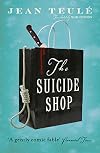
If, like mine, your definition of “science fiction” is so loose it’s practically falling apart, you might class this novel as SF—it is at least set in the future. There’s nothing futuristic about it though, more sort of sideways-istic, just odd.
The Tuvache family run the shop of the book’s title, which sells lengths of rope (noose ready-tied), razor blades, ceremonial swords, ammunition, breeze-blocks (rope ready attached) and a wide range of poisons. From the few glimpses show more we get of it, this future is a thoroughly unpleasant one and the shop has a steady stream of customers—particularly from the appalling modern housing-complex opposite—who are ready to end it all; and the Tuvaches provide, not only the means, but also advice. The motto of the Suicide Shop is, “Has your life been a failure? Let’s make your death a success!” and Monsieur Tuvache explains its philosophy: “Too many people do an amateurish job…find themselves disabled in wheelchairs, disfigured for life… Our suicides are guaranteed. Death or your money back!”
To the proprietors themselves, though, this is more than just a business; suicide is in their blood and, like the Addams Family, they see the world in reverse, preferring ugliness, pessimism and self-destruction. All, that is, except the youngest Tuvache: he’s irrepressibly happy, sees good in everything and spends his days singing, blowing soap-bubbles and doing something none of the others would dream of doing: laughing. You could say he’s the white sheep of the family.
Penned by film-maker Jean Teulé, the writing style here is comic, light, and I think I see what he’s trying to do: he’s talking life up, saying, “Don’t throw your life away, live your life to the full,” using an inside-out way of saying it. And halfway through I was thinking, “This isn’t making fun of suicide or despair…” but now I’m not so sure; depression is by a distance the worst thing in the world and can there ever be a good enough excuse for making light of it?
A strange novel this: quirky (which I like), funny, entertaining, but which at the same time left me feeling uneasy and undecided. show less
The Tuvache family run the shop of the book’s title, which sells lengths of rope (noose ready-tied), razor blades, ceremonial swords, ammunition, breeze-blocks (rope ready attached) and a wide range of poisons. From the few glimpses show more we get of it, this future is a thoroughly unpleasant one and the shop has a steady stream of customers—particularly from the appalling modern housing-complex opposite—who are ready to end it all; and the Tuvaches provide, not only the means, but also advice. The motto of the Suicide Shop is, “Has your life been a failure? Let’s make your death a success!” and Monsieur Tuvache explains its philosophy: “Too many people do an amateurish job…find themselves disabled in wheelchairs, disfigured for life… Our suicides are guaranteed. Death or your money back!”
To the proprietors themselves, though, this is more than just a business; suicide is in their blood and, like the Addams Family, they see the world in reverse, preferring ugliness, pessimism and self-destruction. All, that is, except the youngest Tuvache: he’s irrepressibly happy, sees good in everything and spends his days singing, blowing soap-bubbles and doing something none of the others would dream of doing: laughing. You could say he’s the white sheep of the family.
Penned by film-maker Jean Teulé, the writing style here is comic, light, and I think I see what he’s trying to do: he’s talking life up, saying, “Don’t throw your life away, live your life to the full,” using an inside-out way of saying it. And halfway through I was thinking, “This isn’t making fun of suicide or despair…” but now I’m not so sure; depression is by a distance the worst thing in the world and can there ever be a good enough excuse for making light of it?
A strange novel this: quirky (which I like), funny, entertaining, but which at the same time left me feeling uneasy and undecided. show less
Wow. This novella about a shop run by a French family that sells methods for committing suicide blew my mind and broke my heart. Black humor followed by utter blackness. I loved it but the ending turned that love to hate in less than a handful of words. This is one book where you just can't read the end first. It would taint your entire reading experience. And now everyone wants to pick it up and read those words, right? But I promise you, you will ruin everything. Just go find this one and show more read it (or don't if you don't want your heart broken into a million pieces).
http://webereading.com/2015/04/cleaning-slate-bunch-of-quick-reviews.html show less
http://webereading.com/2015/04/cleaning-slate-bunch-of-quick-reviews.html show less
You could be forgiven for wondering how a gloom-ridden, dirge-like book that touts suicide as a reasonable choice for someone who has failed at life can be funny. After all, suicide is a devastating option and it tears the heart out of those left behind. But fiction is a different animal than real life and in the case of Jean Teule's The Suicide Shop, the topic of suicide as a best option scenario is not only presented but celebrated in a blackly comic way.
The Tuvache family have been the show more careful proprietors of a suicide shop for generations. They are especially proud that they have no repeat customers, having suggested the perfect method and offered explicit directions to each person they have served, thereby helping them to have a successful death. They offer all different options to help people prematurely leave this vale of tears and they do it well. But all is not right in the Tuvache family. Father Mishima, mother Lucrece, oldest brother Vincent, and daughter Marilyn (gotta love the blatant symbolism in each of these names) are all properly gloomy and as somber as undertakers. But youngest son Alan is, from the cradle, a spark of light, happiness, and joy, a trait that is killing the family business. Because Alan helps people see that life will improve, that this low point isn't forever, and that they have a reason to go on. And surprisingly many people do choose to go on after his smiling, cheerful hope and caring.
Alan is entirely too sunny for a suicide shop and his parents want to smother the spark of optimism right out of him. He is portrayed as a typical youngest child, buzzing around, annoying his siblings, and acting completely contrarily to what his family wants from him. The novel is short and unexpected and the humor is definitely of the dark variety. The description of the things for sale in the shop are lovingly detailed and the reader can just see the whole fascinatingly morbid place. The writing is very minimalist and the tone starts as sad and pessimistic but lightens as the storyline unfolds. Alan's perpetual charm and determined positivity are the driving force of the plot as his family and the store's customers react to him, causing business to drop and mental outlooks to improve. This is an odd little book but as much as it seems to be about death, it is just as much about attitude and hope and belief in an improved future. And if you decide to read it, get back to me on just what's up with that ending, will you? show less
The Tuvache family have been the show more careful proprietors of a suicide shop for generations. They are especially proud that they have no repeat customers, having suggested the perfect method and offered explicit directions to each person they have served, thereby helping them to have a successful death. They offer all different options to help people prematurely leave this vale of tears and they do it well. But all is not right in the Tuvache family. Father Mishima, mother Lucrece, oldest brother Vincent, and daughter Marilyn (gotta love the blatant symbolism in each of these names) are all properly gloomy and as somber as undertakers. But youngest son Alan is, from the cradle, a spark of light, happiness, and joy, a trait that is killing the family business. Because Alan helps people see that life will improve, that this low point isn't forever, and that they have a reason to go on. And surprisingly many people do choose to go on after his smiling, cheerful hope and caring.
Alan is entirely too sunny for a suicide shop and his parents want to smother the spark of optimism right out of him. He is portrayed as a typical youngest child, buzzing around, annoying his siblings, and acting completely contrarily to what his family wants from him. The novel is short and unexpected and the humor is definitely of the dark variety. The description of the things for sale in the shop are lovingly detailed and the reader can just see the whole fascinatingly morbid place. The writing is very minimalist and the tone starts as sad and pessimistic but lightens as the storyline unfolds. Alan's perpetual charm and determined positivity are the driving force of the plot as his family and the store's customers react to him, causing business to drop and mental outlooks to improve. This is an odd little book but as much as it seems to be about death, it is just as much about attitude and hope and belief in an improved future. And if you decide to read it, get back to me on just what's up with that ending, will you? show less
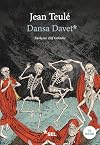
"Dans etmek bir çığlığı susturmak mı?"
Dansa Davet, 1518 yılında görülen, dünyanın en ilginç toplumsal histeri vakalarından birinin hikâyesini anlatıyor. Strasbourg'da açlık ve sefaletin, insanları cinayete sürükleyen bir yokluğun hüküm sürdüğü zamanlarda, ıstırabından aklını yitiren bir kadın, aniden sokaklarda dans etmeye başlar. Kısa bir süre içinde ona katılanların sayısı gitgide artar ve "Dans Vebası" tüm şehri esir alır. Binlerce insan show more yaşadıkları ağır travmalar sonucunda bilincini yitirip ölene dek dans eder durur. show less
Dansa Davet, 1518 yılında görülen, dünyanın en ilginç toplumsal histeri vakalarından birinin hikâyesini anlatıyor. Strasbourg'da açlık ve sefaletin, insanları cinayete sürükleyen bir yokluğun hüküm sürdüğü zamanlarda, ıstırabından aklını yitiren bir kadın, aniden sokaklarda dans etmeye başlar. Kısa bir süre içinde ona katılanların sayısı gitgide artar ve "Dans Vebası" tüm şehri esir alır. Binlerce insan show more yaşadıkları ağır travmalar sonucunda bilincini yitirip ölene dek dans eder durur. show less
Lists
Awards


You May Also Like


Associated Authors
Statistics
- Works
- 27
- Also by
- 1
- Members
- 1,568
- Popularity
- #16,460
- Rating
- 3.3
- Reviews
- 83
- ISBNs
- 128
- Languages
- 11
- Favorited
- 2
