
Michelle Cliff (1946–2016)
Author of No Telephone to Heaven
About the Author
Michelle Carla Cliff was born in Kingston, Jamaica on November 2, 1946. She received a bachelor's degree in European history from Wagner College in 1969. She briefly worked as a researcher at Time-Life Books and as a production editor at W. W. Norton. At the University of London, she studied art at show more the Warburg Institute and received a master of philosophy degree in 1974 after writing a thesis on the Italian Renaissance. She returned to Norton and worked as a production editor for books on history, women's studies, and politics. Her first book, Claiming an Identity They Taught Me to Despise, was published in 1980. Her other books included The Land of Look Behind: Prose and Poetry, The Store of a Million Items, and If I Could Write This in Fire. Her first novel, Abeng, was published in 1984. Her other novels include No Telephone to Heaven, Free Enterprise: A Novel of Mary Ellen Pleasant, and Into the Interior. She died from liver failure on June 12, 2016 at the age of 69. (Bowker Author Biography) show less
Works by Michelle Cliff
Sinister Wisdom 22/23: A Gathering of Spirit: North American Indian Women's Issue (1983) — Editor — 20 copies
Cliff, Michelle Archive 2 copies
Sinister Wisdom — Editor — 1 copy
Associated Works
The Norton Anthology of African American Literature {2nd edition} (2003) — Contributor, some editions — 283 copies, 2 reviews
Daughters of Africa: An International Anthology of Words and Writings by Women of African Descent from the Ancient Egyptian to the Present (1992) — Contributor — 186 copies
Black Like Us: A Century of Lesbian, Gay, and Bisexual African American Fiction (2002) — Contributor — 127 copies, 1 review
Women on Women 3: A New Anthology of American Lesbian Fiction (1996) — Contributor — 112 copies, 2 reviews
Our Caribbean: A Gathering of Lesbian and Gay Writing from the Antilles (2008) — Contributor — 57 copies, 1 review
Her True-True Name : an anthology of women's writing from the Caribbean (1989) — Contributor — 48 copies
Stories from Blue Latitudes: Caribbean Women Writers at Home and Abroad (2006) — Contributor — 32 copies
Tagged
Common Knowledge
- Birthdate
- 1946-11-02
- Date of death
- 2016-06-12
- Gender
- female
- Education
- Wagner College
Warburg Institute - Occupations
- professor
author - Relationships
- Rich, Adrienne (partner)
- Cause of death
- liver failure
- Nationality
- Jamaica
USA - Birthplace
- Kingston, Jamaica
- Places of residence
- Santa Cruz, California, USA
New York, New York, USA - Map Location
- Jamaica
Members
Reviews
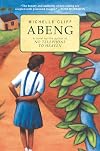
Abeng is a coming-of-age story of a mixed race Jamaican girl in the 1950s. Clare's father is from a “white” family (still mixed race, but lighter skinned) while her mother is “red” (darker skinned and thus of a lower social status). Clare isn't sure where she fits in. She feels closer to her father but is disturbed by his racist views. Clare knows that there is a distance in her relationship with her mother. It troubles her, particularly since she's not sure of its cause. Clare lives show more in the city but spends the summers in the country with her maternal grandmother. Her playmate is a country girl named Zoe. Clare wants to believe she and Zoe are lifelong friends. She's either naïve or willfully blind to the social inequalities that prevent their relationship from being a true friendship. One mistake changes everything in Clare's world.
The book is structured in disjointed narratives. Clare's story occupies the most space. However, there are also sections about her family history (both sides) and Jamaican history. The symbolism is a bit heavy-handed. Clare's father descends from a white slave owner, and they share his family name, Savage. Clare's mother comes from a poor family descended from slaves; her family name is Freeman. The introductory notes explain that “abeng” is an African word for “conch shell”, and that it was used by the Maroons to reach one another. Throughout the novel Clare is trying to figure out how to connect with others, particularly other women such as her mother and her friend Zoe. The book's themes include Jamaican history, colonialism, adolescence, race, family relationships, friendship, feminism, and sexuality, including an undercurrent of lesbian attraction. show less
The book is structured in disjointed narratives. Clare's story occupies the most space. However, there are also sections about her family history (both sides) and Jamaican history. The symbolism is a bit heavy-handed. Clare's father descends from a white slave owner, and they share his family name, Savage. Clare's mother comes from a poor family descended from slaves; her family name is Freeman. The introductory notes explain that “abeng” is an African word for “conch shell”, and that it was used by the Maroons to reach one another. Throughout the novel Clare is trying to figure out how to connect with others, particularly other women such as her mother and her friend Zoe. The book's themes include Jamaican history, colonialism, adolescence, race, family relationships, friendship, feminism, and sexuality, including an undercurrent of lesbian attraction. show less
Some of the stories in Everything Is Now are more like vignettes, or prose poems, shiny and compelling but brief notions, perhaps, from her “Store of a Million Items.” Often moving and beautifully written, Michelle Cliff could be speaking about herself and her work when writing about the title character of “Keeper of Souls” who creates an altar made up of
…things Sam arranged and rearranged, as his vision moved him. Things collected. Things the earth had yielded after a summer show more downpour, a spring thaw. Things the blade of his tiller turned up. Shards working their way back to the surface….You never know what you might find.
http://www.lambdaliterary.org/reviews/06/29/everything-is-now-by-michelle-cliff/ show less
…things Sam arranged and rearranged, as his vision moved him. Things collected. Things the earth had yielded after a summer show more downpour, a spring thaw. Things the blade of his tiller turned up. Shards working their way back to the surface….You never know what you might find.
http://www.lambdaliterary.org/reviews/06/29/everything-is-now-by-michelle-cliff/ show less
This book is a prequel to No Telephone in Heaven which I have not read. It's a coming of age novel about Clare Savage. I found this to be an interesting look into Jamaican culture. Parts of the story are in the present; parts detail aspects of the island's history and information on prior generations of the Savage family (and other island families). I enjoyed reading about the differences in worship of various island groups when that aspect of the island's culture was featured. Exploration show more of race issues, particular black, white, and mulatto, were explored. I felt that there were some "unfinished" aspects of the novel, but this is probably due to its prequel nature. show less
I love this author and have read all her books. She is one of the few white Caribbean authors who engages head on with the complexities of race in the Caribbean. This book uses Jamaican mythology and spirituality. Powerful stuff.
Lists
Awards


You May Also Like


Associated Authors
Statistics
- Works
- 21
- Also by
- 19
- Members
- 1,074
- Popularity
- #23,943
- Rating
- 3.7
- Reviews
- 6
- ISBNs
- 39
- Languages
- 1
- Favorited
- 4