
Lila Azam Zanganeh
Author of My Sister, Guard Your Veil; My Brother, Guard Your Eyes: Uncensored Iranian Voices
About the Author
Works by Lila Azam Zanganeh
My Sister, Guard Your Veil; My Brother, Guard Your Eyes: Uncensored Iranian Voices (2006) — Editor; Introduction — 113 copies, 3 reviews
Tagged
Common Knowledge
- Gender
- female
- Education
- École Normale Supérieure
Columbia University - Organizations
- Harvard University
- Nationality
- France
- Birthplace
- Paris, France
- Places of residence
- Paris, France
New York, New York, USA - Associated Place (for map)
- France
Members
Reviews
My Sister, Guard Your Veil; My Brother, Guard Your Eyes: Uncensored Iranian Voices by Lila Azam Zanganeh
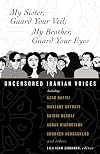
My Sister, Guard Your Veil; My Brother, Guard Your Eyes, Uncensored Iranian Voices, edited by Lila Azam Zanganeh (pp 128). Published 2006. This collection of essays and interviews presents a wide variety of viewpoints on art, Iran, the 1979 Revolution, life, counter-culture, repression, freedom, and much more. It’s easy to mischaracterize this book as a collection of laments about post-revolutionary Iran, but while there is plenty of criticism, in my opinion it’s a celebration of Iran show more and Iranians. It was fun to read authors with which I am familiar, like Azar Nafisi (Reading Lolita in Tehran); Marjane Satrapi (Persepolis 1 and Persepolis 2), and Reza Azlan (No god but God). More importantly, is was nice to learn about other writers and artists: actress Shohreh, Aghdashloo, writer Gelareh Asayesh, filmmaker Abbas Kiarostami, and others — fifteen in all. Most, but not all of the artists are or were expatriates at one point. It’s easy to say those who fled had fled Iran, but that isn’t accurate. Rather, they fled certain conditions, strictures, and people in Iran, but no matter where they landed, they all held tightly to their home country. My stay in Iran in, I think, 1974 was fleeting, but my memory of the country that dazzled and intrigued me came alive while reading these insightful essays and interviews. For anyone who “knows” about Iran only from what they read in the American press, and want a more accurate understanding of the country (at least from artists’ perspectives, please consider reading this collection. Given that many (most?) Americans’ first notice of Iran was the hostages from the American Embassy takeover in 1979, you might also want to read Guests of the Ayatollah, by Mark Bowden, but don’t read it first. Also, do read the other three books mentioned above. Great book! show less
Il merito di questo testo e' risvegliare l'interesse in Nabokov per chi Nabokov gia' lo conosce, per chi lo vorrebbe rileggere (perche' i libri non si possono leggere, ma solo rileggere), per chi vuole bearsi dell'estasi delle parole.
Per chi non lo conosce, credo possa costituire una lieve perdita di tempo, anche se le parole del sommo ne aumentano il valore.
Per chi non lo conosce, credo possa costituire una lieve perdita di tempo, anche se le parole del sommo ne aumentano il valore.

The book, with Rushdie and Pamuk as god-fathers, truly seeks to enchant the reader and succeeds. Both the late Nabokov and the live author in a rare kind of unisson achieve this effect and the reader is like a collector of butterflies, words and moments. 'The Enchanter' propels you into reading and re-reading Nabokov, 'Speak, Memory', 'Lolita', 'Ada or Ardor' and so on.
My Sister, Guard Your Veil; My Brother, Guard Your Eyes: Uncensored Iranian Voices by Lila Azam Zanganeh
I liked the idea of the book: compiling essays by people from Iran in order to show the world Iran's true identity. Unfortunately, I found nearly every essay in the book extremely boring... While the book does give a little bit of an inside look into Iran, I find it somewhat ironic that most of the authors are banned from Iran, and some have not been back to their country in over 20 years... so are we reading about what Iran was, or is? And if they are telling about what it is, is it a valid show more portrait if the author has not been there is nearly 20 years? Perhaps I just need something a little more intriguing.While there were some decent personal essays that made me think about racism, women's roles in different societies, etc., many of the critical essays were similar to my students' writing for assignments. I really couldn't stand the personal interviews, which were very weak and didn't give enough background information in order to make the read compelling... and perhaps that's my main issue with the essays? Even some of the personal essays did not give enough background information about certain aspects they were talking about, and if we read something that is not explained, we become confused and, ultimately, bored. show less
You May Also Like


Associated Authors
Statistics
- Works
- 6
- Members
- 205
- Popularity
- #107,801
- Rating
- 3.4
- Reviews
- 6
- ISBNs
- 16
- Languages
- 8