
Riccardo Bacchelli (1891–1985)
Author of The Mill on the Po
About the Author
Series
Works by Riccardo Bacchelli
Il Rabdomante 8 copies
Oggi domani e mai 5 copies
La congiura di don Giulio d'Este 5 copies
Rossini 4 copies
Il sommergibile : romanzo 3 copies
Iride 3 copies
Il coccio di terracotta 3 copies
La città degli amanti. Una passione coniugale. Vol. IV° di Tutte le opere di R. Bacchelli. (1962) 2 copies
Il progresso è un razzo 2 copies
Teatro. Due volumi 2 copies
Confessioni letterarie 1 copy
America in confidenza 1 copy
La politica di un impolitico, 1914-1945: dieci anni di ansie: due saggi su Giolitti e altri scritti 1 copy
Emilia Romagna 1 copy
Un romanzo d'amore 1 copy
Bacchelli Riccardo 1 copy
I grandi scrittori di Epoca| 1 copy
Tutte le novelle (1911-1951) 1 copy
Associated Works
Halt auf freiem Felde : Eisenbahnabenteuer von Agatha Christie bis Tucholsky (1975) — Author — 2 copies
Tagged
Common Knowledge
- Canonical name
- Bacchelli, Riccardo
- Other names
- BACCHELLI, Riccardo
- Birthdate
- 1891-04-19
- Date of death
- 1985-10-08
- Education
- Università di Bologna, Italy
- Awards and honors
- Knight Grand Cross of the Order of Merit of the Italian Republic (1971)
- Nationality
- Italy
- Birthplace
- Bologna, Italy
- Place of death
- Monza, Italy
- Associated Place (for map)
- Italy
Members
Reviews
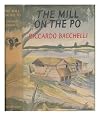
Riccardo Bacchelli - [The Mill on the Po]
'WATER RATS AND WERE RABBITS'
This is the first two parts in translation of Bacchelli's magnum opus The Mill on the Po ( Il Molino del Po) First published in Italy between 1938-40 it tells the story of Lazzaro Scacerni a mill owner on the River Po with a background of Italian history from the Age of Napoleon to the first world war. Lazzaro Scacerni and his extended family are fictional, but the events that shaped their lives and the officials and show more politicians that they encounter are the result of some meticulous research by Bacchelli. The book has the feel of an historical novel and the grand sweep of history encompassing some the events of the Unification and beyond, as well as the continual battle against flooding and deprivation in the Po valley ensures that the family story is rich in context.
We are introduced to Lazzaro Scacerni as an Italian volunteer in Napoloen's Grand army during the retreat from Moscow. Immediately we are plunged into a world where survival is a battle between man and nature, the remnants of the army are fleeing from the Russian Cossacks and the partly frozen river Vop is the next barrier to their escape. Scacerni goes to the assistance of an officer and risks his life getting him across the river, however the officer is mortally injured and gives Scacerni a promissory note in an ivory case, muttering that it is for treasure looted from a church, which will lead to damnation to the holder. Scacerni makes it back to Italy and in Ferrara redeems his note and with the proceeds decides to set himself up as a miller on the river Po. Scacerni's idea is that people will always need grain for bread and the cheapest way to set up his new career is to have a floating mill on the river. The story follows this honest man's struggles to make a living, and his uneasy relationships with the local bandits, and the customs officials and the smugglers at a time when the Austrian Empire control the other side of the river. He marries, has a son and a surrogate daughter arrives in the form of a near drowned teenager. Giuseppe the son is almost the complete opposite to his father in appearance and manners and is nicknamed 'Were Rabbit', Afraid of the water his only interest is making money and the second part of the story follows his attempts to get ahead.
The novel combines the authentic feel of the beauty and dangers of an artisan's life on a floating mill with events largely beyond his control that will decide his fate. Bacchelli leaves the reader in no doubt as to what he is trying to achieve and in a somewhat clumsy piece of authorial intervention tells us:
"How often poetic recreation is a resurrection of the dead and an interpretation of their lives like the one the gypsy woman made of my grandmother's, only looking back instead of forward. In this epic of the water mills the writer'e endeavour has been to poeticise a century and to celebrate the tenacious humility of the little people of Italy."
"The tenacious humility of the little people of Italy" does sound a little patronising and Baccelli's somewhat right of centre viewpoint might cause a raised eyebrow with some modern readers. The church was a huge influence on the life of many of these ordinary people in the novel but was being challenged by scientific progress and left wing agitators. Bacchelli rehearses some of these arguments through his characters, but this reader was in no doubt where his sympathies lay. When at a time of crisis one of his characters cries 'God have mercy on us' Bacchelli tells us:
'This prayer illustrates one of the deep meanings of the Christian religion, which gives mans faith in God's mercy at a critical juncture like this, where a pagan would be overcome by the blind violence of nature and call it fate or else a piece of treachery on the part of his capricious deities. For no one could see this condition of the Po without feeling that it was the expression of some immense and evil will.'
Lazzaro is a good catholic although not an intensely religious man, but he has plenty of catholic guilt not only because of his inheritance of the spoils from a church, but also with the actions he is forced to take with the criminal fraternity. The church in a region controlled by the Pope (Papal states) is a powerful figure in many ordinary lives and gives shape to their daily life and Bacchelli is probably right to remind us of this.
Characterisation is a strong ingredient of this novel and Bacchelli makes his readers feel for his characters, even the cold hearted 'Were rabbit' can elicit reader sympathy, however it is the youthful adventurer Lazzaro who develops into a thoughtful honest man in his middle years before turning into a reactionary figure in his old age that is at the centre of much of this story. There are strong female characters as well: the near drowned teenager Cecilia who becomes a mill owner of some independence and Lazzaro's wife who negotiates the uneasy relationship between Lazarro and his son 'Were rabbit' But of course it is largely a man's world which fits well with the author's outlook.
The action scene are full of grit, determination and horror and Baccelli's places his characters in situations where they are tested to the limit. Lazzaro crossing the river Vop, 'Were rabbit trying to save his skin at the siege of Bologna, Lazzarino; Were rabbits son in Garibaldi's rag tag army outside Rome and Cecilia trying to save her husband from the flood waters. Running in conjunction with the action scenes are the internal politics, the Machiavellian operators both in government and in the criminal world, whose actions directly and indirectly provide further tests for the Scacerni family.
This is a novel that looks backwards rather than forwards both in its subject matter and in its general outlook; it is no coincidence that the strongest character becomes a reactionary in his later years. The story is told in a straightforward linear fashion that harks back to the previous century. I suspect that Bacchelli is an author who is scarcely read today and this is a pity, if his somewhat old fashioned style is a barrier to some. Its strength lies in its ability to transport the reader into the world of the river mill owners and their struggle to survive in a world where politics and criminality seemed to run hand in hand and nature was always there to mop up the pieces. It's strength also lies in its careful research of the subject matter and Bacchelli's ability to transfer that into good writing (the translation by Frances Frenaye from 1952 reads well enough) Before reading this book I knew nothing about the floating corn mills and little about the Po valley. This was a book that had been lurking on my bookshelves, but it is only the first two parts of the trilogy - I have ordered the third part and so 4 stars. show less
'WATER RATS AND WERE RABBITS'
This is the first two parts in translation of Bacchelli's magnum opus The Mill on the Po ( Il Molino del Po) First published in Italy between 1938-40 it tells the story of Lazzaro Scacerni a mill owner on the River Po with a background of Italian history from the Age of Napoleon to the first world war. Lazzaro Scacerni and his extended family are fictional, but the events that shaped their lives and the officials and show more politicians that they encounter are the result of some meticulous research by Bacchelli. The book has the feel of an historical novel and the grand sweep of history encompassing some the events of the Unification and beyond, as well as the continual battle against flooding and deprivation in the Po valley ensures that the family story is rich in context.
We are introduced to Lazzaro Scacerni as an Italian volunteer in Napoloen's Grand army during the retreat from Moscow. Immediately we are plunged into a world where survival is a battle between man and nature, the remnants of the army are fleeing from the Russian Cossacks and the partly frozen river Vop is the next barrier to their escape. Scacerni goes to the assistance of an officer and risks his life getting him across the river, however the officer is mortally injured and gives Scacerni a promissory note in an ivory case, muttering that it is for treasure looted from a church, which will lead to damnation to the holder. Scacerni makes it back to Italy and in Ferrara redeems his note and with the proceeds decides to set himself up as a miller on the river Po. Scacerni's idea is that people will always need grain for bread and the cheapest way to set up his new career is to have a floating mill on the river. The story follows this honest man's struggles to make a living, and his uneasy relationships with the local bandits, and the customs officials and the smugglers at a time when the Austrian Empire control the other side of the river. He marries, has a son and a surrogate daughter arrives in the form of a near drowned teenager. Giuseppe the son is almost the complete opposite to his father in appearance and manners and is nicknamed 'Were Rabbit', Afraid of the water his only interest is making money and the second part of the story follows his attempts to get ahead.
The novel combines the authentic feel of the beauty and dangers of an artisan's life on a floating mill with events largely beyond his control that will decide his fate. Bacchelli leaves the reader in no doubt as to what he is trying to achieve and in a somewhat clumsy piece of authorial intervention tells us:
"How often poetic recreation is a resurrection of the dead and an interpretation of their lives like the one the gypsy woman made of my grandmother's, only looking back instead of forward. In this epic of the water mills the writer'e endeavour has been to poeticise a century and to celebrate the tenacious humility of the little people of Italy."
"The tenacious humility of the little people of Italy" does sound a little patronising and Baccelli's somewhat right of centre viewpoint might cause a raised eyebrow with some modern readers. The church was a huge influence on the life of many of these ordinary people in the novel but was being challenged by scientific progress and left wing agitators. Bacchelli rehearses some of these arguments through his characters, but this reader was in no doubt where his sympathies lay. When at a time of crisis one of his characters cries 'God have mercy on us' Bacchelli tells us:
'This prayer illustrates one of the deep meanings of the Christian religion, which gives mans faith in God's mercy at a critical juncture like this, where a pagan would be overcome by the blind violence of nature and call it fate or else a piece of treachery on the part of his capricious deities. For no one could see this condition of the Po without feeling that it was the expression of some immense and evil will.'
Lazzaro is a good catholic although not an intensely religious man, but he has plenty of catholic guilt not only because of his inheritance of the spoils from a church, but also with the actions he is forced to take with the criminal fraternity. The church in a region controlled by the Pope (Papal states) is a powerful figure in many ordinary lives and gives shape to their daily life and Bacchelli is probably right to remind us of this.
Characterisation is a strong ingredient of this novel and Bacchelli makes his readers feel for his characters, even the cold hearted 'Were rabbit' can elicit reader sympathy, however it is the youthful adventurer Lazzaro who develops into a thoughtful honest man in his middle years before turning into a reactionary figure in his old age that is at the centre of much of this story. There are strong female characters as well: the near drowned teenager Cecilia who becomes a mill owner of some independence and Lazzaro's wife who negotiates the uneasy relationship between Lazarro and his son 'Were rabbit' But of course it is largely a man's world which fits well with the author's outlook.
The action scene are full of grit, determination and horror and Baccelli's places his characters in situations where they are tested to the limit. Lazzaro crossing the river Vop, 'Were rabbit trying to save his skin at the siege of Bologna, Lazzarino; Were rabbits son in Garibaldi's rag tag army outside Rome and Cecilia trying to save her husband from the flood waters. Running in conjunction with the action scenes are the internal politics, the Machiavellian operators both in government and in the criminal world, whose actions directly and indirectly provide further tests for the Scacerni family.
This is a novel that looks backwards rather than forwards both in its subject matter and in its general outlook; it is no coincidence that the strongest character becomes a reactionary in his later years. The story is told in a straightforward linear fashion that harks back to the previous century. I suspect that Bacchelli is an author who is scarcely read today and this is a pity, if his somewhat old fashioned style is a barrier to some. Its strength lies in its ability to transport the reader into the world of the river mill owners and their struggle to survive in a world where politics and criminality seemed to run hand in hand and nature was always there to mop up the pieces. It's strength also lies in its careful research of the subject matter and Bacchelli's ability to transfer that into good writing (the translation by Frances Frenaye from 1952 reads well enough) Before reading this book I knew nothing about the floating corn mills and little about the Po valley. This was a book that had been lurking on my bookshelves, but it is only the first two parts of the trilogy - I have ordered the third part and so 4 stars. show less

Un romanzo composito in tre parti, che s’ingegna di incastonare il racconto principale che costituisce la parte centrale ― un amore impossibile sbocciato tra l’ufficiale napoletano Enrico De Nada e la profuga gentildonna veneziana Cecchina Gritti durante le peripezie seguite alla rotta di Caporetto — in una cornice improbabile e bislacca: l’ideazione, fondazione, corso e decadenza finale di una utopica (o piuttosto, come chiarirà la terza parte, distopica) “città degli show more amanti” a opera di uno squinternato ma simpatico tycoon americano che risponde al nome reboante di Titus Tubalcain Pankoucke e del suo protetto, il sedicente pittore e innamorato fallito che risponde al nome non meno magniloquente di Eustachius Vandenpeereboom.
La seconda parte — il romanzo di Enrico e Cecchina — è la piú riuscita, laddove l’umanità di Bacchelli si dispiega in un ampio affresco di vicissitudini e sentimenti fomentati dall’aspro crogiuolo della guerra. Ma l’operazione nel suo insieme va a male: non riusciamo a credere di ritrovare nella terza parte Enrico e Cecchina, di cui abbiamo ammirato la delicata sensibilità e l’alta tempra morale nella seconda, in quel postribolo da operetta, che per giunta Bacchelli è impari al compito di descrivere per la sua insormontabile pruderie ancora ottocentesca. Cosí finisce di far un catalogo di perversioni di ogni sorta (fino al vampirismo) evitando accuratamente quelle propriamente erotiche, che piú vi avrebbero avuto luogo.
Inoltre, prende a discettare e infila una serie di spropositi che certo suonavano già retrivi alle orecchie di molti al suo tempo, e oggidí non sono piú ammissibili: dal “sangue latino” che “è, sia permesso dire, l’unico sangue purgato” (pag. 251 della mitica edizione Oscar Mondadori 1966); alla “suffragetta” persuasa che tutti i mali della società siano “guaribili col voto alle donne”, e — guarda caso, “brutta come un coccodrillo” (p. 240); alle “rette e coraggiose parole di civiltà” pronunciate dal “valoroso hidalgo” Cortez quando decretò il genocidio degli “idolatri” (p. 254) — e qui mi fermo, non senza citare ancora il giudizio sommario sul finale del Parsifal, “inverecondo per ogni uomo di gusto” come la dottrina eucaristica di Lutero (! ma che c’entra?) perché reo di aver scatenato l’orchestra senza tener conto del precetto di S. Carlo sull’opportunità di preservare l’azione liturgica dalle intemperanze della musica! (p. 259).
Ahimé, Bacchelli! meglio era tener per te coteste tue elucubrazioni, e contentarti di toccar la corda della dipinzione degli umani affetti, che è quella che meglio ti vibra! show less
La seconda parte — il romanzo di Enrico e Cecchina — è la piú riuscita, laddove l’umanità di Bacchelli si dispiega in un ampio affresco di vicissitudini e sentimenti fomentati dall’aspro crogiuolo della guerra. Ma l’operazione nel suo insieme va a male: non riusciamo a credere di ritrovare nella terza parte Enrico e Cecchina, di cui abbiamo ammirato la delicata sensibilità e l’alta tempra morale nella seconda, in quel postribolo da operetta, che per giunta Bacchelli è impari al compito di descrivere per la sua insormontabile pruderie ancora ottocentesca. Cosí finisce di far un catalogo di perversioni di ogni sorta (fino al vampirismo) evitando accuratamente quelle propriamente erotiche, che piú vi avrebbero avuto luogo.
Inoltre, prende a discettare e infila una serie di spropositi che certo suonavano già retrivi alle orecchie di molti al suo tempo, e oggidí non sono piú ammissibili: dal “sangue latino” che “è, sia permesso dire, l’unico sangue purgato” (pag. 251 della mitica edizione Oscar Mondadori 1966); alla “suffragetta” persuasa che tutti i mali della società siano “guaribili col voto alle donne”, e — guarda caso, “brutta come un coccodrillo” (p. 240); alle “rette e coraggiose parole di civiltà” pronunciate dal “valoroso hidalgo” Cortez quando decretò il genocidio degli “idolatri” (p. 254) — e qui mi fermo, non senza citare ancora il giudizio sommario sul finale del Parsifal, “inverecondo per ogni uomo di gusto” come la dottrina eucaristica di Lutero (! ma che c’entra?) perché reo di aver scatenato l’orchestra senza tener conto del precetto di S. Carlo sull’opportunità di preservare l’azione liturgica dalle intemperanze della musica! (p. 259).
Ahimé, Bacchelli! meglio era tener per te coteste tue elucubrazioni, e contentarti di toccar la corda della dipinzione degli umani affetti, che è quella che meglio ti vibra! show less
Feb 5, 2014 (Edited)Italian

Metafora sorprendente che sfrutta esasperate caratterizzazioni della fauna ittica per delineare con una certa maestria il paesaggio nazionale italiano degli anni '20.
Jun 7, 2008Italian

Nel corso della ritirata di Russia da parte delle truppe napoleoniche nel 1812 il soldato ferrarese Lazzaro Scacerni, uomo franco e generoso, salva da affogamento un ufficiale italiano, prete spretato e giacobino fanatico. Costui gli rivela in punto di morte, spinto non da gratitudine ma da intento diabolico, l'esistenza di un sacchetto di gioielli, frutto di un saccheggio sacrilego.
Quando Lazzaro Scacerni torna nella sua terra recupera i gioielli depositati presso un banco ebraico, e dopo show more vari tormenti di coscienza li vende ad un ricettatore ferrarese, chiamato il Raguseo. Con il ricavato si fa costruire un mulino fluviale, il San Michele, che viene ormeggiato sulle rive del Po alla Guarda Ferrarese[1].
Tra diverse difficoltà riesce ad avviare la propria attività di mugnaio e sposa la giovane contadina Dosolina. Insieme hanno un figlio, Giuseppe, nato in una notte di tregenda in cui Lazzaro rischia di perdere il mulino per un'eccezionale piena nel corso della quale si rompe malamente una gamba, restando zoppo per il resto della sua vita.
La consapevolezza di essere ora un padre di famiglia fanno prendere a Lazzaro la decisione di dover rompere i legami coi contrabbandieri, cui negli anni, senza mai impegnarsi completamente, aveva sempre offerto appoggio logistico. Poiché si rende conto che l'unico modo di potersi affrancare sta nell'eliminare il capo, quel Raguseo cui si era rivolto per vendere i gioielli maledetti, si reca a Ferrara deciso ad ucciderlo o a morire egli stesso. Viene però preceduto dal Fratognone, ex-braccio destro del Raguseo, da quest'ultimo, però, orribilmente menomato, che lo elimina durante una scossa di terremoto che ha fatto uscire il Raguseo dal palazzo dove stava costantemente rinchiuso.
Durante una nuova piena, nel 1839, lo Scacerni e i suoi aiutanti riescono a salvare il mulino Paneperso, che andava alla deriva e il cui proprietario era morto quando si erano rotti gli ormeggi. A bordo scoprono una giovinetta spaventata, Cecilia, figlia del defunto mugnaio. Lazzaro àncora il Paneperso al San Michele in modo che possano lavorare di conserva, e, in breve, si affeziona a Cecilia, cui la vita di mugnaia piace in modo particolare, trattandola come una figlia, mentre il vero figlio, l'albino Giuseppe, soprannominato "Coniglio mannaro" a causa del suo aspetto deforme e della sua assoluta, maniacale avidità, non ha mai voluto saperne di lavorare al mulino appassionandosi invece alla contabilità ed al commercio di granaglie.
Il primo volume termina nella notte del 18 dicembre 1848, in cui è visibile un'eccezionale aurora boreale, che Lazzaro, il suo aiutante e Cecilia osservano da bordo dei loro mulini, affascinati ma con la convinzione che lo straordinario fenomeno celeste stia ad annunciare che i tempi che stanno per arrivare, saranno particolarmente funesti. show less
Quando Lazzaro Scacerni torna nella sua terra recupera i gioielli depositati presso un banco ebraico, e dopo show more vari tormenti di coscienza li vende ad un ricettatore ferrarese, chiamato il Raguseo. Con il ricavato si fa costruire un mulino fluviale, il San Michele, che viene ormeggiato sulle rive del Po alla Guarda Ferrarese[1].
Tra diverse difficoltà riesce ad avviare la propria attività di mugnaio e sposa la giovane contadina Dosolina. Insieme hanno un figlio, Giuseppe, nato in una notte di tregenda in cui Lazzaro rischia di perdere il mulino per un'eccezionale piena nel corso della quale si rompe malamente una gamba, restando zoppo per il resto della sua vita.
La consapevolezza di essere ora un padre di famiglia fanno prendere a Lazzaro la decisione di dover rompere i legami coi contrabbandieri, cui negli anni, senza mai impegnarsi completamente, aveva sempre offerto appoggio logistico. Poiché si rende conto che l'unico modo di potersi affrancare sta nell'eliminare il capo, quel Raguseo cui si era rivolto per vendere i gioielli maledetti, si reca a Ferrara deciso ad ucciderlo o a morire egli stesso. Viene però preceduto dal Fratognone, ex-braccio destro del Raguseo, da quest'ultimo, però, orribilmente menomato, che lo elimina durante una scossa di terremoto che ha fatto uscire il Raguseo dal palazzo dove stava costantemente rinchiuso.
Durante una nuova piena, nel 1839, lo Scacerni e i suoi aiutanti riescono a salvare il mulino Paneperso, che andava alla deriva e il cui proprietario era morto quando si erano rotti gli ormeggi. A bordo scoprono una giovinetta spaventata, Cecilia, figlia del defunto mugnaio. Lazzaro àncora il Paneperso al San Michele in modo che possano lavorare di conserva, e, in breve, si affeziona a Cecilia, cui la vita di mugnaia piace in modo particolare, trattandola come una figlia, mentre il vero figlio, l'albino Giuseppe, soprannominato "Coniglio mannaro" a causa del suo aspetto deforme e della sua assoluta, maniacale avidità, non ha mai voluto saperne di lavorare al mulino appassionandosi invece alla contabilità ed al commercio di granaglie.
Il primo volume termina nella notte del 18 dicembre 1848, in cui è visibile un'eccezionale aurora boreale, che Lazzaro, il suo aiutante e Cecilia osservano da bordo dei loro mulini, affascinati ma con la convinzione che lo straordinario fenomeno celeste stia ad annunciare che i tempi che stanno per arrivare, saranno particolarmente funesti. show less
Lists
Awards


You May Also Like


Associated Authors
Statistics
- Works
- 98
- Also by
- 9
- Members
- 479
- Popularity
- #51,491
- Rating
- 3.8
- Reviews
- 10
- ISBNs
- 29
- Languages
- 4
- Favorited
- 1