
Dorothy Dodds Baker (1907–1968)
Author of Cassandra at the Wedding
About the Author
Works by Dorothy Dodds Baker
Associated Works
Tagged
Common Knowledge
- Birthdate
- 1907-04-21
- Date of death
- 1968-06-17
- Gender
- female
- Education
- Whittier College
University of California, Los Angeles (BA|MA) - Occupations
- novelist
language teacher
scriptwriter - Awards and honors
- Guggenheim Fellowship (1942)
Houghton Mifflin Literary Fellowship
American Academy of Arts and Letters Academy Award - Relationships
- Baker, Howard (husband)
- Short biography
- Dorothy Dodds was born in Missoula, Montana, and grew up in California. She attended Whittier College before transferring to the University of California, Los Angeles. After graduation, she traveled in France and then married Howard Baker, a poet, in 1930.
She taught French and Spanish in a private school in Oakland, California but then went back to UCLA to earn her master's degree in French in 1934. In 1938, she published her first novel, Young Man with a Horn, loosely based on the life of Bix Beiderbecke. It was adapted into a successful film in 1950. The novel was a hit and Dorothy Dodds Baker won a Houghton Mifflin Literary Fellowship and a Guggenheim Fellowship. Subsequent books included Trio (1943) Our Gifted Son (1948), and Cassandra at the Wedding (1962), which she said was based on her own two daughters.
In 1967, she co-wrote the script of "The Ninth Day" for television's Playhouse 90. She died of cancer at the age of 61. - Cause of death
- cancer
- Nationality
- USA
- Birthplace
- Missoula, Montana, USA
- Places of residence
- California, USA
- Place of death
- Terra Bella, California, USA
- Associated Place (for map)
- California, USA
Members
Discussions
148. Cassandra at the Wedding by Dorothy Baker in Backlisted Book Club (March 2022)
Reviews
“So go, girl. We should have been one person all along, not two.”
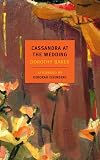
Cassandra at the Wedding was Dorothy Baker’s final novel – published in 1962 – it is a story far darkly, comic than the deceptively cosy title might lead one to expect. I actually have Young Man with a Horn tbr too – which was Bakers first novel. I wondered whether I should have started with that novel – but something about this appealed far more – it is one I have heard only good things about. The narrative show more voice is unforgettable – a character that is at once sympathetic and disturbing – Cassandra Edwards is the first person narrator of two of the three sections of the novel – the middle section being narrated by her sister Judith. Right from the beginning there is something in Cassandra’s tone that alerts us to trouble ahead.
“ I think all the time I was sizing up the bridge that the strong possibility was I’d go home, attend my sister’s wedding as invited, help hook-and-zip her into whatever she wore, take over the bouquet while she received the ring, through the nose or on the finger, wherever she chose to receive it, and hold my peace when it became a question of speaking now or forever holding it. I’d go, in all likelihood, and do everything an only attendant is expected to do. I’d probably dance attendance.
I didn’t even know who the groom was beyond that he was a graduate medical student she met in New York, and his name was Lynch, or maybe even Finch. Yes. Finch. John Thomas Finch. Where’d she meet him – Birdland?”
Cassandra is an identical twin; eleven minutes older than her sister Judith. On a hot day in June – the longest day in fact – she shuts up her apartment in Berkeley, California and sets off for her family’s ranch. Her sister Judith is getting married, and Cassandra’s attendance is required. Tidying away her thesis and covering up the piano she shared with her sister while they still lived together – Cassandra gets into the Riley that was once her mother’s for the five hour drive to the wedding she has no wish to go to. In the back is a dress she bought on her grandmother’s account to wear at the wedding Cassandra doesn’t believe should be taking place. The sisters have always been close – barely spending time apart – they had originally shared the apartment in Berkeley – until Judith suddenly decided to move to New York. In the apartment the Bösendorfer piano stands as a symbol of their tie to each other.
Cassandra is a brilliant graduate student, seemingly living on her nerves, she is miserable since her sister left for New York – convinced as she is that the two of them together only make one whole. The twins had previously little need of other people, they had existed very much for each other, Judith’s departure for New York was devastating for Cassandra – impacting on her health, her work and her emotions. Cassandra is hell-bent on sabotaging the wedding, barely eating, drinking far too much, she’s in a bitterly conniving mood when she sets off for the Sierras.
Cassandra is gay – she later tries to explain her feeling about men to her sister Judith.
“With men I feel like a bird in the clutch of a cat, terrified, caught in a nightmare of confinement, wanting nothing but to get free and take a shower.”
So struggling a little with her sexuality her grief over her mother’s death; a writer to whom Cassandra fears she is unable to live up to, wrestling with her thesis and missing her sister from whom she has been unused to being apart – Cassandra has become very disturbed. She has been consulting a therapist – and carries with her in a white clutch bag – sleeping pills and uppers. Growing up the two girls – very much at their mother’s instigation – were encouraged to develop their own identity – she had refused point blank to ever allow the girls to dress alike. Only now as Cassandra considers the possibility of Judith moving further away from her – severing the whole she believes them to be – she seems to be losing a sense of her own identity. On the road to her family home – Cassandra stops for a while at a roadside bar – catching sight of herself in the mirrored surface behind the bar.
“By a firm act of will I forced the face between the shelves to stop becoming Judith’s and become mine. My very own face – the face of a nice girl preparing to be a teacher, writing a thesis, being kind to her grandmother, going home a day early instead of a day late or the day I said, and bringing something decent to wear. But it can give me a turn, that face, any time I happen to catch it in a mirror; most particularly at times like this when I’m alone and have to admit it’s really mine because there’s no one else to accuse.”
Judith is engaged to a young doctor Jack Finch; the wedding is due to be quiet – just Judith, Cassandra their philosophy professor father, grandmother and the groom himself. Noticeably absent of course their mother Jane, who died three years earlier – the family ranch, however is filled with her presence. It’s only upon Cassandra’s arrival at the ranch that we meet the rest of the family – the twins’ hard drinking father – who retired from teaching unconventionally young – their well-meaning maternal grandmother, who is keen to feed, and who appears to have replaced her daughter as the mother figure in the household.
With Jack’s arrival the following day expected, and Judith planning to go and pick him up from the airport – Cassandra begins at once to try and put a spoke in the wheel. She shows herself to be selfish, reckless, self-absorbed, bossy and overly reliant on her sister. The reader may not always like her much but surely we can all sympathise with her misery – heartbroken as she is at what she fears she is losing. Baker throws some wonderfully comic touches into this short novel – so that this story never becomes too dark – there’s lightness and shade and some funny one liners – generally spoken by Cassandra – who I really rather loved, despite everything.
This is a wonderfully subtle novel – although it has a very definite sixties setting – there is a classic timelessness to it which prevents it ever feeling dated. I’m very glad I began with Dorothy Baker’s final novel – for me it feels as if it was a great place to start. show less
Cassandra at the Wedding was Dorothy Baker’s final novel – published in 1962 – it is a story far darkly, comic than the deceptively cosy title might lead one to expect. I actually have Young Man with a Horn tbr too – which was Bakers first novel. I wondered whether I should have started with that novel – but something about this appealed far more – it is one I have heard only good things about. The narrative show more voice is unforgettable – a character that is at once sympathetic and disturbing – Cassandra Edwards is the first person narrator of two of the three sections of the novel – the middle section being narrated by her sister Judith. Right from the beginning there is something in Cassandra’s tone that alerts us to trouble ahead.
“ I think all the time I was sizing up the bridge that the strong possibility was I’d go home, attend my sister’s wedding as invited, help hook-and-zip her into whatever she wore, take over the bouquet while she received the ring, through the nose or on the finger, wherever she chose to receive it, and hold my peace when it became a question of speaking now or forever holding it. I’d go, in all likelihood, and do everything an only attendant is expected to do. I’d probably dance attendance.
I didn’t even know who the groom was beyond that he was a graduate medical student she met in New York, and his name was Lynch, or maybe even Finch. Yes. Finch. John Thomas Finch. Where’d she meet him – Birdland?”
Cassandra is an identical twin; eleven minutes older than her sister Judith. On a hot day in June – the longest day in fact – she shuts up her apartment in Berkeley, California and sets off for her family’s ranch. Her sister Judith is getting married, and Cassandra’s attendance is required. Tidying away her thesis and covering up the piano she shared with her sister while they still lived together – Cassandra gets into the Riley that was once her mother’s for the five hour drive to the wedding she has no wish to go to. In the back is a dress she bought on her grandmother’s account to wear at the wedding Cassandra doesn’t believe should be taking place. The sisters have always been close – barely spending time apart – they had originally shared the apartment in Berkeley – until Judith suddenly decided to move to New York. In the apartment the Bösendorfer piano stands as a symbol of their tie to each other.
Cassandra is a brilliant graduate student, seemingly living on her nerves, she is miserable since her sister left for New York – convinced as she is that the two of them together only make one whole. The twins had previously little need of other people, they had existed very much for each other, Judith’s departure for New York was devastating for Cassandra – impacting on her health, her work and her emotions. Cassandra is hell-bent on sabotaging the wedding, barely eating, drinking far too much, she’s in a bitterly conniving mood when she sets off for the Sierras.
Cassandra is gay – she later tries to explain her feeling about men to her sister Judith.
“With men I feel like a bird in the clutch of a cat, terrified, caught in a nightmare of confinement, wanting nothing but to get free and take a shower.”
So struggling a little with her sexuality her grief over her mother’s death; a writer to whom Cassandra fears she is unable to live up to, wrestling with her thesis and missing her sister from whom she has been unused to being apart – Cassandra has become very disturbed. She has been consulting a therapist – and carries with her in a white clutch bag – sleeping pills and uppers. Growing up the two girls – very much at their mother’s instigation – were encouraged to develop their own identity – she had refused point blank to ever allow the girls to dress alike. Only now as Cassandra considers the possibility of Judith moving further away from her – severing the whole she believes them to be – she seems to be losing a sense of her own identity. On the road to her family home – Cassandra stops for a while at a roadside bar – catching sight of herself in the mirrored surface behind the bar.
“By a firm act of will I forced the face between the shelves to stop becoming Judith’s and become mine. My very own face – the face of a nice girl preparing to be a teacher, writing a thesis, being kind to her grandmother, going home a day early instead of a day late or the day I said, and bringing something decent to wear. But it can give me a turn, that face, any time I happen to catch it in a mirror; most particularly at times like this when I’m alone and have to admit it’s really mine because there’s no one else to accuse.”
Judith is engaged to a young doctor Jack Finch; the wedding is due to be quiet – just Judith, Cassandra their philosophy professor father, grandmother and the groom himself. Noticeably absent of course their mother Jane, who died three years earlier – the family ranch, however is filled with her presence. It’s only upon Cassandra’s arrival at the ranch that we meet the rest of the family – the twins’ hard drinking father – who retired from teaching unconventionally young – their well-meaning maternal grandmother, who is keen to feed, and who appears to have replaced her daughter as the mother figure in the household.
With Jack’s arrival the following day expected, and Judith planning to go and pick him up from the airport – Cassandra begins at once to try and put a spoke in the wheel. She shows herself to be selfish, reckless, self-absorbed, bossy and overly reliant on her sister. The reader may not always like her much but surely we can all sympathise with her misery – heartbroken as she is at what she fears she is losing. Baker throws some wonderfully comic touches into this short novel – so that this story never becomes too dark – there’s lightness and shade and some funny one liners – generally spoken by Cassandra – who I really rather loved, despite everything.
This is a wonderfully subtle novel – although it has a very definite sixties setting – there is a classic timelessness to it which prevents it ever feeling dated. I’m very glad I began with Dorothy Baker’s final novel – for me it feels as if it was a great place to start. show less

Cassandra Edwards is a French literature graduate student at Berkeley, who returns to her childhood home for her twin sister’s wedding. She loves her sister Judth fiercely, and although she’s never met her fiancée, Cassandra is determined to stop the wedding from happening.
This is a very difficult novel to explain, because although short, and taking place over the course of a couple of days, there’s a lot going on. Cassandra is one of the oddest people I’ve run into in literature in show more a long time; although the book is told mostly in the first person from her point of view, I’ve never seen a character who is less self-aware. There are also a number of contradictions to Cassandra’s personality, which makes her an intriguing character. For example, if she loves her sister so much, then why is she hell-bent on ruining her happiness? Judging from what happens on the day of the wedding, it’s clear that Cassandra is an incredibly selfish person too, which should make it easy for the reader to dislike her; instead, I get a feeling of pathos when I read Cassandra’s side of the story. The novel is also told from the point of view of Judith, who is a far less interesting character, but she has a number of insights into Cassandra’s character that we wouldn’t have gotten otherwise. As I’ve said before, Cassandra is incredible unself-aware; it’s amazing how the author can tell us things about Cassandra that she isn’t aware of herself. I won’t get into details for fear of spoiling things, but there’s a major bombshell about Cassandra that’s revealed towards the end that I thought was really well done (although this book was written in the ‘60s, so it’s not explicitly said).
The family itself is also very interesting—besides Judith there’s their father, a perpetually drunk philosophy professor; the grandmother; and Judith’s fiancée, the ideal Jack Finch. Also present, but not physically, is the twins’ mother, who has died a couple of years before this novel takes place. If you’re expecting lots of plot, there isn’t much, so part of the strength of this book lies in the characters and how dysfunctional they all seem sometimes. show less
This is a very difficult novel to explain, because although short, and taking place over the course of a couple of days, there’s a lot going on. Cassandra is one of the oddest people I’ve run into in literature in show more a long time; although the book is told mostly in the first person from her point of view, I’ve never seen a character who is less self-aware. There are also a number of contradictions to Cassandra’s personality, which makes her an intriguing character. For example, if she loves her sister so much, then why is she hell-bent on ruining her happiness? Judging from what happens on the day of the wedding, it’s clear that Cassandra is an incredibly selfish person too, which should make it easy for the reader to dislike her; instead, I get a feeling of pathos when I read Cassandra’s side of the story. The novel is also told from the point of view of Judith, who is a far less interesting character, but she has a number of insights into Cassandra’s character that we wouldn’t have gotten otherwise. As I’ve said before, Cassandra is incredible unself-aware; it’s amazing how the author can tell us things about Cassandra that she isn’t aware of herself. I won’t get into details for fear of spoiling things, but there’s a major bombshell about Cassandra that’s revealed towards the end that I thought was really well done (although this book was written in the ‘60s, so it’s not explicitly said).
The family itself is also very interesting—besides Judith there’s their father, a perpetually drunk philosophy professor; the grandmother; and Judith’s fiancée, the ideal Jack Finch. Also present, but not physically, is the twins’ mother, who has died a couple of years before this novel takes place. If you’re expecting lots of plot, there isn’t much, so part of the strength of this book lies in the characters and how dysfunctional they all seem sometimes. show less
Cassandra At the Wedding by Dorothy Baker was originally published in 1962. It has now been re-published by the New York Review of Books Classics Series and made available to today’s audience. This is an intense story about the relationship between two twin sisters, one of whom is about to get married.
Cassandra has returned to her childhood home to attend her twin’s wedding to a nice, young doctor but she is determined to make her sister call the whole thing off. The book has more than show more one narrator and I really enjoyed Cassandra’s voice. She’s intense, funny and smart with a definite dark side to her personality. Although her selfishness can seem cruel at times, she was quite likeable. When her twin, Judith became the narrator, I was surprised that I also enjoyed her thoughts and words as well as she definitely has the calmer, more sober personality of the two but she knows and recognizes Cassandra’s darker side.
It is obvious that Cassandra is a lesbian although that fact is never definitely declared in the book. The lesbian overtones are quite subtle which I suspect has a lot to do with the times that the book was published. The family seems to acknowledge and accept Cassandra as she is although Cassandra herself seems to be struggling at times. Cassandra at the Wedding is beautifully written, darkly witty, clever and atmospheric. Dorothy Baker strikes me as a very accomplished author who knows how to write comedy. She also trusts her readers to understand and draw their own conclusions and so doesn’t lay everything out on a platter. show less
Cassandra has returned to her childhood home to attend her twin’s wedding to a nice, young doctor but she is determined to make her sister call the whole thing off. The book has more than show more one narrator and I really enjoyed Cassandra’s voice. She’s intense, funny and smart with a definite dark side to her personality. Although her selfishness can seem cruel at times, she was quite likeable. When her twin, Judith became the narrator, I was surprised that I also enjoyed her thoughts and words as well as she definitely has the calmer, more sober personality of the two but she knows and recognizes Cassandra’s darker side.
It is obvious that Cassandra is a lesbian although that fact is never definitely declared in the book. The lesbian overtones are quite subtle which I suspect has a lot to do with the times that the book was published. The family seems to acknowledge and accept Cassandra as she is although Cassandra herself seems to be struggling at times. Cassandra at the Wedding is beautifully written, darkly witty, clever and atmospheric. Dorothy Baker strikes me as a very accomplished author who knows how to write comedy. She also trusts her readers to understand and draw their own conclusions and so doesn’t lay everything out on a platter. show less

A beautifully written, albeit oblique novel about Judith and Cassandra - twins who are living apart for the first time in their lives. Cassandra is having a harder time of it and considers herself abandoned by her sister. When she gets to the ranch for the wedding, she has unformed ideas about breaking it up by talking sense to Jude. Those don’t quite gel and instead there is a lot of drinking, frequent really strange conversations, an attempted suicide and eventually, the wedding. I think show more I’m going to have to read this several times before everything comes clear. If it does. show less
Lists
Awards


You May Also Like


Associated Authors
Statistics
- Works
- 4
- Also by
- 2
- Members
- 1,266
- Popularity
- #20,270
- Rating
- 3.9
- Reviews
- 35
- ISBNs
- 35
- Languages
- 5
- Favorited
- 1