
Fouad Ajami (1945–2014)
Author of Dream Palace of the Arabs: A Generation's Odyssey
About the Author
Fouad Ajami was born in Arnoun, Lebanon on September 19, 1945. He attended Eastern Oregon College, then received a Ph.D. at the University of Washington after writing a thesis on international relations and world government. He taught at several universities including Princeton University, Johns show more Hopkins University, and the Hoover Institution. He was an author and broadcast commentator on Middle East affairs who helped rally support for the United States invasion of Iraq in 2003. His first book, The Arab Predicament: Arab Political Thought and Practice Since 1967, was published in 1981. His other works include The Vanishing Imam: Musa al Sadr and the Shia of Lebanon, Beirut: City of Regrets, and The Dream Palace of the Arabs. He received a National Humanities Medal in 2006. He died from cancer on June 22, 2014 at the age of 68. (Bowker Author Biography) show less
Image credit: Photograph by Anne Mandelbaum
Works by Fouad Ajami
Associated Works
Tagged
Common Knowledge
- Other names
- فؤاد عجمي
- Birthdate
- 1945-09-09
- Date of death
- 2014-06-22
- Gender
- male
- Education
- Eastern Oregon College
University of Washington - Occupations
- historian
- Organizations
- Princeton University
Johns Hopkins University
Hoover Institution - Awards and honors
- National Humanities Medal (2006)
MacArthur Fellowship (1982) - Nationality
- Lebanon
USA - Birthplace
- Arnoun, Lebanon
- Place of death
- Maine, USA
- Associated Place (for map)
- Arnoun, Lebanon
Members
Discussions
Fouad Ajami: Samuel Huntington was correct in Pro and Con (February 2008)
Reviews

Scholar Fouad Ajami published this survey of the political, cultural and religious issues that have permeated the Arab world in 1999. That means it's a look inside that world just on the cusp of 9/11 and the second American war against Iraq.
Ajami seeks to show how the Arab world, while interconnected, is much more segmented than the average Westerner might suppose. The generation of the title is that generation which came of age just after World War II. The central theme of the book is the show more aborted and probably doomed attempts by the intellectuals of that generation to create more modern, secularized societies. In his survey, Ajami focuses in turn on the downward spiral of violence that wracked Lebanon in the 70s and 80s, events in Egypt through the Nasser, Sadat and (the first two decades of) Mubarak eras, the overthrow of the Shah of Iran and establishment of a Moslem state and the resistance among intellectuals throughout the Arab world to any compromise peace with Israel.
Fascinating stuff, and I learned a lot, especially as I was reading the section on Egypt as the Egyptian people were in the streets changing their political world. Also interesting is that in many cases, Ajami makes liberal use of the words and views of the various regions' most prominent poets in describing the views of those societies. show less
Ajami seeks to show how the Arab world, while interconnected, is much more segmented than the average Westerner might suppose. The generation of the title is that generation which came of age just after World War II. The central theme of the book is the show more aborted and probably doomed attempts by the intellectuals of that generation to create more modern, secularized societies. In his survey, Ajami focuses in turn on the downward spiral of violence that wracked Lebanon in the 70s and 80s, events in Egypt through the Nasser, Sadat and (the first two decades of) Mubarak eras, the overthrow of the Shah of Iran and establishment of a Moslem state and the resistance among intellectuals throughout the Arab world to any compromise peace with Israel.
Fascinating stuff, and I learned a lot, especially as I was reading the section on Egypt as the Egyptian people were in the streets changing their political world. Also interesting is that in many cases, Ajami makes liberal use of the words and views of the various regions' most prominent poets in describing the views of those societies. show less
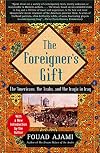
Always complicated to understand Iraq. Fouad does a commendable job describing many facets of culture and politics.

Lists
Awards

You May Also Like


Associated Authors
Statistics
- Works
- 18
- Also by
- 1
- Members
- 687
- Popularity
- #36,815
- Rating
- 3.4
- Reviews
- 3
- ISBNs
- 38
- Languages
- 3
- Favorited
- 2