
Mikhail Bakunin (1814–1876)
Author of God and the State
About the Author
Image credit: Photo by Félix Nadar (Courtesy of the NYPL Digital Gallery; image use requires permission from the New York Public Library)
Series
Works by Mikhail Bakunin
Stateless Socialism: Anarchism 4 copies
Θεός και κράτος 3 copies
Oeuvres complètes / de Bakounine Tome 2 : Oeuvres complètes, Écrits et matériaux, Michel Bakounine et l'Italie, 1871-1872La Première… (1974) 3 copies
Rousseau's Theory Of The State 2 copies
"What is Authority?" 2 copies
Consideraciones filosicas sobre el fantasma divino, sobre el mundo real y sobre el hombre (1977) 2 copies
Φιλοσοφία, ηθική και θρησκεία 2 copies
Rivolta e liberta 2 copies
Ζωικότητα και Ανθρωπότητα 2 copies
O socialismo libertário 2 copies
Azione diretta e coscienza operaia 2 copies
Henri Cartier-Bresson vers un autre futur : un regard libertaire ; photos d' Henri Cartier-Bresson (2000) 2 copies
La instrucción integral (JJ Olañeta) 2 copies
Obras Completas. Bakunin. Tomo 4 2 copies
OEUVRES T 2 1 copy
Power and Authority 1 copy
Œuvres : Fédéralisme, Socialisme et Antithéologisme - Lettres sur le patriotisme - Dieu et l'État (2015) 1 copy
Κρατισμός και Αναρχία 1 copy
Educação libertária 1 copy
Conceito de liberdade 1 copy
Αρχές Παιδείας 1 copy
Dumnezeu și statul 1 copy
Os anarquistas e as eleições 1 copy
Russisch rebel 1 copy
Det revolusjonære spørsmål : føderalisme, sosialisme og antiteologi ; Pariserkommunen : en dristig negasjon av staten (2002) 1 copy
Obras Completas tomo 3 1 copy
Αρχές παιδείας 1 copy
"National Catechism" 1 copy
Obras Completas, 2 1 copy
Socialismo e Liberdade 1 copy
Integral Education II 1 copy
The Immorality of the State 1 copy
Consideraciones filosóficas 1 copy
Where I Stand 1 copy
Power Corrupts the Best 1 copy
Cartas sobre el patriotismo 1 copy
Pisma wybrane. T. 2 1 copy
Pisma wybrane. T. 1 1 copy
What is Authority? 1 copy
ΘΕΟΣ ΚΑΙ ΚΡΑΤΟΣ 1 copy
Stato e Anrachia 1 copy
Writings 1 copy
Αρχές παιδείας 1 copy
Freiheit und Sozialismus 1 copy
Associated Works
Tagged
Common Knowledge
- Canonical name
- Bakunin, Mikhail
- Legal name
- Bakunin, Mikhail Alexandrovich
- Birthdate
- 1814-05-08
- Date of death
- 1876-06-19
- Gender
- male
- Education
- Artillery School (St. Petersburg)
- Occupations
- soldier
writer
translator - Organizations
- International Workingmen's Association
International Brotherhood
League for Peace and Freedom
International Alliance of Social Democracy - Relationships
- Marx, Karl (contemporary)
- Short biography
- Well-known Russian revolutionary and theorist of collectivist anarchism.
- Nationality
- Russia
- Birthplace
- Pryamukhino (present-day Kuvshinovsky District), Russian Empire
- Places of residence
- St Petersburg, Russian Empire
Moscow, Russian Empire - Place of death
- Bern, Switzerland
- Associated Place (for map)
- Russian Empire
Members
Reviews
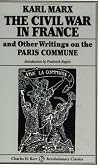
I got a lovely old edition of this from the University Library. It has a slightly grudging introduction by Engels and appendices of resolutions by the General Council of the International Working Men's Association. Most interestingly, there is a speech given by Lenin in 1908 on lessons from the Commune, which brings out the point that the initial French Revolution has begun a tide of European nationalism, but by the turn of the 20th century patriotic feeling had become damaging to the show more revolutionary cause. This is also notable as the international significance of the Commune seems to be judged by history as much smaller than the 1789-94 revolution. Which is emphasised, I suppose, by the title of this book, 'The Civil War in France'. Although the Commune had geopolitical significance, its ideas didn't reverberate around the world in the same way as those of the initial ('Great') French Revolution.
As Lenin was speaking decades after the Commune, his tone is measured. Marx's central work, by contrast, is very angry indeed. It consists of an address delivered mere days after the fall of the Commune. He spends quite a bit of it personally abusing Thiers, the French president he holds personally responsible for the repression of the Commune and resulting wholesale slaughter. More broadly, his analysis brings home the sheer complexity of political factionalism in France at the time. It also highlights the achievements of the Commune's short lifespan, which were impressively pragmatic economic and administrative reforms.
As mentioned before, it is fascinating to compare the 1789-1794 revolution with the Paris Commune, which could be seen as a later manifestation of the former's ideas. What strikes me, in this commentary and elsewhere, is that the first revolution was one of young, idealistic men, whereas the Commune consisted of middle aged men, disillusioned by war and political infighting. Whereas strong personalities emerged from 1789-1794, there is no Robespierre or Danton in 1871. That said, the Commune didn't last long enough, managing a mere 70 days, for this happen. Moreover, you could argue that the lack personality politics demonstrates a more fundamental democracy was at work, a genuine 'dictatorship of the proletariat'. Marx certainly really doesn't single out particular Communards for praise, despite excoriating many on the other side by name.
I recommend this book to supplement your understanding of the Paris Commune and its immediate aftermath, but not as an introduction. Marx assumes total understanding of events straight off. I suggest, 'That Terrible Year' by Alaistair Horne as a good starting point. show less
As Lenin was speaking decades after the Commune, his tone is measured. Marx's central work, by contrast, is very angry indeed. It consists of an address delivered mere days after the fall of the Commune. He spends quite a bit of it personally abusing Thiers, the French president he holds personally responsible for the repression of the Commune and resulting wholesale slaughter. More broadly, his analysis brings home the sheer complexity of political factionalism in France at the time. It also highlights the achievements of the Commune's short lifespan, which were impressively pragmatic economic and administrative reforms.
As mentioned before, it is fascinating to compare the 1789-1794 revolution with the Paris Commune, which could be seen as a later manifestation of the former's ideas. What strikes me, in this commentary and elsewhere, is that the first revolution was one of young, idealistic men, whereas the Commune consisted of middle aged men, disillusioned by war and political infighting. Whereas strong personalities emerged from 1789-1794, there is no Robespierre or Danton in 1871. That said, the Commune didn't last long enough, managing a mere 70 days, for this happen. Moreover, you could argue that the lack personality politics demonstrates a more fundamental democracy was at work, a genuine 'dictatorship of the proletariat'. Marx certainly really doesn't single out particular Communards for praise, despite excoriating many on the other side by name.
I recommend this book to supplement your understanding of the Paris Commune and its immediate aftermath, but not as an introduction. Marx assumes total understanding of events straight off. I suggest, 'That Terrible Year' by Alaistair Horne as a good starting point. show less

Gondolom, a legtöbb kamasz életében volt periódus, amikor legszívesebben Bakunyin szeretett volna lenni, és ebben az sem akadályozta meg, hogy nem tudta, ki az a Bakunyin. Nos, az úriember az azóta sajnálatosan megszűnt „forradalmi turizmus” egyik legjelentősebb képviselője, vagyis olyan pacák, aki érdekes helyekre látogat el, majd ott megkísérli a népet fellázítani uralkodója ellen. Hősünknek ez olyan jól ment, hogy legalább három államban fontolgatták show more kivégzését, azt pedig meg se kísérlem összeszámolni, hány helyről utasították ki. Számos börtönben tett kirándulás után aztán anyaországának, Oroszhonnak jutott a megtisztelő feladat, hogy személyével kezdjen valamit, magyarán eldöntse, hogy fellógatja a lázítás mesterét, vagy csak simán élete végéig börtönbe zárja. No most Oroszhonban ekkoriban Miklós cár uralkodott, aki egy szemernyit papkirálynak képzelte magát, úgyhogy kitalálta, nem egyszerűen lesöpri a Föld felszínéről kellemetlen ellenfelét, hanem előbb „meggyóntatja”. Vagyis jó sokáig hagyta aszalódni valami magánzárkában, aztán felszólította, hogy írásban vallja meg bűneit őcári fenségének. Bakunyin pedig, aki nyilván ekkorra már pont eleget aszalódott a cellájában egyedül, élt az alkalommal. Ez pedig az emlékirat-irodalom egyik legeredetibb produktumát eredményezte.
Bakunyin gyónása azért felettébb érdekfeszítő iromány, mert nem igazán tudjuk, mi volt vele a szerző célja. (Nem csoda, hogy a mai napig akadnak, akik szerint az egész mű hamisítvány. Amit én nem tartok valószínűnek – számomra az egész szöveg túl eredeti ahhoz, hogy hiteltelennek lássam.) Hízelegni akart uralkodójának, hátha mérsékli annak haragját? Vagy valóban olyan lekiállapotban volt, amikor őszintén meg akarta vallani hibáit, pusztán a feloldozásért? Esetleg megkísérelte átverni Miklóst, jól beolvasott neki, csak épp vallomásnak álcázta? Nem tudni. Szerintem egy picit mindegyik. Az biztos, hogy egy jó alapos magánzárka elég masszív mentális katyvaszt tud okozni az elmében, következésképpen simán lehet, Bakunyin az összes fenn említett célnak meg kívánt felelni, és még öt másik ismeretlennek is. El tudom képzelni, hogy nagy élvezettel révedt vissza kalandos rebellis múltjára, és szentül hitte, hogy ha megérteti motivációit a Cár Atyuskával, akkor a Cár Atyuska nyilván magába száll - hisz a Cár Atyuska jó! csak akik körbeveszik... -, és a világ megmenekül. Ki tudja.
(Akármi is volt amúgy a cél, a cár szívét mérsékelten lágyította meg. Az megint más kérdés, hogy az életfogytig tartó szibériai száműzetésből Bakunyin jó érzékkel megpattant, hogy aztán ifjú forradalmi turistából az anarchizmus legfőbb ideológusává nője ki magát.)
Mindenesetre a szöveg maga olyan tiszta, lelkes és lendületes, akár egy széppróza. (Sőt: meg merem kockáztatni, ennek tetejébe még őszinte is. Magam ezért sem hiszem, hogy valami hivatalnok hamisította.) Remekül ábrázolja a XIX. század derekának pezsgő szellemi légkörét, amikor a királyok és császárok még mindent megtehettek, de a nedves, penészes avar alatt parázslott azért a forradalom ígérete. Plusz van egy kis kézikönyv-jellege is a kötetnek, mert látni belőle, hogyan is „csinálják” a forradalmat: sutyorognak egymással, pénzt kunyerálnak, terveket szövögetnek, aztán persze amikor kitör a rebellió, semmi sem alakul úgy, ahogy tervezték – igazából az efféle összeesküvők zöme kevesebb szervezési talentumról tesz tanúbizonyságot, mint egy átlagos középiskolai szalagavató rendezőbizottsága. (Ez persze nem akadályozza meg a hatalom birtokosait abban, hogy úgy rettegjenek a „liberális cselszövőktől”, mintha maga a sátán instruálná őket.) Persze Bakunyin kiemelkedik közülük: remek szervező, meggyőző szónok, a cselekvésben pedig határozott* – és még írni is tud. Nem véletlen mondta róla egy forradalomcsináló kollégája, hogy a forradalom első napján felbecsülhetetlen segítség, de a forradalom második napján jobb kivégzőosztag elé állítani. Ez, gondolom, forradalmár-berkekben óriási bóknak számít.
* A felsorolásból kihagytam, hogy "eredeti gondolkodó". Talán mert filozófiáját nem érzem annyira összeszedettnek. Egyfelől remekül meglátja Oroszország, meg úgy egyáltalán: a monarchiák alapvető problémáit (a Habsburg állam szétesését például biztosra veszi), de a problémákra adott válasza kicsit zavaros. (Amit amúgy maga sem tagad.) Ez a pánszláv nacionalizmussal kevert internacionalizmus, ami egyfelől a népek közötti együttműködésre épül, másfelől viszont az oroszokat azért többre tartja más népeknél (csak épp a rendszerük, az a gyalázatos), nos, nekem valahogy nem áll össze organikus egésszé. Aztán persze később, az érett anarchista Bakunyin munkáiban majd biztos letisztul a konstrukció. show less
Bakunyin gyónása azért felettébb érdekfeszítő iromány, mert nem igazán tudjuk, mi volt vele a szerző célja. (Nem csoda, hogy a mai napig akadnak, akik szerint az egész mű hamisítvány. Amit én nem tartok valószínűnek – számomra az egész szöveg túl eredeti ahhoz, hogy hiteltelennek lássam.) Hízelegni akart uralkodójának, hátha mérsékli annak haragját? Vagy valóban olyan lekiállapotban volt, amikor őszintén meg akarta vallani hibáit, pusztán a feloldozásért? Esetleg megkísérelte átverni Miklóst, jól beolvasott neki, csak épp vallomásnak álcázta? Nem tudni. Szerintem egy picit mindegyik. Az biztos, hogy egy jó alapos magánzárka elég masszív mentális katyvaszt tud okozni az elmében, következésképpen simán lehet, Bakunyin az összes fenn említett célnak meg kívánt felelni, és még öt másik ismeretlennek is. El tudom képzelni, hogy nagy élvezettel révedt vissza kalandos rebellis múltjára, és szentül hitte, hogy ha megérteti motivációit a Cár Atyuskával, akkor a Cár Atyuska nyilván magába száll - hisz a Cár Atyuska jó! csak akik körbeveszik... -, és a világ megmenekül. Ki tudja.
(Akármi is volt amúgy a cél, a cár szívét mérsékelten lágyította meg. Az megint más kérdés, hogy az életfogytig tartó szibériai száműzetésből Bakunyin jó érzékkel megpattant, hogy aztán ifjú forradalmi turistából az anarchizmus legfőbb ideológusává nője ki magát.)
Mindenesetre a szöveg maga olyan tiszta, lelkes és lendületes, akár egy széppróza. (Sőt: meg merem kockáztatni, ennek tetejébe még őszinte is. Magam ezért sem hiszem, hogy valami hivatalnok hamisította.) Remekül ábrázolja a XIX. század derekának pezsgő szellemi légkörét, amikor a királyok és császárok még mindent megtehettek, de a nedves, penészes avar alatt parázslott azért a forradalom ígérete. Plusz van egy kis kézikönyv-jellege is a kötetnek, mert látni belőle, hogyan is „csinálják” a forradalmat: sutyorognak egymással, pénzt kunyerálnak, terveket szövögetnek, aztán persze amikor kitör a rebellió, semmi sem alakul úgy, ahogy tervezték – igazából az efféle összeesküvők zöme kevesebb szervezési talentumról tesz tanúbizonyságot, mint egy átlagos középiskolai szalagavató rendezőbizottsága. (Ez persze nem akadályozza meg a hatalom birtokosait abban, hogy úgy rettegjenek a „liberális cselszövőktől”, mintha maga a sátán instruálná őket.) Persze Bakunyin kiemelkedik közülük: remek szervező, meggyőző szónok, a cselekvésben pedig határozott* – és még írni is tud. Nem véletlen mondta róla egy forradalomcsináló kollégája, hogy a forradalom első napján felbecsülhetetlen segítség, de a forradalom második napján jobb kivégzőosztag elé állítani. Ez, gondolom, forradalmár-berkekben óriási bóknak számít.
* A felsorolásból kihagytam, hogy "eredeti gondolkodó". Talán mert filozófiáját nem érzem annyira összeszedettnek. Egyfelől remekül meglátja Oroszország, meg úgy egyáltalán: a monarchiák alapvető problémáit (a Habsburg állam szétesését például biztosra veszi), de a problémákra adott válasza kicsit zavaros. (Amit amúgy maga sem tagad.) Ez a pánszláv nacionalizmussal kevert internacionalizmus, ami egyfelől a népek közötti együttműködésre épül, másfelől viszont az oroszokat azért többre tartja más népeknél (csak épp a rendszerük, az a gyalázatos), nos, nekem valahogy nem áll össze organikus egésszé. Aztán persze később, az érett anarchista Bakunyin munkáiban majd biztos letisztul a konstrukció. show less
In this pamphlet, Karl Marx reacted to the catastrophe of the Paris Commune with a qualified restatement of the traditional revolutionary standpoint set forth in the Communist Manifesto. He gives an impassioned defense of the Paris rising, whose tragic defeat he represented as “the glorious harbinger of a new society.”
Marx drew a picture of the French government as a “centralized state power, with its ubiquitous organs of standing army, police, bureaucracy, clergy, and judicature-- show more organs wrought after the plan of a systematic and hierarchic division of labor.” The Commune was both an elected body and a true representation of the working class. It took the form of a republic, the direct antithesis to the French Empire. The Commune realized it could not simply lay hold of the existing state machinery and use it for its own purposes. Marx declares that “the Commune was to be a working, not a parliamentary body, executive and legislative at the same time.” It was to serve as a model to all the great industrial centers in France. Once the communal regime was established in Paris and the secondary centers, the old centralized Government would in the provinces also have to give way to the “self-government of the producers.” This reflected the traditional Proudhonist goal of federalism: the replacement of bureaucratic centralization by local self-government. The uprising was a confusing mixture of these Proudhonist goals with the Commune’s being largely run by a Jacobin-Blanquist majority, which stood for the revolutionary dictatorship of Paris over the rest of France on the model of 1793. And yet the Commune from a legal viewpoint was simply the democratically elected municipal government of Paris. It was not a proletarian dictatorship because it had been duly elected and it had a diverse political composition. Marx saw the Commune as breaking the modern state power in restoring to the social body all the forces absorbed by the State. It would have initiated the regeneration of France by bringing the rural producers under the intellectual lead of the central towns of their districts. Marx said nothing about the need to establish a centralized revolutionary government but rather seemed to anticipate a reign of liberty without further preliminaries. This was an ultra-Democratic vision: for this very reason it was also a utopian one.
The Civil War in France straddles the Proudhonist and Jacobin-Blanquist issues in a manner which has enabled adherents of both Social Democracy and Communism to claim Marx for their master. But with the passage of time, Marx backed away from any belief that the utopian goals could have been achieved. In a letter written in 1881, Marx comments: “apart from the fact that this was merely the rising of a city under exceptional conditions, the majority of the Commune was in no way socialist, nor could it be. With a modicum of common-sense, however, it could have reached a compromise with Versailles useful to the whole people-- the only thing that could be obtained at the time.” [1961] show less
Marx drew a picture of the French government as a “centralized state power, with its ubiquitous organs of standing army, police, bureaucracy, clergy, and judicature-- show more organs wrought after the plan of a systematic and hierarchic division of labor.” The Commune was both an elected body and a true representation of the working class. It took the form of a republic, the direct antithesis to the French Empire. The Commune realized it could not simply lay hold of the existing state machinery and use it for its own purposes. Marx declares that “the Commune was to be a working, not a parliamentary body, executive and legislative at the same time.” It was to serve as a model to all the great industrial centers in France. Once the communal regime was established in Paris and the secondary centers, the old centralized Government would in the provinces also have to give way to the “self-government of the producers.” This reflected the traditional Proudhonist goal of federalism: the replacement of bureaucratic centralization by local self-government. The uprising was a confusing mixture of these Proudhonist goals with the Commune’s being largely run by a Jacobin-Blanquist majority, which stood for the revolutionary dictatorship of Paris over the rest of France on the model of 1793. And yet the Commune from a legal viewpoint was simply the democratically elected municipal government of Paris. It was not a proletarian dictatorship because it had been duly elected and it had a diverse political composition. Marx saw the Commune as breaking the modern state power in restoring to the social body all the forces absorbed by the State. It would have initiated the regeneration of France by bringing the rural producers under the intellectual lead of the central towns of their districts. Marx said nothing about the need to establish a centralized revolutionary government but rather seemed to anticipate a reign of liberty without further preliminaries. This was an ultra-Democratic vision: for this very reason it was also a utopian one.
The Civil War in France straddles the Proudhonist and Jacobin-Blanquist issues in a manner which has enabled adherents of both Social Democracy and Communism to claim Marx for their master. But with the passage of time, Marx backed away from any belief that the utopian goals could have been achieved. In a letter written in 1881, Marx comments: “apart from the fact that this was merely the rising of a city under exceptional conditions, the majority of the Commune was in no way socialist, nor could it be. With a modicum of common-sense, however, it could have reached a compromise with Versailles useful to the whole people-- the only thing that could be obtained at the time.” [1961] show less
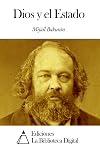
El humanismo en estado puro. A medida que pasan los años veo este texto cada vez más utópico pero a la vez cada vez más necesario. El anarquismo es un horizonte, un ideal de igualdad. Algunos lo viven como un dogma toda la vida. A otros nos acompaña en la piel para distraernos lo menos posible del camino de lo que es justo.
Lists
Awards

You May Also Like


Associated Authors
Statistics
- Works
- 167
- Also by
- 4
- Members
- 2,817
- Popularity
- #9,108
- Rating
- 3.8
- Reviews
- 26
- ISBNs
- 265
- Languages
- 17
- Favorited
- 11


