
Ernesto Sabato (1911–2011)
Author of The Tunnel
About the Author
Ernesto Sábato was born in Rojas, Argentina on June 24, 1911. He earned a doctorate in physics from Universidad Nacional de La Plata and worked in Paris on atomic radiation at the Joliot-Curie Laboratory. He began writing in 1941 and was a prolific essayist on subjects such as science, national show more culture and human rights. He wrote several novels including The Tunnel (1948), On Heroes and Tombs (1961) and The Angel of Darkness (1974). He received numerous awards including the French Legion of Honour, the Medici Prize of Italy and Spain's Cervantes Prize. He was also a painter and his works were once displayed at the Pompidou Centre in Paris. He led an investigation into crimes committed under the military dictatorship of Argentina from 1976 to 1983. The commission's reports served as the basis for prosecuting leading figures of the dictatorship after the return to democracy. He died of complications from bronchitis on April 30, 2011 at the age of 99. (Bowker Author Biography) show less
Series
Works by Ernesto Sabato
Entre la Letra y la Sangre: Conversaciones Con Carlos Catania (Spanish Edition) (1989) 9 copies, 1 review
Ensayos 3 copies
Obras completas. (t.1) 2 copies
Confesiones de un viejo escritor 2 copies
El túnel 2 copies
Eduardo Falu 1 copy
The Tunnel 1 copy
Sábato oral 1 copy
Itinerario 1 copy
Obras de ficción 1 copy
HETERODOKSIA 1 copy
Obras de Ficción I 1 copy
Cultura y educación 1 copy
Obras I Ficción 1 copy
Obras II Ensayos 1 copy
Nunca mas 1 copy
Περί ηρώων και τάφων 1 copy
REZISTENCA 1 copy
Nunca mais : informe da Comissão Nacional sobre o Desaparecimento de Pessoas na Argentina (1984) 1 copy
Antología 1 copy
TANGO DISCUSIÓN Y CLAVE 1 copy
Associated Works
Tagged
Common Knowledge
- Canonical name
- Sabato, Ernesto
- Legal name
- Sabato, Ernesto Roque
- Other names
- Sábato, Ernesto
- Birthdate
- 1911-06-24
- Date of death
- 2011-04-30
- Gender
- male
- Education
- National University of La Plata
Curie Laboratory
Massachusetts Institute of Technology - Occupations
- physicist
teacher
novelist - Awards and honors
- Premio Miguel de Cervantes (1984)
Jerusalem Prize (1989) - Nationality
- Argentina
- Birthplace
- Rojas, Argentina
- Places of residence
- Rojas, Argentina
Buenos Aires, Argentina - Place of death
- Buenos Aires, Argentina
- Map Location
- Argentina
Members
Reviews
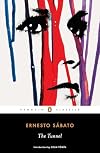
A feverish book describing the madness of obsessive love gone bad. Love bordering on possessiveness promises a tragic ending.
"We had believed that our love would endure. Everything then had been miraculous, dazzling, but now the world was somber, cold, devoid of meaning."
Sabato is a master of interiority.
A small masterpiece worthy of Camus and Poe.
"We had believed that our love would endure. Everything then had been miraculous, dazzling, but now the world was somber, cold, devoid of meaning."
Sabato is a master of interiority.
A small masterpiece worthy of Camus and Poe.

For once, this is a well-known Latin-American book that doesn't get cited as a precursor of the "Boom". We're not in magic-realist territory here at all, or even in the realm of political history: this is a full-on existentialist novella in the Camus tradition, where we never leave the disturbing world of the inside of the protagonist's head.
Like Camus' most famous protagonist, the painter Castel is a convicted murderer reflecting on the circumstances of his crime. Falling in love with show more María, the one person with whom he has established real communication through one of his paintings, has broken through his radical alienation from society for a while, but then he starts to become obsessed with the idea that her love for him is not exclusive. Castel is not a sympathetic person, and it's not a very pleasant psychological journey we share with him, but Sábato doesn't give us much choice: we're compelled to stay with him to the end, even though we know where this is going. Powerful stuff, which has a lot of relevant things to say about the way we interact with the world even if we find the premise of the inevitability of jealousy-killing unpleasant and artificial. show less
Like Camus' most famous protagonist, the painter Castel is a convicted murderer reflecting on the circumstances of his crime. Falling in love with show more María, the one person with whom he has established real communication through one of his paintings, has broken through his radical alienation from society for a while, but then he starts to become obsessed with the idea that her love for him is not exclusive. Castel is not a sympathetic person, and it's not a very pleasant psychological journey we share with him, but Sábato doesn't give us much choice: we're compelled to stay with him to the end, even though we know where this is going. Powerful stuff, which has a lot of relevant things to say about the way we interact with the world even if we find the premise of the inevitability of jealousy-killing unpleasant and artificial. show less
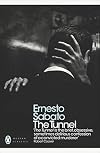
Opens up with a blatant confession of murder, Sabato's The Tunnel initially declares itself as an impartial account of a romantic, adulterous affair gone wrong. But it's not hard to recognise how this impartiality crumbles. More so when its (supposedly) mentally ill narrator seemingly apathetically justifies every atrocious nook and turn of his persistent behaviour. The initial red flag of stalking, in defence of his romanticisation of a "rare encounter" and "distinct reaction" during an show more exhibit of one of his artworks, worsens as it progresses. The red flags accumulate, so does the cruelty. And the obsession with a woman put on a pedestal rage with selfishness and jealousy. Its paranoiac atmosphere creates a claustrophobic element of this ugly love besides its physical abuse and emotional manipulation. How narrow-minded this love's perception is which eventually only sees one solution in all the narrator's belief that he has the right to own a woman; to bend, twist, and hurt her at his will and reasoning. His over-analysis of each conversation and action is frightening and irritating. Yet Sabato manages to insert some humour here as well amidst its horrifying subject. The section about Russian novels made me chuckle until it reminds you of its imminent conclusion. It tosses you hard and rolls you over on muddy grass. So despite how engaging and compelling The Tunnel is, it could feel rather absurd. By the end, all I want is to scrub myself off of my disgust and its dirt. show less
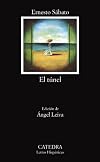
“El hombre tiene tanto apego a lo que existe, que prefiere finalmente soportar su imperfección y el dolor que causa su fealdad, antes que aniquilar la fantasmagoría con un acto de propia voluntad.”
El pesimismo, la soledad y la obsesión hecho libro. Probablemente esto resumiría mi percepción de este libro, y diría mucho de él sin decir nada, pero es lo que se siente. Cada palabra dicha por Castel, nuestro narrador, refleja una naturaleza perturbada por el desprecio hacia su show more entorno y hacia el mismo, lo cual provoca que se centre en sí, pero igualmente hace que cuando conoce a María desee hacerla suya de una manera enfermiza, apasionada y violenta.
“La felicidad está rodeada de dolor.”
Esa enorme "cualidad" de estar completamente alejado provoca que Castel tenga una necesidad de pertenencia pero sin las habilidades y la motivación activa de hacerlo, de hecho hay un momento en el que él indica que su única conexión con el mundo es un muro transparente a través del cual ve lo que sucede a su alrededor mientras él continúa en su tunel. Este mismo aspecto lo hace celoso, controlador e hipócrita hacia las reglas, está bien cuando él lo decide y, la misma acción, está mal cuando se siente perjudicado.
Él mismo se vuelve un personaje hartante y desesperante, el cual constantemente deseas que se caye pero sabes bien que ya todo esta hecho y dicho, sólo te queda seguir escuchando para saber cómo murió María, porque eso ya es pasado. Durante su narración, la paranoia de Castel te hace dudar ¿María es tan infiel como él dice? ¿Hunter es su amante? Teniendo recursos como la ceguera, literal y figurativa, de Allende, Sábato da apertura a este tipo de dudas-
“Toda nuestra vida sería una serie de gritos anónimos en un desierto de astros indiferentes”
La reflexión acerca del tunel es uno de los aspectos más interesante, si bien se encuentra hasta el final, toda la historia se desarrolla dentro del mismo, permitiendo que el lector se sienta parte del mismo, que lo llena de la sensación de soledad y asfixia que es la vida de Castel. show less
El pesimismo, la soledad y la obsesión hecho libro. Probablemente esto resumiría mi percepción de este libro, y diría mucho de él sin decir nada, pero es lo que se siente. Cada palabra dicha por Castel, nuestro narrador, refleja una naturaleza perturbada por el desprecio hacia su show more entorno y hacia el mismo, lo cual provoca que se centre en sí, pero igualmente hace que cuando conoce a María desee hacerla suya de una manera enfermiza, apasionada y violenta.
“La felicidad está rodeada de dolor.”
Esa enorme "cualidad" de estar completamente alejado provoca que Castel tenga una necesidad de pertenencia pero sin las habilidades y la motivación activa de hacerlo, de hecho hay un momento en el que él indica que su única conexión con el mundo es un muro transparente a través del cual ve lo que sucede a su alrededor mientras él continúa en su tunel. Este mismo aspecto lo hace celoso, controlador e hipócrita hacia las reglas, está bien cuando él lo decide y, la misma acción, está mal cuando se siente perjudicado.
Él mismo se vuelve un personaje hartante y desesperante, el cual constantemente deseas que se caye pero sabes bien que ya todo esta hecho y dicho, sólo te queda seguir escuchando para saber cómo murió María, porque eso ya es pasado. Durante su narración, la paranoia de Castel te hace dudar ¿María es tan infiel como él dice? ¿Hunter es su amante? Teniendo recursos como la ceguera, literal y figurativa, de Allende, Sábato da apertura a este tipo de dudas-
“Toda nuestra vida sería una serie de gritos anónimos en un desierto de astros indiferentes”
La reflexión acerca del tunel es uno de los aspectos más interesante, si bien se encuentra hasta el final, toda la historia se desarrolla dentro del mismo, permitiendo que el lector se sienta parte del mismo, que lo llena de la sensación de soledad y asfixia que es la vida de Castel. show less
Lists
Awards


You May Also Like


Associated Authors
Statistics
- Works
- 90
- Also by
- 1
- Members
- 5,495
- Popularity
- #4,534
- Rating
- 3.9
- Reviews
- 172
- ISBNs
- 418
- Languages
- 24
- Favorited
- 22