
Rafik Schami
Author of Damascus Nights
About the Author
Image credit: Photo by Rudolf Bauer / Wikimedia Commons
Works by Rafik Schami
Der geheime Bericht über den Dichter Goethe. Der eine Prüfung auf einer arabischen Insel bestand. (1999) 37 copies, 1 review
Eine deutsche Leidenschaft namens Nudelsalat: und andere seltsame Geschichten (2011) 22 copies, 1 review
Was ich schaffe, überdauert die Zeit : eine Geschichte von der Schönheit der Schrift (2008) 6 copies
Von mutigen Mäusen und Kindern: Gelesen von Nicki v. Tempelhoff und Jodie Ahlborn. 1 CD, Laufzeit ca. 40 Min. (2013) 1 copy
Sammlung 1 copy
Associated Works
The Year's Best Fantasy and Horror: Seventh Annual Collection (1994) — Contributor — 282 copies, 3 reviews
Die Schatzsuche: Abenteuergeschichten von Kirsten Boie, Cornelia Funke, Ursel Scheffler und anderen (2010) — Contributor — 3 copies
Ich habe eine fremde Sprache gewählt. Ausländische Schriftsteller schreiben deutsch (1998) — Contributor — 2 copies
Eine nicht nur deutsche Literatur. Zur Standortbestimmung der "Ausländerliteratur" (1986) — Contributor — 1 copy
Tagged
Common Knowledge
- Canonical name
- Schami, Rafik
- Legal name
- Suhail Fāḍil
- Other names
- Suheil Fadél
رفيق شامي - Birthdate
- 1946-06-23
- Gender
- male
- Occupations
- author
storyteller
critic - Organizations
- Bayrische Akademie der schönen Künste, Abteilung Literatur
- Awards and honors
- Adelbert-von-Chamisso-Preis Förderpreis (1985)
Adelbert-von-Chamisso-Preis (1993)
Weilheimer Literaturpreis (2003)
Nelly-Sachs-Preis (2007)
Brüder-Grimm-Professur (2010)
Carl-Zuckmayer-Medaille (2022) - Nationality
- Syria
Germany - Birthplace
- Damascus, Syria
- Places of residence
- Kirchheimbolanden, Germany
Heidelberg, Germany - Map Location
- Syria
Members
Reviews
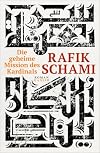
Die italienische Botschaft in Damaskus erhält eine widerliche Lieferung: in einem Ölfass findet sich die Leiche des Kardinals Cornaro. Er war vorgeblich zur Einweihung einer Kirche in Syrien, doch schnell schon hat Kommissar Zakaria Barudi Zweifel daran. Zudem wirft der Tote weitere Fragen auf: warum wurde sie nicht an die vatikanische Botschaft geliefert, schließlich war der Kardinal Mitglied der Kurie? Und weshalb hat man ihn zudem entehrt, indem man seinen Ring an den falschen Finger show more aufzog? Barudi erhält Schützenhilfe aus Italien, Kommissar Mancini wird heimlich mit ihm die Ermittlungen leiten, denn offenbar war der Kardinal noch in einer geheimen Mission unterwegs, die man in Rom unbedingt vertuschen möchte. Kurz vor seiner Pensionierung steht Barudi nochmals ein komplizierter Fall ins Haus und das in einem Land, in dem sich gerade alle Kräfte formieren für die Geschehnisse, die bald die Weltnachrichten beherrschen werden.
Rafik Schami ist ein begnadeter Erzähler und enttäuscht auch in seinem aktuellen Roman nicht. Der christliche Syrer, der vor nunmehr fast 40 Jahren aus seiner Heimat fliehen musste, lässt auch in „Die geheime Mission des Kardinals“ kritische Töne gegenüber dem noch herrschenden System anklingen und die Melancholie, mit der er offenkundig sehnsüchtig auf seine Heimatstadt blickt, fließt ebenso aus jeder Zeile. Ein komplexer Kriminalfall wird von seinem cleveren Kommissar gelöst, aber dieser ist müde geworden ob der unsäglichen Lage. Man hofft, dass es dem Autor nicht ebenso geht und er stetig weiterhin öffentlich das Wort ergreift.
Mit Barudi hat Rafik Schami einen liebenswerten, kauzigen Kommissar geschaffen, der über genügend Erfahrung verfügt, sich nicht mehr in jeden Kampf zu stürzen und mit einer gewissen stoischen Haltung das syrische System von Geheimdienst und Polizeiapparat betrachtet. Er verzweifelt nicht mehr an den Machenschaften und ist mit sich und seinem Leben im Reinen, was ihn konzentriert an dem Fall arbeiten lässt. Sein italienischer Amtsgenosse ist noch weitaus impulsiver, auch wenn diesen ebenfalls Jahrzehnte unermüdlichen und vergeblichen Kampfs gegen die Mafia realistisch haben werden lassen.
Neben diesen beiden Figuren, die alleine die Geschichte schon lesenswert machen, lässt Schami die komplexe politische und religiöse Lage in Syrien einfließen und liefert ein erhellendes Bild über die sich zuspitzende Situation im Jahr 2010 kurz vor Ausbruch des Bürgerkriegs. Bewundernswerterweise vereinfacht er nicht, sondern zeigt genau die Zweischneidigkeit auf, denen die Menschen immer wieder ausgesetzt sind und die Facetten der Konfliktparteien, aus schwarz und weiß werden so Grauschattierungen, die jedoch leichtgängig in die Handlung einfließen und vieles an Barudis Arbeit nur verdeutlichen, ohne jedoch der Geschichte den Platz zu stehlen.
Man freut sich als Leser immer besonders, wenn Sprachfertigkeit und eine gute Story aufeinandertreffen und dies zudem meisterhaft in den komplizierten Alltag eingebettet werden. So bleibt neben der Unterhaltung noch viel mehr und lässt ein Buch aus der Masse der jährlichen Neuerscheinungen deutlich hervortreten. show less
Rafik Schami ist ein begnadeter Erzähler und enttäuscht auch in seinem aktuellen Roman nicht. Der christliche Syrer, der vor nunmehr fast 40 Jahren aus seiner Heimat fliehen musste, lässt auch in „Die geheime Mission des Kardinals“ kritische Töne gegenüber dem noch herrschenden System anklingen und die Melancholie, mit der er offenkundig sehnsüchtig auf seine Heimatstadt blickt, fließt ebenso aus jeder Zeile. Ein komplexer Kriminalfall wird von seinem cleveren Kommissar gelöst, aber dieser ist müde geworden ob der unsäglichen Lage. Man hofft, dass es dem Autor nicht ebenso geht und er stetig weiterhin öffentlich das Wort ergreift.
Mit Barudi hat Rafik Schami einen liebenswerten, kauzigen Kommissar geschaffen, der über genügend Erfahrung verfügt, sich nicht mehr in jeden Kampf zu stürzen und mit einer gewissen stoischen Haltung das syrische System von Geheimdienst und Polizeiapparat betrachtet. Er verzweifelt nicht mehr an den Machenschaften und ist mit sich und seinem Leben im Reinen, was ihn konzentriert an dem Fall arbeiten lässt. Sein italienischer Amtsgenosse ist noch weitaus impulsiver, auch wenn diesen ebenfalls Jahrzehnte unermüdlichen und vergeblichen Kampfs gegen die Mafia realistisch haben werden lassen.
Neben diesen beiden Figuren, die alleine die Geschichte schon lesenswert machen, lässt Schami die komplexe politische und religiöse Lage in Syrien einfließen und liefert ein erhellendes Bild über die sich zuspitzende Situation im Jahr 2010 kurz vor Ausbruch des Bürgerkriegs. Bewundernswerterweise vereinfacht er nicht, sondern zeigt genau die Zweischneidigkeit auf, denen die Menschen immer wieder ausgesetzt sind und die Facetten der Konfliktparteien, aus schwarz und weiß werden so Grauschattierungen, die jedoch leichtgängig in die Handlung einfließen und vieles an Barudis Arbeit nur verdeutlichen, ohne jedoch der Geschichte den Platz zu stehlen.
Man freut sich als Leser immer besonders, wenn Sprachfertigkeit und eine gute Story aufeinandertreffen und dies zudem meisterhaft in den komplizierten Alltag eingebettet werden. So bleibt neben der Unterhaltung noch viel mehr und lässt ein Buch aus der Masse der jährlichen Neuerscheinungen deutlich hervortreten. show less
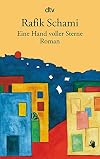
This is such a charming and uplifting story, I was quite surprised by it. It is labeled as a children's /YA book but it could be read by persons young and old.
A young boy growing up in old Damascus starts to write entries in his journal. He introduces us to his family, his friends, and his sweetheart, but we never learn his name. I would not be surprised if he is based on the author's childhood. The story describes the struggle of simple residents of old Damascus. The protagonist himself is show more the son of a baker, who was forced to leave school to work at his father's bakery then at a bookshop. He has a dream of becoming a journalist and he ends up becoming one of sorts. I read the book in the original German, and the author draws a very busy canvas of life in old Damascus, touching on class struggle, along with social and political problems. However he also draws the colorful life of the neighborhood, the solidarity among its members. One of his friends is a 70-year old retired coachman, who tells him stories and fables, and the book is full of the magic and wisdom of this piece of the old world, in addition to the clear, honest and innocent voice of the youth writing the diary. I am originally from this part of the world, so I am not blind to its failings. This story allowed me to rediscover the magic of the middle east again. The simple magic experienced by everyday people, in their shared generosity and in their stories. The story does not have a neat conclusion but it ends on a hopeful note. Highly recommended. show less
A young boy growing up in old Damascus starts to write entries in his journal. He introduces us to his family, his friends, and his sweetheart, but we never learn his name. I would not be surprised if he is based on the author's childhood. The story describes the struggle of simple residents of old Damascus. The protagonist himself is show more the son of a baker, who was forced to leave school to work at his father's bakery then at a bookshop. He has a dream of becoming a journalist and he ends up becoming one of sorts. I read the book in the original German, and the author draws a very busy canvas of life in old Damascus, touching on class struggle, along with social and political problems. However he also draws the colorful life of the neighborhood, the solidarity among its members. One of his friends is a 70-year old retired coachman, who tells him stories and fables, and the book is full of the magic and wisdom of this piece of the old world, in addition to the clear, honest and innocent voice of the youth writing the diary. I am originally from this part of the world, so I am not blind to its failings. This story allowed me to rediscover the magic of the middle east again. The simple magic experienced by everyday people, in their shared generosity and in their stories. The story does not have a neat conclusion but it ends on a hopeful note. Highly recommended. show less
"A journal is a rearview mirror"
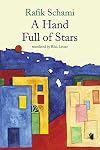
Although this book was written in 1987, it seems no less relevant to today's Syria. The regime allows no alternative opinions and clamps down hard on dissenters,whether real or imagined. A stay in prison is a nightmare for anyone unfortunate enough to rouse suspicion.
The fourteen-year-old narrator decides to begin recording his day-to-day life in a journal, encouraged by his close friend, Uncle Salim. If you want to be a journalist, advises Salim, then you show more need to develop the habit of being observant and recording your observations.
The book is written as the journal of our (unnamed) protagonist and clearly shows his developing maturity over the period of four years; his feelings for Nadia, the girl who lives down the street, and a growing awareness of the injustices taking place around him.
He starts by writing about his own life as the reluctant son of a baker. He is desperate to remain in school, where he is doing well, but eventually his father demands that he leaves to work full time in the bakery. Rather than sweat and toil in the manufacture of bread, our diarist suggests that he go around town delivering the loaves. This results in many more customers and allows him to meet new people and observe what is going on around him. One of these new customers is Habib, a retired journalist. Although he is disillusioned with journalism in such a restrictive regime, Habib is eventually persuaded to help the young lad achieve his dream.
Some parts of this book have really stuck with me. The idea of the sock newspaper - snippets of news disseminated through the sale of very cheap socks, was excellent. I also enjoyed the homeless vagrant who provided a riddle in many languages for the narrator to solve - a great lesson in people not being all they appear.
Well worth the read. show less
Although this book was written in 1987, it seems no less relevant to today's Syria. The regime allows no alternative opinions and clamps down hard on dissenters,whether real or imagined. A stay in prison is a nightmare for anyone unfortunate enough to rouse suspicion.
The fourteen-year-old narrator decides to begin recording his day-to-day life in a journal, encouraged by his close friend, Uncle Salim. If you want to be a journalist, advises Salim, then you show more need to develop the habit of being observant and recording your observations.
The book is written as the journal of our (unnamed) protagonist and clearly shows his developing maturity over the period of four years; his feelings for Nadia, the girl who lives down the street, and a growing awareness of the injustices taking place around him.
He starts by writing about his own life as the reluctant son of a baker. He is desperate to remain in school, where he is doing well, but eventually his father demands that he leaves to work full time in the bakery. Rather than sweat and toil in the manufacture of bread, our diarist suggests that he go around town delivering the loaves. This results in many more customers and allows him to meet new people and observe what is going on around him. One of these new customers is Habib, a retired journalist. Although he is disillusioned with journalism in such a restrictive regime, Habib is eventually persuaded to help the young lad achieve his dream.
Some parts of this book have really stuck with me. The idea of the sock newspaper - snippets of news disseminated through the sale of very cheap socks, was excellent. I also enjoyed the homeless vagrant who provided a riddle in many languages for the narrator to solve - a great lesson in people not being all they appear.
Well worth the read. show less

This book celebrates the classical Arab tradition of oral storytelling while adding a few twists characteristic of the modern western literature. While I am not a big fan of magic tales of old, some matter-of-fact remarks and observations pertinent to the present day are the gems worth finding. Among the stories recounted by the characters I found the ones told by Musa the barber and by Fatma the locksmith's wife most interesting. Musa's story focuses on the corruptive influence of power show more while Fatma tells of an independent woman choosing her own path in a traditional Muslim society. show less
Lists
Awards


You May Also Like


Associated Authors
Statistics
- Works
- 78
- Also by
- 8
- Members
- 2,277
- Popularity
- #11,269
- Rating
- 3.9
- Reviews
- 46
- ISBNs
- 350
- Languages
- 17
- Favorited
- 9