
Tschingis Aitmatow (1928–2008)
Author of Jamilia
About the Author
Aitmatov became well known for his Russian-language prose describing the life of his own Kirghiz people. He was born in Kirghiza, in present-day Kyrgyzstan, in 1928. His writings include the novel The White Steamship; the novella Farewell, Gulsary!; and a daring play titled The Ascent of Mount show more Fuji. Although he was a member of the Communist party, his works did not follow the narrow canons of socialist realism. With depth and sensitivity, Aitmatov presented the Kirghiz in the throes of societal change, dealt very broadly with ethical problems, and took up topics that were generally avoided in official Soviet literature. With time his criticism of Russification and collectivization on traditional Kirghiz society increased. In 1963, Aitmatov received the Lenin Prize for Literature and Fine Arts. (Bowker Author Biography) show less
Image credit: Andreas Zak
Works by Tschingis Aitmatow
Liebesgeschichten. Dshamilja / Du meine Pappel im Roten Kopftuch / Aug in Auge (1998) — Author — 27 copies, 1 review
Dshamila - Abschied von Gülsary - Der weiße Dampfer (Taschenbibliothek der Weltliteratur) (1988) 9 copies
Tres Relatos — Author — 5 copies
Frühe Kraniche. Scheckiger Hund, der am Meer entlangläuft. Der Aufstieg auf den Fudschijama [u.a.] (1983) 4 copies
Teokset. 2 : Punainen omena ; Isä ja poika ; Hyvästi Gulsary ; Muuttolinnun itku ; Sotilaan poika / [suom. Ulla-Liisa (1988) 3 copies
Dzsamila szerelme ; Az első tanító / Csingiz Ajtmatov ; [ford. Árvay János, Tarisznyás Györgyi] (2007) 3 copies
Teokset. Osa 3 : Varhaiset kurjet ; Äidin pelto ; Valkoinen laiva / [suom. Ulla-Liisa Heino] (1989) 2 copies
Am Fluß Baidamtal 2 copies
AL YAZMALIM, SELVI BOYLUM & ERKEN GELEN TURNALAR & FUJI-YAMA & DENIZ KIYISINDA KOSAN ALA KOPEK (2000) 2 copies
Novely 2 copies
Teokset. Osa 1 : Kamelinsilmä ; Tulvavahti ; Valkoinen sade ; Kasvoista kasvoihin ; Dzamilja ; Punahuivinen poppelini ; (1987) 2 copies
Doan Dau Dai 2 copies
Kohtumine pojaga : jutustus 2 copies
Повести 2 copies
Gün Uzar Yüzyıl Olur 1 copy
Избранное 1 copy
Ранние журавли 1 copy
Cancel - Dream of Wolf 1 copy
KOPAR ZINCIRLERINI GULSARI 1 copy
BÜTÜN ESERLERI 2 1 copy
BÜTÜN ESERLERİ 1 1 copy
Esafodul 1 copy
Pahla Adhyapak 1 copy
Dzieciństwo 1 copy
Kaameli silm 1 copy
পাহাড় ও স্তেপের আখ্যান 1 copy
Duishen 1 copy
Sõjamehe poeg 1 copy
והיום איננו כלה 1 copy
il bambino bianco 1 copy
Yıldırım Sesli Manasçı 1 copy
Cemile- Sultan Murat 1 copy
Short Novels 1 copy
Evîna Cemîlê 1 copy
Literatura Soviética 1 copy
Đoạn Đầu Đài 1 copy
Прощай, Гульсары! : Книга для чтения с комментариями на английском языке и словарем 1 copy, 1 review
Giamilja e altri racconti 1 copy
現代ソビエト作家三人集 1 copy
Người Thầy Đầu Tiên 1 copy
I dolshe veka dlitsia den ; Plakha ; Pegii pes, begushchii kraem moria: Romany, povest (Russian Edition) (1988) 1 copy
Little Soldier 1 copy
Timid 1 copy
ලැබීම නොලැබීම 1 copy
גרדום 1 copy
Eșafodul 1 copy
İlk Turnalar / Fuji-yama 1 copy
İlk Öğretmenim 1 copy
Kızıl Elma 1 copy
Frühe Kraniche 1 copy
Pervyy uchitel 1 copy
Djamila, Das Kamelauge 1 copy
Leb wohl, Gulsary! 1 copy
අම්මා සහ මිහි මව 1 copy
Novellen 1 copy
Duishen 1 copy
To Have and to Lose 1 copy
මහා පුරුෂ කාන්තාවක් 1 copy
ජමිලා 1 copy
Dshamilja 1 copy
جميلة 1 copy
Избранное 1 copy
ගුරු ගීතය 1 copy
වේලාසන කොක්කු ඇවිත් 1 copy
ධීවර ගීතය 1 copy
ගුරු ගීතය 1 copy
Mother Earth 1 copy
L'Oiseau Migrateur 1 copy
Τό χωράφι τῆς μάνας: διήγημα 1 copy
Dshamilja 1 copy
The First Teacher 1 copy
Избранное : роман, повести 1 copy
La Pluie Blanche 1 copy
Mim petit peuplier 1 copy
Popravisko 1 copy
HLe Iprime cicogne 1 copy
Az első tanító 1 copy
PopraviÅ¡tÄ 1 copy
Beli oblak Džingis kana 1 copy
Kamilje oko 1 copy
Džamiljina ljubav 1 copy
Kasandrin žig 1 copy
Rani ždralovi 1 copy
Prvi učitelj 1 copy
Tagged
Common Knowledge
- Canonical name
- Aitmatov, Chinghiz
- Legal name
- Aitmatov, Chingiz Torekulovich
- Other names
- Айтматов, Чыңгыз (Kirghiz)
- Birthdate
- 1928-12-12
- Date of death
- 2008-06-10
- Gender
- male
- Education
- Maxim Gorky Literature Institute
- Occupations
- writer
ambassador
veterinarian
correspondent - Organizations
- Pravda
- Awards and honors
- Austrian State Prize for European Literature (1993)
Lenin Prize (1963) - Short biography
- Chingiz Torekulovich Aitmatov (as transliterated from Russian; Kyrgyz: Чыңгыз Төрөкулович Айтматов, properly transliterated: Cıŋgız Törökulovic Aytmatov) was a Soviet and Kyrgyz author who wrote in both Kyrgyz and Russian. He is one of the best known figures in Kyrgyzstan's literature.
- Nationality
- Kyrgyzstan
USSR (birth) - Birthplace
- Sheker, Kyrgyzstan, Soviet Union
- Places of residence
- Moscow, Russia
- Place of death
- Nuremberg, Germany
- Burial location
- Ata Beyit cemetery, Chong-Tash, Kyrgyztan
- Map Location
- Kyrgyzstan
Members
Reviews
Dshamilja ist eine wunderbare Geschichte, die ich vor einigen Jahren während meiner Reise durch Kirgisistan mit Begeisterung gelesen habe. Sie erzählt von der Liebe zweier Menschen, die eigentlich nicht sein durfte, aber noch mehr von der Liebe zu Kirgisistan, zum Leben an sich. Obwohl oder vielleicht gerade weil die Beschreibungen sehr poetisch sind, hatte ich während des Lesens ständige Aha-Erlebnisse. Die Menschen, die Pferde in den Luzernenfeldern, die Berge, die Weite, die Steppe - show more durch Aitmatows Darstellungen erblickte ich schon Alles in meiner Vorstellung, bevor ich die Gegend mit meinen eigenen Augen betrachtete, um Alles bestätigt zu finden. Ja, ich weiß, das hört sich jetzt superkitschig an, aber so war es.
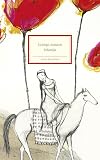
Als ich dann die neue Ausgabe des Insel-Verlages mit der wirklich schönen Covergestaltung und neuer Übersetzung entdeckt habe, war klar: Dieses schmale Büchlein muss ich haben. Gesagt, getan - und das Cover hat mich nicht enttäuscht. Die Zeichnungen, viele in schwarz-weiß oder in diversen Rottönen coloriert, passen wunderbar zu dieser gefühlvollen Geschichte. Was mich jedoch völlig ernüchtert hat, ist die meiner Ansicht nach misslungene Übersetzung.
Ich habe das Buch ebenfalls in der Ausgabe mit Hartmut Herboth als Verantwortlichem. Und auch wenn Manches darin durchaus etwas angestaubt klingen mag (immerhin ist sie mindestens 30 Jahre alt) - die Atmosphäre, die Stimmung hat er überzeugend ins Deutsche übertragen. Denn genau so ist es: die Menschen und das Land. Aus Interesse habe ich die beiden Fassungen dann parallel gelesen und bin schlicht entsetzt, was aus Dshamilja gemacht wurde. Um eines klarzustellen: Nein, ich kann kein Russisch. Aber die neue Fassung enthält ausser schlechtem Deutsch ebenso sachliche Fehler, die auch ohne Russisch-Kenntnisse festzustellen sind. Beispielsweise trägt in der neuen Fassung die Mutter des Erzählers einen Turban (S. 14), in der alten ein Kopftuch. Fakt ist, dass in Kirgisistan die Frauen Kopftuch und keinen Turban tragen. Oder die Beschreibung "… glühte die müde Junisonne wie die runde Öffnung eines Backofens …" (S. 28), wo bei Herboth statt Backofen Tandyr steht, ein neben dem Haus in die Erde gebauter Ofen mit runder Öffnung, in dem Fladen gebacken werden. Darüber verfügt in Kirgisistan praktisch jedes Haus, während Backöfen (insbesondere in der Zeit, in der die Geschichte spielt), Mangelware sind. Auch die Ausdrucksweise ist in der neuen Ausgabe stellenweise sehr gewöhnungsbedürftig: Auf Seite 27 "…; es lohnte nicht, mit ihm anzubinden.", hingegen in der alten Fassung "Sie wusste, dass es nicht lohnte, mit ihm Streit anzufangen, …", was auch im Zusammenhang gelesen wesentlich besser klingt. Oder Seite 7 (neu) "… damals noch Buben von fünfzehn, sechzehn Jahren .." gegenüber "Wir Halbwüchsigen, etwa fünfzehn Jahre alt…". Ich möchte die Fünfzehnjährigen sehen, die sich noch Buben nennen lassen ;-)
Dinge dieser Art ziehen sich durch den gesamten Text hindurch und viel von der Poesie dieser Geschichte ist einfach verloren gegangen. So schön ich die Illustrationen auch finde, ich werde das Buch verkaufen und dafür die alte Ausgabe behalten. Denn letztendlich ist es der Text, der Dshamilja ausmacht.
PS: Und um Bücher dieser Übersetzerin werde ich zukünftig einen riesigen Bogen machen. show less
Als ich dann die neue Ausgabe des Insel-Verlages mit der wirklich schönen Covergestaltung und neuer Übersetzung entdeckt habe, war klar: Dieses schmale Büchlein muss ich haben. Gesagt, getan - und das Cover hat mich nicht enttäuscht. Die Zeichnungen, viele in schwarz-weiß oder in diversen Rottönen coloriert, passen wunderbar zu dieser gefühlvollen Geschichte. Was mich jedoch völlig ernüchtert hat, ist die meiner Ansicht nach misslungene Übersetzung.
Ich habe das Buch ebenfalls in der Ausgabe mit Hartmut Herboth als Verantwortlichem. Und auch wenn Manches darin durchaus etwas angestaubt klingen mag (immerhin ist sie mindestens 30 Jahre alt) - die Atmosphäre, die Stimmung hat er überzeugend ins Deutsche übertragen. Denn genau so ist es: die Menschen und das Land. Aus Interesse habe ich die beiden Fassungen dann parallel gelesen und bin schlicht entsetzt, was aus Dshamilja gemacht wurde. Um eines klarzustellen: Nein, ich kann kein Russisch. Aber die neue Fassung enthält ausser schlechtem Deutsch ebenso sachliche Fehler, die auch ohne Russisch-Kenntnisse festzustellen sind. Beispielsweise trägt in der neuen Fassung die Mutter des Erzählers einen Turban (S. 14), in der alten ein Kopftuch. Fakt ist, dass in Kirgisistan die Frauen Kopftuch und keinen Turban tragen. Oder die Beschreibung "… glühte die müde Junisonne wie die runde Öffnung eines Backofens …" (S. 28), wo bei Herboth statt Backofen Tandyr steht, ein neben dem Haus in die Erde gebauter Ofen mit runder Öffnung, in dem Fladen gebacken werden. Darüber verfügt in Kirgisistan praktisch jedes Haus, während Backöfen (insbesondere in der Zeit, in der die Geschichte spielt), Mangelware sind. Auch die Ausdrucksweise ist in der neuen Ausgabe stellenweise sehr gewöhnungsbedürftig: Auf Seite 27 "…; es lohnte nicht, mit ihm anzubinden.", hingegen in der alten Fassung "Sie wusste, dass es nicht lohnte, mit ihm Streit anzufangen, …", was auch im Zusammenhang gelesen wesentlich besser klingt. Oder Seite 7 (neu) "… damals noch Buben von fünfzehn, sechzehn Jahren .." gegenüber "Wir Halbwüchsigen, etwa fünfzehn Jahre alt…". Ich möchte die Fünfzehnjährigen sehen, die sich noch Buben nennen lassen ;-)
Dinge dieser Art ziehen sich durch den gesamten Text hindurch und viel von der Poesie dieser Geschichte ist einfach verloren gegangen. So schön ich die Illustrationen auch finde, ich werde das Buch verkaufen und dafür die alte Ausgabe behalten. Denn letztendlich ist es der Text, der Dshamilja ausmacht.
PS: Und um Bücher dieser Übersetzerin werde ich zukünftig einen riesigen Bogen machen. show less

This is a novel of striking juxtapositions. The main plotline takes place over the course of a single day, and yet the past is ever present both in reflections and in legends. The focus is a tiny settlement at a railway intersection surrounded by the vastness of the Central Asian steppe, yet other nations and even aliens from outer space have a role. It is an example of socialist realism with its heroic railway worker, yet is subversive with its mankurts men who have been captured, tortured, show more and brainwashed into mindless slaves with no memory or identity. It is village prose and yet lauds the advances of technology. Finally, it is a novel written in Russian for a Russian or Russified audience, and yet seems to advocate for the retention of national identity and religion. And it is a novel by a Kyrgyz author set in Kazakhstan.
Yedigei was a soldier in WWII but suffered from shell shock and returned home early. Unable at first to perform the hard labor he is assigned, he finds a place in a remote settlement helping maintain the lines at a railroad junction. He and his wife are taken in by Kazangap, an older worker who is the lynchpin of the tiny community. The book opens with Yedigei learning that Kazangap has died, and the frame for the rest of the book is the journey Yedigei undertakes on his camel to take Kazangap to a cemetery for burial according to Muslim tradition. Along the way, Yedigei ruminates on his life, and especially on the fate of another family who joined their community for a time years ago.
A subplot involves the nearby (fictitious) cosmodrome, where rockets are launched after scientists from a join Soviet-US venture make contact with another intelligent species.
Despite its length (and the horribly damaged copy I was reading), I found this novel very compelling, as well as touching. I grew to care about Yedigei and his relationships with Kazangap and the members of the other family, as well as the troublesome, yet magnificent male camel, Karanar. It's a novel that would lend itself well to discussion, and I continue to think about aspects of the novel, especially after reading the introduction, which I did once I finished the book. I can see why the book is popular with readers of all stripes as it can be interpreted in a myriad of ways. show less
Yedigei was a soldier in WWII but suffered from shell shock and returned home early. Unable at first to perform the hard labor he is assigned, he finds a place in a remote settlement helping maintain the lines at a railroad junction. He and his wife are taken in by Kazangap, an older worker who is the lynchpin of the tiny community. The book opens with Yedigei learning that Kazangap has died, and the frame for the rest of the book is the journey Yedigei undertakes on his camel to take Kazangap to a cemetery for burial according to Muslim tradition. Along the way, Yedigei ruminates on his life, and especially on the fate of another family who joined their community for a time years ago.
A subplot involves the nearby (fictitious) cosmodrome, where rockets are launched after scientists from a join Soviet-US venture make contact with another intelligent species.
Despite its length (and the horribly damaged copy I was reading), I found this novel very compelling, as well as touching. I grew to care about Yedigei and his relationships with Kazangap and the members of the other family, as well as the troublesome, yet magnificent male camel, Karanar. It's a novel that would lend itself well to discussion, and I continue to think about aspects of the novel, especially after reading the introduction, which I did once I finished the book. I can see why the book is popular with readers of all stripes as it can be interpreted in a myriad of ways. show less
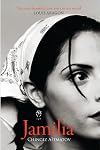
This was a favorite of mine when I first read it. It comes with high praise: Louis Aragon called this short novel the most beautiful love story in the world. I was a bit afraid it would not stand the test of time. But it did.
In just over a hundred pages he brings to life a time and place which is very foreign to us: Kirgizstan during the Second World War. The men are off fighting, the women are doing the work in the fields, charged with growing the food to sustain the fighters. The Kirgiz show more society has just moved from a nomadic existence to the settled life in the soviet kolkhozes. Said, a young boy himself, but the man in charge of the household, tells us about these days. Nested like a sketchy painting inside his recounting, is the love story of Jamilia and Danijar. With just a few half understood glimpses powerful feelings are evoked. The ending is bittersweet and left me with a mixture of satisfaction and yearning, much as it did Said. show less
In just over a hundred pages he brings to life a time and place which is very foreign to us: Kirgizstan during the Second World War. The men are off fighting, the women are doing the work in the fields, charged with growing the food to sustain the fighters. The Kirgiz show more society has just moved from a nomadic existence to the settled life in the soviet kolkhozes. Said, a young boy himself, but the man in charge of the household, tells us about these days. Nested like a sketchy painting inside his recounting, is the love story of Jamilia and Danijar. With just a few half understood glimpses powerful feelings are evoked. The ending is bittersweet and left me with a mixture of satisfaction and yearning, much as it did Said. show less

A beautifully crafted and very sad novel set in mid-20th century Kyrgyzstan, The White Ship follows an unnamed child who lives with his extended family in a remote rural area. The boy is fascinated by the landscape, the history and the culture of his people, and it is partly his awareness of them which leads to tragedy. This is a book whose ending is telegraphed very early on, but it's so carefully set up and feels so inexorable that I couldn't be mad with Chingiz Aïtmatov about it, even as show more I found myself wincing in anticipation. show less
Lists
Awards


You May Also Like


Associated Authors
Statistics
- Works
- 229
- Members
- 3,458
- Popularity
- #7,354
- Rating
- 4.0
- Reviews
- 81
- ISBNs
- 437
- Languages
- 23
- Favorited
- 12

