
Alice Thompson (1) (1961–)
Author of The Book Collector
For other authors named Alice Thompson, see the disambiguation page.
About the Author
Image credit: The Island Review
Works by Alice Thompson
Tagged
Common Knowledge
- Legal name
- Thompson, Alice Frances Mary
- Birthdate
- 1961
- Gender
- female
- Education
- University of Oxford (English)
- Nationality
- UK
- Birthplace
- Edinburgh, Scotland, UK
- Places of residence
- Edinburgh, Scotland, UK
- Associated Place (for map)
- Edinburgh, Scotland, UK
Members
Reviews
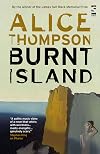
This is the story of a struggling writer who goes on an island retreat, to help him break through his writer's block - he is intent on writing something that will be popular, not like his previous books, which were critically acclaimed but didn't sell very well. Or perhaps this is the story that he writes - a gripping thriller full of twists and turns and with, as he notes to himself, a cliffhanger at the end of every chapter.
Either way, the island retreat is not everything that Max hoped show more for. His luggage is washed overboard during his boat ride out to the island, his promised traditional bothy turns out to be a stationary caravan, and his mysterious benefactor is revealed as a more successful writer than he is. Everyone on the island seems to know his business:
"You're the writer, aren't you?"
It was funny how each person said that in a different way. Dr Macdonald said it as if it were a medical condition. How right she was.
However, none of them is exactly what they seem - and some of them drop mysterious warnings about the fate of the last young writer to accept James' generosity.
I don't think it was inevitable that I enjoyed this book - sometimes this sort of slightly show-offy cleverness annoys me - but I was in the right mood to enjoy the cleverness both of the overall concept and of the writing. show less
Either way, the island retreat is not everything that Max hoped show more for. His luggage is washed overboard during his boat ride out to the island, his promised traditional bothy turns out to be a stationary caravan, and his mysterious benefactor is revealed as a more successful writer than he is. Everyone on the island seems to know his business:
"You're the writer, aren't you?"
It was funny how each person said that in a different way. Dr Macdonald said it as if it were a medical condition. How right she was.
However, none of them is exactly what they seem - and some of them drop mysterious warnings about the fate of the last young writer to accept James' generosity.
I don't think it was inevitable that I enjoyed this book - sometimes this sort of slightly show-offy cleverness annoys me - but I was in the right mood to enjoy the cleverness both of the overall concept and of the writing. show less
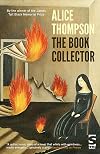
A young woman marries a rich, noble widower after a whirlwind romance. Regrets soon set in when this supposed "fairytale match" turns out to be disappointingly different from what was bargained for.
The same description could more or less sum up my relationship with this frustrating novel. Reading the blurb on the back of the back and the initial chapters, I thought that “The Book Collector” would be right up my street. Set in Edwardian England, it revels in the tropes of the Gothic and show more “sensation novels”, two genres I particularly like. There’s a vulnerable female protagonist from whose (unreliable) perspective the story is recounted; there’s an abusive husband with a shady past and even shadier present; there’s a mansion in the countryside which represents a “domestic prison”; there’s madness and a mental asylum; there is – Rebecca-like – the intangible presence of a dead wife; there’s even a walk-in role for a detective as we venture into crime story territory. On another level, the novel is also an Angela-Carteresque feminist fairy tale retelling – which is wholly appropriate considering that at the dark heart of its plot lies a precious edition of a book of fairy tales.
So why didn’t I like this novel? First of all, traditional Gothic tales were strong on atmosphere, with descriptions of settings being particularly important. I challenge any reader however to give a decent description of the buildings where the action in this book takes place. Everything remains vague and unreal. Indeed, the novel at times reminds me of some modernist stagings of 19th Century opera where the traditional lavish scenery is replaced by symbolic minimalist props. I don’t mind it in opera, but I certainly did here. Even the language is bare and spare, sometimes bordering on the simplistic, with some concepts put across with the subtlety of a sledgehammer.
This approach is probably deliberate, to focus on the drama going on within the protagonist’s mind without the distractions of stylistic trappings. The problem however is that neither the protagonist, nor the other characters ever seem develop. Nor are we given any background to them beyond what is strictly necessary for the story to work. We don’t learn anything about their past, and are not given any hints as to why they do what they do. They seem to be archetypes rather than flesh and blood characters. Just as in fairy tales, I hear you say. Could be, but it certainly didn’t make me feel “involved”.
Some readers were lavish in their praises of this novel, so mine could be just an issue of taste. It might well be that others were drawn to the same elements which put me off. Indeed, I look forward to reading other Alice Thompson novels which might make me change my mind about her work. show less
The same description could more or less sum up my relationship with this frustrating novel. Reading the blurb on the back of the back and the initial chapters, I thought that “The Book Collector” would be right up my street. Set in Edwardian England, it revels in the tropes of the Gothic and show more “sensation novels”, two genres I particularly like. There’s a vulnerable female protagonist from whose (unreliable) perspective the story is recounted; there’s an abusive husband with a shady past and even shadier present; there’s a mansion in the countryside which represents a “domestic prison”; there’s madness and a mental asylum; there is – Rebecca-like – the intangible presence of a dead wife; there’s even a walk-in role for a detective as we venture into crime story territory. On another level, the novel is also an Angela-Carteresque feminist fairy tale retelling – which is wholly appropriate considering that at the dark heart of its plot lies a precious edition of a book of fairy tales.
So why didn’t I like this novel? First of all, traditional Gothic tales were strong on atmosphere, with descriptions of settings being particularly important. I challenge any reader however to give a decent description of the buildings where the action in this book takes place. Everything remains vague and unreal. Indeed, the novel at times reminds me of some modernist stagings of 19th Century opera where the traditional lavish scenery is replaced by symbolic minimalist props. I don’t mind it in opera, but I certainly did here. Even the language is bare and spare, sometimes bordering on the simplistic, with some concepts put across with the subtlety of a sledgehammer.
This approach is probably deliberate, to focus on the drama going on within the protagonist’s mind without the distractions of stylistic trappings. The problem however is that neither the protagonist, nor the other characters ever seem develop. Nor are we given any background to them beyond what is strictly necessary for the story to work. We don’t learn anything about their past, and are not given any hints as to why they do what they do. They seem to be archetypes rather than flesh and blood characters. Just as in fairy tales, I hear you say. Could be, but it certainly didn’t make me feel “involved”.
Some readers were lavish in their praises of this novel, so mine could be just an issue of taste. It might well be that others were drawn to the same elements which put me off. Indeed, I look forward to reading other Alice Thompson novels which might make me change my mind about her work. show less
A young woman marries a rich, noble widower after a whirlwind romance. Regrets soon set in when this supposed "fairytale match" turns out to be disappointingly different from what was bargained for.
The same description could more or less sum up my relationship with this frustrating novel. Reading the blurb on the back of the back and the initial chapters, I thought that “The Book Collector” would be right up my street. Set in Edwardian England, it revels in the tropes of the Gothic and show more “sensation novels”, two genres I particularly like. There’s a vulnerable female protagonist from whose (unreliable) perspective the story is recounted; there’s an abusive husband with a shady past and even shadier present; there’s a mansion in the countryside which represents a “domestic prison”; there’s madness and a mental asylum; there is – Rebecca-like – the intangible presence of a dead wife; there’s even a walk-in role for a detective as we venture into crime story territory. On another level, the novel is also an Angela-Carteresque feminist fairy tale retelling – which is wholly appropriate considering that at the dark heart of its plot lies a precious edition of a book of fairy tales.
So why didn’t I like this novel? First of all, traditional Gothic tales were strong on atmosphere, with descriptions of settings being particularly important. I challenge any reader however to give a decent description of the buildings where the action in this book takes place. Everything remains vague and unreal. Indeed, the novel at times reminds me of some modernist stagings of 19th Century opera where the traditional lavish scenery is replaced by symbolic minimalist props. I don’t mind it in opera, but I certainly did here. Even the language is bare and spare, sometimes bordering on the simplistic, with some concepts put across with the subtlety of a sledgehammer.
This approach is probably deliberate, to focus on the drama going on within the protagonist’s mind without the distractions of stylistic trappings. The problem however is that neither the protagonist, nor the other characters ever seem develop. Nor are we given any background to them beyond what is strictly necessary for the story to work. We don’t learn anything about their past, and are not given any hints as to why they do what they do. They seem to be archetypes rather than flesh and blood characters. Just as in fairy tales, I hear you say. Could be, but it certainly didn’t make me feel “involved”.
Some readers were lavish in their praises of this novel, so mine could be just an issue of taste. It might well be that others were drawn to the same elements which put me off. Indeed, I look forward to reading other Alice Thompson novels which might make me change my mind about her work. show less
The same description could more or less sum up my relationship with this frustrating novel. Reading the blurb on the back of the back and the initial chapters, I thought that “The Book Collector” would be right up my street. Set in Edwardian England, it revels in the tropes of the Gothic and show more “sensation novels”, two genres I particularly like. There’s a vulnerable female protagonist from whose (unreliable) perspective the story is recounted; there’s an abusive husband with a shady past and even shadier present; there’s a mansion in the countryside which represents a “domestic prison”; there’s madness and a mental asylum; there is – Rebecca-like – the intangible presence of a dead wife; there’s even a walk-in role for a detective as we venture into crime story territory. On another level, the novel is also an Angela-Carteresque feminist fairy tale retelling – which is wholly appropriate considering that at the dark heart of its plot lies a precious edition of a book of fairy tales.
So why didn’t I like this novel? First of all, traditional Gothic tales were strong on atmosphere, with descriptions of settings being particularly important. I challenge any reader however to give a decent description of the buildings where the action in this book takes place. Everything remains vague and unreal. Indeed, the novel at times reminds me of some modernist stagings of 19th Century opera where the traditional lavish scenery is replaced by symbolic minimalist props. I don’t mind it in opera, but I certainly did here. Even the language is bare and spare, sometimes bordering on the simplistic, with some concepts put across with the subtlety of a sledgehammer.
This approach is probably deliberate, to focus on the drama going on within the protagonist’s mind without the distractions of stylistic trappings. The problem however is that neither the protagonist, nor the other characters ever seem develop. Nor are we given any background to them beyond what is strictly necessary for the story to work. We don’t learn anything about their past, and are not given any hints as to why they do what they do. They seem to be archetypes rather than flesh and blood characters. Just as in fairy tales, I hear you say. Could be, but it certainly didn’t make me feel “involved”.
Some readers were lavish in their praises of this novel, so mine could be just an issue of taste. It might well be that others were drawn to the same elements which put me off. Indeed, I look forward to reading other Alice Thompson novels which might make me change my mind about her work. show less

''Once I have owned a book I am longing for the next one. Collecting is a creative act. One of perpetual longing and desire. One is never fully fulfilled. Collections live in dread of satisfaction. There is that brief, transitory moment of satisfaction and then it disappears like dust in the air. We live to long after something, we know and accept the power of longing and desire. We are under no illusion that what we want is the unobtainable.''
Violet is a young woman living in Edwardian show more England, in an era of change. However, this process has nothing to do with her. She is the young wife of a dashing landowner and has just given birth to their son. Suffering from severe postpartum depression, Violet becomes extremely cautious of the world around her. Suspicions, doubts, the disappearance of a book of fairy tales and the presence of the nearby asylum looming over her life create cracks in her seemingly picturesque family. And what happens when obsession becomes reality?
I want you to think of a long, dark corridor. There are closed doors everywhere. Each door you open hides a small portion of the story. A young woman whose sanity has been snatched away, a young mother holding her baby, a book written on the finest vellum, speaking in hushed whispers. It's a labyrinth of souls and there is no way out...This is the best description of this extraordinary novel by Alice Thompson.
''One scene showed Elise throwing her eleven nettle shirts over her eleven brothers in 'The Wild Swans' to transform the princes from swans back into men. Violet could clearly see the youngest brother still brandishing one wing for an arm. The scene from 'The Little Mermaid' showed the mermaid, having had her tail transformed into legs by the witch, dancing with the prince, but feeling as if she were walking on the sharp edge of swords. Violet could see the blood flowing from the mermaid's legs. The third scene was from 'The Red Shoes'. Here the headsman was cutting off the dancer's feet imprisoned in the red shoes so that she could finally stop her relentless dancing.''
Thompson depicts the dark nature of the most well-known fairy tales in extraordinary detail and connects it to the heroine of the novel who becomes the protagonist in a tragically twisted fable. Hallucinations, manipulation, depression surround Violet like demons. Thompson makes use of the tropes of the Victorian Novel in all its Gothic glory but what makes The Book Collector special is the accurate depiction of the brutality and rawness of a society that bows to decorum, utterly devoid of understanding, always willing to abandon the ones in need. They should either be locked away and silenced or crushed once and for all.
Violet is quite the unreliable narrator. She may test your limits with her way of thinking but I loved her. She tries to become 'the angel of the house' only to turn into a doubter. Thompson creates a story full of darkness and disturbing images that may or may not be real. And every page becomes a door...
If you don't like your books hauntingly dark, this novel may not be for you. But if you proclaim yourself a Gothic soul, The Book Collector is waiting...
P.S.I am against trigger warnings and I never include them in my reviews. We are grown-up readers. We don't need any kind of ''warnings''. A powerful book is powerful through raw descriptions and intricate themes.
''That night she dreamt of a naked corpse hanging in a room of dark rocks, arms and legs pulled apart in a triangle, an image from the anatomy book she had been reading. The skin had been peeled off to reveal the bloodied flesh of the body, the vein, the muscles. Flies hovered in the air. Discarded strips of skin lay around on the floor. She tried not to retch as she bent over on the floor, the hem of her dress becoming soaked in blood, her pale satin pumps now soiled red in a lacy filigree.''
My reviews can also be found on https://theopinionatedreaderblog.wordpress.com/ show less
Violet is a young woman living in Edwardian show more England, in an era of change. However, this process has nothing to do with her. She is the young wife of a dashing landowner and has just given birth to their son. Suffering from severe postpartum depression, Violet becomes extremely cautious of the world around her. Suspicions, doubts, the disappearance of a book of fairy tales and the presence of the nearby asylum looming over her life create cracks in her seemingly picturesque family. And what happens when obsession becomes reality?
I want you to think of a long, dark corridor. There are closed doors everywhere. Each door you open hides a small portion of the story. A young woman whose sanity has been snatched away, a young mother holding her baby, a book written on the finest vellum, speaking in hushed whispers. It's a labyrinth of souls and there is no way out...This is the best description of this extraordinary novel by Alice Thompson.
''One scene showed Elise throwing her eleven nettle shirts over her eleven brothers in 'The Wild Swans' to transform the princes from swans back into men. Violet could clearly see the youngest brother still brandishing one wing for an arm. The scene from 'The Little Mermaid' showed the mermaid, having had her tail transformed into legs by the witch, dancing with the prince, but feeling as if she were walking on the sharp edge of swords. Violet could see the blood flowing from the mermaid's legs. The third scene was from 'The Red Shoes'. Here the headsman was cutting off the dancer's feet imprisoned in the red shoes so that she could finally stop her relentless dancing.''
Thompson depicts the dark nature of the most well-known fairy tales in extraordinary detail and connects it to the heroine of the novel who becomes the protagonist in a tragically twisted fable. Hallucinations, manipulation, depression surround Violet like demons. Thompson makes use of the tropes of the Victorian Novel in all its Gothic glory but what makes The Book Collector special is the accurate depiction of the brutality and rawness of a society that bows to decorum, utterly devoid of understanding, always willing to abandon the ones in need. They should either be locked away and silenced or crushed once and for all.
Violet is quite the unreliable narrator. She may test your limits with her way of thinking but I loved her. She tries to become 'the angel of the house' only to turn into a doubter. Thompson creates a story full of darkness and disturbing images that may or may not be real. And every page becomes a door...
If you don't like your books hauntingly dark, this novel may not be for you. But if you proclaim yourself a Gothic soul, The Book Collector is waiting...
P.S.I am against trigger warnings and I never include them in my reviews. We are grown-up readers. We don't need any kind of ''warnings''. A powerful book is powerful through raw descriptions and intricate themes.
''That night she dreamt of a naked corpse hanging in a room of dark rocks, arms and legs pulled apart in a triangle, an image from the anatomy book she had been reading. The skin had been peeled off to reveal the bloodied flesh of the body, the vein, the muscles. Flies hovered in the air. Discarded strips of skin lay around on the floor. She tried not to retch as she bent over on the floor, the hem of her dress becoming soaked in blood, her pale satin pumps now soiled red in a lacy filigree.''
My reviews can also be found on https://theopinionatedreaderblog.wordpress.com/ show less
Awards

You May Also Like


Associated Authors
Statistics
- Works
- 7
- Members
- 371
- Popularity
- #64,991
- Rating
- 3.2
- Reviews
- 13
- ISBNs
- 38
- Languages
- 5
- Favorited
- 1