

Marion Winik
Author of First Comes Love
About the Author
Marion Winik is the author of five previous books, including "Telling", "First Comes Love", & "The Lunch-Box Chronicles". She has been a commentator on National Public Radio since 1991, & her essays have appeared in such magazines as "Redbook", "Harper's Bazaar", & "Parenting". She lives in show more Pennsylvania with her husband & children. (Bowker Author Biography) show less
Image credit: John Burlinson
Works by Marion Winik
Highs in the Low Fifties: How I Stumbled through the Joys of Single Living (2013) 23 copies, 3 reviews
Associated Works
Creme de la Femme: The Best of Contemporary Women's Humor (1997) — Contributor — 40 copies, 2 reviews
Tagged
Common Knowledge
- Canonical name
- Marion Winik
- Gender
- female
- Occupations
- writer
author
teacher - Awards and honors
- NBCC Service Award (2023)
- Nationality
- USA
- Places of residence
- Austin, Texas, USA
Glen Rock, Pennsylvania, USA
Baltimore, Maryland, USA - Associated Place (for map)
- USA
Members
Reviews
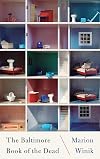
[b:The Baltimore Book of the Dead|40097597|The Baltimore Book of the Dead|Marion Winik|https://images.gr-assets.com/books/1534442202s/40097597.jpg|62150995] is a compassionate, funny tribute to dead friends, acquaintances and people the author would have enjoyed knowing. I couldn't put it down even though one needs to take a breath after each two-page vignette to savor the beautiful writing, the pinpoint characterization. An unexpected treasure which I started again as soon as I'd show more finished.
This is from her forward:
"As far as death at the dinner table goes, some respectful space must be made for grief. Grief is socially awkward, if not all-out anti-social, difficult to accommodate even in one-on-one conversations. Even now, when I mention that I widowed in my first marriage, or that my first baby was stillborn, I see people's faces fall, and I rush to explain that it was a long, long time ago and it was very sad but I am fine now. I really am. But I am also trying to spare them the awkwardness of having to come up with some appropriate or more likely inappropriate response, perhaps making some well-intentioned but doomed attempt to help me get over it, possibly by implying that it was God's will.
Which brings me back to the time when I was not fine, after those deaths and others, as well, and there I find part of my motivation for writing these books, for dwelling so long in the graveyard for finding a way to talk about it. Ultimately, instead of attempting to flee from the pain of loss, I decided to spend time with it, to linger, to let these thoughts and feelings bloom inside me into something else.
Why do we build memorials, decorate grave sites, set up shrines, stitch an AIDS quilt, paint three murals for Freddie Gray; what are these ghostly white bicycles woven with flowers on Charles and Roland avenues?" show less
This is from her forward:
"As far as death at the dinner table goes, some respectful space must be made for grief. Grief is socially awkward, if not all-out anti-social, difficult to accommodate even in one-on-one conversations. Even now, when I mention that I widowed in my first marriage, or that my first baby was stillborn, I see people's faces fall, and I rush to explain that it was a long, long time ago and it was very sad but I am fine now. I really am. But I am also trying to spare them the awkwardness of having to come up with some appropriate or more likely inappropriate response, perhaps making some well-intentioned but doomed attempt to help me get over it, possibly by implying that it was God's will.
Which brings me back to the time when I was not fine, after those deaths and others, as well, and there I find part of my motivation for writing these books, for dwelling so long in the graveyard for finding a way to talk about it. Ultimately, instead of attempting to flee from the pain of loss, I decided to spend time with it, to linger, to let these thoughts and feelings bloom inside me into something else.
Why do we build memorials, decorate grave sites, set up shrines, stitch an AIDS quilt, paint three murals for Freddie Gray; what are these ghostly white bicycles woven with flowers on Charles and Roland avenues?" show less
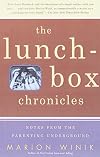
With the candor and often hilarious outlook that have made her a beloved commentator on NPR, Marion Winik takes the reader on an unforgettable journey through modern parenthood, with all of its attendant anxieties and joys.
A single mother with two small boys, Winik knows exactly what she's talking about, from battles over breakfast and bedtime to the virtues of pre-packaged food and weightier issues like sex education and sibling rivalry. Part memoir and part survival guide, The Lunch-Box show more Chronicles is an engaging philosophy of parenting from a staunch realist, who knows that kids and their parents both will inevitably fall far short of perfection, and that a "good enough mom" really is, in fact, good enough. show less
A single mother with two small boys, Winik knows exactly what she's talking about, from battles over breakfast and bedtime to the virtues of pre-packaged food and weightier issues like sex education and sibling rivalry. Part memoir and part survival guide, The Lunch-Box show more Chronicles is an engaging philosophy of parenting from a staunch realist, who knows that kids and their parents both will inevitably fall far short of perfection, and that a "good enough mom" really is, in fact, good enough. show less
Brief vignettes of people the author remembers who have died.
Sometimes poignant, sometimes witty, always smartly written. I felt that providing nicknames for the deceased provided a bit more relatability to each - a bit more generality, that they could be stand-ins for anyone with a similarity or relatability that the reader might actually know.
I picked the book up in part because of the title, and expected to find somewhat more about the city. But it was titled more for where the book was show more written than for where the people lived or stories took place. I found myself trying to figure out where exactly situations happened, which provided another layer of depth to the otherwise succinct snippets of life. show less
Sometimes poignant, sometimes witty, always smartly written. I felt that providing nicknames for the deceased provided a bit more relatability to each - a bit more generality, that they could be stand-ins for anyone with a similarity or relatability that the reader might actually know.
I picked the book up in part because of the title, and expected to find somewhat more about the city. But it was titled more for where the book was show more written than for where the people lived or stories took place. I found myself trying to figure out where exactly situations happened, which provided another layer of depth to the otherwise succinct snippets of life. show less
[b:The Baltimore Book of the Dead|40097597|The Baltimore Book of the Dead|Marion Winik|https://images.gr-assets.com/books/1534442202s/40097597.jpg|62150995] is a compassionate, funny tribute to dead friends, acquaintances and people the author would have enjoyed knowing. I couldn't put it down even though one needs to take a breath after each two-page vignette to savor the beautiful writing, the pinpoint characterization. An unexpected treasure which I started again as soon as I'd show more finished.
This is from her forward:
"As far as death at the dinner table goes, some respectful space must be made for grief. Grief is socially awkward, if not all-out anti-social, difficult to accommodate even in one-on-one conversations. Even now, when I mention that I widowed in my first marriage, or that my first baby was stillborn, I see people's faces fall, and I rush to explain that it was a long, long time ago and it was very sad but I am fine now. I really am. But I am also trying to spare them the awkwardness of having to come up with some appropriate or more likely inappropriate response, perhaps making some well-intentioned but doomed attempt to help me get over it, possibly by implying that it was God's will.
Which brings me back to the time when I was not fine, after those deaths and others, as well, and there I find part of my motivation for writing these books, for dwelling so long in the graveyard for finding a way to talk about it. Ultimately, instead of attempting to flee from the pain of loss, I decided to spend time with it, to linger, to let these thoughts and feelings bloom inside me into something else.
Why do we build memorials, decorate grave sites, set up shrines, stitch an AIDS quilt, paint three murals for Freddie Gray; what are these ghostly white bicycles woven with flowers on Charles and Roland avenues?" show less
This is from her forward:
"As far as death at the dinner table goes, some respectful space must be made for grief. Grief is socially awkward, if not all-out anti-social, difficult to accommodate even in one-on-one conversations. Even now, when I mention that I widowed in my first marriage, or that my first baby was stillborn, I see people's faces fall, and I rush to explain that it was a long, long time ago and it was very sad but I am fine now. I really am. But I am also trying to spare them the awkwardness of having to come up with some appropriate or more likely inappropriate response, perhaps making some well-intentioned but doomed attempt to help me get over it, possibly by implying that it was God's will.
Which brings me back to the time when I was not fine, after those deaths and others, as well, and there I find part of my motivation for writing these books, for dwelling so long in the graveyard for finding a way to talk about it. Ultimately, instead of attempting to flee from the pain of loss, I decided to spend time with it, to linger, to let these thoughts and feelings bloom inside me into something else.
Why do we build memorials, decorate grave sites, set up shrines, stitch an AIDS quilt, paint three murals for Freddie Gray; what are these ghostly white bicycles woven with flowers on Charles and Roland avenues?" show less
You May Also Like


Associated Authors
Statistics
- Works
- 17
- Also by
- 2
- Members
- 498
- Popularity
- #49,659
- Rating
- 3.8
- Reviews
- 19
- ISBNs
- 36
- Favorited
- 5
