

Ben Ames Williams (1889–1953)
Author of Leave Her to Heaven
About the Author
Image credit: Courtesy of the NYPL Digital Gallery (image use requires permission from the New York Public Library
Works by Ben Ames Williams
Evered 4 copies
Touchstone 3 copies
Honeyflow 2 copies
The Rational Hind 2 copies
Audacity 2 copies
Skyrocket 1 copy
! ESTAMOS EN UN PAÍS LIBRE ! 1 copy
Leaver Her to Heaven 1 copy
Valley Vixen Avon #153 1 copy
Good Form 1 copy
The Outsider 1 copy
Immortal longings 1 copy
A voice from the fog 1 copy
Hostile Valley 1 copy
An end to mirth 1 copy
The great accident 1 copy
Money musk 1 copy
Brevet från Kina 1 copy
Associated Works
The Best Short Stories of 1920 and the Yearbook of the American Short Story (1921) — Contributor — 22 copies
Tagged
Common Knowledge
- Canonical name
- Williams, Ben Ames
- Birthdate
- 1889-03-07
- Date of death
- 1953-02-04
- Gender
- male
- Nationality
- USA
- Associated Place (for map)
- USA
Members
Reviews
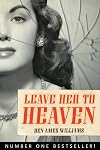
Leave Her to Heaven by Ben Ames Williams was such an excellent read. Originally published in 1944 and made into a 1945 movie which won the lead actress an Academy Award, this is a story of obsession and jealousy. If this book was published today, I believe it would be overdone instead, this book is subtle and builds slowly until you realize when Ellen says “I will never let you go” to Richard, she really means it.
Richard Harland meets the beautiful Ellen on a train and they turn up as show more guests at the same ranch in New Mexico. Although his inner voices are telling him to walk away, they fall in love and marry within two weeks of meeting. At first delirious with happiness, Richard eventually sees how pathologically jealous of him Ellen is. She doesn’t want anyone else to come into their inner circle and this includes his younger, crippled brother, her sister, or even their unborn child.
The story is told in flashback sequence and slowly the reader learns about Ellen and how she manipulates people and events to her advantage. The author is a true storyteller and although slightly melodramatic, I was totally drawn into the story and found this a hard book to put down for any length of time. I love the movie based on this book and so I was eager to see how the book compares to it. I am happy to say both are great fun and Ben Ames Williams has created a deeply flawed but brilliant character with the self-absorbed cruel Ellen. Although some may find Leave Her To Heaven a little dated but for me it was reading perfection. show less
Richard Harland meets the beautiful Ellen on a train and they turn up as show more guests at the same ranch in New Mexico. Although his inner voices are telling him to walk away, they fall in love and marry within two weeks of meeting. At first delirious with happiness, Richard eventually sees how pathologically jealous of him Ellen is. She doesn’t want anyone else to come into their inner circle and this includes his younger, crippled brother, her sister, or even their unborn child.
The story is told in flashback sequence and slowly the reader learns about Ellen and how she manipulates people and events to her advantage. The author is a true storyteller and although slightly melodramatic, I was totally drawn into the story and found this a hard book to put down for any length of time. I love the movie based on this book and so I was eager to see how the book compares to it. I am happy to say both are great fun and Ben Ames Williams has created a deeply flawed but brilliant character with the self-absorbed cruel Ellen. Although some may find Leave Her To Heaven a little dated but for me it was reading perfection. show less
I thought I was going to like this story even more than I did. Having seen the movie several times, I thought it would be interesting and entertaining to go deeper, especially into the Ellen character, into her noir depravity.
Ellen is sometimes mentioned as the most fatale of femme fatales, unrelentingly malicious. And that’s true of Ellen in the book.
It kicks in when she meets the story’s protagonist, Richard Harland, on a train from Chicago to New Mexico. Neither knows it but both are show more bound for a visit to the same ranch in New Mexico. They are seated across from each other in the train’s observation car. Harland is completely taken and distracted by Ellen’s beauty, daydreaming himself into a fantasy. Ellen coincidentally is reading a novel written by Harland himself. She falls asleep while reading it, with Harland still staring at her.
In fact, once she awakens, she’s the one to apologize for staring at him, saying that he looks very much like her father.
It’s a moment when Ellen’s obsessive, possessive love for her father passes like a spirit from her deceased father to Harland. Before their visit to New Mexico is over, they are married. She vows, with too literal a truth, to never let him go.
And Ellen’s mother chimes in to Harland, “She’ll eat you alive and gnaw your bones!”
And she does, figuratively anyway. She can’t bear anything that intrudes on their life together. Harland’s devotion to his younger brother Danny, stricken with infantile paralysis, is a threat. Ellen plots his removal.
Turn after turn, this is Ellen. Bearing her own child, by Harland, she finds the unborn child a threat. Like Danny, it must be removed.
She is driven, not just as femme fatale to the man she’s ensnared, but to herself as well. Her possessiveness is self-destructive. And, in classic noir style, we watch it unfold, as it threatens to take down Harland, Ellen’s sister (and of course, rival), Ruth, and herself. She’s a human grenade.
But as I said, the die is pretty much cast from the beginning. Ellen is not really deep or complex — that’s one thing I was missing in the story. The noir inevitability she nurtures is linear and clear — what makes the story more than ordinary is just that hard groove of ruthless possessiveness.
One thing that caught me was the experience of Harland’s despair. The author makes us experience it right along with Harland. He’s as stuck as stuck gets when he realizes who he is married to, the things she has done and will do, and the condemned life he feels he has to live from that point on.
Okay, pretty gloomy. You have to be a serious noir fan, I think, to enjoy such a reading experience.
If you’re not, and you get on the train with Harland and Ellen anyway, hang in there, because things will get better. Much better for Harland and others in his life by the end of the story. Maybe even a little too much better, as if the author just couldn't let the story end as darkly as it wanted to.
The writing itself didn’t flow as quickly as you might expect of a more pulpy noir, like a Hammett or a Cain story. It moves a bit slowly.
But the author does perform some nicely done stylistic turns — the beginning of the story is told first from Harland’s perspective, then Ellen’s, and then from Harland’s brother Danny’s. It’s like three trains headed for an intersection.
Okay, enough train metaphors. show less
Ellen is sometimes mentioned as the most fatale of femme fatales, unrelentingly malicious. And that’s true of Ellen in the book.
It kicks in when she meets the story’s protagonist, Richard Harland, on a train from Chicago to New Mexico. Neither knows it but both are show more bound for a visit to the same ranch in New Mexico. They are seated across from each other in the train’s observation car. Harland is completely taken and distracted by Ellen’s beauty, daydreaming himself into a fantasy. Ellen coincidentally is reading a novel written by Harland himself. She falls asleep while reading it, with Harland still staring at her.
In fact, once she awakens, she’s the one to apologize for staring at him, saying that he looks very much like her father.
It’s a moment when Ellen’s obsessive, possessive love for her father passes like a spirit from her deceased father to Harland. Before their visit to New Mexico is over, they are married. She vows, with too literal a truth, to never let him go.
And Ellen’s mother chimes in to Harland, “She’ll eat you alive and gnaw your bones!”
And she does, figuratively anyway. She can’t bear anything that intrudes on their life together. Harland’s devotion to his younger brother Danny, stricken with infantile paralysis, is a threat. Ellen plots his removal.
Turn after turn, this is Ellen. Bearing her own child, by Harland, she finds the unborn child a threat. Like Danny, it must be removed.
She is driven, not just as femme fatale to the man she’s ensnared, but to herself as well. Her possessiveness is self-destructive. And, in classic noir style, we watch it unfold, as it threatens to take down Harland, Ellen’s sister (and of course, rival), Ruth, and herself. She’s a human grenade.
But as I said, the die is pretty much cast from the beginning. Ellen is not really deep or complex — that’s one thing I was missing in the story. The noir inevitability she nurtures is linear and clear — what makes the story more than ordinary is just that hard groove of ruthless possessiveness.
One thing that caught me was the experience of Harland’s despair. The author makes us experience it right along with Harland. He’s as stuck as stuck gets when he realizes who he is married to, the things she has done and will do, and the condemned life he feels he has to live from that point on.
Okay, pretty gloomy. You have to be a serious noir fan, I think, to enjoy such a reading experience.
If you’re not, and you get on the train with Harland and Ellen anyway, hang in there, because things will get better. Much better for Harland and others in his life by the end of the story. Maybe even a little too much better, as if the author just couldn't let the story end as darkly as it wanted to.
The writing itself didn’t flow as quickly as you might expect of a more pulpy noir, like a Hammett or a Cain story. It moves a bit slowly.
But the author does perform some nicely done stylistic turns — the beginning of the story is told first from Harland’s perspective, then Ellen’s, and then from Harland’s brother Danny’s. It’s like three trains headed for an intersection.
Okay, enough train metaphors. show less
As another reviewer commented, Harland is a character who thinks with his penis. Ellen Harland is a master manipulator. This author certainly knows how to make you hate his character. Ellen is a well-fleshed-out character that is beautiful on the outside, and a hideous, reeking monster on the inside. The feeling I got from Richard Harland was of a wife-whipped man, but not much more. The last part, the court scenes, did drag on a bit. Overall, however, worth the read.
All the Brothers Were Valiant originally appeared in Everybody's Magazine (April and May 1919) with evocative illustrations by N. C. Wyeth and released as a book the same year. The setting is a whaling ship during the 1850s in the South Pacific, and is a pulpy melodrama concerning a conflict between two brothers over money, a woman and power. One brother is a rouge, the other upstanding. It wraps up neatly and quickly, though not believable, is a soothing balm from reality.
The story was show more subsequently made into three movies (1923, 1928, 1953). The 1923 silent starred Lon Chaney and is now lost, destroyed in an MGM fire in 1965. It was faithful to the book. It was remade in 1928 as Across to Singapore with changes to the plot but with the same character names and themes, starring Joan Crawford. It was remade again in 1953 in Technicolor starring Elizabeth Taylor's brother Robert (but not Elizabeth who declined a part). It's remarkable this was filmed three times. It's not that strong as a novel, but the 1953 film version is an improvement, smoothing over some rough spots.
A war between brothers is in both title and author. The title is derived from an epitaph by William Cavendish, 1st Duke of Newcastle (1593-1676) to his wife Margaret, the later had three valiant brothers who fought in the English Civil War: "It was a noble family, for all the Brothers were Valiant, and all the Sisters virtuous". Williams was born in Mississippi a relative of Confederate General Longstreet, though Maine became his adopted home. His most serious work is a two volume multi-generational epic on the (American) Civil War, House Divided which he worked on up to his death. He was most popular during the 1920s with magazine short stories in the Saturday Evening Post, where he pushed boundaries on what was possible with the form. show less
The story was show more subsequently made into three movies (1923, 1928, 1953). The 1923 silent starred Lon Chaney and is now lost, destroyed in an MGM fire in 1965. It was faithful to the book. It was remade in 1928 as Across to Singapore with changes to the plot but with the same character names and themes, starring Joan Crawford. It was remade again in 1953 in Technicolor starring Elizabeth Taylor's brother Robert (but not Elizabeth who declined a part). It's remarkable this was filmed three times. It's not that strong as a novel, but the 1953 film version is an improvement, smoothing over some rough spots.
A war between brothers is in both title and author. The title is derived from an epitaph by William Cavendish, 1st Duke of Newcastle (1593-1676) to his wife Margaret, the later had three valiant brothers who fought in the English Civil War: "It was a noble family, for all the Brothers were Valiant, and all the Sisters virtuous". Williams was born in Mississippi a relative of Confederate General Longstreet, though Maine became his adopted home. His most serious work is a two volume multi-generational epic on the (American) Civil War, House Divided which he worked on up to his death. He was most popular during the 1920s with magazine short stories in the Saturday Evening Post, where he pushed boundaries on what was possible with the form. show less
Lists
Awards


You May Also Like


Associated Authors
Statistics
- Works
- 53
- Also by
- 12
- Members
- 812
- Popularity
- #31,426
- Rating
- 3.7
- Reviews
- 14
- ISBNs
- 42
- Languages
- 3
- Favorited
- 2