
Jaume Cabré
Author of Confessions
About the Author
Image credit: JC
Series
Works by Jaume Cabré
Les incerteses: Sobre la creació del món (A TOT VENT-RÚST) (Catalan Edition) (2015) 23 copies, 2 reviews
L'any Del Blauet / in the Kingfisher (Sopa De Llibres. Serie Groga) (Catalan Edition) (2007) 4 copies
Llegia però no movia els llavis: (notes sobre la lectura literària): discurs llegit en la sessió inaugural del curs 2001-2002 (2001) 2 copies
El track 1 copy
Голоса Памано 1 copy
L'Ocellot Sinistre : Semblança Biografica D'Angel Guimera : Conferencia Pronunciada Davant El Ple Per Jau (2003) 1 copy
Associated Works
Tagged
Common Knowledge
- Canonical name
- Cabré, Jaume
- Legal name
- Cabré i Fabré, Jaume
- Birthdate
- 1947-04-30
- Gender
- male
- Education
- Universitat de Barcelona (Filologia Catalana)
- Organizations
- Institut d'Estudis Catalans (Secció Filològica)
- Awards and honors
- Premi d'Honor de les Lletres Catalanes (2010)
- Short biography
- Jaume Cabré (Barcellona 1947) è laureato in Filosofia e ha insegnato lingua e letteratura in numerosi licei di Barcellona. Inizia a scrivere giovanissimo e negli anni ‘70 pubblica il suo primo romanzo Galceran, l’heroi de la guerra negra. Alla carriera letteraria affianca ben presto numerose collaborazioni con i principali giornali catalani e con la televisione, per cui realizza molte sceneggiature. Negli ultimi anni ha scritto: Senyoria (1991) - con cui ha vinto il Prix Mediterranée in Francia - L’ombra de l’eunuc (1996), Viatge d’hivern (2000)e Le voci del fiume (2004).
- Nationality
- Spain
Catalonia - Birthplace
- Barcelona, Catalonia, Spain
- Places of residence
- Barcelona, Catalonia, Spain
- Associated Place (for map)
- Barcelona, Catalonia, Spain
Members
Reviews
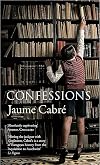
Spanning 6 centuries, but not in chronological order, with at least 50 major characters (I did not notice the helpful Dramatis Personae until I had finished the book) and multiple changes of voice, sometimes within the same paragraph, this is a book that demands commitment and attention. But if you can persevere, if you can reject the little voice telling you to put the book aside as you struggle to remember who a particular character, who has just reappeared, briefly, after 100 pages, might show more be, then it is very rewarding. Because there is a reason why Adrià Ardèvol's memoirs are so rambling and confused, and once you realise what that is, the key to the puzzle is unlocked
There is no need to rehash the plot, as other reviewers have done that. But it seems to me there are a few key themes. 1) the slipperiness of memory 2) the passion, but the ultimate pointlessness of the collection of precious objects 3) the difficulties of legacy and perhaps most importantly, the terror of emotional connection.
Adria's life would for most of us, seem unsatisfyingly cramped and narrow, successful academic though he might be. Most of us would have more sympathy for his friend Bernal, a perfectly competent violinist who would prefer to be a bad writer. Adria's father, Felix would terrify us all. We would also share the justifiable contempt most of the female characters have for the useless men.
So do read it, but you need to have the mental space to engage with it properly. And compliments to the translator... it can't have been easy to make such a seamless translation show less
There is no need to rehash the plot, as other reviewers have done that. But it seems to me there are a few key themes. 1) the slipperiness of memory 2) the passion, but the ultimate pointlessness of the collection of precious objects 3) the difficulties of legacy and perhaps most importantly, the terror of emotional connection.
Adria's life would for most of us, seem unsatisfyingly cramped and narrow, successful academic though he might be. Most of us would have more sympathy for his friend Bernal, a perfectly competent violinist who would prefer to be a bad writer. Adria's father, Felix would terrify us all. We would also share the justifiable contempt most of the female characters have for the useless men.
So do read it, but you need to have the mental space to engage with it properly. And compliments to the translator... it can't have been easy to make such a seamless translation show less

Nagy könyv, ahogy az a nagykönyvben írva vagyon. Cabré fogja a spanyol traumatikus múlt állatorvosi lovát, a polgárháborút*, illetve az azt követő francóizmus időszakát, teletömi viszállyal, bosszúval, tragédiával, a cselekményt szétszálazza jó pár idősíkra (köztük néhány Franco halála után játszódik, csak hogy nagyobb rálátásunk legyen a dolgokra), aztán uccu neki, fakereszt. Hasonló taktika ez, mint az Én vétkem esetében, de hát kit érdekel, show more amíg Cabré ilyen sallangmentesen műveli, felőlem addig variálhatja ugyanazt a sémát, amíg akarja.
Az, hogy sok a párhuzam az előző művel, megkönnyíti az értékelő (szerény személyem: én) dolgát, mert ami a nagyregény-írás technikai oldalát illeti, amit ott felsoroltam, itt is megállja a helyét. Nem is ismételném meg. Csak annyit fűznék hozzá, hogy megint rájöttem: félelmetes, mennyire tud ez a csávó írni. Mert az úgy van, hogy nála a dolgok valahogy tartalmazzák önnön ellentétüket is: a jó a rosszat, a bűn az erényt**. Következésképpen Cabré szereplői sosem (de legalábbis igen ritkán) egysíkúak – nem csak arról van szó, hogy a szerző képes bennünk erős érzelmeket ébreszteni irányukban, hanem olyan erős érzelmeket, amelyek egyben megdöbbentően komplexek is. Gyűlöljük a gonoszt, de kissé szánjuk is, megvetjük a manipulátort, de átérezzük a félelmeit, fájdalmait… ez pedig valami egészen összetett élvezetet okoz az olvasónak. Bravó, bravó, bravisszimó. Kevesen tudják ezt ilyen lendülettel megcsinálni.
Megjegyzem: az első tíz-húsz-harminc oldalon még igazán nem voltam biztos benne, hogy szeretni fogom. Egyszerűen túl sok volt az idősíkok közötti váltás – néha akár bekezdésen belül is. De aztán megszokja az ember. Meg aztán nem öncélú bravúrkodás ez, hanem (véleményem szerint) a könyv egyik központi üzenete. Ugyanis amikor az idősíkok ennyire összekapaszkodnak, és egyik a másikba növeszt indát, akkor eltűnik a múlt és a jelen közötti különbség, a történet pedig azáltal válik élővé, hogy az örökkévalóságban játszódik, nem pedig a befejezett múltban. Mert hajlamosak vagyunk azt hinni, hogy a lezárt emberi szenvedés már történelem – de ez nem így van. Az ember sosem a történelemért, a történelemben szenved, hanem a saját jelenében, a saját sorsában. Bármilyen patinát is rak rá az idő, bármilyen módon hivatkozik rá az utókor és bármilyen politikai érdek próbálja pecsenyéjét ezen a szenvedésen sütögetni, az a szenvedés csak az egyéné volt. Senki el nem veheti tőle, senki nem sajátíthatja ki. Maximum Cabré teheti meg, hogy ír róla egy könyvet – így.
* A spanyol polgárháború olyan lehet a spanyoloknak, mint nekünk Trianon a Tanácsköztársasággal összegyúrva. A katalán nemzeti emlékezetben meg aztán különösen benne van, hisz az ő szeparatizmusuk sok tekintetben még mindig a Francóval szembeni egykori ellenállásból táplálkozik.
** És ha a bűn meg az erény ilyen elválaszthatatlan, nem csoda, ha végül mindkettő egyként elnyeri büntetését. show less
Az, hogy sok a párhuzam az előző művel, megkönnyíti az értékelő (szerény személyem: én) dolgát, mert ami a nagyregény-írás technikai oldalát illeti, amit ott felsoroltam, itt is megállja a helyét. Nem is ismételném meg. Csak annyit fűznék hozzá, hogy megint rájöttem: félelmetes, mennyire tud ez a csávó írni. Mert az úgy van, hogy nála a dolgok valahogy tartalmazzák önnön ellentétüket is: a jó a rosszat, a bűn az erényt**. Következésképpen Cabré szereplői sosem (de legalábbis igen ritkán) egysíkúak – nem csak arról van szó, hogy a szerző képes bennünk erős érzelmeket ébreszteni irányukban, hanem olyan erős érzelmeket, amelyek egyben megdöbbentően komplexek is. Gyűlöljük a gonoszt, de kissé szánjuk is, megvetjük a manipulátort, de átérezzük a félelmeit, fájdalmait… ez pedig valami egészen összetett élvezetet okoz az olvasónak. Bravó, bravó, bravisszimó. Kevesen tudják ezt ilyen lendülettel megcsinálni.
Megjegyzem: az első tíz-húsz-harminc oldalon még igazán nem voltam biztos benne, hogy szeretni fogom. Egyszerűen túl sok volt az idősíkok közötti váltás – néha akár bekezdésen belül is. De aztán megszokja az ember. Meg aztán nem öncélú bravúrkodás ez, hanem (véleményem szerint) a könyv egyik központi üzenete. Ugyanis amikor az idősíkok ennyire összekapaszkodnak, és egyik a másikba növeszt indát, akkor eltűnik a múlt és a jelen közötti különbség, a történet pedig azáltal válik élővé, hogy az örökkévalóságban játszódik, nem pedig a befejezett múltban. Mert hajlamosak vagyunk azt hinni, hogy a lezárt emberi szenvedés már történelem – de ez nem így van. Az ember sosem a történelemért, a történelemben szenved, hanem a saját jelenében, a saját sorsában. Bármilyen patinát is rak rá az idő, bármilyen módon hivatkozik rá az utókor és bármilyen politikai érdek próbálja pecsenyéjét ezen a szenvedésen sütögetni, az a szenvedés csak az egyéné volt. Senki el nem veheti tőle, senki nem sajátíthatja ki. Maximum Cabré teheti meg, hogy ír róla egy könyvet – így.
* A spanyol polgárháború olyan lehet a spanyoloknak, mint nekünk Trianon a Tanácsköztársasággal összegyúrva. A katalán nemzeti emlékezetben meg aztán különösen benne van, hisz az ő szeparatizmusuk sok tekintetben még mindig a Francóval szembeni egykori ellenállásból táplálkozik.
** És ha a bűn meg az erény ilyen elválaszthatatlan, nem csoda, ha végül mindkettő egyként elnyeri büntetését. show less

„Sosem lehet mindent elmondani egy emberről.”
De nem ám. Sőt, egy regényt se lehet úgy megírni, hogy abban mindent elmondjunk. És áldom ezt a lehetetlenséget, mert ez teszi lehetővé az irodalmat. Most képzeljük el, hogy Musil 1930-ban megírja A tulajdonságok nélküli ember-t, és abban elmond mindent, ami elmondható. A többi író meg szomorúan konstatálja, hogy hát ez van, bezárhatjuk a boltot, mehetünk vissza a földekre tarhonyát kapálni. Az irodalom show more beteljesítette és ezáltal felszámolta önmagát, nincs szükség több regényre.
Hála Istennek, ez az opció sosem fog bekövetkezni. Minden jó regény csak egy szilánkja valami felfoghatatlan méretű kozmikus igazságnak, gigászi puzzle, amit az ember évtizedeken keresztül rakosgat összefele, és ha mákja van, élete alkonyán már eljut arra a szintre, hogy sejti, mi van a képen.
Itt van ez a Miguel Gensana, akit meghívnak vacsorázni. Mégpedig pont abba a házba, ahol felnőtt, amit családja elherdált, és amiben per pillanat egy fancy étterem üzemel az előírásszerűen bunkó főpincér felügyeletével. (Kóstold meg a húsételeiket, Miguel, azok fantasztikusak!) A vacsoráért cserébe Miguelnek mesélnie kell, mégpedig legjobb barátjáról, Bolósról. Miguel pedig mesél – a borzalmas családjáról, a kommunista sejtekről, szerelmeiről, az eunuch-létről, kábé mindenről, Bolós kivételével. Na jó, hát róla is szó esik, de leginkább csak annyi, hogy megértsük belőle: akit szellemi renyheségből vagy megszokásból legjobb barátunknak nevezünk, a gyakorlatban egy ismeretlen földrész, fehér folt a térképen.
Jó nagy regény. Úgy értve, hogy jó is, meg nagy is. Cabré a megszokott (pazar) mesterségbeli tudással mutatja be nekünk a spanyol (pontosabban: katalán) történelmet a francóizmus felemelkedésétől kezdve a kilencvenes évekig, miközben úgy tesz, mintha csak egyéni emberi sorsokról beszélne, semmi másról. Gyönyörűen dobja fel az epikus próza lassúdad ritmusát ezekkel a pulzáló, E/1 és E/3 között ingázó, az idősíkokat merészen összemosó mondatokkal. Egyszerre komótos és hektikus szöveg, pont mint az emlékezés. show less
De nem ám. Sőt, egy regényt se lehet úgy megírni, hogy abban mindent elmondjunk. És áldom ezt a lehetetlenséget, mert ez teszi lehetővé az irodalmat. Most képzeljük el, hogy Musil 1930-ban megírja A tulajdonságok nélküli ember-t, és abban elmond mindent, ami elmondható. A többi író meg szomorúan konstatálja, hogy hát ez van, bezárhatjuk a boltot, mehetünk vissza a földekre tarhonyát kapálni. Az irodalom show more beteljesítette és ezáltal felszámolta önmagát, nincs szükség több regényre.
Hála Istennek, ez az opció sosem fog bekövetkezni. Minden jó regény csak egy szilánkja valami felfoghatatlan méretű kozmikus igazságnak, gigászi puzzle, amit az ember évtizedeken keresztül rakosgat összefele, és ha mákja van, élete alkonyán már eljut arra a szintre, hogy sejti, mi van a képen.
Itt van ez a Miguel Gensana, akit meghívnak vacsorázni. Mégpedig pont abba a házba, ahol felnőtt, amit családja elherdált, és amiben per pillanat egy fancy étterem üzemel az előírásszerűen bunkó főpincér felügyeletével. (Kóstold meg a húsételeiket, Miguel, azok fantasztikusak!) A vacsoráért cserébe Miguelnek mesélnie kell, mégpedig legjobb barátjáról, Bolósról. Miguel pedig mesél – a borzalmas családjáról, a kommunista sejtekről, szerelmeiről, az eunuch-létről, kábé mindenről, Bolós kivételével. Na jó, hát róla is szó esik, de leginkább csak annyi, hogy megértsük belőle: akit szellemi renyheségből vagy megszokásból legjobb barátunknak nevezünk, a gyakorlatban egy ismeretlen földrész, fehér folt a térképen.
Jó nagy regény. Úgy értve, hogy jó is, meg nagy is. Cabré a megszokott (pazar) mesterségbeli tudással mutatja be nekünk a spanyol (pontosabban: katalán) történelmet a francóizmus felemelkedésétől kezdve a kilencvenes évekig, miközben úgy tesz, mintha csak egyéni emberi sorsokról beszélne, semmi másról. Gyönyörűen dobja fel az epikus próza lassúdad ritmusát ezekkel a pulzáló, E/1 és E/3 között ingázó, az idősíkokat merészen összemosó mondatokkal. Egyszerre komótos és hektikus szöveg, pont mint az emlékezés. show less

Jaume Cabré's book has been an unexpected discovery for me, a work of story-telling into which I have found myself irresistibly drawn. "Jo Confesso" is written as a long letter, composed against loss of memory, against the loss of a beloved... "Composed" seems a much more appropriate verb than "written" because, although ostensibly told from the point of view of a single narrator, it is a polyphony of voices, beautifully orchestrated, their stories weaving through the main narrative and show more adding layers to our understanding of the characters in the present. Alongside these voices, there are objects that connect the different stories - and like people become transformed (a seed in a pocket becomes a tree becomes a violin ... a cloth table napkin becomes two handkerchiefs become a "magic" rag becomes a vestige, a ruin). The plot is complex and riveting, as multivoiced as it is multilingual (it was a pleasure to see all those foreign-language phrases used unabashedly, against the grain of globalization's push towards monolingualism, phrases which, at least in the Polish translation, were happily un-annotated, relying on the reader's ability to learn along the way). The English translation is due to come out in the Fall, and I hope it manages to provide as good as an experience as I've had in Polish :-) show less
Lists
Awards


You May Also Like


Associated Authors
Statistics
- Works
- 46
- Also by
- 2
- Members
- 2,309
- Popularity
- #11,116
- Rating
- 4.1
- Reviews
- 97
- ISBNs
- 266
- Languages
- 17
- Favorited
- 11