
Peter Porter (1929–2010)
Author of W. B. Yeats : The Last Romantic
About the Author
Peter Porter was born in Brisbane, Australia on February 16, 1929. He moved to London in 1951 and worked as a bookseller and in advertising before writing on poetry for the Observer. In 1961, he published his first collection of poems, Once Bitten, Twice Bitten. His other works include The Cost of show more Seriousness, Better Than God, and Max is Missing, which won the Forward prize in 2001. His other awards include the Duff Cooper prize, the Whitbread poetry award, and the Queen's Gold Medal for poetry. He died on April 23, 2010 at the age of 81. (Bowker Author Biography) show less
Image credit: Simon James
Series
Works by Peter Porter
The Romantic Poets: Byron, Keats, Shelley, Wordsworth (Illustrated Poets) (1992) — Editor — 6 copies
Once Bitten Twice Bitten 2 copies
Poems Ancient & Modern 2 copies
Return to Kerguelen 1 copy
Marilyn Monroe 1 copy
Associated Works
The Faber Book of Modern Verse (1936) — Revised by, some editions; Editor, some editions — 313 copies, 2 reviews
Holding your eight hands; an anthology of science fiction verse (1970) — Contributor — 25 copies, 1 review
Tagged
Common Knowledge
- Legal name
- Porter, Peter Nevill Frederick
- Birthdate
- 1929-02-16
- Date of death
- 2010-04-23
- Gender
- male
- Education
- Church of England Grammar School, Brisbane, Australia
- Occupations
- poet
editor
translator - Organizations
- The Group
- Awards and honors
- Royal Society of Literature (Fellow)
Gold Medal for Australian Literature (1990)
Queen's Gold Medal for Poetry (2002)
Forward Prize (2002)
Order of Australia (Medal, 2004)
Royal Society of Literature (Companion of Literature, 2006) - Nationality
- Australia
- Birthplace
- Brisbane, Queensland, Australia
- Places of residence
- England, UK
Brisbane, Queensland, Australia - Associated Place (for map)
- Australia
Members
Reviews
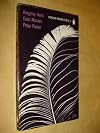
[Penguin Modern Poets 2]: Kingsley Amis, Dom Moraes, Peter Porter.
Kingsley Amis is first up with 25 poems. I Think of Amis first and foremost as a novelist and perhaps that is why I soon got tired of reading his poems. I found it hard to discover a poetic voice, yes there are plenty of good lines, but I never experienced the thrill and the flow when reading one of his poems all the way through. Nothing made me want to re-read them and I was never able to glimpse themes emerging from this show more collection. I didn't wish to spend any more time with him and so I quickly moved onto the 25 poems by Dom Moraes.
By contrast after reading a few of Dom Moraes poems I felt a connection to the poetic voice. A poet who not only comes up with some brilliant lines but weaves them through poems that sing of poetry. I could soon get to grips with the themes that emerged from his poems; alienation certainly, a keen observer of society, perhaps a man who would not quite fit anywhere. You would never call Dom a happy man or an optimistic man; but these thought would apply to many poets, what was peculiar to Moreas was a sense of regret, a sense that things could have been different. He is a poet who looks into his dream world and also a poet that has been guided by his catholic faith, but this seems increasingly in abeyance as I read through this selection.
A few lines from the poem Afternoon Tea are typical of his thoughts and his use of language:
'She poured the tea. Vaguely I watched her hands.
The mask was fitted: In my wandering dream
Were boulder-broken valleys, a strange land.
Remote, astonished, I stood by a stream
Holding her hand in mine. ............'
There is the poet in his own dream world; in a strange land where things could have been different, however he is only vaguely watching her hands pouring the tea, he is not really in this world or the world of his dream. Water is an ongoing theme in his poetry as is rocks and stone as he wavers between a reality and his own inner world.
The second poem in this collection entitled Autobiography is a poem of 4 stanzas of eight lines whose subject is what has led him to write poems and the final stanza makes it clear how he sees himself:
'I have grown up, I think, to live alone
To keep my old illusions, sometimes dream
Glumly that I am unloved and forlorn,
Run away from strangers, often seem
Unreal to myself in the pulpy warmth of a sunbeam.
I have grown up, hand on the primal bone,
Making the poem, taking the word from the stream,
Fighting the sand for speech, fighting the stone.'
The poem 'One of Us' pins down his feelings of alienation, when he recognises another man who is not really part of a group of friends that drink in the same establishment as him. Moreas says 'I never spoke to him' but recognises someone so like himself. There are other poems where he observes lonely figures, outside of the normal friend or family connections, there is nothing malicious or wrong about these men (they are always men) but they do not seem to fit anywhere and then they disappear. There are poems about sex with women, perhaps even love, but 'Snow on a Mountain' starts in typical fashion:
'That dream, her eyes like rocks studded the high
Mountain of her body that I was to climb.
One moment past my hands had swum
The chanting streams of her thighs:
Then I was lost, breathless among the pines.'
Moraes stretches his visionary imagination with a three part poem entitled The Island where he imagines a primitive society that have let their hero become the prey of a dragon; "The unwieldy hero pyred upon the sand" It does not auger well and when conquerers come there is only the dragon to protect them.
This selection is taken from Poems published in 1960 and so is an early collection. Moraes died in 2004. In 1961 he reported on the trial of Eichmann and travelling through Israel and then translating poems from Hebrew gave him a new sense of seriousness and discovery, which you wont find in this early selection. Moraes was a journalist and a travel writer and struggled with alcoholism. Worth further investigation?
Peter Porter is perhaps the most established poet of the three and like Dom Moraes he was not born in Britain; an Australian by birth he emigrated to England in 1951 and by the time his first collection of poems were published in 1961 he was an established member of the "Group" a London based collective of poets. His 26 poems are selections from that first publication titled Once Bitten, Twice Bitten.
The first poem; 'Forefathers' View of Failure' takes as its subject the settlers in Australia building churches and trying to impose their way of life onto the new land. They do take root and set the future for the new country. After this tour de force of a poem the following selections are more concerned with life in Britain and the immediate impression is one of satire. Perhaps only an outsider (non British born) would be able to gather such a clear picture of a society slowly rotting, but determined to hang on to what it has got. In the poem John Marston Advises Anger, Porter compares the Elizabethan society that Marston exposed in his plays with the London scene in 1961 and the poem ends with:
'His had a real gibbet - our death's out of sight
The same thin richness of theses worlds remains -
The flesh packed jeans, the car-stung appetite
Volley on his stage, the cage of discontent.'
The poem Made in Heaven is a satire on a pretty young girl giving up her opportunities to settle for a rich wedding and a well kept life. He satires religion in Who Gets The Popes Nose:
'And high above Rome in a room with wireless
The Pope also waits to die
God is the heat in July
And the iron band of pus tightening in his chest
Of all God's miracles, death is the greatest.'
Death is a recurring themes especially death from cancer; nowhere better depicted than in 'Death in the Pergola Tea-Rooms.' In 'The Historians Call up Pain' he makes the point that today we cannot know the pain that religious martyrs felt and he cannot resist a jibe at his former countrymen in the brilliant; Phar Lap in the Melbourne Museum:
'It is Australian innocence to love
The naturally excessive and be proud
Of a thoroughbred bay gelding who ran fast.'
The poem "Your Attention Please" is a satire on a governments final instruction to its population before an imminent nuclear attack. It was used as a lyric to a song by the Scottish group The Scars; a song that I knew well before discovering it was a poem by Porter. 'Somme and Flanders' is an anti war poem which starts:
'Who am I to speak up for the long dead?
Three uncles I never knew say I'm right.
Their tongues are speaking in my head
I'm related to their flesh by fright.'
There is even a poem entitled 'Reading a Novel' and a wonderfully entitled sonnet; 'A High-Born lady Condenses her Memoirs For Readers Digest.' Arresting images keep on coming and I thoroughly enjoyed almost all of the 26 poems selected here. Most of them work really well and I sort of wish I had read these poems more closely back in the 1960's. I am going to make up for this now; having just ordered a copy of Porters' collected poems.
All in all Penguin Modern Poets 2 is an exhilarating read; it may start off with a questionable poet in Kingsley Amis, but follows with some gorgeous dream-like poems from Dom Moraes, before roaring out with Peter Porter. A five star read. show less
Kingsley Amis is first up with 25 poems. I Think of Amis first and foremost as a novelist and perhaps that is why I soon got tired of reading his poems. I found it hard to discover a poetic voice, yes there are plenty of good lines, but I never experienced the thrill and the flow when reading one of his poems all the way through. Nothing made me want to re-read them and I was never able to glimpse themes emerging from this show more collection. I didn't wish to spend any more time with him and so I quickly moved onto the 25 poems by Dom Moraes.
By contrast after reading a few of Dom Moraes poems I felt a connection to the poetic voice. A poet who not only comes up with some brilliant lines but weaves them through poems that sing of poetry. I could soon get to grips with the themes that emerged from his poems; alienation certainly, a keen observer of society, perhaps a man who would not quite fit anywhere. You would never call Dom a happy man or an optimistic man; but these thought would apply to many poets, what was peculiar to Moreas was a sense of regret, a sense that things could have been different. He is a poet who looks into his dream world and also a poet that has been guided by his catholic faith, but this seems increasingly in abeyance as I read through this selection.
A few lines from the poem Afternoon Tea are typical of his thoughts and his use of language:
'She poured the tea. Vaguely I watched her hands.
The mask was fitted: In my wandering dream
Were boulder-broken valleys, a strange land.
Remote, astonished, I stood by a stream
Holding her hand in mine. ............'
There is the poet in his own dream world; in a strange land where things could have been different, however he is only vaguely watching her hands pouring the tea, he is not really in this world or the world of his dream. Water is an ongoing theme in his poetry as is rocks and stone as he wavers between a reality and his own inner world.
The second poem in this collection entitled Autobiography is a poem of 4 stanzas of eight lines whose subject is what has led him to write poems and the final stanza makes it clear how he sees himself:
'I have grown up, I think, to live alone
To keep my old illusions, sometimes dream
Glumly that I am unloved and forlorn,
Run away from strangers, often seem
Unreal to myself in the pulpy warmth of a sunbeam.
I have grown up, hand on the primal bone,
Making the poem, taking the word from the stream,
Fighting the sand for speech, fighting the stone.'
The poem 'One of Us' pins down his feelings of alienation, when he recognises another man who is not really part of a group of friends that drink in the same establishment as him. Moreas says 'I never spoke to him' but recognises someone so like himself. There are other poems where he observes lonely figures, outside of the normal friend or family connections, there is nothing malicious or wrong about these men (they are always men) but they do not seem to fit anywhere and then they disappear. There are poems about sex with women, perhaps even love, but 'Snow on a Mountain' starts in typical fashion:
'That dream, her eyes like rocks studded the high
Mountain of her body that I was to climb.
One moment past my hands had swum
The chanting streams of her thighs:
Then I was lost, breathless among the pines.'
Moraes stretches his visionary imagination with a three part poem entitled The Island where he imagines a primitive society that have let their hero become the prey of a dragon; "The unwieldy hero pyred upon the sand" It does not auger well and when conquerers come there is only the dragon to protect them.
This selection is taken from Poems published in 1960 and so is an early collection. Moraes died in 2004. In 1961 he reported on the trial of Eichmann and travelling through Israel and then translating poems from Hebrew gave him a new sense of seriousness and discovery, which you wont find in this early selection. Moraes was a journalist and a travel writer and struggled with alcoholism. Worth further investigation?
Peter Porter is perhaps the most established poet of the three and like Dom Moraes he was not born in Britain; an Australian by birth he emigrated to England in 1951 and by the time his first collection of poems were published in 1961 he was an established member of the "Group" a London based collective of poets. His 26 poems are selections from that first publication titled Once Bitten, Twice Bitten.
The first poem; 'Forefathers' View of Failure' takes as its subject the settlers in Australia building churches and trying to impose their way of life onto the new land. They do take root and set the future for the new country. After this tour de force of a poem the following selections are more concerned with life in Britain and the immediate impression is one of satire. Perhaps only an outsider (non British born) would be able to gather such a clear picture of a society slowly rotting, but determined to hang on to what it has got. In the poem John Marston Advises Anger, Porter compares the Elizabethan society that Marston exposed in his plays with the London scene in 1961 and the poem ends with:
'His had a real gibbet - our death's out of sight
The same thin richness of theses worlds remains -
The flesh packed jeans, the car-stung appetite
Volley on his stage, the cage of discontent.'
The poem Made in Heaven is a satire on a pretty young girl giving up her opportunities to settle for a rich wedding and a well kept life. He satires religion in Who Gets The Popes Nose:
'And high above Rome in a room with wireless
The Pope also waits to die
God is the heat in July
And the iron band of pus tightening in his chest
Of all God's miracles, death is the greatest.'
Death is a recurring themes especially death from cancer; nowhere better depicted than in 'Death in the Pergola Tea-Rooms.' In 'The Historians Call up Pain' he makes the point that today we cannot know the pain that religious martyrs felt and he cannot resist a jibe at his former countrymen in the brilliant; Phar Lap in the Melbourne Museum:
'It is Australian innocence to love
The naturally excessive and be proud
Of a thoroughbred bay gelding who ran fast.'
The poem "Your Attention Please" is a satire on a governments final instruction to its population before an imminent nuclear attack. It was used as a lyric to a song by the Scottish group The Scars; a song that I knew well before discovering it was a poem by Porter. 'Somme and Flanders' is an anti war poem which starts:
'Who am I to speak up for the long dead?
Three uncles I never knew say I'm right.
Their tongues are speaking in my head
I'm related to their flesh by fright.'
There is even a poem entitled 'Reading a Novel' and a wonderfully entitled sonnet; 'A High-Born lady Condenses her Memoirs For Readers Digest.' Arresting images keep on coming and I thoroughly enjoyed almost all of the 26 poems selected here. Most of them work really well and I sort of wish I had read these poems more closely back in the 1960's. I am going to make up for this now; having just ordered a copy of Porters' collected poems.
All in all Penguin Modern Poets 2 is an exhilarating read; it may start off with a questionable poet in Kingsley Amis, but follows with some gorgeous dream-like poems from Dom Moraes, before roaring out with Peter Porter. A five star read. show less
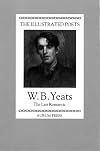
I’ll start by saying I loved the selection of twelve paintings included in this little book, and how they were paired with Yeats’ poetry. In particular “The Garden of Eden” by Riviere, with that look that says it all, and “Maud Gonne” by Purser, which was interesting given Yeats’ life-long love for Gonne, her multiple rejections of his proposals, and how both ended up in their later years. Some of the poetry included here clearly reflects Gonne, but in addition to “love’s show more bitter mystery” it touches on Irish nationalism and old age, among other things. It is a little hit and miss for me, but it’s certainly worth sampling Yeats poetry, and small books like this are perfect for that.
My favorites:
The Lake Isle of Innisfree
I will arise and go now, and go to Innisfree,
And a small cabin build there, of clay and wattles made:
Nine bean-rows will I have there, a hive for the honey-bee,
And live alone in the bee-loud glade.
And I shall have some peace there, for peace comes dropping slow,
Dropping from the veils of the morning to where the cricket sings;
There midnight’s all a glimmer, and noon a purple glow,
And evening full of the linnet’s wings.
I will arise and go now, for always night and day
I hear lake water lapping with low sounds by the shore;
While I stand on the roadway, or on the pavements grey,
I hear it in the deep heart’s core.
When You Are Old
When you are old and grey and full of sleep,
And nodding by the fire, take down this book,
And slowly read, and dream of the soft look
Your eyes had once, and of their shadows deep;
How many loved your moments of glad grace,
And loved your beauty with love false or true,
But one man loved the pilgrim soul in you,
And loved the sorrows of your changing face;
And bending down beside the glowing bars,
Murmur, a little sadly, how Love fled
And paced upon the mountains overhead
And hid his face amid a crowd of stars. show less
My favorites:
The Lake Isle of Innisfree
I will arise and go now, and go to Innisfree,
And a small cabin build there, of clay and wattles made:
Nine bean-rows will I have there, a hive for the honey-bee,
And live alone in the bee-loud glade.
And I shall have some peace there, for peace comes dropping slow,
Dropping from the veils of the morning to where the cricket sings;
There midnight’s all a glimmer, and noon a purple glow,
And evening full of the linnet’s wings.
I will arise and go now, for always night and day
I hear lake water lapping with low sounds by the shore;
While I stand on the roadway, or on the pavements grey,
I hear it in the deep heart’s core.
When You Are Old
When you are old and grey and full of sleep,
And nodding by the fire, take down this book,
And slowly read, and dream of the soft look
Your eyes had once, and of their shadows deep;
How many loved your moments of glad grace,
And loved your beauty with love false or true,
But one man loved the pilgrim soul in you,
And loved the sorrows of your changing face;
And bending down beside the glowing bars,
Murmur, a little sadly, how Love fled
And paced upon the mountains overhead
And hid his face amid a crowd of stars. show less

5 x 7 book of poems accompanied by paintings from the same era. This book highlights some of Yeats' most famous poems and will be familiar to fans of Romantic poetry.
The collected poems of Porter, to the date of publication. This is an important work by a significant modern English poet.
Awards


You May Also Like


Associated Authors
Statistics
- Works
- 51
- Also by
- 21
- Members
- 710
- Popularity
- #35,708
- Rating
- 3.8
- Reviews
- 8
- ISBNs
- 60
- Languages
- 2